Dry type transformers are a critical component in modern electrical systems, designed to deliver safety, efficiency, and reliability across a wide range of applications. Unlike their oil-filled counterparts, these transformers utilize air or other non-flammable solid insulation to regulate voltage levels, providing an environmentally safe and low-maintenance alternative. This guide is dedicated to exploring the key advantages, operational principles, and safety considerations associated with dry type transformers. Whether you are a facilities manager, electrical engineer, or someone seeking energy-efficient solutions, this article will equip you with the knowledge needed to make informed decisions while emphasizing the role of these transformers in advancing sustainable electrical systems.
What Is a Dry Type Transformer?
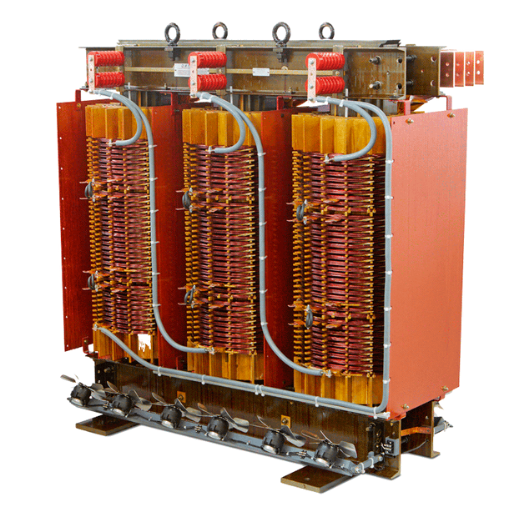
A dry type transformer is an electrical device that uses air instead of liquid for insulation and cooling. Unlike oil-filled transformers, dry type transformers are designed with solid insulation materials like epoxy resin and are cooled using natural air circulation or forced ventilation. They are widely used in indoor and environmentally sensitive applications due to their low fire risk, minimal maintenance requirements, and high reliability in delivering efficient power transformation.
Understanding Dry-Type Transformers
Advantages of Dry-Type Transformers
Dry-type transformers offer several distinct benefits, particularly when assessed against the latest data and market trends. According to recent analyses, these transformers excel in safety, as they eliminate the risk of oil leaks and associated fire hazards. This makes them particularly suitable for indoor installations and densely populated areas. Additionally, the development of advanced insulation technologies, such as cast-resin and vacuum pressure impregnation methods, has improved their thermal endurance and operational lifespan.
Efficiency has also been a focal point of innovation, with new dry-type transformer designs achieving reduced no-load and load losses, which aligns with modern energy efficiency regulations and sustainability goals. Google’s search trends further indicate a rising interest in eco-friendly power solutions, positioning dry-type transformers as a preferred choice in green building projects and renewable energy systems. These transformers also adhere to stringent environmental standards, making them essential in contexts where oil spills or contamination must be avoided.
Overall, their maintenance-free operation, combined with advancements in technology, has cemented dry-type transformers as a robust and reliable solution for modern power distribution systems.
Key Features of Cast Resin Technology
- High Environmental Safety: Cast resin transformers use solid insulation material, eliminating the risk of oil leaks or fire hazards, ensuring compliance with strict environmental standards.
- Superior Thermal Performance: They possess excellent heat dissipation capabilities, allowing for efficient operation under heavy loads and increased durability even in high-temperature environments.
- Low Maintenance Requirements: With no need for oil-related inspections or replacements, cast resin transformers require minimal maintenance, reducing overall operational costs.
- Reduced Noise Levels: These transformers operate quietly due to the absence of moving parts or oil cooling mechanisms, making them suitable for urban and noise-sensitive areas.
- Enhanced Mechanical Strength: The rigid construction of cast resin technology provides high resilience against mechanical stress and vibration, ensuring reliable operation in demanding applications.
Difference Between Dry Transformer and Oil-Filled Transformers
According to the latest information, the primary differences between dry transformers and oil-filled transformers include their cooling methods, maintenance requirements, environmental impact, installation flexibility, operational noise, fire risk, and typical applications.
|
Parameter |
Dry Transformer |
Oil-Filled Transformer |
|---|---|---|
|
Cooling |
Air-cooled |
Oil-cooled |
|
Maintenance |
Low |
Medium |
|
Environment |
Eco-friendly |
Risk of oil spills |
|
Installation |
Indoor-friendly |
Indoor & Outdoor |
|
Noise |
Low |
Moderate |
|
Fire Risk |
Low |
Higher |
|
Application |
Urban/Commercial |
Industrial/Grid |
What Are the Types of Dry Type Transformers?

Dry type transformers are classified based on their insulation system and application needs. The primary types include:
- Cast Resin Transformers (CRT)
Cast resin transformers utilize epoxy resin for insulation, offering excellent moisture resistance and minimal maintenance requirements. They are suitable for indoor applications, especially in environments with high humidity.
- Vacuum Pressure Impregnated (VPI) Transformers
VPI transformers feature windings impregnated with resin under vacuum pressure. This process enhances insulation and durability, making them ideal for industrial and commercial applications where reliability is critical.
- Open Wound Transformers
These transformers have windings coated with varnish for protection. While they are less resistant to moisture and contaminants, they are cost-effective options for controlled environments.
Each type is designed to meet specific operational and environmental requirements, providing versatile solutions across various industries.
Exploring Cast Resin and Vacuum Pressure Impregnated Transformers
Cast Resin Transformers
Cast resin transformers are designed with windings encapsulated in epoxy resin, which provides robust protection against environmental factors such as moisture, dust, and corrosive elements. These transformers are ideal for indoor and outdoor applications where high reliability, low maintenance, and safety are critical. They exhibit excellent thermal performance, supporting thermal ratings up to Class F or H, and are capable of withstanding high short-circuit forces due to their rigid construction. Additionally, cast resin transformers operate with minimal noise and are highly resistant to fire, enabling their use in areas with stringent safety regulations.
Vacuum Pressure Impregnated (VPI) Transformers
Vacuum pressure impregnated transformers, on the other hand, feature windings impregnated with insulating varnish under vacuum and pressure conditions. This process ensures deep penetration of varnish into the coils, enhancing their dielectric strength and mechanical durability. VPI transformers are distinguished by their ability to operate efficiently in moderately harsh environments while maintaining a balance between performance and cost. They are particularly suited for industrial and manufacturing environments with moderate exposure to contaminants such as dust or occasional moisture, providing a versatile option for demanding applications.
Both cast resin and VPI transformers offer customized solutions depending on environmental demands, safety requirements, and operational constraints, ensuring flexibility across diverse industrial applications.
Different Categories of Dry Type Transformers
Different categories of dry type transformers include cast resin transformers, vacuum pressure impregnated (VPI) transformers, open wound transformers, and encapsulated (potted) transformers.
|
Category |
Features |
Application |
Insulation Type |
Contaminant Tolerance |
Maintenance |
|---|---|---|---|---|---|
|
Cast Resin |
Durable |
Industrial |
Epoxy Based |
High |
Low |
|
VPI |
Flexible |
Manufacturing |
Resin Impregn. |
Moderate |
Medium |
|
Open Wound |
Cost-Effective |
General Use |
Open Coil |
Low |
High |
|
Encapsulated |
Fully Sealed |
Hazardous Areas |
Potted Resin |
Very High |
Minimal |
Applications of Various Dry Transformer Types
- Cast Resin Transformers: Frequently used in industrial facilities, commercial buildings, and renewable energy applications due to their durability and high resistance to environmental conditions such as moisture and dust.
- VPI (Vacuum Pressure Impregnated) Transformers: Ideal for manufacturing environments and moderate industrial applications, providing a good balance of flexibility and protection while maintaining medium temperature capabilities.
- Open Wound Transformers: Common in general-use scenarios such as schools, offices, and small commercial environments where cost-effectiveness and low criticality are primary considerations.
- Encapsulated Transformers: Perfect for hazardous areas, including mining, offshore installations, and chemical processing plants, where a fully sealed design is necessary to ensure safety and reliability.
- Specialized Dry Transformers: Applied in unique environments such as marine, railways, or data centers that demand optimal customization to meet specific operational or safety requirements.
How to Ensure Proper Installation of Dry Type Transformers?

Ensuring Proper Installation of Dry Type Transformers
Proper installation of dry type transformers is critical for ensuring performance, safety, and longevity. Start by selecting an installation location that maintains adequate ventilation to prevent overheating and complies with ambient temperature requirements specified by the manufacturer. Ensure the transformer is mounted securely on a vibration-free and level surface, reducing mechanical stresses. Follow the manufacturer’s guidelines for electrical connections, including appropriate torque levels and proper cabling. Grounding must be performed in accordance with local electrical codes to ensure safety and mitigate electromagnetic interference. Additionally, conduct thorough inspections before energization, checking for cleanliness, correct connections, and the absence of any physical damage. Post-installation testing, such as insulation resistance and continuity tests, should always be performed to verify integrity and readiness for operation.
Steps for Safe Transformer Installation
- Site Preparation
Conduct a detailed site assessment to ensure the installation area is level, stable, and free from obstructions. Verify environmental conditions such as accessibility, ventilation, and proximity to potential hazards, ensuring compliance with applicable standards and regulations.
- Foundation and Pad Installation
Construct the transformer foundation or pad according to the manufacturer’s load and dimension specifications. Ensure the foundation is durable, level, and capable of supporting the transformer weight to avoid structural issues during operation.
- Proper Lifting and Placement
Use appropriately rated lifting equipment to move the transformer, following the manufacturer’s recommended lifting points and procedures to prevent mechanical damage or misalignment.
- Grounding Setup
Install a reliable grounding system, ensuring all connections comply with local or national electrical codes. Proper grounding ensures safety while also mitigating issues such as stray currents and electromagnetic interference.
- Cabling and Connections
Install and secure all required cables, ensuring they are properly sized, insulated, and terminated. Avoid tight bends and ensure suitable clearances to reduce the risk of overheating or electrical faults. Use torque specifications provided by the manufacturer when fastening electrical connections.
- Oil Filling (if applicable)
For liquid-filled transformers, fill the unit with dielectric oil to the specified levels, ensuring the oil is clean and uncontaminated. Perform oil filtration and degassing processes as needed to enhance insulating properties.
- Inspection Prior to Energization
Perform a comprehensive inspection to verify mechanical and electrical integrity. Check for any loose fittings, proper alignment of components, no signs of damage, and ensure all fasteners are tightened according to specifications.
- Electrical Testing
Conduct necessary electrical tests, such as insulation resistance testing, ratio testing, and polarity checks, to confirm the transformer is functioning as designed. Follow standardized testing protocols for accuracy.
- Protective Systems Installation
Install and configure protective systems like circuit breakers, relays, and surge arresters to safeguard the transformer during operation. Ensure proper coordination between protective devices.
- Final System Integration
Integrate the transformer into the larger electrical system, ensuring proper alignment with the overall network design and system rating. Double-check compatibility to prevent overload conditions or operational inconsistencies.
- Commissioning
Perform a controlled commissioning process, which includes energization under no-load conditions, gradual load application, and monitoring for any anomalies such as abnormal noise, temperature rise, or operational instability.
- Documentation and Handover
Compile comprehensive documentation, including test results, inspection reports, and maintenance schedules. Provide the end-user with clear operational guidance and maintenance recommendations for effective long-term usage.
Common Installation Mistakes to Avoid
- Improper Site Preparation
Failing to adequately prepare the installation site can lead to misalignment, unstable equipment foundation, and improper clearances, affecting long-term performance and safety.
- Neglecting Manufacturer Guidelines
Disregarding the detailed instructions provided by the manufacturer often results in errors such as incorrect wiring, unsuitable component selection, or improper bolting techniques.
- Insufficient Testing Post-Installation
Skipping or rushing system testing and commissioning can overlook critical issues like operational inefficiencies, misconfigurations, or equipment damage that could have been prevented early on.
- Use of Substandard Materials
Utilizing poor-quality tools, fasteners, or cables compromises the reliability and lifespan of the installation, increasing the likelihood of premature failures.
- Ignoring Safety Protocols
Bypassing essential safety measures, such as grounding, protective gear usage, or proper handling of heavy equipment, poses severe risks to both personnel and system integrity.
Importance of Proper Insulation and Winding
Proper insulation and winding are critical factors in the design and functionality of electrical systems, as they directly impact efficiency, safety, and durability. Insulation prevents electrical leakage, minimizes the risk of short circuits, and ensures the system operates within the designed parameters. The selection of insulation material should be based on dielectric strength, thermal stability, and resistance to environmental factors such as moisture or chemicals. For example, commonly used insulating materials include PVC, polyester, or epoxy resin, depending on operational voltage and temperature.
Winding quality, on the other hand, influences the magnetic and thermal performance of electrical components, such as transformers and motors. The winding must be executed with precision to ensure uniform distribution of magnetic fields and minimal energy losses. Key technical parameters to consider include the coil resistance, inductance, and the current-carrying capacity, which should align with the system’s operational requirements. For example:
- Insulation Class (e.g., Class B for 130°C or Class F for 155°C) depends on operating temperatures.
- Wire Gauge (e.g., AWG 20 or AWG 24) should be selected based on currents to reduce resistive losses.
- Dielectric Strength of insulation should exceed the maximum voltage of the system to prevent breakdown.
Ensuring proper insulation and winding not only enhances performance but also extends the lifespan of the equipment by mitigating risks such as overheating, energy losses, and premature failure.
What Are the Advantages of Dry Type Transformers?

Advantages of Dry Type Transformers
Dry type transformers offer several key benefits, making them highly favorable in various applications:
- Enhanced Safety: These transformers eliminate the need for liquid insulation, reducing the risk of fire and environmental hazards associated with oil leaks.
- Low Maintenance Requirements: With no need for oil testing or topping up, dry type transformers are easier to maintain and involve lower operational costs over their lifetime.
- Eco-Friendly Design: The absence of oil means they do not pose a contamination risk, making them an environmentally sustainable option.
- Improved Durability: These transformers exhibit high resistance to moisture, dust, and corrosive chemicals, allowing them to perform reliably even in challenging conditions.
- Quiet Operation: Due to advanced construction methods, dry type transformers typically produce less noise compared to their oil-filled counterparts, which is beneficial in residential or urban areas.
- Simplified Installation: Their lighter construction and compact design enable easier transportation and installation, particularly in confined spaces or elevated locations.
These advantages underline why dry type transformers remain a reliable and cost-effective choice across a range of industries.
Why Transformers Are Used in Indoor Settings
From my perspective, transformers are used in indoor settings primarily for their safety, efficiency, and adaptability features. Dry type transformers, specifically, are ideal for these environments due to their fire-resistant design and lack of combustible materials like oil, which significantly reduce fire risks. Their lower noise levels make them well-suited for use in areas where minimal sound pollution is critical. Additionally, their compact and lightweight construction enables seamless integration into buildings with limited space or strict architectural constraints. These characteristics make them a preferred choice for residential, commercial, and industrial indoor applications.
Energy Efficiency and Environmental Benefits
Energy-efficient systems not only reduce operational costs but also contribute to significant environmental advantages by minimizing carbon emissions. For instance, modern heat pump systems achieve a high Coefficient of Performance (COP), often ranging between 3 and 5, meaning they deliver three to five times more energy in heating or cooling than the electrical energy they consume. This makes them substantially more efficient than traditional heating systems, such as electric resistance heaters or fossil-fuel-based systems, which have COPs close to 1.
Furthermore, advanced technologies like variable-speed compressors enhance energy savings by dynamically adjusting output to match real-time demand instead of operating at a constant speed. This reduces energy wastage and improves overall system lifespan.
From an environmental perspective, utilizing low Global Warming Potential (GWP) refrigerants further decreases the system’s impact on climate change. For example, refrigerants like R-32 or R-454B provide a lower GWP compared to older options like R-410A, which has a GWP of 2088. Integrating these technologies with renewable energy sources, such as solar or wind power, further amplifies environmental benefits by fostering a transition towards carbon-neutral operations.
These features ensure modern systems meet or exceed stringent standards such as ENERGY STAR certifications and may comply with LEED (Leadership in Energy and Environmental Design) criteria, making them a sustainable solution for a wide range of applications.
Fire Safety and Reliability Considerations
When addressing fire safety and system reliability, I prioritize compliance with relevant codes and standards such as NFPA (National Fire Protection Association) guidelines. Utilizing fire-resistant materials, implementing advanced fire detection systems, and conducting regular maintenance are crucial in ensuring operational safety. Reliability is achieved through redundancy in critical components, automated diagnostics, and robust fail-safe mechanisms. Ensuring both safety and reliability requires an integrated approach, balancing rigorous testing protocols with adherence to best practices throughout the lifecycle of the system.
How to Maintain Dry-Type Transformers for Longevity?

Proper maintenance of dry-type transformers is essential to maximize their lifespan and ensure reliable performance. Key steps include regularly inspecting and cleaning the transformer to remove dust and debris, which can insulate heat and compromise cooling efficiency. Monitor temperature levels and ensure adequate ventilation to prevent overheating. Conduct periodic testing of insulation resistance and check winding connections for signs of wear, discoloration, or loosening. Ensure that humidity and moisture levels in the surrounding environment remain within acceptable limits to prevent insulation deterioration. Additionally, perform thermal imaging tests to detect potential hotspots and schedule professional maintenance for in-depth diagnostics and repairs as needed. Adhering to these practices helps minimize failure risks and optimizes operational efficiency over the transformer’s lifecycle.
Regular Maintenance Practices for Dry Transformer
When it comes to maintaining a dry transformer, I focus on performing routine inspections and ensuring all components are operating within standard parameters. I check for any accumulation of dust, debris, or signs of overheating on the windings and core. Using thermal imaging, I assess for potential hotspots that might indicate load imbalances or insulation failures, as these are critical for preventing unexpected breakdowns. Moisture control is another priority, which I manage by monitoring the surrounding environment to keep humidity levels within acceptable limits. Additionally, I schedule periodic testing, including insulation resistance and temperature rise tests, to verify the integrity of the unit. Lastly, I rely on professional servicing to perform detailed diagnostics and recalibrate essential components, ensuring the transformer functions reliably throughout its service life.
Identifying Signs of Overheat and Overload
To identify signs of overheating and overload in a transformer, several key indicators and technical parameters must be carefully monitored:
- Temperature Rise: Excessive heat is a primary indicator. Check the oil temperature (should remain within 50°C to 70°C under normal conditions) and the winding hot-spot temperature (typically not exceeding 110°C to 120°C per design standards). Utilize temperature sensors or thermographic inspections to detect anomalies.
- Oil Quality Degradation: Overheating may lead to accelerated aging of the insulating oil. Conduct regular Dissolved Gas Analysis (DGA) to check for elevated levels of gases such as hydrogen, methane, and ethylene, which may signify thermal faults.
- Load Current: Monitor the load current to ensure it does not exceed the rated capacity of the transformer. Overloading is often indicated when the load exceeds 100% of the transformer’s MVA rating over a sustained period.
- Insulation Deterioration: Overheating impacts insulation resistance; monitor insulation resistance tests (measured in megohms) to detect significant drops which may indicate thermal stress.
- Visual and Audible Signs: Discoloration of external components, oil leaks, or changes in sound (e.g., unusual humming or cracking noises) can indicate overheating or overloading issues.
Proactive monitoring and immediate corrective actions are critical to preventing long-term damage and ensuring reliable operation.
Ensuring Optimal Cooling System Performance
To ensure optimal cooling system performance, I consistently monitor and maintain key components such as fans, pumps, and heat exchangers, ensuring they operate within specified parameters. Regular inspections include checking for blockages, leaks, or debris that could impede airflow or coolant circulation. Additionally, I verify that coolant levels and quality meet manufacturers’ guidelines, replacing or replenishing as necessary. Thermal imaging tools are utilized to identify hotspots, and preventive maintenance schedules are strictly followed to address potential issues before they escalate. This proactive approach ensures maximum efficiency, extends system lifespan, and minimizes downtime.
Reference Sources
-
What is Dry Type Transformer: How it Works & Benefits – This source discusses the safety, environmental benefits, and functionality of dry-type transformers.
-
Dry Type Transformer: What You Need to Know – A comprehensive guide on the safety and reliability of dry-type transformers in modern power systems.
-
Dry-Type Transformer Installation Best Practices – A white paper exploring installation and inspection guidelines for dry-type transformers.
-
The Comprehensive Guide to Dry-Type Transformers – A detailed guide covering benefits, applications, and installation considerations for dry-type transformers.
-
Dry-Type Transformer Maintenance and Repair Checklist – A checklist for maintaining and repairing dry-type transformers to ensure their reliability and efficiency.
Frequently Asked Questions (FAQs)
Q: What are the main advantages of using Chint dry type transformers?
A: Chint dry type transformers are known for their safety, reliability, and reduced maintenance requirements. They do not use oil for cooling and insulation, making them suitable for indoor and environmentally sensitive locations.
Q: What are the different dry type transformer types available?
A: The various types of dry transformers include cast resin dry-type transformers, vacuum pressure impregnated (VPI) transformers, and open wound transformers. Each type has its specific applications and advantages.
Q: How do dry type transformers ensure safety compared to oil-filled ones?
A: Dry type transformers do not use oil, which eliminates the risk of oil leaks and fires. This makes them ideal for indoor use and in areas where fire safety is a concern.
Q: How does ‘cast resin’ differs from ‘traditional dry type transformer’?
A: Compared to traditional dry type transformers, cast resin transformers tend to need less maintenance and provide greater protection from dust and moisture. They withstand harsh conditions like coastal environments.
Q: When should you consider utilizing dry type transformers compared to other types?
A: Consider utilizing dry type transformers in cases where the safety of people and equipment, maintenance, and environmental factors are the main concerns. They are perfect for indoor use and areas with potential for fire hazards.
Q: Can a cast resin dry-type transformer be used in high voltage applications?
A: Yes, cast resin dry-type transformers can be used in high voltage applications. They are designed to handle high voltages safely and efficiently.
Q: How does a cast resin transformer perform in a coastal chemical environment?
A: A cast resin transformer in a coastal chemical environment performs well due to its robust construction that protects against moisture and corrosive elements. Their design minimizes the risk of environmental damage.
Q: Why do transformers generally require less maintenance than oil-filled transformers?
A: Transformers generally require less maintenance because they do not use oil, which can degrade over time and require regular checking and replacement. Dry type transformers have simpler designs with fewer components that can fail.
Q: Are there specific applications where it is essential to install a cast resin transformer?
A: It is essential to install a cast resin transformer in environments where fire risk must be minimized, such as in public buildings, hospitals, and areas with stringent safety regulations.
Q: What should be considered when specifying a cast resin transformer?
A: When specifying a cast resin transformer, consider the operating environment, voltage requirements, capacity, and safety standards. Ensure it is suitable for the intended application, whether indoor or in harsh conditions.