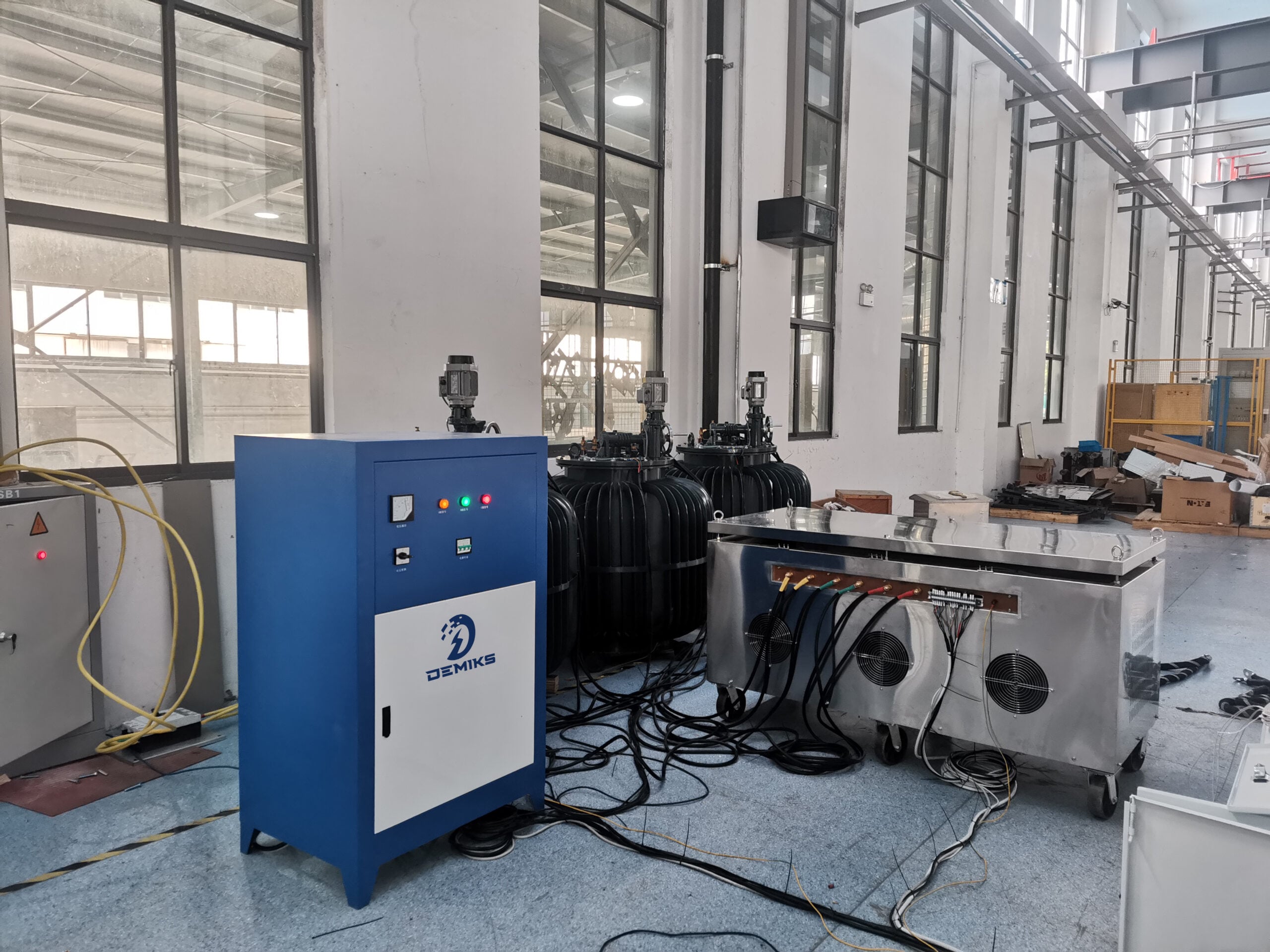
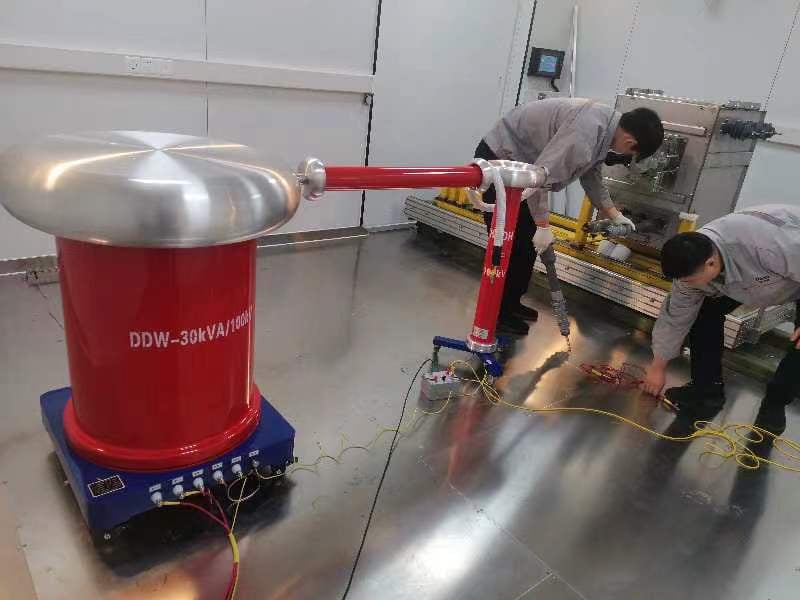
The process of troubleshooting faults in underground or overhead cables is often difficult, inefficient, and monotonous. Prolonged periods of downtime can occur as a result. A modern diagnostic tool known as cable fault locators is used to locate faults within electrical or telecommunication cable systems with greater precision and accuracy. This article will discuss the workings of a cable fault locator, its emphasized uses, and its latest technological advancements that are improving dependability and precision. Specialists aiming to optimize maintenance workflows or those with the intent to reduce operational disruptions will find this guide instrumental for mastering every aspect of fault detection and resolution.
What is a Cable Fault and How Does it Occur?

A cable fault consists of defects, damage, or breaks in the insulation or conductor wire of an electrical or telecommunication device. These damages hinder the device’s proper functioning. Faults such as these can arise from excessive moisture ingress, electrical stress, aging distortion, kilometers of physical wear and tear, or moisture damage. Extreme temperatures and ground movements are also known to cause cable faults. Determining the type and precise location of a fault is critical for service restoration, thereby requiring highly accurate fault detection methods in maintenance and repair operations.
Understanding Cable Fault Types
Considerable variations exist in detection techniques and repair strategies due to differences in cable faults. The most prevalent faults are the open-circuit faults, short-circuit faults and the earth faults.
- Open-Circuit Faults
Due to a breakage or discontinuity, open-circuit faults arise which stop any current flowing through. Physically inflicted damages to a system, aging materials or severe force are the typical reasons that cause open-circuit faults. Their diagnosis can often employ continuity testing through multimeters or time-domain reflectometers (TDR).
- Short-Circuit Faults
When two conductors short-circuit, water ingress, excessive voltage stress or even a breakdown of insulation can become a culprit. Short-circuits can lead to higher currents in a system, thus, commanding protective devices to go off. They can be found through measuring resistance or advanced devices that locate the specific place of contact.
- Earth Faults
One or more conductors being struck with the ground or earth conductor causes an earth fault. Such faults comprise of ground movement, moisture and the more severe insulation degradation. Earth faults are diagnosed through earth fault locators or by studying current leakage patterns.
Current cable fault detection systems use cutting-edge methods like automatic transient analysis and oscillatory wave mapping to enhance precision and productivity. Using these systems aids in quick problem solving, minimizes downtime, and increases the dependability of cable networks.
Common Causes of Cable Faults
1. Insulation Degradation: The thermally aging, mechanically stressing, or environmentally exposing factors often lead to heating circuits. This stress accrual, in turn, leads to cables accruing dirt which results in the breakdown of insulation material accrued on the cables. The slow degradation can lead to the thinning of insulation layer of cables increasing the risk for short circuit or current leakages.
2. Moisture Intrusion: Partial failures are a common occurrence in cables located undergroud where water ingress is especially prevalent and have moist soil. Loose soil offers poor drainage making moisture ingress much easier which in turn compromises the properties of insulation while also causing discharge leading to electric tracking which can result in worse damage down the line.
3. Mechanical Damage: Cables are susceptible to damage and faults by the construction equipment as well as attack by rodents, which leads to impact damage owing to their sudden bursts of exercise. The cable systems are tuned to be extremely robust, and any change can result in immediate faults or disturbances in the balance of integrity within the synchrotron systems, resulting in cable faults.
4. Overloading and Overheating: The infrigngement that comes with overloading cables leads to heating wear, accruing insulation wear and resulting in far reaching thermal breakdowns. Expansion and contraction of components of the cable result in cyclic loading. Adding loss strain through repeated loading leads to wearing immensely damaging the insulation layer built on the cables.
5. Manufacturing Defects: Leaving the norm, patches that go uninspected during production tend to lead to the insulation layers on the cables being defective. Over time, they stop performing the adjacency tasks they are supposed to perform which with enlistment of stress leads to loss of function. Damage feels worse coupled with issues hiding to occur forever, only to arise when extra pressure is put on top.
Being able to predict mechanical distress allows one to salvag the resume flow of cabinetwork, especially while issuing mitigation measures focused on suspending extra wear centered around the failure care accured, predicting issues and calculating lifespan stemming from these insights.
The Impact of Faults on Underground Cables
Faults in underground cables can severely impact the operation of the electrical network resulting in power outages, downtime, and even financial losses. Faults in the cable system, whether due to short/open circuits or even insulation degradation, pose risks to the performance of said system. Insulation failures, for instance, may result in partial discharges which will accelerate the wear and tear of the cable and components associated with it.
Overloading, or excessive heat from external sources, can create thermal faults which can cause localized overheating. This results in dielectric strength and material quality insulation which can worsen the electrical imbalance– all creating a cyclical phenomenon of imbalance where thermal and electrical shifts compound cable failures. Moreover, mechanical faults such as sheath breaches or compressive damage result in the hazardous ingress of moisture that can promote short-circuit mechanisms and corrosion.
The implications of cable faults in the networks is perhaps the reduction in reliability indices leading to measurable impacts on System Average Interruption Duration Index and System Average Interruption Frequency Index. For this reason, the negative impacts from cable faults need to be counteracted by improving diagnostics, doing real-time surveillance, and applying predictive analytics to ensure reliable performance from the cable network while reducing the direct and indirect costs associated with cable faults.
How to Use a Cable Fault Locator Effectively?

- Identify the Fault Type
Identifying what type of cable fault it is; open circuit, short circuit or insulation failure will enable you to configure the fault locator for accurate testing.
- Prepare the Cable
To eliminate active system interference, hazardous conditions, and ensure safety, disconnect the cable. Also, make sure the terminations of the cable are prepared for measurement and accessible.
- Configure the Device
Following the supplied user manual, program the cable fault locator with the essential values of the cable type, length and impedance.
- Perform Testing
Inject the test signal into the cable using the fault locator. The use of Time-Domain Reflectometry (TDR) or bridge techniques will measure the reflected signal or resistance change in the cable wire and help idetify the location of the fault.
- Analyze the Results
Using the Locator display, interpret the distance from the Test point to the located fault. Compare this data with the cable sketch to identify the physical location of the fault.
- Verify Findings
If necessary, perform additional tests to verify the nature of the fault and determine the precise location before repairs are done.
Following all these steps, enable users to maximize the use their cable fault locator, effective and precise fault detection.
Choosing the Right Cable Fault Locator
All factors technical and operational need to be taken into account when selecting a reliable cable fault locator. Most primary factors to consider are the stratification of cables in the system, largely their length and intricacy, and typical faults encountered which can either be open and short circuits or insulation fault opens.
Moreover, the locator must meet the criteria of the detection range, accommodate several materials of cables like copper and fiber optics, and possess features with higher precisions like TDR time domain reflectometry and arc reflection. Most modern fault locators are equipped with advanced digital interfacing, testers with internal memories for recording test data, and sophisticated software for deep diagnosis.
Maintaining reliability and operational efficiency, such as ease of transport and use in extreme field conditions, adds to the usefulness of the device. Complying with standards from organizations like IEEE also enhances trust in the device by ensuring system integration capability and infrastructure interoperability. With a focus on all the listed parameters, operators are able to focus on fault locating in a systematic fashion while streamlining maintenance tactics.
Tips for Accurate Fault Location
- Perform Regular Calibration
Conduct periodic calibration steps for the cable fault locator to ensure maximum accuracy. Performed against reliable benchmarks, calibrations help reduce arbitrary misalignment and bring the device into conformity with benchmarks. For instance, devices that undergo calibration in accordance with ISO/IEC 17025 guidelines are shown to be well within the operational and environmental reliability range as tested.
- Use Correct Test Parameters
Test parameters such as pulse width, voltage levels, and frequency need to be set according to the cable and the type of fault present. Parameters set inappropriately may lead to erroneous fault detection and measurement. For example, a pulse width set too wide reduces resolution, and a too-low voltage level will miss detecting high-resistance faults.
- Analyze Waveforms Carefully
Carefully interpret the reflected waveforms on a TDR display used with other diagnostic tools. Understanding waveform reflections, such as amplitude shift and time intervals, offers a viable way of achieving fine accuracy in determining the fault. Some more sophisticated equipment may have features for automatic waveform analysis which can make this easier.
- Account for Cable Properties
Different types of cables differ in their propagation velocity, impedance, and the property of insulation. Always key in the correct propagation velocity factor (VOP) in the locator for distance measurement to be accurate. Typical VOP values lie between 0.65 for coaxial cables and up to 0.99 for aerial cables. An incorrect VOP will cause significant errors in fault location.
- Minimize External Noise
Take measurements in conditions with low electromagnetic interference (EMI) to increase the clarity of the signal. External noise sources like high-voltage equipment or radiofrequency signals which can mask waveform readings should be avoided using shielded testing devices or filters to circumvent equipment distortion.
Following these steps ensures precise and prompt fault location, improving system reliability and decreasing the operational downtime.
What are the Different Types of Cable Fault Locators?

Cable fault locators can be subcategorized into multiple types based on their applications:
- Time Domain Reflectometer (TDR)
Metallic cables faults can be identified using TDRs as they are widely utilized for this purpose. It sends a signal through the cable analyzing reflections resulting from impedance changes which ascertain the fault’s position with great accuracy.
- Bridge Method Locators
These devices apply the concepts of electrical bridge circuits to seek out high-resistance and short-circuit faults’ locations.
- Pulse Echo Testers
Just like TDRs do, pulse echo testers send pulses along cables paying attention to echoes and estimating the time it takes them to return from the irregularities or faults.
- Insulation Testers
These instruments determine insulation resistance of cables, pinpointing potential weak spots that may fail, particularly in high voltage systems.
- Capacitance Measurement Fault Locators
These locators are useful for lines that are open or broken because they can determine the fault by the difference in capacitance from normal conditions.
Each type comes with certain advantages designed for a particular situation, allowing the operator to choose the most accurate and efficient tool for sophisticated and precise fault finding.
Overview of Acoustic Fault Locators
Acoustic fault locators detect and analyze sound waves from electrical devices that are partially discharging, arcing, or experiencing mechanical impacts. These devices have sensitive acoustic sensors that identify exact fault locations even within dense environments. Acoustic fault locators filter out background noise with specialized methods so diagnostics can remain accurate.
Acoustic fault locators are prominently utilized in the underground cable network and transformer systems because visual fault identification is not possible. The technology is capable of detecting loose electrical connections, insulation breakdowns, and voids in materials that produce distinct sounds under electrical stress. More recently, acoustic fault locators have incorporated machine learning algorithms to enhance diagnosis accuracy by interpreting intricate acoustic signatures more deeply.
Acoustic fault locators are especially helpful in preserving system integrity during non-invasive diagnostics because they limit system disruption during the operational downtime which minimizes operational and repair costs. Because of the reliability paired with adaptability, the devices are now crucial in modern electrical maintenance, providing seamless integration in multilevel fault detection strategies.
Understanding Thumpers and Their Applications
Cable fault locators, or thumpers, serve an important role in detecting and locating faults in underground cables. These devices function by issuing high energy impulses, or “thumps,” which travel through the cable and reflect back upon encountering faults like short circuits, open circuits, or insulation breakdowns. Technicians analyzing the reflections of these signals can determine fault locations quite accurately.
Thumpers have applications in power distribution, telecommunications, and infrastructure maintenance. Newer models integrate thumpers with time-domain reflectometry (TDR), which utilizes physical impulses alongside reflection analysis, thus improving precision. Moreover, sophisticated fault mapping along with advanced record-keeping is made possible through the integration of digital data collection systems.
Thumpers mitigate the operational ramifications of cable failures by reducing the time needed to locate and repair faults, which makes them efficient in this regard. Their use, alongside other diagnostic devices or machine learning techniques, enhances the reliability and cost efficiency of electric and communication networks, providing uninterrupted service critical for seamless operations.
Comparing Voltage and Time Domain Reflectometry (TDR) Locators
|
Key Point |
Voltage Locators |
Time Domain Reflectometry (TDR) Locators |
|---|---|---|
|
Principle of Operation |
Detect voltage indications of faults |
Send and analyze reflected pulses |
|
Fault Detection Method |
Measures voltage drops or spikes |
Analyzes signal reflection to locate faults |
|
Accuracy |
Moderate |
High |
|
Distance Measurement |
Relatively limited range |
Accurate over long distances |
|
Suitability for Complex Networks |
Less effective in complex cable structures |
Highly effective for intricate networks |
|
Required Expertise Level |
Minimal |
Moderate to high expertise required |
|
Power Source |
Requires external power |
Minimal power consumption |
|
Sensitivity to Environmental Factors |
Moderate |
Less affected by environmental conditions |
|
Cost |
Generally low |
Higher upfront investment |
|
Use Case |
Simple fault location |
Advanced diagnostics and troubleshooting |
How to Perform a Cable Test and Locate Faults?

- Visual Inspection
To begin, you may check the outer insulation of the cable for any visible burns and cuts. This helps in spotting some of the easy external issues without the use of complicated tools.
- Continuity Test
Test the continuity of the cable with the help of a multimeter. Position the probes on both ends of the cable and make sure that there is no break in the electrical circuit. No continuity means that there is a break in the cable.
- Insulation Resistance Test
Conduct an insulation test using a megohmmeter to measure how well the cable’s insulation serves its purpose. Low resistance could indicate potential insulation failure, which may lead to faults.
- Time Domain Reflectometer (TDR)
To determine the exact locations of these faults, a TDR transmits a signal into the cable and then measures the time taken for the signal to return. The differences in the signal’s reflection are used to locate the various breaks, shorts or impedance mismatches that are found.
- Replace or Repair Faulty Sections
Once you locate the fault, applying the right techniques such as re-insulation, splicing or replacing the damaged section of the cable will enable you to fix the issue.
By applying the above steps in a sequence, all faults found in the cable can be accurately identified and resolved to ensure optimum functionality.
Essential Equipment for Cable Testing
Achieving operational excellence in cable testing calls for accurate and dependable tools in detecting faults and evaluating functionality. To assist proficient cable testing, below is some vital apparatus:
- Time Domain Reflectometer (TDR)
Employing signal reflection, a Time Domain Reflectometry (TDR) device can easily identify breaks, shorts, or shifts in impedance. With the capability to send signals, it can also identify through sending signals and analyzing their reflection, making it critical equipment for pinpointing cable faults.
Better known as a megohmmeter, this device identifies insulation deterioration by measuring the insulation resistance of a wire, identifying possible defects like leaks or weak currents.
- High-Pot Tester
High-potential (HiPot) Testers Assesses The Dielectric Strength By Applying A Specified Voltage: This equipment assures the cable’s insulation, guaranteeing the operational voltage won’t trigger breakdowns.
- Cable Identifier and Phasing Tester
These devices help in determining correct phase identification. This tool is particularly useful in diagnosing intricate installations since multiple cables and phases can be interlaced.
- Continuity Tester
Continuity testers check for an uninterrupted electrical connection within the defined range. Their usage is vital in confirming if the cable is functioning adequately and connected properly.
Every piece of equipment has a role to play to guarantee that cables are tested and operational standards are met, With the use of a combination of these tools, a holistic approach to cable fault detection and performance evaluation is achieved.
Conducting a Cable Test: Best Practices
Following the proper procedures and using suitable tools is crucial in cable testing accuracy and reliability. Start with a full inspection of the cable to check for damages which may include; linted shielding, molded connectors, and wires that are not on a single strand. Test accuracy is compromised by physical defects. After completing the visual inspection, the steps outlined below may be performed.
- Use Certified Testing Equipment
Using equipment such as multimeters, network analyzers, continuity testers, and other equipment specific to the industry and calibrated, measurement precision can be achieved and applicable benchmarks can be met. Measurement compliance is only attainable with certified equipment.
- Implement Proper Connection Protocols
Prior to testing, all connectors must be checked to confirm that they are properly rated and securely sealed to the tested application. They must also be checked for dirt and corrosion. Poor connections will lead to incomplete or false negative data during the test.
- Test in Controlled Environments
Every test should be completed in environments with little to no electromagnetic interference (EMI), as external disruptions could degrade the signal and lead to inaccuracies due to interference. This is critical when working with high-speed or fiber-optic cables that are sensitive to interference or disruption.
- Test Both Ends of the Cable
Both ends should be checked for the performance verification, and continuity validation to pinpoint local faults like open or short circuits, and miswired connections. For detailed assessments, measurements of resistance, signal reflection, attenuation, among others should be documented.
- Record and Evaluate Test Data
To assist in equipment certification and demonstrate compliance with engineering safety standards, thorough diagnostics, and safety protocols, it’s essential to document all test parameters including integrity of signals, decibel losses, and pass/fail results.
Adhering to the outlined protocols will assist in meeting operational requirements and improve system performance of monitored cables by assuring compliance with safety benchmarks, system critical standards, and overall performance thresholds, thereby minimizing troubleshooting time disaggregating issues.
Interpreting Test Results for Fault Detection
Integration of automated systems within cables obliges detection of possible faults to be supplemented by detailed analysis of test results to identify areas deviating from optimal benchmarks. Evaluation of insertion loss, return loss, and signal-to-noise ratio (SNR) provides metrics while defining the margins of acceptable performance and identifying deviations. Anomalies outside defined ranges should triggera review of contributing factors. For instance, abnormal results associated with insertion loss could signify excessive attenuation due to poor connections or damaged conductors and improper terminations. Return loss figures that show irregularity often pinpoint mismatch of impedance and defective connectors resulting in signal bounce-back or degradation.
Modern tools that utilize time-domain reflectometry (TDR) allow for fault diagnostics and localization with precision by measuring signal reflection in time and amplitude. Moreover, cable shield continuity inspection or connector checkup could support test instrument results and aid in diagnostics. Referring Logically these detailed metrics alongside manufacturer standards and cross comparing with operational baselines, issues can be identified and resolved by the technician while ensuring regulatory compliance.
What to Do After Locating a Cable Fault?
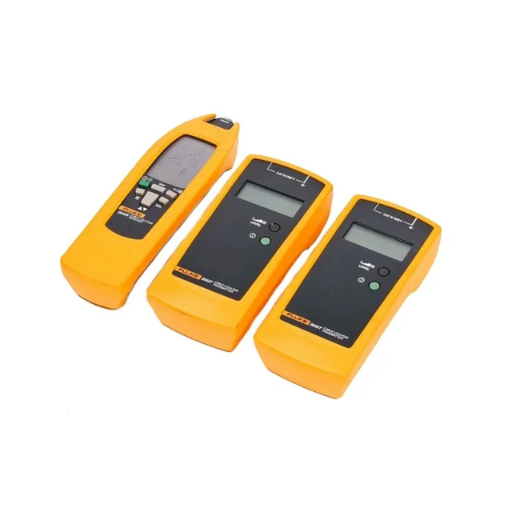
After a cable fault has been located, it is critical to follow specific steps to resolve the problem without compromising safety:
- Disconnect Power – Verify that the affected cable or system is de-energized to eliminate hazards during repair processes. Employ lockout-tagout procedures if applicable.
- Assess the Fault Type – Identify the type of fault present to be either a break, short, or degradation of insulation. This will determine the repair method.
- Repair or Replace –For minor matters such as superficial damage, invoke proper repairs, as insulating wraps or connectors can be replaced. For more severe faults, completely replace the damaged segment of the cable.
- Test the Repair – Once the corrective actions have been taken, test the cable using continuity and insulation resistance testing to confirm the fault has been effectively resolved.
- Restore System Operation – Re-energize the system and validate its operations while checking if the parameters are satisfactory as per normal operations.
All cable faults can be resolved effectively and safely if these steps are followed.
Repairing Faults in Underground Cables
Incorporating modern technologies and sophisticated methodologies have enhanced the processes of fault detection and repair. Recently developed diagnostic equipment, like time-domain reflectometers (TDR) and Very Low Frequency (VLF) testers, enables precise identification of underground cable faults. While VLF measuring is usually done for high-voltage cables and assesses the insulation integrity to confirm the reliability of the cable after repairs, TDR determines the distance to the fault by sending an electrical pulse through the cable and analyzing the discontinuities’ reflections.
Once the fault is located, the excavation should preferably be performed using vacuum excavation to minimize further damage to the surrounding infrastructure. For repair, the insulation and the structural components of the cables are restored by means of heat-shrink tubing and resin filled joints, which provides adequate protection. Proper cable sealing is crucial to safeguard against moisture ingress especially in regard to long term operational performance.
There is a noticable shift towards more proactive maintenance approaches in the case of underground cable networks. Using constant monitoring systems combined with predictive analytics, network operators are able to anticipate failures and address potential vulnerabilities. Early Electrical stress indicators, like partial discharge monitoring or even thermal imaging, are better at acting before burnout and shortening the duration of outages.
Adopting these practices improves the speed and precision of underground cable fault repairs and simultaneously aids in ensuring the electrical networks’ reliability and safety over time. Compliance with the regulatory framework and proper training are still essential to guarantee the desired results in each and every step of the fault repair process.
Preventative Measures for Future Faults
To reduce the likelihood of future underground cable faults, a balanced strategy using modern technology, regular maintenance, and strong system architecture is required. The incorporation of condition-based monitoring (CBM) systems enables the remote collection of data concerning the system’s insulation resistance, thermal profile, and moisture levels. These systems not only facilitate real-time data analysis but also enable early detection of potential risks, thereby mitigating the evolution of such risks into faults.
The utilization of advanced materials for cable insulation further aids in bolstering system durability. Cross-linked polyethylene (XLPE) and ethylene propylene rubber (EPR) are known to have excellent thermal and electrical properties, which make them widely accepted in the industry. More so, cables should always be installed following proper methods which include the correct spacing, bending radius, and use of protective conduits that shield against mechanical stress.
Regular inspections, along with partial discharge testing and time-domain reflectometry evaluation, create a solid analytical framework to assess aging components. When these preventative processes are coupled with effective asset management frameworks, utilities are able to substantially improve the operational reliability of their electrical networks while reducing costly downtimes.
How to Choose the Right Equipment for Cable Fault Detection?

When selecting equipment for cable fault detection, one must pay attention to:
- Cable Kind and Voltage – Check the scope of the equipment vis-a-vis the cable in question (power, communication) and whether the voltage being used is in the expected range to ensure accurate results.
- Fault Location Methods – Select equipment that has the capability to use different methods of fault detection like TDR or arc reflection so that different fault scenarios can be responded to.
- Operational Complexity: – The use of field equipment with touch screens combined with graphical user interfaces greatly enhances field technician work efficiency.
- Equipment Weight and Environmental Resilience – In terms of fieldwork, the device has to be light, tough, and able to function in harsh weather.
- Precision Tools – In terms of equipment precision tools are secondary to equipment that is highly sensitive to changing environmental conditions.
- Systems Integration – For better asset tracking and monitoring, equipment that record data with facilities for automated generation of reports should be considered.
Taking into account the highlighted above will assist the utility and maintenance team in effective cable fault finding while reducing system’s uptime which enhances reliability.
Comparing Features of Various Fault Locators
With regard to evaluating fault locators, it is paramount to scrutinize several features to ensure the most optimal and relevant options are selected for particular needs. Advanced functionalities have different modern technologies developed offering a range tailored for optimized performance under particular use cases.
- Accuracy and Range – Fault locating devices of high performance possess a greater degree of accuracy achieving the ability to locate faults within a meter or less. Also, devices have operational range ratings where some models can serve greater distances beyond 20 kilometers making them fit for extensive networks.
- Detection Methods – Different fault locators use different types of detection methods like TDR (Time Domain Reflectometry), Arc Reflection, and Impulse Current methods. Low impedance faults are dealt with best by TDR systems as they excel in precision while intermittent disruptions are diagnosed effectively by the arc reflection methods. Moderately reliant on the type of cable infrastructure and the fault occurrence rate, a wide variety of options exist.
- Portability and Deployment – For a utility needing movement, rapid on site deployment requires compact and light designs thus are increasingly preferred. Mountable models do ensure portable ruggedized cases and battery power supply which aids in the efficiency under field conditions and tornando.
- Software Connectivity – A significant number of fault locators now integrate with software platforms for real-time fault analytics and data visualization. Automated reporting features, remote diagnostics, and trend analysis further enable maintenance personnel to make informed decisions.
- Input Voltage and Compatibility – Fault locators must operate within set voltage ranges to ensure system compatibility. In relation to distribution networks with differing voltage levels, it is highly desirable to have devices that can accommodate both low and high voltage applications.
Through the analysis of these attributes, operators alongside the maintenance teams can select fault location tools that simultaneously reduce troubleshooting times, streamline operational workflows, and maintain system uniformity across different cable systems. The thorough technical evaluation of these parameters helps make tailored decisions commensurate with modern electrical infrastructure requirements.
Cost vs. Quality: Making the Right Investment
|
Key Point |
Description |
Consideration |
|---|---|---|
|
Initial Cost |
Purchase price of the equipment |
Balance budget with essential requirements |
|
Maintenance Expenses |
Long-term costs for upkeep and repairs |
Evaluate durability and serviceability |
|
Performance Efficiency |
Ability to deliver consistent and reliable performance |
Ensure compatibility with operational demands |
|
Lifespan |
Expected operational life of the equipment |
Longer lifespan may reduce overall cost |
|
Technology Integration |
Compatibility with modern systems and software |
Look for scalable and upgradable solutions |
|
Energy Efficiency |
Operational energy consumption |
Consider cost savings in energy usage |
|
Brand Reputation |
Manufacturer’s credibility and product quality |
Opt for trusted brands in the industry |
|
Warranty and Support |
Length and quality of warranty and customer service |
Ensure proper technical support availability |
|
Environmental Compliance |
Adherence to sustainability and environmental standards |
Check for certifications and eco-friendly design |
|
Scalability |
Potential for expansion and upgrades |
Useful for future infrastructural growth |
|
Return on Investment (ROI) |
Value delivered relative to total expense |
Assess timeframe to recover initial investment |
Reference Sources
-
Research on Cable Fault Detection and Localization – This article discusses methods for detecting and locating cable fault points using impedance spectroscopy.
-
Research Progress of Power Cable Fault Detection Technology – This paper explores adaptive technology for adjusting the output dynamic range of microbolometers.
-
Research on Cable Fault Detection Algorithm Based on Deep Learning – This study highlights a deep learning model with superior accuracy, reliability, and response speed for cable fault detection.
-
A New Method for Cable Soft Fault Detection Based on Step Frequency Signals – This article introduces a fault diagnosis method using step frequency signals and time inversion techniques.
-
An Optimized Solution for Fault Detection and Location in Underground Cables – This paper proposes a framework for fault detection and location in underground cables using discrete wavelet transforms.
Frequently Asked Questions (FAQs)
Q: What is a cable fault locator and how does it work?
A: A cable fault locator is a diagnostic tool used to identify and address cable faults in electrical systems. It works by sending signals through the cable, allowing technicians to locate faults quickly and efficiently through a process known as cable fault location.
Q: What is the role of a thumper in cable fault detection?
A: A thumper is a type of transmitter used in cable fault location. It generates high voltage pulses that create a surge in the cable, which helps identify the location of faults by producing a distinct sound that can be detected with appropriate equipment.
Q: How can I use a cable fault locator to find faults?
A: To use a cable fault locator, connect the device to the cable and follow the fault location process. The locator system will transmit signals through the cable, and you can trace the signals to identify the faulted cable section.
Q: What should I consider when using a high-voltage cable fault finder?
A: When using a high voltage cable fault finder, ensure that the breakdown voltage of the cable is understood. It is crucial to use the appropriate settings for the voltage level (hv or lv) to avoid damage to the cable and ensure safety during operation.
Q: How does cable tracing work with a locator system?
A: Cable tracing involves using a locator system that detects the signals sent through the cable. By following the signals along the cable path, technicians can accurately identify the location and nature of the faults, enabling efficient fault resolution.
Q: What is the difference between a megger and a standard cable tester?
A: A megger is a specialized insulation tester that measures the insulation resistance of cables, while a standard cable tester checks for continuity and faults. The megger is particularly useful for assessing the condition of the cable sheath and ensuring it meets safety standards.
Q: Can I use a cable test van for cable fault location?
A: Yes, a cable test van is equipped with advanced cable fault locators and other locating equipment, making it an excellent choice for identifying and addressing cable faults in a variety of settings.
Q: What types of cables can I trace using a locator system?
A: You can trace various types of cables, including twisted pair, 3-phase, and certain cable types designed for high voltage or low voltage applications. The locator system must be compatible with the specific cable type being tested.
Q: What are common causes of ground faults in cables?
A: Ground faults can occur due to insulation breakdown, damage to the cable, moisture ingress, or physical stress on the cable. Regular testing and monitoring can help identify potential issues before they lead to faults.
Q: How can I ensure I am using an easy-to-use cable fault locator?
A: Look for a cable fault locator that features intuitive controls, clear instructions, and a user-friendly interface. Models that provide visual and audio feedback during the tracing process can also enhance usability.