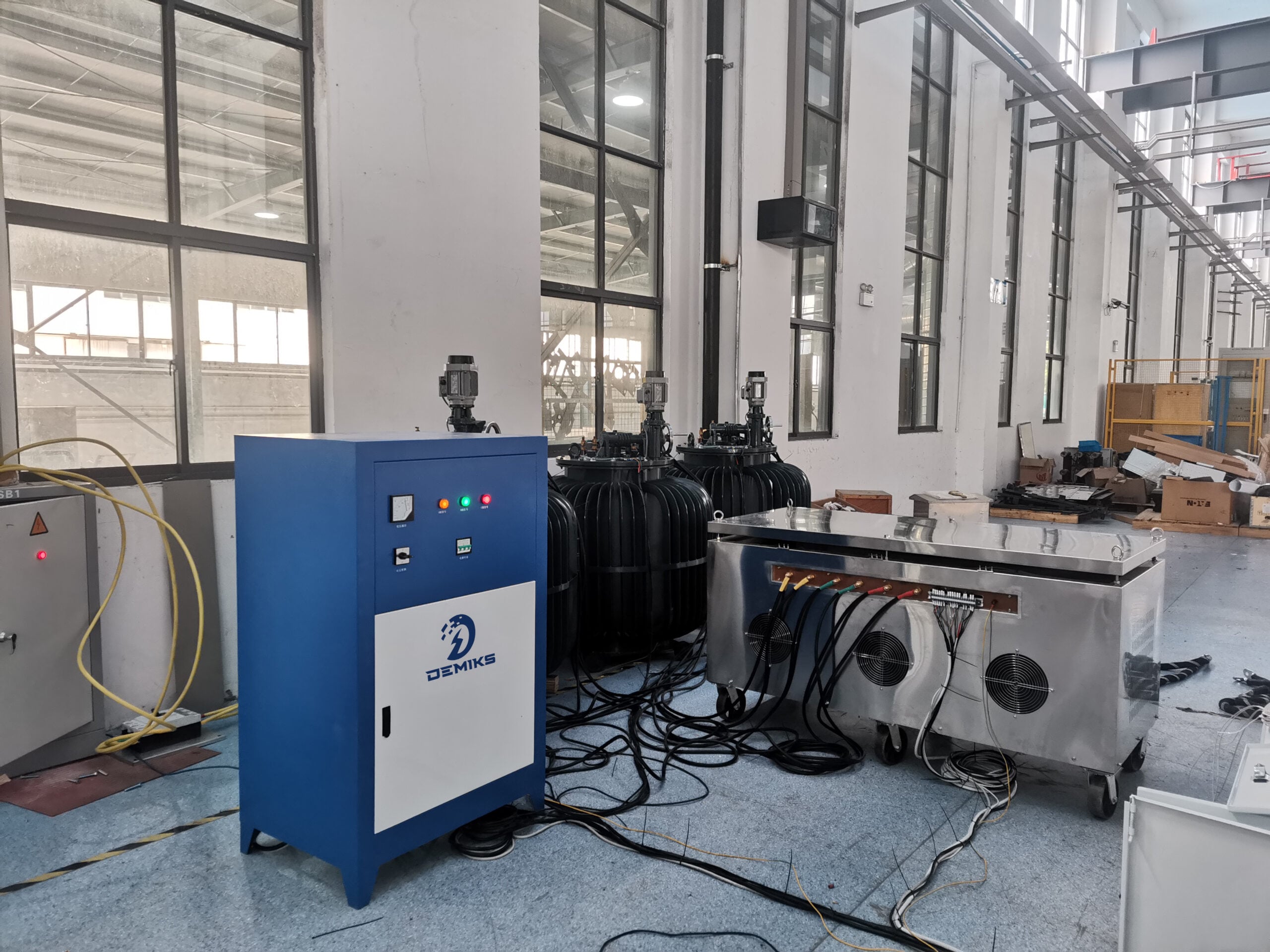
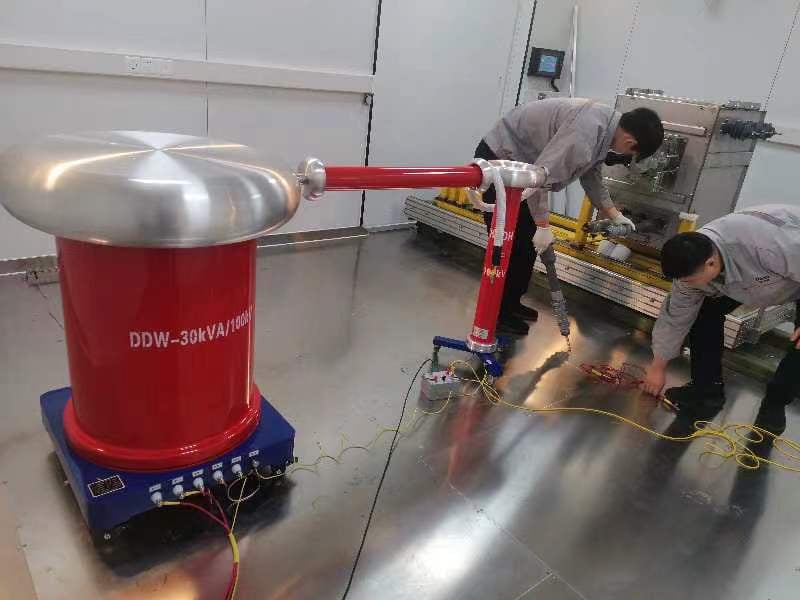
The responsiveness of voltage switchgear impacts their role in modern power distribution, as they are critical components for electrical system separation, energization, and demarcation. From monitoring automated substations and industrial plants to operating commercial structures and managing utility networks, any thorough maintenance of voltage switchgear equipment in conjunction with required inspection and testing methods entails a systematic approach to ensure absolute reliability and safety. This guide explains particular approaches and technological aspects, integrating valuable advice to equip you with the information necessary to refine risk management. After reading this article, you will appreciate the methods and factors customarily employed to work with voltage switchgear effectively.
What is Switchgear and Why is it Essential in Electrical Systems?
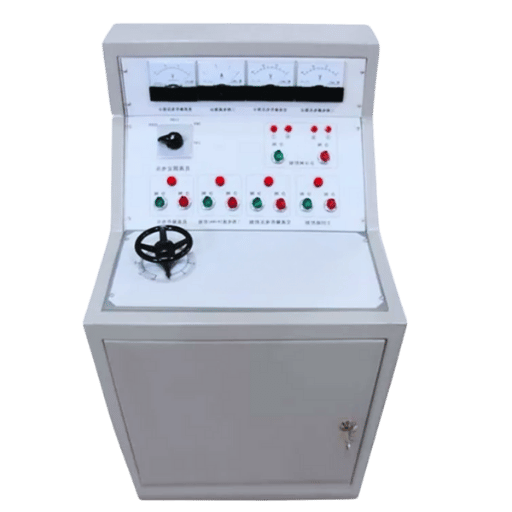
Switchgear refers to groups of electrical devices for managing, guarding, and protecting different apparatuses in an electric system. It is essential for the safe and effective bifurcation of electrical power. Reliable switchgear prevents damage to equipment and provides electrical safety to personnel due to exposed circuits during system faults or maintenance work. The primary functions of switchgear are interrupting power during overloads, controlling the effective range of load circuits, permitting repair actions on some predetermined parts of the system, and controlling power to avoid exceeding preset limits; hence, it is instrumental in electrical networks.
Understanding the Role of Switchgear in Power Distribution
Switchgear is an essential component of a power distribution system as it controls the electric flow in the system safely. The primary purposes that it serves are protection, isolation, and control. Protection aids through devices such as circuit breakers and fuses, which disconnect faulty circuits to prevent damage and eliminate risks for safety. Isolation allows portions of an electrical system to be shut down for maintenance to be performed or in case of an emergency, thereby shielding the personnel and equipment from dangers. Control involves managing the distribution of power to ensure stability and efficiency of the system. Due to these functions, switchgear is vital for the reliability of operations and the protection of electric infrastructure.
Types of Switchgear: From Low Voltage to High Voltage
| Type | Voltage | Application | Insulation | Components |
|---|---|---|---|---|
|
LV |
<1kV |
Residential, Commercial |
Air, Oil |
Breakers, Fuses |
|
MV |
1-36kV |
Industrial, Utilities |
Gas, Vacuum |
Relays, Switches |
|
HV |
>36kV |
Power Plants, Grids |
Gas, Air |
Arrestors, Disconnects |
Key Components of a Switchboard and Switchgear Systems
- Circuit Breakers: Ensure system safeguarding with devices that protect the electrical system, like voltage circuit breakers, which interrupt the current flow in situations of overload or fault.
- Switches: They automate or manually control the circuits, thus allowing for load shedding and isolation, which aids in the efficiency of switchgear line-up.
- Fuses: Respond to overcurrents when an excessive current is detected by opening the circuit.
- Busbars: Conductive bars that serve the purpose of distributing electrical power to other circuits in the system.
- Relays: Automatically activated devices that detect faults and activate the corresponding protective measures.
- Current and Voltage Transformers: Safely supervise alongside monitoring control, hence measuring parameters such as electrical ones.
- Enclosures: In electrical installations, enclosures safeguard components from environmental hindrances, protect the elements, and ensure the safe functioning of the switchgear.
Their seamless integration fosters dependability, enhances system protection, and streamlines maintenance within electric distribution systems.
How to Safely Perform Electrical Testing on Low-Voltage Switchgear?
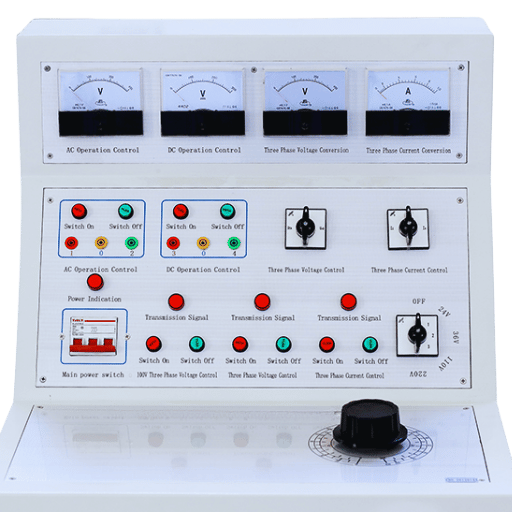
Essential Electrical Testing Procedures for Low-Voltage Systems
- Visual Inspection: Look over the switchgear for signs of damage, corrosion, or loose connectors. Ensure every part is clean and bolted down properly to guarantee dependable switchgear functionality.
- Connection Testing: Confirm the continuity of cable terminations and busbar connections for proper signal flow to avoid overheating.
- Insulation Resistance Testing: Use a megohmmeter to check the insulation’s resistance and locate possible faults or areas of weakness.
- Functional Testing: Check that switches, breakers, and protective devices are functional and that operational control signals or fault conditions trigger the appropriate responses.
- Secondary Injection Testing: Ensure protective relays operate accurately by testing them with secondary injection to simulate conditions without powering the primary circuit.
- Primary Current Injection Testing: Directly energize the main circuit with current and assess the operation of the breakers and the trip units under instantaneous stress.
- Thermal Scanning: Loosely connected or overloaded components may exhibit abnormal heat patterns; therefore, employing infrared thermography aids in identifying such issues.
Adhering to these approaches will help ensure safety, reliability, and efficiency for low-voltage switchgear while reducing risks of failure and downtime. Always follow the manufacturer’s instructions and industry testing safety regulations.
Understanding Insulation Resistance in Low-Voltage Switchgear
The insulation resistance of low-voltage switchgear is a critical safety parameter relevant to the risk of current leakage between live parts and the earth ground. This parameter is measured with an insulation resistance tester, which applies a DC voltage to the circuit and measures resistance in megohms. Effective insulation and the low probability of electrical faults increase with higher insulation resistance values. Regular testing helps identify insulation deterioration due to environmental factors, aging, mechanical stress, and similar influences, enabling safe and reliable operation. Industry standards and the manufacturer’s instructions must always be observed during testing.
Common Faults in LV Switchgear and How to Address Them
- Overheating: Overheating can occur because of loose connections, overloads, or insufficient ventilation. To prevent overheating, routinely check connections, optimize load distribution, and improve cooling mechanism maintenance.
- Insulation Failure: Deteriorated or damaged insulation can cause short circuits or ground faults. Perform periodic insulation resistance measurements and promptly replace insulation if any deterioration is detected.
- Mechanical Wear: Circuit breakers, contactors, and switches may experience some wear and tear over time. Regular maintenance is conducted by servicing worn components to prevent equipment failure.
- Moisture and Contamination: Moisture ingress and dirt accumulation can accelerate corrosion and degrade performance. To achieve optimal conditions, sealed enclosures are maintained, and regular maintenance is performed.
- Faulty Control Circuits: Issues in control wiring or relay systems often lead to unexpected interference in operations. Comprehensive inspections, regular relay testing, and rapid resolution of wiring issues will rectify these failures.
Implementing routine maintenance schedules, assiduously observing suggested practices, and taking precautionary measures can significantly improve LV switchgear’s reliability and service life. Ensure compliance with required safety measures and regulatory frameworks during inspection or repair work.
What are the Best Practices for Medium Voltage Switchgear Installation?
Steps for a Successful Medium Voltage Switchgear Installation
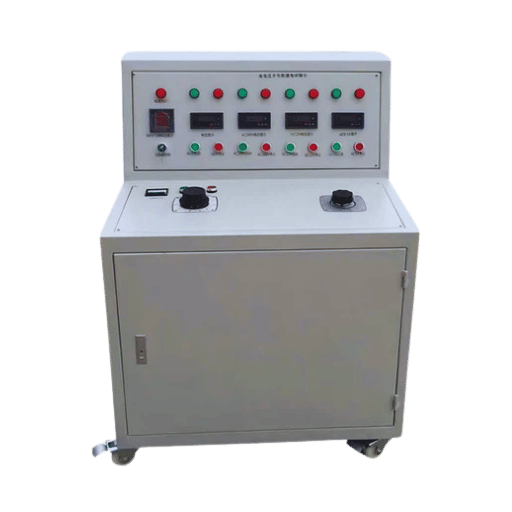
- Site Assessment and Preparation: Evaluate the conditions of the installation site holistically to ensure it is within all environmental and structural parameters. Ensure adequate space, ventilation, and environmental protection from moisture, dust, or extreme temperatures.
- Proper Grounding and Earthing: Install adequate grounding and earthing systems, which are critical for the safe operation of the switchgear unit. This includes connecting to an earthing grid to safeguard against voltages and electrical faults.
- Adhere to Manufacturer Specifications: The switchgear manufacturer provides procedures for installation, maintenance, and safety zone clearances that must be followed to ensure no damage is inflicted and all systems are in working order.
- Testing and Commissioning: Verify that all switchgear is operational by conducting comprehensive testing, which includes, but is not limited to, insulation resistance tests, operational checks, and functionality assessments.
- Compliance with Standards and Regulations: Confirm that the installation complies with the relevant industry standards and regulatory practices, such as IEEE or IEC, to maintain legal standards and safe operational rigor.
Importance of Inspection in Medium Voltage Systems
- Ensuring System Reliability: Regular inspections mitigate the risks of unforeseen failures by uncovering hidden risks or wear and tear of components below the surface.
- Enhancing Safety: Insufficient attention can lead to electrical or fire hazards due to overheating, loose connections, insulation damage, or other anomalies, prompting inspection.
- Extending Equipment Lifespan: Routine assessments can identify minor discrepancies, which, when resolved, can avert substantial damage and corrosion, thus preserving the functions of medium-voltage devices for a longer duration.
- Compliance with Standards: To avoid legal action, inspected systems are deemed compliant with industry-set standards and regulations, thus marking the organization’s routine checks.
- Optimizing Performance Efficiency: Well-kept and thoroughly assessed systems routinely function at maximum performance with minimal energy waste, thus enhancing the entire system’s productivity.
Ensuring Reliability and Safety in MV Switchgear Installations
The safety and reliability of MV switchgear installations depend on the following key practices:
- Regular Maintenance: Scheduled maintenance activities such as cleaning, inspection, wear and damage assessment, connection tightness, and auxiliary component check contribute to preemptive problem identification and resolution.
- Periodic Testing: Insulation resistance tests and circuit breaker performance evaluation fall under isolation verification. All such electrical and mechanical tests need to be performed to confirm operational viability.
- System Upgrades: Implementing modern technologies such as remote monitoring, closed-circuit television (CCTV), canopy upgrades, and arc flash protection enhances safety and improves system performance.
- Qualified Personnel: When operational, maintenance, and inspection tasks are strictly performed by trained and licensed professionals, minimal error is ensured while safety standards are maintained.
- Adherence to Standards: Industry standards and regulations, such as IEC or IEEE, provide performance benchmarks for the installation and safety compliance. Following those is vital.
Following the practices above will permit MV switchgear installations to enhance operational dependability and safety within the workplace.
How to Conduct a Withstand Test on High Voltage Switchgear?
Dielectric Withstand Testing Procedures
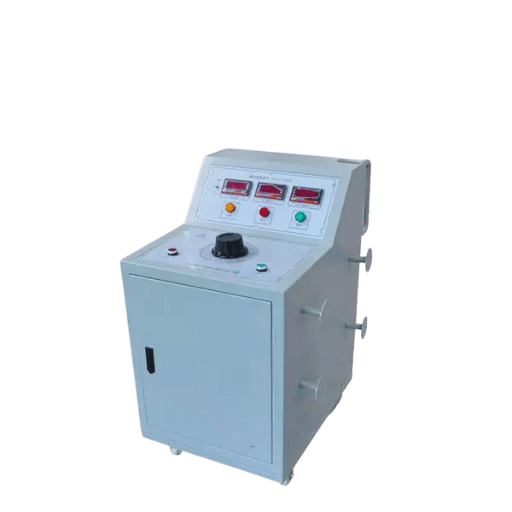
Dielectric withstand testing addresses the insulation integrity of high-voltage switchgear to confirm that it can withstand high potentials without failure. It includes the following steps:
- Preparation: Physically remove the circuit breaker from the respective lines and confirm that it is isolated. Clean all insulators, removing dust or other contaminants that could affect the test outcomes.
- Test Setup: Follow the manufacturer’s instructions when connecting the switchgear to the test voltage source. Ground the switchgear and use appropriate test leads to avoid safety hazards.
- Application of Voltage: Gradually increase the test voltage according to the relevant standard, such as IEC or IEEE. Hold the voltage for a minute (60 seconds) while observing the insulation performance.
- Monitoring: Observe for evidence of breakdown during the testing, such as sparking or excess current flow. If a breakdown occurs, the testing must stop immediately.
- Assessment: Analyze the data gathered and compare it to the values accepted by the industry standards. Passing indicates that the switchgear insulation has been tested to these values and can be considered safe for operation.
As with any procedure, ensure strict adherence to the recommended safety measures and protocol to maintain the reliability of the test outcomes and apparatus.
Reducing Insulation Failure Risk Through Thorough Testing
Adequate testing is required to mitigate the likelihood of insulation issues in switchgear. Begin with insulation resistance testing to check for potential degradation of the insulating materials. Regular maintenance checks, which also consider environmental factors like relative humidity and temperature, mitigate conditions that promote insulation breakdown. Also, industry norms and guidelines set by the manufacturers need to be followed during tests such as partial discharge measurement or dielectric withstand tests for compliance, conformity, and safety. Testing combined with preemptive measures greatly improves equipment reliability and longevity.
Understanding Fault Current and Its Impact on High Voltage Systems
Fault current pertains to the unusual current flow associated with a fault, for example, a short circuit, in a high-voltage system. This unwanted current flow can damage the equipment, leading to overheating or catastrophic failure without sufficient management. Voltage circuit breakers, protective relays, and even fuses require adequate care in terms of system design to detect and safely interrupt fault currents within the switchgear line-up. Regular analysis of the system and scheduled maintenance guarantee adequate functioning of the protective mechanisms, which minimizes systemic risk to equipment and personnel.
What are Common Maintenance Tips for Ensuring Switchgear Reliability?
Routine Inspection and Maintenance Practices
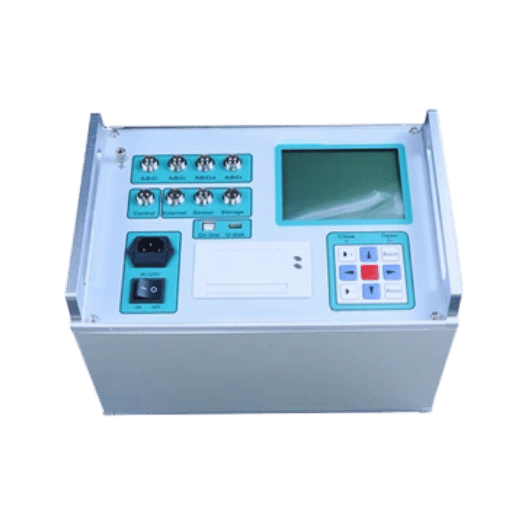
Regular inspections and maintenance both enhance the dependability and safe functionality of switchgear. Comprehensive electrical protection involves verifying for physical damage, corrosion, or wear and tear for heightened electrical protection. Dust and debris can compromise performance, so there is a need to clean all components. Insulation testing, as well as testing critical systems such as circuit breakers and relays, needs to be performed to ensure accuracy in functioning. Precise connections and eliminating obsolete or impaired components must be executed without delay to maintain optimal performance, devoid of overheating. Adherence to manufacturer-recommended schedules and instructions is necessary for optimal performance and functional longevity.
Addressing Electrical Faults and Ensuring Power Continuity
Address and resolve all electrical errors using troubleshooting and diagnostic software. Identify the root cause of the problem through a systematic troubleshooting methodology. Disconnect all common obstacles like short circuits, overloads, or ground faults promptly to avoid further disruption. An additional uninterruptible power supply (UPS) should provide alternative power during failures. Surge protective devices must be installed at regular intervals, and regular tests must be performed to confirm the suppression of faults. Ensure all staff are trained to manage electric shock emergencies because a proper electrical fault system decreases downtime and risk.
Enhancing Power System Safety and Reliability
Adopting innovative technologies, such as IoT sensors and smart grids, enhances a power system’s safety and reliability. Smart grids allow for real-time monitoring and control of electricity networks, improving anomaly detection and response. Predictive maintenance based on machine learning and AI can improve system reliability by as much as 50% by mitigating unforeseen equipment failures.
Moreover, solar panels and energy storage systems qualify as distributed energy resources (DERs). By decentralizing power generation, DERs bolster grid resilience. This diversification lessens reliance on conventional central power stations and provides regional energy during power outages. Analytics have proven that integrating DERs into traditional systems increases resilience, reduces downtime, and enhances power supply stability.
Power systems must comply with ISO 55000, an international standard on asset management, and IEC 61508, a global standard on system safety. If incorporated, these standards guarantee optimal safety when utilized for system maintenance and operations. Organizations improve system reliability with these internationally accepted benchmarks while maintaining global safety targets. Power systems withstand further safety enhancement through regular audits and compliance checks.
Frequently Asked Questions (FAQs)
Q: What is low-voltage switchgear, and what is its role in electrical power systems?
A: Low-voltage switchgear is a particularly defined electrical part of the power control and distribution system, as a power protection system. It consists of electrical elements such as circuits, breaks, switches, and fuses that provide safe and efficient use and connection within the electrical supply and distribution system.
Q: How often should inspection and testing be conducted on switchgear?
A: Standby switchgear must be continuously inspected and tested for reliability and safety. The specific application of the switchgear and the environment generally determine this period, which usually lasts one to three years. Enhanced testing and controlled maintenance are strongly recommended to ensure the electrical setup and functional efficiency.
Q: What are the primary switchgear components in electrical installations?
A: These components may comprise fused or protective circuit breakers, various voltage transformers, bus bars with fixed or isolating switches, and relay transformers. All these parts are needed to control and protect the circuits.
Q: What duties are conducted in acceptance testing for switchgear?
A: Acceptance testing for switchgear encompasses various types, such as insulation resistance testing, dielectric testing, and functional testing. These tests validate the equipment’s functionality and its interfacing with the electric network’s internal system.
Q: What is the value of a circuit breaker in switchgear?
A: A circuit breaker is a switch that protects the power systems apparatus by interrupting amperes flow in an open circuit at a pre-set value. It is essential to preserve the electricity network, especially with an LV switchgear.
Q: In what aspects do metal-clad and gas-insulated switchgear vary?
A: Metal-clad switchgear has an enclosed portion with metallic walls that house electrical parts to shield them from harsh indoor conditions. Gas-insulated switchgear employs gas as an insulator for electrical parts and is therefore used in outdoor applications because it’s relatively small and can withstand environmental conditions.
Q: What are the advantages of utilizing high-voltage switchgear in an electrical distribution system?
A: With high-voltage switchgear, managing the electricity in your electrical distribution may be more efficient than ever, especially with the meticulous control of electrical power volume and safety. It also enhances the reliability of electrical power systems by managing overloads and maintaining load balance at different voltage levels.
Q: What precautionary measures should be considered when installing the switchgear?
A: Compliance with electrical standards is crucial regarding personnel protective equipment, technique guidelines, tools used, and protection for the electrical apparatus involved. All these aspects are fundamental to performing the switchgear installation safely.
Q: Why is functional testing crucial during maintenance of the switchgear?
A: Functional testing is essential to switchgear maintenance. It validates the effectiveness and readiness of all components likely to be engaged during operation. Performing this test assures the operation of all system-level functions, helps reduce system surprises and failures, and fosters reliable systems.
Q: What measures can be taken to ensure the reliable operation of switchgear in harsh conditions?
A: To maintain reliability in harsh environments, all switchgear equipment should be carefully selected, considering specific environmental factors, such as deploying outdoor switchgear in freezing weather. Reliability requires not only insulation but also regular inspection, testing, and maintenance of all electrical components to respond to different operational conditions while ensuring the functionality of the power system.
Reference Sources
1. Application of Machine Learning Techniques for Fault Detection in Switchgear Equipments
- Authors: Muthuvel Raj Suyambu and Others.
- Published In: 2025 IEEE International Conference on Interdisciplinary Approaches in Technology and Management for Social Innovation
- Publication Date: March 6, 2025
- Summary: The work uses machine learning algorithms like LSTM networks for arcing fault identification in switchgear equipment. The study also shows that the LSTM model utilized in the study achieved 95.8% accuracy in defect detection, thus outperforming other ML models.
- Methodology: The study performed tasks that included collecting sounds from ultrasonic test instruments, melting these samples into Mel-Spectrogram images, and running the LSTM model for classification. The model’s effectiveness was assessed using recall, accuracy, precision, and F1-score, among other benchmarks (Suyambu et al., 2025, pp. 1-6).
2. Creation of an Automated System for the Online Monitoring of Partial Discharges in Switchgear
- Authors: Minjie Zhang et al.
- Published In: 2024 5th International Conference on Smart Grid and Energy Engineering
- Publication Date: November 22, 2024
- Summary: This paper proposes a four-in-one high-voltage switchgear partial discharge monitoring system that employs multiple detection techniques, such as temperature and ultrasonic sensors, for enhanced automation and safety.
- Methodology: A specialized robot with advanced localization capabilities guided by an ultrasonic sensor array is used for accurate detection point localization and classification of partial discharge type using a convolutional neural network, SqueezeNet. The study’s findings confirmed that increasing system automation enhances the safety and efficiency of switchgear inspections compared to traditional manual inspection methods (Zhang et al., 2024, pp. 264-267).
3. Switchgear
4. NEW SPECIFICATIONS ON MV SWITCHGEAR FOR CABLE TEST FEATURES – This document details the medium voltage switchgear and other cable testing features that the manufacturers put forth.