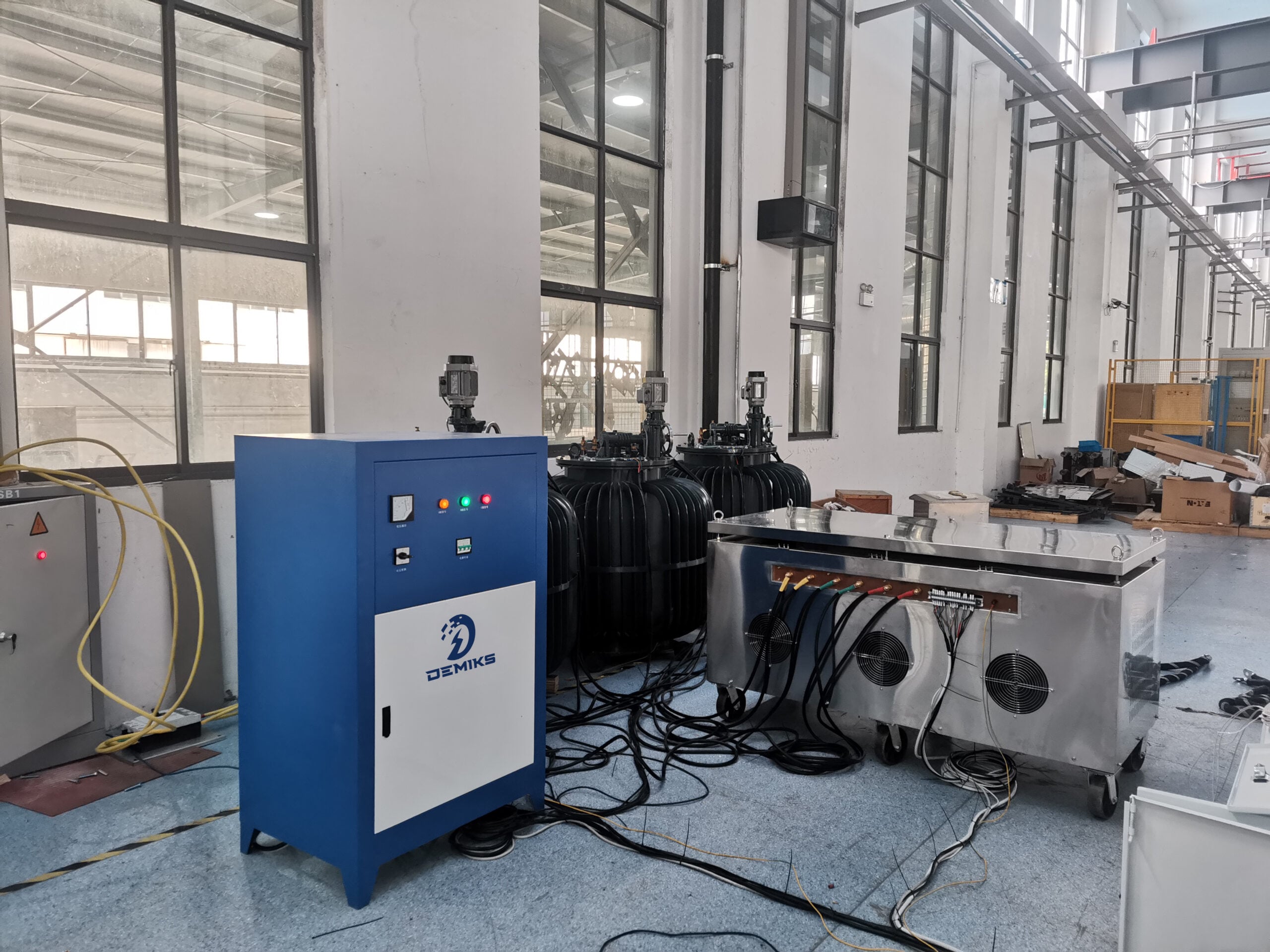
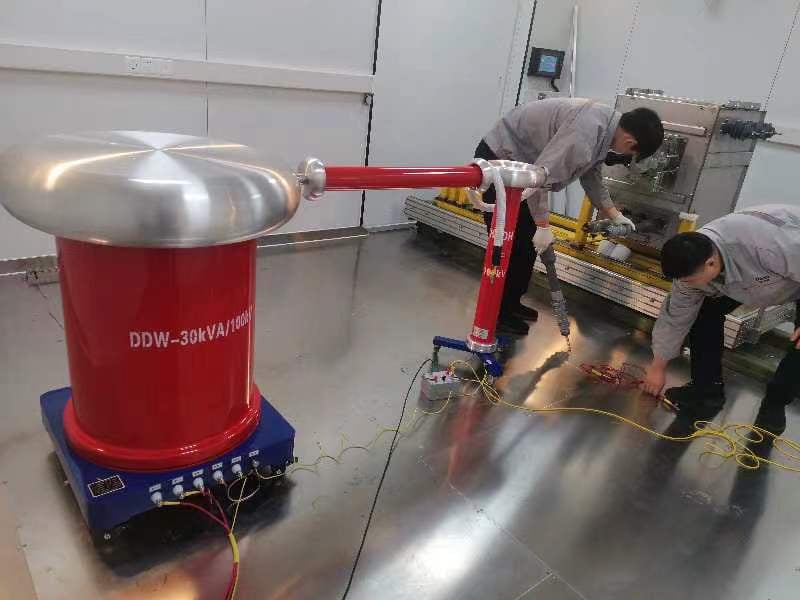
Low voltage distribution cabinets are a critical component of modern electrical systems, ensuring the safe and efficient distribution of power across residential, commercial, and industrial settings. These cabinets house essential equipment designed to regulate, monitor, and protect electrical circuits, making them indispensable for maintaining reliability and preventing system failures. This article explores the fundamental role of low voltage distribution cabinets, their key features, and the critical technologies that drive their functionality. Whether you’re an industry professional or simply looking to deepen your understanding of electrical infrastructure, this guide will provide you with a comprehensive overview of their importance, applications, and specifications.
What Is a Low Voltage distribution Cabinet?
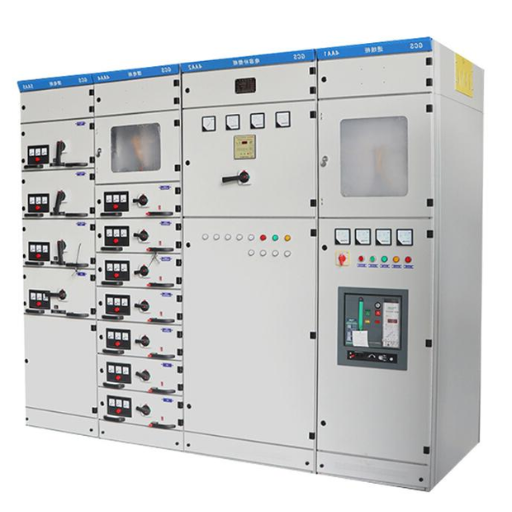
A low voltage distribution cabinet is an electrical enclosure designed to distribute and manage electrical power at voltages typically below 1,000 volts. It houses components such as circuit breakers, switches, and busbars, which ensure the safe and efficient delivery of electricity to various circuits within a facility. These cabinets play a crucial role in protecting electrical systems from overloads and short circuits, maintaining stability and reliability in power distribution. Commonly found in residential, commercial, and industrial applications, they are essential for organizing and controlling electrical connections in low voltage systems.
Understanding the Role of Low Voltage Cabinets
Key Functions and Design of Low Voltage Cabinets
Low voltage cabinets serve as integral components for managing and distributing electrical power within low voltage systems, typically rated below 1,000 volts. Their primary functions include housing critical electrical components such as circuit breakers, disconnect switches, fuses, contactors, and relays. These components work collectively to ensure the protection, control, and efficient operation of electrical circuits. By providing a centralized enclosure, low voltage cabinets safeguard sensitive equipment from potential damage caused by overloads, short circuits, or environmental factors such as dust, moisture, and physical impacts.
Additionally, low voltage cabinets are designed to facilitate both scalability and flexibility. Modular construction allows for expansion and modification to meet evolving power distribution requirements, making them suitable for residential, commercial, and industrial applications. Their design conforms to international safety standards, such as IEC 61439 or UL 508A, ensuring compliance with regulatory frameworks while enhancing operational safety and reliability. Proper maintenance and inspection of these cabinets are vital to sustaining the efficiency and longevity of power systems.
Components Inside a Low Voltage Cabinet
Low voltage cabinets house various components that work together to manage and distribute electrical energy safely and efficiently. The following are key components typically found inside:
- Circuit Breakers
Circuit breakers are essential for interrupting current flow in the event of an overload or short circuit. Common types include miniature circuit breakers (MCBs), molded case circuit breakers (MCCBs), and air circuit breakers (ACBs). Key parameters:
– Rated current (In): 6A to 6300A
– Breaking capacity (Icu): 10kA to 100kA
- Busbars
Busbars provide a low-resistance path for current distribution to various circuits. They are usually made from copper or aluminum and can carry large currents. Key parameters:
– Current carrying capacity: 100A to 6300A
– Material resistivity (at 20°C): Copper (1.68 µΩ·cm), Aluminum (2.82 µΩ·cm)
- Contactors
Contactors function as remote-controlled switches to control the connection of loads to the power supply. They are commonly used in motor control and lighting circuits. Key parameters:
– Rated operating voltage: Up to 1000V AC
– Rated current (Ie): 9A to 800A
- Transformers
Low voltage transformers adjust the voltage levels within the defined range, such as stepping down 440V to 230V. These are critical for adapting power to end-user requirements. Key parameters:
– Input/output voltage range: 240V/230V, 440V/230V
– Efficiency: 95%-99%
- Protection Relays
Protection relays monitor and detect abnormal conditions (e.g., overcurrent, undervoltage, earth faults) to safeguard the system. Key types include thermal, electromagnetic, and digital relays. Key parameters:
– Trip time delay range: 0.1s to 10s
– Rated voltage/current sensitivity
- Power and Control Wiring
These cables connect the components inside the cabinet, ensuring functionality and control. They are designed to meet electrical insulation and thermal resistance standards. Key parameters:
– Insulation material rating (e.g., PVC, XLPE): 70°C to 105°C
– Conductor size ranges (based on current): 1.5mm² to 500mm²
Each component in a low voltage cabinet is selected carefully based on the system’s operational requirements and safety standards, ensuring optimal performance and protection. Regular inspection and adherence to rated parameters are crucial for maintaining system efficiency.
Applications of Low Voltage Distribution Cabinets
Low voltage distribution cabinets are utilized in a wide range of applications to manage and distribute electrical power effectively. Key applications include:
- Commercial buildings: Power distribution for lighting, HVAC systems, and office equipment.
- Industrial facilities: Handling machinery and equipment loads, ensuring robust electrical supply for production processes.
- Residential complexes: Providing reliable power for household appliances, lighting, and security systems.
- Data centers: Supporting uninterrupted power supply for servers and IT infrastructure.
- Public infrastructure: Powering transport systems, street lighting, and public utilities.
- Renewable energy systems: Integrating with solar, wind, or hybrid power setups to regulate and distribute generated energy.
- Healthcare facilities: Ensuring critical systems like medical equipment, ventilation, and emergency power are effectively supported.
- Educational institutions: Distributing power for technological, laboratory, and administrative resources.
These cabinets form an integral component in electrical systems across various sectors, tailored to meet specific energy requirements and compliance standards.
How Does Low Voltage Electrical Distribution Work?
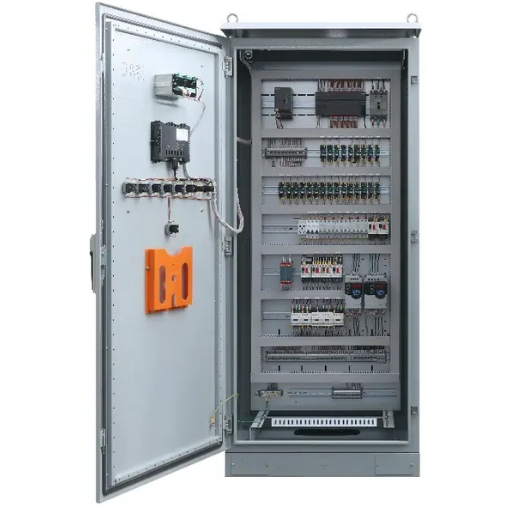
Low voltage electrical distribution operates by managing and distributing electrical energy at a predefined low voltage level, typically below 1,000 volts. This system begins at the main power supply, where energy is received and then routed through a network of circuit breakers, busbars, transformers, and distribution panels. These components work collectively to regulate and distribute power efficiently while ensuring system protection and safety. Intelligent control systems within the distribution network monitor electrical flow, prevent overloads, and optimize energy usage. This ensures reliable and consistent power delivery to connected devices and infrastructure, adhering to applicable regulations and standards.
The Process of Low Voltage Power Distribution
When discussing the process of low voltage power distribution, I would focus on how electricity is distributed safely and efficiently within an electrical network. The process begins with power supplied from a transformer, which steps down the high voltage to a more manageable, low voltage level suitable for end users. This power is then routed through busbars that act as a main connection point, allowing electricity to be distributed to various circuits or distribution panels. These panels divide the power into specific loads, ensuring safe and controlled delivery to connected devices or subsystems. Advanced intelligent control systems are integrated into this network, continuously monitoring electrical parameters to prevent overloads and ensure energy efficiency, all while maintaining strict compliance with safety standards.
Key Electrical Components in Low Voltage Systems
Low voltage systems are comprised of several critical components, each designed to ensure efficiency, reliability, and safety in the distribution and usage of electrical power. Below is an overview of the primary components and their corresponding technical parameters:
- Circuit Breakers
Circuit breakers protect low voltage systems by interrupting the flow of current during overloads or short circuits. They are rated based on their breaking capacity, typically between 10 kA and 85 kA for low voltage applications, and their nominal voltage, such as 230 V or 400 V in most settings. Key types include miniature circuit breakers (MCBs) for small-scale uses and molded case circuit breakers (MCCBs) for larger capacities.
- Busbars
Busbars act as the primary channels for power distribution within an electrical panel. Constructed from materials like copper or aluminum, busbars are designed to handle steady loads with high thermal and current-carrying capacities. For low voltage systems, busbars often support current ratings from 200 A to 6300 A depending on system requirements. Proper insulation is critical to maintain safety and prevent energy losses.
- Residual Current Devices (RCDs)
RCDs enhance safety by detecting leakage currents and disconnecting power to prevent electrocution or fire hazards. They operate efficiently at residual current ratings like 30 mA (for personal safety) and 300 mA (for fire prevention). Trip times for RCDs generally range from 300 ms to 500 ms to provide adequate fault response while limiting disruption.
- Transformers
Low voltage transformers reduce higher primary voltages to usable low voltage levels, usually within the range of 100 to 240 V for commercial or residential use. Efficiency in transformers typically exceeds 90% to limit energy losses, with power ratings dependent on the load, typically ranging from a few kVA to 2500 kVA in low voltage applications.
- Low Voltage Switchgear
Switchgear includes devices like disconnect switches, contactors, and fuses that manage and control power flow. These are rated for operational voltages between 400 V and 690 V with current ratings from 16 A to upwards of 8000 A. High dielectric strength and arc-resistance are critical for system robustness.
- Power Factor Correction Capacitors
Capacitors are integral to improving energy efficiency by compensating for reactive power, optimizing power factor to near unity. Capacitor banks for low voltage systems typically operate at voltages of 230 V to 690 V and have power ratings ranging from 5 kVAR to 1000 kVAR, depending on the scale of the system.
- Energy Monitoring Systems
Advanced low voltage systems often integrate intelligent energy meters or monitoring devices to measure voltage, current, power consumption, and power quality in real-time. These systems are crucial for optimizing energy use, detecting anomalies, and ensuring compliance with energy standards (e.g., IEC 61557). Accuracy classes for low voltage meters are commonly 0.5% or better.
Each of these components plays a critical role in maintaining the operational integrity of low voltage systems while adhering to stringent safety and performance standards. Proper selection, regular maintenance, and adherence to technical parameters are essential for ensuring long-term efficiency and functionality.
Advantages of Low Voltage Distribution
- Cost-Effectiveness: Low voltage distribution systems are more economical to install and maintain, making them suitable for residential, commercial, and industrial applications with moderate power demands.
- Safety: The lower voltage levels reduce the risk of severe electrical shock and fire hazards, ensuring a safer working and living environment.
- Energy Efficiency: These systems minimize power losses over short distances, thereby providing efficient energy delivery to end-users.
- Ease of Installation: Low voltage distribution systems require simpler infrastructure and do not necessitate highly specialized equipment, leading to faster and more straightforward installation processes.
- Flexibility: They are highly adaptable to various configurations and can support a wide range of applications, such as lighting systems, small motors, and domestic appliances.
- Reduced Complexity in Design: The design of low voltage systems is generally less complex, resulting in streamlined implementation and reduced technical challenges.
- Wide Availability of Components: Components used in low voltage distribution systems, such as circuit breakers, switches, and meters, are readily available and standardized according to industry norms.
- Regulatory Compliance: Many low voltage systems meet international safety and performance standards, simplifying compliance with local and global regulations.
- Scalability: These systems can be easily expanded or modified to accommodate future needs without significant overhauls or additional infrastructure costs.
- Compatibility with Renewable Energy Systems: Low voltage distribution systems seamlessly integrate with renewable energy sources such as solar panels and wind turbines, promoting sustainable energy solutions.
How to Choose the Right Low Voltage Cabinet for Your Needs?
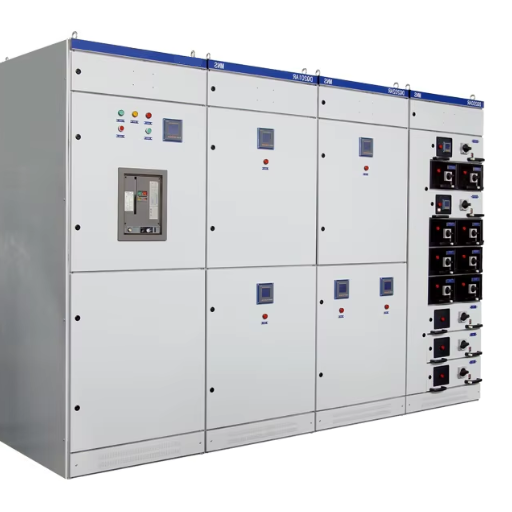
Key Considerations for Selecting a Low Voltage Cabinet
- Load Requirements
Assess the total electrical load the cabinet will need to manage and ensure it can handle both the current and future demands of your system. Factor in the rated current and voltage for optimal performance.
- Environmental Conditions
Evaluate the installation environment, including temperature, humidity, and potential exposure to dust, water, or corrosive substances. Choose a cabinet with adequate IP and IK ratings for durability in these conditions.
- Compliance with Standards
Ensure the cabinet adheres to relevant industry standards and regulations, such as IEC or UL certifications, to guarantee safety and operational reliability.
- Space and Size
Measure the physical space available for installation and select a cabinet with dimensions that fit while allowing room for ventilation and future expansion.
- Thermal Management
Consider cabinets equipped with proper ventilation, cooling, or heat dissipation features to prevent overheating during operation.
- Ease of Maintenance
Look for cabinets designed with accessibility in mind, featuring features such as removable panels and labeled components to simplify maintenance and troubleshooting.
- Integration Capabilities
If the cabinet needs to interact with renewable energy systems or multiple distribution systems, ensure compatibility and adequate expansion options.
By addressing these factors, you can select a low voltage cabinet that meets your technical requirements and offers long-term reliability.
Factors to Consider When Selecting a Cabinet
- Size and Dimensions
Ensure the cabinet dimensions align with the available space and accommodate all required components, including future expansions or upgrades.
- Material and Durability
Select cabinets that are constructed from robust materials like steel or aluminum, providing resistance to environmental factors such as moisture, corrosion, and temperature variations.
- Ventilation and Cooling
Adequate ventilation or active cooling systems should be considered to prevent overheating of sensitive components and ensure operational efficiency.
- Ingress Protection (IP) Rating
Confirm that the cabinet’s IP rating matches the environmental conditions where it will be installed, offering sufficient protection against dust, water, and other contaminants.
- Accessibility and Maintenance
Choose a design that provides easy access to internal components, such as hinged doors, removable panels, or modular layouts, simplifying maintenance and repairs.
- Load Capacity
Verify that the cabinet can support the total equipment weight without compromising structural integrity or safety.
- Electrical Safety and Grounding
Ensure the cabinet complies with industry standards for electrical safety, including proper grounding and insulation features to protect both equipment and operators.
- Cable Management
Evaluate options for organized cable routing, such as predefined entry points, cable trays, or management clips, to reduce clutter and risks of damage.
- Integration Capabilities
Assess the cabinet’s compatibility with intended systems, such as renewable energy systems, automation gear, or other interconnected technologies.
- Security Features
Look for cabinets equipped with locking mechanisms or keypad access to safeguard sensitive equipment from unauthorized access or tampering.
- Aesthetic and Ergonomic Design
Depending on the setting, consider cabinets with sleek finishes or ergonomic placements that can blend seamlessly into the environment.
By carefully evaluating these factors, you can ensure the selected cabinet meets both technical and operational demands while ensuring reliability under various conditions.
Comparing Different Cabinet Designs
|
Design Type |
Material |
Security |
Ergonomics |
Aesthetics |
Durability |
Best Use Case |
|---|---|---|---|---|---|---|
|
Standard Cabinet |
Steel, Aluminum |
Basic locks |
Basic, standard placement |
Simple finish |
High |
General equipment storage |
|
Wall-Mounted Cabinet |
Steel, Plastic |
Locking mechanisms |
Space-efficient |
Sleek or customized |
Moderate to high |
Compact spaces or mounted needs |
|
Server Cabinet |
Aluminum, Cold-rolled Steel |
Biometric, keypad security |
Optimized for server access |
Functional design |
High |
IT equipment and servers |
|
Portable Cabinet |
Lightweight Plastic, Metal |
Lockable |
Easy to carry/move |
Minimalistic |
Moderate |
Tools or portable equipment storage |
|
Heavy-Duty Cabinet |
Stainless Steel, Alloy Steel |
Advanced locking systems |
Bulk storage ergonomics |
Industrial or rugged |
Very high |
Industrial, warehouse, or harsh conditions |
|
Modular Cabinet |
Composite materials |
Customizable |
Adjustable configurations |
Flexible design |
High |
Expanding or variable storage setups |
|
Display Cabinet |
Glass, Wood, Metal |
Key lock |
Accessibility focus |
Elegant or decorative |
Moderate |
Showrooms, retail spaces, or displays |
How to Ensure Safety in Low Voltage Cabinet Installation?

To ensure safety in low voltage cabinet installation, follow these guidelines:
- Adhere to Standards and Regulations
Ensure compliance with local electrical codes and international standards, such as IEC 61439, to guarantee safe and standardized installations.
- Proper Grounding
Establish a solid grounding system to mitigate the risk of electrical shocks and equipment damage due to transient voltages.
- Cable Management
Use proper cable routing and containment solutions to avoid overheating, mechanical stress, or interference between circuits.
- Inspect and Test Components
Conduct thorough inspections and testing of all components, including circuit breakers, busbars, and connections, to confirm operational integrity prior to energizing.
- Environmental Conditions
Assess the installation environment. Ensure that cabinets are rated for conditions such as humidity, dust, or temperature extremes to prevent premature failure.
- Use of Protective Equipment
Install appropriate safety mechanisms like surge protection devices and overcurrent protection to safeguard both the system and personnel.
- Labeling and Documentation
Clearly label all circuits, switches, and components within the cabinet and maintain accurate documentation for easy identification during maintenance or emergencies.
By implementing these measures, you can ensure a safe, compliant, and efficient installation of low voltage cabinets.
Best Practices for Safe Installation
Ensuring Proper Grounding
When it comes to safe installation, I prioritize ensuring proper grounding for the low voltage cabinet. This process involves connecting all metallic parts to a reliable ground point to mitigate fault currents and the risk of electric shock. I follow established standards, like IEC or NEC guidelines, to ensure full compliance.
Verifying Circuit Testing Procedures
I always conduct thorough testing of circuits prior to energizing the system. This includes insulation resistance tests, continuity checks, and functionality validation to identify any faults or potential hazards. Using calibrated testing equipment is essential to ensure accuracy and reliability.
Employing Safety Protocols During Maintenance
During maintenance, my approach includes strict adherence to lockout-tagout (LOTO) procedures to eliminate accidental energization. I also wear appropriate personal protective equipment (PPE) and ensure that the system is de-energized before initiating any work, protecting both myself and the equipment.
Common Safety Features in Low Voltage Cabinets
Low voltage cabinets are designed with several critical safety features to ensure reliable operation and mitigate risks during maintenance or operation. These safety measures include:
- Circuit Breakers and Fuses
Circuit breakers and fuses protect against overcurrent conditions, such as short circuits or overloads. Common technical parameters include rated current (e.g., 16A, 32A, etc.) and breaking capacity (e.g., 6 kA or 10 kA) depending on the application.
- Grounding and Bonding
Proper grounding systems prevent electric shock by ensuring fault currents are directed safely to the earth. Resistance of grounding systems should typically be below 5 ohms, as recommended by industry standards.
- Insulation and Barriers
High-grade insulation materials and physical barriers prevent accidental contact with live components, reducing the risk of electrical shock. Materials must meet specifications such as a minimum dielectric strength of 20 kV/mm for insulation.
- IP Rated Enclosures
Enclosures with suitable IP (Ingress Protection) ratings protect against dust and water ingress. For indoor operation, IP42 is common, while outdoor setups may require IP54 or higher based on exposure conditions.
- Thermal Management Systems
Cabinets may include forced ventilation or natural cooling to prevent overheating. Temperature monitoring systems with thresholds (e.g., 85°C for internal components) are often integrated to provide warnings or automatic shutdowns when necessary.
- Lockable Doors with Interlocks
Cabinets are equipped with lockable doors and mechanical or electrical interlocks that prevent access to live components when the cabinet is energized. This ensures safety during maintenance activities.
- Warning Labels and Indicators
High-visibility warning labels denote hazardous areas within the cabinet. Additionally, indicators such as voltage presence lights or digital monitoring displays provide real-time status of the system to operators.
By integrating these features, low voltage cabinets maintain operational safety while ensuring compliance with internationally recognized standards such as IEC 61439 or IEEE C37.20.
Maintenance Tips for Reliable Operation
- Regular Inspection
Conduct periodic visual inspections to identify signs of wear, damage, or contamination on components such as busbars, connectors, and insulators.
- Cleaning of Components
Ensure that all components, including vents and cooling systems, are kept free of dust and debris, as accumulation can lead to overheating or reduced efficiency.
- Tightening Connections
Perform scheduled checks to verify that electrical connections are secure. Loose connections can result in arcing, excessive heat generation, and equipment failure.
- Functional Testing
Test protection devices, circuit breakers, and relays regularly to ensure they are functioning correctly and in compliance with their intended specifications.
- Monitor Environmental Conditions
Maintain recommended ambient conditions, such as proper ventilation and humidity control, to minimize the risk of corrosion and degradation of sensitive components.
- Update Firmware and Software
Regularly update firmware or software for monitoring and control systems to maintain compatibility with the latest industry standards and protocols.
- Replacement of Aging Components
Replace components proactively based on manufacturer-recommended life cycles or observed performance degradation to enhance reliability and prevent unplanned outages.
- Verification of Labels and Documentation
Ensure that all safety labels, schematics, and operational manuals are up to date and clearly visible for reference during maintenance or emergencies.
- Training Staff
Provide ongoing technical training for maintenance personnel to ensure they are well-versed in the equipment’s operational requirements and safety standards.
- Record Keeping
Maintain detailed records of all maintenance activities, inspections, and component replacements to track the system’s history and support predictive maintenance strategies.
What are the Design Considerations for Low Voltage Enclosures?
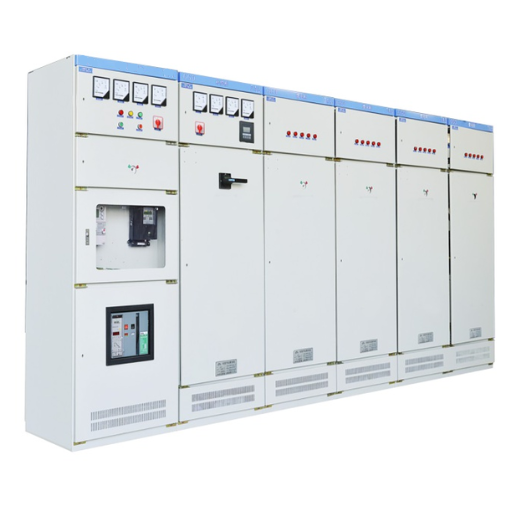
Design Considerations for Low Voltage Enclosures
- Material Selection
Choose materials that provide adequate resistance to environmental factors such as moisture, dust, and corrosion. Common materials include steel, aluminum, and polycarbonate, each offering distinct durability and protection levels.
- IP/NEMA Ratings
Ensure the enclosure meets the required IP (Ingress Protection) or NEMA (National Electrical Manufacturers Association) standards based on the operating environment. This ensures the enclosure can safeguard components against water, dust, and other external contaminants.
- Thermal Management
Evaluate heat dissipation requirements to prevent overheating of electrical components. Incorporate ventilation, heat sinks, or cooling systems as necessary to maintain proper operating temperatures.
- Size and Space Optimization
Provide enough internal space to house all components securely while allowing for proper cable management and future expansion. Avoid overcrowding to ensure safety and maintain accessibility for servicing.
- Grounding and Shielding
Integrate effective grounding and electromagnetic shielding to ensure system safety and minimize electromagnetic interference (EMI), particularly in electrically sensitive setups.
- Access and Security
Design the enclosure with appropriate locking mechanisms and accessibility features to enable authorized personnel to perform maintenance easily while restricting unauthorized access.
- Compliance with Standards
Adhere to relevant industry standards, such as IEC or UL, to ensure reliable performance and regulatory compliance for specific applications.
These considerations ensure safe, efficient, and reliable operation of low voltage enclosures in various environments.
Innovative Design Features of Modern Cabinets
Modern low voltage cabinets incorporate several innovative design features to enhance functionality, safety, and adaptability. These key features include:
- Modular Architecture
Modular designs allow for flexible customization to meet specific application needs. For instance, cabinets may include interchangeable panels to accommodate various configurations. Parameters such as standard module widths (e.g., 600 mm, 800 mm) ensure compatibility and scalability for future expansion.
- Thermal Management Systems
Advanced ventilation systems and optional cooling units (e.g., fan trays or air conditioners) are employed to manage heat dissipation. Recommended parameters include maintaining internal temperatures at or below 45°C to prevent overheating, particularly when housing sensitive components like circuit breakers or controllers.
- Enhanced Cable Management
Integrated cable routing systems reduce clutter and ensure secure connections. Features such as pre-installed cable ducts and tie points support efficient organization. Allowable cable diameters up to 50 mm and bend radius guidelines minimize stress on wiring.
- High-Performance Materials
Cabinets are constructed using robust materials like galvanized steel or aluminum, offering corrosion resistance and mechanical strength. Typical thickness standards for walls range between 1.5 mm and 2.5 mm to ensure durability without adding unnecessary weight.
- Smart Integration
Incorporation of IoT-enabled sensors and monitoring systems allows continuous tracking of parameters like temperature, humidity, and power load. Digital displays and remote connectivity ensure efficient diagnostics and predictive maintenance.
- Safety Enhancements
Cabinets include reinforced locking systems, IP-rated sealing (e.g., IP55 or higher) for dust and water protection, and arc-resistant designs to ensure personnel and equipment safety under fault conditions. Standards such as IEC 61439 provide a benchmark for safety compliance.
These features and parameters exemplify how modern cabinet designs combine technical precision with practical innovation to meet the evolving demands of industrial and commercial environments.
Customizing Cabinets for Specific Applications
Customization of electrical cabinets is critical to ensuring their suitability for specific operational environments. Key factors to consider include the type of components housed, the operating environment, and industry standards. For instance, in environments with high levels of humidity or dust, cabinets must feature robust enclosures rated with at least IP55 or higher to prevent ingress. Similarly, industries prone to vibration or temperature fluctuations may require cabinets with reinforced structural integrity and thermal management solutions, such as ventilation systems, heat exchangers, or active cooling units.
The selection of materials is also pivotal. Steel, aluminum, and stainless steel serve diverse needs, with stainless steel, in particular, offering high corrosion resistance for marine or chemical applications. Furthermore, modular designs provide flexibility, allowing engineers to adapt cabinet layouts dynamically as needs change. Compliance with international standards like IEC 61439 ensures the safety and performance of these customized solutions. Combining advanced sealing, integrated monitoring systems, and scalable designs, modern customization processes address both functional requirements and operational efficiency.
Trends in Low Voltage Cabinet Design
Emerging Trends in Low Voltage Cabinet Design
Recent advancements in low voltage cabinet design are focused on improving efficiency, safety, and adaptability through innovative technologies and materials. One significant trend is the integration of smart monitoring systems, which allow real-time diagnostics and predictive maintenance. These systems utilize IoT-enabled sensors and advanced software to optimize performance, minimize downtime, and enhance reliability across applications.
Another prominent trend is the adoption of sustainable materials and energy-efficient components. Manufacturers are increasingly incorporating eco-friendly designs, such as recyclable enclosures and energy-reducing features, to meet stringent environmental regulations and reduce carbon footprints.
Additionally, modular cabinet designs continue to gain popularity due to their scalability and ease of customization. Modular systems enable rapid assembly, reconfiguration, and expansion, making them ideal for dynamic industrial and commercial environments. Combining these trends ensures that low voltage cabinets meet the demands of modern electrical distribution networks while maintaining compliance with evolving standards like IEC 61439.
Reference Sources
-
ABB Low Voltage Distribution System – A comprehensive resource on safe and reliable low voltage distribution systems.
-
Exploring Basic Components of a Low-Voltage Electrical System – Insights into the components and design of low-voltage systems.
-
Guide to Low Voltage Distribution Systems – Detailed information on types and components of low voltage systems.
-
Guidelines to the Construction of a Low-Voltage Assembly – A guide to constructing low-voltage assemblies in compliance with IEC 61439 standards.
-
Where to Start? (Low Voltage Discussion) – A community discussion offering practical advice and resources for learning about low voltage systems.
Frequently Asked Questions (FAQs)
Q: What is a low voltage distribution cabinet?
A: A low voltage distribution cabinet is an electrical enclosure used to organize and protect electrical power distribution components, such as switches, transformers, and connectors, for low voltage applications. These cabinets ensure safe and efficient distribution of electrical power to various devices and equipment.
Q: How can I choose the right low voltage distribution cabinet for my needs?
A: When selecting a low voltage distribution cabinet, consider factors such as the cabinet’s size, depth, and storage capacity. Check if it meets specific requirements for your electronics or electrical power distribution needs, such as being UL listed or having a universal design. Also, ensure it has a durable construction and a hinged cover for easy access.
Q: Are low voltage distribution cabinets suitable for indoor use?
A: Yes, many low voltage distribution cabinets are designed for indoor use. They typically feature a wall-mounted design that’s suitable for interior spaces, providing protection and organization for electrical components within a building.
Q: What is the purpose of a hinged cover on a low voltage distribution cabinet?
A: A hinged cover on a low voltage distribution cabinet allows for easy access to the interior components while providing a tight seal to protect against dust and other environmental factors. This design ensures that the contents are secure yet accessible for maintenance and adjustments.
Q: How does a low voltage distribution cabinet help with organizing electrical components?
A: A low voltage distribution cabinet helps organize electrical components by providing a dedicated space for mounting and storing various devices and equipment. It includes features like wire and cable management systems, which help keep the electrical setup neat and organized.
Q: What materials are commonly used in the construction of low voltage distribution cabinets?
A: Low voltage distribution cabinets are commonly made from durable materials such as metal to ensure longevity and provide protection against environmental factors. The material choice often depends on the specific application and environmental conditions.
Q: Why is it important for a low voltage distribution cabinet to be UL listed?
A: A UL listed low voltage distribution cabinet has been tested and certified to meet specific safety standards, ensuring that it can safely house and protect electrical components. This certification provides assurance of the product’s safety and reliability.
Q: Can low voltage distribution cabinets be used for LED lighting installations?
A: Yes, low voltage distribution cabinets can be used for LED lighting installations. They help in organizing and distributing the low voltage electrical power needed for LED systems, ensuring a neat and efficient setup.
Q: What is the significance of having a universal design in low voltage distribution cabinets?
A: A universal design in low voltage distribution cabinets means that they can accommodate a wide range of electrical components and configurations. This flexibility makes them suitable for various applications and environments, enhancing their usability and versatility.