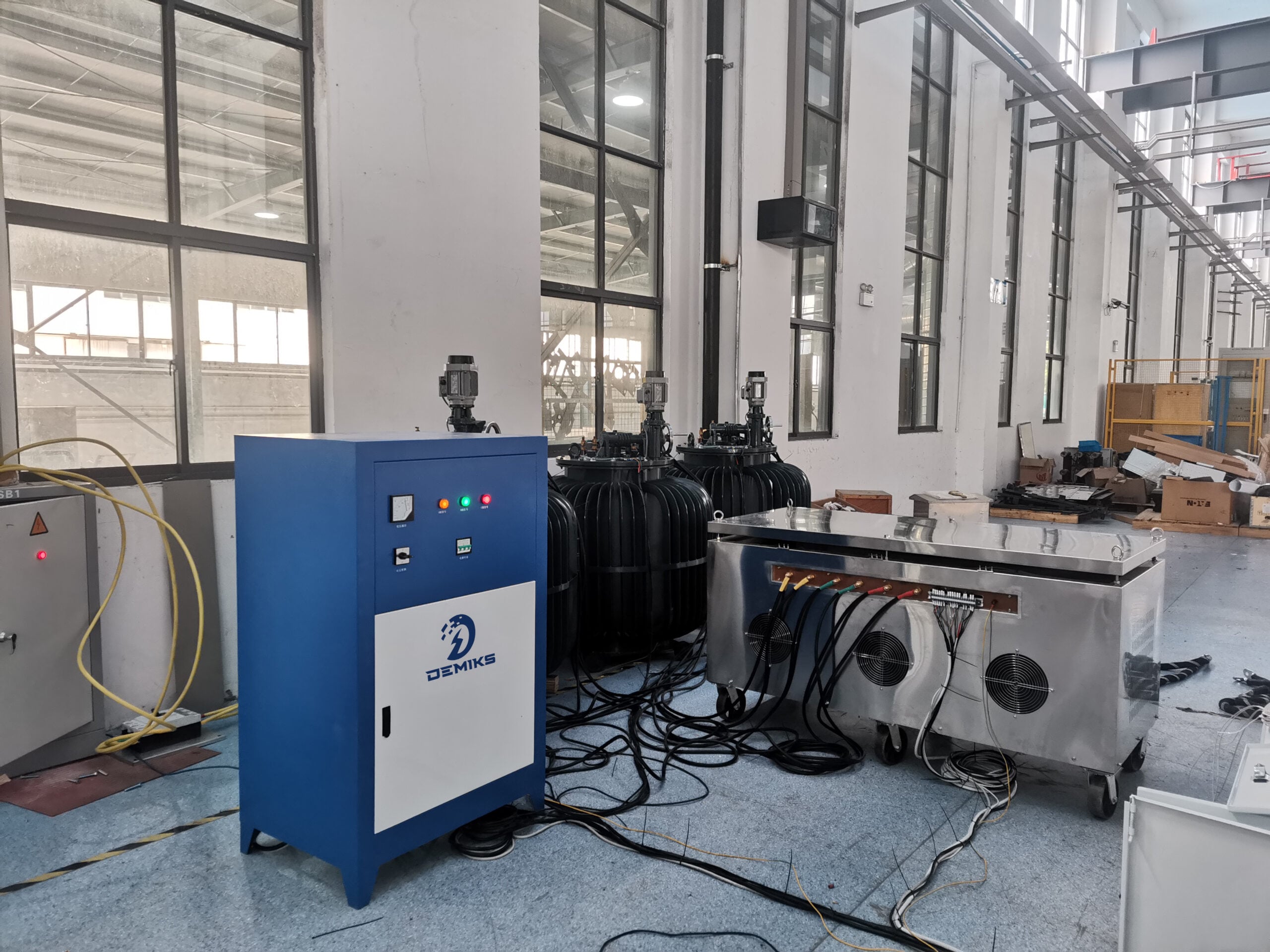
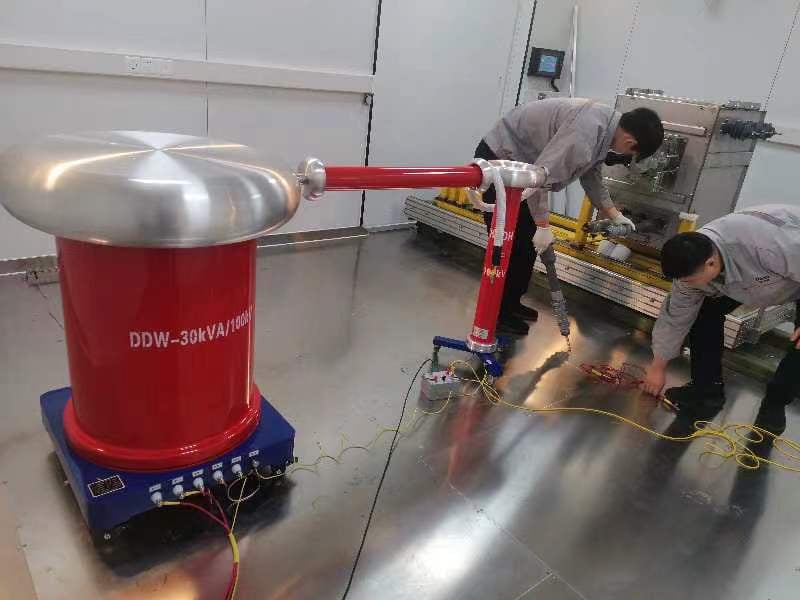
Backed by high voltage transformers and heavy-duty switchgears, modern and stablely operating electrical infrastructure gets ensured for power distributions and transmissions through networks. Now such an industry environment demands good set-ups of high voltage equipment for safety and smooth operations. Simply put, this article is a complete guide to any high voltage equipment bearing any influence on the conduct of substations and switchgear. We will look into all the components-from circuit breakers and protective relays to transformers and disconnect switches-so as to understand their purpose, the way they are designed, and how they go about their duties. This information will be useful for any engineer, technician, or facility manager alike and will give you valuable technical insight into understanding and improving the performance of these systems.
Introduction to High Voltage Equipment
Definition of High Voltage
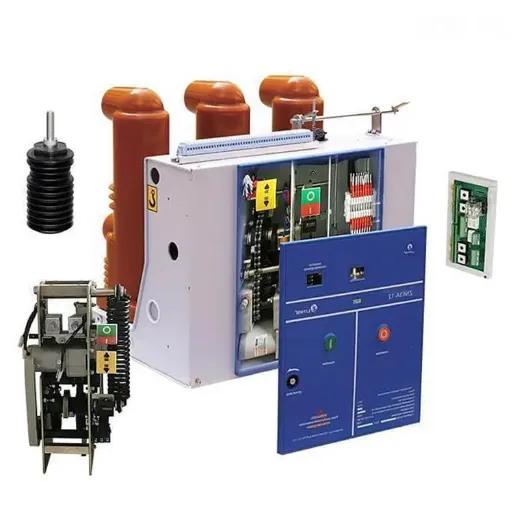
High voltage refers to an electrical potential considered comparatively high against normal household voltages, requiring special insulation and safety measures in electrical engineering and power systems. High voltages have been defined to be those greater than 1,000 volts (1 kV) in AC systems and 1,500 volts in DC systems. These voltage ranges are required for long-distance energy transmission to avoid energy loss over resistance offered by conductors. The high voltage has an industrial use in machinery, power station equipment, or into electric substations. The IEC and the IEEE provide standards for classification, handling, and safety requirements for high voltage systems so that globally uniform practices can be adopted.
Importance of High Voltage Equipment in Electrical Engineering
Electrical engineering is termed as high-voltage equipment due to its power transmission and distribution capabilities over long distances at very efficient levels. For instance, power transmission lines hold high voltages in order to reduce resistive losses, thus minimizing resistive losses by decreasing the current and, thereby, heat energy dissipation. Transformers are major components used in high voltage systems to change voltage levels according to the requirements of transmission and end-user applications, thereby assuring reliability and operational efficiency.
With new insulation materials and design techniques, the range of compact and efficient high voltage devices has grown. Technologies such as Gas-Insulated Switchgear (GIS) provide better performance and safer working conditions with a little maintenance. Moreover, based on these changes in the act, power transmission has undergone a fair revolution- especially in the direction of renewable energy integration and long-distance underwater or underground connections-at least in one capacity: that of HVDC systems.
Maintaining and operating high voltage equipment is of paramount importance for the stability and resilience of the grid. Ordinary testing procedures, like partial discharge testing and dielectric testing, are expected to preempt the arising of faults or failures. International standards such as IEC 60076 for transformers, and IEC 62271 for switchgear specify uniform and consistent quality and safety measures to enable equipment to meet the ever-changing demands of power systems across the globe. Shielded by engineering innovations, regulatory mandates, and technology at its best, high voltage equipment finds its place at the crossroads of electrical engineering development and the sustenance of the world’s energy infrastructure.
Overview of High Voltage Systems
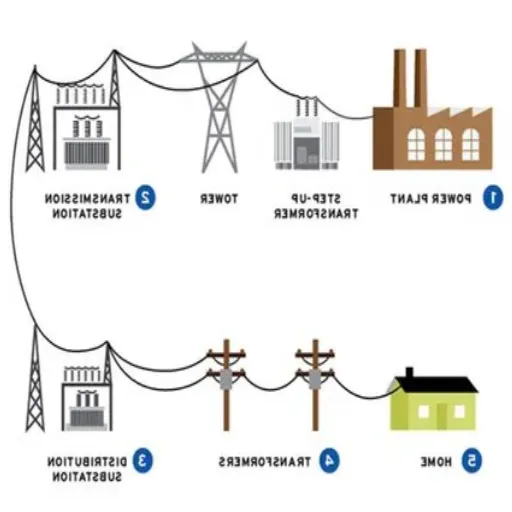
The main components of a high voltage system are its operational elements; they actually carry out transmission and distribution of electricity. Transformers in their purist definition are meant for changing voltages, i.e., stepping up voltage in order to allow transmission at long distances with a low current or stepping down voltage so that consumers can receive their supply at a safe voltage. Circuit breakers and switchgear are installed to control, protect, and isolate electrical equipment to guard against any occurrences which threaten the stability and safety of the system during normal and abnormal working conditions. Insulators are another important part; they prevent unwanted flow of current, maintaining electrical separation in a high voltage environment.
Primary function of high voltage system is to ensure efficient and reliable transmission of electricity over large distances with minimal losses. By increasing the voltage level, utilities are able to reduce current flows and thus lower resistive losses in transmission lines. Advanced high voltage technologies, such as GIS and HVDC are yet another set of tools used to increase efficiency and reliability. These systems are critical to the integration of renewable energy, to link remote generation sites, and to support increasing global electricity demand.
Types of High Voltage Equipment
Switchgear: The Heart of High Voltage Systems
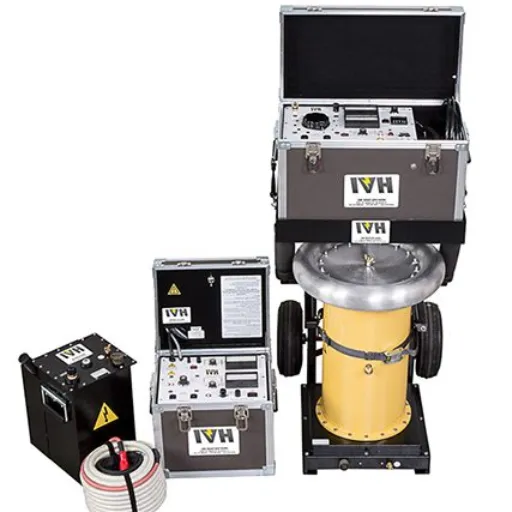
Switchgear finds ample application in high voltage management to operate, isolate, or protect electrical circuits. Hence, the switching apparatus comprises circuit breakers, disconnectors, and fuses, which together enable the switching of electrical power to make the system operationally safe. Switchgear nowadays can face very high fault current for very short intervals and interrupt it before it finds its way into the machines or before it contributes to cascading failures.
Recent developments in switchgear technology target miniaturization, energy efficiency, and sustainability. In a GIS setup, SF₆ gas is used as an insulating agent, thereby minimizing the equipment size. However, given the environmental concerns of SF₆ gas caused by its global warming potential, research is underway on its alternatives. The adoption of intelligent monitoring systems enables the acquisition of real-time data, fault diagnosis, and predictive maintenance to provide operational reliability and avoid unplanned outages. Such advancements explain very well how switchgear plays an ever-important role in catering to the continuously evolving needs of modern electrical grids.
Transformers: Power Transformers vs. Distribution Transformers
Transformers are pivotal components in electrical systems, facilitating the efficient transfer of electrical energy across varying voltage levels. They are generally categorized into power transformers and distribution transformers, each serving distinct roles within the energy transmission and distribution network.
Power transformers cater to high voltage service needs and transmission networks handling large amounts of power, generally above 33 kV. This type of transformer attains maximum efficiency when operating near full load and is crucial to minimizing electricity losses during long-distance transmission. Because of their enormity and applications, power transformers are capable of withstanding thermal and mechanical stresses of high order, and are provided with oil cooling arrangements and modern insulating materials for their reliable operation in such severe conditions.
Conversely, distribution transformers run at lesser voltage ranges, usually below 33 kV, and are sited near end-users. Their function is to step down voltage to levels that can be used for residential applications or commercial processes or for industries. Distribution transformers undergo highly variable loading conditions, unlike power transformers. They are, therefore, made to operate efficiently during partial load. Among those advances in distribution transformers are amorphous core materials and better cooling for more efficiency and fewer losses.
Both transformer types continue to evolve with the incorporation of digital monitoring systems, enabling predictive maintenance and reducing the risk of outages. These innovations are crucial for optimizing energy flow and supporting the increasing complexity of modern electrical grids, driven by the integration of renewable energy and dynamic load demands.
Substation Equipment: Key Components
Substations are critical nodes in power transmission and distribution networks, enabling voltage transformation, power routing, and network protection. The key components of a substation include:
Power Transformers
The role of power transformers is to either increase voltage levels for transmission or lower the same for distribution, as per the requirements. Modern transformers are made with special insulation and high-temperature superconductors to enhance transformer efficiency and reduce energy losses. Online monitoring tools, when integrated, provide real-time condition-based assessments and maintenance.
Switchgear
Being switchgear, circuit breakers, disconnect switches, and fuses control and protect electrical circuits. Being high voltage, the switchgear often uses gas insulation technology to reduce the footprint of the equipment and improve operational safety. Current developments are focused on ensuring the containment of arc faults and enhancing the auto-switching functionality of the equipment in question.
Busbars
The busbars provide conducting paths for the distribution of power within the substation. They are meant to carry large currents while being strong and efficient in operation. By way of measuring innovation in the design of busbars can be said in the use of insulating materials and those with low resistance that result in reduced power losses and better thermal management.
Protective Relays
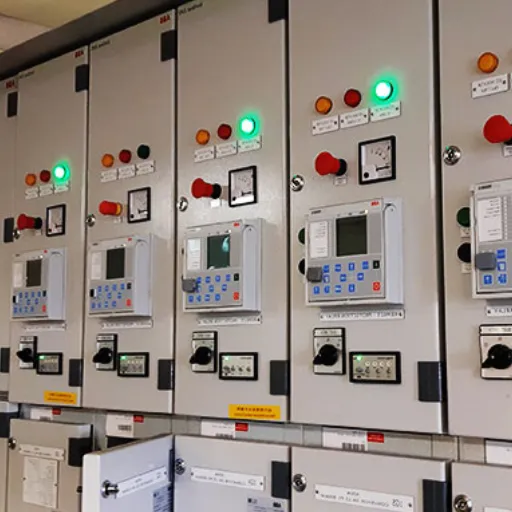
Protective relays monitor electrical parameters and isolate faulty sections of the grid during abnormal conditions. Sophisticated microprocessor-based relays now provide multi-function capabilities, including fault analysis, remote monitoring, and seamless integration with SCADA (Supervisory Control and Data Acquisition) systems for centralized control.
Capacitor Banks and Reactors
These work to regulate voltage levels and power factor within the substation. A capacitor bank lessens the reactive power demand, thereby enhancing energy efficiency, while shunt reactors deal with an overvoltage condition. With the increase in complexity of electrical grids, more and more attention is now given to compact designs having low harmonic distortion.
Control and Monitoring Systems
These systems oversee substation operations, including voltage regulation and fault management. With advancements in digital communication protocols, such as IEC 61850, and intelligent electronic devices (IEDs), substations can achieve greater automation and enhanced data exchange for effective grid management.
Each component plays a vital role in ensuring the reliability, safety, and efficiency of the electrical grid, allowing substations to fulfill their functions in increasingly demanding and dynamic operating environments.
Components of a Distribution Substation
Circuit Breakers and Their Functions
Circuit breakers are very important components at a distribution substation acting as automatic electrical switches meant to protect an electrical circuit from damage due to overloads or faults. Whenever a fault is detected, these devices operate to stop the present flow, thereby keeping the system safe and minimizing the possibilities of equipment damage or operational downtime. Modern circuit breakers are classified depending on their arc-extinction medium, i.e., air, vacuum, gas (SF6), and oil-type circuit breakers. Each has its own advantages-the high dielectric strength of the SF6 gas, or maybe less maintenance in the case of the vacuum.
With the advancements made in monitoring and control technology, present-day circuit breakers are commonly interfaced with IEDs for real-time diagnostics, predictive maintenance, and remote operation. This increases their reliability and service life. Besides, breaker failure protection schemes are adopted so that fast isolation of faults can be carried out to prevent cascading failures in the power network. Thus, mechanical strength combined with modern digital solutions makes the circuit breakers a key element in improving the stability and resilience of modern electrical grids.
Relays: Ensuring Safety and Reliability
The relay is an extremely important component in any electrical system that is responsible for isolating, controlling, and safeguarding circuits. The relay acts as a switch to open or close circuit paths in response to input control signals that can be changes in current, voltage, or any other electrical quantity. Thus, the foremost feature of relays is to protect by detecting some kind of fault in the system and taking corrective action such as tripping the circuit breakers or changing the path of power so as to avoid the damage to the equipment and the personnel.
The present series of relays had a digital modification. With the microprocessor-based systems, they could be made much more precise, faster, and reliable. Along with self-diagnostics, the relays would also carry events, if necessary, with programmable settings adjusted for real-time monitoring and adaptive control for the grid requirements at hand. Further, advances in communication protocols patented as IEC 61850 can create an interface for the relay within a smart grid environment to exchange data with an interconnected system in a very short time. This is a huge benefit to operational efficiency because it cuts out time for downtimes and even reduction in maintenance costs from a predictive perspective while assuring maintainability against ever-increasing network complexities within power systems.
Insulators: Protecting Equipment and Personnel
Insulators are majorly components in any electrical system intended to hamper the unwanted flow of current and to keep equipment and persons safe from electrical hazards. Being made from non-conductive materials like porcelain, glass, or polymer composites, insulators act as barriers that keep the live electrical parts away from the grounded surface or any other conductive parts. Due to the dielectric property of insulators, they can resist high voltages, which means energy can be transmitted in a very efficient and safe manner.
With those developments from the material science field came the creation of composite insulators having better mechanical strength properties, lesser weight, and higher resistivity against environmental factors like moisture, ultraviolet, and pollutants. These technologies have enhanced the working life of insulators, subjecting them to high environmental adversities, while requiring less maintenance. Newer generation insulators are then usually subjected to specialized tests such as high voltage withstand tests and thermal cycling tests to achieve the best possible performance levels under any load and environmental conditions; hence the reliability of insulators is of paramount importance in reducing interruptions over power transmission and distribution networks, protecting assets, and ensuring operational safety.
Understanding Voltage Management in High Voltage Systems
Reactive Power and Its Importance
Reactive power has a vital role in any high voltage system, maintaining voltage stability so that the electrical network may operate efficiently. Unlike in active power where the actual power is received by certain devices or machinery, reactive power, on the contrary, acts in support of voltage levels so that active power may be transmitted efficiently along the grid. There will be constant production and consumption of it from inductive and capacitive elements like transformers, motors, and capacitors; reactive power measurement is done in VAR (volt-amperes reactive).
Correct handling of reactive power reduces transmission losses, curbs voltage fluctuations, and bolsters the utmost reliability of a power system. For long-distance transmission lines, where reactive imbalance can exert greater influence over efficiency, the very issue becomes critical. With technological changes, there have come improved means of controlling reactive power dynamically, such as statical synchronous compensators or dynamic reactive power compensators and Flexible AC Transmission Systems. These systems are designed to provide instantaneous response to changing voltage requirements, assuring the voltage remains stable under changed load situations. Therefore, modern high voltage systems necessitate efficient reactive power management to achieve uninterrupted and economical operation.
Capacitors in Voltage Regulation
In voltage regulation, capacitors provide reactive power compensation and thus increase the efficiency and reliability of electrical systems. Acting like devices that store and release energy through an electric field, they reject reactive power demands created by inductive loads. If capacitors are located properly in the grid, they serve to reduce voltage drops, power losses, and power factor. They also assist in tackling obstacle problems introduced by lengthy transmission lines and heavily loaded transformers. The modern-day technologies with switched capacitor banks and control algorithms make capacitor behavior dependent on system requirements, providing real-time and accurate voltage regulation for better grid performance.
Low Voltage vs. High Voltage Considerations
Attempting to evaluate both low voltage and a high voltage electric system might require building an understanding of their distinct characteristics, operating parameters, and applications. Low voltage is generally considered for systems operating at 1000 volts and below. Hence, these are systems often used in residential, commercial, and small industrial applications. Due to the lower levels of electrical stresses involved, such systems are easier to manage and safer to operate and require only normal specialist insulation and equipment. They do not transmit power efficiently over long distances since they suffer from higher resistive losses.
HV systems, conversely, are systems operating at voltage above 1000 volts and thus are involved in large-scale power distribution or industrial applications. Since high transmission voltage is able to reduce the current for the same power, thereby preventing power loss, this energy is able to be efficiently delivered for several kilometers. On the other hand, due to greater electrical stresses and the arc possibilities, HV systems need special safety measures, strict insulation requirements, and special equipment.
LV or HV systems are picked as per the operational conditions, which include load demand, transmission distance, and increasing scaling capabilities. Developments in this direction still permit one to use monitoring systems and smart grid technologies to maximize the performance and safety levels of either LV or HV system by giving a real-time data analytics and dynamic control mechanism.
The Future of High Voltage Equipment in Electrical Engineering
Innovations in High Voltage Technology
The HV technology is witnessing rapid developments for greater transmission efficiency, grid resiliency, and renewable energy integration. From what I have come across in the literature, an important innovation has been the advancement in GIS technology. That is because the air-insulated switchgear is being replaced at a faster rate by compact GIS using advanced insulating gases such as fluoronitrile mixtures to achieve significant mitigation of the environmental impacts traditionally associated with SF6. These alternatives provide for nearly similar efficiencies, but with a higher eco-friendly profile, in tandem with global efforts to minimize greenhouse gas emissions in electrical systems.
Another beneficial transformation is the finding of the HVDC (High Voltage Direct Current) power transmission system. Unlike normal AC systems, an HVDC system transmits energy with tremendous efficiency over long distances with very low losses and is, hence, an ideal candidate for connecting renewable projects such as offshore wind farms to the main grid. In the modern era, the use of HVDC systems has further benefited from innovations in power electronics, primarily in VSCs, enhancing their operational flexibility, scalability, and reliability.
Also, smart grid technologies are being increasingly incorporated into HV equipment. They employ IoT-enabled sensors and the might of data analytics to give real-time monitoring, fault detection, and predictive maintenance. Modern machine-learning algorithms then come to aid in asset management in terms of forecasting equipment failure so that downtime can be minimized and operational costs lowered. These innovations in synergy are ensuring that HV technology not only comes out to meet the current-day energy challenges but also goes ahead in the lead towards building a sustainable and resilient energy future.
Impact on Electrical Distribution Systems
From my perspective, electrical distribution systems tend to be radically altered by the implications of advanced high-voltage (HV) technologies. In modern days, HV systems have promoted a much more efficient way of distributing electrical power while also bringing in added reliability and scalability to the distribution network, owing to digital developments and real-time data analytics. Power outages are fewer, and energy losses are kept to a minimum by the grid infrastructure through smart sensors and IoT-enabled devices that permit fault isolation, load balancing, and flow of energy in a manner that is both optimum and cost-efficient. FACTS and power electronics have come into play as technologies enabling renewables integration such as solar and wind into HV distribution systems. These innovations not only bring added flexibility to the grid but also start the process of aligning distribution systems with the global decarbonization agenda.
Moreover, with electrical distribution systems becoming more and more advanced, the importance of machine learning in conjunction with artificial intelligence (AI) cannot be overstated. The combination of these technologies enables operators to understand demand behavior better, store energy, and fine-tune forecasted loads to a precision never conceived of before. To cite a few, AI-based platforms may predict peak demand periods or component failures based on historical data to enlist preventive actions and avoid disturbances. Given the ever-increasing electric vehicle implementations that add to the demands on distribution networks, such advancements become extremely vital. With the combination of HV technologies and emerging AI and digital tools, distribution systems are increasingly more capable to juggle the complex environment, still coordinating the operational integrity and environmental sustainability.
Final Thoughts on Safety and Efficiency
Where, from my side of the curtain, safety and efficiency in modern-day distribution systems would have had to be maintained by advanced technology and integrated with normal operational frameworks. HV technologies provide the ideal infrastructure to meet the increasing energy demands, especially with the fast-paced adoption of electric vehicles. Using modern materials coupled with new designs has seen the HV components improve in reliability and increase in their life expectancy, thus reducing mechanical failures and even the hazards that come with high energy throughput. This has created more safety and security for distribution systems and their end users.
The information and communication technology (ICT) systems that include computer vision from across diverse domains contribute to this trend. For example, AI analytics are used to monitor and give real-time data on performance and to predict changes in maintenance before the system reaches failure points, thus improving operational workflow and system performance. Reduction of downtime and maintenance costs should be offset by safety enhancement measures, for instance, from prevented dangerous failures in critical infrastructure. As they are compatible with sustainable energy practices, these technologies may shape the future of resilient and environmentally mindful energy networks.
Emphatically, for maximum safety and efficient operation, the approach should be holistic: tackling both current operation issues and future needs. The union of HV technologies and digital ones, along with locating their respective priorities within the frame of global sustainability goals, guarantees a secure, efficient, and environmentally friendly energy ecosystem. This strategy will most certainly maintain its relevance in the world as it increasingly turns toward cleaner and more vibrant energy solutions.
Reference Sources
Electrical Safety Equipment | High Voltage HV 11kV 33kV
This source provides a detailed list of high-voltage safety equipment, including insulating gloves, rescue rods, and portable earthing kits.
Explore Our New High Voltage Safety Equipment Infographic
An infographic showcasing essential high-voltage safety gear like insulated gloves, rubber blankets, and grounding cables.
Ten Equipment You MUST Recognize in Every Distribution Substation
A comprehensive guide to key equipment in distribution substations, such as transformers, circuit breakers, and lightning arresters.
How to Safely Work with High Voltage Equipment
Practical advice on high voltage safety tools, including grounding poles, hot sticks, and arc flash-safe clothing.
High-Voltage Electricity Safety
A detailed chapter on high voltage safety, covering PPE requirements and OSHA classifications.
Frequently Asked Questions (FAQs)
What types of high-voltage equipment are commonly used in power systems?
High-voltage equipment primarily includes circuit breakers, transformers, and disconnecting switches. These components are essential in the protection and operation of electrical circuits. The circuit breakers carry out the action of interrupting the fault current causing damage to the power system. Transformers such as step-up or step-down transformers change voltages to a suitable level to enable efficient power transmission. There are also relays and control equipment in the substations that ensure that electrical energy flow is monitored and managed.
How do high-voltage substations contribute to power transmission?
High-voltage substations are used for the distribution of electric power over long distances. At these substations, the voltage is increased at the generators to avoid losses while transmission occurs along the transmission lines. Equipment in a substation like air blast circuit breakers and oil circuit breakers assures the power system’s safe working. These substations also act as insulating mediums-providing safety and flashover protection. By handling voltage levels, substations ensure an assured power supply.
What is the significance of insulation in high-voltage equipment?
Thermal insulation provided to high voltages is a very important subject since electrical discharge may occur, thus leading to an unsafe environment. A particular material must be able to apply withstand some voltage stress while ensuring preventing a short circuit due to the conduction of current. Gas mediums with insulating properties are used, among them sulfur hexafluoride (SF6) gas, which is known for elitist dielectric properties. The appropriate insulation of circuit elements protects the PPE systems against unforeseen accidents during power generation and transmission. Similarly, the mitigation of maintenance costs to equipment results from the good insulation of equipment, while it also improves the life of electrical appliances.
How do circuit breakers function in high-voltage systems?
With their designs tailored to protect high voltage systems from overloads and faults, the circuit breakers open the circuit automatically to protect machines against fault currents and ensure system stability. There are distinct types of circuit breakers: air blast, oil circuit breakers, etc., with each kind operating differently to interrupt current flow. At high voltage levels, the circuit breakers would be dispossessed with significant energy levels and the ability to isolate effectively the de-energized section of the network. Their safe operation becomes paramount in the protection of generation and distribution of power.
What role do protective relays play in high-voltage equipment?
Protective relays are another name for high-voltage equipment and safety. They will monitor the electrical parameters and detect abnormal conditions such as faults or overloads in the power system. When a fault is detected, the signals to the circuit breaker will open the circuit and stop the flow of current- thus protecting the equipment from damage. These are essential for protecting the generation plant and ensuring that safe electrical energy is distributed. They are eminently found in substations and transmission networks. Protection relays must be selected and set according to fault management requirements.
What are the differences between high voltage and low voltage equipment?
High voltage equipment is a term for equipment working at elevated potential that is usually considered greater than 1000 volts E. Therefore, anything working below voltages near 1000 watts is low voltage equipment. They first perform electric transmission with high voltage equipment. Thus, they efficiently transfer the great distances between sources and loads. Being low voltage, they are useful for lighting, small-surface applications, etc. High voltade equipment comes under stringent design and safety considerations due to the hazards associated with that level of voltage, such as flashover and so on.