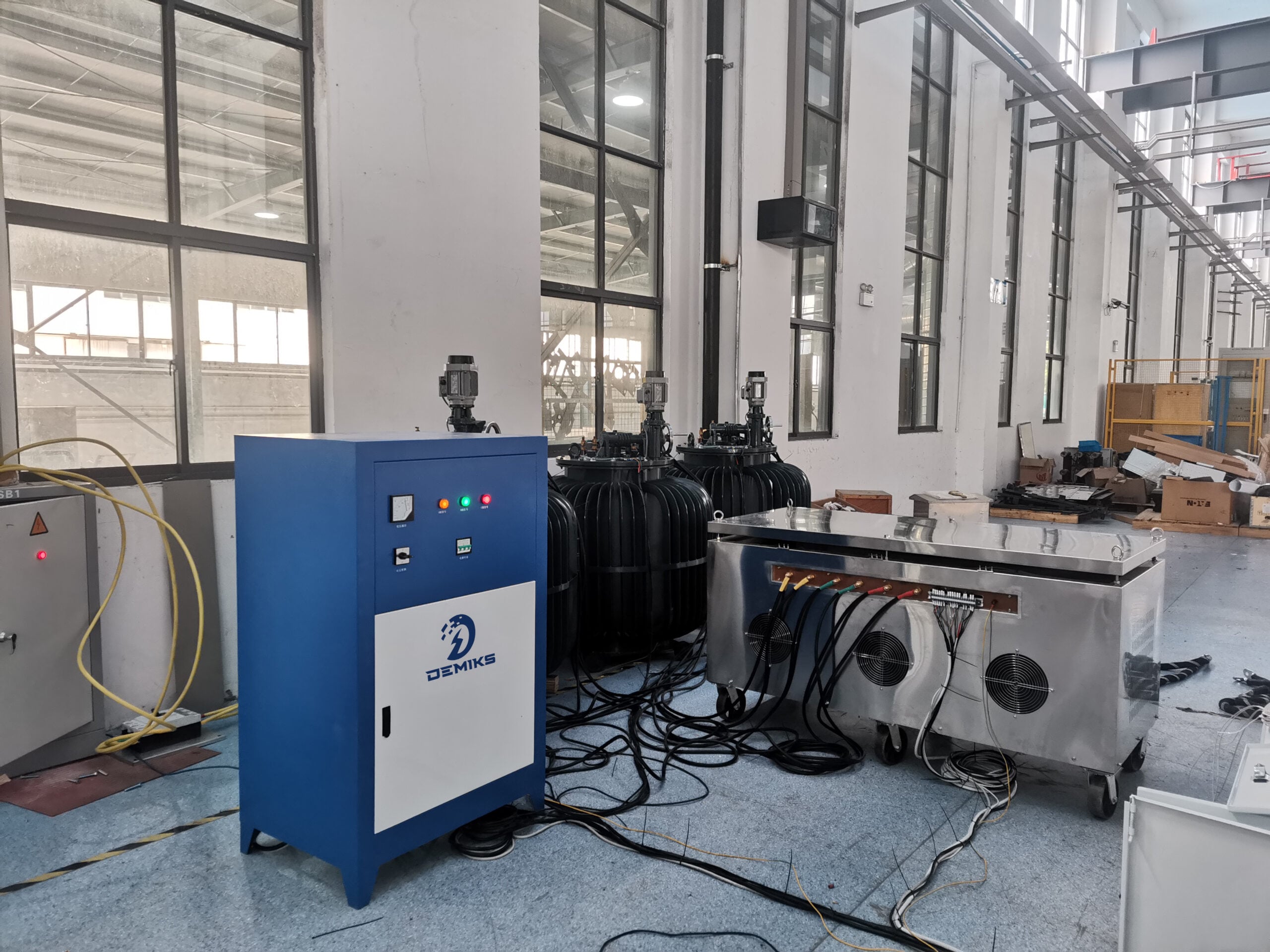
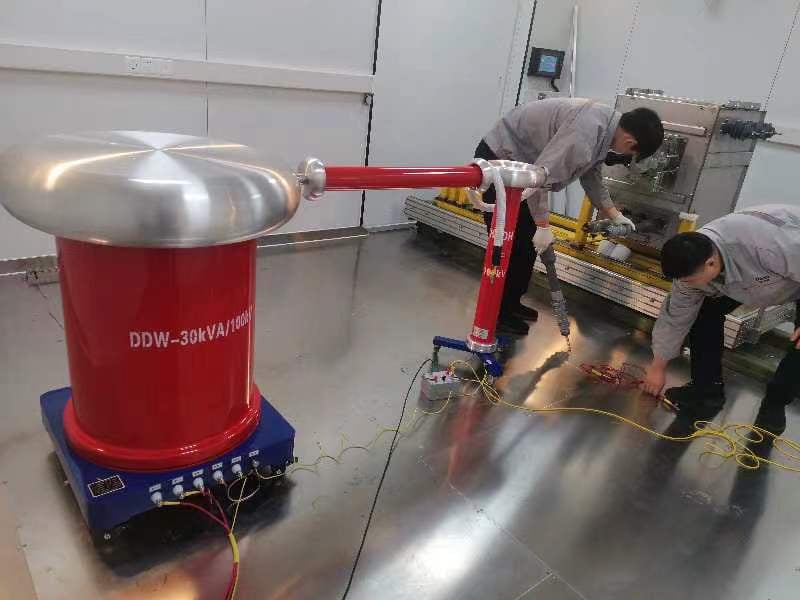
There are loads of high voltage tests that can be performed depending upon the nature of the item to be tested. With power transformers, for instance, you perform some with high voltages; circuit breakers need them; cables call for them, too. Every opportunity presents a chance for an accident to take place. The manual describes various methods of high voltage testing with their applications to impart some knowledge required on how these methods protect infrastructure and ensure operational standards. In this article, we shall look at the rationale behind these tests and their applications, thus giving you an overview of one of the most important aspects of electrical engineering. Get set to find out how high voltage testing puts together infrastructure all over the world and keeps it safe!
Understanding High Voltage Testing
What is High Voltage Testing?
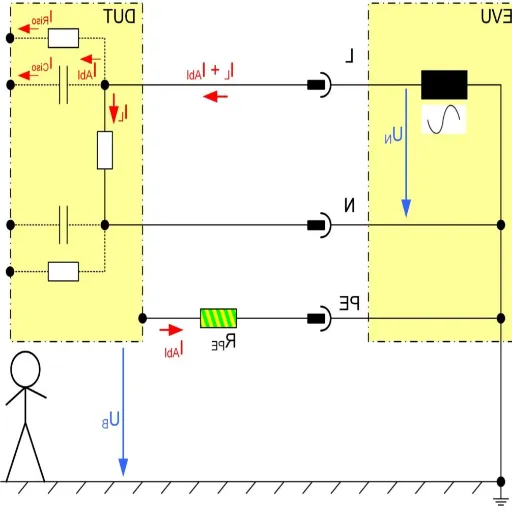
High voltage testing refers to that testing which is carried out to determine the strength, reliability, and insulation of electrical equipment and systems under high voltage terms. Such testing is to be considered necessary because it determines whether assets like transformers, insulators, cables, and circuit breakers will safely and efficiently perform under real-world stresses. By subjecting an asset under a good test system in the lab or field conditions under controlled high voltages, the engineer ensures detection of weaknesses if any, checks the durability of the asset, and ensures that the asset stands by the standards set by the industry. More advanced means of testing have gone further to solidify tolerances and the range of these testing applications so that infrastructures today can withstand more and more stress and risk less.
Importance of High Voltage Tests in Electrical Systems
Then come the explanation of the tests which belong to the field of scientific investigations in the jurisdiction of high voltage engineering. They are employed to assure the mechanical and electrical integrity of insulation in equipment, thereby making it immune to stresses and strains of operation and unexpected surges. Through partial discharge tests, defects in cables, transformers, and switchgear are detected that would have later led to severe breakages. The withstand and impulse voltage tests almost duplicate the worst conditions-lights, strikes, etc.-thus allowing the operator to accept or refuse the system. High voltage testing with advanced diagnostic equipment and careful procedures minimizes the shutdowns, prolongs the life of equipment, and improves the effectiveness of the system. Minimizing risk in this manner assures investment protection and acceptance of the most rigorous standards in the industry.
Common High Voltage Test Standards
High voltage testing follows internationally recognized standards and measurements that constitute the parameters within which safety, reliability, and quality of electrical systems and components are maintained. Arguably, the best-known and most accepted type of standard for such testing is the IEC 60060 series, which outlines various high voltage test techniques, including their definitions, classifications, and procedures to be followed. Likewise, IEEE 4 standards suggest high voltage and insulation testing techniques with a focus on accuracy and reproducibility of test procedures. ANSI/NETA standards, used mostly in North America, concern the maintenance and testing of electrical power equipment.
These standards find companions in regional laws: EN 50191 is a European regulation regarding high voltage test sites safety. It is necessary that these standards be applied consistently within the industry to maintain uniformity in testing procedures, allow further development of electrical technologies, and finally, ensure compatibility with international markets. Surely, manufacturers, testing facilities, and even field engineers should be aware of these standards and shall abide by them.
High Voltage Test Equipment
Overview of High Voltage Testing Equipment
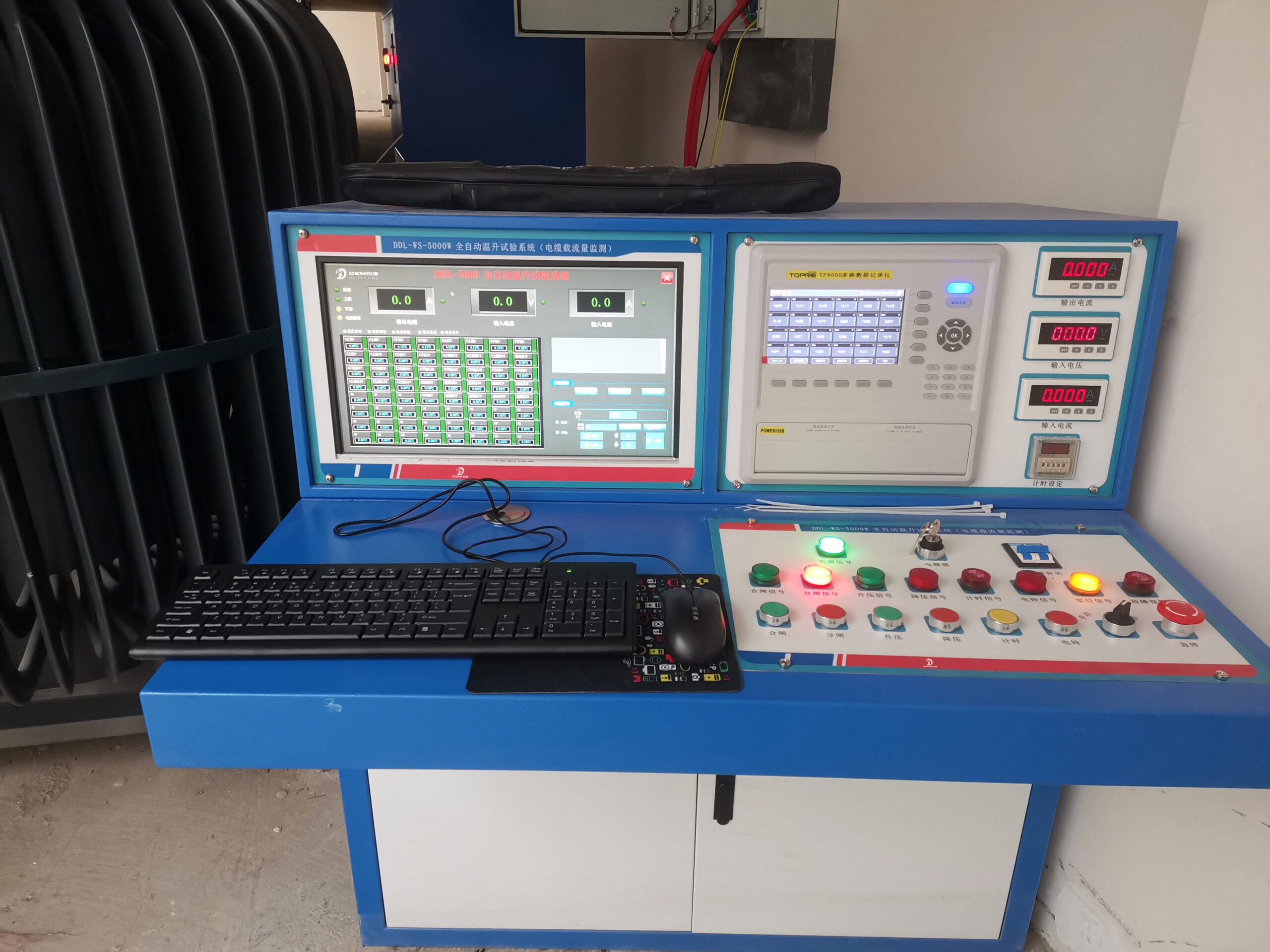
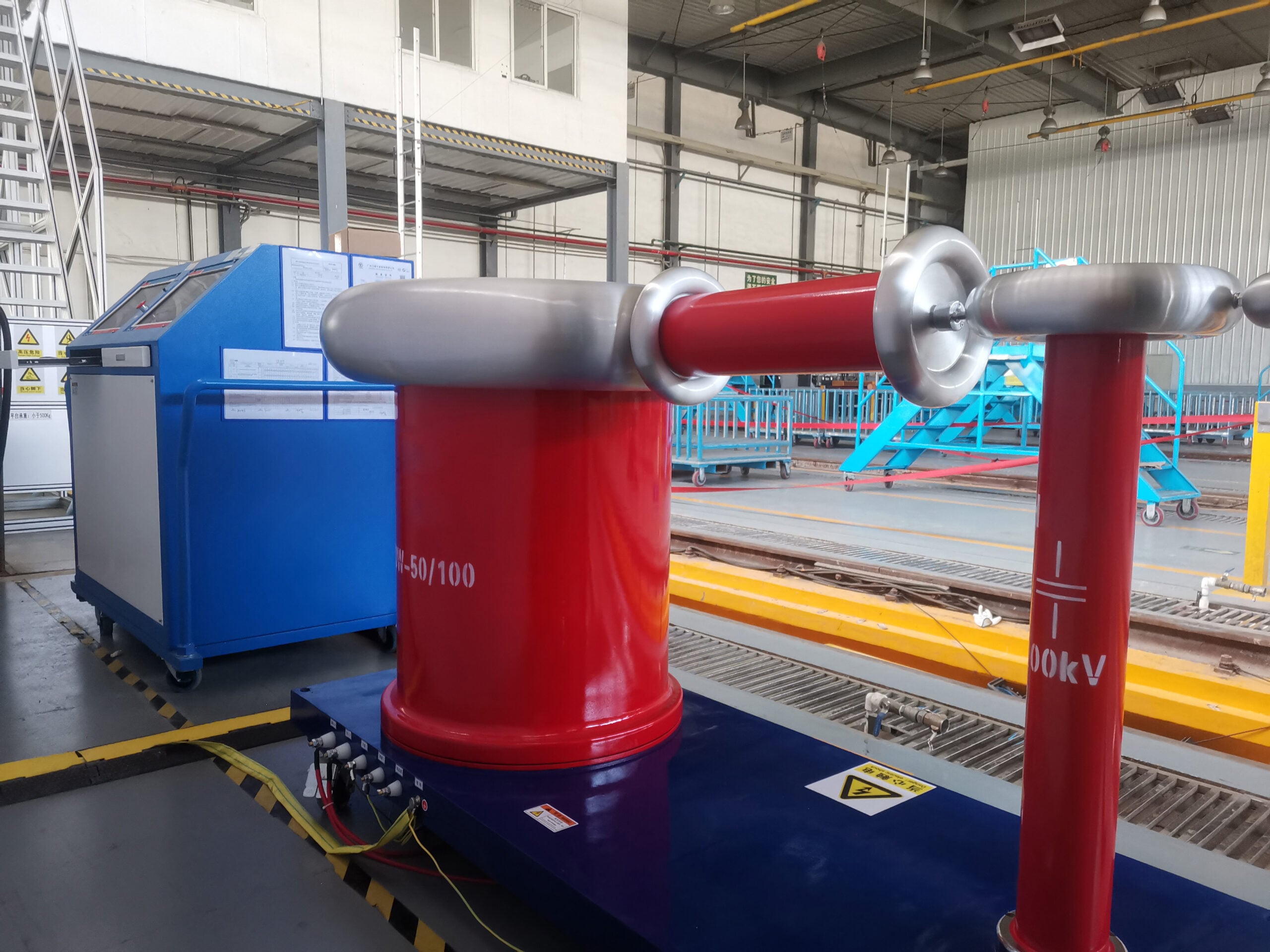
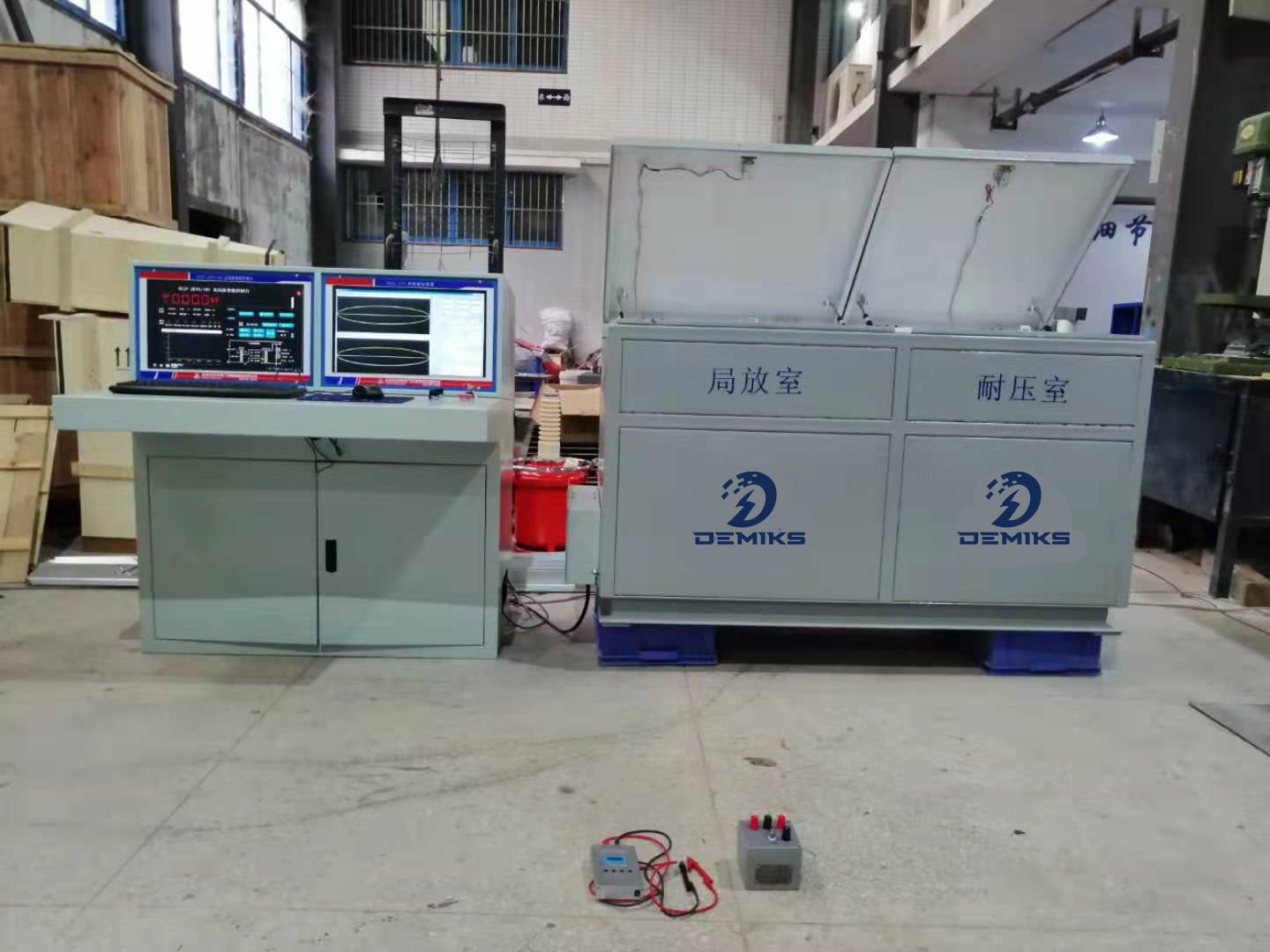
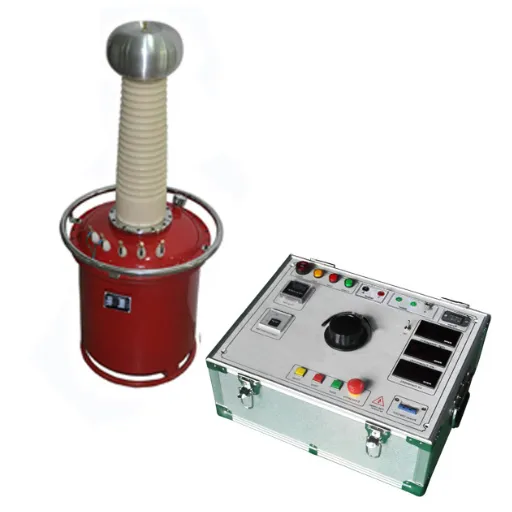
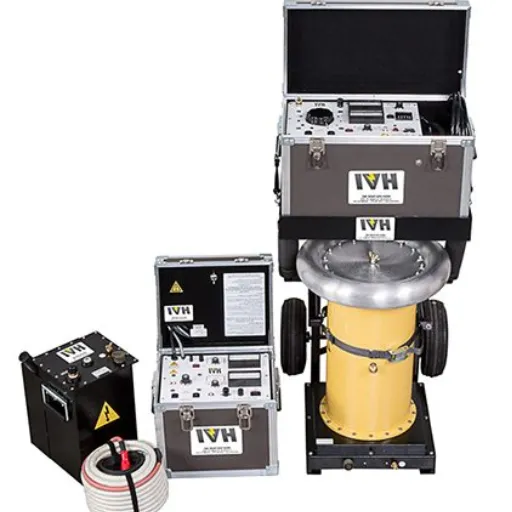
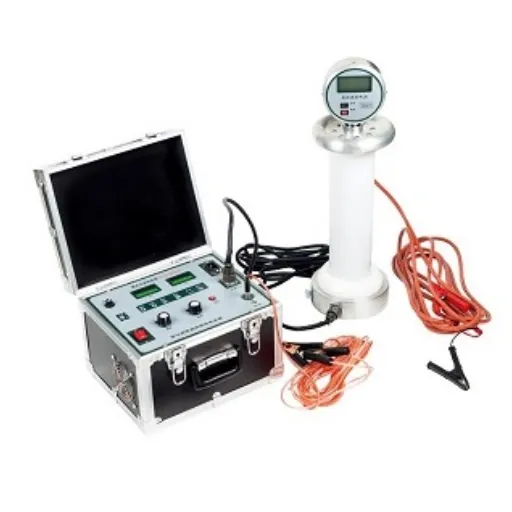
This equipment is necessary due to its use in performing high voltage testing to guarantee security, reliability, and performance of electrical systems. Such equipment generally includes high voltage transformers, insulation testers, and partial discharge measurement devices. A high voltage transformer supplies high voltage for electrical testing, thus, components under test are tested for functional condition. Insulation testers then test the insulating material under the effect of stress to check its quality so as to prevent short circuits or failures. Partial discharge testing devices would then detect any remaining discharge phenomena insideing the insulation systems, which enables engineers to identify the faults and degradation ahead of time before the more serious ones set in. In recent years, the integration of technologies such as digital interfaces and advanced data analytics has made testing ever more precise and their analysis reports increasingly rapid and integrated. This helps to greatly improve the entire testing process, which in turn supports the maintenance of safety and quality standards throughout the industry.
Choosing the Right Equipment for Your Testing Needs
Selecting the correct equipment for partial discharge testing is the crucial step in acquiring reliable results. The choice should be made on the basis of the specific application and test site, along with the environmental working conditions. For example, a portable test instrument is suggested for internal site testing with flexibility and ease of use, whereas laboratory-grade equipment is to be used when greater precision and advanced diagnostic facilities are desired under controlled settings. Together with complementary equipment for diagnosis, such as thermal imaging or ultrasonic detectors, they ensure the maximum level of effectiveness of the testing procedure.
Some additional considerations include equipment that encompasses the contemporary technological advancements. Some of the contemporary devices may feature the real-time data monitoring, the cloud-based storage system, and even an advanced algorithm for the interpretation of data. The greater precision of measurements is provided by these facilities. Further, they may very well establish some indicative defects and thus establish standards for maintenance in advance. Very intuitive to work with and with automated tools for generating reports will make the life of the plant simpler and keep productivity levels high.
In the selection process of equipment, greatest consideration should be given to the long-term benefits of an investment in devices featuring extensive after-sales services and regular updates of software. Training materials, technical support, and a stringent guarantee shall also help safeguard the test system for years from now. A very thorough assessment of operational needs against the scope of the equipment available shall fit best in maximally setting the reliability and efficiency in the actual partial discharge testing procedure defined.
⚡ Safety Features in High Voltage Test Equipment
Modern high voltage test equipment incorporates several advanced safety features that prevent hazards and safeguard the users during test procedures. One important feature is an automated grounding device that safely discharges any residual voltage after the test, causing the tester to be an accidental electrocution hazard. Thus, most systems come with an emergency stop control that halts operation immediately if anything occurs that seems unsafe to the operator, providing an extra measure of control. Plus, insulation monitoring systems are employed to constantly monitor the condition of internal and external insulation to prevent sudden failures.
Another innovative improvement is the application of sturdy interlock systems that preclude access to high voltage areas while equipment remains energized. These interlocks can be mechanical, electronic, or a hybrid of both, thus providing seamless functionality that does not compromise safety. A real-time monitoring and diagnostic software system may also be implemented such that the operation of an abnormal anomaly is detected with a prior warning of danger, following which response might be initiated. By incorporating these state-of-the-art features, high voltage test equipment can afford not only dependable performance but also a safe testing environment, with its users’ safety considered top priority.
Applications of High Voltage Testing

Testing Insulation Systems in Utilities
The reliability of electrical networks depends on ensuring utility insulation systems. These systems are typically subject to high voltage testing to evaluate their durability and for defect identification and general performance assessment under operational stress. High voltage tests essentially simulate working conditions to detect weaknesses that may result in system failures, such as partial discharges and conducting or breakdown insulation. Thanks to advanced diagnostic tools and sensor technology innovations, very precise measurements and insights are now possible to facilitate proactive maintenance and avoid downtime. This strategy extends the lifetime of the insulation systems of the power company while providing an increase in insulation and stabilization to utility operations.
Applications in Industrial Settings
January 19, 2017Advanced insulation diagnostics in an industrial setting hold the utmost importance so as to operational reliability and safety are ensured. Manufacturing, oil and gas, chemical industries, and what have you; in all these high-power electrical applications do actual production. The insulation monitoring system detects early deterioration signs in equipment like transformers, motors, and switchgears. When maintenance is performed on time, unplanned shutdowns, damage to equipment, and even life-threatening hazards that arise from catastrophic failures may be averted. Such predictive maintenance holds an utmost position in the production plants where any downtime would mean production lost and hence the loss of revenue.
Moreover, there is a steady uptake of predictive diagnostics within industrial establishments in line with sustainability goals and resource optimization. The advanced systems allow for the monitoring of energy efficiency within electrical setups, thereby facilitating better energy management and reducing losses through faulty insulation. In industries dependent upon heavy-duty machinery, there is always a huge energy wastage impact due to poor insulation or aging. With modern diagnostics, the company may identify inefficiencies and hence take action in their remedy or upgrade, with assurance of sustainable energy practices alongside maximum productivity.
Beyond energy management, applications in these types of environments convey cases that demonstrate the usefulness of these developments. Insulation systems are exposed to circumambient temperatures, corrosive chemicals, and humidity in these plants. Advance diagnostic tools that can assess insulation performance under these conditions ensure that industrial operators can mitigate risks to health and safety and ensure compliance with legislation while maintaining operational effectiveness. Such developments speak to yet another aspect of insulation diagnostics, i.e., industrial resilience.
High Voltage Testing for Cable Systems
High voltage testing for cable systems is an important process to ensure that electrical infrastructure is sturdy, safe, and lasting. Such tests are conducted to check for possible defects or weaknesses in cable insulation and connections or deterioration of any kind until such a level where they might cause system breakdowns or become safety hazards if left unattended. High voltage tests play the utmost importance in power transmission and distribution-bearing activities whose cables warrant absolute integrity for an uninterrupted supply of energy. Of the widely practiced methods for testing are withstand testing, partial discharge testing, or tan delta testing, and all these tests provide information regarding the performance of cable and state of insulation under certain high electrical stress.
Withstand testing measures a cable’s ability to withhold a high voltage at a stipulated value without breaking down, simulating the stress that the cable might bear during actual operation. Partial discharge testing seeks localized insulation faults that could, with the passage of time, turn into serious issues. This kind of testing ensures that cables do not harbor any defects impairing their reliability. Meanwhile, tan delta measurements ascertain the dielectric losses within the cable insulation and provide a numerical value that signifies the deterioration or aging of the insulation. The information derived from these results will guide the operator into making correct maintenance decisions that will, in turn, prevent exorbitantly expensive outages and protract the service life of an asset.
With the trending diagnostic technology, the high voltage testing now enjoys more efficiency and accuracy. While the diagnostic tools provide insights into the matter, they combine real-time monitoring and analysis of data to give into predictive maintenance, for issues to be detected at an early stage and rectified before they could develop into a serious one. Such innovations have their own merit in modern-day converters, wherein the demand for operation is high with the integration of renewable energy source. These systems are made apt by implementation of high voltage testing as a maintenance activity in high-voltage systems so that industries stand having optimum performance of systems with reduced downtime and also as per stringent safety regulations. This thereby ensures the whole cable system to stay strong and dependable.
Evaluating Test Results
Interpreting High Voltage Test Data
In above-ground spaces, testers and other workers should be wary of potential changes that might arise concerning the high voltage tests, always analyzing anomalous parameters. These anomalies could ultimately lead to a weakening in the structure under test. The main parameters that must be evaluated in detail are dielectric resistance, insulation leakage current, and partial discharge activity to reach some conclusions concerning the state of cable or equipment being tested. Using advanced diagnostic techniques with algorithms and modern precision instruments, engineers can isolate tiny performance changes that can then be evaluated against a database with historical trends of similar measurements or published values sometimes considered as “reference values.” These can then be used to conclude the health condition of the system under test and forecast future maintenance. Using such information, organizations are provided with the empowering ability to make decisions to upgrade system reliability and maximize operational shelf life.
Assessing the Condition of Insulation Systems
Insulation systems are crucial to preserving machine efficiency and reliability. Highly qualified diagnostic instruments are therefore used to evaluate their conditions-the thermal imaging cameras and partial discharge monitors, for example. There are several things these instruments can detect such as thermal hotspots, moisture intrusion, and insulation aging. Other types of testing that would be conducted are dielectric strength and insulation resistance, which would give a numerical evaluation of an insulation system. Analyzing historical performance coupled with real-time monitoring technology provides the organization better insight into its deterioration mode and possible failure points. This allows preventive maintenance to be carried out timely, improving safety, availability, and operational efficiency.
⚠️ Common Pitfalls in High Voltage Test Evaluations
Most of the time, the pitfall in performing high voltage tests is an inadequate environment. Environmental factors like humidity, temperature, or contaminants are significant if neglected during tests. Yet in other situations, improper calibration of test equipment occurs. Another issue can arise if the people conducting the test are not properly trained, as they may misinterpret the results or cause a compromise in the results.
When one follows a fixed testing routine without keeping in mind the environment and equipment to be tested, it raises the risk of missing potential indicators of component stress/failure. The lack of clarity in documentation or traceability during the testing phases further causes the inability to trend performance for detecting long-term deterioration. Addressing these pitfalls shall improve the reliability and effectiveness of organizations’ high voltage test evaluations; thereby, securing greater operational resilience and safety.
Future Trends in High Voltage Testing
🚀 Technological Advancements in Testing Methods
From my perspective, high voltage testing techniques have been enormously overhauled by recent technological advancements that give much more precision, efficiency, and safety to such tests. One of the key innovations lies in automating intelligent interventions during testing. The trend towards automated analysis enabled by advanced software algorithms coupled with machine learning theoretically allows us to carry out tests with minimal human intervention while maintaining absolute accuracy and repeatability. The systems keep track of critical performance parameters in real-time, spotting anomalies much faster, even predicting when a problem might occur before it becomes a major issue. Thanks to these changes, it has placed much higher reliability on high voltage testing and made the whole mechanism faster and cost-effective than the usual manual procedures.
Another emerging technical trend that finds applications in the high voltage testing arena is wireless sensing coupled with IoT technologies. Wireless systems offer the ability to monitor equipment’s condition operating at high voltage in remote locations physically, especially in inaccessible or hazardous ones. The sensors continuously transmit data and thus allow for predictive maintenance and avoidance of unexpected failure. From another perspective, materials science advances have brought about new materials for more rugged testing components and insulation systems that lead to more durable and accurate evaluations.
Finally, digital twin technology is starting to play the transformative role in high voltage testing. In other words, creating virtual replicas of electrical equipment allows for simulation and prediction of high voltage stress effects under several conditions without having to expose the equipment in reality to risk. So, this contributes to higher safety compared to optimization of some designs and methods with greater accuracy. With the help of these technologies, the future will see highly agile, intelligent, and efficient high voltage testing that can meet the complex challenges faced by modern electrical infrastructure.
Impact of Aging on High Voltage Systems
Aging has far-reaching effects on high voltage systems; hence, it has been brought to me how crucial it is to be able to study and mitigate the effects. High voltage apparatuses are confronted with varying stresses through time, whether thermal, electrical, mechanical, or environmental. Degradation of the insulation, corrosion of the metallic parts, partial discharges, and the connected structural fatigue are some adverse consequences offered by stresses. For example, the stresses may make the insulation materials brittle against electrical stress, while at the same time, connectors and joints endure some degradation suffering inefficiency or, at its worst, failure to operate.
In order to overcome the said challenges, condition monitoring should be done very regularly, and the machinery maintenance will be based on its condition. Partial discharge tests or thermographic imaging, …, and dielectric loss measurement are methods for monitoring and identifying early deterioration whose inspection and maintenance are done before those defects become critical faults. More recently, modern technologies such as big data analytics and machine learning have been implemented to detect failure patterns and formulate maintenance schedules to ensure that the aging infrastructure is adequately maintained for safe and effective operation.
The aging of systems was somewhat accelerated due to the use of old materials and old-fashioned designs. Now, things are changing: new materials and designs such as polymer-based insulations having better performance and corrosion-resistant materials are imparting longevity and protection against aging. Aging is, of course, inevitable; however, now the advent of better monitors, predictive techniques and new materials tracks aging and result in economies in the upkeep of performance and safety in high voltage systems for the long haul.
Regulatory Changes and Their Implications
From my perspective, regulatory changes tend to make the industry adaptable, sustainable, and safe in the high voltage and energy sectors. Governments and international regulatory bodies are putting in place increasingly stringent measures in view of shifting the energy systems toward the green side with respective impacts on how high voltage systems are designed and maintained. For example, government policies aimed at reducing greenhouse gas emissions have in turn caused the use of environmentally friendly insulation gases (alternative to SF6), that used to be the textbook, but somehow has now got recognized for its outrageously high global warming potential. This constitutes a clear shift focusing on innovation, pushing manufacturers and operators to work on sustainability without compromising performance.
In the meanwhile, cybersecurity regulations have become an imperative heritageto protect power systems. Digitized high voltage networks are increasingly attaching themselves to IoT- and AI-based technologies, which could pose cybersecurity threats. On that note, the recent regulations emphasize cybersecurity rigour with operators having to install systems for advanced monitoring, conduct regular risk assessments, and be subject to compliance audits. In addition to adding to the cost and operational challenges of running the business, these changes have put additional pressure on companies with older infrastructure to improve their systems in accordance with modern standards.
While changes like these can demand huge investment upfront, they also hold opportunity to build resilience, innovate, and align with mounting demand for sustainable and secure energy solutions. Staying ahead of the curve and maintaining flexibility in response to changes in regulation will allow a trajectory for designing more efficient and future-ready HV Systems.
Reference Sources
Frequently Asked Questions (FAQs)
❓ What is a high voltage test and why is it important?
High voltage test involves application of high voltage to electrical components to test the insulation strength and performance. It is required for a product to qualify for national as well as international standards specified for safety and reliability. With high voltage testing, manufacturers determine if the product they have made can sustain electrical stress over time. The said testing also checks if possible weaknesses exist that could lead to breakdowns or failures in the field, ensuring that customers can trust these applications to be safe.
❓ How does high voltage testing relate to insulation systems?
These are systems for high voltage testing connected directly with insulation systems, for they disperse into unwanted electric discharges or breakdown in an electrical system. Integrity of insulation materials is very much required in every electrical system for proper functioning. During the high voltage testing, the insulation system is tested against the harsh condition to prove that they can be subjected to voltages higher than the usual operating voltage. This is to ensure the integrity of the insulation against corona discharge and other forms of electrical contaminations, thus prolonging the lifespan of the electrical components.
❓ What are the standards for high voltage testing?
High voltage testing is under various national and international standardization bodies, including IEEE and IEC. Specifications and requirements given by these standards are set so that high voltage tests may be conducted correctly and with accurate results. Compliance with these regulations helps manufacturers develop superior products acceptable to the respective industry. A company or engineer willing to establish credibility in the market must comply with these standards, thereby assuring the customer that the product has been tested for its usage and is safe in application.
❓ What types of components undergo high voltage testing?
A variety of electrical apparatuses- such as cables, transformers being tested for high voltage, and circuit breakers- are often subject to the high voltage tests. These components protect the reliability and performance of electrical systems for many industries. It is highly likely that manufacturers would use certain high-quality testing tools and advanced technologies in a highly controlled laboratory environment. Testing checks the performance of these devices under high voltage conditions. In other words, companies subject the evaluation process at the highest standards to ensure that any problem is identified at an early stage, thus increasing the potential durability and functionality of the products.
❓ How does high voltage testing ensure safety in electrical systems?
The high voltage testing is at the core of the safety and reliability requirements of electrical systems. High voltage testing is applied to find out whether a weak point exists in component insulation or the overall performance of the system and may cause an accident or system outage. It also guarantees that the product can endure stressful situations and thus lessens the risk of hazardous electrical accidents. High voltage testing is an enabling factor for manufacturers of various products related to these industries to comply with regulatory requirements so that customers get products that operate satisfactorily over time and therefore the operational environment is safer.
❓ What advancements are being made in high voltage testing technology?
Recent innovative changes in high voltage testing offer new, high-end software tools for the evaluation procedures. These tools help engineers more efficiently analyze data for a better testing procedure. Then automated test systems were introduced, resulting in greater efficiency and consistency in test outcomes. Manufacturers are also trying to improve insulants’ reliability through improved design and materials. The above is imperative to manufacture-insulation needs quickly, upgraded along with increasing demands of the industry, and tested for strict performance criteria.