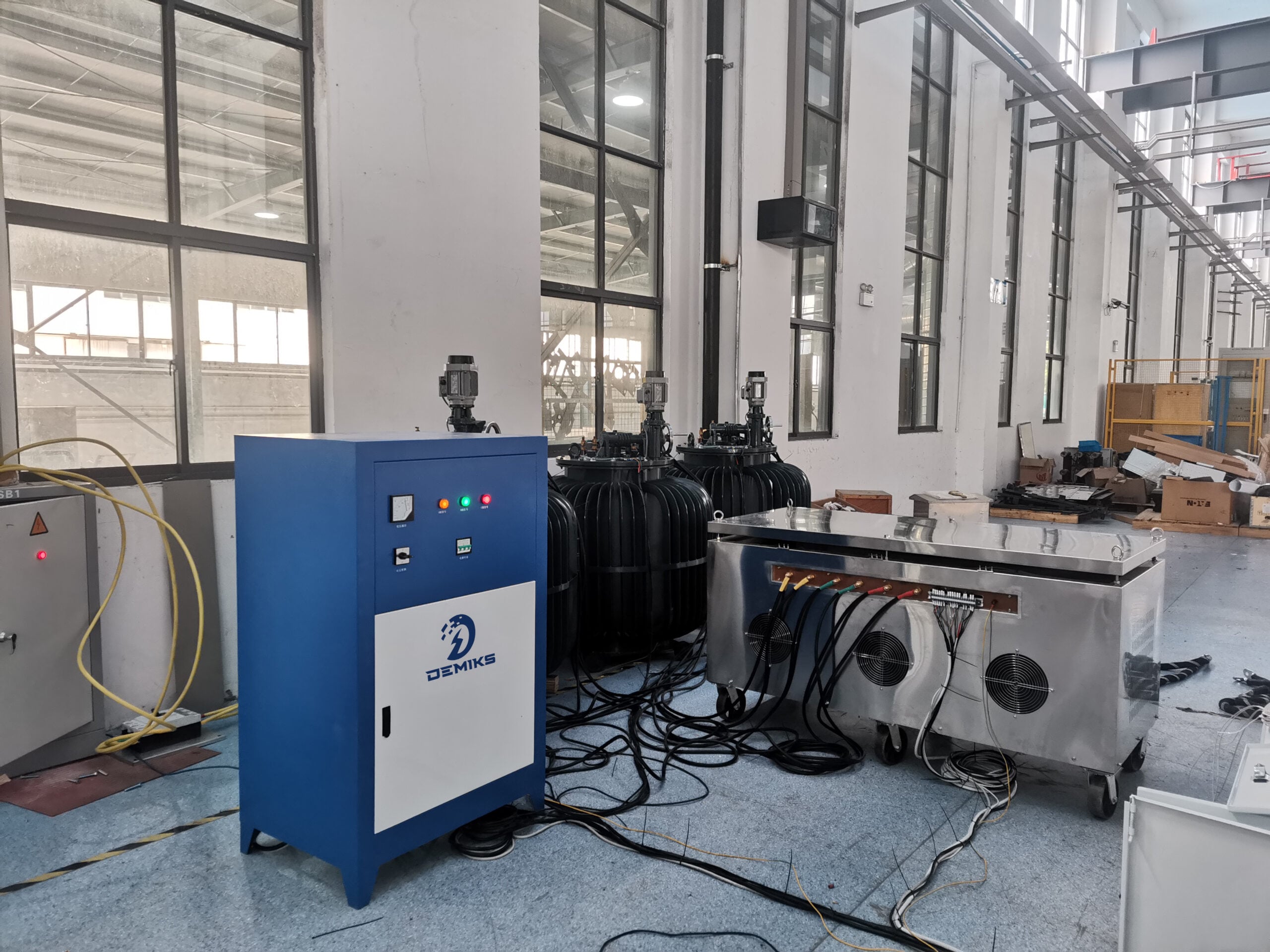
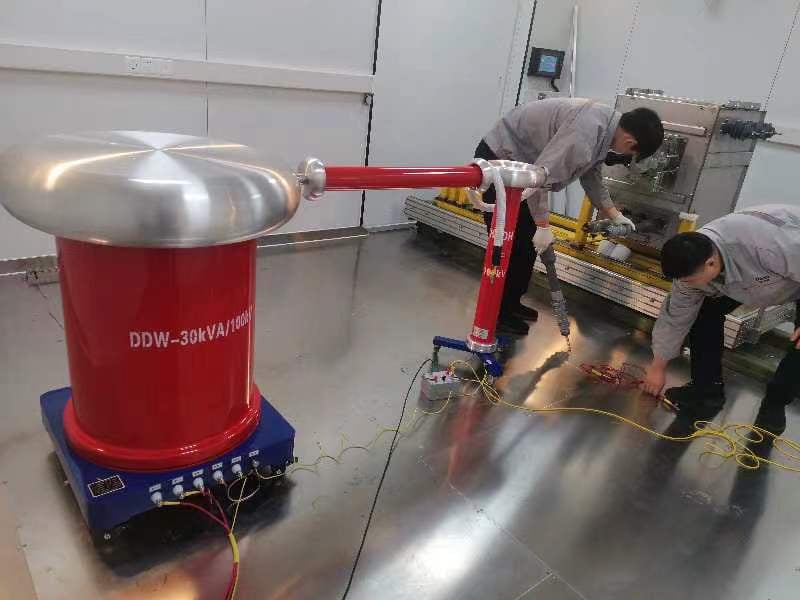
When it comes to investing in high voltage test equipment, the challenge can sometimes be balancing between performance and reliability against cost. With such a wide variety of manufacturers, models, and features on display, a true understanding of the value of your final investment becomes necessary to help in making informed decisions. This article will take a holistic price comparison approach to landing not only the most cost-effective option but also the option that offers the best high voltage test equipment performance for your particular needs. It provides a breakdown of major features and looks at ways that costs can be cut, so you can make smarter choices regarding the best quality and value. Whether it is an upgrade to existing tools or a first-purchase scenario, this blog will shed light on those things that matter the most in your purchasing decision.
Understanding High Voltage Testing
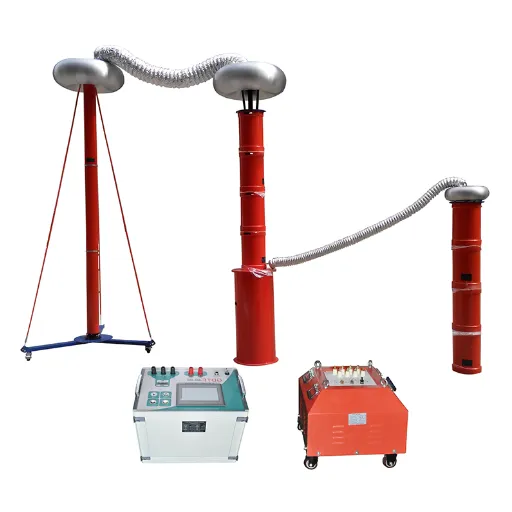
What is High Voltage Testing?
High voltage testing is a fundamental step to measure, during the high-voltage operating state, the performance, safety, and reliability of electrical apparatuses. This testing is done to ensure that certain such transformers, insulators, cables, and circuit breakers meet specifications and withstand the electric stresses experienced during their working life. By subjecting the item to test voltages higher than the rated voltage for normal use, a high voltage test can reveal some possible defects, possible weak points in insulation, or somewhat fragile structure.
Along with many other things, the high voltage testing needs to be performed with higher accuracy, speedy procedures, and safety aspects. Consider dielectric breakdown test, partial discharge measurements, and withstand voltage tests. The tests must be implemented by the generation, transmission, and manufacturing industries, which recognize the significance of safety regulations to keep away from costly breakdowns or hazards in an important system.
Importance of High Voltage Test Equipment
High voltage testing equipment plays a crucial role in its application for the reliability and safety of electrical systems. It is used to detect insulation weakness, material flaws, or a system weakness that may lead to system failure, shutdowns, or even a hazard. With cutting-edge technology, the present equipment provides a very accurate analysis of system integrity, automated report generation, and further diagnostic capabilities, thereby eliminating any obstacles in identifying and rectifying issues at an early stage. Also, the incorporation of easy-to-use interfaces along with advanced data management systems enables operators working in power generation, aerospace, and manufacturing fields to enhance the work processes while complying with tight safety standards and boosting operational efficiency.
Applications of High Voltage Testing
High voltage testing is crucial in safeguarding human lives and assuring quality and power in electric systems and applications in various industries. Therefore, power transmission and distribution use high enough voltages to test cables to verify their integrity, conduct tests on transformers and circuit breakers, and ensure that energy is always flowing uninterrupted through them in accordance with existing regulations. For renewable power plants, high voltage testing is applied to check the performances of wind turbine generators and solar power equipments so that life span and reliability may be enhanced.
In an equally important scenario, the aerospace industry applies high voltage testing to check that electrical systems used in airplanes and spacecraft will withstand hard conditions. On the other hand, in the automobile sector with electric vehicles coming to the forefront, it is important to test the safety and performance of high voltage batteries and wiring. Also, the manufacturers employ this testing to inspect insulation systems, identify defects, and prevent failures that could lead to major downtime and expense. With high voltage testing, together with advanced techniques and modern diagnostic apparatus, technology progresses while continuously upholding safety and performance standards.
Types of High Voltage Test Equipment
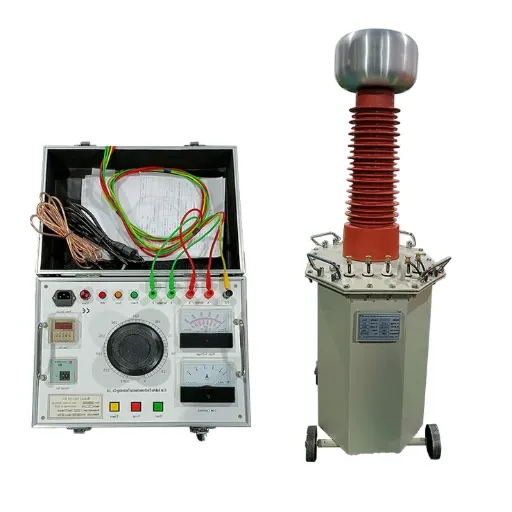
Overview of High Voltage Testers
High voltage testers are necessary instruments for evaluating the health and operation of electrical systems working under high voltage. These devices are meant to measure insulation resistance, leakage current, and dielectric strength, to determine whether or not they comply with safety and operational standards. Modern high voltage testers are an improved combination of digital interface, automation, and precision measurement techniques to offer a faster and more reliable testing process.
Key types of high voltage testers include:
- AC High Voltage Testers – Used for alternating current systems, these testers evaluate dielectric withstand strength and ensure insulation can handle operational loads without breakdown.
- DC High Voltage Testers – Ideal for direct current systems, these testers are often utilized for cable testing, capacitors, and electronic components requiring high voltage precision.
- Impulse Voltage Testers – Designed for simulating lightning strikes and switching surges, these testers ensure equipment can withstand sudden voltage spikes, critical for grid infrastructure and sensitive devices.
- Insulation Resistance Testers – Commonly used to assess the condition of insulation in cables, motors, and transformers, ensuring durability and safety over prolonged use.
- Partial Discharge Testers – These devices detect and measure localized faults in insulation systems, identifying potential failures before they become catastrophic.
With the plethora of features available, including data recording, remote monitoring, and compatible software interfaces for analysis, the high voltage tester had become an indispensable tool throughout numerous industries, from power generation to telecommunications in their modern age. Getting modernized and made portable, and ensuring accuracy, they continue to be indispensably linked with electrical reliability and hazard prevention.
Voltage Detectors: Features and Uses
Voltage detectors are definitely tools where detecting voltage presence is imperative in the wires, sockets, or electrical appliances. The presence of the voltage, thus, shall put every development for safety and efficiency into effect. The recently developed voltage detectors possess a non-contact detection whereby professionals can ascertain the live circuit without having to touch any conductive surfaces, minimizing any possibilities of accidents. Many models of these units offer adjustable sensitivity settings to accommodate the detection of various voltage levels, such as low voltages encountered in household electrical applications or highly elevated voltages in industrial systems.
Higher-end voltage detectors often integrate LED indicators, audible alarms, or even vibration feedback to impart a clear warning signal to the user when voltage is present. This category also comprises small and ergonomic designs, thus making it lovely to have them on the road. Voltage detectors are there to assist in various checks, such as electrical maintenance and troubleshooting, safety inspections, … the detectors have to eclipse: to identify faults in the system, verify proper connections, and protect users from electrical hazards.
Comparative Analysis of HV Test Equipment
High Voltage (HV) test equipment is essential in ensuring the performance, safety, and reliability of electrical systems, particularly in industries involving power generation, transmission, and distribution. When comparing HV test devices, factors such as functionality, accuracy, portability, and safety features become critical determinants for selection.
Modern HV test equipment consists of a variety of specialized instruments, each intended for unique testing requirements. An insulation resistance tester, for example, would be used to verify the integrity of insulation, giving an accurate reading on resistance so as to prevent energy loss and possible failure; conversely, partial discharge analyzers give more information about the vulnerabilities in a system so that users may be warned of defects before such defects become an issue.
Portability is another key factor worthy of consideration. HV test equipment is getting more and more lightweight and ergonomic, so that technicians can enter, transport, and maneuver their tools across various sites. Meanwhile, integration with digital interfaces and software connectivity increase accessibility, allowing data analysis in real-time, and so reporting is done faster, which is a great advantage from an operational standpoint.
Safety has been of utmost importance in handling high voltage environments. Cutting-edge devices come with advanced safety features that include automatic grounding, leakage detection, and fail-safe shutdown to protect the user at all stages of the testing activities. Intuitive user interfaces are part of many solutions, along with automated test modes, lessening the operational complexity and possibility of errors.
By assessing these aspects—functionality, accuracy, portability, and safety—users can select the most suitable HV test equipment that aligns with their operational needs and regulatory requirements. This comparative approach not only enhances system longevity but also ensures compliance with industry standards for electrical safety and performance.
Factors Influencing High Voltage Test Equipment Price
Brand Reputation and Reliability
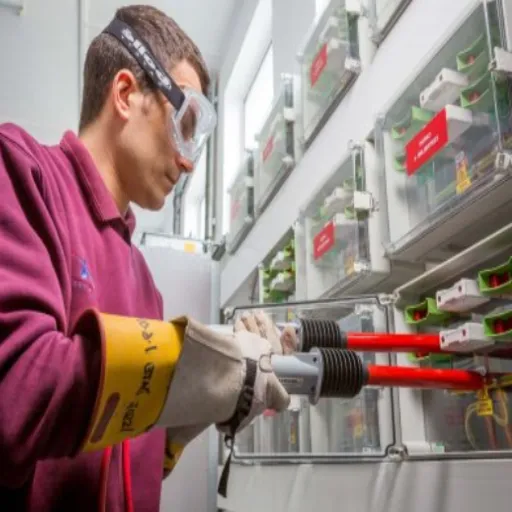
When Brand Reputation comes into consideration for high voltage (HV) Test Equipment, it assesses the manufacturer’s commitment to quality, innovation, and satisfaction of its clientele. Established brands with a well-defined record of achievements within the field generally place substantial R and D investment to make their products conform to, and surpass, regulatory standards. Most brands would include any advanced features, strong customer support, and long-term warranties to raise the value of the equipment.
Performance reliability is another important factor to consider. Equipment produced by a reputable manufacturer would have undergone strenuous testing during production. This greatly reduces the occurrence of operation failure, therefore ensuring accuracy in measurements always. Also, brands renowned for their quality have safety features intended to lessen the dangers that may occur during testing, thus becoming a preferred option for the professional seeking dependable tools. At the end of the day, efficiency, downtime reduction, and cost-saving for the long run will be the benefit of selecting equipment from a proper brand, setting that brand as the partner to rely upon in HV testing.
Technological Features and Specifications
Modern high-voltage testing equipment has been developed with futuristic technology to increase the precision and safety of such equipment besides its efficiency. With the advent of the digital age, operators can now view results of tests as voltage level, practical leakage current, and insulation resistance on an easy-to-understand dashboard in real-time. Most of these systems have also become automated in their testing processes, requiring little operator intervention and reducing potential human errors. Such equipment is increasingly being developed as smart equipment; self-diagnostics, alerts for predictive maintenance, and so forth help the equipment get serviced in time, thereby reducing unexpected downtime.
Aside from being used, this data can be accurately logged and cloud-connected, so that test records are stored and retrieved seamlessly, with proper documentation and in accordance with the regulations of the industry. Designed to be compact and lightweight, prepared for portability, these instruments are also highly durable, prepared to perform adequately under adverse environmental conditions. Consolidated, these factors have enhanced consistency of results, keeping testers safe while already streamlining workflows. Hence, these have become tools for any electrician-anyone in high voltage testing.
Market Demand and Supply Dynamics
From the side of developing advanced high-voltage testing equipment, the market is greatly stimulated by the worry that goes into renewable energy integration, modernization of grids, and concomitant expansion of infrastructure all around the world. Industries such as power generation, transmission, energy distribution, and manufacturing require precise and dependable testing devices that measure operational efficiency and ensure safety compliance. On the other hand, EVs are another player in the system as they are rapidly being implemented, and higher voltages have recently been seen as new challenges with energy-storage technology evolutions triggering a greater need for testing equipment with higher-voltage levels.
On the supply side, manufacturers evolve with new designs that ensure accuracy and durability and are adaptable for various industries. Contextualized by modern technologies, such as IoT monitoring and automated diagnostic capabilities, this uniqueness becomes a crucial differentiator in a highly competitive market. Against challenges like volatile raw material prices and supply chain constraints, technological progression of these tools is constant to maintain availability and practicality for different applications, putting its essential role for high-demand industries.
Price Comparison of Popular High Voltage Testers
Top Brands and Their Pricing
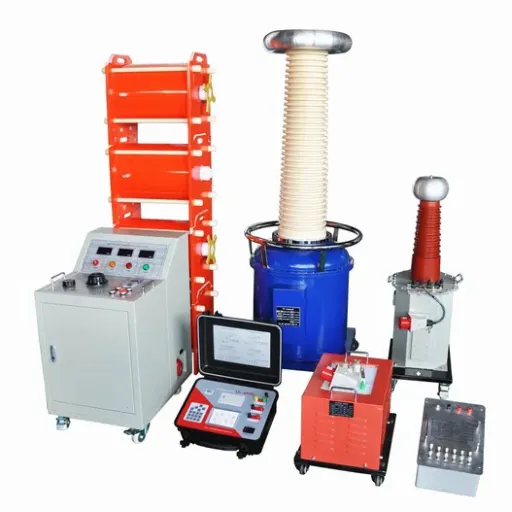
When selecting a high voltage tester, identifying trusted brands with reliable performance and competitive pricing is essential. Here is an overview of some leading brands in the market and their offerings:
Fluke Corporation
Renowned for its precision and durability, Fluke offers a range of high voltage testers starting at approximately $500 for entry-level models and extending beyond $3,000 for advanced systems. Fluke’s equipment is particularly favored for its comprehensive safety features and intuitive user interface.
Megger
Megger specializes in high-performance testers for professional use. Their pricing typically spans from $800 to $4,500 depending on the functionality, with industrial-grade options offering integration with diagnostic software and customizable testing capacities.
Hioki
Popular among engineers, Hioki provides mid-range testers priced between $600 and $2,500. These devices are appreciated for their portability and reliable data logging capabilities. Additionally, many models include enhanced battery efficiency for extended use.
Chauvin Arnoux
Offering competitive solutions, Chauvin Arnoux caters to a wide range of testing applications. Pricing generally falls between $700 and $3,000. Their testers often highlight robust build quality, making them suitable for demanding environments.
Omicron
Well-known for its advanced diagnostic tools, Omicron’s high voltage testers are tailored for industrial applications with prices starting at $2,000 and exceeding $10,000 for their cutting-edge technology solutions. These models prioritize accuracy and seamless integration with asset management systems.
By considering both the budget and the specific testing requirements, professionals can select the appropriate device that marries cost-effectiveness with optimal performance. Understanding the capabilities of each brand ensures that industry practitioners make informed investments aligned with operational needs.
Cost vs. Performance Analysis
In evaluating cost versus performance for advanced technology solutions, the factors of longevity, adaptability, and scalability must be weighed. Higher-end models justify their high prices with increased durability and accuracy, integrating well into a varying number of other systems. Such solutions provide tangible returns by diminishing maintenance costs and addressing the changing needs of projects. Mid-range ones are less expensive and produce quite acceptable results, especially when matched to specific well-defined needs.
Therefore, professionals in the field, having to make an informed decision, evaluate critical performance benchmarks like operational efficiency, accuracy of data, or compatibility with existing infrastructures. A comparative study across models illustrates that purchases in well-optimized equipment can lead to huge long-term saving on cost through lowered downtime and higher productivity levels. By weighing financial constraints with operational considerations, stakeholders ensure sustainability in project value that addresses immediate and future needs.
Where to Buy High Voltage Test Equipment
When buying high-voltage test equipment, it is important first to trust the suppliers or companies that have the reliability and certification in their products. The chief distributors in electrical and industrial equipment usually stock an extensive inventory of instruments that offer heavy-duty solutions for varying needs across industries. In addition, manufacturers of high-voltage technology also provide the equipment with technical support and detailed information on its use, from the manufacturer to the user, thereby ensuring the best performance.
Online platforms catering to industrial and electrical equipment procurement also serve as valuable resources, offering competitive pricing and detailed product comparisons. Many suppliers now include customer reviews, warranty options, and even virtual consultations to help refine your purchasing decision.
For entities or organizations that manage tight budgets, refurbished high voltage test equipment from a credible reseller is a plausible economical alternative. It must be ensured that all the equipment is manufactured with industry standards with calibration for accuracy and safety. Consider the delivery schedule, service agreements, support for integration into your operations, etc.
Tips for Choosing the Right High Voltage Tester
Assessing Your Testing Needs
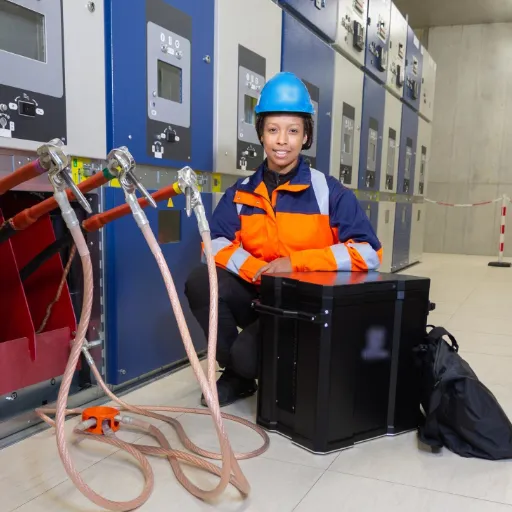
Various factors are to be considered when buying a high voltage tester; however, first of all, you should identify the exact requirements of your test. You should begin by looking at the general range of voltages that you expect will be needed, along with the frequency, variable, and load applied during operation. In applications where accurate testing is required, the tester may provide programmable features, multi-range testing, real-time monitoring, and so forth. Another point that you should think of is the nature of the environment in which this equipment will be used. Space constraints, portability, or relevant safety standards should all be considered. Aside from these considerations, do check if this equipment will fit with your present system and software. All these considerations should put you on the right track toward aligning the equipment with your operational criteria and compliance standards that guarantee long-term performance.
Evaluating Equipment Safety Standards
When assessing equipment safety standards, I make sure that I am considering the most updated industry regulations and best practices. This means that I refer to internationally recognized safety directives, such as ISO requirements or OSHA standards or other local statutory provisions, depending on the place in which the equipment is to be used. I begin by going through certificate documents of safety obtained from the manufacturers that demonstrate that the equipment has been put to test in real conditions and sufficiently meets the performance criteria. User manuals, risk assessments, and maintenance schedules are also imperative in assessing what safety features are integrated into the design and operation of the equipment.
Equally important for me are the mechanisms that ensure the practice of safety on the part of the users, including emergency stops, ergonomic considerations, and dangers of protuberances. One must then see whether real-time monitors of potential hazards are foreseen in the equipment, such as sensors for overheating or devices for misalignment. The training requirements associated with the equipment are also given due consideration-from clear instructions to hands-on training-mitigating as much human error as possible.
My experts must make sure that the equipment fits into the operational environment. There are issues associated with electrical overloading, improper grounding, and exposure to harmful chemicals. When I look into these matters more closely, I am assured of selecting such equipment that meets safety standards as required by the current laws, ensuring the establishment of a safe working environment in every time.
Reading Customer Reviews and Ratings
In any equipment and product selection, I truly consider checking customer reviews and ratings to be indispensable. Reviews from individuals or teams who have already used the products into the marketplace provide insight into their functioning, reliability, and worthiness. By considering both positive and negative reviews, I try to assess caller rights and responsibilities so I can proceed to making a more informed and confident decision. I look at recurring comments—multiple users speaking well of a feature are probably referring to its truly good point. Contrarily, repeated complaint-type statements regarding function or service support are some sort of alarms in my book.
I focus greatly on the source and digestibility/readability of the review. Review platforms like Google, Amazon, or other site niches give an air of authenticity and credibility. I weigh those reviews that are submitted by verified purchasers who give in-depth accounts and whose praise or criticism can either enhance or contradict my operational principles. I also don’t ignore the star ratings; to me, those serve only as loose guideposts. I almost always go back and read reviews to understand why something scored so low or so high. It means less to have a 5-star review with no description than it does to have a 4-star review where somebody exhausted both the positives and the not-so-great factors.
Wrap-away choice comes down to the quality of reviews combined with constant and consistent feedback. Using customer reviews along with other aspects in one’s research-technical specifications, safety standards, etc.-I make a choice that is both efficient and high-performing and is a selection endorsed by the user base that has enjoyed its benefits firsthand. This scenario of making decisions takes into consideration cost-effectiveness and operational safety as one of the essential factors in any working environment.
Reference Sources
-
Hot Sticks, High Voltage Probes, HV Testers For Sale – Transcat
Offers a range of high voltage test equipment with pricing details and rental options. -
Top High Voltage Test Equipment Companies & How to Compare – LinkedIn
Discusses cost factors, including initial investment and long-term ownership costs like maintenance and calibration. -
Top 15 High Voltage Tester Manufacturers You Need to Know – Demiks Power
Highlights manufacturers offering competitive pricing and a wide range of high voltage test equipment. -
High Voltage Testing – Mitchell Instrument
Provides specific product pricing and features for high voltage testing equipment. -
High Voltage Measuring Equipment Market – Transparency Market Research
Explores market trends and factors influencing the pricing of high voltage measuring equipment.
Frequently Asked Questions (FAQs)
What factors influence the price of high voltage test equipment?
Prices of high voltage test equipment are normally affected by factors of type of equipment, manufacturer, and technical features offered. For example, the big digital high voltage tester usually is priced at a premium because of the technical capabilities and precision it offers over an analog one. Also, equipment for more specialized testing, such as dielectric strength or partial discharge measurement, may be more expensive as well. Prices might go even higher considering certification of the equipment, for instance, whether it is approved for the relevant safety standards. Non-contact voltage detection is yet another feature that could contribute to the overall cost of the instrument.
How do high voltage testers operate?
High voltage testing is a process in which the generated high voltage is applied to the electric system or component under testing. Insulation deterioration methods used by high voltage testers vary: some use an AC voltage while others use a DC voltage application, the important factor being the assessment of insulation integrity to confirm safety. Some testers have a digital display that not only gives a high voltage reading but can also provide an alarm during testing. Many modern testers are multitasking; they are applied for cable testing and also insulation resistance measurement. Because of their ease of operation and the accuracy of their measurements, these gadgets are unavoidable in an electrical shop.
What types of high voltage test equipment are available?
Everything is available in the market for high voltage testing equipment with specifications to the individual testing criteria, such as high voltage insulation testers, dielectric strength testers, and high voltage generators. Some equipment like the phasing tester is designed to check the phase sequence and phase angle of electrical systems. Others might be involved in measurement applications like detection of partial discharge or measurement of insulation resistance. Choosing the equipment will depend on what the project needs and the electrical systems to be evaluated.
What is the typical price range for high voltage test equipment?
High voltage test equipment can widely be priced by type and features of the equipment. Premium are pairs for basic-model whereas tests advanced with a huge bunch of functionalities may cross over a few thousand dollars. For example, a field-use-type digital high voltage tester may cost anywhere from $1,000 to $5,000 depending on its specifications. Specialty equipment with the ability to measure electrical parameters at high-level pulses cost even more. Analyzing one’s needs and budget is essential when choosing the correct equipment.
How can I ensure the accuracy of my high voltage tester?
The regular calibration and maintenance of an H. V. Tester are necessary to guarantee a precise result. Most of the manufacturers recommend the periodic calibration of H. V. Testers by certified persons or firms, especially when the Testers are used in critical applications. Following the instructional manual and guideline of a manufacturer is an alternate way of guaranteeing the accuracy of this instrument. Periodic checking with respect to a standard or reference instrument would also aid toward ensuring the readings. Another factor contributing towards reliability and accuracy is holding the best quality Tester from the eminent brands available, such as Hastings or Amprobe.
Are there safety considerations when using high voltage test equipment?
Yes, safety always comes first while dealing with high voltage test equipment. Operators should always adhere to safety rules and wear PPE (insulated gloves or safety glasses). Test areas should be elevated to ensure that no metal items or persons are present within. These conveyors incorporate safety features in their design, such as automatic shut-off or insulation indicators, thus contributing in accident prevention. Additionally, a prerequisite for safe operation is having a good knowledge of the electrical system being tested and its components, including overhead and cable conductors.