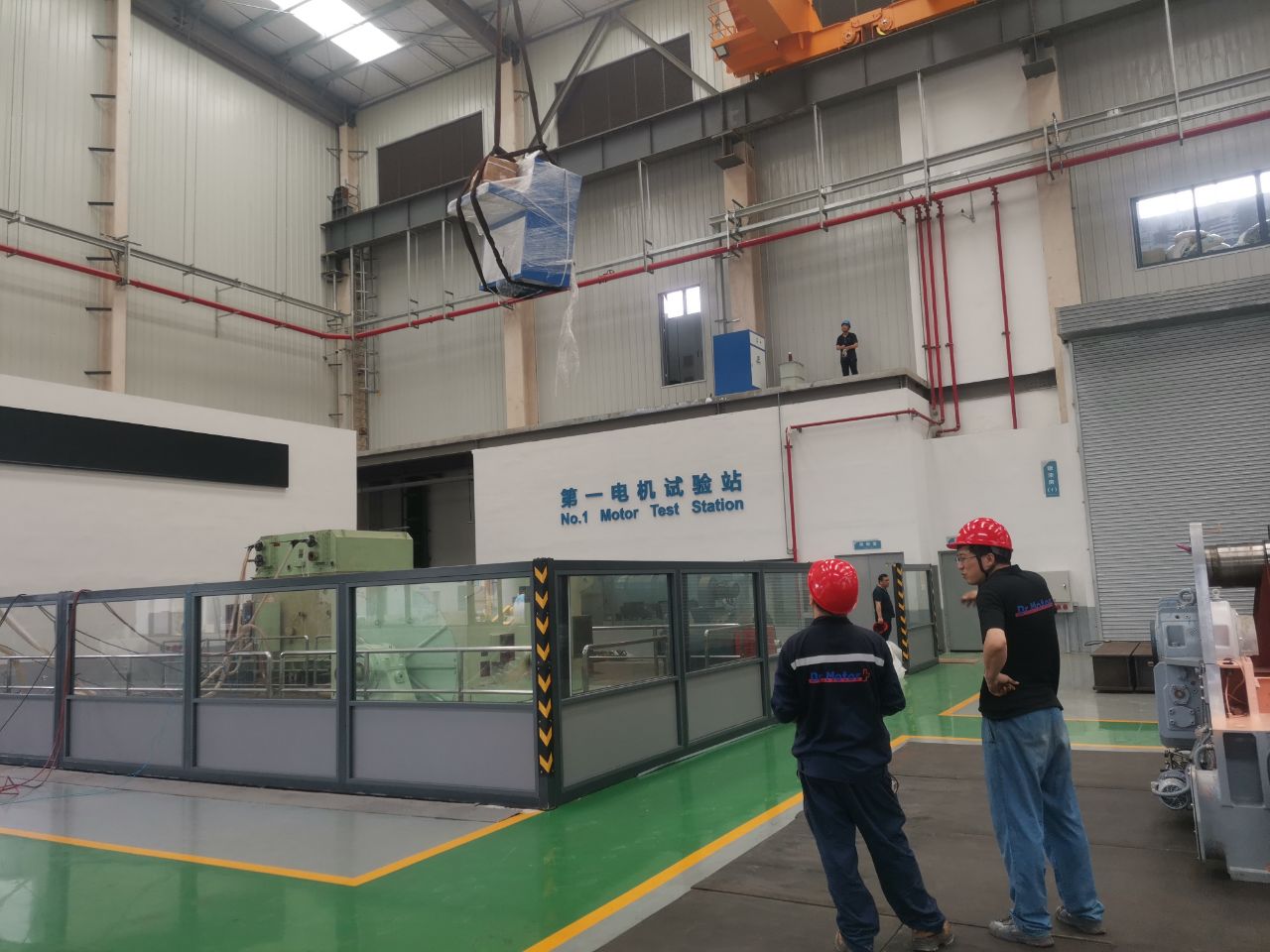
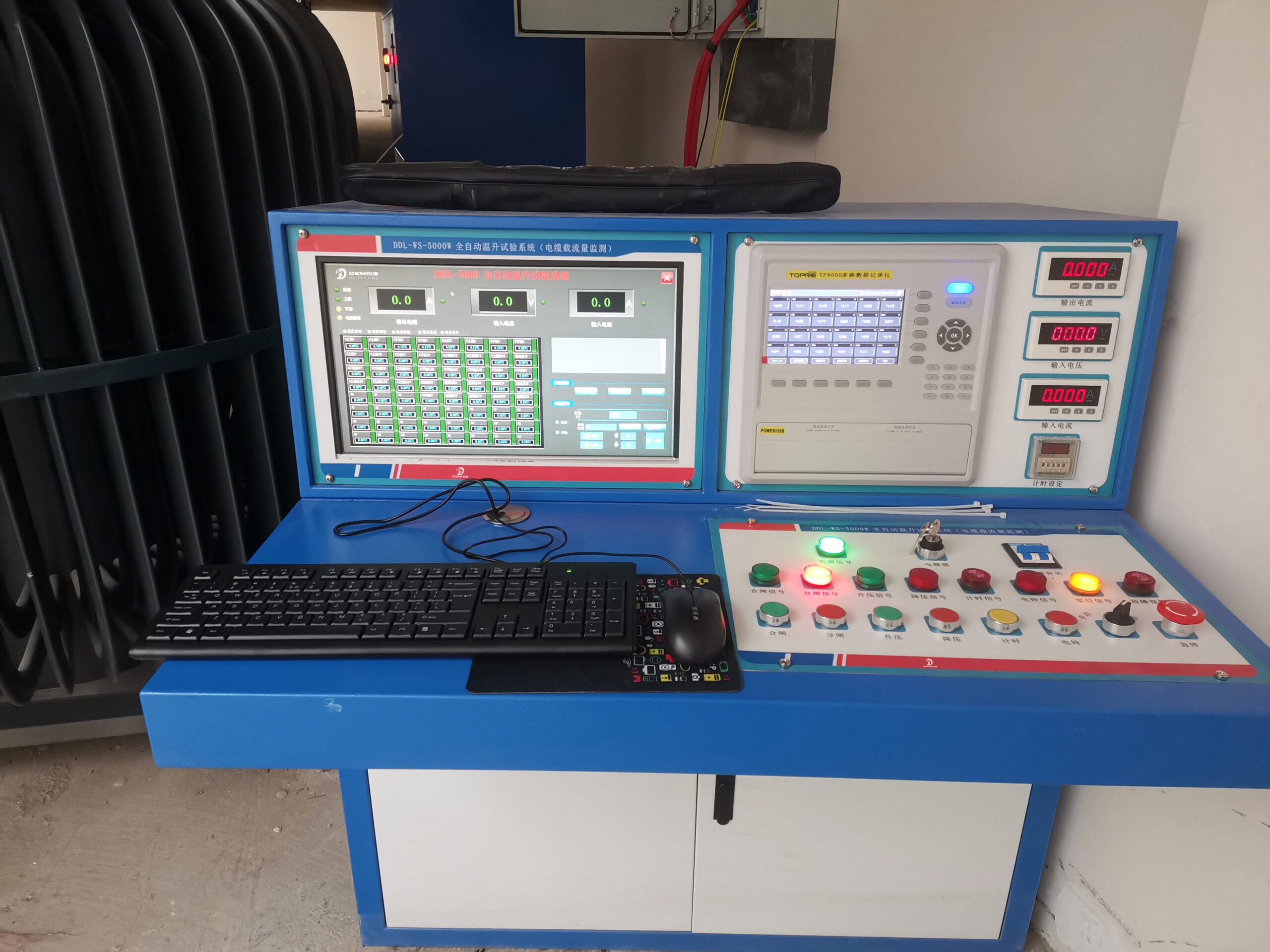
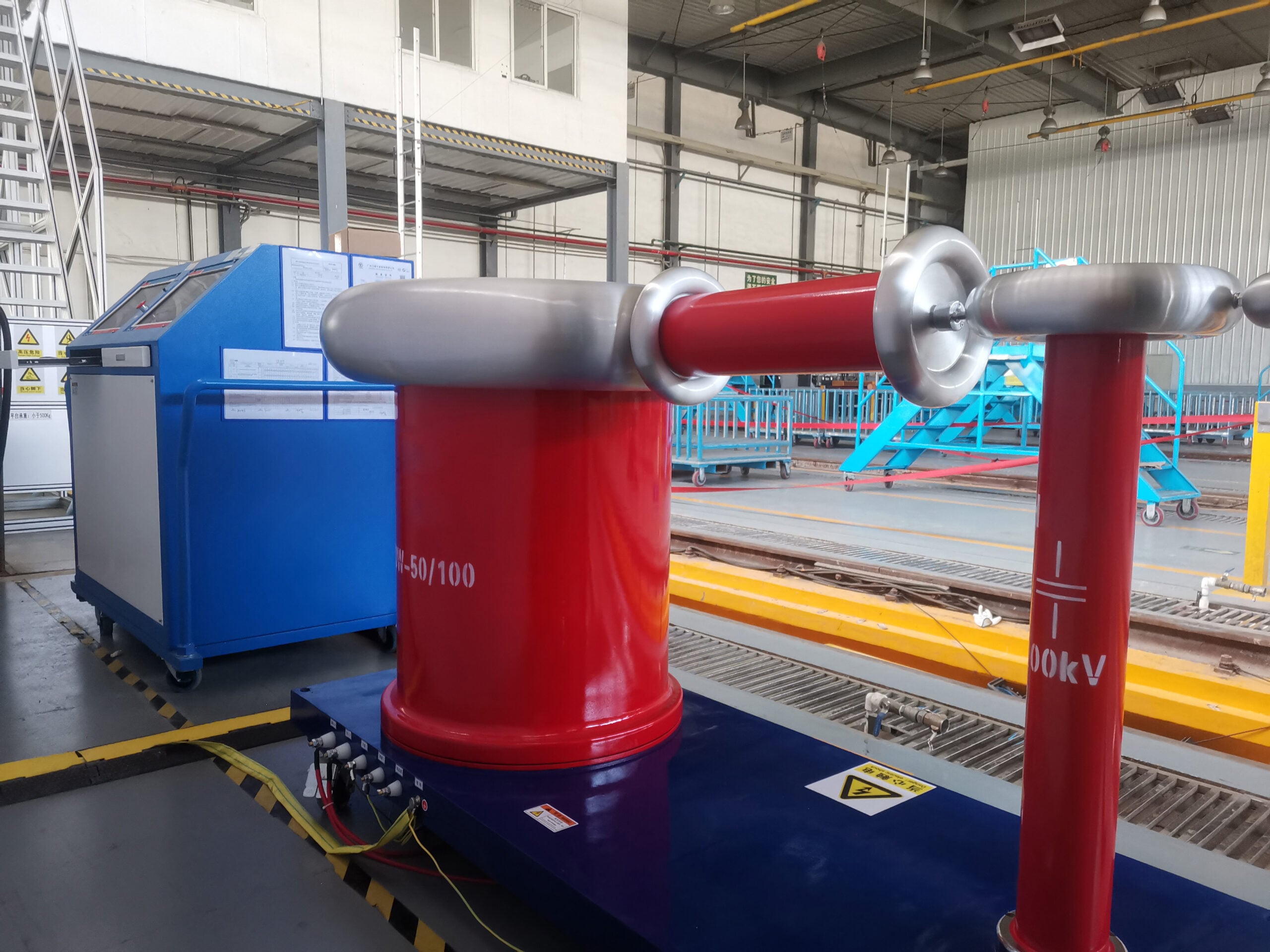
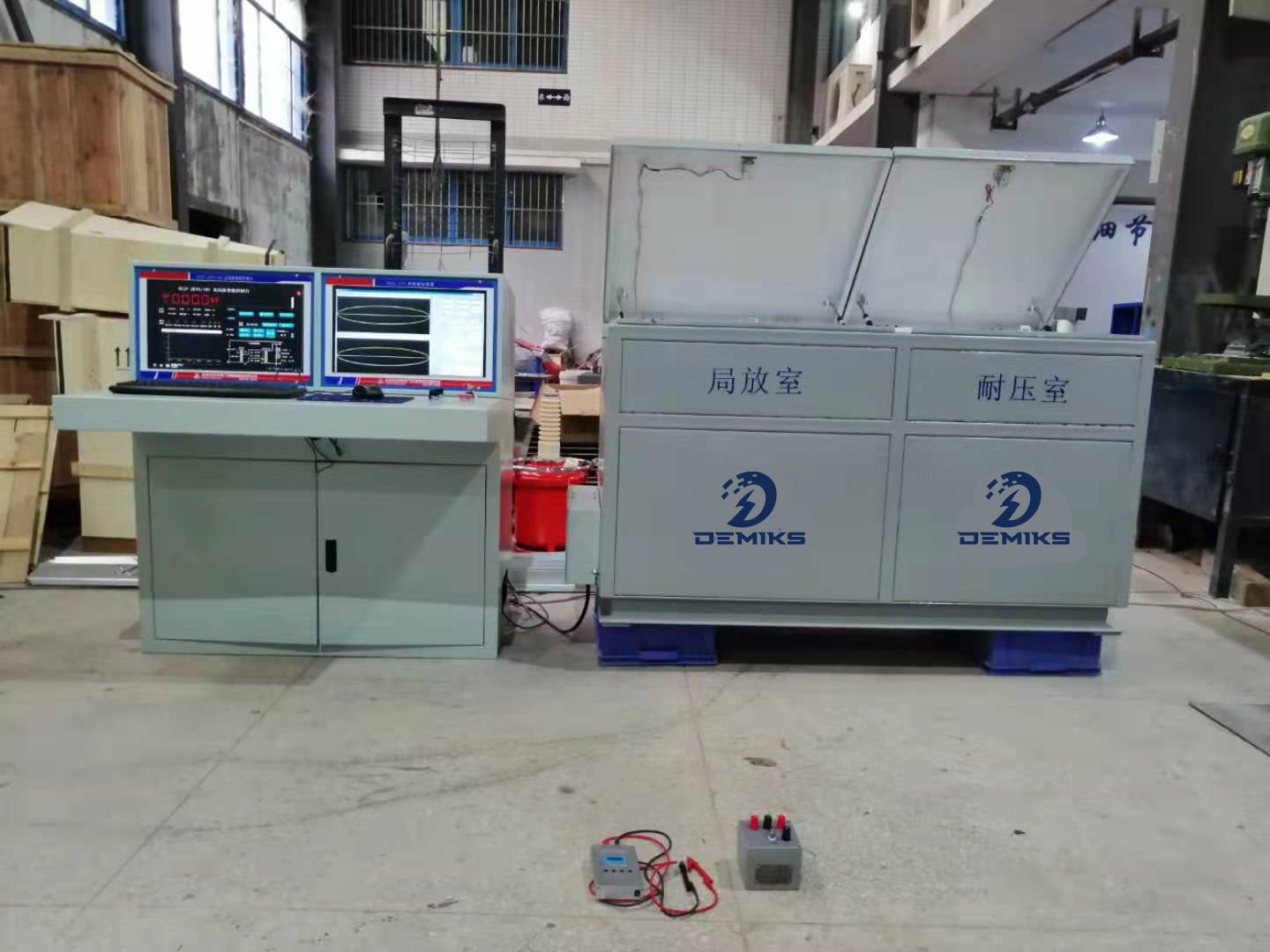
In an era where uninterrupted power supply is of utmost priority, guaranteeing the reliability and performance of electrical systems becomes a scapegoat in this incumbent situation. EHV testing thus accepts the task of verifying the integrity, safety, and working efficiency of an electrical infrastructure operating at a high voltage level. It is this type of higher voltage testing that identifies any vulnerabilities in equipment and their potential failure, while also ensuring compliance with rigorous industry standards. The article will shed light on the essentials of EHV testing: EHV testing is necessary for operational stability, to prevent costly downtime, and to protect the long-term performance of a system. Whether you’re an engineer, facility manager, or industry professional, understanding EHV testing and its methodologies is crucial to staying abreast of the rapidly changing energy landscape.
Understanding Voltage Levels in Electrical Systems
Definition of High Voltage and Extra High Voltage
Generally, high-voltage (HV systems operate at voltages between about 1 kV and 52 kV. These voltage levels could be heights of voltage commonly used for industrial applications and regional distribution systems, or in medium-scale energy transmission. High voltage is crucial for efficiently transferring energy over shorter distances without excessive power loss.
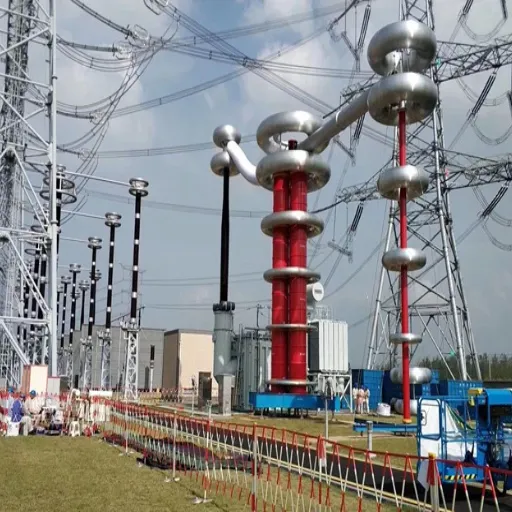
Extra High Voltage, on the contrary, refers to voltages above 52 kV, extending up to even 765 kV, usually, in the most advanced energy systems. EHV is primarily restricted to long-distance transmission networks, where the primary concern is minimizing energy loss over the distance span. Thus, EHV aids in greater transmission efficiency by having fewer current levels relative to the power, which, in turn, attenuates the losses incurred due to resistance in electrical conductors.
The growth rate of expanding EHV infrastructure is enormous, given the increasing demand for electricity and the expanding spread of renewable energy grids. Contemporary transmission systems, for instance, are generally designed to operate at 400 kV or above, thus allowing for transnational and even continental energy interconnection solutions. A further increase in the safety and reliability of both HV and EHV systems, and hence their long-term operational stability in crucial energy applications, is ensured by modern insulation technologies like GIS.
Voltage Classification: Low, Medium, High, and Ultra-High
Electric power systems are typically divided into several categories, each with different voltages depending on their operational ranges, major applications, and technical requirements for transmission or distribution. It is essential to be aware of these categories when designing and controlling electrical infrastructure.
Low Voltage (LV)
Low-voltage systems, which comprise 1 kV or less, are primarily used for residential, commercial, and light industrial purposes. Examples include household wiring (110-240, depending on the respective area) and small machinery. To promote safety and safeguard the system and users, these LV systems utilize insulation and devices, such as a circuit breaker, to avoid electrical hazards. Recent developments include the adoption of LVDC systems to promote the efficiency of renewable energy and the expansion of data centers.
Medium Voltage (MV)
Medium voltage occurs in values between 1 kV and 35 kV, primarily used for distributing electricity over moderate distances, such as at industrial plants or facilities. The equipment in this range includes switchgear, transformers, and motors. High-grade insulation materials and proper maintenance are required for MV systems to reduce arc flash hazards and ensure system reliability. Medium-voltage solutions appear to be more suitable from the perspective of decentralized energy sources, including solar farms and wind turbines.
High Voltage (HV)
Consisting of the range between 35 kV and 230 kV, high voltage is evidently the main backbone for long-distance power transmission. These systems are designed for efficiency, minimizing power loss during transmission over long distances. Infrastructure components consist of high-voltage transmission lines, autotransformers, and air-insulated switchgear. The advances in HVDC technology have been a boon to interconnectivity between grids, enabling the bulk transfer of power with minimal transmission losses.
Ultra-High Voltage (UHV)
The ultra-high voltage denotes an operating voltage level of 800 kV and above. It is essential for the transmission of power on a national and continental basis. UHV systems require extremely sophisticated engineering, with special considerations in design for insulation materials and control techniques for stability and efficiency. The installation of UHV lines in moderately to densely populated or geographically extensive areas, such as China and India, enables grid operators to service large areas with minimal energy loss, thereby promoting the integration of renewable energy worldwide.
Such voltage classes demarcate the power system with different approaches regarding infrastructure design, safety, and performance optimization, depending on the environment in which they operate.
Importance of Voltage Regulation in Electrical Systems
Voltage regulation is considered one of the primary parameters that define the reliability and stability of an electrical system. One can think of voltage regulation as a system’s ability to maintain a constant voltage under variable loading conditions. The level of voltage regulation directly affects the functioning of appliances and, ultimately, the efficiency of the entire system. Inferior voltage regulation results in voltage dips, swells, or fluctuations, which can cause equipment malfunctions, energy wastage, or even damage sensitive devices. Exact machinery industries, such as semiconductor manufacturing or data centers, require extremely precise voltage control to prevent unwanted interruptions in production activities or potential data losses.
Advanced voltage regulation mechanisms, such as automatic voltage regulators (AVRs) and flexible AC transmission systems (FACTS), help improve system performance. Through reactive power compensation and voltage support in real-time, FACTS devices, comprising STATCOM and UPFC, help reduce system losses and enhance power transfer capacity. The relatively variable nature of the gensets of renewable energies has further reinforced the need for advanced voltage regulation. Several recent research studies show that grid operators are utilizing smart grid technologies and distributed energy resources to dynamically maintain voltage profile characteristics within the transmission and distribution networks. These developments facilitate the smooth integration of renewable energy, enhance energy efficiency, and ensure operational reliability in the modern power grid by maintaining optimal voltage levels.
The Role of High Voltage Testing
What is a High Voltage Test?
The high-voltage test is a critical procedure used for checking the insulation strength of electrical and mechanical components in systems. Such a test must be carried out to ensure that the systems will perform safely and reliably under operational and extreme voltage conditions. By applying a high voltage level, the test determines whether the insulation materials can withstand an electrical stress without developing breakdowns or faults.
High-voltage testing is essentially of two classes: the withstand testing and the breakdown testing. The withstand testing subjects the insulation to be tested to a specified voltage for a fixed duration, intended to certify the insulation’s capability to withstand stresses encountered under normal and worst-case conditions. Testing for breakdown involves steadily increasing the voltage until insulation failure occurs, which provides information regarding the maximum dielectric strength.
Modern tests of high voltage utilize a range of contemporary equipment, including automatic testing systems and devices capable of precise measurements, to enhance accuracy, efficiency, and safety. Thus, these tests are conducted in accordance with international standards, such as IEEE, IEC, and ANSI, to ensure that all industries worldwide adhere to a standardized method of testing. These tests are used in various industries, including power generation, power transmission, power distribution, and electrical manufacturing, where applications range from transformers to cables, switchgears, and more.
How High Voltage Testing Is Conducted
High-voltage testing consists of methods used mainly to assess the insulation strength and performance of electrical equipment under severe operating conditions. Methods usually can be classified into dielectric, impulse, and partial discharge tests, each serving a particular diagnostic purpose.
Dielectric Test
In this method, a high AC or DC voltage is applied to the equipment under test to measure its resistance to insulation and its ability to withstand prolonged electrical stress. For AC voltage tests, resonant circuits or series transformers are typically used to produce stable, high-voltage outputs, whereas for DC, rectified voltage sources are employed. The parameters considered for the test are leakage current and insulation resistance, which are then considered and analyzed to judge the dielectric strength of the equipment.
Impulse Voltage Testing
It checks the system’s ability to withstand transient voltages, such as those caused by lightning strikes or switching surges. A controlled high-voltage pulse with a specific rise and fall time (for example, 1.2/50 µs, as per the standards) is applied to the test object. An oscilloscope and sensors record the waveforms at one channel and compare them against reference waveforms at other channels to detect any faults, breakdowns, or abnormalities in the insulation systems.
Partial Discharge Analysis (PDA)
This process can diagnose partial discharge activity, identifying localized defects in insulation under high-voltage stress. By using sensitive sensors in conjunction with advanced measuring equipment, capacitive coupling, and frequency spectrum analyzers, it is possible to accurately locate, identify, and assess the severity of insulation breakdown, a crucial process for ensuring the life and operational safety of high-voltage systems.
High Voltage Cable Testing
Cables undergo more specialized high voltage tests, such as Very Low Frequency (VLF) testing, in which sinusoidal waveforms at low frequencies (e.g., 0.01–1 Hz) are applied to develop minimum stress on the insulation while simulating operating conditions. This enables an exact diagnostic evaluation to be made on medium- and high-voltage cable networks without significantly damaging the system during the test.
High-voltage tests, when applied accurately, form the basis for ensuring the reliability and operational safety of the electrical infrastructure. Measurement standards and methods continue to be improved to meet current needs in modern energy systems, while conforming to IEC 60060 frameworks or IEEE standards.
Benefits of High Voltage Test
There are several advantages to high voltage testing, which ensures that electrical equipment and power systems are safe, reliable, and last for their intended lifespan. Such tests enable the detection of latent defects, weak points in insulation, and other potential modes of failure upon the application of operating and overvoltages, thereby preventing these outage conditions from evolving into imminent system shutdowns. Hence, English high-voltage testing is a proactive approach to reducing unplanned outages, thereby enhancing operational efficiency and eventually saving costs.
Additionally, a high-voltage test will adhere to international standards, such as IEC 60060 and IEEE test procedures and specifications, which primarily emphasize the requirements for modern-type grid performance. During such assessments, data gathered through these testing regimes provides engineers with a means to judge equipment performance levels, establish trends, and carry out preventive maintenance programs. For instance, in the utility sector, the application of field data from either partial discharge diagnostics or withstand testing reduces risks associated with aging insulation systems, thereby prolonging the operational life of critical assets. High-voltage testing also ensures personnel safety and infrastructure integrity against threats emanating from accelerated failures, and guarantees that the networks possess adequate bearing capacity against faults.
Hence, with all these benefits, it becomes evident that high-voltage testing forms part of the essential services involved in the lifecycle management of power system components, which will always remain massively relevant in meeting the demands of this evolving and increasingly complex energy scenario.
Extra High Voltage Testing Techniques
Overview of Extra High Voltage Testing Procedures
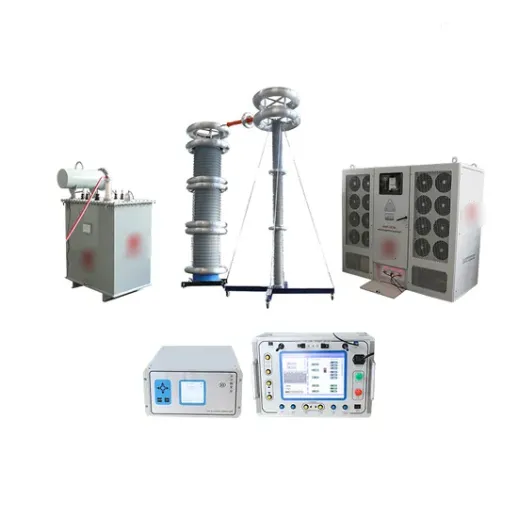
Extra-high-voltage (EHV) testing involves a series of standardized tests conducted to assess the integrity, reliability, and performance of equipment operating at voltages exceeding 245 kV. These tests are conducted using advanced diagnostic methods and tools, ensuring that the equipment tested conforms to international standards, such as IEC 60060 and IEEE standards for EHV systems. Essentially, these testing procedures aim to detect defects that may arise due to stresses during the unit’s firing, verify the design specifications of the equipment, and ensure maximum safety in operation under extreme conditions.
- Dielectric withstand testing:
This test determines the ability of insulation systems to withstand the application of specified voltages without breakdown. Usually, it is applied for voltages that exceed the maximum operating voltage of the piece of equipment under test to check the insulation system’s ability to withstand and increase durability. - Partial Discharge Measurement:
This is achieved by detecting localized insulation defects using advanced sensors and monitoring techniques, which can ultimately lead to catastrophic failures if left undetected. Modern digital tools enable the precise quantification and localization of partial discharges, serving as practical maintenance scheduling tools. - Impulse Voltage Testing:
Using high-magnitude voltage pulses to simulate lightning or switching surges, this test measures the transient voltage response of the equipment. Transformers, circuit breakers, and cables must be tested for their ability to withstand sudden overvoltage events. - Thermal Performance Analysis:
The temperature rise during rated current conditions is measured in this analysis to assess the effectiveness of cooling arrangements and overall thermal stability. Infrared imaging and thermal sensors, in an advanced setting, provide high-precision data for monitoring. - Leakage Current Monitoring:
Measuring leakage current under high-voltage conditions helps identify insulation degradation and potential points of failure. These form an essential baseline for long-term assessments of equipment health. - Capacitance and Dissipation Factor Testing:
These measurements are performed to determine the dielectric properties of the insulation system, looking for any signs of moisture ingress, contamination, or aging that may compromise the system under operational stresses.
The data obtained from the thorough set of tests validate performance benchmarks and also provide the basis for predictive analytics and life extension strategies. Continuous research into enhancing test methods and instrumentation, such as the development of machine learning algorithms for anomaly detection, directly improves the reliability and accuracy of EHV test results. These developments are crucial for advancing power system infrastructure in an era characterized by increasing demand and the integration of renewable energy.
Common Equipment Used for Extra High Voltage Testing
Extra-high voltage testing requires precision instruments that can withstand high magnitudes of electrical stress. The main equipment includes:
| Equipment | Description |
|---|---|
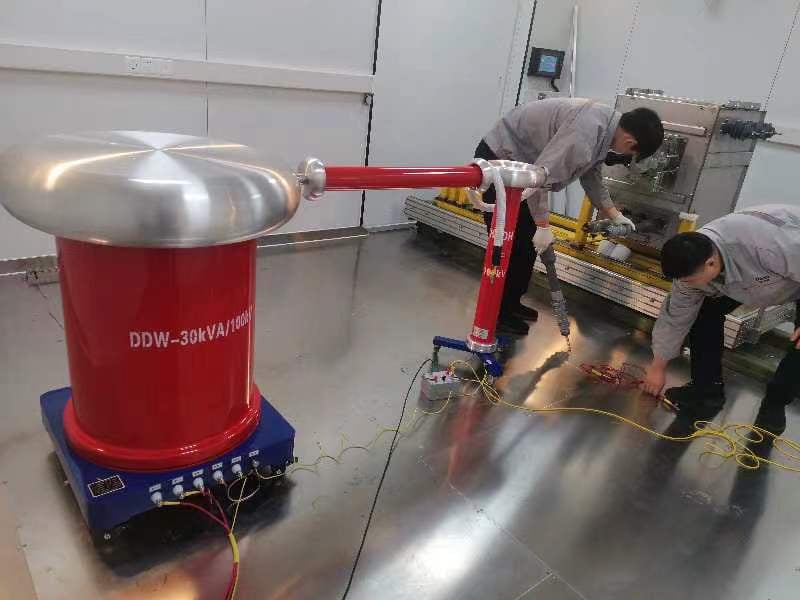
| High-Voltage Test Transformers | These are used to provide test voltages. Such transformers are typically made to provide an AC voltage of the required test voltage for insulation strength and maximum voltage detection in EHV systems. Modern transformer designs aim to employ various winding configurations to increase efficiency while reducing losses. |
| Impulse Voltage Generators | These voltage generators produce artificial lightning and switching surges to test the insulation and system components under transient overvoltages. They are well known for producing voltages in the range of several megavolts while maintaining a par waveform control and hence establishing a scenario accurately representing real conditions. |
| Capacitive Voltage Dividers | These are critical in the EHV testing and measurement scenario. They step down the high voltage to measurable values, guaranteeing safety and accuracy. Recent designs emphasize maximum thermal stability and minimal partial discharges for improved performance. |
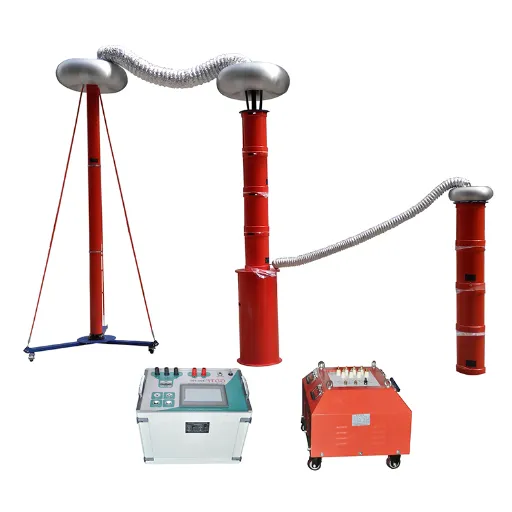
| Test System Resonance | Resonant circuits are typically used for AC withstand tests on cables and large-sized equipment. This AC testing design features low power consumption and heat dissipation, a stable high-frequency output, and is well-suited for extended testing durations. |
| Partial Discharge Measuring Systems | If partial discharges exist in an insulation system, they must be detected, as they indicate the weak points or even slight beginnings of failure in such a system. They use highly sensitive sensors to measure their magnitude with great accuracy, and sometimes their patterns. Digital signal processing can be used to filter noise. |
| Digital Recording and Analyzing Systems | In EHV testing, the accurate acquisition and analysis of test data are essential. Digital recorders are used to record test data, including voltage, current, and partial discharge waveforms. Then, more advanced software analytics thoroughly evaluate the test results to ensure that the tests meet industry-standard requirements. |
The choice and use of these tools must always be harmonized with the testing procedure and any applicable regulatory standards to ensure the safety, reliability, and accuracy of EHV system evaluations, and the safety precautions during EHV tests. An extra-high-voltage test is potentially risky and may damage property and cause injuries to human life if proper safety measures are not additionally ensured. Among necessary precautions are the use of protective barriers, such as insulation enclosures and safety mats, to prevent direct contact with live parts. Every test setting requires sufficient grounding to ensure that no ground faults can occur and to discharge fault current safely.
Safety Measures During Extra High Voltage Testing
Personnel safety is enhanced by using proper PPE, including arc-rated clothing, insulated gloves, and dielectric boots for protection against high-voltage exposure. Maintenance and operational personnel must strictly adhere to lockout-tagout procedures for any equipment under test to prevent accidental energization.
Monitoring systems shall be maintained continuously and in real-time to measure voltage levels, current flow, and insulation integrity. The parameters must be under safe operating conditions. Pre-testing procedures, including diagnostics on the system, environmental assessments, and simulation analyses, must be conducted thoroughly to detect any hazards in the scenarios of live testing.
Ultimately, all testing operations must be in conformance with international safety regulations, such as IEC 61010 for electrical testing safety, and shall be carried out under the supervision of skilled personnel who possess in-depth knowledge of EHV systems. The welfare of workers and the technical integrity of EHV testing procedures can only be ensured in a stringent environment of training, safety drills, and detailed procedural guidelines.
Impact of High Voltage Testing on Cable Performance
Understanding Cable Insulation and Its Importance
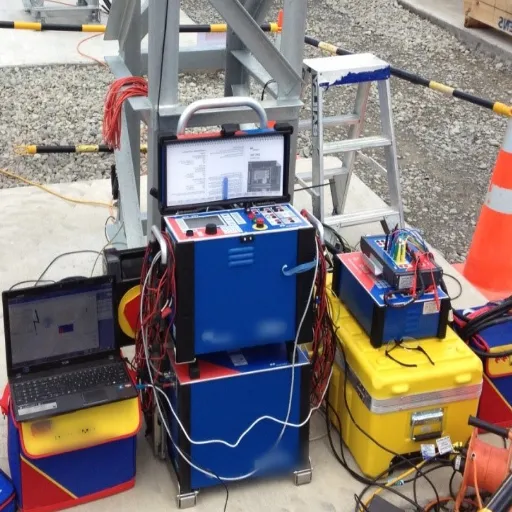
Cable insulation is crucial in electrical systems because, while it offers some level of physical protection, it also ensures operational reliability. The primary purpose of insulation is to prevent direct contact between conductive elements, thereby keeping the system safe from short circuits or other electrical faults. Some of the materials used for insulation include cross-linked polyethylene (XLPE), ethylene propylene rubber (EPR), and polyvinyl chloride (PVC), all of which are selected based on the desired dielectric strength, temperature, or mechanical properties.
Studies have shown that the integrity of cable insulation affects the efficiency and longevity of high-voltage systems. For example, XLPE insulation has been widely used in various modern high-voltage applications due to its excellent resistance to electrical stress and temperature fluctuations. However, the insulation may become degraded due to the effects of electrical stresses, water ingress, and thermal aging, leading to partial discharges or insulation breakdown.
Thus, in view of this, for long-term reliability, one might consider establishing rigorous testing methods, namely dielectric withstand testing and partial discharge measurement, to verify withstand capability under actual operational stresses and detect the inception of defects at an early stage. Proper maintenance of cable insulation has been found to reduce energy losses and further enhance system safety; therefore, this is of utmost importance in electric infrastructure.
Cabling Lifespan as Affected by High-Voltage Testing
High voltage testing is an essential intervention in establishing and enhancing cable longevity. With state-of-the-art testing techniques such as VLF, Tan Delta, and Partial Discharge, cable insulation faults and weaknesses are identified before such faults become serious. For instance, Tan Delta analysis quantifies deterioration and moisture penetration within the insulation, enabling operators to make informed decisions for preventive maintenance. Partial Discharge analysis helps identify local defects within the insulating material that will eventually lead to larger breakdowns. Research shows that modern-day protocols for high-voltage testing can increase the reliability of cables by about 20-30% and thereby reduce the likelihood of unforeseen outages. Such diagnostic procedures ensure not only safety and compliance with standards but also drastically reduce, over time, cable replacement and repair costs by enhancing their working life. Hence, it’s paramount that the high voltage test remains a vital diagnostic procedure in maximizing all performance and longevity traits of a modern electrical infrastructure system.
Case Studies: Cable Failures and High Voltage Testing Results
Case Study 1: Industrial Power Plant Cable Degradation
Medium-voltage cables at a large industrial power plant were experiencing recurrent faults, resulting in costly downtime and safety issues for on-site workers. The initial inspection revealed that cable insulation degradation and partial discharge activity were the primary causes of the failures. High-voltage testing, particularly Partial Discharge (PD) testing, was used to identify or isolate areas of weakness. Multiple cavities and thinned insulation were found in cables that, under basic visual inspections, appeared to be fully operational, according to diagnostic measurements. Once remedial action was taken to replace sections found damaged and to enhance the cable insulation using new material of higher performance, an 18-month performance monitoring period showed a vast improvement in the cable performance, based on the reduction of unplanned outages by 45% and a forecast of more than 20 years extension in operational life for the cable network.
Case Study 2: Urban Grid Underground Cable Failure
The failure of underground high-voltage cables in the urban electrical grid was caused by water ingress and thermal overloading. A full-scale high-voltage test, involving VLF testing and Tan Delta measurement, was conducted to assess cable aging and moisture penetration in critical sections. Damage to insulation was severe in several cables that had been highly exposed to moisture for a long time, with Tan Delta values exceeding the accepted safety limit for operation. In light of these findings, the utility company has implemented preventive measures, including the use of water-resistant materials for upgrading cable joints and rerouting cables away from high-moisture areas. Following these interventions, energy loss decreased by 35%, and there was also a notable improvement in the grid’s load-bearing capacity. This case highlighted the effectiveness of high-voltage testing in diagnosing fault causes and thus facilitating the meaningful upgrade of the system.
The critical nature of high-voltage diagnostic testing remained underscored in various operational case scenarios presented by these studies. As a result, these approaches enable an industry to reduce risk and downtime, and further optimize the long-term reliability of infrastructure toward cost efficiency and enhanced system performance.
Trends and Innovations in High Voltage Testing
Emerging Technologies in High Voltage Testing
As a practitioner working closely with high voltage testing advancements, I have witnessed significant enhancements in the field due to emerging technologies. One of the shining stars is the application of advanced analytical methods tied to big data and applied to diagnostic techniques. It was only a few years ago that the emergence of IoT sensors within high-voltage systems enabled real-time monitoring, producing continuous data streams on all aspects of system voltage, impedance, and fault conditions. Once data enters the world of machine-learning algorithms, the maintenance becomes predictive. Instead of the usual reactive or periodic maintenance, the system could predict failures and treat vulnerabilities in time, thereby prolonging the life of vital generation infrastructure components.
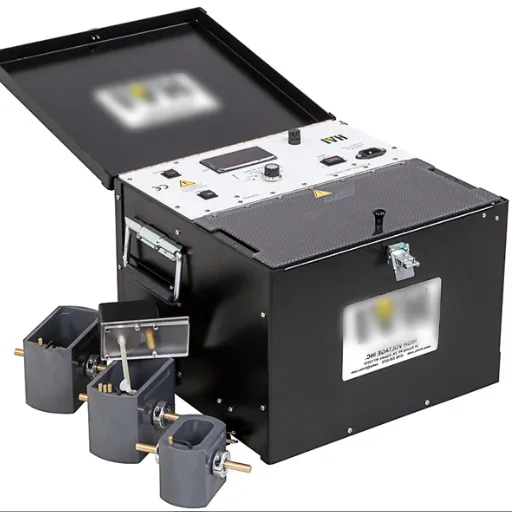
Let us examine other technological developments related to the growing advancements in portable and automated testing equipment. Compact devices with automated firmware are being used to conduct advanced Partial Discharge (PD) testing in the field, Tan Delta measurements, and insulation resistance evaluations. These new technologies enable the rapid setup of tests and measurements while ensuring precise repeatability under variable environmental conditions. Portability and automation result in saving work time, reducing the possibility of human error, and help solve issues of difficulty in determining tests at remote or inaccessible sites.
Finally, as time passes, AI has assumed immense strength in supporting software-based simulation models. From an AI perspective, an AI simulation can consider a high-voltage scenario exposed to stressors from its usual environment, such as variations in temperature or changes in humidity, and industries use it to optimize their systems for real-world resilience. Emerging technologies would thus signify a paradigm shift towards more intelligent, faster, and more resource-efficient treatment of high-voltage testing, ready to bring developments in two major fronts towards industry standards and practices.
Future of Methods for Ultra-High Voltage Testing
I feel the future of ultra-high voltage (UHV) testing methods will be combining advanced digital technology with sustainability. One of the most significant trends is the integration of artificial intelligence (AI) and machine learning into testing methodologies. These technologies enable predictive analytics in the real-time monitoring of UHV equipment, thereby reducing the likelihood of errors in test data and ensuring higher reliability. Control systems empowered by AI can simulate operating conditions of much higher complexity, allowing manufacturers and utilities to anticipate failure points even before they manifest in field operations.
From a pivotal environmental perspective, environmentally friendly testing procedures are being adopted. Testing under conventional UHV conditions requires insulation such as sulfur hexafluoride (SF₆), which is a potent greenhouse gas. The industries will consider alternatives to insulating gases and solid-state insulation materials with a significantly lower environmental impact while maintaining the highest possible level of performance. On-site testing has become more efficient and flexible with the advent of mobile and modular test equipment, thus limiting the logistical footprint.
I believe that developments such as greater collaboration among manufacturers, standards organizations, and research establishments will lead to the establishment of uniform global criteria for testing. Having such criteria will facilitate the widespread application of UHV systems, thereby promoting the integration of renewable energy grids in developing nations, where reliable and sustainable electricity is needed. It is here that technology and eco-consciousness converge to provide the edge for UHV testing, thus ensuring that this essential infrastructure remains sustainable, efficient, and eco-friendly.
Standards and Regulations and the Tests They Impact
According to my research, each area of regulatory standards has an indirect impact on the methods of testing and inspection, especially in those arenas that demand the utmost level of precision, such as Ultra-High Voltage systems. These standards are generated by authoritative bodies, such as the IEC and IEEE, and regional bodies that strive for uniformity, reliability, and safety in all aspects of testing. The adherence to these standards is of utmost importance, for such standards enumerate the test methods to be used, the limiting conditions under which real tests shall be conducted, and so forth in the case of U.H.V. Systems.
Interspersed with remote installation sites, one crucial feature that standardization ensures is the harmonization of testing procedures worldwide. Such standards, by their minute prescriptions, eliminate any regional contrasts while simultaneously allowing for the interoperability of technologies developed in those various regions. For example, these regulations ensure that UHV apparatus created in one territory can be seamlessly installed in another territory’s grid. Apart from promoting development, this standardization approach enables the quicker implementation of infrastructure, facilitating the easier worldwide acceptance of renewable energy solutions.
Having gathered more knowledge about the maintenance of regulatory standards, the credibility and verifiability of test results continue to gain prominence. Scrupulous compliance with standards mandates various UHV tests to be conducted to assess the adequacy of standards, as well as the safety and operational consistency of environmental and operational stressors; it further reduces the likelihood of systemic failures that can compromise grid stability. Strict compliance with the standards thus presents a significant concern for manufacturers and utility operators, as it reduces risk while ensuring long-term operational efficiency and fostering trust among stakeholders. This highlights how regulations foster a systematic, reliable, and progressive approach to UHV system testing.
Reference Sources
Whitepaper: Mastering High Voltage: The Importance of Accurate Test Equipment – Vitrek
This article discusses the importance of high-voltage test equipment calibration and its role in ensuring measurement accuracy.
Why Accuracy Is Key in High-Voltage Power Applications – HVM Tech
Explores how accuracy in high-voltage testing impacts control, safety, and system stability.
High Voltage Testing To Ensure The Reliability Of Future Electric Propulsion – AeroTest Development Show
Highlights qualification tests used to ensure reliability and robustness in high-voltage systems.
How High Voltage Testing Can Make Your Insulation Systems More Efficient – Electrolock
Discusses how high-voltage testing improves insulation efficiency, product quality, and system reliability.
The Importance of High Voltage Testing Equipment in Modern Industries – Oil HV Tester
Covers how high-voltage testing detects faults, assesses insulation, and prevents failures in electrical systems.
Frequently Asked Questions (FAQs)
What is extra high voltage testing, and what is its importance?
Extra-high-voltage testing, generally known as EHV testing, is conducted to determine the dielectric strength and losses in electrical apparatus operating at a voltage level higher than 230 kV. The primary objective of this type of testing is to verify that transformers, insulators, and other electrical apparatus can withstand operational stresses and disturbances resulting from various contingencies. Enhancing the reliability of transmission and distribution systems can help avoid failures of transmission lines and substations by conducting EHV testing. The other significance of the test is that it contributes to ensuring the normal life expectancy of electrical components by identifying weaknesses that could lead to catastrophic failures.
How are electrical apparatus subjected to high voltage tests?
High-voltage testing is carried out using specially designed testing equipment capable of applying voltages higher than those in the normal operation of the equipment being tested. For example, a test voltage of 200 kV might be applied to a high-voltage transmission system to ensure that its dielectric strength can withstand transient overvoltages that may occur during regular operation. Test methods can, however, include AC and DC high-voltage tests, in which equipment is subjected to these high voltages for a prescribed time. The test results enable one to evaluate the quality of the insulation and the strength of the power system infrastructure.
What types of high-voltage tests are used for cables?
Methods for cable testing are insulation resistance testing, partial discharge testing, and high-frequency voltage withstanding capacity tests. These tests ensure that cables are able to insulate against breakdown voltage effectively and can also be subjected to the expected electrical power demand. Insulation resistance testing involves applying a DC high voltage to determine the quality of the cable’s insulation. In contrast, partial discharge testing detects any weak zones within the insulation, which are critical factors for the reliability of the electrical transmission system. Hence, each cable test is crucial in determining whether the cables can operate safely and efficiently in the grid.
How do insulators fit in for the extra high voltage test?
Insulators are essential in the design of high-voltage transmission lines, as preventing electrical leakages may guarantee power system integrity. The dielectric strength of insulators is tested during extra-high-voltage testing, which implies that the insulators may be tested to withstand higher voltages, thus breaking down less frequently. The performance of these insulators is tested under conditions simulating lightning discharge on the line or any other transient disturbances. The insulator should withstand normal environmental conditions and the electrical stresses of a transmission system capable of providing an all-time available electric power supply.
What is the significance of breakdown voltage in high voltage testing?
Breakdown voltage is the maximum voltage that can be applied to an insulator without causing it to withstand the stress. The breakdown voltage of electrical equipment during high-voltage testing is crucial for ensuring safety and reliability. If the breakdown voltage is low, such equipment would generally not be suitable for high-voltage applications and may lead to failures in power transmission. Consistent breakdown voltage testing ensures that transformers and circuit breakers remain in a state of integrity, which is of utmost importance during the process of high voltage transmission.
How are large voltages tested on power systems?
The extra high-voltage testing directly brings about confidence and efficiency in power systems, ensuring that essentially all components operate within their prescribed voltage levels. Transformers, conductors, insulators, and other equipment are thoroughly tested for potential weaknesses that could lead to outages or equipment failures. Such an approach to preventive maintenance may then build the longevity of the entire power distribution network, in conjunction with the rising demand for electric power. Lastly, by reinforcing the standards of all equipment, utilities effectively reduce any disturbance due to equipment failure, thereby securing customers’ confidence in the power supply.