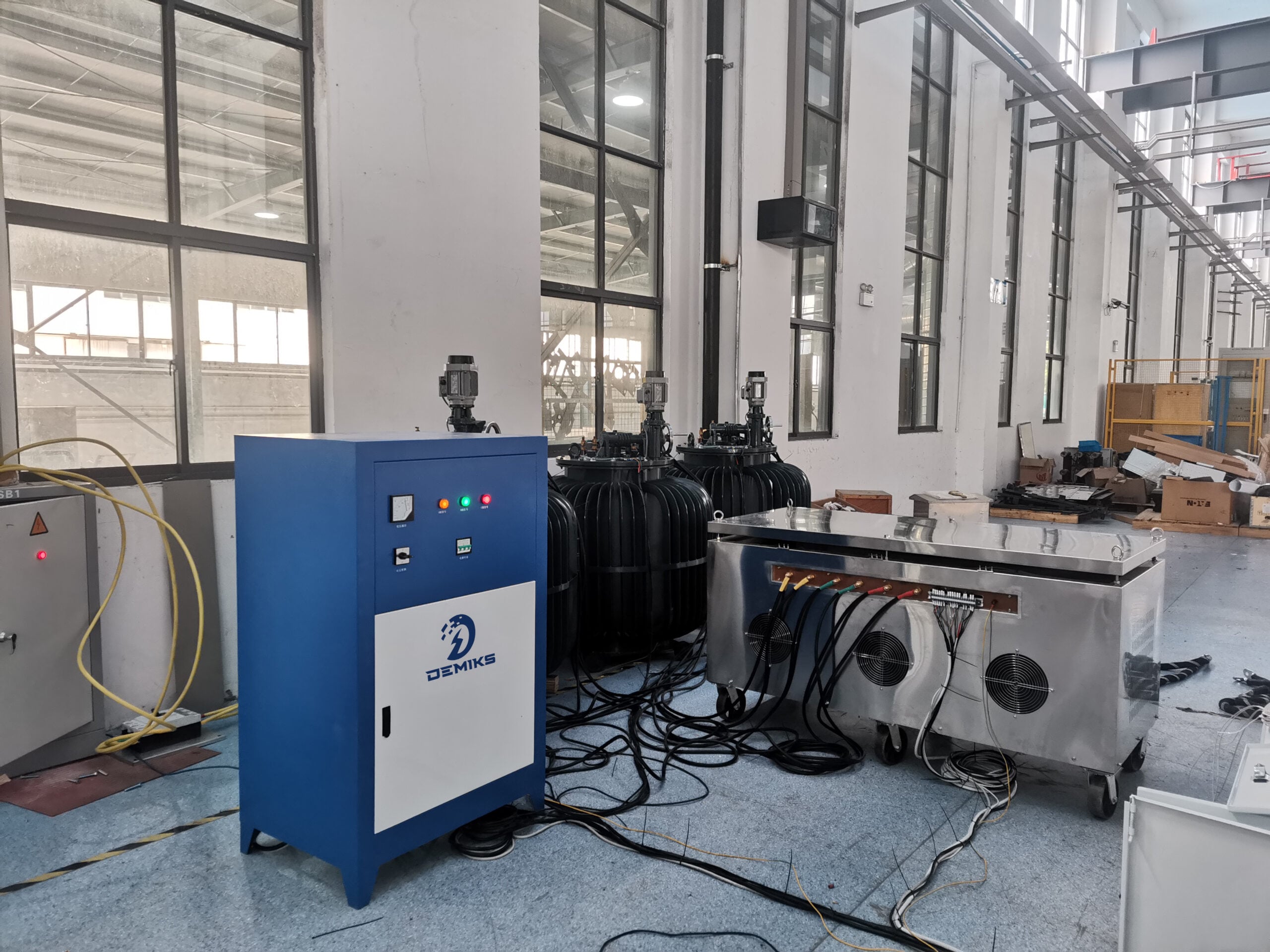
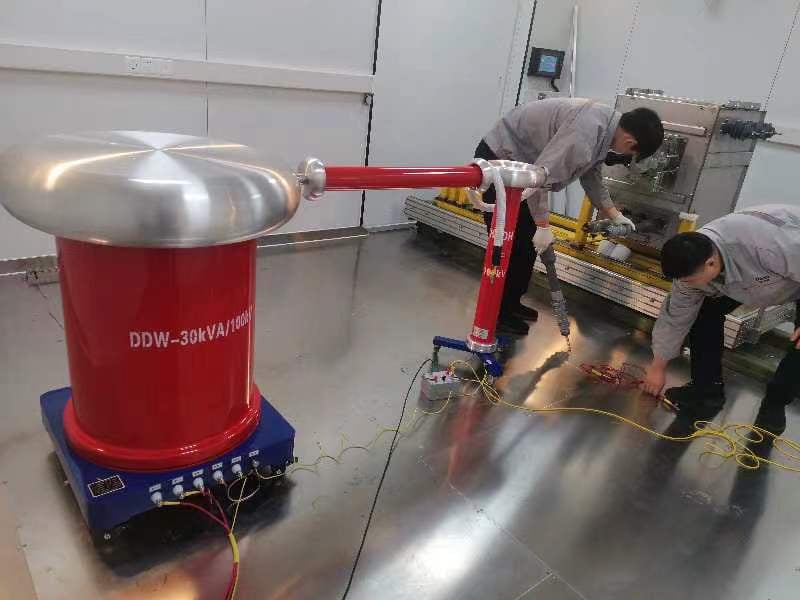
Hypot testing equipment helps certify electrical safety and, more broadly, ensures compliance in various industries. Whether your firm is involved in manufacturing, engineering, or quality assurance, adhering to your due diligence in choosing and selecting the right kind of Hypot tester can make all the difference in achieving quality and timely results. But with so many options available in the market, how many of those vary according to your requirements? This article explores the choices available in hypot testers, ranging from advanced safety features to user-friendly interfaces and performance criteria. You will be able to identify the differentials between the very best hipot testing equipment by the article’s end, thus enabling you to choose accordingly and fairly enhance productivity and safety.
Understanding Hipot Testing
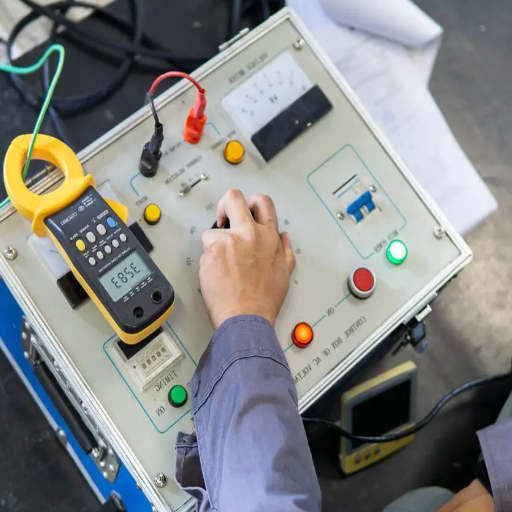
What is a Hipot Test?
The hipot test, an abbreviation for “high potential,” is an electrical safety test applied to the insulation of electrical devices, cables, and components to ensure their quality and integrity. By using a high voltage in insulation materials, the test checks for any leakage current to confirm that the insulation will operate in its intended environment without failure. This type of testing identifies weaknesses in insulation that can cause electrical hazards, such as shocks, fires, or malfunctioning equipment.
Hipot tests were, and are still, used during development and in quality control industries, such as manufacturing, aerospace, and automotive. These tests are conducted to standard specifications, such as IEC 60335 and UL 60950, to ensure compliance with the stipulated safety regulations. New generation hipot testers also incorporate modern controls, such as setting minimum and maximum voltages, auto-cycling, and real-time data logging. Therefore, these features enhance output precision while maintaining time efficiency and operator safety; thus, integrating hipot testing into every production and certification requirement.
Importance of Hipot Testing in Electrical Safety
Hypot testing plays a crucial role in ensuring the reliability and safety of electrical components and systems. Since the application of high voltage tests the insulation’s integrity, it guarantees the detection of any defects that might put the users’ life in danger or cause an operational malfunction. Following an industry standard, such as IEC 60335, guarantees that appliances and devices can withstand electrical stress during operation without posing a danger to life.
In recent times, advancements in hipot testing technology have further enhanced its efficiency and made it more widely available to the industry. For example, newer testers now come with programmable test sequences, high accuracy in leakage current measurement, and automatic indications of fail/pass. With this, manufacturers can identify weaknesses in real-time without interfering with the production process. In addition, test data recorded is analyzed to foresee the possible evolution of failures, therefore assisting in predictive maintenance.
Those industries, such as consumer products, healthcare, and automotive, are increasingly relying on high-density electronics; avionics testing is therefore very much necessary to be consistently performed. Organizations that pursue strict testing procedures not only observe regulations but also bolster the faith their customers have in them by minimizing electrical incidents. This enhanced precision, combined with automation, ensures the continued use of hipot testing as an integral element of breezy-NES standing.
Common Applications of Hipot Testers
Across many industries, hipot testers perform a range of tests to ensure compliance with electrical safety and quality standards. Some typical applications are:
1. Consumer Electronics: Hipot testing for consumer electronics such as smartphones, laptops, and home appliances is considered stringent to address the issue of insulation quality of the materials used, preventing any chances of electric shocks or short circuits. Further empowering manufacturers to uphold their reliability and product safety is the increasing integration of high-density circuits.
2. Medical Equipment: The healthcare sector uses hipot testing to validate the safety of essential diagnostic and therapeutic devices such as MRI machines, defibrillators, and patient monitors. Hence, medical devices, being highly sensitive, require accurate testing to ensure compliance with stringent standards, such as IEC 60601, thereby preventing harm to patients and operators.
3. Automotive Industry: EVs and contemporary vehicles are equipped with complex electronic components, including batteries, infotainment, and ADAS. Thus, the use of hipot testers to ensure insulation testing of high-voltage cables and electronic modules will increase the safety and performance of vehicles.
4. Aerospace and Defense: Systems of aerospace and defense must certify rigorous safety and performance standards to operate in critical environments. From avionics to energy distribution systems, hipot testing ensures that components can withstand high electrical stress to maintain operational reliability and prevent potential failure.
5. Industrial Equipment: Machinery for manufacturing, energy, and construction undergoes hipot testing to verify conformance with international safety regulations. For example, motors, transformers, and switchgear are tested to mitigate the risk of insulation breakdown under heavy-duty operation.
6. Renewable Energy Systems: Solar panels, wind turbine components, and energy storage systems have to be tested stringently to front-load operational safety and reliability. Hipot testers ensure that the insulation inside such systems will protect against electrical hazards while maximizing longevity and efficiency.
7. Household Wiring and Appliances: Electrical wiring and connected appliances in residential and commercial buildings are frequently tested on a hipot basis as a measure of compliance with building codes, thus shedding a surety of mitigating fire hazards due to insulation failure. This assurance will not only be extensively identified during new installations but also during periodic inspections.
By leveraging modern automation and data integration, hipot testers can record measurements that are pertinent to manufacturers and testing facilities, built on the principles of precision and reproducibility, thereby virtually speeding up the entire production process. An advanced method of testing hypot will also reduce the time of inspections, thereby driving efficiency, while ensuring that the product’s expectations for safety and performance are met.
Key Features of Hipot Testers
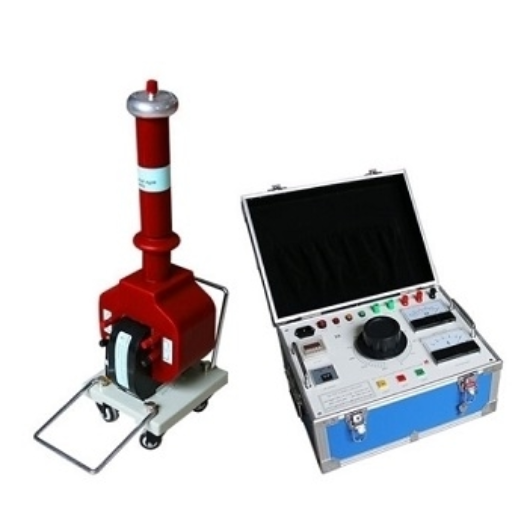
Voltage Range and Types: AC versus DC Hipot Testing
The hipot test treatment includes AC (alternating current) and DC (direct current) methods. While AC-type hipot testing is considered better because voltage is applied with both polarities, thus stressing weaknesses in insulation materials more harshly and quickly, DC testing is the opposite of AC testing and relies on the constant application of voltage to obtain highly accurate readings of insulation resistance against current over time. The AC test alligator clip alleviates the problems of capacitive charging, thereby being useful for testing any capacitive loading, such as long cables or large motor windings.
The DC Hipot test produces static, steady voltages that allow one to pinpoint resistance associated with the insulation more accurately over time. It is an advantage when trying to find leakage current in instruments with large capacitance. Although charging and discharging times during DC testing are greater, it makes for a more controlled analysis of insulation failure scenarios.
The discretion on which type of Hipot Test should be conducted lies under the constraints formed by the test parameters and the nature of the equipment or product being tested. The manufacturer usually uses a voltage range stipulated under accepted safety standards, such as IEC or ANSI, so that the stress applied to the equipment simulates actual operating conditions. For example, DC test voltages are generally set higher than AC voltages; they are commonly 1.414 times greater than the AC test voltage to compensate for the steady duration of the voltage application.
Both AC- and DC-type hipot testing are paramount in ensuring equipment safety, and modern developments in testing enable precision and flexibility, allowing manufacturers to adhere to stringent regulatory standards while enjoying significant value-added efficiencies.
Safety Compliance and Certifications (UL)
Obtaining safety compliance and certification such as Underwriters Laboratories (UL) remains essential for manufacturers to make their products truly pass rigorous safety standards. UL procedures certify that equipment is strictly subjected to electrical safety and performance standards, alongside durability tests, which help consumers and carry the name with respect in the entire market.
One of the binding characteristics of UL approval involves testing protocols that cover everything from electrical insulation checks under the severity of a fault—such certificates apply to various industries, including consumer electronics, industrial machines, and medical utilities. In turn, manufacturers also enjoy access to the world-renowned UL mark, which will considerably help them gain market access and recognition from consumers on an international scale.
In recent years, there has been a trend toward greater reliance on automated testing systems and innovative compliance tools, enabling certification to be expedited without compromising accuracy. Furthermore, due to rapidly changing regulations and growing global concerns about sustainability, new UL standards now promote eco-friendly designs and energy efficiency, ensuring compliance not only guarantees user safety but also supports environmental goals. To maintain a competitive advantage, it is essential to stay informed about these enhancements and integrate compliance as a key product attribute.
Measurement Accuracy and Resolution
Measurement accuracy and resolution are two key parameters that ensure the acquisition of credible data and their accurate interpretation for appropriate applications. High accuracy ensures that the measured values are very close to the true values, with minimal errors that cast doubt on the results. Resolution defines the minimum amount of change an instrument can record and is, therefore, very important to carry out detailed analyses that look at fine changes.
Modern technology speaks wonders in providing solutions with unprecedented precision, whereby ultra-high resolution is achieved alongside very high accuracy in instruments being designed today. Such improvements are particularly beneficial to industries such as healthcare, electronics, and environmental sciences, where even slight discrepancies can significantly impact the overall outcome. The improved measurement capabilities of devices significantly enhance the level of analysis that industries can conduct, inspiring them to innovate further and improve their products with data-supported insights.
Choosing the Right Hipot Tester Series
Comparing the 260 Series vs. the 440 Series
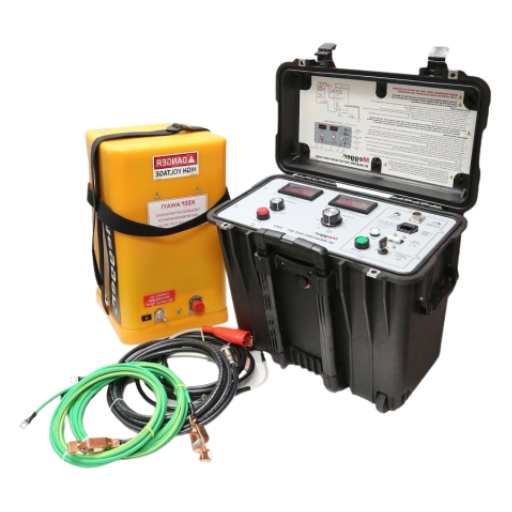
Terrain analysis of the hipot testers, specifically the 260 Series vs. the 440 Series, involves evaluating their varied abilities and features to determine which would be more suitable for industrial or research purposes. The 260 Series is an application craft for general use, providing good, solid performance in most standard testing environments and cementing its position as a value-for-money tool. Testing, in its simplest terms, comprises dielectric withstand and continuity tests, making this series ideal for small to light medium setups that require basic and consistent tests to be carried out on their products.
The 440 Series, conversely, engages in more advanced testing scenarios and, consequently, utilizes edge technology for higher accuracies, extreme voltage ranges, and enhanced functionality. It features automation and multi-point testing options, making it suitable for test environments with dynamic conditions and high compliance standards. Additionally, it is backed by sophisticated data logging and reporting functions, allowing for more accurate analysis and better traceability of the results. Such features thereby attract those industries and scales that demand a high level of precision and flexibility.
Businesses can match their needs by evaluating the functions, specifications, and testing conditions that have priority for them. If these choices align with their current operations and future needs for expandability, they have made excellent specification-based choices.
Advantages of the 290 Series Hipot Testers
The 290 Series Hipot Testers offer a unique blend of reliability, ease of use, and advanced capabilities to meet a wide range of industrial test applications. This advanced precision equipment, built with durability, ensures these instruments comply with the most stringent safety standards, making them invaluable to industries such as manufacturing, electronics, and aerospace.
Arguably, the best advantage the 290 Series Holders offers is the simple-to-use interface, which facilitates setting up for tests and operating the device. This simple control minimizes the learning curve for operators, allowing them to efficiently carry out test simulations and reduce human errors in test records. The series is also built to provide increased accuracy in output voltage regulation and measurement results, thereby ensuring the test results remain consistent regardless of the harshest application environment.
Additionally, the multi-test capabilities are another highlight of this series, which combines dielectric withstand tests, insulation resistance tests, and other tests in a single, compact unit. This facilitates workflow management and reduces the need to set up multiple instruments, which in turn creates equipment space and lowers operational expenditure. Great automation options are also available in the 290 Series, with potential configurations that allow users to arrange test procedures and sequences to maximize productivity without compromising accuracy.
From a safety standpoint, the 290 Series offers an extra level of protection beyond the requirements of a worse standard. These include features such as fast detection and fault shutdown to guard against operator and equipment hazards. Furthermore, data logging is enabled, allowing operators to capture and utilize tested information for data analysis, compliance reporting, and quality control programs.
The series is designed with future scalability in mind, offering options to extend business requirements while maintaining peak performance, particularly for companies seeking to future-proof their testing environment. Marrying the newfound advanced technology with streamlined operational efficiency and safety measures gives the 290 Series Hipot Testers a stand on the more reliable side of modern testing requirements.
Understanding the 5ma and 40a Testing Options
The 5mA and 40A options of the 290 Series Hipot Testers were designed to address divergent situations arising in electrical safety testing. The 5mA option is best utilized in instances where increased sensitivity is necessary, such as in tests for delicate components or devices that require a lower leakage current threshold. This allows operators to identify the tiniest weaknesses or problems in insulation, ensuring that even the most complex systems are safe to work with.
Conversely, the 40A option supplies the power needed for heavy-duty applications, catering to equipment and systems that are warranted to run at a higher current level. This ensures that larger and more robust devices, such as industrial machinery and high-output electronic systems, are thoroughly tested to withstand extreme operational conditions and operate safely in them. Using the combined option enables businesses to seamlessly navigate a wide range of test scenarios, underscoring the versatility and adaptability of the 290 Series.
Designed with accuracy and consistency as its center, the design minimizes errors while maximizing testing speed. This dual-option capability ensures meeting various regulatory standards, providing for business scale, and thus making the 290 Series a costly commodity for modern and future testing technology.
Additional Testing Capabilities
Ground Continuity and Ground Bond Testing
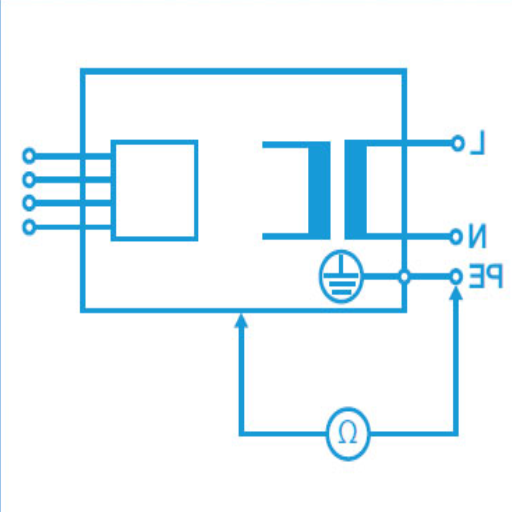
Testing ground continuity and ground bonds is crucial to ensuring the safety and reliability of electrical installations and equipment. The ground-continuity test verifies the electrical conductivity between the chassis of an equipment unit and the ground, allowing for the dissipation of fault currents and thereby reducing the risk of shock or fire hazards. Usually performed to comply with standards governing the industrial sphere of interest, this test ensures that the grounding systems are intact and functioning as they should.
Conversely, ground bond testing evaluates the ground connection in terms of its ability to carry current. The test applies a relatively high current along a ground path through a resistance measurement to ascertain that the resistance is within prescribed low-resistance limits. Ground bond testing ensures that the grounding system can withstand severe stress conditions and provide sufficiently effective and lasting protection against electrical faults. Modern, advanced test systems on the market can perform both tests, providing the highest level of accuracy and speed. They provide in-depth reporting, with the option to scale for high-volume testing, ensuring they can fully meet various regulatory and safety standards. This makes them suitable for use in medical device manufacturing, consumer electronics, and industrial equipment.
Together, therefore, ground continuity and ground bond testing serve to offer an overall assessment of the integrity of the grounding within electrical systems, thereby promoting risk reduction and safety in operations over time.
Features of Insulation Resistance Testing
Insulation resistance testing is a vital process for determining the quality and reliability of electrical insulation within systems and devices. Modern techniques for testing incorporate state-of-the-art diagnostic capabilities such as real-time inspection and automated reporting, ensuring the highest level of accuracy and efficiency; these features include:
High Voltage Application: Accurate measurements of resistance depending on varying-voltage conditions, test results durability depends on the insulation material.
Data logging and analysis: Provided with storage built in for large datasets and paired with software to analyze data for trends and anomalies for a predictive maintenance regime.
Wide Resistance Range: Measurement of resistance from megohms to teraohms, depending on application needs.
Temperature Compensation: Adjusts the reading obtained to account for temperature fluctuations, particularly when the environment is unstable.
User-friendly interfaces: User-friendly touchscreens and software guide technicians through the process, regardless of whether they’re novice or fully experienced.
Compliance with Standards: Standards followed include international standards such as IEC, IEEE, and ASTM, providing credibility for tests and usefulness in testing within various industries.
With the latest technologies, insulation resistance testing reduces employee downtime, enhances system performance, and extends the lifespan of electrical components, making it a critical element for all industries, including power building, telecommunication, and transportation.
Safety Testers in Compliance Testing
The integration of safety testers during compliance testing has revolutionized the approach used by industries as a means to ensure product safety and regulatory adherence. They test electrical products to ensure they meet all minimum safety requirements, thereby keeping users and their equipment safe. This value-added capability of modern testing encompasses high-voltage testing, ground bond testing, and leakage current measurement, which are extremely useful in identifying faults and preventing hazardous harm.
With enhanced automation and digital interfaces, these tools have expedited the compliance process, yielding accurate and repeatable results while saving time on testing. For example, through ultra-fast data logging and cloud-based system connectivity, teams more readily analyze trends, generate reports of compliance, and keep records of tests. The industries in business, ranging from medical devices to automotive to consumer electronics, have truly helped strengthen their safety profile through consistent and reliable testing.
Furthermore, the latest safety testers meet worldwide requirements, including IEC 61010 and EN 60601, ensuring the products are widely accepted outside the domestic market. Implementing this test equipment promotes the advancement of compliance protocols, thereby supporting customer protection, safeguarding brand reputation, and maintaining a favorable regulatory environment. This, in turn, ensures that the actual improvement in operational success can be attributed to the above.
Maintenance and Calibration of Hipot Testers
Best Practices for Equipment Maintenance
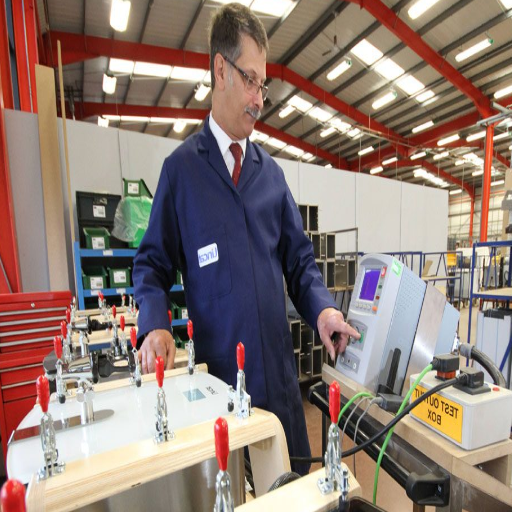
When maintaining our hipot testers, my primary focus is on performing routine checks and abiding by a scheduled maintenance regimen. Starting with visual inspections and checking cables or interchangeable parts for any slight signs of misuse helps to assure that downtime will be minimized. Cleaning the equipment, along with maintaining an ideal controlled environment, helps keep dust and moisture away, as these can slowly deteriorate the equipment’s performance.
The next priority I put on is regular calibration to maintain accurate, trustworthy results. By having periodic calibration set up, preferably on a schedule as given by the manufacturer, it ensures that the device remains within stated ranges of accuracy, as performing calibration allows. Such standards are to be retained, which means they maintain high testing standards and comply with specific applied regulations.
Finally, I ensure that I keep detailed logs of all maintenance done, including inspections, repairs, and calibration dates. These logs provide operational opportunities for troubleshooting and, on the regulatory end, serve as compliance proofs during audits. Additionally, periodic training of the team in handling and operating procedures benefits each member by providing adequate care for the equipment, thereby extending its lifespan. With these practice methods, I confidently state that our hipot testers are reliable and ready to serve on practically any project application.
Calibration Frequency and Importance
In my experience, testing with the hipot tester is essential; it should always be conducted with calibration to maintain its accuracy and reliability. Specifying the equipment to undergo calibration each year, a timeline often varies among manufacturers and sometimes also depends on the equipment’s intensity of use. The proper calibration ensures that testers accurately measure the results, which is crucial for ensuring safety and compliance in high-voltage testing activities.
Being able to pinpoint and respond to any slight deviation in performance or inaccuracy in time prevents any incorrect test results from further affecting the integrity of the results and keeps operations in line with the expected quality standards. Regular calibration will also reduce the likelihood of equipment failure and any potential interruption to the workflow or risk to safety.
In my view, calibration acts as both a proactive and reactive measure. Proactively scheduling it helps ensure the equipment remains reliable throughout its lifecycle. It is beneficial during audits, as the current calibration records serve as proof that the company has quality control processes in place and adheres to industry regulations. Establishing a regular calibration program has been beneficial in maintaining confidence in our testing processes from both safety and productivity perspectives across all applications.
Signs Your Hipot Tester Needs Servicing
Several signs from personal experience indicate when servicing a hipot tester should be done, and evidence of these signs applied sooner rather than later will always save both time and resources. The first indication would be inconsistent readings when running the test. Once the tester readings start to differ significantly from what they are supposed to be according to the given variable or show random values, one can already suspect calibration issues or repairs. These faulty readings, while they breach the principles of testing, domesticate liability in compliance, especially in critical application areas.
Other signs are physical wear and tear of the equipment. Apparent damage, frayed wires, loose connections, or worn components impede the device’s intended function. On the contrary, the device emitting strange sounds, warming up, and experiencing weird, sudden shutdowns might just be red flags warning you that something is not going as planned. They might seem insignificant at first, but these issues are often destined to lead to equipment failure, resulting in downtime and price-raising delays.
Another sign to pay attention to should be the maintenance or calibration history. Whenever servicing or calibration has not been performed within the tester’s due period, it is an immediate cause to take action. Regular maintenance will keep the tester within its specified parameters and accuracy. If it is not regularly checked, one can probably know that the degradation in performance occurs over time. This further affects safety and reliability. By promptly addressing those signs, I ensure the hipot tester is always in compliance, reliable, and consistent with our standards in terms of operations.
Reference Sources
-
Functions & Features of Advanced Hipot Testers – Vitrek
This article discusses advanced features like accurate low-resistance measurements and high current outputs. -
Hipot Testers Selection Guide: Types, Features, Applications – GlobalSpec
A comprehensive guide covering types of hipot testers, their features, and applications. -
Hipot & Safety Testers – Chroma Systems Solutions
Details on how hipot testers are used for electrical safety tests on components and products. -
AC DC Hipot Tester, Features and Applications – HV Cable Hipot
Highlights safety features like interlocks, emergency stop buttons, and warning indicators. -
Hipot Testers: Reliable Testing for Maximum Safety – SPS Electronic
Focuses on precise testing for protective conductor, insulation, and voltage, adhering to IEC, UL, and VDE standards.
Frequently Asked Questions (FAQs)
What is a hipot tester and how does it work?
A high-voltage tester, also known as a high-potential tester, is an instrument for conducting high-voltage tests on electrical components or systems. It applies high voltage, typically in the order of kilovolts (kV), to test insulation strength and detect any defects. The leakage current, measured during testing, should be minimal, as the hipot tester ensures the electrical safety of devices. The method is therefore used to ensure safety standards, such as IEC 61010 and IEC 60335, which also makes it a crucial instrument for quality inspection of electrical products.
What happens during an AC hipot test, and how does it matter?
An AC hipot test applies an AC voltage to the insulation of electrical components to assess their dielectric strength. This is one of the crucial methods to ensure that electrical systems stand against high voltage conditions without a break. The AC hipot tester measures the insulating ability and identifies any potential insulation weaknesses that may lead to electrical failures if left unaddressed. The regular AC hipot testing is essential in production lines for maintaining electrical safety and minimizing performance disturbances in devices.
How does a ground bond tester promote electrical safety?
By checking the quality of the ground connection in an electrical device, a ground bond tester ensures electrical safety. By measuring the ground path resistance, it ensures that electrical safety mechanisms function properly. This is to prevent hazards from electric shocks and ensure the safe operation of electrical systems. The ground bond tester will also verify if the ground connection is capable of carrying fault currents without danger. Regular testing with this device ensures compliance with safety regulations and enhances product safety.
What are some of the advantages of insulation resistance testing?
Insulation resistance testers are used to measure the resistance offered by insulation in electrical installations. They offer insight into the detection of possible leakage paths and defects in insulation, thereby conducting a lifelong test to assure the durability and safety of an electrical component. With the insulation resistance tester, a manufacturer can establish a quality assurance system to prevent electrical faults. Regular testing also ensures compliance with industry standards on safety, thereby ensuring the safety and efficiency of electrical products.
How important is dielectric withstand testing?
Dielectric withstand testing is a crucial process for evaluating the insulation strength of electrical components. This test subjects the insulation to a reasonably high voltage while monitoring the leakage current and ensuring it stays within acceptable limits. This type of test enables manufacturers to identify any defects and potential breakdown points before the products are sold to the market. It holds extreme importance in terms of meeting safety standards and regulations. Thus, dielectric withstand testing not only protects the users from electrical hazards but also reinforces the reliability of the electrical system.
How do electrical safety analyzers ensure product safety?
Electrical safety analyzers employ a multifunctional approach, providing a comprehensive safety assessment of electrical systems. Generally, a series of tests is performed, such as hipot, ground bond, and insulation resistance. By examining various factors of electric safety, devices can verify that a product complies with stringent safety standards. During the production and research-development phases, the use of electrical safety analyzers can help identify defects and mark improvements in product design. This greatly enhances the electrical safety of devices, in a proactive manner, and saves the consumer from potential hazards.