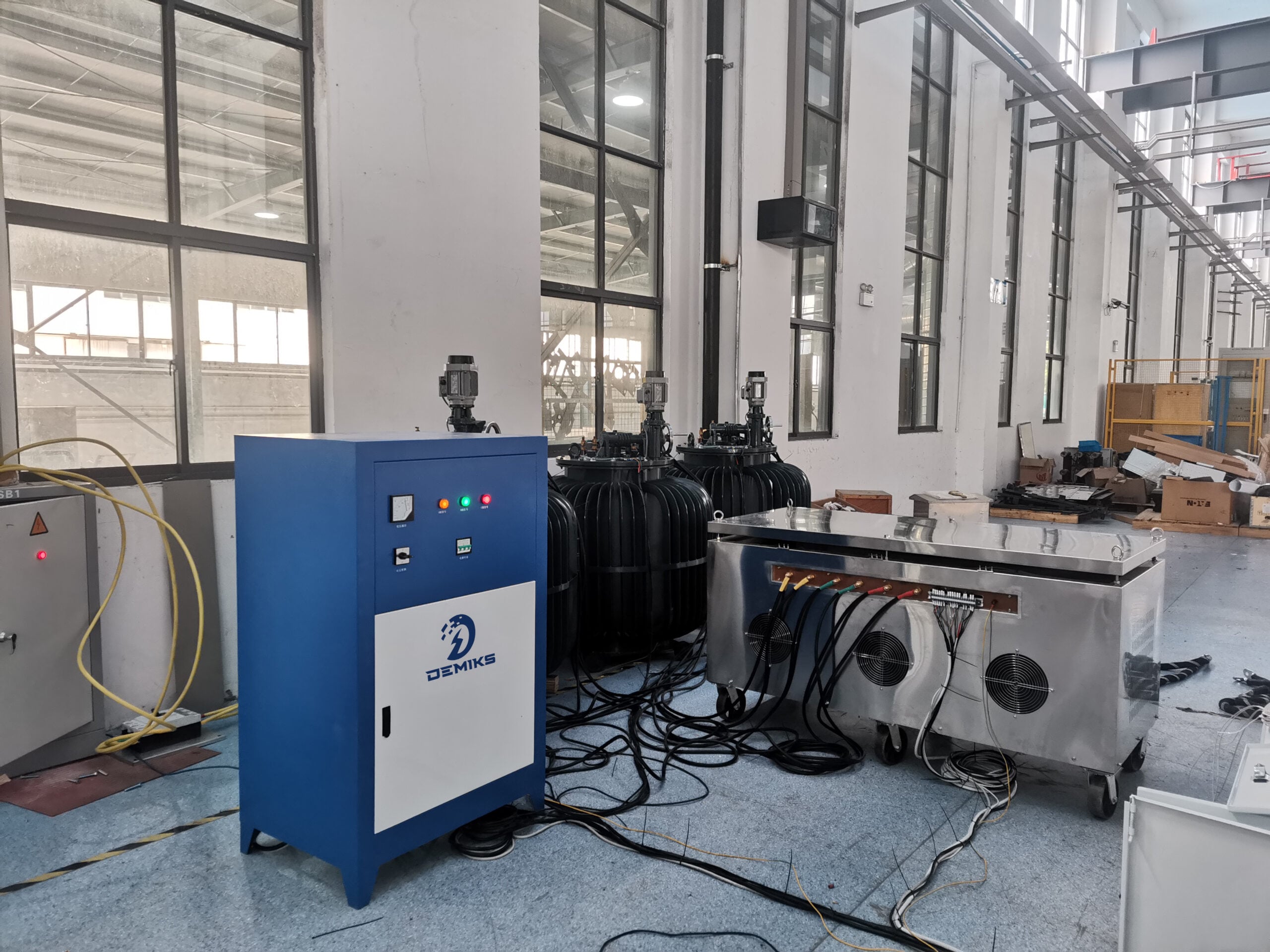
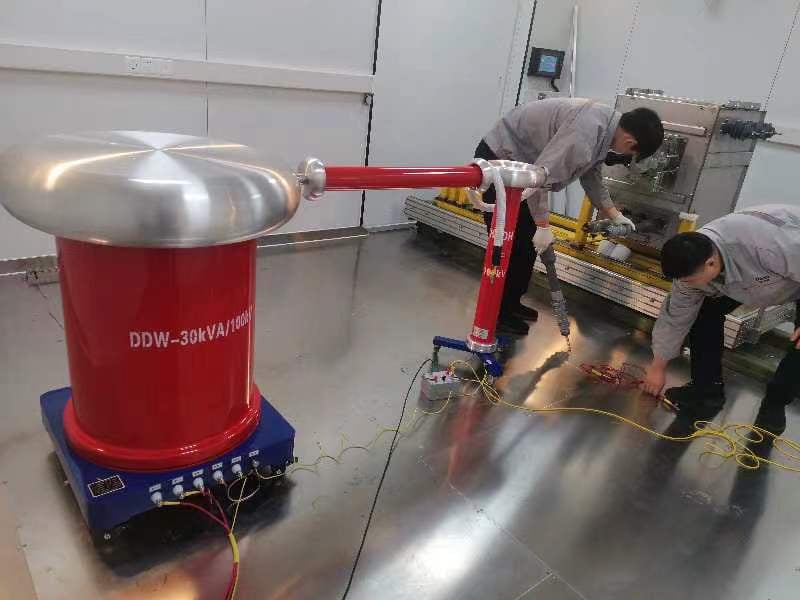
Switchgear serves as a critical component in the management and safety of electrical power systems, acting as the first line of defense in controlling, protecting, and isolating electrical equipment. Whether in industrial facilities, commercial buildings, or utility substations, switchgear ensures the reliable distribution of electricity while safeguarding both equipment and personnel from electrical faults. This article will provide an in-depth exploration of the fundamentals of switchgear, including how it operates, the various types available, and the key components that make up these essential systems. By the end, readers will gain a comprehensive understanding of its importance and how it underpins the stability and functionality of modern electrical networks.
What Is Switchgear and How Does It Work?

Switchgear refers to a centralized assembly of devices that manage, protect, and control electrical circuits and equipment. It functions by isolating electrical components and facilitating safe power distribution within a network. Switchgear typically includes components such as circuit breakers, disconnect switches, and fuses, each designed to prevent damage and ensure safety by interrupting the flow of electricity during faults or overloads. By enabling quick and reliable shutdowns when necessary, switchgear plays a critical role in maintaining the safety and reliability of electrical systems.
Switchgear Fundamentals: The Basics You Need to Know
Key Functions and Technical Parameters of Switchgear
Switchgear serves several essential functions within an electrical system, including protection, control, and isolation of electrical equipment. Below, we address the core technical parameters associated with each functionality:
- Protection
Switchgear ensures the protection of connected equipment and personnel by interrupting electrical faults. Key parameters include:
– Rated Voltage: The maximum voltage the switchgear can handle, typically ranging from 1 kV to 800 kV in high-voltage applications.
– Short-Circuit Current Rating (Isc): The maximum fault current the switchgear can safely interrupt, often specified in kiloamperes (kA). Standard values are 25 kA, 40 kA, or higher, depending on the system design.
– Breaking Capacity: The energy level the circuit breaker can cut off during a fault, measured in MVA (megavolt-amperes).
- Control
Switchgear enables effective control of the power flow within the network. Control involves switching operations for routine maintenance and management. Important parameters include:
– Operating Mechanism Speed: The time required to open or close the circuit, typically within milliseconds.
– Frequency Rating: Standard values include 50 Hz or 60 Hz based on the regional grid system.
- Isolation
Isolation ensures that specific equipment can be entirely disconnected for safe maintenance or inspection. Relevant parameters include:
– Insulation Level: Measured in terms of Creepage Distance per the IEC standards, ensuring adequate distance between live parts and ground.
– Rated Continuous Current: The steady-state current the switchgear can handle without overheating, often ranging from 630 A to 4000 A or more.
These technical specifications ensure that switchgear operates effectively under varying electrical and environmental conditions. Proper selection and maintenance of switchgear are crucial to optimizing electrical system safety, reliability, and performance.
How Does Switchgear Ensure Electrical Safety?
Switchgear ensures electrical safety by performing several critical functions within an electrical distribution system. First, it isolates electrical circuits and equipment during maintenance or fault conditions, preventing accidental contact with live parts. It achieves this through mechanisms such as circuit breakers, disconnect switches, and fuses, which interrupt the flow of current in the event of a fault. Second, switchgear provides short-circuit protection by detecting abnormal current levels and immediately disconnecting the affected circuit to prevent damage to equipment and reduce fire hazards. Additionally, it safeguards against overload conditions by monitoring current levels and operating within preset thresholds to protect conductors and other components. Lastly, switchgear incorporates protective relays that constantly monitor system parameters and ensure coordinated, automatic responses to minimize system downtime and maintain operational safety across interconnected equipment.
The Role of Switchgear in Power Distribution Systems
Key Functions of Switchgear in Power Distribution Systems
- Fault Protection: Switchgear identifies and isolates faults within the power system, ensuring that damaged sections are disconnected without impacting operational components.
- Load Management: It regulates the distribution of electrical load across the system, maintaining balance and preventing overloading of circuits.
- System Safety: By acting as a barrier between live electrical components and personnel, switchgear enhances safety through both physical insulation and operational safeguards.
- Equipment Protection: It shields connected electrical equipment from voltage swings, surges, or other anomalies that could lead to premature wear or failure.
- Remote Control and Automation: Modern switchgear systems allow remote monitoring and control, enabling rapid responses to changing operational demands or emergencies.
- Voltage Regulation: Switchgear helps maintain stable voltage levels across the distribution network, ensuring reliable performance of end-use equipment.
- Integration with Grid Systems: It facilitates seamless connectivity to larger grid networks while supporting distributed energy resources, such as renewable energy systems, through advanced control features.
- Operational Reliability: By preventing cascading failures and ensuring consistent functionality, switchgear plays a critical role in maintaining uninterrupted power supply.
Different Types of Switchgear Explained
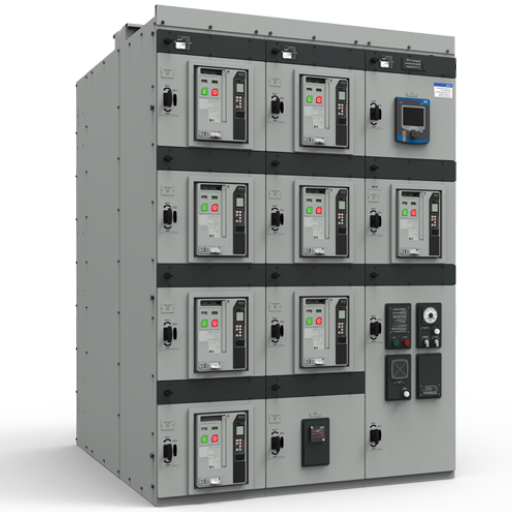
Switchgear is classified based on voltage level, design, and application. The key types include:
- Low-Voltage (LV) Switchgear: Designed for systems up to 1kV, this type is commonly used in residential, commercial, and industrial settings. It includes components like circuit breakers, contactors, and protective relays, ensuring safe operation of low-voltage circuits.
- Medium-Voltage (MV) Switchgear: Used for systems ranging from 1kV to 36kV, it is frequently employed in industrial plants and substations. It incorporates vacuum, SF6, or air-insulated circuit breakers to protect and control power distribution.
- High-Voltage (HV) Switchgear: Operating above 36kV, HV switchgear is used in power transmission networks. Its advanced insulation methods, such as gas-insulated switchgear (GIS), ensure reliability in high-voltage scenarios.
- Metal-Enclosed Switchgear: Found in indoor applications, this type is compact and offers enhanced safety by enclosing all components within a metallic structure, ideal for space-constrained environments.
- Gas-Insulated Switchgear (GIS): Compact and highly reliable, it is utilized in spaces where environmental constraints or high-voltage requirements exist. GIS minimizes footprint while providing superior insulation.
- Outdoor Switchgear: Specifically designed for external environments, it is weather-resistant and robust, ensuring reliable operation in varying climate conditions.
Each type of switchgear is selected based on operating voltage, application environment, and performance requirements, ensuring optimal power system management and protection. This diversity allows for tailored solutions across diverse power distribution needs.
Low-Voltage Switchgear: An Overview
Low-voltage switchgear operates at voltages up to 1,000 volts and serves as a critical component in power distribution systems, ensuring the safe and efficient delivery of electricity. It combines circuit breakers, switches, relays, and fuses within a unified framework to control and protect electrical circuits. By isolating electrical faults and managing current flow, low-voltage switchgear minimizes the risk of equipment damage, power disruptions, or safety incidents.
According to the latest information, the demand for advanced low-voltage switchgear continues to grow due to its applications in residential, commercial, and industrial settings. Its integration with cutting-edge technologies, such as smart monitoring systems and IoT-enabled components, allows for real-time data tracking, predictive maintenance, and enhanced energy efficiency. With increased emphasis on renewable energy utilization and grid optimization, innovative low-voltage switchgear solutions play a vital role in modernizing electrical infrastructure.
Thus, low-voltage switchgear compatibility with automation systems and compliance with evolving safety standards make it an indispensable asset for contemporary power management frameworks. Additionally, its modular design provides flexibility in operation, scalability in system upgrades, and reliability in ensuring uninterrupted power performance.
Medium-Voltage Switchgear: Key Features and Applications
Medium-voltage switchgear is engineered to operate within a voltage range of approximately 1 kV to 36 kV, serving as a critical component for the safe and efficient distribution of electrical power. Its key features and applications include:
- Enhanced Safety Mechanisms: Incorporates advanced arc fault containment and insulated compartments to minimize electrical hazards and protect personnel and equipment.
- High Reliability: Designed to operate in demanding environments with minimal downtime, ensuring consistent power delivery and system stability.
- Modular Configurations: Offers scalable designs to accommodate future expansions and diverse operational requirements, increasing system adaptability.
- Automated Control and Monitoring: Equipped with intelligent electronic devices (IEDs) for real-time data collection, remote monitoring, and automation of switching operations.
- Compact Design: Optimized for space efficiency, enabling deployment in facilities with limited available area.
- Environmental Resistance: Constructed with robust materials, providing resistance to extreme temperatures, humidity, and corrosive conditions in outdoor or industrial settings.
- Fault Detection and Isolation: Employs sophisticated protective relays to identify and isolate faults, ensuring network integrity and reducing the likelihood of cascading outages.
- Sustainability Options: Incorporates eco-friendly insulation materials, including SF6-free alternatives, aligning with global environmental standards and carbon footprint reduction goals.
- Wide Range of Applications:
-
- Industrial Facilities: Ensures reliable power distribution for manufacturing plants, refineries, and processing units.
- Renewable Energy Systems: Facilitates grid integration of renewable sources such as wind and solar farms.
- Electrical Utilities: Plays a pivotal role in medium-voltage substations and distribution networks.
- Infrastructure Projects: Supports the electrical needs of large-scale projects such as airports, railways, and commercial complexes.
The functionality and versatility of medium-voltage switchgear position it as an essential element for modern power systems, balancing efficiency with advanced safety and automation capabilities.
High Voltage Switchgear: When and Why It’s Used
High voltage switchgear is primarily used in applications where electrical energy must be transmitted over long distances or managed effectively in large-scale industrial or utility settings. I use high voltage switchgear when the electrical system operates at voltages above 36 kV, as it ensures reliable operation and protection for both equipment and personnel. It’s designed to handle high power loads, prevent overload scenarios, and isolate faults swiftly to minimize downtime and damage. High voltage switchgear is a critical element in power plants, transmission networks, and high-demand industrial facilities, where its robust design and advanced protection mechanisms ensure the stability and safety of the electrical infrastructure.
Switchgear Installation: Key Considerations

Site Selection and Environment
The location for switchgear installation must be chosen carefully, taking into account environmental factors such as temperature, humidity, and potential exposure to dust, moisture, or corrosive substances. Proper ventilation and adequate spacing should be ensured to prevent overheating and allow for necessary maintenance access.
Compliance with Standards
All installations must comply with relevant industry standards and regulations, such as IEEE, IEC, or ANSI standards, to ensure operational safety and system reliability. Verification of certifications and adherence to local codes is essential.
Grounding and Insulation
Effective grounding is critical to ensure the safety of personnel and prevent voltage build-up within the system. High-quality insulation materials must be used to avoid electrical faults and ensure long-term reliability under high voltage conditions.
Testing and Commissioning
Thorough testing should be conducted before commissioning, including insulation resistance, thermal imaging, and breaker functionality tests. These diagnostics validate operational readiness and help detect any faults or irregularities prior to full system activation.
Maintenance and Accessibility
The installation should allow for easy access to all components for routine inspections and maintenance. Predictive and preventive maintenance schedules must be implemented to avoid unplanned outages or failures.
Understanding the Installation Process for Different Voltage Levels
The installation process for electrical systems varies significantly depending on the voltage level involved. For low-voltage (LV) systems, the focus is on safely managing currents, ensuring proper insulation, and adhering to local wiring codes. These installations typically involve simpler configurations, such as consumer electrical supplies, where components like circuit breakers, busbars, and distribution boards are utilized. Testing and grounding remain critical to ensure operational safety.
Medium-voltage (MV) system installations require more robust components capable of handling voltages between 1kV and 35kV. Specialized switchgear, transformers, and protection relays are employed, and insulation systems must comply with industry standards such as IEC 62271. Clearances and conductor sizing are carefully calculated to minimize electrical stress and ensure efficient operations. Coordination with utility providers for interconnection requirements is often necessary.
High-voltage (HV) installations, typically for systems above 35kV, demand extensive planning and execution. Due to the high energy involved, the design integrates advanced safety measures like gas-insulated switchgear (GIS) and overhead or underground transmission lines with appropriate insulation materials. Installation also includes detailed site surveys, system grounding, and compliance with regulatory codes such as IEEE or IEC standards. Regular inspections during and after installation are crucial for stability and long-term functionality. Proper execution at all levels ensures system reliability and compliance with safety requirements.
Safety Measures to Consider During Installation
- Conduct a thorough risk assessment to identify potential hazards at the installation site.
- Ensure all personnel are equipped with appropriate personal protective equipment (PPE), including helmets, gloves, safety boots, and arc-flash-resistant clothing.
- Confirm that the installation site is free from live electrical components before beginning any work, utilizing lock-out/tag-out (LOTO) procedures.
- Implement proper signage and barriers to restrict unauthorized access to hazardous areas.
- Verify grounding and bonding mechanisms to prevent electrical faults and ensure personnel safety.
- Utilize insulated tools and equipment rated for the working voltage of the system being installed.
- Adhere to the manufacturer’s guidelines and installation procedures to avoid structural or electrical failures.
- Regularly inspect lifting and handling equipment to confirm compliance with load capacity limits and operational safety standards.
- Maintain clear communication among team members using standardized terminology and pre-determined hand signals where necessary.
- Conduct regular safety briefings and drills to reinforce safe practices and emergency response mechanisms.
- Monitor environmental conditions, such as weather or humidity, which could affect the safety and accuracy of the installation process.
- Ensure compliance with local building codes, industry standards, and safety regulations at every stage of installation.
- Provide specialized training for workers handling high-voltage equipment or hazardous materials.
- Test the system components after installation to verify integrity and performance, ensuring there are no safety risks before commissioning.
Common Challenges in Switchgear Installation and Solutions
One of the primary challenges in switchgear installation is ensuring alignment with complex local building codes and industry regulations, which can vary widely. To address this, I thoroughly review all relevant standards and collaborate with local authorities early in the planning stage to avoid unexpected compliance issues.
Another challenge is the handling of high-voltage equipment, which poses significant safety risks. I ensure that all workers receive specialized training and follow stringent safety protocols to minimize accidents and mishandling of materials.
Lastly, achieving reliable system performance can be difficult without proper testing. I mitigate this by implementing comprehensive testing procedures post-installation to verify system integrity and functionality, ensuring safe and efficient operation before commissioning.
Switchgear Components and Their Functions

Switchgear assemblies consist of several critical components, each serving a specific operational role to ensure safety, reliability, and functionality in power distribution systems:
- Circuit Breakers
Circuit breakers are essential for interrupting fault currents and protecting electrical circuits from damage caused by overloads or short circuits. They operate automatically and can be manually reset.
- Disconnect Switches
These are used to isolate parts of the electrical network for maintenance or fault repairs. While disconnect switches do not interrupt load currents, they ensure a visible point of disconnection.
- Current Transformers (CTs)
CTs are used to measure electrical current and reduce high currents to a lower, manageable level for protective relays and metering devices.
- Voltage Transformers (VTs)
Voltage transformers step down high voltages to safe levels for measurement and relay protection systems, ensuring accurate monitoring.
- Protective Relays
Relays detect abnormal conditions such as overcurrent or earth faults and initiate timely action to trip the circuit breaker, safeguarding the system.
- Busbars
These are conductive bars that distribute electrical power to outgoing feeder circuits. Busbars are designed to handle significant current flows efficiently and with minimal energy loss.
- Enclosures
Enclosures house and protect switchgear components from environmental factors, such as dust and moisture, while maintaining personnel safety.
Each of these components plays a vital role in maintaining system integrity under both normal and fault conditions, ensuring the power distribution is efficient and secure.
The Role of Circuit Breakers in Switchgear Systems
Circuit breakers are an essential component in switchgear systems, performing various critical functions to ensure operational reliability and safety. The primary roles of circuit breakers include:
- Overcurrent Protection: Circuit breakers are designed to detect and interrupt excessive current flow caused by faults such as short circuits or overloads, preventing damage to equipment and reducing the risk of fire.
- Fault Isolation: During electrical faults, circuit breakers isolate the affected section of the system, ensuring that the rest of the network remains operational and minimizing downtime.
- System Stability Maintenance: By responding swiftly to abnormal conditions, circuit breakers help maintain system stability, preventing cascading failures across the power grid.
- Load Management: Circuit breakers are used to switch circuits on and off as needed, enabling controlled operation and load balancing across the system.
- Personnel and Equipment Safety: Circuit breakers protect electrical equipment and personnel by ensuring that dangerous electrical events, such as arc faults or surges, are quickly contained and neutralized.
- Interrupting Fault Currents: Modern circuit breakers are capable of extinguishing arcs formed during fault interruption, ensuring safe disconnection and minimizing system damage.
These roles highlight the critical importance of circuit breakers in maintaining the functionality, safety, and efficiency of switchgear systems.
Understanding Fuses and Switches in Electrical Equipment
Fuses and switches are essential components of electrical equipment, working in tandem to protect circuits and ensure operational reliability.
Fuses are passive protective devices that safeguard circuits by breaking the electrical connection when excessive current flows through them. They operate based on a designed thermal or metal strip that melts, effectively interrupting the circuit and preventing damage to equipment due to overloads or short circuits. Fuses are simple, cost-effective, and come in various types, such as cartridge, blade, or resettable fuses, depending on the application.
Switches act as control devices to manually or automatically regulate the flow of electricity between circuits. Their primary function is to open or close the circuit, either isolating a system for safety, maintenance, or controlling power delivery. Switches are classified into types like toggle, rotary, or push-button, and must be chosen based on operational voltage, current rating, and specific application requirements.
Both fuses and switches are designed to enhance electrical safety, prevent faults, and facilitate control in electrical systems. When integrated into switchgear, they combine with circuit breakers to provide comprehensive protection and operational flexibility for a wide range of industrial, commercial, and residential applications.
How Transformers Integrate with Switchgear
Transformers play a pivotal role in the integration with switchgear systems by facilitating voltage conversion while ensuring operational safety, efficiency, and system reliability. Switchgear acts as the control and protection mechanism for transformers, safeguarding them from overcurrents, short circuits, and insulation failures. This integration is essential in both high-voltage (HV) and low-voltage (LV) applications, forming the backbone of modern electrical distribution networks.
When combined with switchgear, transformers provide seamless voltage transformation while maintaining system protection and regulation. For example, in industrial power distribution, step-down transformers integrate with switchgear to reduce high transmission voltages (commonly ranging from 110 kV to 765 kV) to levels suitable for equipment operation, such as 480 V or less. The switchgear, typically consisting of circuit breakers, relays, and disconnectors, ensures fault isolation and load balancing during transformer operation.
Data from industry reports indicates that modern switchgear-transformer systems are designed to minimize energy losses and improve operational lifespan. High-efficiency transformers manufactured today exhibit energy loss reductions averaging 20-30% compared to their legacy counterparts, as per recent standards such as DOE (Department of Energy) efficiency regulations in the United States. Furthermore, advancements in insulation materials and oil-free transformers reduce maintenance requirements, making these systems more sustainable and cost-effective.
Another notable implementation is the use of gas-insulated switchgear (GIS) for transformers in compact substations. GIS technology provides reduced spatial requirements, enhanced safety, and higher reliability, particularly in urban areas where space is constrained. Emerging trends also highlight the increasing adoption of smart transformers integrated with intelligent switchgear, leveraging IoT (Internet of Things) and real-time monitoring tools to optimize system diagnostics and performance.
Proper selection and integration of transformers with switchgear are critical for ensuring the uninterrupted operation of electrical systems across commercial, industrial, and utility-scale applications. This synergy between components allows for controlled power distribution, effective fault management, and compliance with stringent safety standards, supporting the evolving demands of modern power systems.
Switchgear vs. Switchboards: What’s the Difference?
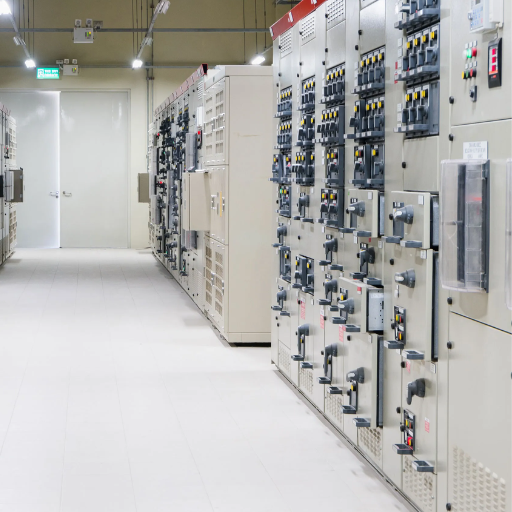
Switchgear and switchboards, while often used interchangeably, serve distinct purposes within an electrical power system. Switchgear is designed for controlling, protecting, and isolating electrical equipment, typically handling higher voltage levels and incorporating advanced protective devices like circuit breakers, relays, and fuses. It is commonly used in large-scale industrial or utility applications where system reliability and safety are paramount.
Switchboards, on the other hand, are primarily used for distributing electrical power to various circuits within a facility and typically operate at lower voltage levels. They consist of busbars, breakers, or switches for managing power flow within commercial and smaller-scale industrial applications. The key difference lies in their scope—switchgear supports high-voltage, complex power management, while switchboards focus on efficient power distribution and simplified control.
Key Differences Between Switchgear and Switchboards
Switchgear and switchboards differ primarily in terms of voltage handling, complexity of power management, protection capabilities, and application scope.
|
Key Parameter |
Switchgear |
Switchboards |
|---|---|---|
|
Voltage Range |
High |
Low |
|
Application Scope |
Complex Systems |
Building Power |
|
Protection Level |
High |
Basic |
|
Components |
Breakers, Relays |
Busbars, Switches |
|
Power Control |
Advanced |
Simplified |
|
Maintenance |
Technical |
Routine |
|
Cost |
Higher |
Lower |
|
Reliability |
Critical |
Moderate |
When to Use Switchgear Over Switchboards
Switchgear should be used over switchboards when the application involves high-voltage systems, critical infrastructure, or complex power distribution networks requiring advanced protection and control. Its higher protection level and advanced components make it suitable for industrial plants, utility systems, or facilities where system reliability and safety are paramount. Conversely, switchboards are typically more suited for low-voltage applications in commercial buildings due to their simpler design and cost-efficiency. Use switchgear when durability, scalability, and fault management are critical for operational continuity.
The Future of Intelligent Switchgear

The future of intelligent switchgear is closely tied to ongoing technological advancements in automation, data analytics, and IoT integration. Intelligent switchgear is evolving to include real-time monitoring capabilities, predictive maintenance features, and enhanced energy efficiency. These systems leverage sensors and connected devices to provide operators with actionable insights, reducing unplanned downtime and optimizing performance.
Furthermore, the integration of machine learning and AI will enable intelligent switchgear to make autonomous decisions, adapting to changing load conditions and ensuring maximum operational resilience. As renewable energy sources become more prominent, intelligent switchgear will play a critical role in managing decentralized power systems with increased efficiency and reliability. This progression highlights the shift toward smarter, more sustainable electrical solutions in both industrial and commercial applications.
What is Intelligent Switchgear?
Intelligent switchgear refers to advanced electrical switchgear systems integrated with digital technology, sensors, and communication capabilities for enhanced monitoring, control, and automation. Unlike traditional switchgear, which primarily handles the distribution and protection of electrical power, intelligent switchgear incorporates real-time data analytics, remote diagnostics, and predictive maintenance functionalities. These systems leverage components such as programmable logic controllers (PLCs), microprocessors, and IoT-enabled devices to achieve greater efficiency and reliability in power management.
By continuously analyzing operational data, intelligent switchgear can quickly detect anomalies, predict potential faults, and optimize energy usage. This makes them essential for managing the complexities of modern power systems, particularly in environments where renewable energy sources and decentralized grids are becoming more prevalent. Their ability to integrate with SCADA (Supervisory Control and Data Acquisition) systems and other smart infrastructure enhances their utility in applications ranging from industrial plants to commercial buildings, enabling increased safety, sustainability, and operational resilience.
Benefits of Using Intelligent Switchgear in Modern Electrical Systems
- Enhanced Reliability: Intelligent switchgear significantly improves system reliability by continuously monitoring performance and predicting potential equipment failures through advanced diagnostics. This minimizes unplanned downtime and ensures consistent power delivery.
- Improved Safety: These systems utilize real-time monitoring and remote operation capabilities, reducing the need for personnel to interact with high-voltage equipment directly, thereby enhancing overall workplace safety.
- Energy Efficiency: Intelligent switchgear is equipped with real-time energy analytics and adaptive control mechanisms that optimize power distribution, enabling users to reduce energy waste and cut operating costs.
- Automation and Remote Control: The integration of automation features allows for seamless remote operation, system reconfiguration, and fault isolation, which lead to faster response times and minimized operational disruptions.
- Scalability and Flexibility: Designed with modularity in mind, intelligent switchgear systems can easily adapt to evolving power demands and integrate with additional equipment, making them ideal for dynamic power networks.
- Data-Driven Insights: The ability to collect, analyze, and report critical electrical parameters enables users to gain granular insights into their energy usage patterns, aiding in strategic decision-making.
- Compatibility with Renewable Energy: Intelligent switchgear plays a critical role in managing decentralized power systems, including those with renewable energy sources such as solar and wind power, ensuring stable and reliable integration into the grid.
- Cost Savings: By preventing system failures and optimizing energy distribution, intelligent switchgear reduces both maintenance expenses and operational costs, leading to long-term financial efficiency.
- Support for Smart Grids: These systems are inherently designed to integrate with smart grid technologies, facilitating improved coordination, communication, and resilience across modern electric networks.
- Sustainability Goals: By optimizing resource usage and reducing energy losses, intelligent switchgear contributes to meeting sustainability objectives, making them an environmentally conscious choice.
Trends in the Development of Intelligent Switchgear
One of the most significant trends in the development of intelligent switchgear is the integration of advanced digital technologies, such as IoT and AI, to enhance system monitoring and predictive maintenance capabilities. These technologies enable real-time data collection and analysis, allowing for more informed decision-making and a reduction in downtime. Additionally, the shift toward modular and compact designs is being driven by the demand for space-efficient and scalable electrical solutions, particularly in urban and industrial environments. The increasing focus on cybersecurity is also evident, as manufacturers prioritize robust security measures to protect critical electrical infrastructure from potential threats in an increasingly connected world.
Reference Sources
- G&W Electric: How Switchgear Works and Types of Switchgear
- Schneider Electric Blog: All You Need to Know About Switchgear
- Eaton: Fundamentals of Medium Voltage Switchgear
- Orecco: Electrical Switchgear Basics
- Electrical Blogging: Understanding Switchgear and Its Key Components
Frequently Asked Questions (FAQs)
Q: What is electrical switchgear and how does it work?
A: Electrical switchgear is a centralized collection of circuit protection devices, which is used to protect, control, and isolate electrical equipment. Switchgear works by detecting electrical faults and disconnecting the power supply to prevent damage to the electrical systems from overloads.
Q: What are the main types of electrical switchgear?
A: The main types of electrical switchgear are low voltage switchgear, medium voltage switchgear (often referred to as MV switchgear), and high voltage switchgear. Each type is designed to handle different levels of electric power.
Q: What is low voltage switchgear?
A: Low voltage switchgear is used for systems that operate at low voltage levels, typically up to 1,000 volts. It includes components like circuit breakers and disconnect switches to protect against electrical faults.
Q: Why is understanding switchgear important in power system design basics?
A: Understanding switchgear is critical in power system design basics because it ensures the safe and efficient operation of electrical systems. It provides a way to control the distribution of electric power and protects systems from potential overloads and faults.
Q: What are the main components of switchgear?
A: The parts of switchgear are power circuit breaker switchgear, electrical isolators, current transformers, and protective relays. Together, these components control and protect the electrical power systems.
Q: What is a switchgear enclosure?
A: The case that protects the components of switchgear is called the enclosure which is the switchgear enclosure. It protects the switchgear from environmental conditions and malicious access while maintaining operational safety.
Q: Where is switchgear commonly found?
A: Switchgear is commonly found in electric utility facilities, industrial plants, commercial buildings, and anywhere there is a need for controlling and protecting electrical distribution systems.
Q: How does metal-enclosed switchgear differ from other types?
A: Metal-enclosed switchgear is a type of switchgear where all the components are contained within a metal enclosure. This provides additional protection and is often used in environments where safety and reliability are of paramount importance.
Q: What considerations must be made when upgrading certain components in existing switchgear systems?
A: When upgrading certain components in existing switchgear systems, it is important to ensure compatibility with the current setup, maintain or improve safety standards, and consider future scalability and efficiency improvements.