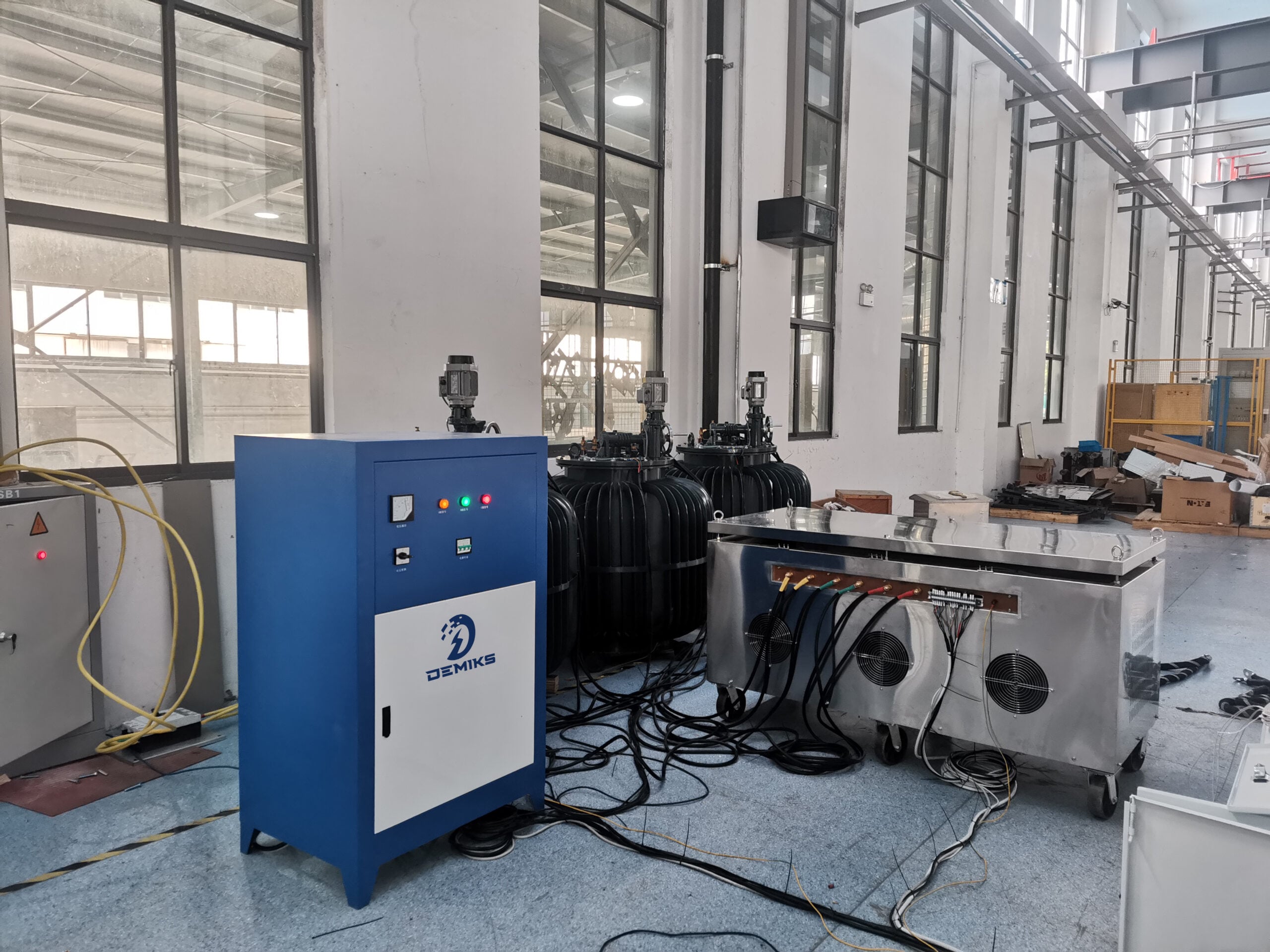
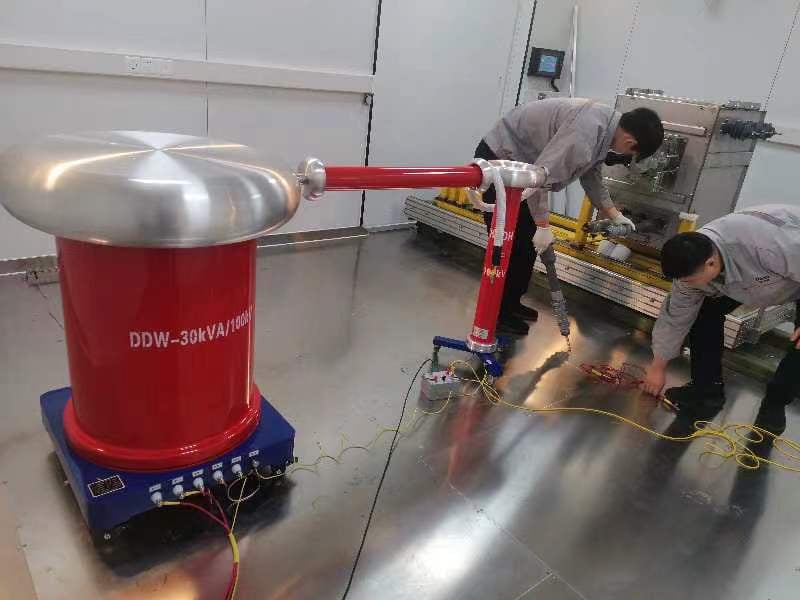
Low-voltage switchboards (LVSB) are very useful in modern electrical distribution systems as they provide control and distribution for power to be managed efficiently and safely utilized in different applications. These systems are needed in industries, shops and even houses to help guarantee the electrical networks operate continuously, and so seamless operation can occur. In this article, I will delve deeply into the characteristics that define low-voltage switchboards with an emphasis on their design, operation, and parts. Finally, I will analyze different applications of low-voltage switchboards and their importance in energy management, reliability, and safety. At the end of this article, a reader will understand why low-voltage switchboards are key for effective power distribution and performance.
What is a Low-Voltage Switchboard?

A low voltage switchboard (LVSB) is used to control and provide power all electrical devices greater than 1kV. LVSB: integrates several sources of incoming power and manages the distribution for outgoing circuits; processes all functions needed for closing and opening the circuit; and monitors and measures the use of power in the switchboard between devices connected in it. The LVSB is designed in a way to promote efficiency and safety. An LVSB is important in industrial, commercial, and residential applications for ensuring safety during power distribution, fault and overload protection devices, and equipment for circuit partitioning are also needed.
Definition and Purpose of a Low-Voltage Switchboard
Low-voltage switchboards are primarily designed to manage and distribute electrical energy at voltages typically below 1,000 volts. They serve as the central hub for electrical systems, ensuring the safe and efficient allocation of power across various circuits. Modern switchboards come with additional features like built-in control and monitoring systems which increase reliability and energy efficiency. These systems provide data on real time bases which helps in proper load allocation and anticipatory corrective tasks. In addition, low voltage switchboards are designed and manufactured with compliance to international standards such as IEC 61439 which guarantees the products safety, reliability, performance, multi-functional integration and long life ability the equipment is critical in industrial automation, military applications, data centers and infrastructure of smart buildings and other similar sensitive applications where power control and management systems are required.
Components of Low-Voltage Switchboards
As elaborate systems, low-voltage switchboards adopt several systems comprising other devices for the purpose of accurate and reliable electrical power distribution. Some key components include:
- Incoming Circuit Breakers
These devices serve as the key point for the incoming power flow. These devices protect the system from overcurrent, short circuit and all other forms of electrical faults by breaking the flow of power to these devices whenever it is required.
- Busbars
Electrical busbars are parts of the electrical equipment that form the primary conductors for distributing energy within a specified structure or compartment. Only copper and aluminum are used for making busbars due to their good electrical and thermal conductivity. The performance of a busbar depends on how well they are designed to work under different conditions.
- Distribution Circuit Breakers
These circuit breakers are used to protect the connected devices which in turn protects the equipment downstream from the connected equipment. Equipment downstream iso being supplied power through their own secondary circuit breaker and all it can do is distribute loads to varying number of connected circuit.
- Protective Relays
Administration is performed through devices that measure operational values which are the electric parameters in a certain automation control, voltage, current, devices which set limits and change its condition based on the instruction of another device when changes exceed defined values.
- Control and Monitoring Devices
Modern switchboards have digital control devices integrated into them which programmable logic controllers(PLC) and metering systems. Precision measurement and control improves the diagnostics of the system as well as efficiency during operations.
- Enclosures
The enclosure contains all parts of the device which need protection from dust, water, and mechanical impact. For such kind of devices the enclosures are offered to comply IP standards such as Ingress Protection (IP) and Impact Protection (IK) standards which means they protect against Impact.
- Connection Terminals and Wiring
Using high precision insulating materials ensures that the electrical and thermal balance are maintained whereby the labeled ports become safe and easy to operate on. These ports are secure connection to incoming and outgoing cables.
- Arc Flash Protection Systems
Top-of-the-line switchboards are equipped with arc flash protective sensors and suppression, which reduce the probability of electrical arcs occurring. This enhances the safety of both the equipment and personnel operating it.
Every part undergoes precise testing and certification to ensure adhere to industry benchmarks so that the low voltage switchboard functions without fail in harsh environments and multiple applications.
Importance in Power Distribution Systems
The importance of low-voltage switchboards stems from their ability to integrate monitoring and automation technologies, making them the epicenter of information technology. They aid the managing and allocating of electrical energy while improving the safety and operation of the equipment. By facilitating real-time diagnostics alongside automation, predictive maintenance becomes possible. Predicted repairs lead to a drastic reduction in operational costs alongside minimal downtime. Protecting the equipment from damage during low-current or short-circuits also optimize the overall function. Their inherent relationship with renewable energy sources also enables and encourages the shift towards sustainable infrastructures. With the transition to cleaner systems, low-voltage switchboards develop high reliability for the rapidly changing global demands. Their flexibility can be attributed to the advancements in the insulation, materials, fault-tolerance mechanisms, and exposure to new energy systems. Bolstering performance alongside maintaining low, and sometimes no, voltage guarantees strict adherence to safety structures pertaining ot various industries and commercial outlets.
What are the Features of Low-Voltage Switchboards?

- Modular Design
Because of the low-voltage switchboards’ specific operational requirements, their functionality is often modular, offering customization as well as scalability.
- High Safety Standards
Low-voltage switchboards have adjustable insulation levels, fault protection, and circuit breakers, adhering to safety and operational standards in real time.
- Energy Efficiency
Many modern switchboards include components that increase system performance by reducing power losses, thereby enhancing overall efficiency of the system.
- Integrated Monitoring Systems
These switchboards provide the ability to monitor in real-time power consumption, track faults, and perform other predictive maintenance tasks.
- Compatibility with Renewable Energy
Integrating these technologies allows for streamlined interfaces with solar panels, wind turbines, and battery storage, thus supporting greater sustainability efforts.
Due to their flexible design topology and high thermal resistive performance, low-voltage switchboards mitigate risks and ensure safety and efficiency.
Key Specifications and Ratings
As an example, low-voltage switchboards are built with precision to fulfill the demanding needs of the market. Such performance reliability comes with strict compliance to guidelines and threshold KPIs. Some are listed below:
1. Rated Voltage: Commonly at 1000V AC, these can serve industrial and commercial needs.
2. Short-Circuit Withstand Capacity: Robust protection against electrical faults, with a rating of up to 100 kA for 1 second.
3. Ingress Protection (IP) Rating: Covers protective markings dust and moisture IP31 to IP54 gives coverage in a range of environments.
4. Current Ratings: span from 400A to 6,300A serving operations of all sizes from small to mid and large plants.
5. Temperature Rise Limits: within IEC 61439-1 thermal ceiling thresholds. Operates reliably without overheating.
6. Form of Internal Separation: Design flexibility from operational and maintenance needs is offered in Form 1 to Form 4 configurations.
Switchboards serve great relevance in current dynamic and ever-evolving scopes of work alongside aiding smooth and reliable cross-boundary workflows. This upholds rigorously tested frameworks for industrial-grade compliance with quality and safety intended for low-voltage switchboard designs.
Custom Solutions for Specific Applications
Like other electrical equipment, low-voltage switchboards can be customized to meet the requirements of different types of industries, such as commercial buildings and heavy industrial facilities. For instance, data centers require custom switchboards that enable redundant power distribution systems for full operational capability and peak efficiency. Additionally, manufacturing plants routinely operate with heavy machinery loads and have rigorous dynamic operation cycles, which require robust configurations with high fault tolerance.
The latest developments in automation and monitoring systems made it possible to implement smart functionalities like remote control, energy consumption tracking in real-time, and predictive maintenance alerts on switchboards. These technologies lower operational costs and improve efficiency by minimizing idle times. Also, some other applications related to the renewable energy sector, like solar power plants, take advantage from switchboards specially designed for variable energy inputs which guarantee uninterrupted connection with the electricity grid. Solution customization provides compliance with stringent performance and safety requirements through the use of advanced materials and modular designs that are flexible to the specific needs of every application.
How do Low-Voltage Switchboards Work?

Low-voltage switchboards serve as the hub of an electrical distribution network and are responsible for receiving, controlling, and distributing electrical energy across various circuits. They function by directing electricity from an incoming transformer or generator to a set of circuit breaker-grade fuses, break protection devices, busbars, and substations. These segments assist in averting loss of equipment due to powered overload and short-circuits. The monitor and control functions of the switchboards increase the reliability and safety of the system, thus making it possible to provide crucial support in case of a failure.
Basic Operating Principles
Today’s electrical switchboards enhance effectiveness and control usage with new automation devices, and monitoring system integration. These devices commonly have programmable logic controllers (PLCs) and real-time data collecting systems such as supervisory control and data acquisition (SCADA) systems, making it possible to perform remote data analysis and collection. These technologies allows balancing of voltage, current, and frequency parameters, monitoring, correcting, and even mitigating problems before they arise. Furthermore, power switchboards are equipped with safety locks and other fail-safe systems designed to avert electrical accidents. Such measures not only add to overall effectiveness but also and more importantly boost accuracy in complicated electrical networks.
Protection Mechanisms in Low-Voltage Switchgear
Low-voltage switchgear has advanced protection systems that help prevent damage to electrical systems. One key protection feature is overcurrent protection. This is used in case of short circuits or overloads and ensures that excessive current is detected and removed. This is done through the use of fuses and circuit breakers, which are set to open an affected circuit once predetermined limits are hit.
Another protection mechanism is ground fault protection which measures impossible currents flowing to ground and opens the circuit. This prevents dangers such as electrical shocks or damage to equipment. In addition, over temperature or thermal protection systems help to monitor temperature levels, and when the set thresholds of safe temperature limits are exceeded, they invoke cool down procedures or shut down some functions, thereby preventing overheating.
Modern switchgear has arc-flash protection which incorporates light and pressure sensors. When they detect changes, the system trips breakers to rapidly extinguish the arc. System reliability is improved with digital relays and intelligent monitoring systems which provide accurate fault identification, condition and health monitoring, as well as real-time diagnostics reducing downtimes. All of these functionalities enable the protection of equipment, personnel, and ensure operation continuity in power distribution systems.
Monitoring and Control Capabilities
The current distributed power systems have automated control and monitoring features aimed at improving operational efficiency, reliability, and safety within preset standards. Such systems make use of smart sensors as well as Industrial Internet of Things (IIoT) devices to collect data critical to current operations such as currents, voltage levels, power quality, and temperature fluctuations 24/7. Real-time data acquisition enables early detection of anomalies and system-wide predictive maintenance, reducing downtimes. Furthermore, advanced algorithms for machine learning integrated on intelligent control units enable autonomous energy management and load balancing, helping to achieve set efficiency targets. With these systems, uninterrupted remote access is granted through cloud interfaces enabling centralized monitoring and control where real-time performance data and actionable analytics are used to optimally manage energy resources.
What are the Different Applications of LV Switchboards?

The LV (low-voltage) switchboards are prominently used in electric equipment workshops for the basic distribution of electricity. The LV switchboard in the workshop is used for distributing electricity to equipment and machines. They support the proper functioning of the machines and help control their operation along with providing protection against electric faults. Apart from these, they can also be found in commercial offices, retail businesses, and even in solar panels and wind turbines for efficient electricity distribution. They support renewable energy systems in managing energy from various sources, driving their importance in multiple sectors while ensuring effective operation and safety.
Industrial Applications of Low-Voltage Switchboards
Low-voltage (LV) switchboards are indispensable in many industries due to their centralized functions in distributing electric power throughout the entire facility and division of electric power while ensuring safety and compliance with legislation. Below is a detailed list of industrial applications where LV switchboards are utilized.
- Manufacturing Plants
LV switchboards are vital in the manufacturing sector as they control electrical power supplied to production machines, conveyors, and automated systems. As an example, they service high-load CNC machines by guaranteeing steady and controlled power supply along with the corresponding circuit protection devices. Research indicates that almost 60% of electrical energy consumed in manufacturing facilities is regulated and efficiently used through LV switchboards.
- Data Centers
Today’s data centers operate 24/7, which requires precision power management. LV switchboards are indispensable in providing power to the servers, their cooling systems, and even back up energy sources. Reports also suggest that scalable LV switchboards lower downtime by integrating with Uninterrupted power supplies (UPS) and generators effortlessly.
- Oil and Gas Industry
In the oil and gas industry, facilities rely on LV switchboards to control power for pumps, compressors, and drilling machinery. These environments usually require explosion-proof and corrosion resistant switchboards cover safe operation in dangerous environments. Data indicates that LV switchboards provide a 25% operational efficiency gain in midstream and downstream oil and gas operations.
- Mining Operations
Mining facilities also need durable LV switchboards that can supply power to motors and lights as well as to ventilation units while enduring extreme dust, moisture and temperature conditions. More advanced LV switchboards also reduce mining operations maintenance costs, with some studies finding as much as 15% reduction in expenses.
- Transportation and Railways
LV switchboards support the telecommunications systems of electric trains and stations in addition to sustaining an uninterrupted flow of power to the signaling systems which control train movements. This underlines their importance for the maintenance of the transportation infrastructure, including railways. Modern railway applications report a 30% reduction in power failures attributed to upgraded LV switchboard installations, showcasing the benefits of newer technology.
Due to the differing operational requirements LV switchboards cater to, they remain a crucial part of industrial infrastructure across multiple sectors to provide flexibility, efficiency, and reliable power within industrial power systems.
Applications in Power Plants and Utilities
In the power generation and utility industries, LV switchboards are critical for maintaining operational accuracy and increasing safety as well as the efficiency of energy management. Power plants operate continuously, and to do so requires a reliable LV switchboard for effective power management and distribution within the electrical systems. Below are the detailed applications of LV switchboards in power plants and utilities:
- Power Distribution Management
With regard to operation, LV switchboards are important in managing power as well as distributing it due to their ability to ensure proper control of the voltage and current levels. In addition, transfer of electricity from generators or transformers to different operation units is streamlined by LV switchboards.
- Protection Against Electrical Faults
LV switchboards also enhance overall automation reception since they come equipped with hole monitoring features like circuit breakers, relays, and other system checking gadgets which serves to protect the devices LV power boards against electrical overload cases. In short circuit conditions and under various other fault situations, the equipment damage is avoided and downtime is minimized.
- Load Balancing and Monitoring
By utilizing sophisticated LV switchboards with advanced control systems, the electrical load can be monitored and controlled at any given time. This enhances performance in the utility sectors where demand varies greatly and improves load management by more than 15%, enhancing energy efficiency by more than 20% according to recent modern utility grid case studies.
- Integration with Renewable Energy Systems
Power and solar plants, as well as wind farms, have fully embraced modern technologies. LV switchboards effectively manage the incorporation of these sources into existing power systems, ensuring proper functioning under fluctuating energy input conditions.
- Emergency Power Supply Integration
LV switchboards also cater for the integration of backup generators and uninterruptible power supplies (UPS) to ensure key functions are performed even during outages. A good example is the high-capacity switchboards in critical power plants that can support seamless transitions within 20 milliseconds.
These modern industrial systems have proved that LV switchboards fully transform power plants and utility operations making them unreplaceable parts of modern electric infrastructure.
How to Choose the Right Low-Voltage Switchboard?

- Application Requirements – Specify system requirements like load size, equipment classification, and power distribution expectations to make certain the switchboard will fulfill current and future operational objectives.
- Compliance with Standards – Check whether the switchboard is built according to relevant safety and performance standards like IEC 61439, or the NEMA standards for reliability and compliance.
- Customization Options – Verify that the configuration requirements, including modular designs for scalability or specific protection devices, are adjustable for the switchboard.
- Environment and Durability – Evaluate the temperature, humidity, dust, and moisture exposure as environmental factors. Select a switchboard with appropriate ingress protection (IP) ratings to endure these conditions.
- Ease of Maintenance – Select switchboard designs that will enable easy maintenance with features like labeled components and minimal downtime.
With these considerations in place, you can effectively choose a low voltage switchboard that match your operation requirements and infrastructure.
Assessing Your Electrical System Requirements
Upon planning for the electrical system, clear communication of the infrastructure’s power load requirements is critical. This includes estimating the energy consumption of all devices, machines, and equipment connected, under normal and peak working conditions. Ensure that the switchboard can manage these demanding periods safely and reliably without compromising performance or safety standards.
Apart from basic factors, future scalability and growth should also be considered while evaluating the facility’s electrical infrastructure. Predicting the upgradation of existing equipment, or additional installations, process changes, or other planned enhancements that could increase energy demand help in planning buildouts. In large scale operations, a diverse flexible system architecture ensures seamless adaptability within varying loads while optimally functioning. This helps minimize the need for expensive upgrades, retrofits, or replacements.
Compliance with local and global electrical regulations will provide the necessary safety, dependability, and efficiency for your system. Assess gap analysis concerning your system requirements, examining the given thresholds dealing with protective components like circuits, grounding, and overall electivity efficiency. This guarantees not just compliance but decreases the risks of poor system design and improper electrical distribution systems.
Considering all these factors enables you to gain comprehensive insight into your electrical systems, which helps you determine the right low-voltage switchboard solutions to use.
Factors to Consider in Low-Voltage Switchboard Selection
- Load Requirements
To properly configure a low-voltage switchboard, accurate load requirements must be defined. Ensure that the peak and average loads are considered along with the prospective capacity requirements. Proper load measurement guarantees safety and efficiency in overall power distribution and zonal overload mitigation, resulting in an extended life cycle of the equipment.
- Standards and Compliance
Meeting international and local regulations, such as IEC 61439 or UL 891, ensures the safety and reliability of low-voltage switchboards while safeguarding interconnectivity with other electrical components. Compliance fosters the avoidance of cascading regulatory headaches while assuring the switchboard can withstand operational stress and endure unexpected loads.
- Protection and Safety Features
Safety is integrated within the switchboard through mechanisms which include circuit protection, earth fault, and other cross-cutting arc flash suppression technologies. Protection features should be focused on the specific application and risks in the operating environment.
- Material and Build Quality
The use of corrosion-resistant alloy metals and tough insulation materials have an effect on the switchboard’s performance, features, and overall durability. Its construction directly influences the maintenance expenses and allows the switchboard to function in extreme environmental conditions.
- Scalability and Modular Design
Modular designs offer simple upgrade options which facilitates expansion for new systems. This is critical in rapidly changing demanding industries, because modular designs lower alterations that would cause downtime.
Addressing these considerations enables prioritization of safety without sacrificing reliability and operational efficiency, making it possible to select solutions that fulfill both immediate and latent needs for a growing business.
Custom vs. Standard Solutions
|
Key Point |
Custom Solutions |
Standard Solutions |
|---|---|---|
|
Definition |
Tailored to specific requirements |
Pre-designed, off-the-shelf systems |
|
Flexibility |
Highly adaptable to unique needs |
Limited to predefined configurations |
|
Design Time |
Longer due to personalized development |
Shorter as designs are pre-existing |
|
Cost |
Higher, depends on complexity |
Lower, economies of scale |
|
Scalability |
Easily scalable with future updates |
Limited scalability without workarounds |
|
Integration |
Seamless integration with existing systems |
May require adjustments for compatibility |
|
Maintenance Support |
Requires specialized maintenance expertise |
Standardized support readily available |
|
Delivery Time |
Longer due to custom engineering |
Quick deployment based on stock availability |
|
Regulatory Compliance |
Tailor-made to meet specific standards |
Typically conforms to general standards |
|
Ideal For |
Complex, unique, or evolving operations |
Simple, consistent, or fixed use cases |
|
Risk of Overengineering |
Higher due to unlimited customization |
Minimal as designs are validated |
|
Application Examples |
Data centers, unique industrial setups |
Residential buildings, standard offices |
What are the Installation Requirements for LV Switchboards?

1. Site Preparation: Make certain that the installation location is dry and clean while also free from dust and debris. The ventilation and lighting present should support effective and safe installation practices.
2. Mounting and Positioning: LV switchboards could be mounted securely only on level surfaces that will be able to support the weight of the switchboard. Observe the distance/clearance specified in the IEC or local regulations for servicing and maintenance.
3. Cable Connections: Follow the documentation provided by the switchboard manufacturers and use the specified types and sizes of cables. Ensure that all connections are tightened properly to prevent loosening or overheating during operation.
4. Earthing and Bonding: Establish adequate earthing to safeguard the system from electrical faults while increasing the safety of the system as a whole. Protective earthing is to be verified for integrity with the safety standards governing the system.
5. Compliance with Safety Standards: Other components and practices must equally be compliant with the electrical installation regulatory framework. Adhere to relevant standards such as IEC 61439 or other applicable country specific codes.
6. Inspection and Testing: Create thorough checklists and carry them out after install it before install, make sure they have passed the insulation test, voltage check and the protective devices functional tests to check that systems are operational. Save and document all testing information in a logbook.
7. Labeling and Documentation: Maintain the manuals and diagrams updated and instruct to clearly indicate each part. This will make troubleshooting and maintenance easier.
Installation Process Overview
The procedure starts with the criterion evaluation which focuses on site conditions such as the environment, maintenance, pertinent electrical codes, and industry standards. The evaluation process determines if goals and objectives can be met safely with respect to design flow and optimum efficiency. Upon completion of the criteria evaluation, proper wire diagram construction, material selection, and routing is done with respect to the insulation and durability standards of the industry.
The servicing to be done in the next stage includes installation of conduits, terminals, circuit breakers, and other components as mentioned. The mounting of the components needs to follow the specified instructions given to avoid lose systems and aid in heat dissipation. The grounding and bonding connections should allow for a fault current to flow through the internal circuit easily in order to protect the system from high transient voltage stresses.
In system calibration, operational parameters are set to the desired benchmark values and aligned with the intended design and calibrations are fine tuned. Controls are calibrated, devices are set to prescribed thresholds, and interlocks are checked for proper synchronization. Each process is cross-validated and redundant processes are performed voluntarily to strengthen assurance of reliability that form a single consolidated evidence pertaining to future evaluation and maintenance.
Safety Standards and Regulations
Following safety standards and regulations is very crucial for the functionality and reliability of modern systems. Frameworks like ISO 45001 and OSHA guidelines offer manageable strategies that address workplace safety through monitoring, hazard controls, risk assessments, and continuous improvement. While compliance refers to predetermined comprehensive processes tailored to specific industries, safeguarding electrical circuits with insulation and grounding, or implementing cybersecurity frameworks to protect digital networks, falls under compliance.
Shifts in technology, accompanied by new challenges, are cited as the primary reason for the changes in safety regulations. It is increasingly easier than ever to overlook safety considerations without the appropriate tools set in place. Assets such as real time monitoring and predictive analytics significantly reduce the chances of failure by identifying potential problems beforehand. There are also increasing concerns for the environment which are dealt with by standards such as ISO 14001 which embraces sustainability and ecological responsibility of industrial activities.
Maintaining safety standards is crucial for those organizations and institutes who are subject to measurements taken by government or international organizations, harboring a desire to create an environment wh.iholesom. Documented best practices along tangible evidence facts further aid in surpassing the minimum requirements set by the governing agencies.
Reference Sources
-
Low Voltage Distribution Switchboard Market Size
This report provides insights into the market trends and changes in the low-voltage distribution switchboard industry through 2025.
Read more -
Global Low Voltage Switchboards Market Report 2025
This report discusses the market size and growth rate of the low voltage switchboards industry, including projections for 2025.
Read more -
Top 5 Companies in the Low Voltage Switchgear Industry
Highlights the top companies in the industry and their innovations, including ABB’s R&D investments in low-voltage switchgear.
Read more -
Low Voltage Drives Market Growing Trends and Demands
Discusses the growth trends and demands in the low-voltage drives market, which is closely related to switchboards.
Read more -
Low Voltage Switchboards: Pillar of Electrical Distribution
Explains the components and importance of low-voltage switchboards in electrical distribution systems.
Read more
Frequently Asked Questions (FAQs)
Q: What is a low-voltage switchboard?
A: A low-voltage switchboard is an electrical assembly designed to distribute electrical power at low voltage levels, typically below 1,000 volts. It includes various components such as switches, buses, and protective devices to manage electrical loads effectively.
Q: How do meter and panelboards relate to low-voltage switchboards?
A: Meters measure electrical parameters such as voltage and current in low-voltage switchboards, while panelboards are a component of switchboards that house circuit breakers or fuses to protect various electrical circuits.
Q: What are the key features of low-voltage switchboards and switchgear?
A: Key features include modular assembly, flexibility in configuration, comprehensive protection systems, custom options for specific applications, and the ability to handle multiple inputs and outputs for different loads.
Q: Can low-voltage switchboards be used in outdoor applications?
A: Yes, low-voltage switchboards can be constructed for outdoor use. They are typically housed in NEMA 3R-rated enclosures to protect against environmental conditions such as moisture and dust.
Q: What is the difference between low-voltage and medium-voltage switchboards?
A: Low-voltage switchboards operate at voltage levels below 1,000 volts, while medium-voltage switchboards operate between 1,000 and 35,000 volts. Due to these voltage ranges, the design, components, and applications differ significantly.
Q: What types of applications benefit from using low-voltage distribution switchboards?
A: Low-voltage distribution switchboards are commonly used in commercial buildings, large industrial facilities, and control rooms where reliable power distribution is critical for various electrical loads, including lighting, HVAC systems, and motor control centers (MCC).
Q: Are there custom options available for low-voltage switchboards?
A: Yes, manufacturers offer a wide range of custom options for low-voltage switchboards, allowing for specific configurations, sizes, and components to meet the unique demands of different installations.
Q: What is the typical assembly process for low-voltage switchboards?
A: The assembly process involves constructing the structural framework, installing the bus bars, switches, and panelboards, and integrating control panels and protection devices to ensure safe and efficient operation.
Q: Why are control panels important in low-voltage switchboards?
A: Control panels are essential for monitoring and controlling the operation of electrical systems within low-voltage switchboards. They provide operators with the necessary tools to manage loads, troubleshoot issues, and ensure system reliability.