One of the essential safety measures in high-voltage areas is a high-voltage tester. Therefore, depending on the particular field of industrial work, such as electrical maintenance or utility work, these need to be checked for accuracy and dependability to ensure that the equipment and human lives are safeguarded. In this write-up, we will discuss those points and some good practices to be observed for the effective use of high voltage detector tester; from common `don’t’ scenarios that users are exposed to, all through to ways on how to operate the detectors for best use, you are going to get the whole package to take your approach to the next level, thus ensuring that you get correct results. Find out how to bring the utmost amount of safety and efficiency to high-voltage systems.
Understanding High Voltage Detectors
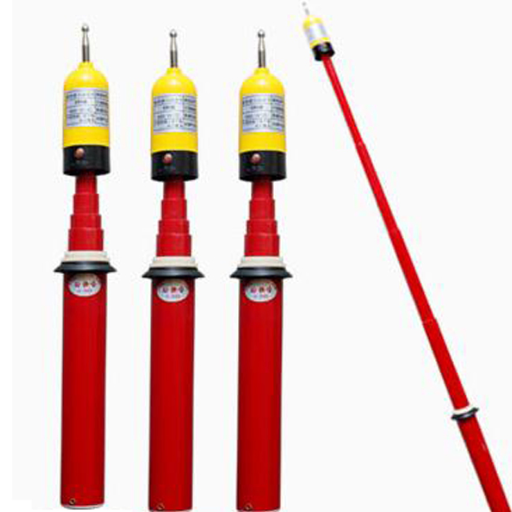
What is a High Voltage Detector?
High-voltage detectors are specialized instruments designed to detect the presence of voltage within a system or environment. The safety guarantee must be ensured during the inspection, repairs, and installations of any electrical system by electricians, engineers, and maintenance personnel. These detectors come in various types, including contact and non-contact voltage detectors, designed for specific applications and voltage ranges.
Modern high-voltage detectors are typically equipped with features such as alarms, both audible and visible, for detecting voltage; an enhanced range for sensing voltage; and portability for ease of use. They are used in the induction for generation plants, manufacturing establishments, and utilities to ensure either the presence or absence of voltage before working on electrically energized equipment. Proper use and calibration of the high-voltage detector are key ingredients for accurate readings and the subsequent elimination of hazards associated with electrical risks.
How High Voltage Detectors Work
High-voltage detectors utilize advanced sensing technology to detect the presence of voltage on equipment or circuits. They primarily operate on a capacitive or inductive coupling principle, where the voltage detector senses the electric fields or electromagnetic signals generated by an energized component. Once voltage is detected, the voltage detector immediately alerts the user with an audible beep, flashing lights, or both.
Modern detectors feature enhancements such as variable sensitivity settings, enabling the detection of voltages ranging from low to ultra-high. These devices often allow non-contact sensing, so they may be used safely without making physical contact with the voltage source; such applications are of paramount importance where direct contact may not be safe. Furthermore, more advanced voltage detectors are equipped with self-testing features that ensure the device’s operability before use, thereby minimizing false negatives and maximizing reliability when it matters most.
Importance of Accurate Voltage Measurement
Accurate voltage measurement is of utmost importance for the safety, efficiency, and functionality of electrical systems in various industries. Imprecise voltage detection may cause equipment failure, reduce efficient working hours, and jeopardize strict safety standards. For instance, massive machinery and electrical systems in industrial environments must accurately measure the voltage to detect any abnormalities that could cause operational dysfunction or become physically disastrous. Hence, it further optimizes energy by enabling systems to operate within prescribed parameters, thereby minimizing energy waste and reducing costs.
With technological advances, modern high-voltage detectors have been enhanced for greater accuracy and reliability. With these improvements, users can monitor high-voltage readings in real-time or log the data with the aid of digital displays and sensitivity adjustment levels, enabling a thorough analysis of historical data and making preemptive maintenance decisions. These measurements are equally important in renewable energy applications, such as solar panels or wind turbine systems, where voltage stability is necessary for steady power generation and transmission. The implementation of these accurate measurement tools into their infrastructure paves the way for improving productivity, safeguarding electrical infrastructure, and helping with the long-term sustainability of the system.
Types of High-Voltage Testers

Non-Contact High Voltage Detectors
As non-contact high voltage detectors ensure that all electrical environments are safe and efficient for their use, they identify the presence of high voltage in any kind of installation without requiring physical contact. Using modern sensor technology, these kinds of detectors sense electromagnetic fields emitted by active electrical equipment and lines. Their non-contact nature finds applications in various fields, including building and commercial maintenance, as well as industrial power systems.
Modern high-voltage detectors can be set to user-preferred sensitivity levels, allowing detection within particular voltage ranges, typically from a few hundred volts to a few kilovolts. The presence of the voltage is then signaled to the technician by the detector through its visual light signal and audible sound, such as beeping, even in a loud or visually impaired area. Technology has also enhanced the lightweight nature and portability of these devices, adding value for professionals who traditionally work on elevated infrastructure or poles and substations.
Properly tracking the use of these tools in maintenance will further promote worker safety and reduce downtime, ultimately saving companies in the long run while ensuring compliance with electrical standards. Newer versions, equipped with weatherproofing for outdoor use and a longer battery life, have become essential in electrical test and maintenance workflows.
AC Voltage Detector Models
Numerous models of AC voltage detectors cater to professional requirements across a broader spectrum, providing accurate and efficient results in electrical maintenance and testing tasks. Some broadly recognizable types are:
Non-Contact Voltage Detectors (NCVDs): These are the most preferred types of voltage detectors in terms of safety and efficiency. Voltage is detected without contact with live wires in this type of device, making it beneficial for quick checks in homes, commercial applications, or industries. They usually come with variable levels of sensitivity, as well as indications for LEDs and warning sounds that provide feedback.
Pen-style voltage detectors are so compact and lightweight that they are the most excellent option for electricians and maintenance professionals. They have the ergonomic advantage that allows users to keep them in a belt if desired. Extremely helpful when working in tight or hard-to-reach areas, they often feature light integration for dark environments.
Multi-function voltage detectors with enhanced AC voltage measurement capabilities, continuity detection, and polarity verification are essential for those who need to perform multiple operations during projects, installations, repairs, or troubleshooting. Many models currently feature bright digital display capabilities for fast and precise voltage readings.
High-voltage detectors: Used in special situations, high-voltage detectors are designed to test voltages specific to service utilities and industrial substations. These detectors often have extension features, allowing for higher precision under more challenging conditions and in various environments, thereby providing a layer of safety for the user in high-stakes situations.
Smart voltage detectors: Integrated with innovative technology, smart voltage detectors go beyond meters by communicating with mobile applications to track readings and trends over time. They have become highly appreciated because they offer real-time data logging, analytics, and robust connectivity, assisting working agencies in streamlining workflows and thereby increasing productivity.
Users should consider the voltage range when selecting an AC voltage detector; other factors to consider include sensitivity settings, safety standards, and additional feature sets that provide tailored responses to their specific work processes.
Wireless Versus Analog Voltage Detectors
Wireless voltage detectors and analog detectors serve distinct purposes and offer different advantages, depending on the application, environment, and user requirements. An understanding of their essential differences becomes necessary for making an informed choice.
Connectivity and Data Transmission: Wireless voltage detectors are equipped with state-of-the-art connectivity features, such as Bluetooth or Wi-Fi, which enable advanced usage and facilitate the real-time transmission of data to cell phones, tablets, or cloud-based databases. This feature renders such units very conducive to remote monitoring activities and collaborative settings. On the other hand, analog-based voltage detectors operate on fundamental principles and provide data practically in real-time through mechanical gauges or light indicators, which, of course, eliminates the need for transmission capability. Although this limits the occurrence of technical glitches, it disallows vertical development for a modern workflow.
Portability and Ease of Use: Wireless voltage detectors are compact and designed for seamless interaction through smartphone applications and digital displays that facilitate advanced usage. These detectors are highly portable, allowing technicians to move freely and conduct remote monitoring of equipment from various locations. Analog detectors, although very reliable, sometimes lack ergonomic features and advanced facilities, requiring the user to maintain a close distance to achieve accurate readings. This is occasionally disadvantageous, especially when the working space is vast and complex.
Accuracy and Sensitivity: Equipped with adequate sensors and software, wireless detectors are highly accurate and allow for the adjustment of sensitivity parameters. This ensures that the detectors are compatible with a wide voltage range and very specific safety conditions. Analog voltage detectors were once primarily known for their directness and dependability, but they could not be as accurate in detecting low-voltage signals or rapid fluctuations. Therefore, wireless detectors could be better suited in cases where an advanced diagnostic is required.
Maintenance and Longevity: Wireless detectors utilize rechargeable batteries and regularly update their firmware, thereby enhancing the device’s functionality. Meanwhile, they require constant maintenance and technological support to prevent compatibility issues. In contrast, analog detectors are simpler in construction and more robust, making them easier to maintain in adverse conditions. This feature makes them preferable in heavy industrial applications.
Cost and Accessibility: Due to their advanced features and technology integration, wireless voltage detectors generally have high initial costs. Analog detectors are cost-friendly and accessible, with numerous brands and models saturating the market. This makes analog a good choice for those with relatively simple operational demands and limited resources.
While in different operational conditions, professionals should consider factors such as the complexity of the operation, necessary accuracy, and the cost of alternatives when deciding between wireless and analog voltage detectors. Those who want cutting-edge operation and connectivity over a modern workflow would not forfeit the flexibility of wireless detectors at all. Analog detectors remain a preferred alternative for scenarios that demand simplicity, reliability, and cost-effectiveness.
Key Features of Voltage Detector Kits

Tools in an Electricity Detector Kit
Essentially, an electrical detector kit comprises a few key electrical test tools used in electrical measurement and safety applications. At the core of the kit is a high-quality voltage detector meant to detect live wires, short circuits, and residual currents. Non-contact voltage testers, which enable the detection of electrical current without touching the cables, provide an additional layer of protection and convenience.
Additionally, a multimeter, which can measure various electrical parameters such as voltage, current, and resistance, is also worthy of mention for detailed diagnosis and troubleshooting. Wire strippers and cutters are uniformly offered to handle wires while performing repairs or installations. Test leads and probes constitute a key component of a kit for ensuring the accuracy of output in select testing situations.
Modern kits often come with a set of insulated gloves and other protective materials to ensure all-around safety for the user against hazards. Additionally, advanced kits feature an integrated wireless connection function that transmits diagnostic data in real-time to mobile devices or computers, enabling professionals to monitor data and streamline workflows effectively. A reliable carry case should be considered a valuable addition to the kit, providing convenience for carrying and organizing the tools. All of these provide both electricians and DIY enthusiasts with a complete and dependable solution that fits their varying testing needs.
Understanding the 275HVD Device
The 275HVD model is the latest generation of high-voltage diagnostic equipment, manufactured with an emphasis on accuracy, safety, and efficiency in both professional and DIY electrical work. Designed for high-voltage environments, this model measures voltages up to 275 kV, making it pertinent to industrial systems, power grids, and electrical installations that require the highest levels of advanced diagnostic capabilities. Ergonomically designed to be rugged for user comfort, even under the most demanding working conditions.
In essence, advanced digital interfaces and bright LCDs give direct reading of measurements with great accuracy even in low-light situations. Its highly sensitive probes can detect the faintest voltage fluctuations, making for a trustworthy diagnosis. Safety features are also thoroughly incorporated into the design, ensuring the user’s safety through overload protection applications, insulated grips, and other key details.
Memory features present in the Model 275HVD enable professionals to gain insight from data by allowing the recording and analysis of data trends over time, making this an essential function for maintenance activities and long-term monitoring of electrical systems. Portability, facilitated by a compact design and a rugged carrying case, ensures that this tool is always within reach. The 275HVD is a state-of-the-art innovation that enables precision diagnostics for high-stakes electrical environments.
About the Manufacturer
The AEMC Voltage Tester offers design qualities and capacities that make it a must-have tool for electrical professionals. These key features include:
Wide Voltage Range: The tester accurately measures voltage over a wide range, catering to both low-voltage and high-voltage needs. Consequently, it can be adapted to various electrical systems.
Clear Visual Indicators: Bright LED lights provide the voltage tester with immediate visual feedback, allowing the user to detect the presence of voltage and avoid any hazards instantly.
Durable Construction: Built to withstand harsh working conditions, the AEMC Voltage Tester features a rugged and ergonomic design, ensuring durability and ease of use in demanding environments.
Integrated Safety Features: The tester complies with industry safety standards, including overload protection and insulated contact points, to safeguard users during diagnostics.
Compact and Lightweight: Its portable design allows easy transport and operation in tight spaces, making it a convenient choice for on-the-go testing.
Automatic Detection: The voltage tester includes automatic AC/DC voltage detection, eliminating the need for manual mode selection and enhancing operational efficiency.
Battery Status Monitoring: Featuring a built-in battery status indicator, the device ensures uninterrupted functionality by notifying users when recharging or replacement is necessary.
Temperature Tolerance: Designed to operate reliably in diverse environmental conditions, the tester maintains consistent performance even in extreme temperatures.
All these features make the AEMC Voltage Tester one of the most reliable, accurate, and user-friendly tools for electrical testing and diagnostics.
Usage Tips for High Voltage Detectors

Safety Precautions When Using a Voltage Detector
Using a voltage detector requires strict adherence to safety protocols to ensure personal safety and ensure the accuracy of readings. The primary safety requirements include:
Check the Equipment Before Use: Always inspect the equipment with a voltage detector for any visible damage. Should the casing be cracked or the wiring frayed, control measures should be exercised against such compromised equipment, as it can lead to faulty detection and potentially endanger the user.
Verify the Detector’s Functionality: Always test the voltage detector before and after use to ensure it works properly on a live circuit. This guarantees that it will indeed detect the presence of voltage.
Use Personal Protective Equipment (PPE): Wear insulated gloves, safety glasses, and any relevant personal protection when approaching electrical equipment. Such equipment may protect you against arcs or flashes of electrical power.
Avoid Direct Contact with Live Circuits: Keep your hands and commonly used tools away from live parts whenever possible. This also includes the application of a voltage detector; maintain this safe distance to prevent electric shock from accidental circumstances.
Maintain a Stable Environment: Dry and uncluttered working areas are essential. Inappropriate and inadequate conditions that promote moisture, thereby creating a chance of electrical hazard occurrence.
Observe the Voltage Level Supported by the Detector: Always respect the detector’s maximum operating voltage. Using the detector beyond its rated voltage may cause it to fail or present false readings.
Maintain Concentration and Awareness: Be aware of your surroundings and identify potential risks. Any distraction can lead to fatal mistakes when working near live electrical systems.
Store Properly After Use: Always clean the voltage detector before storing it. It should be kept in a dry and safe place.
Adhering to these precautions will maximize the success rate of voltage detection processes while protecting the user from potential electrical hazards. Regular maintenance and proper handling methods must therefore ensure the performance and safety of the equipment.
Testing AC Voltage Correctly
Testing voltages of AC constitutes an essential process for ensuring the security and functionality of electrical systems and must always be done precisely and carefully. Select a suitable voltage testing tool, ranging from a multimeter to a non-contact voltage tester. Ensure that the device is functional, correctly calibrated, and capable of testing the voltage range you are about to test. For the multimeter, it is typical to select the AC voltage measuring mode, indicated by a “V” symbol with a wavy line, which prevents inaccurate readings or damage.
Stand on a dry surface and wear insulated gloves for your safety. Identify the points of AC voltage to be tested, including an outlet, a junction box, or wiring terminals. Insert the probes of the meter very close to or into the corresponding circuit or connection points, either using a non-contact tester or a meter. For a multimeter, plug the black probe with the neutral or ground contact, and the red probe with the live contact of the outlet or circuit. The discovered voltage will then be displayed on the meter’s screen. Compare this value with the one you expect to be within range. For instance, residential AC systems in the U.S. usually operate at 110 to 120 volts, while industrial applications may vary.
Additionally, always confirm that the circuits are considered safe and de-energized before performing any maintenance on them, using lockout/tagout procedures to protect against accidental energization when working on electrical panels. Consistent testing and adherence to modern safety standards remain an absolute priority. By carefully following through with the steps as mentioned above through prudent tools use, one can test AC voltage effectively, guaranteeing the safety of the user and proper working of electrical systems. Adequate documentation of the test results is also recommended for future reference and to comply with safety regulations.
Maintenance Tips for Reliable Performance
Regular upkeep and attention to detail are essential for the theft of voltage samplers. One should schedule periodic inspections regularly to determine if wear and tear or impending faults are apparent before they escalate into critical issues. To minimize the risk of failure, damaged wires, connectors, and components should be replaced whenever necessary. Keep electrical panels free from dust, moisture, and loose debris, as fine particles can interfere with the system’s proper functioning and cause malfunctions.
Another issue to watch for, in terms of maintenance, is load capacity; under-loaded over circuits generate increased temperatures, thereby causing system shut-downs or fire hazards. A surge protector and voltage stabilizer should be used to protect a circuit from sudden power fluctuations, thus allowing the circuit to operate in a stable mode. Dielectric grease would be better applied on connections to prevent corrosion and simultaneously promote good conductivity in the long run.
Ensure that whoever is working on or repairing a system is sufficiently updated with all codes and standards in effect at the time. Upgrading old systems to modern specifications will ensure that they operate more safely and conserve energy. Thus, with a good combination of prevention and periodical upkeep, your systems will be durable, efficient, and safe to use.
Choosing the Right Voltage Detector Tester

Factors to Consider When Selecting a Tester
In all things related to the selection of a voltage detector tester, I prioritize accuracy and reliability. A device that cannot provide consistent, accurate readings is neither safe nor effective. I look for testers that are capable of dealing with a multitude of voltage levels as this gives me all the options needed to work on many systems without the need always to have a second tool. These two aspects work to create a smoother workflow for me and also mitigate the chances of errors due to poor and unreliable tools.
I add one more factor for consideration: durability. Since voltage detector testers are often used in harsh environments, I require rugged designs to truly withstand any type of physical stress, including drops or wear, during usage. A tester fully insulated and housed will keep my fingers safe around live circuits. Safety is complemented by ease of use. Having grips that feel comfortable and an interface that is intuitive, with clear information displayed visually or audibly, makes testing a lot faster and thus more efficient, especially under challenging conditions, such as poor lighting.
Lastly, I would review the tester’s safety standards and certifications. Knowing that my equipment complies with the industry’s recognized regulations gives me enough confidence to rely on it in critical situations. Moreover, features such as non-contact detection and dual-range voltage really serve to add significant flexibility and reduce direct exposure to live components. By working through these considerations, I can ensure that the voltage tester I choose is one that brings mutual reliability to my toolkit and provides a full return on my investment in terms of safety and productivity.
Popular Brands for High Voltage Testers
In high-voltage detection, my choice of brand stands for quality, safety, and performance. I would say Fluke comes near the top for me, with its products renowned for strong durability and precise engineering. Their high-voltage detectors are easy to use, featuring great safety features that I trust to secure my tasks while carrying out high-stakes work. Aiming for ergonomic design is vital to making long working hours easier without compromising on accurate readings.
Another brand I trust is Klein Tools. They offer a range of reliable voltage detectors that strike a balance between affordability and professional-grade performance. Klein Tools stands out for its rugged construction and intuitive functionality, which is especially useful in demanding environments. Their products often include handy additional features, such as audible and visual alerts, making them ideal for both quick diagnostics and thorough inspections.
Greenlee would be my final pick for this list. These are voltage detectors made with state-of-the-art technology that, under a myriad of environmental factors, ensure accurate readings. Greenlee pays considerable attention to innovation, often yielding resulting products with features such as non-contact testing and wide voltage ranges, thereby giving their tools versatility and efficiency for various applications. Whether I am out troubleshooting or working towards an outright guarantee of safety, these brands consistently deliver the reliability and efficiency I depend on.
Reference Sources
-
High Voltage Detector Tester: A Comprehensive Guide
This guide provides detailed steps on how to use a high-voltage detector tester safely and effectively. -
A Comprehensive Guide to High Voltage Detector Features and Applications
This source highlights essential safety measures and features to consider when using high-voltage detectors. -
How to Use High-Voltage Testers Safely
This article focuses on precautions and instructions for the safe usage of high-voltage testers. -
How to Use a Non-Contact Voltage Detector (YouTube)
A video guide explaining the features and functionalities of non-contact voltage detectors. -
Non-Contact High Voltage Detector User Guide
This document provides practical advice on testing voltage ranges and ensuring accurate results.
Frequently Asked Questions (FAQs)
What is a high-voltage detector tester, and how does it work?
A high-voltage detector tester is a specialized tool used to detect the presence of high voltage in an electrical system. These testers utilize advanced detection technology to detect the presence of voltage without requiring physical contact. Most models, like those from AEMC and Amprobe, even include features for safely checking live or de-energized conductors. Upon bringing this tester near a live conductor, it emits an audible signal indicating the presence of voltage. Hence, it becomes a viable means to ensure safety maintenance when handling electrical equipment.
What features should I look for in a voltage detector?
When selecting a voltage detector, its detection range, accuracy, and safety ratings should be taken into account. It should provide a clear indication of voltage presence, both visually and through audible alerts. In addition to these features, it should also have a self-test option to ensure the detector is in good working condition when in use. Being quite versatile, some advanced models feature a rotary switch that allows users to choose between different detection modes. Reliability, hence, should also be an option, as it would withstand rigorous usage and various other environments.
How does a non-contact high voltage detector enhance safety?
The non-contact high-voltage detector enhances safety by detecting voltage, thereby avoiding contact with persons when touching live conductors. This dramatically decreases the risk of electric shock and thus becomes an essential tool for electrical professional workers everywhere. Most non-contact voltage detectors are designed to detect the presence of high voltage without physical contact, making them reliable and convenient for verifying operations. While in possession of these tools, electricians working nearby confirm the safety of energized circuits. The added advantage of having an audible alert and visual indicator makes it an enhanced safety feature, further signaling the presence of voltage immediately.
What is the difference between AC voltage detectors and DC voltage detectors?
AC voltage detectors are designed to sense voltage with alternating current, whereas voltage detectors for DC systems are used for direct current. Each type of detector operates based on different electrical principles, which affect its sensitivity and, consequently, its detection capabilities. For instance, AC voltage detectors provide a more reliable means of indicating voltage presence indoors and in commercial electrical systems, where AC is the norm. However, DC voltage detectors are handy in cases involving batteries and solar panels. When selecting the appropriate type, the electrical system to be tested must be considered.
How do you check the operation of Salisbury voltage detectors?
Verifying the operation of the Salisbury voltage detectors should be done by either a self-test or by determining a source of known live voltage. The self-test usually ensures that the detector functions as expected and responds to the presence of a voltage. When testing in the field, the detector should be placed near a conductor that acts as a source of live voltage, which will trigger a beep alert confirming its presence. For improved reliability, keep the detector well-calibrated and maintain it according to the manufacturer’s requirements. This practice will hold the device as a valuable tool in ensuring electrical safety.
Is it necessary for testing equipment to have reliable voltage indicators?
A reliable voltage indicator becomes reliable because it gives instant feedback, showing signs of voltage after electrical work. It also accounts for a worker’s safety because they become aware of a hazard threat before touching the component. To verify that the circuit is being de-energized before any maintenance or repair work, a reliable indicator is needed. Many voltage indicators today are equipped with features such as active continuous testing and automatic testing, which help eliminate the possibility of failure. Generally, a voltage indicator becomes a crucial tool in ensuring safety and efficiency during electrical work.