Detecting high voltages is a crucial activity across various industries that rely heavily on electric power systems. In today’s age of technology, these tools have acquired a vast array of capabilities, including accuracy, reliability, and ease of use, which enhance their performance. This manual, however, promises to define every aspect of detecting high voltages and the features of the detectors, whether you are using it in an industrial application or a field where routine maintenance is performed. The content is structured in such a way that everything you need to know about any detectors is either the basic principles that go into the operation of detectors or the most advanced methods. In the same article, the practicality of such development is considered in terms of efficiency and safety, as it overcomes many barriers that reduce the process’s potential. Continue reading as we will elaborate on the reasons why high-voltage detectors are an indispensable element of safety in modern electrical systems.
Understanding High Voltage Detectors
What is a High Voltage Detector?
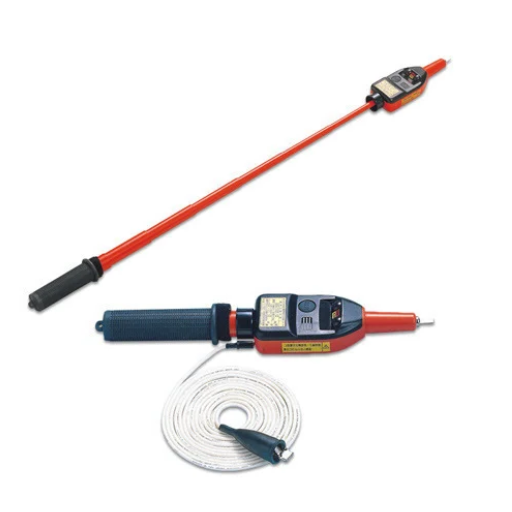
A high-voltage detector is equipment specifically designed to detect and measure the current in high-voltage systems, such as those found in electrical installations and hazardous systems. These devices are frequently found in industrial areas. In field service work situations, the primary objective of the device is to prevent inadvertent occurrences and measure the absence of live electrical circuits. Such devices operate using the principles of non-contact and direct contact, as seen in the case of contact-voltage detectors. They are equipped to identify maximum and minimum voltages of up to kilovolts.
Current high-voltage detectors utilize devices such as LED displays, alarm sounds, and functional self-test equipment to enhance the performance and safety of ordinary users. These instruments, due to their size and ease of handling, are an extremely advantageous tool for electricians, engineers, and technical staff working in challenging and potentially life-threatening environments, such as power companies, substation installations, or construction sites. High-voltage detectors offer an added advantage to any kind of electrical infrastructure, protecting electrical equipment against electrical shorts while acting as a preventative measure in even the most complex electrical sector entities. This approach compresses the time required for analyzing and maintaining multiple structures, thereby minimizing potential risks.
Need for Voltage Detection
Voltage detection is a significant factor to consider in the context of electrical system safety; thus, its relevance remains crucial for protecting people and equipment from potential dangers. What about high-voltage detectors? How can they be integrated into the domestic situation or other structures to prevent the occurrence of electric shocks and fires caused by live wires, thereby implementing safety measures before those systems reach the crisis stage? These items can provide power to systems that require more than 230 volts, which are often found in applications such as mechanical and chemical plants, cables, and aircraft defenses. Technical specifications concerning their performance as cathodic devices necessitate immediate indication during these tasks, which aids in the proper and safer execution of the work.
Moreover, efficient voltage detection serves further to enhance the performance and effectiveness of electrical activities. To prevent tyranny, modern times have incorporated advanced diagnostics in high-voltage detectors to address system issues before they cause complete breakdowns. Such preventative measures will not only reduce stockouts but also contribute to the electrical equipment lasting longer. Lastly, most voltage detection tools are also equipped with diagnostic features, such as remote monitoring and data loggers, for easy maintenance and troubleshooting. These features enable the relevant working groups in complex electrical infrastructure to remain effective and, at the same time, meet the very high safety demands.
Voltage detection tools not only help ensure safety but also help improve the effectiveness of maintenance, construction, and other engineering activities. Given the continuous developments in detection technologies, it is assumed that prospective enhancements, including the combination of AI solutions and IOT technologies, will revolutionize the field and bring a higher level of precision. This trend highlights the inordinate malpractice of employing outdated, antiquated methods in any part of the industry where care for necessary adjustments and electrical safety must be concurrently observed.
Types Of High-Voltage Detectors
Ensure that high-voltage detectors are utilized in industries with cyclic power systems, that is, those in in-phase operation. The latest advancements in technology have significantly diversified the types of voltage detectors available, each designed to cater to specific needs and applications.
Contact Voltage Detectors: These detectors require physical contact with the conductor to register a high level of voltage. They are preferred for their high accuracy in controlled environments and are frequently employed in maintenance and testing work. The upgrading of contact voltage detectors that have recent properties, such as an improved physical structure with added strength and dust resistance, and more sophisticated digital displays that enable quick readings.
Non-Contact Voltage Detectors: Non-contact detectors are used to detect the presence of voltage in conductors or cables from a distance through the electromagnetic field of the conductor under test. They are also used for preliminary examination of the source of the current so that the live wire is not exposed. The combination of these elements enables the broad application of software testing tools such as LED voltage response indicators, sound alerts, or range adjustability.
Resistive Voltage Dividers: These are highly functional devices used for measuring high voltages in laboratories and similar microenvironments. These involve resistive components that ensure clean monitoring aspects and prevent circuit breaking or other hazards. The upgraded model features improved insulation and a faster response time.
Capacitive Structure Voltage Testers: These devices are designed to handle high-voltage lines effectively, as they possess the capability to measure changes in capacitance resulting from variations in electric charge. They feature advanced capabilities, including sensors and communication interfaces, which enable the transmission of signals to information processing systems. These interfaces are embedded in intelligent electrical systems that can perform online data interpretation.
Portable High Voltage Testers: These are small, lightweight devices used in the field across various voltage classifications. The most common applicable field is testing substations, switchgear units, and overhead lines. Portable testing tools of today exhibit enhanced mechanical protection, making them nearly phone-proof, feature convenient touchscreen interfaces, and perform post-test data recording functions.
Smart Voltage Detectors: With the advancement of modernization, smart voltage detectors have received an additional boost from AI and IoT technologies, offering enhanced measurement accuracy and improved communication capabilities. Some of these enhancements include voltage fluctuation detection, sending data to the control server, and, most importantly, utilizing enhanced analytics to predict component failures, thereby saving users or organizations from unfortunate events. Undoubtedly, these products of the future are the most effective in predictive maintenance and energy efficiency.
Each category of HV detectors caters to a specific market need and is applicable based on the setting or sector. Thanks to the implementation of innovations such as wireless transmission and the use of artificial intelligence for diagnostics, these devices are continually improving, enhancing protection and precision, and providing more insights into their working principles.
Key Features of High Voltage Testers
Detection at a distance
Non-contact voltage detection is considered a breakthrough feature primarily because it enables the easy detection of electrical voltage without requiring physical contact with the conductor. This innovation has the advantage of not requiring positioning close to dangerous high-voltage sources. The so-called non-contact voltage sensors currently rely on an electromagnetic system, which, based on the presence of voltage, renders the signal through visual or audio indication.
These gadgets are commonly used in various areas or for different purposes, such as utility maintenance work and industrial and healthcare engineering, offering eminently smooth application and accuracy. For instance, such gadgets can detect live wires located within walls or electrical structures, which proves extremely useful during troubleshooting electrical work. Considering the improvement of sensor sensitivity and calibration, modern non-contact voltage detectors can provide even wider detection ranges and higher precision, satisfying the needs of both industrial and technical professionals for ultra-modern diagnostic tools.
Capacitive Effects in Electrical Elements
New-age non-contact voltage detectors have been designed with built-in voltage-measuring capacitors. Given that electrical circuits can be hazardous if proper steps are not taken, measuring the voltage in electrical circuits becomes essential. Such power meters can still be used to take measurements in various locations, including high-voltage areas and high-voltage plants. More models nowadays include more than one sensitivity range, and some even feature varíous sensitivity settings, thus allowing habil users to set the very level of detection that matches the specific operation requirements, especially the acceptable levels of voltage operation as such systems do develop breaks very fast and need to encounter the high level of the high energy in them.
In addition, the enhancement of LED indicators, as well as audible alarms, also enables the effective use of LED lights in higher voltage settings without risk of danger. Additionally, more advanced forms can feature a digital display to display the voltage level more accurately. These advances are vital as they help reduce the possibility of errors in accomplishing any specific task; hence, electrolytes have become essential.
Comparison of Digital V/s Analog Voltage Detectors
Although both are equally useful for conducting a voltage check, digital and analog testers differ in terms of operational mode, accuracy, and handling. On the one hand, digital voltage detectors are replacing the old-fashioned needle with a much more modern, easier-to-read digital display that can be enhanced with additional functions, such as auto-ranging or alarm beeps and voltage levels. These types of testers are most suitable for new electrical systems and equipment designed to perform exhaustive tests.
Analog units, by contrast, use an analog scale with a needle to measure voltage, providing more feedback to the operator, even when the needle is in a rising or falling position. This is why it is the preferred tool in instances where real-time monitoring is required, even though the precision is not as high as that achieved by digital ones. The estimate is emphasized.
Usability and efficacy comparisons generally reveal that digital detectors offer more precision as well as safety features, such as an inner layer. They are a much better choice for maintenance and other electrical work, especially those of high complexity. Nevertheless, there are some obsolete systems in which analog solutions would be a good fit due to the nature of these systems, and newer technologies, such as the featured digital detectors, cannot immediately replace them. To these people, the choice or preference as to which one to use will largely depend on the use they will put it to and whether they need more accuracy or robustness for rough and tough-duty situations.
Popular Models of High-Voltage Detectors

Overview of the TIC 300 Pro
The TIC 300 Pro is a high-voltage detector designed for enhanced safety and efficiency of utility and industrial professionals, with voltage detection ranging from 30V to 122kV. The range of voltages that the instrument detects makes it very useful for high-voltage testing of transformers, overhead lines, and electrical panels. Its sleek Aura Magic Edition design can easily complement various industrial setups and offer very ergonomic operation.
The device is equipped with a non-contact voltage detection system that allows the user to identify energized lines without making direct physical contact with them, thereby preventing accidental complete contact with the live wire and exposing neither the device nor its user to risk. The detection results are displayed on a high-intensity, bright LCD, which is both fast and easy to read. Additionally, an audible alarm provides an enhanced level of safety. The device is rugged enough to withstand harsh working conditions, thanks to its weather-resistant casing, providing reliability regardless of the work environment.
There is an option to attach an extendable hot stick, which allows the user to inspect high-voltage systems from a greater distance safely. The TIC 300 Pro is easy to operate and consistently accurate, making it an excellent tool that electricians, linemen, and maintenance crews rely on to help improve their work efficiency without compromising safety standards.
Features of the Model 275HVD
The Model 275HVD imparts all the features necessary to ensure that working with high-voltage systems remains safe and efficient. With advanced non-contact voltage detection technology, it gives reliable and accurate indications of the presence of voltage, thereby reducing the risk of accidental exposure. Its wide detection range caters to different operating conditions, ranging from low to ultra-high voltage applications.
At the forefront of the design, the rugged, insulated housing ensures durability in harsh environments while maintaining a promise of efficient performance. The lightweight and compact design allows an inspector technician to continue inspections and maintenance work for hours confidently. Clear LED indications further enhance the device and alarm sounds, ensuring that all voltage detections are unambiguously communicated, even in poorly lit or noisy environments.
The extension, rather than a telescopic hot stick, ensures that the person stays well away from the conductors and electrical equipment by accepted safety practices. The Model 275HVD is a must-have for installers, electricians, and field technicians alike who require reliable voltage detection combined with an easy-to-use operational interface.
Comparing AEMC and Amprobe High Voltage Detectors
Comparing high-voltage detection instruments offered by the two most prominent manufacturers, AEMC and Amprobe, reveals that each offers different possibilities based on the requirements of trade practitioners. Both brands have focused on safety, precision, and functionality, but their tools seem to appeal to and delight different niches.
AEMC high-voltage detectors, such as the Model 275HVD, focus on providing users with rugged reliability in a wide range of demanding environments. They provide visibility and indicators of telescopic interference, thereby making them suitable tools for utility workers facing high-risk jobs. By offering an adjustable detection range and a user-friendly design, AEMC ensures compatibility with both conventional and uncommon applications.
Conversely, Amprobe high voltage detectors are popular for their revolutionary design and state-of-the-art technology. Several Amprobe models feature advanced self-test capabilities, enabling technicians to verify the unit’s operating integrity on-site. Being conversely ergonomic, these devices are lightweight and provide a high degree of protection. Additionally, Amprobe detects voltage with high sensitivity, paying special attention to low voltages or mixed environments for rapid and precise results.
Both AEMC and Amprobe stand for accuracy and reliability, but an element of difference shows in their commercial orientation. AEMC focuses on rugged equipment to meet the demands of heavy-duty field operations, while Amprobe provides convenience and modern features for a wide range of electrical tasks. Professionals opting between these two brands should consider environmental factors, project conditions, and personal preferences to select a high-voltage detection solution that is best suited.
Applications of High Voltage Detectors

Industrial Applications
High-voltage detection equipment ensures the safety and efficiency of numerous industrial applications. They are commonly used in power generation plants, substations, and manufacturing facilities for detecting live conductors and preventing accidental human contact with energized equipment. For instance, in environments deemed hazardous, these instruments are used to ensure the isolation of power, so that workers have no chance of accidental ignition of an arc or the development of other hazards.
The telecommunications industry, along with renewable energy, relies on the use of these high-voltage detectors to maintain and troubleshoot infrastructure, such as cell towers or solar power systems. The detectors assist with ad hoc inspections, ensuring the uninterrupted operation of equipment and compliance with safety regulations. With the emergence of detector technology, these state-of-the-art high-voltage detectors now offer improved accuracy, a user-friendly design, and wider compatibility for voltage levels, making them must-have tools in industrial setups where both accuracy and reliability are crucial.
Safety in Electrical Maintenance
Safety in performing electrical maintenance jobs requires rigorous planning, compliance with tight regulatory standards, and upkeep of a set of advanced tools. Modern-day practices emphasize preventive maintenance to minimize situations that could lead to electrical faults. For example, thermal imaging cameras are widely used to identify hotspots that may indicate worn-out or failing circuits. The use of personal protection equipment (PPE) protects workers from electrical hazards, including insulating gloves and arc flash suits.
Data from industry research indicates that regular training can reduce accidents in the workplace. It is thus essential that technicians keep current on changing safety protocols and technologies. Lockout/tagout (LOTO) procedures also help prevent accidental energizing while performing maintenance work. Thus, combining the latest tools with the strict implementation of safety measures would help industries maintain the reliability and lifetime of electrical systems alongside worker safety.
Use in Electrical Testing and Troubleshooting
Electrical testing and troubleshooting detect faults, prevent system failures, and optimize system performance; these activities are critical in the electrical industry. Modern tools and techniques provide technicians with a deep insight into system performance, enabling them to conduct real-time diagnostics using measuring and analyzing techniques on-site. This allows for a prompt response once a problem is detected, ensuring it can be addressed as quickly as possible. The more modern tools, such as digital multimeters, thermal imaging cameras, and power quality analyzers, offer highly accurate measurements with graphical representations of electrical parameters, enabling better fault localization. Predictive maintenance tools also include vibration analysis and infrared thermography, helping industrial organizations to address potential problems before they lead to costly downtime.
Based on these modernized approaches, technicians can analyze data related to load imbalances and harmonic distortions and immediately implement corrective actions. With such a comprehensive understanding, operational risks are reduced and energy optimization enhanced. Such innovative tools and techniques, combined with proper documentation of testing procedures, ensure compliance with industry standards, increase operational reliability, and reinforce the importance of maintaining a well-maintained electrical infrastructure.
Best Practices for Using High-Voltage Testers
Safety Measures
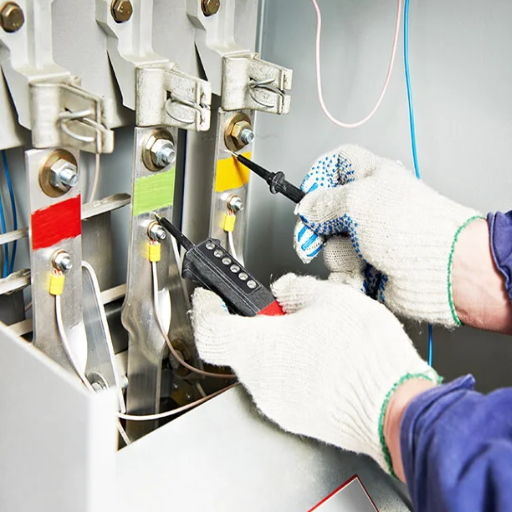
What I consider to be of utmost importance is safety when dealing with high-voltage testers. The other phase that precedes the testing procedure is to inspect all the testing materials for any signs of abrasion, wear, damage, or malfunction. If I detect damaged insulation or need to replace the resistance, I would discount the equipment, as assessing it could lead to an electric shock or even damage the equipment itself. Lastly, I would ensure that the devices used comply with prevailing industry standards and have the necessary calibration to prevent erroneous calculations and potential hazards during testing.
Also, make sure to wear proper personal protective equipment (PPE), such as insulated gloves, rubber-soled shoes, and safety goggles, to prevent accidental exposure. Always isolate the equipment from the power source, following lockout/tagout (LOTO) procedures, to avoid any live energy hazard from coming into contact with me while I work. Keeping the workspace clean and organized also goes a long way in preventing trip hazards and ensuring a swift exit or access to an emergency shutoff if needed.
Whenever I operate my high-voltage testers, I always ensure that I review the documentation supplied by the manufacturers. In this way, by understanding how the device functions and its limitations, I minimize the risks associated with handling the device. I also stay up to date with informed safety standards practices by attending training sessions or regularly reviewing safety manuals. Doing this helps me safeguard myself and anyone else on-site, and I can confidently stand behind my test results as conclusive and compliant.
Calibration and Maintenance Tips
To ensure a high level of accuracy and safety for high voltage testers, I consider it essential to conduct regular calibration and maintenance procedures. Calibration is used to ascertain the accuracy of the instrument and ensure the reliability of the results. I usually follow the calibration time intervals recommended by the manufacturers and engage certified calibration services whenever precision is being questioned. Besides calibration, I also perform quick checks on the tester’s functionality before using it to ensure that I detect any irregularities that may interfere with its performance.
Under maintenance, I promptly attend to them if I spot any visible signs of wear or damage to avoid having equipment that will malfunction, such as a fraying cable or a bad connection. I regularly clean the tester using the correct tools and non-conductive materials to prevent it from becoming clogged with dust or dirt, which would hinder its performance. I keep a detailed maintenance log of any service performed on the equipment and any recurring issues, which in turn smooths out the future reliability of the tester.
By maintaining such brief instructions, I am able to prolong the equipment’s life while enhancing test safety. The intervention, which involves cutting down on maintenance, ensures minimum downtime, maintains compliance with industry regulations, and sustains workflow efficiency. Accrediting calibration and maintenance ensures that the high-voltage tester remains an instrument that one can trust in any project.
Interpreting Measurement Results
When interpreting the measurement results, I ensure that all readings comply with the limits designated by the manufacturer or project standards, giving due consideration to the accuracy of the data. In doing so, I compare the reading to baseline values or previously recorded values. Any unusual deviation from the known value shall be of interest. The aim would be to determine whether the deviation is caused by the inaccuracy of the equipment, environmental changes, or if the deviation is truly an inconsistent variable within the tested system. I then analyze these observations to establish trends and outliers as indicators of points of interest.
I document the measurement with utmost accuracy, recording the readings and other relevant details, such as test conditions, environmental parameters, and the equipment used. This documentation helps as a basis for troubleshooting purposes and is a reliable record for subsequent queries. Finding the readings to be relatively uncommon and unexpected, my first response would be to recalibrate the equipment and repeat the test. This will confirm the anomaly or otherwise, and provide greater confidence that any deductions made are correct and can be acted upon.
Translation of measurement results ultimately requires not only technical skills, attention to detail, and consistency throughout the testing process. Upon adhering to a systematic process, one ensures that information is delivered accurately, from which enlightened decisions can be made. Whether in the diagnosis of equipment performance or the verification of system functionality, proper translation of results will ensure the smooth resolution of issues and facilitate continuous improvement.
Reference Sources
- High Voltage Detector Tester: A Comprehensive Guide – Discusses standard features like visual and audible indicators and adjustable sensitivity.
- Voltage Detectors MV HV – Explains the use of voltage detectors for checking voltage presence in switchgear, transformers, and overhead lines.
- 10 Tips for Designing with a High-Voltage Tester – Offers practical tips for designing and using high-voltage testers effectively.
Frequently Asked Questions (FAQs)
What is a high voltage detector, and how does it work?
High-voltage detectors are essential for identifying high voltage in an electrical system without making contact with the system. It detects voltages in the medium and high voltage ranges, such as those found in 122 kV transmission lines. It typically features an accurate indicator that warns of the presence of voltage, enabling safe maintenance and inspection of power distribution equipment. Most modern high-voltage detectors have a self-test ability that checks if the instrument functions correctly before human use. The non-contact voltage detection ability makes these devices prime tools for electricians and utility workers alike.
What are the features of the TIC 300 Pro high voltage detector?
The TIC 300 Pro high-voltage detector is a multifunctional voltage-measuring device designed for safe and effective measurement. This durable, rugged design is well-suited for harsh environments, such as construction sites and utility operation areas. The instrument will detect any AC voltage of less than 1000 volts, emitting an audible alert at the first indication of voltage presence, allowing the operator to check for voltage without actually touching the energized wire, thereby providing an enhanced safety factor. Due to its convenient size and shape, a professional electrician would always keep it handy. That is why this equipment will always be the most trusted tool for the electrician.
Why is a non-contact voltage detector considered safe?
A non-contact voltage detector is considered safer because it allows one to check for voltage without touching the electrical circuit. Hence, the risk of using this instrument and possibly getting a shock from high voltage is enormously reduced. The non-contact voltage detector detects the presence of any voltage near an energized line and can be conveniently used around live circuits. Electricians and maintenance personnel primarily use them to ensure that power distribution equipment is used safely and efficiently. Moreover, the proximity-distance capability of the indicator value from voltage greatly enhances safety during operation.
How does one effectively use an AC voltage detector?
To ensure safety and proper use, an AC voltage detector requires the following procedure to be followed. First, perform the self-test function to verify that the device is operational. Then, approach the circuit or conductor using the detector, observing distances considered safe from potential hazards. Moving the detector near the suspected voltage source, look out for either a reliable indicator or an audible alert. Finally, always observe safety procedures and protocols when handling electrical systems or devices, and ensure appropriate personal protective equipment is worn.
What is the difference between an analog voltage detector and a digital voltage meter?
The primary distinction between analog voltage detectors and digital voltage meters lies in their methods of indication and measurement. Typically, an analog voltage detector utilizes a needle gauge to indicate voltage levels, whereas a digital voltage meter displays a numerical value for the same. Usually, digital voltage meters also serve as data loggers, capable of measuring both AC and DC voltage. However, the primary function of both is to determine the presence of voltage in circuits and equipment. It is primarily left to user preference or application requirements to determine the major decision for choosing between the two.
What safety precautions should be followed when working with a high-voltage tester?
Working with a high-voltage tester poses a high-risk scenario, from which accidents and mishaps may result if certain basic precautions are not taken. Always wear PPE, such as gloves and insulated footwear, as protection against electrical shocks. Before conducting tests, ensure that a self-test has been passed and that the high-voltage tester is functioning correctly. Approach energized equipment very cautiously and use a high-voltage tester from a safe distance. Be aware of your surroundings and ensure that no person is close to you during testing to adhere to these safety precautions when operating high-voltage testing equipment.