A high-voltage system demands precision and safety in all circumstances; reliability must follow suit. Whether maintaining electrical equipment and industrial systems or adhering to stringent safety standards, a good high-voltage tester should surely be in your toolkit. However, with many options available on the market, how does one choose the right one? This article highlights the key features that should be top priorities when selecting a high-voltage tester. From higher-level security mechanisms to an intuitive interface, we will guide you through the essential elements that ensure optimal performance and give you peace of mind. You will walk away with all the information to make a well-informed decision.
Understanding High Voltage Testing

What is a High Voltage Tester?
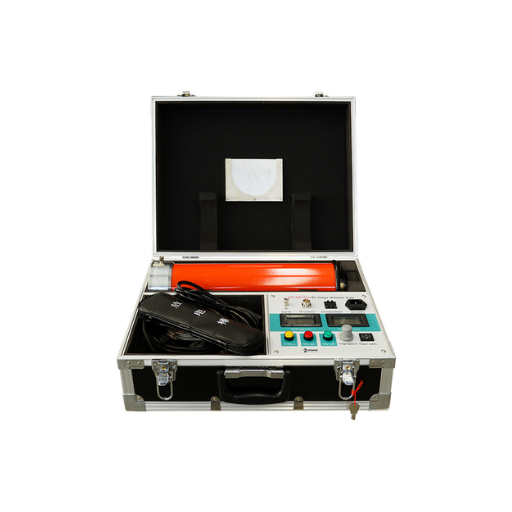
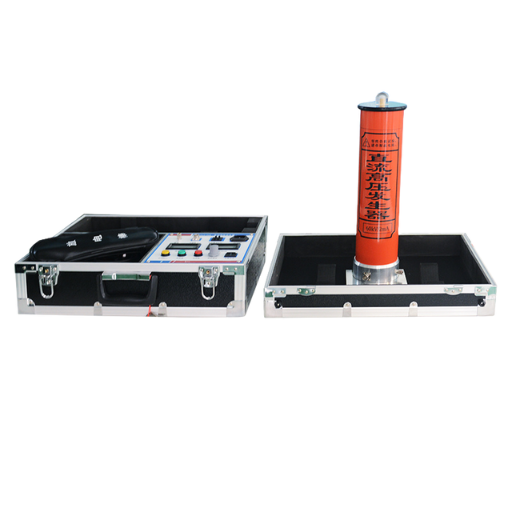
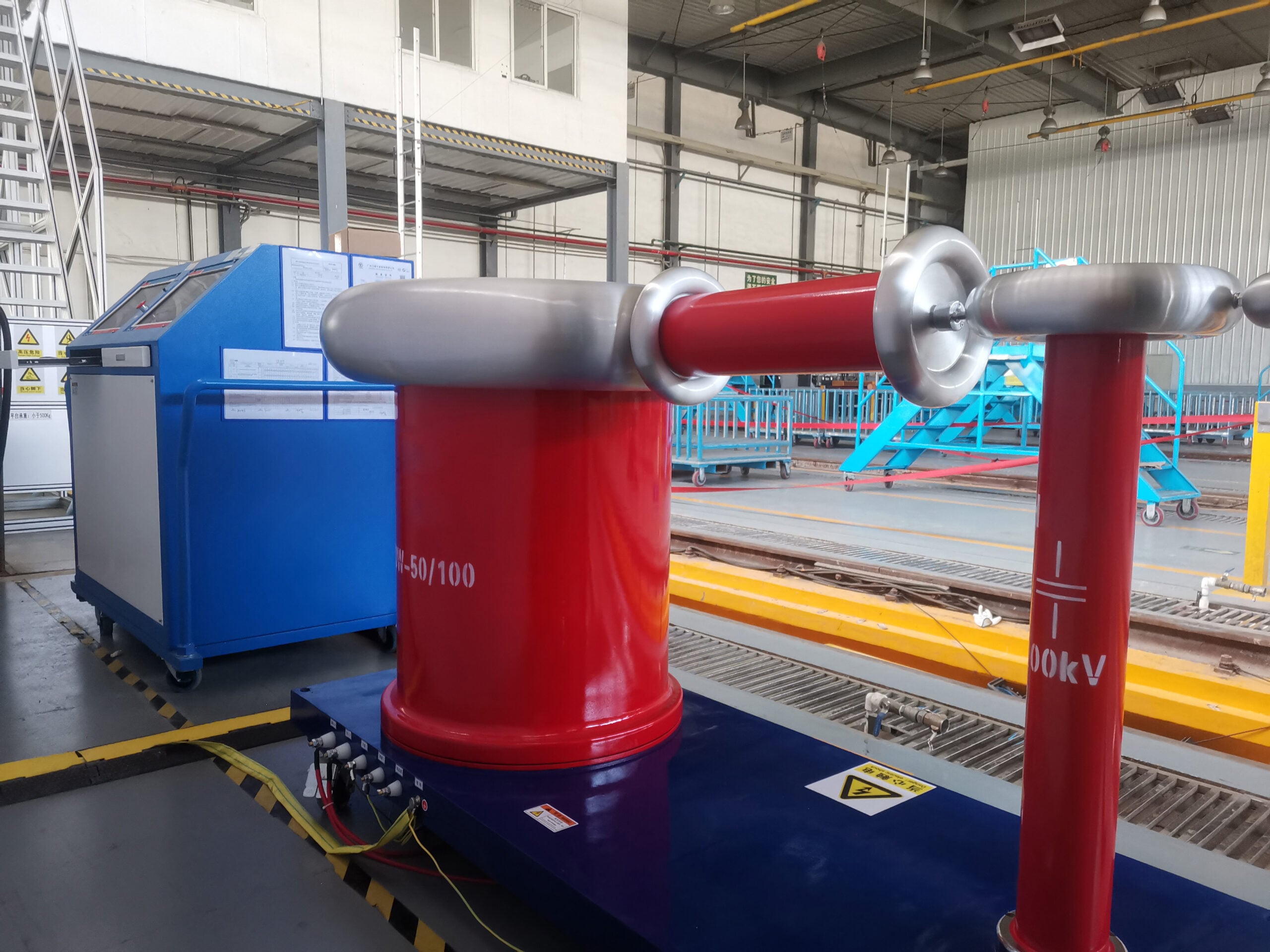
A high-voltage tester is a specialized piece of equipment used to check the insulation and electrical strength of electrical machines, systems, or lines by applying higher voltages to test whether the insulation can withstand operating conditions or break down, thus rendering it safe and meet industrial standards. These testers identify a need in industries such as manufacturing, aerospace, utilities, automotive, and others, where electrical testing is a stringent requirement.
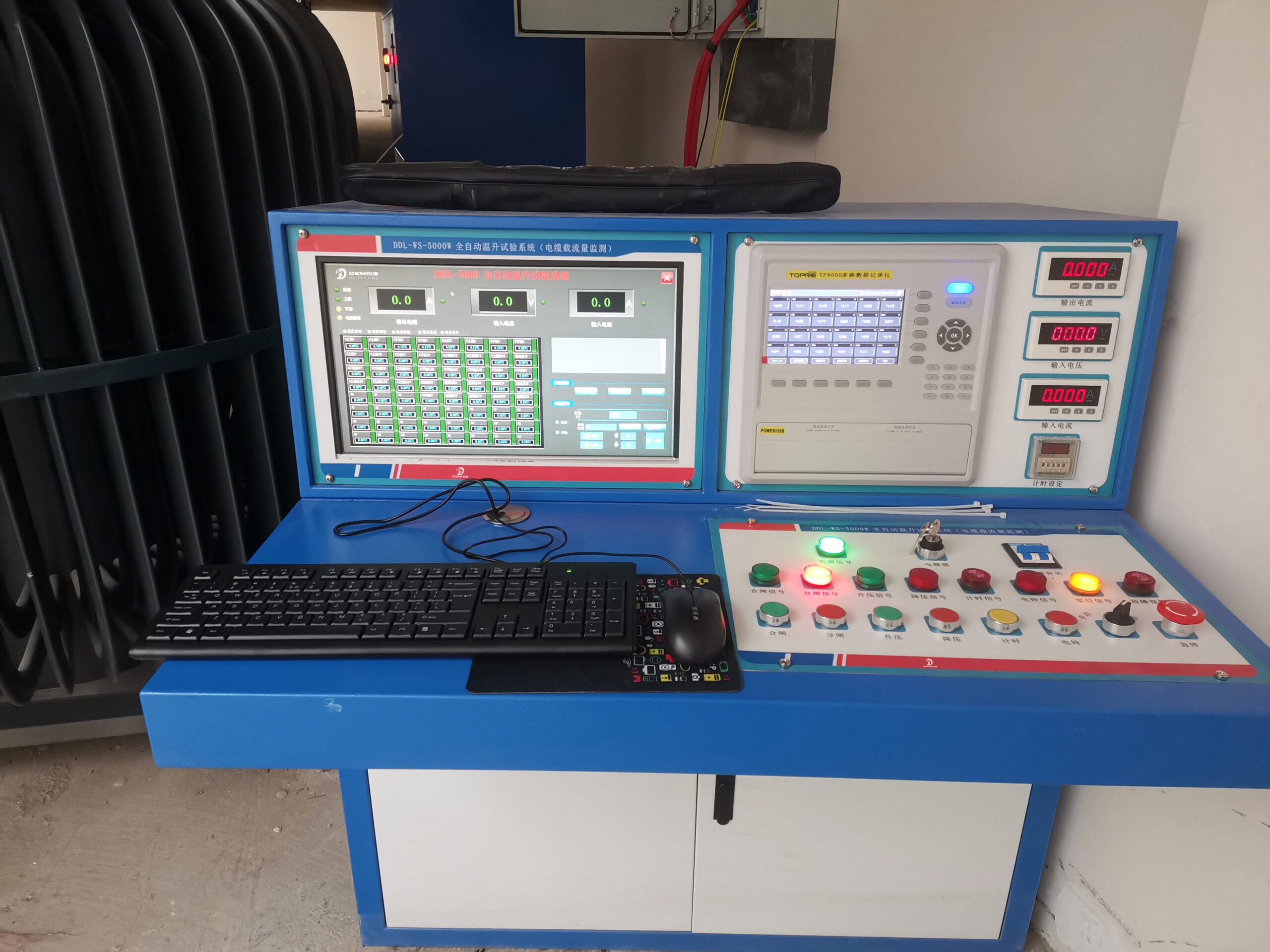
Modern high-voltage testers are packed with features such as automated test sequences, digital displays for real-time monitoring, and several layers of safety protection for the operator. For instance, high-voltage testers can generate voltages ranging from 500 volts to tens of kilovolts, depending on the application. Also, accuracy is considered, with some models claiming to return results within a 1% tolerance. By testing for weakness in insulation, however, the failure of equipment is evaded. Thus, downtimes are prevented, and risks such as shocks to human beings or damage to systems are reduced.
Importance of High Voltage Testing
High-voltage testing essentially ensures the safety and reliability of electrical equipment and systems. Whether in an industrial setup, research installations, or power-generating stations, these tests verify insulation performance, identify potential faults, and assess the components’ ability to withstand stress. By running test programs under high-voltage conditions, manufacturers and operators can identify defects that lead to electrical failure or create situations that may cause system malfunction, endanger users, or compromise operator safety. This is an accepted procedure in industries where safety regulations and compliance standards are preached with vigor, such as those set by the International Electrotechnical Commission (IEC) and the Institute of Electrical and Electronics Engineers (IEEE).
Modern high-voltage testers were also manufactured with advanced interfaces designed to improve measurement accuracy and feature automatic data logging for ease of analysis. Recent statistics indicate that approximately 70 percent of equipment failures in electrical systems are caused by insulation breakdowns, underscoring the need for thorough testing and inspection. On the other hand, periodic testing under preventative maintenance is assured to increase the lifespan of the equipment, reduce the Downtime costs, and thus increase overall operational efficiency. A wise facility investment in high-voltage testing is essentially an investment in fulfilling safety standards in an increasingly electrified world.
Application Areas of High-Voltage Testers
Given that high-voltage testing activities guarantee the integrity of equipment safety, reliability, and functionality, high-voltage testers are found in critical industries across diverse branches within various sectors. Transformers, circuit breakers, and cable systems in the power generation, transmission, and distribution industries are among the critical systems being tested against the destruction caused by insulation flaws or weaknesses, which can lead to severe breakdowns, substantial losses, and disruptions to the electricity supply.
High-voltage testing of manufacturing and industrial facilities ensures that electrical components, such as switchgear, motors, and generators, meet safety standards and functional criteria, thereby reducing the likelihood of machinery breakdowns. This further enhances safety and productivity.
High-voltage testing also benefits the aerospace and transportation sectors, as it enables the testing of intricate electrical systems used in aircraft and electric vehicles. Testing the integrity of such systems is essential from a safety perspective, as failures could pose severe hazards.
In the renewable energy sector, high-voltage testing is widely used to assess the performance and insulation strength of solar panels and wind turbines. Such tests promote the enhancement of energy output and the long-term reliability of these green technologies.
Investigative and educational institutions significantly enhance high-voltage testing to aid in the development and assessment of new technologies, as well as to educate the next generation of engineers and technicians. The outcome of such testing in critical areas ensures that emerging devices are sufficiently prepared and established to standards for an increasingly electrified world.
Such diverse applications demonstrate that high-voltage testing extends beyond safeguarding existing infrastructure and plays a crucial role in driving the growth of various industries by establishing a solid foundation for innovation and reliability in electrical systems.
Key Features of High Voltage Testers

Measurement Accuracy and Range
Since high-voltage testers are essential instruments, they bestow utmost importance on their measurement accuracy and wide-ranging functionalities to suit various applications. Their state-of-the-art sensors and calibration systems guarantee exact readings even under harsh conditions. Such precision is exceptionally crucial when identifying tiny variations and potential faults in high-voltage systems, thereby preventing operational failures and ensuring strict adherence to safety standards. The most modern ones usually come with some sort of automatic adjustment mechanism combined with digital displays to enable users to record results correctly and comfortably while focusing on system analysis.
The range of these devices would encompass a much broader spectrum, allowing them to measure in low-medium, and high-voltage environments. Such versatility enables users to accumulate data from various applications, whether for testing transmission grids, verifying electrical components, or conducting research in high-voltage laboratories. Many high-voltage testers are designed to address issues that meet growing industry demands, including multi-range scaling, ruggedness for harsh field applications, and interfaces for emerging energy systems such as renewables. High-voltage testing, therefore, delivers precision and adaptability, ensuring the reliability and development of the present electrical infrastructure.
Non-Contact Measurement
Non-contact measuring methods have brought a revolution in the testing and assessment of electrical systems, providing a quick and safe alternative. The systems utilize advanced technology, including optical sensing, capacitive methods, or electromagnetic field analysis, for evaluating high-voltage equipment without requiring a single touch. Such a mechanism offers multiple advantages in terms of safety, wear and tear of test equipment, as well as precise data collection.
In the light of automated data logging and real-time monitoring, non-contact measurement methods provide actionable insights into defect diagnoses, equipment failure forecasting, and compliance with regulatory standards. To apply single-component applications to expansive electrical grid applications, their scalability lends unmatched versatility and reliability to both industrial and research fronts.
Durability and Constructive Quality
Factors such as durability and build quality take precedence when selecting non-contact measurement tools in any high-stakes industrial environment. The tools are subjected to harsh operating conditions set by the environment under test, whether through extreme temperatures, dust, or vibrations. Rigorous considerations are taken to ensure they can combat these adverse environments by being made from rugged materials, including reinforced alloys and high-quality composites. Such designs impart them with inherent ruggedness, which extends through features such as sealed housings, shock-resistant enclosures, and thermal insulation, thereby prolonging their lifespan and preventing potential degradation during operation. This makes the environment attractive for energy, automotive, aerospace, and other industries where durability is a key factor.
Aside from physical robustness, the new and latest internal components of these non-contact measuring tools are also engineered for long life. Cutting-edge sensor technology, low-drift electronics, and precision optics ensure outstanding performance over extended periods, reducing the need for frequent calibration or maintenance. Additionally, manufacturers subject the tools to a range of stringent testing procedures, including accelerated lifecycle testing and environmental stress testing, to ensure their reliability in actual applications. Paired with warranties and after-sales support, this build quality and longevity promise will give users confidence in integrating it into critical workflows.
Types of High-Voltage Testers

AC vs. DC Voltage Testers
AC and DC voltage testers serve different applications in testing and measurement, as they are designed to check the electric current of various kinds. An AC voltage tester can be used to diagnose wiring in a house or circuits in an industrial installation, or to test appliances. Alternating current is standard in these applications. These testers can handle fluctuating voltage and measure it accurately even when the test signal varies. Industries such as construction and power utilities utilize AC testing to measure electrical distribution systems accurately.
The DC voltage tester is customarily designed for direct current testing. This type of tester is used in automotive diagnostics, renewable energy (such as solar panels), and electronics manufacturing. They are best suited to measure steady or static voltages produced by batteries, charging systems, and electronic devices.
Range and sensitivity are other major differentiating factors in the measurement of voltage. In most cases, AC testers are built to handle higher voltages safely, while DC testers can provide exact readings in low-voltage applications. The more sophisticated testers nowadays can measure both AC and DC voltages, thus providing extra convenience to the technician. Some models come with added safety features, such as overload protection or cushioned probes, making them even more helpful in high-tech electrical systems. Therefore, selecting the correct tester for its respective application will enhance both measurement accuracy and operational safety.
Portable and Stationary High-Voltage Equipment
The distinction between portable and stationary high-voltage testers must, therefore, be acknowledged while optimizing their use. Portable units are thus designed with mobility and ease of use in mind for spot testing, maintenance, or diagnostics. These instruments are compact in size and weight, integrating several advanced functionalities, such as rechargeable batteries, rugged casings, and intuitive interfaces, to withstand harsh field conditions.
Stationary high-voltage testers are physically fixed, generally in a laboratory, production plant, or testing facility. These systems are designed for higher capacity, stability, and precision, and therefore can support a broader range of testing parameters. Such stationary units feature integrated cooling systems, automated controls, and robust data collection capabilities, making them ideal for pipeline or large-volume testing operations.
Each category serves different purposes and caters to other operational requirements. Portable equipment is a model for flexibility and quick action, whilst stationary systems offer deep analytics and can handle complex testing situations. The choice of equipment is based on voltage requirement, the operational environment, and the expertise of the team involved in the operation.
Specific Models: AEMC, Bierer, and Amprobe
AEMC Instruments: AEMC Instruments offers the most extensive capabilities for high-quality electrical testing and measuring instruments. Known for their high precision and reliability, AEMC’s voltage detectors and cable testers are also used in industrial and utility applications. These include the AEMC 275HVD model, which detects high voltages of up to 275 kV, making it highly suitable for inspecting transmission lines, substations, and other high-voltage systems. Due to their stringent safety standards, user-friendliness, and design, AEMC products prioritize accuracy and durability in harsh environments.
Bierer Meters: Bierer has always been focused on innovative and operator-safety-high-voltage test methods. The Bierer PD Series Voltage Detectors are excellent because they can detect phases and voltage levels equally well. They find use in live-line working, where an uninterrupted, reliable performance is required. Further innovations from Bierer include an ergonomic design and fully integrated self-testing modes, allowing technicians to operate these instruments with ease and confidence.
Amprobe Equipment: Amprobe manufactures solutions widely applicable to electrical professionals. The TIC 300 PRO High-Voltage Detector, for instance, offers a wide detection range of 30V to 122 kV and features a rugged construction suitable for use in harsh outdoor conditions. Amprobe products are designed with versatility in mind, making them ideal for testing both high and low voltages. This brand development also emphasizes built-in self-testing and ease of operation, making them a definite favorite for speeding up operations and ensuring safety in various applications.
Each of these manufacturers, AEMC, Bierer, and Amprobe, brings its unique capabilities to the realm of high-voltage testing, ensuring that the technician has a solution tailored directly to their specific operational requirements.
Safety Considerations When Using High-Voltage Testers

Safety Features to Look For
When selecting a suitable high-voltage tester, safety is paramount, as technicians and equipment must be protected from harm. Major safety concerns to be analyzed are:
Overload Protection: To safeguard the tester against voltage overloads, a good set should always incorporate an overload protection feature.
Insulated Housing: An insulation provides physical durability to reduce the risk of shock to the user while in service in harsh environments.
Audible and Visual Voltage Level Alerts: An inbuilt alarm system, such as a beeping sound or flashing light, provides an instant warning when a dangerous voltage level is detected, alerting the tester.
Auto Shutoff: An automatic shutoff test device saves energy and reduces unintentional hazards if left unattended.
CAT Safety Ratings: The ratings, as per IEC 61010-1 standard (for example, CAT III, CAT IV), ensure the acceptance of safety standards for the device in the presence of transient spikes for a given environment.
Non-Contact Voltage Detection: To increase versatility and safety, testers with non-contact voltage detection capabilities enable users to detect voltage presence without directly connecting to conductors.
These safety features ensure the reliability of high-voltage testers through safe and easy operation, thereby reducing hazards in critical testing applications.
Proper Usage and Handling
Proper use and handling directly relate to ensuring a safe and satisfactory operation of the high-voltage tester. Therefore, it is essential to read the manufacturer’s manual thoroughly and consider the accompanying precautions, limitations, and operating conditions for each device. These devices must be consistently rated for the voltage levels and environment in which they are to be used, ensuring compatibility and adherence to safety stipulations.
One must look for signs of damage, such as heavy-weighted components with frayed cables, cracked housing, or worn probes, as these may reduce accuracy and pose threats to human safety. When holding the tester in hand for testing, hold only the insulated portion of the tester; avoid all contact with the tester circuit until the test is complete. It is wise to have the tester calibrated regularly for accurate and consistent readings.
During testing, maintain proper contact with the test points without applying unnecessary pressure, which may damage sensitive areas. Store the tester in a clean and dry place, away from extreme temperatures or humidity that could damage the device. As a result, following best practices will not only improve the tester’s safety but also enhance the lifespan and precision of high-voltage testers, while promoting efficient operations.
Understanding Voltage Detector Limitations
There are limitations to voltage detectors that can impact user expectations regarding accurate results and safe operation; hence, awareness of these drawbacks is essential. At certain moments, these devices may not detect voltage, may not be used correctly, or may be interfered with by external electromagnetic fields. Again, some models may struggle to detect low-voltage signals or distinguish between live and induced voltage, which could result in incorrect readings.
Additionally, environmental conditions such as humidity, dirt, or debris on the test surface can hinder the voltage detector’s sensitivity and performance. To avoid this, always follow the instructions contained in the manual, calibrate regularly, and, where possible, complement with other electrical measurement tools. An awareness of this kind of limitation can help users trust these devices and ensure secure and accurate electrical assessments.
Choosing the Right High Voltage Tester for Your Needs

Assessing Your Testing Requirements
Before testing for the required high voltage, one has to understand the application of this high-voltage tester. First, the particular type of equipment or system to be tested is identified, say it could be transformers, circuit breakers, or cabling, which will then dictate the priorities of voltage range and functionality—secondly, depending on whether for routine maintenance, quality control, or troubleshooting, there must be different features associated with the usage, like portability versus durability, or advanced diagnostic capability.
Next are considerations regarding the work environment and operational constraints. For example, if I operate in a restricted or hazardous area, then my option for testers must be lightweight, easy to handle, and robust enough to withstand somewhat harsh conditions. Then, the safety aspect should come next, which means that, in compliance with industry standards, such a tester should have safety features that enable it to automatically shut down or monitor its insulation to ensure that operator errors do not lead to any accidents. It must be the most accurate instrument available with high precision and a very low margin of error.
Finally, I consider what my budget allows and compare it with the features I must have. The best advanced testers, complete with all the bells and whistles, will attract my attention; yet, I weigh any investment in terms of its practical use in my day-to-day demands. Besides, after-sales support, calibration, and repair services come within my purview, along with any possible accessory or software that might contribute to making the worth of the tester greater over time. By thinking through these aspects, I will have every confidence in finding that high-voltage tester that meets my technical performance needs and operational expectations.
Comparing Different High-Voltage Testers
In the process of comparing different high-voltage testers, I focus on some points to find the right fit for my needs. First, I am considering the test parameters and functionality it provides to make sure it can handle the voltages, current ranges, and measurement accuracies required for my application. The other important factor is compatibility with my existing equipment, so that incorporating the new tester into an ongoing work process causes minimal disruption and requires minimal additional investment of time in setup or training.
Then comes the assessment of build quality and reliability for good testers. For use in a rough environment, those qualities are a plus. Safety features with tester installations are also worth consideration for overload protection, emergency shutdown, or shutdown on demand to protect lives and property during normal operations. From user feedback, technical reviews, and product documentation, I assess whether the testers are performing as they claim to in the field.
Ultimately, I attempt to weigh the long-term value that each tester delivers. Factors such as warranty, calibration, and repair services, as well as the cost of ownership of the testers, tend to influence my decision. Additionally, some manufacturers offer software support and updates, extending the life of the equipment. With all these considerations taken into account, I can be confident that I am selecting a high-voltage tester that represents the optimal balance between performance, safety, and value.
Reference Sources
- High Voltage Detector Tester: A Comprehensive Guide – Discusses standard features like visual and audible indicators and adjustable sensitivity.
- AC High Voltage Testers – Key Features and Applications – Highlights advanced features, including digital displays and data logging.
- The Best Non-Contact Voltage Tester | Reviews by Wirecutter – Reviews key features like LED flashlights and usability.
- Choosing the Right AC High Voltage Tester for Safety Needs – Explains voltage ranges and their applications.
- How to Choose the Right Withstand Voltage Tester – Covers performance parameters, application scenarios, and brand considerations.
Frequently Asked Questions (FAQs)
What do we understand by a high voltage tester? How does it function?
A high-voltage tester is a specialized equipment designed to measure high voltage in any given electrical system. A high-voltage test typically features a voltage detector that measures the voltage of live cables and conductors without requiring direct contact. They are used for repairs and servicing in electricity maintenance and safety when applied to high-voltage equipment. Most high-voltage testers, such as the AEMC or Amprobe tester, provide both audible and visual indications of voltage presence. Learning to use these testers can almost eliminate potential hazards in doing electrical work.
What safety features should I look for in a voltage-detecting tool?
When selecting a voltage detection tool, several safety features should be considered. Select a device that provides for non-contact measurement of voltage so that you may detect the presence of voltage without coming into contact with live wires. Other features to ensure are a high safety rating, durability, and both visual and sound indicators. Some require that, for added safety and ease in high-voltage testing, hot sticks be used in conjunction with high-voltage testers. It would, therefore, be better to invest your funds in a truly safe and reliable voltage detector.
How does one select the best electrical tester?
Choosing the correct electrical tester is non-negotiable; it depends on what exactly your needs are. The first thing to consider is the voltage range you want to measure; in other words, industrially, 275HVD and Bierer-type high-voltage testers will fit appropriately. Next, consider whether you require a portable system or a sturdy one for permanent installation. Other things that may interest you include features like data logging and filtering, if it can work with other test equipment, and, above all, ease of use. Finally, start comparing the prices of these products to find something that is both durable and affordable.
Can high-voltage testers measure AC voltage?
Yes, they do. High-voltage testers are specialized test instruments designed to measure high AC voltage accurately. These testers detect, measure, and confirm the presence and condition of AC voltages from cables and electrical components, allowing maintenance personnel to work safely. However, it is essential to follow the manufacturer’s instructions and safety regulations when using a high-voltage tester to measure AC voltage. Some testers also include features that aid in detecting transient voltages, which can be crucial in industrial environments. Always ensure that the device you use is rated for the particular voltage you are working with.
What is the importance of using a voltage indicator during any electrical work?
A voltage indicator instrument is crucial in any electrical toolkit, primarily serving the safety aspect of working on live circuits. With a reliable voltage detector, you can identify instances where maintenance or repairs may be required with voltage present, thereby reducing the risk of electric shocks. The voltage indicators specified in high-voltage testers provide instant indications of live conductors and systems. They are most useful in industrial environments where heavy machinery and high-voltage systems prevail. The best thing one can do is to use a reliable voltage indicator whenever it is required to check if the equipment is free of voltage before starting work on it.
How often must I calibrate a high-voltage tester?
Calibration of high-voltage testers depends on the frequency of use or, as is usually the case, according to the manufacturer’s specifications. It is generally recommended to calibrate your instrument at least annually or whenever it has been subjected to mechanical shock or damage. Regular calibration will maintain the tester’s ability to measure accurately and keep it calibrated according to the norm instructions. Another factor to consider is the importance of your application. If your tester is used in safety applications, such as maintenance for industrial systems, it will require calibration more frequently. Always store calibration dates and test results for safety and compliance matters.
- A Comprehensive Guide to AC Hipot Test Set Applications and Advantages
- Understanding Generator Voltage: The Key to Power Output
- Ultimate Guide to Network Cable Testing with a Cable Tester
- Understanding the Multi Frequency Generator for Protective Relay Testing
- Exploring the Latest Innovations in Vacuum Oil Purifier Technology
- Unveiling the Secrets of the Withstand Voltage Tester: Ensuring Electrical Safety and Performance
- 3 Phase Energy Meter Calibration Procedure: A Step-by-Step Guide
- Accumulator Charging Kit: How to Charge and Gauge Your Hydraulic Accumulator


![Partial Discharge Test Equipment: Types, Selection & IEC 60270 Guide [2026]](https://demikspower.com/wp-content/uploads/2026/05/0-10.webp)

![What Instrument Is Used to Measure Temperature? [2026 Guide]](https://demikspower.com/wp-content/uploads/2026/05/0-8.webp)