In electrical fitting safety and reliability testing, precision and thoroughness are two qualities that should not be compromised. Out of the toolbox of high-voltage test equipment available, the AC Hipot test set remains a vital tool in ensuring that electrical components and systems are safe, reliable, and able to perform their required functions. In this blog, we will discuss, on the one hand, the significant applications and benefits of AC Hipot test sets, providing a more focused understanding for the reader on how these test sets help detect insulation frailties, prevent failures, and maintain compliance with industry standards. This guide is likely to be a valuable resource in demystifying AC Hipot testing as it relates to protection from uncertainty for both equipment and personnel in the field of engineering or technical work. Read on to explore use cases and benefits that underscore why AC Hipot test sets are crucial for the electrical testing operation.
Understanding AC Hipot Testing
What Is an AC Hipot Test?
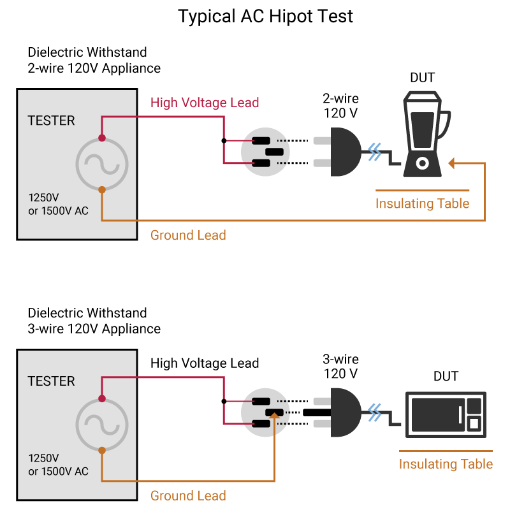
The AC hipot test is an old-time-tested method for inspecting the insulation quality of electrical parts. It applies a high voltage across the product’s conductors and the insulation barrier to identify possible defects, such as insulation breakdown or leakage currents. This test is conducted to verify that the equipment can safely operate under normal and surge working conditions when faults occur.
The test is carried out by ensuring that a controlled high voltage is applied across the insulation, measuring how long the equipment withstands the stress and the amount of leakage currents that flow across. After all, AC hipot testing is more effective in modeling real-life scenarios compared to other approaches, making it suitable for any system that operates under AC. The manufacturing processes and maintenance teams utilize this test to certify to safety standards, including IEC, UL, and ISO, ensuring the safety of end products.
Modern AC hipot testers offer features such as programmable voltage, leakage current detection, and adjustable trip thresholds, enabling precise and targeted testing of various equipment. For example, a typical AC hipot test involves raising the voltage to 2 kV for low-voltage devices, but even higher for industrial-grade systems, depending on the specific requirements set by regulations or operational needs. This combination of precision and flexibility is what truly makes AC Hipot testing invaluable for guaranteeing the delivery of quality and safe electrical systems.
Significance of High Voltage Testing
High-voltage testing holds a special position in ensuring the reliability and functionality of electrical equipment, as the world rapidly advances in technology. These tests simulate the electrical stress of a given device under real-world conditions and can identify potentially impending weaknesses or faults in insulation, components, and the overall system design. For instance, advanced high-voltage test techniques have helped detect insulation breakdown in power transformers, ensuring they remain intact during high-load conditions.
This testing, therefore, should be prioritized above all else, given the high demands from renewable energy to data centers, where fail-proof operation is humanly uncontested. An industry report in 2023 indicated that with the increased emphasis on building sustainable energy infrastructures in one or several countries, the global high-voltage testing market is likely to witness significant growth, thereby highlighting the need for reliable and precise testing solutions. This approach saves money that would otherwise be poured into equipment failure and safeguards the assets. Thus, manufacturers can become compliant with stringent industry regulations by adopting high-voltage testing and ultimately provide electrical systems that are safer and last longer.
Key Elements of an AC Hipot Test Set
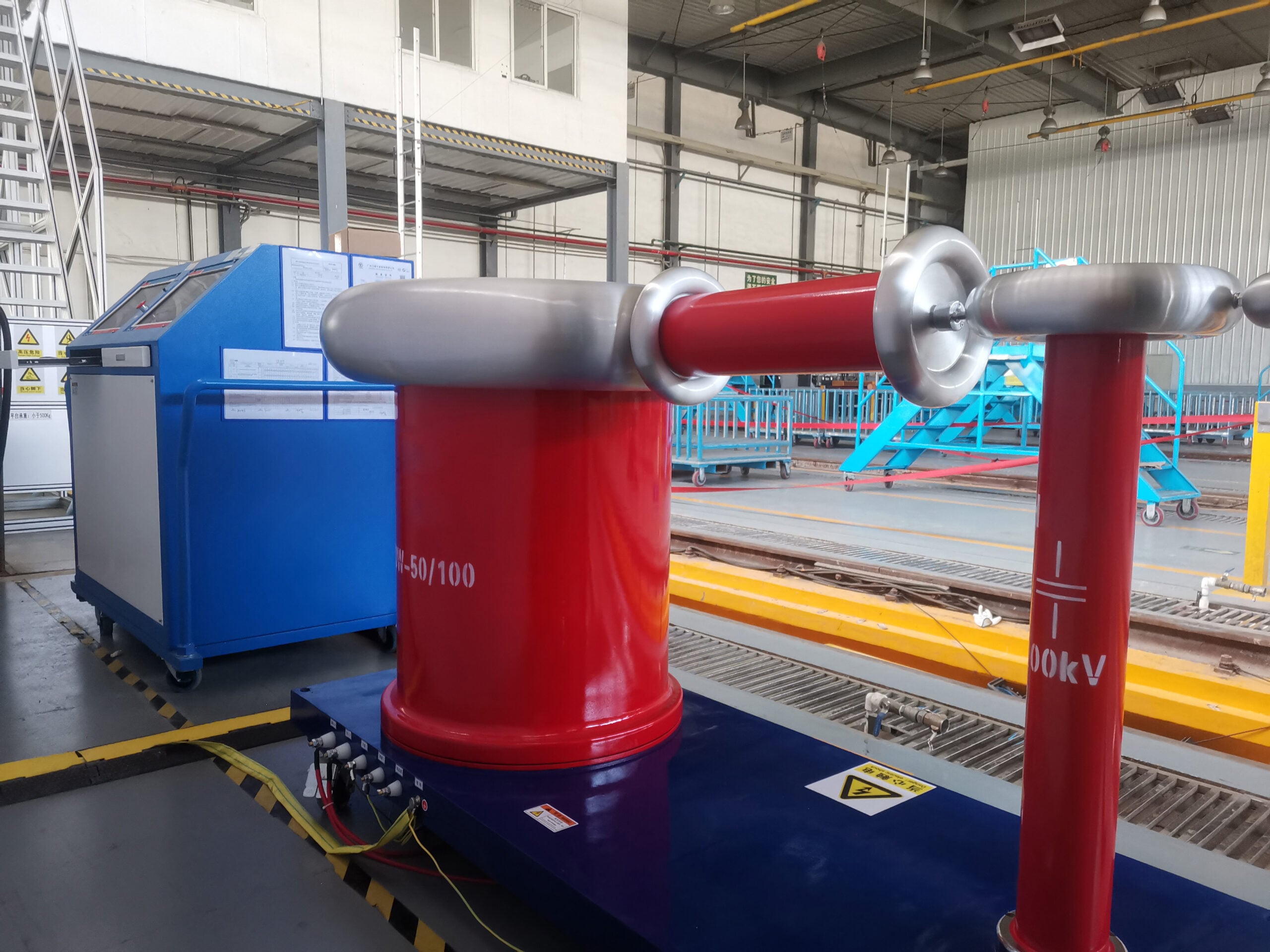
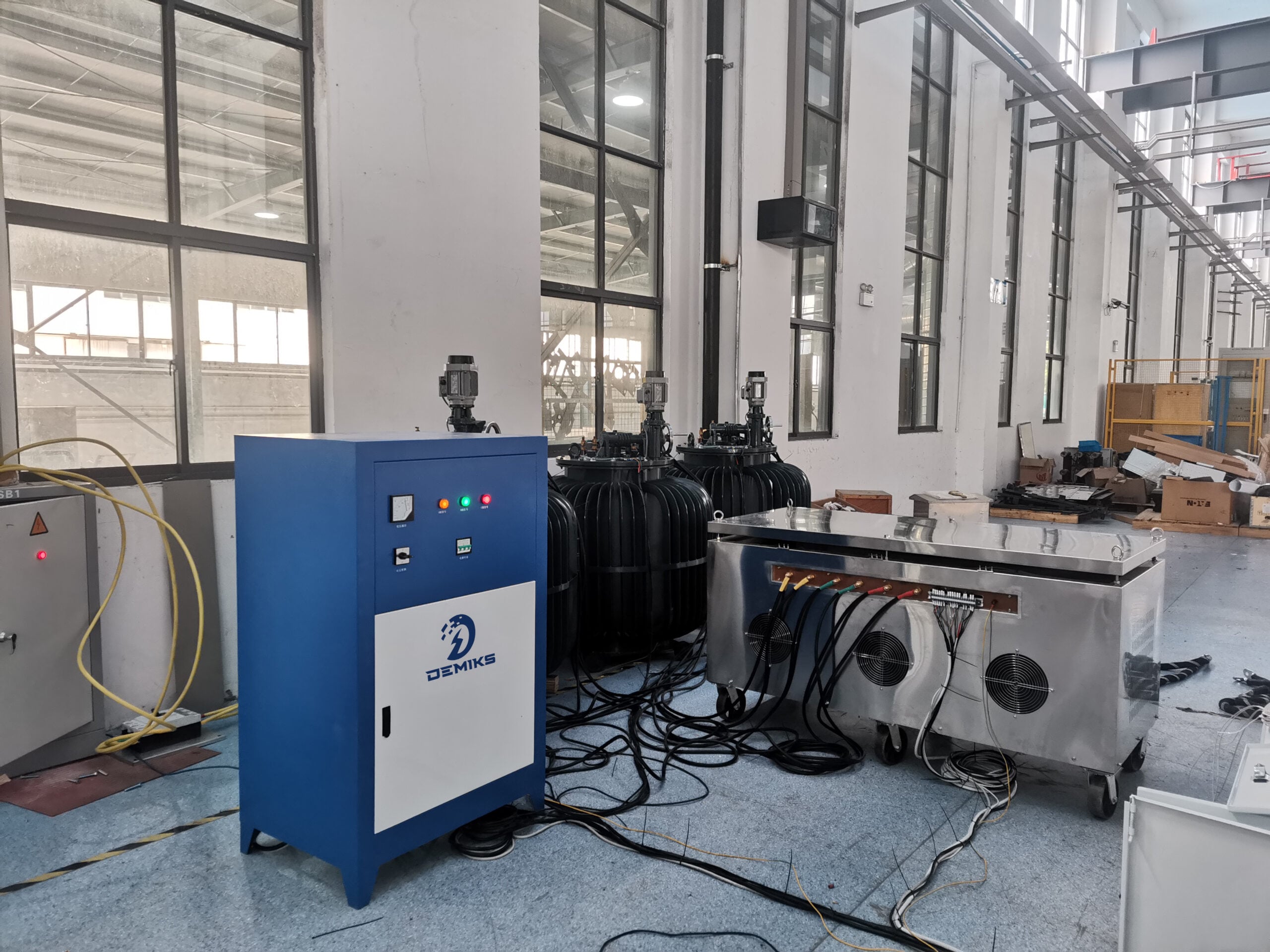
An AC hipot test set consists of several essential components, each serving to ensure the most precise and safe testing operation on electrical insulation: a high-voltage transformer, control units, current meters, safety interlocks, test leads and probes, a voltage divider, and a grounding system.
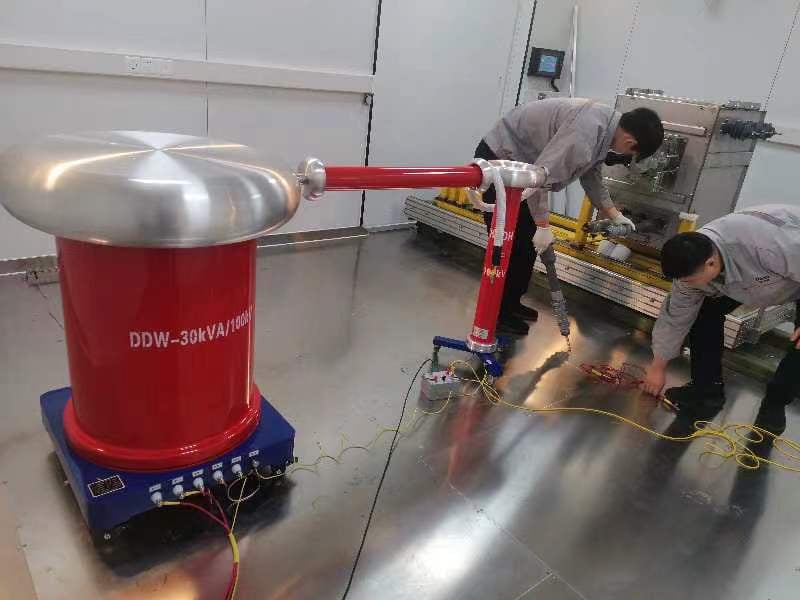
High Voltage Transformer: An AC hipot transformer stands at the heart of a hipot test set. It is tasked with providing the AC voltage levels required for testing. It must be sturdy and reliable enough to support various testing scenarios, ranging from low voltage to shockingly high voltages.
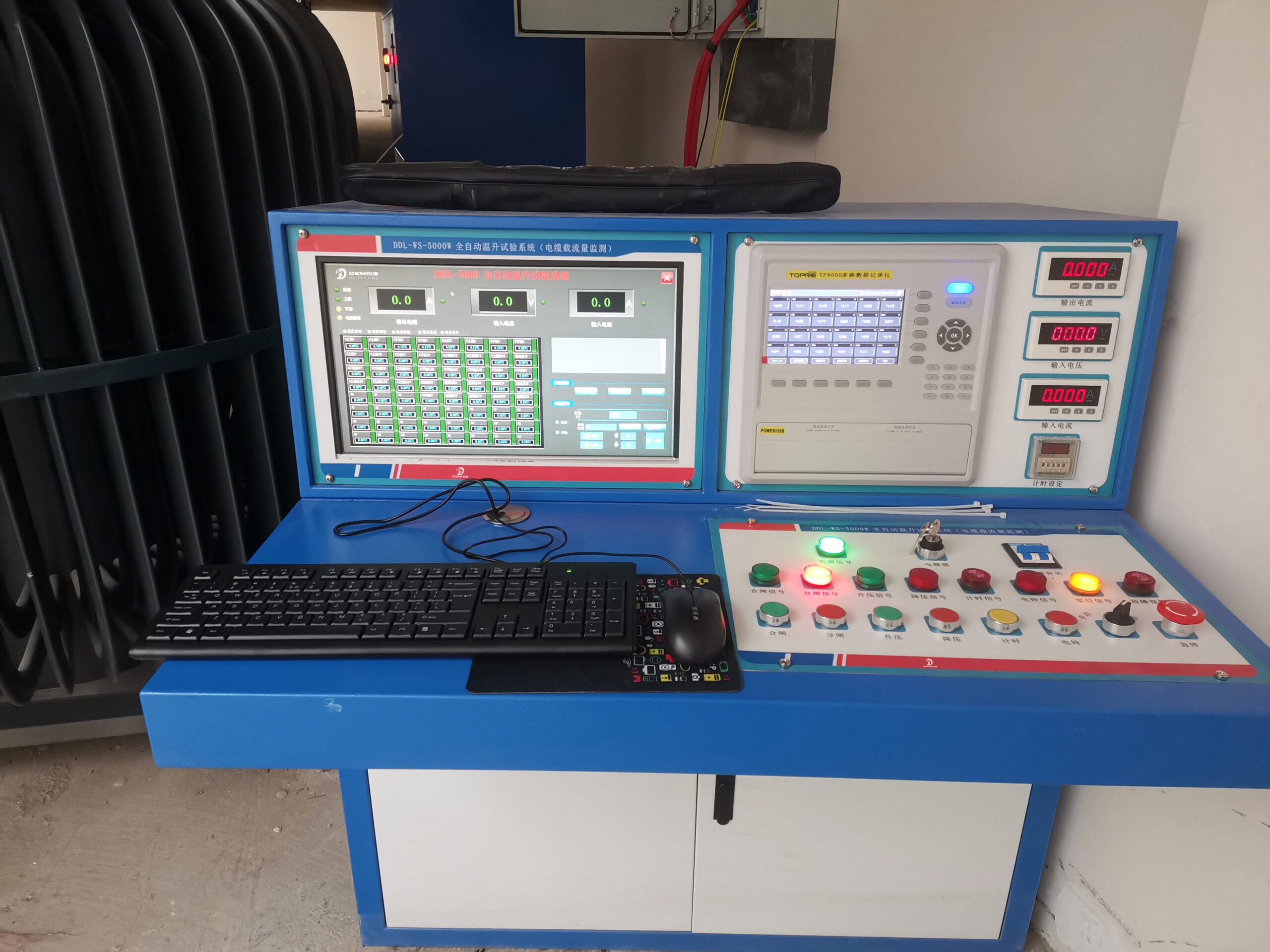
Control Unit: The control unit was primarily built for adjusting and monitoring voltage and current during testing. It is often equipped with fine adjustment knobs, digital displays, and includes protection mechanisms such as overload protection and an emergency shut-off facility.
Current Meter: A current meter measures the leakage current passing through the insulation under test. The accuracy of the current measurement is crucial in determining whether the insulation remains intact in the face of the applied voltage.
Safety Interlocks: These are safety interlocks designed to safeguard the operators and the equipment. Safety interlocks can automatically disable a system if unsafe conditions are detected, such as excessive current draw or accidental open circuits.
Test Leads and Probes: High-quality, well-constructed test leads and probes ensure a secure connection between the test equipment and the device under test. Durability is among safety aspects, along with complying with voltage ratings.
Voltage Divider: A voltage divider steps the high output voltage down to a level that may be measured for monitoring purposes. It ensures that the voltage applied to the test object is maintained at exact parameters, thereby providing enhanced accuracy of measurement.
Grounding System: Proper grounding should provide a path to dissipate any excess current safely. Grounding system safeguards the user from harm, protects the testing equipment from damage, and ensures that the entire test procedure runs with high stability.
Together, all these components ensure a thorough evaluation of the electrical insulation, guaranteeing system reliability and safety in top-grade engineering applications throughout the industry.
Applications of AC Hipot Testers
Testing Insulation on Electrical Equipment
Testing insulation is a crucial factor in ensuring equipment’s safety and performance. The process involves evaluating the dielectric strength and condition of the insulating materials applied in machinery, transformers, cables, and all kinds of electrical equipment. During the testing process, AC voltage is applied through the hipot kits, and any weakness or failure of the insulating materials is identified; otherwise, the used equipment may fail, or injuries may occur due to a breakdown of safety standards.
Modern high-tech equipment with AC voltage generators produces accurate measurements and superior data analysis. These testers measure leakage currents to detect any imperfections that may have allowed moisture to compromise the insulating quality of the materials used. High insulation resistance values are recorded in megohms or even gigohms, providing fine granularity regarding the state of insulation. With such data acquisition being conducted at high speed and in real-time, trends can be identified, and issues can be addressed even before the situation worsens.
Recurring testing of insulation with the hypothesized system is essential in high-stress environments, such as shops, power generation plants, or aerospace applications. Factors such as thermal stress, humidity, and mechanical vibration, among others, tend to degrade insulation over time. Therefore, a periodic hipot test ensures the maximum life of critical assets, increases system efficiency, and minimizes the chances of expensive downtime or electrical hazards.
Dielectric Strength Test
Dielectric strength testing is an evaluation technique used to determine the maximum voltage an insulation material can withstand before it breaks down. Testing will measure the highest voltage that insulation can withstand before it allows current to flow through it or undergoes an electric breakdown, as this measures the electrical integrity and performance of the material. It finds its primary application in industries such as electrical manufacturing, aerospace, and automotive engineering, where component reliability is of utmost importance.
While carrying out this procedure, a steadily increasing voltage is applied to the material under safe and controlled conditions until a breakdown is observed. Amongst other things, material thickness, temperature, humidity level, and the rate of voltage application, to mention but a few, all influence the test results. Notwithstanding, current testing devices used for dielectric strength testing provide precise control and accurate measurements, thereby fulfilling the requirements of test repeatability and standards.
Based on the results of dielectric strength tests, decisions are made to select materials, optimize products, and ensure conformity to quality and safety standards, including those established by ASTM and IEC. For instance, high-performance polymers are fully and thoroughly tested to exacting requirements on boards or cables for insulation. Thus, it helps improve product safety and lifespan, reduces the risk of failure in the field, and ensures the products perform optimally in major applications.
Field Test with Portable AC Hipot Units
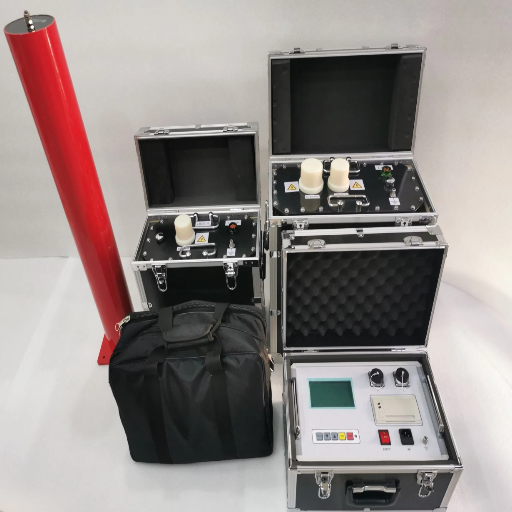
Field testing using portable AC Hipot units is an essential method for verifying the integrity and safety of electrical systems and components under actual site conditions and operational environments. The units have been designed to apply voltages high enough to test the dielectric strength of an electrical system for any weaknesses or potential breakdown points in a controlled and safe manner.
Contemporary portable AC Hipot units are compact and lightweight and have been fitted with innovations such as digital displays, automatic test sequences, and data logging capabilities. These characteristics make them highly valued tools in a diverse range of environments, from industrial plants to field locations. Additionally, these units ensure precise measurements and allow for the versatile adjustment of voltage to accommodate the entire range of safety parameters outlined in the standards.
Using these latest tools during site inspections can detect insulation failures and electrical weaknesses, thereby certifying that regulations are complied with. This guarantees the reliability of the equipment and saves on costs incurred when a mechanical fault causes downtime, unwanted hazards. Due to their ability to adjust according to situational requirements and achieve utmost accuracy in measurements, portable AC Hipot units have become a must-have for professional service providers.
Types of AC Hipot Test Sets
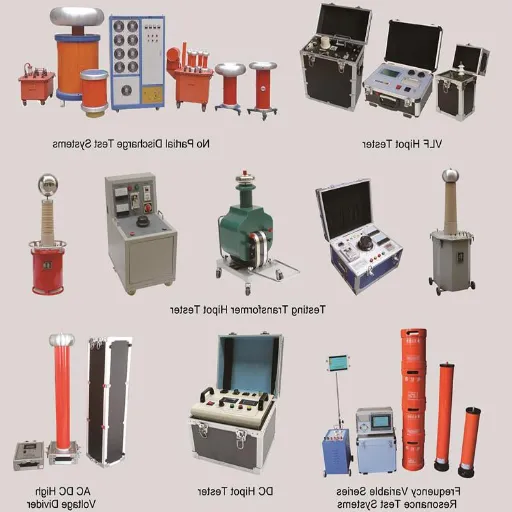
Comparison: Portable vs. Stationary Test Set
The portable vs. stationary AC Hipot test set is preferred primarily based on the testing environment and application needs.
Portability and Flexibility: Portable test sets are designed for mobility, making them ideal for fieldwork and on-site diagnostic testing. They are light and compact enough to enable the technician to carry them from one place to another, thus catering to testing in diverse environments. Stationary test sets are built for fixed installations in dedicated testing facilities. From a performance standpoint, these systems usually offer increased capacity and power output; however, they also require a controlled and stable environment for effective operation.
Performance and Power Requirements: Stationary test sets are designed to withstand high-voltage, high-capacity testing scenarios; therefore, they are well-suited for fields involving large-scale or high-demand types of equipment. The portable models are generally less powerful, but they do serve better in smaller-scale testing and troubleshooting exercises where high voltages are not heavily required.
Set Up and Usability: The setup of portable units is noticeably more comfortable and encourages use by featuring easy-to-use interfaces and self-contained components designed to facilitate widespread, easy operation. Stationary test sets may offer more features but tend to have a steep learning curve, requiring special skills to operate effectively.
Cost Efficiency: Portable units, being less expensive in the initial phase, are thus the economical option for small- to mid-sized agencies or those with minimal testing requirements. Stationary units, on the contrary, yield a substantial return on investment when handled by testing facilities that cope with extensive loads annually and require them to run for long periods.
Either class of test sets, portable or stationary, creates a set of advantages in its respective category. The operational demands, testing environments, and budget constraints must be considered when choosing what suits the force that is provisioned to meet an application’s needs.
Overview of Popular Models: PFT-503CM and Others
The PFT-503CM has long been a favorite model among portable AC Hipot test sets due to its versatility and reliability. Its primary function is to test high-voltage electrical systems, with a maximum output of 50 kV at a 3 kVA capacity, making it suitable for field maintenance and troubleshooting. The model is well known among users for being lightweight, ruggedly constructed, and easy to use in demanding environments. Interlocks are incorporated into the safety circuit, providing enhanced measurement accuracy and operational safety during testing.
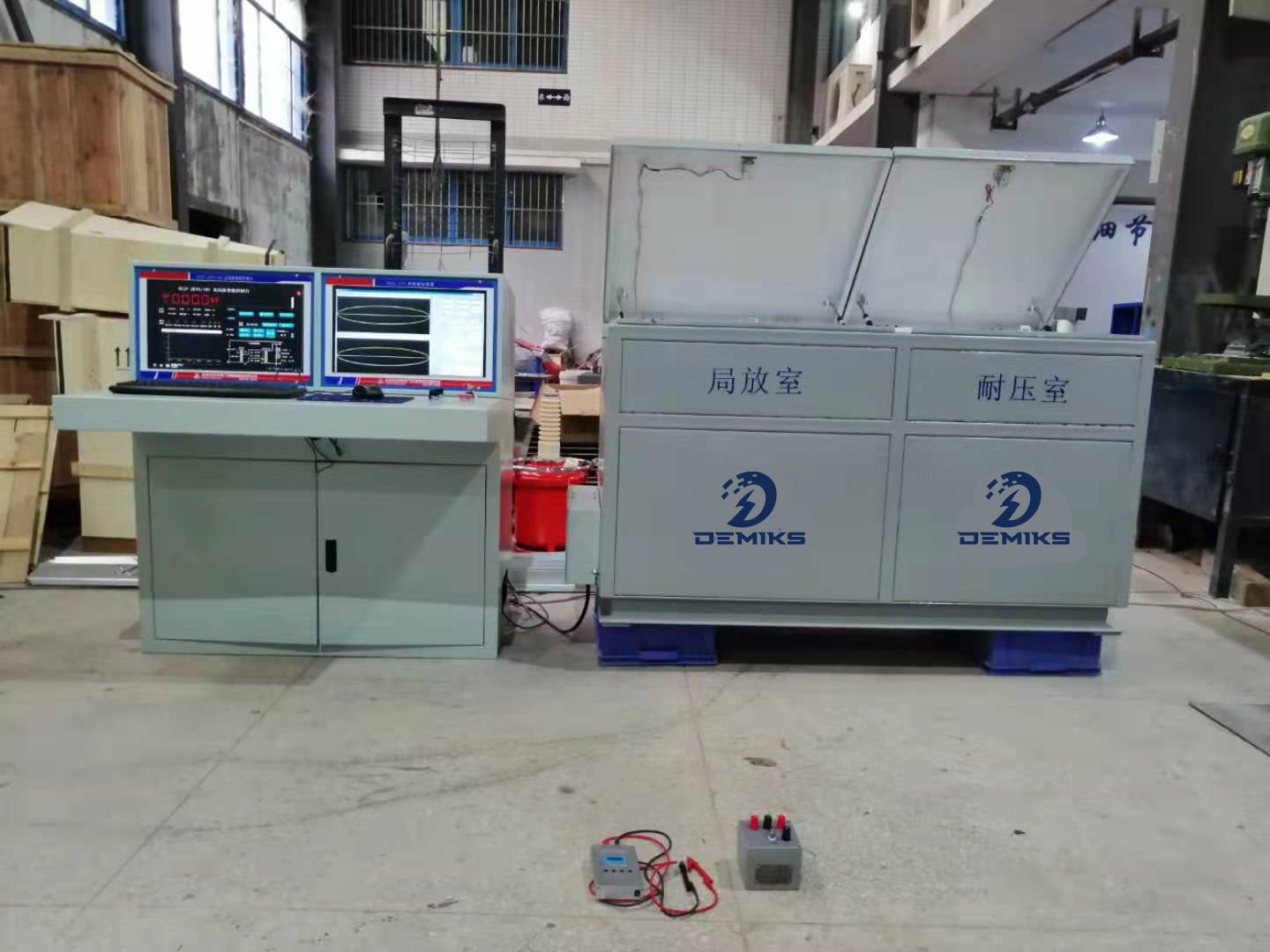
Another primary choice is the HPA-505, designed mainly for stationary installations. It comes with advanced control systems paired with programmable test sequences, allowing operators to automate repetitive high-voltage testing. Rated at a formidable 5kVA output at 50kV, it is massively appreciated in lab environments for its high performance and precision.
While the PTS-2000 series remains comparatively minor in size, it offers multi-voltage ranges and a dual-operation interface that accommodates manual, automated, and user-specific needs. Adept at fulfilling various testing requirements, it does not compromise on portability.
Each model caters to specific criteria, ranging from compactness to advanced automation, thus allowing the user to find an answer that fulfills their operational demands. When considering which model best suits your needs, take into account voltage capacity, ease of use, environmental durability, and the nature of the application.
Voltage Ratings: 60kV, 100kV, and 120kV Options
The options of 60kV, 100kV, and 120kV cater to diverse operational demands, offering flexibility to various industries. The 60kV option is best suited for low- to medium-voltage testing and is primarily used for cable testing, insulation tests, and smaller systems that require accuracy and portability. The nearly 100kV unit fits nicely between above-average capacity for tests in the 6000V-plus range, thereby adding versatility to tests convenient for industry and utilities, which is beneficial for detailed performance analysis. The knock-out 120kV solution under full test silences all generators, transformers, or significant electrical infrastructure needs and is hence all considered.
The fundamental safety standards are further checked, incorporating the best technology to ensure accuracy, efficiency, and safety for the operator at these voltage levels. Being tested for its reliability under environmental conditions, such as continuous operation in harsh field environments, makes it a must-have for professionals employed in high-voltage industries.
Advantages of Using AC Hipot Testers

Improved Safety and Reliability
Designed with state-of-the-art safety features, AC Hipot testers ensure the safe operation of personnel and equipment during testing. These devices incorporate out-of-specification methods internally, such as automatic cut-off, overcurrent protection, clear and blinking warning lights, and similar emergency features, thus reducing the likelihood of accidents and damage to the equipment, and creating a safer environment for testing. While ensuring such measures, precision voltage control technology maintains steady and predictable test voltages, preventing any unexpected surges from affecting the test subject.
Reliability, meanwhile, refers to consistently delivering reproducible test results across various applications. Herein lies a crucial factor in power generation, manufacturing, and medical devices, where stringent quality and safety standards are required. Rigorous testing for quality, mandatory adherence to international safety standards, steel and aluminum construction, and the ability to perform smoothly even when subjected to adverse environmental conditions, such as high temperatures or moisture levels, have earned the AC Hipot tester a well-respected name in industrial testing, where it demands reliability.
Fast Testing in Different Methods
AC Hipot testing instruments are fast due to their sophisticated capabilities and ease of operation, thereby drastically reducing the time required to test an object. High-tech features incorporated include automated test sequences, real-time test data logging, and precision voltage control. Real-time data logging enables immediate parameter evaluation, which is beneficial in identifying anomalies, allowing for prompt remediation and a faster conclusion of the testing process. The test automation thereby reduces the invariably repetitive odds of operator intervention, making the process more reliable by ensuring testing consistency and reducing the second-guessing of results that can sometimes occur due to testing operators.
Additionally, fast test execution and intuitive user interfaces are crucial components of efficiency. Up-to-date AC Hipot testers are mainly supplied with customizable touchscreen options, making it easier for operators to set up tests and interpret results at a glance. Preprogramming test profiles specific to established standards facilitates a significant reduction in setup time and is particularly beneficial when applied to higher storage environments, such as production line operations or industrial quality control laboratories. In addition, their rugged and high-performing design enables these testers to support continuous operation and even endure more demanding scenarios without affecting the results, thereby further elevating production while reducing downtime.
Long-Term Usage: The More Sustainable Option
When considering whether cutting-edge testing equipment is economical, one silver lining regarding investing in equipment is that it involves a significant initial investment but also yields long-term savings in operational costs. The modern testers ensure that energy efficiency and durability prolong greater service lives and contribute to the least maintenance needs, thus an unbelieveable reduction on unanticipated repairing expenses and interrupting the whole business of operations, which essentially contracts the production timelines and its budgets; further, some components rely on excellent quality of wear-resistant materials that keep them virtually immune to frequent replacement, and this, therefore, drastically limits total ownership cost over a longer time.
Another consideration for the factors that increase the long-term cost-effectiveness of this equipment is the fact that cutting-edge technology is installed, which speeds up testing and increases accuracy. Automation, utilizing the latest technology, includes programmable test sequences, real-time diagnostic information, and surface-level manual labor, all while wasting very few resources, including extra time. The analytic toolset enables the operator to quickly service the data, track trends, and identify potential issues before they can develop into severe, expensive errors or costly product failures. These will ensure a considerable improvement in efficiency, albeit they also contribute to productivity enhancements that help the business stay competitive while optimally spending its money.
Being able to carry out high-throughput testing with accuracy always pays off on the commercial front. Lower operational costs per test while maintaining high-quality standards mean these advanced systems are worthwhile investments in the long run. Therefore, they are a very decent option for industries that are inclined to balance stringent performance requirements with economic sustainability in the long run.
Best Practices for AC Hipot Testing
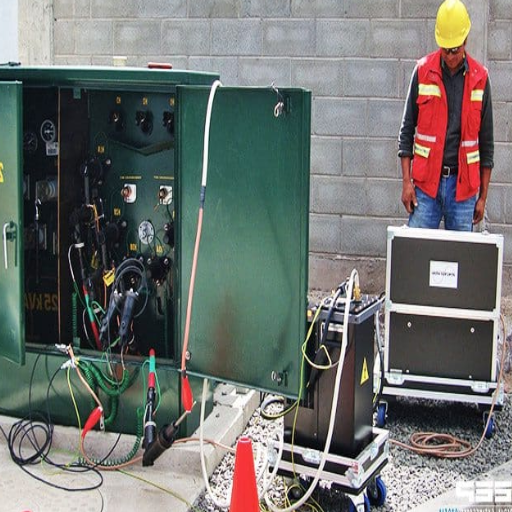
Preparing and Setting up Test Equipment
The first step I take in preparing and setting up the AC Hipot testing equipment is to ensure that all necessary tools and components are available and in working condition. This includes ensuring the hypot tester is calibrated, inspecting the test leads for damage, and verifying that safety equipment is in place, such as gloves and insulated mats. Proper preparation minimizes the probability of mistakes and helps safeguard the person performing the test, especially at very high voltages.
The next step is to set up the equipment carefully, following the manufacturer’s instructions. Along with placing the leads, I ensure that all connections are tight, thereby minimizing resistance and interference during testing. The test area must be free of unnecessary material or personnel so that no one mistakenly touches a live circuit. In addition, if required by the test procedure, I ensure that the Device Under Test (DUT) is well grounded and precisely review the parameters, such as voltage levels and time duration of the test, to follow the specific standard or application upon which the test is based.
Another critical step is to double-check and verify the functioning of emergency and safety interlock devices immediately before running any tests, ensuring that the system can be instantly turned off in the event of an emergency or incident. Such a structured approach to preparation and setup will provide an excellent level of reliability and safety throughout the entire AC Hipot testing procedure. The area enables efficient testing, which would otherwise waste time, while also maintaining the integrity of the equipment and DUT.
Carrying out Tests Safely and Effectively
The safe and effective conduct of tests requires a complete understanding of the equipment used and the procedures involved. Regarding my practices, I have read and understood all relevant manuals and guides related to safety. The testing site must be made safe for work, free of hazards, and equipped with suitable safety appliances, including insulating gloves, goggles, and warning notices. There must be thorough planning to confirm that all components and connections are secure, minimizing unnecessary risk.
Throughout the testing, I carefully observed the system for any abnormalities and unexpected readings. I adhere strictly to voltage level guidelines and predetermined test procedures to prevent undue stress or damage to either the equipment or the device under test (DUT). I also utilize systematic safety interventions, such as emergency stop buttons and interlocks, to prevent equipment failure or injuries in the event of an occurrence. Additionally, I record all observations and results clearly in a documented report that aids in compliance and serves as a convenient source for further analysis.
After all the testing has been completed, I take a thorough look back at the process to identify any areas that could be improved. This reflective step allows me to refine my approach and enhance both safety and efficiency. Therefore, with combined vigilance, adherence to safety standards, and careful record-keeping, a very high degree of safety and effectiveness is assured in every single test scenario.
Reference Sources
-
AC DC Hipot Test – Chroma
Discusses the advantages of AC testing, including its ability to check both polarities of voltage. -
Hipot Testing: Importance and Applications – Violin Technologies
Explains the importance of hipot testing in ensuring electrical insulation for various components. -
AC Hipot Testing – Cirris
Provides insights into AC hipot testing, also known as Dielectric Withstand testing, and its applications. -
Hipotronics 100HVT AC Hipot Tester – Avalon Test Equipment
Details the use of AC hipot testers for field testing equipment, such as bucket trucks and switchgear. -
Electrical Safety Testers – SCI (Ikonix Brand)
Highlights how hipot tests stress a product’s insulation to ensure safety and reliability.
Frequently Asked Questions (FAQs)
What Is an AC Hipot Test Set and How Does It Work?
An AC hipot test set is an apparatus to test the insulation of electrical equipment by applying high-voltage AC signals. Thus, it ensures that the electrical apparatus withstands operational voltages and also prevents leakage currents from passing through it. Typically, these test systems comprise a high-voltage transformer that steps up the voltage to the specified level, usually in thousands of volts (kv). The testing involves measuring the leakage current to decide on the insulation resistance of the equipment under test. Among other things, the calibration procedure is crucial to ensure that all testing requirements and specifications stated in the industry standard are met during testing.
What are the advantages of the AC high-voltage dielectric test equipment?
Systems such as AC high-voltage dielectric test equipment can provide an exact reading of the voltage and current appearing during the test. The use of this test set can highlight weaknesses in insulation that are not noticeable during normal working conditions. Testing with variable voltages offers the advantage of performing the test scenario according to different high-voltage requirements. They ensure compliance with electrical safety regulations and standards for testing, thereby forming an integral part of maintenance programs in industries that heavily rely on high-voltage equipment.
How do I choose a kv AC Hipot for my application?
Choosing the right KV AC hipot depends primarily on the voltage rating of the devices under test, the test voltage levels required, and the type of application, such as switchgear or transformer testing. The KVA rating of the hipot test set should always be higher than the voltage rating of the equipment to ensure tests are conducted in a safe environment. Additionally, anticipate that the set should provide the capability to program test sequences for safety and incorporate an external interlock. It is even wise to consider the brand, remembering how Phenix Technologies and Hipotronics have made their name in the world of high voltage.
What safety measures should be adhered to when making use of high-voltage dielectric test sets?
This is an imperative high-voltage test set for the safety series. Always ensure that no unauthorized personnel are present during testing and that all safety guards and circuit breakers are in place and functioning correctly. Utilize ground continuity checks to ensure the equipment is properly grounded before conducting a test. When testing, wear your protective equipment (PPE) such as insulated gloves and face shields. It is equally important to follow the manufacturer’s instructions, which stipulate the setup and operation procedures, including dwell times and voltage settings, to minimize risks during testing.
Can an AC Hipot Test Set Be Used for DC Testing?
Provided that AC hipot test sets are primarily designed for high-voltage AC testing, a few models also allow DC testing, which is often referred to as kV DC testing. This capability enables thorough insulation testing of a wide range of electrical apparatus. However, care should be taken to always use proper test equipment with the type of voltage in question, as AC and DC insulation behave very differently. Ensure that the hipot test set is rated for both AC and DC if your testing protocol requires dual functionality.
What Are the Important Equipment Parameters to Consider in Portable AC Hipot Test Sets?
The essential specifications to look for in portable AC hipot test sets include maximum test voltage, power capacity (kVA), and weight, which facilitate easy transportation. Consider features such as built-in current meters for leakage current measurements, adjustable voltage settings, and programmable test sequences, which further enhance the ease of use. The design and construction of these test sets are also important, particularly when they will be used in field-portable applications. Ikonix and Hubbell, for example, offer sturdy units that have been developed for rigorous test environments.