Choosing the right doorbell transformer voltage is a critical yet often overlooked aspect of ensuring your doorbell system functions effectively and safely. Whether you’re upgrading an outdated system, troubleshooting an existing setup, or installing a smart doorbell, understanding the voltage specifications of the transformer is key to avoiding potential issues. This guide will provide a detailed exploration of standard doorbell transformer voltages, their role in powering your system, and how to determine compatibility with modern or traditional doorbells. By the end of this article, you’ll be equipped with the technical knowledge needed to confidently address transformer-related challenges, ensuring optimal performance and longevity for your doorbell system.
What Is a Doorbell Transformer and How Does It Work?
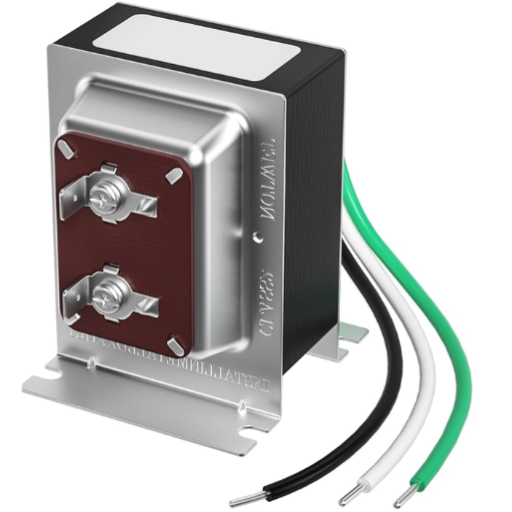
A doorbell transformer is a device that reduces the high voltage of your home’s electrical system (typically 120V or 240V) to the low voltage required to power a doorbell, usually 16V or 24V. It works by converting the electrical current through a process of electromagnetic induction, ensuring safe and consistent power delivery to the doorbell system. The transformer is typically installed near the circuit breaker, electrical panel, or directly on the wall where the doorbell wiring is routed. Its primary role is to ensure that the doorbell operates efficiently without overloading or damaging the system.
Explaining the Function of a Doorbell Transformer
Key Features and Benefits of a Doorbell Transformer
A doorbell transformer serves as a critical component in any hardwired doorbell system, stepping down the high voltage from a building’s electrical supply (typically 120V in the US) to a lower, safer voltage for the doorbell, such as 16V or 24V. This voltage reduction ensures the compatible operation of the doorbell chime and reduces the risk of electrical hazards. Beyond voltage conversion, the transformer delivers a steady and regulated power supply, preventing issues such as buzzing sounds or intermittent functionality.
Modern doorbell transformers are designed to support a range of doorbell types, including both traditional mechanical chimes and newer video doorbells, which often have higher power requirements. Properly matching the transformer’s voltage and power output with the specific doorbell model is essential for optimal performance. Additionally, the installation location (near the circuit breaker or electrical panel) simplifies routing and enhances accessibility for maintenance. Ensuring the correct wiring and compatibility extends the lifespan of both the transformer and the connected doorbell system.
Components Involved in Doorbell Transformer Wiring
1. Transformer
-
- Function: Reduces the standard household voltage (typically 120V or 240V, depending on your region) to a lower voltage suitable for the doorbell system, commonly 8V, 16V, or 24V.
- Key Parameter: Input Voltage (120V/240V), Output Voltage (8V-24V), Power Capacity (10-40VA depending on the doorbell’s requirements).
- Doorbell (Chime Unit or Smart Doorbell)
- Function: Operates as the alert mechanism, producing sound or transmitting notifications.
- Key Parameter: Voltage Rating (matches transformer output, e.g., 16V), Current Draw (varies by model, often 1A or less for traditional systems). Ensure compatibility with transformer output.
- Wiring
- Function: Connects the transformer, doorbell chime, and doorbell button (or smart doorbell system).
- Key Parameter: Wire Gauge (recommended 18-20 AWG for low-voltage systems to minimize resistance), Insulation Compatibility (rated for the operating voltage and environmental conditions).
- Circuit Breaker
- Function: Provides overcurrent protection for the entire electrical circuit, including the transformer.
- Key Parameter: Rated for the transformer’s input circuit, typically 15A-20A for household circuits.
- Doorbell Button or Smart Doorbell Unit
- Function: Acts as the trigger mechanism when pressed or activated.
- Key Parameter: Voltage Rating (matches transformer output), Compatibility with Wi-Fi or wired systems in the case of smart units.
- Mounting Accessories
- Function: Secure the components in designated locations.
- Key Parameter: Includes screws, brackets, and possibly wire connectors for reliable mounting and electrical connections.
Each component in the system must be compatible in terms of voltage, current, and operational requirements to ensure functionality and long-term reliability. Correct installation and compliance with electrical codes are also critical for safety.
Understanding the Role of Voltage in Doorbell Systems
- Low-Voltage Systems (8-24V): Most traditional and modern doorbell systems operate on low-voltage circuits. This reduces the risk of electrical hazards while providing sufficient power for bells, chimes, or electronic components. A transformer is typically used to step down household voltage to this lower range.
- Transformer Requirements: The voltage output provided by the transformer must match the requirements of the connected doorbell components. Transformers rated at 16V or 24V are common for household doorbells, ensuring efficient and consistent operation.
- Compatibility and Voltage Matching: Devices such as wired or wireless smart doorbells must operate within their specified voltage range. Overvoltage can damage sensitive electronics, while undervoltage may result in system failure or unreliable performance.
- Voltage Regulation: Fluctuations in voltage can interfere with proper operation. Ensuring a stable voltage supply through high-quality transformers and correct wiring is crucial for long-term system reliability.
- Battery-Powered Doorbells: Wireless doorbell systems often rely on batteries. These systems bypass the need for wired connections but require regular monitoring and replacement of batteries to maintain operational voltage.
Understanding these aspects of voltage ensures the proper selection, installation, and maintenance of doorbell systems, aligning them with both technical specifications and safety guidelines.
How to Find the Right Voltage for Your Doorbell?
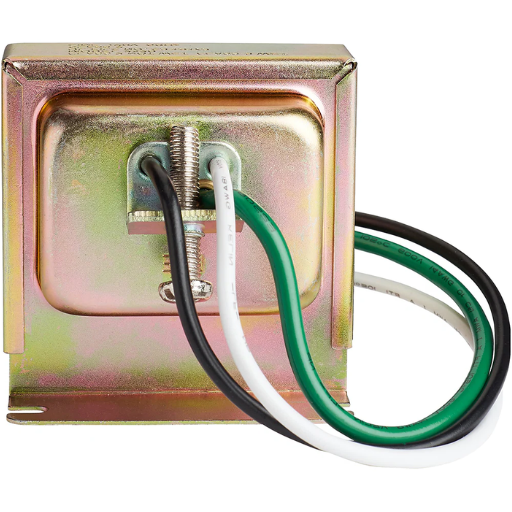
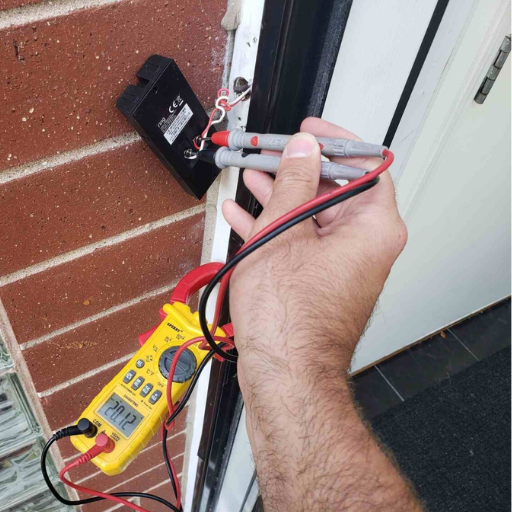
To determine the correct voltage for your doorbell, start by identifying the type of doorbell system you have—mechanical, electronic, or wireless. For wired systems, inspect the transformer supplying power to the doorbell; it typically provides a voltage range of 16-24 volts. Use a multimeter to measure the output voltage accurately, ensuring it aligns with the doorbell’s specifications. For wireless systems, refer to the manufacturer’s documentation to confirm the battery requirements and replace them as needed. Always cross-check these values with the voltage rating provided in the doorbell’s user manual to ensure compatibility and optimal performance.
Identifying the Voltage Needs for Your Doorbell System
To identify the voltage needs for my doorbell system, I would first check the specifications in the user manual or on the transformer itself, as many wired models require 16-24 volts. Using a multimeter, I can measure the output voltage of the transformer to ensure it matches the required range. For wireless doorbells, I would verify the battery type and voltage requirements in the manufacturer’s documentation, replacing them as necessary. Ensuring these values align with the system’s design is critical for efficient and proper functionality.
Steps to Measure the Voltage with a Multimeter
- Turn Off Power to the Circuit: Before starting, I make sure to turn off the power to the circuit or device I am testing. This ensures safety and prevents potential damage to the multimeter or the system.
- Select the Correct Multimeter Setting: On the multimeter, I set the dial to the appropriate voltage range (AC or DC, depending on the transformer type or battery). For example, if I’m measuring a doorbell transformer, this will likely be AC voltage in the 16-24V range.
- Test the Multimeter: To verify accuracy, I test the multimeter by measuring a known voltage source, such as a standard household outlet (for AC) or a battery (for DC).
- Place the Probes Correctly: For measuring voltage, I connect the multimeter probes to the appropriate points. For a transformer, I touch one probe to the live terminal and the other probe to the neutral or ground terminal. For batteries, I touch the red probe to the positive terminal and the black probe to the negative terminal.
- Read the Voltage: I carefully read the voltage value displayed on the multimeter, ensuring it falls within the expected range. For a doorbell transformer, typical outputs should range between 16-24V AC. For wireless doorbell batteries, I confirm the reading matches the documented voltage, such as 1.5V, 3V, or higher depending on the design.
- Record and Analyze: After obtaining the measurement, I record the value and analyze it. If the measured voltage deviates from the required specifications, I proceed to troubleshoot the system, such as replacing faulty components or adjusting connections.
Key Parameters to Verify:
- Transformer Voltage Output: 16-24V AC (Common for wired doorbells).
- Battery Voltage: Matches manufacturer’s documentation (e.g., 1.5V, 3V DC, etc.).
- Multimeter Accuracy: ±0.5-1% of the measured value. Ensure the multimeter is calibrated for precision.
This method guarantees safe and accurate voltage measurements, complying with system requirements and ensuring optimized performance.
Choosing Between 16v, 24v, and Other Standard Voltages
|
Voltage |
Common Applications |
Key Advantages |
Considerations |
|---|---|---|---|
|
16V |
Wired doorbells, thermostats |
Reliable for low-power devices |
Check transformer compatibility |
|
18V |
Mid-range industrial devices |
Versatile and energy-efficient |
May require specific wiring setups |
|
24V |
HVAC systems, security cameras |
Standard for residential systems |
Ensure proper load handling |
|
12V |
LED lighting, small electronics |
Common and widely compatible |
Voltage drop over long distances |
|
5V |
USB-powered devices, sensors |
Ideal for portable electronics |
Limited for high-power applications |
|
48V |
Telecom systems, POE networking |
Great for high power over distance |
Requires compatible infrastructure |
|
120V |
Standard in US households |
Supports most home appliances |
Higher risk of electrical shock |
|
230V |
Standard in Europe and Asia |
Efficient for high-power devices |
Must match system standards |
How to Troubleshoot Common Doorbell Transformer Issues?
1. No Power to Doorbell
-
- Check if the transformer is receiving power from the main electrical panel. Verify the circuit breaker is not tripped.
- Use a multimeter to measure the primary side voltage (120V AC typically). If no voltage is detected, the issue is upstream in the wiring or breaker.
- Low or Incorrect Voltage Output
- Measure the secondary voltage using a multimeter on the transformer’s output terminals. Compare the result with the expected 16V or 24V as specified.
- Inspect for loose connections or damaged wires that can cause voltage drops. Replace the transformer if output is consistently low or unstable.
- Overheating Transformer
- Ensure the transformer is not overloaded by confirming that the connected devices match its rated capacity.
- Check for short circuits in connected wiring or devices like chimes that may cause excessive current draw.
- Humming or Buzzing Noise
- Minor noise is normal, but a loud buzzing may indicate a faulty or overloaded transformer. Verify load conditions and replace faulty units.
- Intermittent Functionality
- Evaluate all connections for corrosion or looseness, as poor contact can cause performance issues.
- Inspect attached wiring for insulation damage that might cause intermittent grounding or short circuits.
By following these steps systematically, common doorbell transformer issues can be diagnosed and resolved efficiently. Always prioritize safety by turning off power before handling electrical components.
Signs Your Doorbell Transformer Needs Replacement
If your doorbell transformer needs replacement, you’ll typically notice clear signs of malfunction. For example, if the doorbell stops working entirely, emits a burnt smell, or the chime is unusually weak or distorted, these indicate a failing transformer. Additionally, a hot-to-the-touch transformer or visible damage, such as burns or corrosion, is a strong indication that replacement is necessary. Always ensure the power is off before inspecting or replacing the transformer to maintain safety.
How to Test the Transformer for Correct Functioning
To test the transformer for correct functioning, I first ensure that the power to the circuit is turned off to prevent any risk of electrical shock. Using a multimeter set to measure AC voltage, I check the voltage at the transformer’s input terminal to verify it matches the expected voltage from the power source. Next, I test the output terminals by switching the multimeter to measure the lower AC voltage range. If the output voltage aligns with the rating specified on the transformer (commonly between 16-24 volts for doorbells), the transformer is functioning correctly. Any significant discrepancy indicates a fault, warranting replacement.
Steps to Troubleshoot a Non-Functional Doorbell
- Inspect the Doorbell Button
Begin by examining the doorbell button for any visible damage, dirt, or debris. A stuck or worn-out button can prevent the circuit from completing. Clean the button and test its functionality using a multimeter to check for continuity when pressed. Replace the button if no continuity is detected.
- Test the Transformer
Use a multimeter to measure the voltage at the transformer’s input and output terminals. Ensure that the transformer’s output matches the specified voltage rating (commonly between 16-24 volts AC). If the output voltage is significantly lower or absent, the transformer may need replacement.
- Examine the Wiring
Inspect the wiring connected to the doorbell system. Look for loose connections, frayed wires, or signs of corrosion. Use a multimeter to test for continuity across the wires and ensure no breaks are present in the circuit. Repair or replace any damaged wiring.
- Check the Doorbell Chime Unit
Access the chime box and visually inspect it for signs of physical damage or burn marks. Use a multimeter to confirm that power is being delivered to the chime unit. Additionally, manually test the chime mechanism (if accessible) to ensure it is not stuck or obstructed. Replace the chime unit if it is faulty.
- Verify the Circuit Breaker or Fuse
Check the circuit breaker or fuse that supplies power to the doorbell system. Ensure the breaker has not tripped or the fuse has not blown. Reset the breaker or replace the fuse if necessary.
- Assess External Factors
Investigate external environmental factors that could impede the doorbell’s function, such as water damage or extreme temperatures. Address these issues and ensure the system is adequately protected against the elements.
- Test the Complete System
After addressing any identified issues, reconnect all components and test the system as a whole. Press the doorbell button and verify that the chime activates correctly. If the doorbell remains non-functional, consider consulting a professional electrician for further diagnosis.
Is Upgrading to a Smart Doorbell Worth It?

Upgrading to a smart doorbell can be highly advantageous, depending on your needs and priorities. Smart doorbells offer advanced features such as live video streaming, motion detection, two-way audio, and integration with home automation systems. These functionalities enhance security and convenience, allowing you to monitor your property remotely and communicate with visitors from anywhere via a smartphone app. However, considerations such as cost, compatibility with existing wiring or wireless networks, and the need for ongoing subscriptions for cloud storage should be factored into your decision. If security and connectivity are crucial for your household, a smart doorbell may be a worthwhile investment.
Comparing Traditional Doorbells to Smart Doorbells
|
Key Point |
Traditional Doorbells |
Smart Doorbells |
|---|---|---|
|
Installation |
Simple, manual wiring |
Wired or wireless, more complex |
|
Cost |
Low, no ongoing fees |
Higher initial cost, possible subscriptions |
|
Connectivity |
None |
Wi-Fi or Bluetooth enabled |
|
Power Source |
Hardwired |
Hardwired or battery-powered |
|
Features |
Basic ringing function |
Video, audio, motion detection, app access |
|
Maintenance |
Minimal, occasional repairs |
Software updates, battery replacement |
|
Security |
No additional features |
Camera for monitoring, two-way audio |
|
Storage |
Not applicable |
Cloud or local storage for video |
|
User Convenience |
Limited functions |
Remote access, notifications, monitoring |
|
Compatibility |
Universal |
Varies by brand and system |
|
Privacy |
No data collection |
Subject to data security policies |
Understanding the Power Requirements of a Video Doorbell
The power requirements of a video doorbell depend on factors such as its power source, functionality, and design. Most video doorbells are powered either through hardwired connections, typically replacing traditional doorbell wiring (16-24V AC), or via rechargeable batteries for a wireless setup. Hardwired options ensure a consistent power supply but require compatibility with your existing doorbell transformer. On the other hand, battery-powered models offer greater flexibility during installation but require periodic recharging or maintenance. Some models also support solar panel attachments as an alternative energy source.
Additionally, advanced video doorbells with HD video recording, night vision, and two-way audio consume more power, which impacts the battery replacement or recharging frequency. Understanding these power needs — and verifying whether your home’s existing electrical system or convenience requirements match the chosen model — is essential for seamless performance. Always consult the manufacturer’s specifications to ensure proper installation and power compatibility.
Integrating a Smart Doorbell into Your Home’s Electrical System
Considerations for Power Integration
To integrate a smart doorbell into your home’s electrical system, several technical parameters must be addressed to ensure compatibility and optimal functioning. Below is a concise guide:
- Voltage Requirements
Most smart doorbells are designed to operate within a specific voltage range, typically between 16V AC and 24V AC. Verify that your home’s transformer meets these requirements to prevent underpowering or damaging the device.
- Current and Power Ratings
Smart doorbells generally consume 10-30 VA (volt-amperes). Ensure your transformer supplies sufficient power, especially if additional devices (e.g., chimes or cameras) share the circuit.
- Wiring Configuration
Standard doorbell wiring often uses 18-gauge or 20-gauge wires. Inspect your existing wiring for compatibility and durability, replacing outdated or frayed wires if necessary.
- Wi-Fi Signal Strength
A robust Wi-Fi connection is critical for smart doorbells. Ensure a signal strength of at least -60 dBm at the installation point for seamless video streaming and real-time notifications.
- Backup Power Solutions
Some models support rechargeable batteries or external power banks. When relying on battery support, check the rated capacity (e.g., 5,000 mAh) to estimate recharging intervals based on usage.
- Surge Protection
To protect your doorbell and other connected devices, install a surge protector rated for 120V circuits. This safeguards against electrical spikes that could damage the unit.
By cross-referencing these parameters with your smart doorbell’s specifications and performing the necessary checks, you can ensure a reliable and safe installation. Always consult a licensed electrician for complex integrations or uncertainties.
Can I Convert a Wired Doorbell System to Wireless?
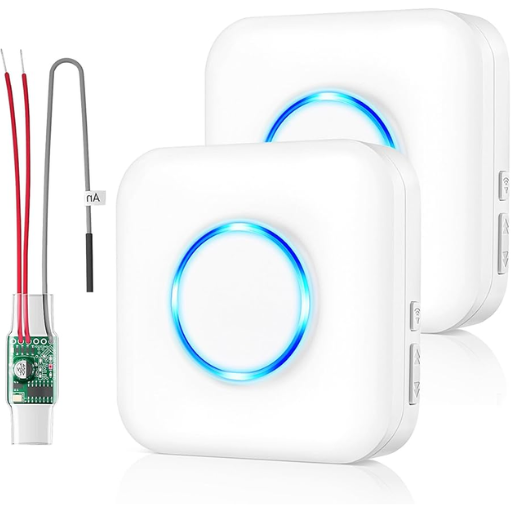
Yes, converting a wired doorbell system to a wireless one is entirely possible. The process involves replacing your existing wired doorbell with a wireless model and installing a compatible chime unit. To do this, disconnect the wired doorbell and safely cap off the existing wires. Then, mount the wireless doorbell and pair it with the chime or smart hub, following the manufacturer’s instructions. Ensure you have adequate power sources, such as batteries or a low-voltage transformer, for the wireless system to function correctly. Always refer to the product’s manual for specific setup guidance and consult a professional if needed.
Pros and Cons of Wireless versus Wired Doorbell Systems
Pros of Wireless Doorbell Systems
- Easy Installation: Wireless doorbells require minimal effort to install, with no need for complex wiring or professional assistance.
- Flexible Placement: Since they are not tethered to a wired connection, they can be installed almost anywhere within the signal range.
- Portability: Wireless systems can be relocated as needed, making them ideal for renters or those who frequently move.
- Smart Features: Many wireless models come equipped with advanced functionalities, such as smartphone integration, video capabilities, and motion detection.
- Aesthetic Appeal: The lack of visible wiring allows for a cleaner and more modern appearance.
Cons of Wireless Doorbell Systems
- Interference With Signal Reception: Wireless systems can be disrupted by external factors like Wi-Fi routers and cordless telephones.
- Dependency On Batteries: Moreover, these systems need batteries which require frequent replacement or recharging, thus becoming a chore.
- Range Capability: The range between the doorbell and the hub of the system is limited by the signal reach of both devices.
- Possible Delay:There might be some delay in sending and receiving instructions with wireless systems.
Pros of Wired Doorbell Systems
- Reliable Operation: Wired systems are not prone to signal interference or latency, ensuring consistent performance.
- No Battery Requirements: Wired doorbells draw power directly from the electrical system, eliminating the need for battery replacements.
- Uninterrupted Connectivity: These systems maintain operation regardless of wireless network issues.
- Durability: Traditional wired systems are often robust, requiring less frequent repairs or replacements.
Cons of Wired Doorbell Systems
- Complex Installation: Installation typically requires electrical wiring, which may necessitate professional assistance.
- Fixed Location: Since wired doorbells are connected to specific power lines, their placement is immovable once installed.
- Outdated Features: Many wired systems lack the modern smart capabilities found in advanced wireless models.
- Aesthetic Drawbacks: Visible wiring may compromise the overall appearance if not properly concealed.
Steps to Convert Your Doorbell to a Wireless System
- Evaluate Current Setup
Begin by assessing your existing wired doorbell system. Identify the location of the chime box, transformer, and doorbell button. Take note of the wiring and power source.
- Turn Off Power
For safety reasons, cut power to the doorbell system through your circuit breaker before performing any work. Verify that there is no electrical current using a voltage tester.
- Remove Existing Doorbell Hardware
Unscrew and carefully detach the wired doorbell button and chime unit. Disconnect the wires from the terminals and secure them to prevent short circuits or exposure.
- Choose a Suitable Wireless Doorbell
Select a wireless doorbell system that meets your requirements, such as range, chime options, and smart features. Ensure compatibility with any additional devices, such as smartphones or voice assistants.
- Install the Wireless Doorbell Button
Mount the new wireless doorbell button at the same location as the previous wired button or at a preferred position. Secure it using screws or adhesive, based on the manufacturer’s recommendations.
- Prepare the Receiver or Chime Unit
Plug the wireless doorbell receiver into a power outlet, or mount battery-operated units in the desired location. Ensure it is within the functional range of the wireless button.
- Pair the Components
Follow the manufacturer’s instructions to sync the wireless doorbell button with the receiver or chime unit. Test the connection to confirm proper functionality.
- Seal and Insulate Unused Wires
If the old wiring is not needed, safely cap the exposed ends using wire nuts and electrical tape. Ensure the wiring remains safely insulated to prevent accidents.
- Test the System
Press the wireless doorbell button to verify that the system works as expected. Test from various distances to ensure the receiver responds reliably.
- Dispose of Old Components Responsibly
Properly recycle or dispose of old doorbell components, including metal parts, wires, and batteries, in accordance with local regulations.
By following these steps, you can efficiently upgrade your home to a wireless doorbell system, enhancing convenience and functionality.
Key Considerations Before Making the Switch
Before transitioning to a wireless doorbell, I reviewed several critical factors to ensure the system met my needs. First, I evaluated the range of the wireless connection to confirm it would cover the distance between the doorbell and receiver in my home. Next, I checked compatibility with existing infrastructure, such as whether the doorbell could integrate with my smart home system if needed. I also considered the power source—choosing between battery-operated models for easier installation or wired options for reduced maintenance. Finally, I prioritized models with adjustable volume, multiple chime settings, and weather resistance, ensuring they were both functional and durable. Conducting this review made it easier to select a reliable and efficient wireless doorbell system.
Reference Sources
- Understanding Doorbell Transformers: Your Complete Guide – 1800doorbell
- How do I find my Doorbell System’s Voltage? – Blink Support
- Understanding Doorbell Voltage: A Complete Guide – Reolink
- How to measure doorbell transformer voltage before hardwiring – Arlo Knowledge Base
- Understanding Doorbell Transformers: Your Complete Guide – 1800doorbell (duplicate entry)
Frequently Asked Questions (FAQs)
Q: What is the standard voltage for a doorbell transformer?
A: The standard voltage for a doorbell transformer is typically 16 to 24 volts. This voltage range is sufficient to power most doorbell chimes and buttons, ensuring proper function.
Q: How do I know if I need to upgrade my doorbell transformer?
A: You may need to upgrade your doorbell transformer if you are installing a newer model such as a ring doorbell that requires a higher voltage, or if your existing transformer is an old transformer that cannot supply enough power for your system.
Q: Where is a doorbell transformer usually located?
A: A doorbell transformer is often located in inconspicuous places such as the basement, attic, near the electrical panel, or sometimes near the doorbell itself. It is connected to the electrical voltage in your home, typically taking 120 volts and converting it to a lower voltage for the doorbell system.
Q: Can I install a new transformer myself?
A: Yes, you can install a new transformer yourself if you are comfortable with basic electrical work. The installation process involves disconnecting the old transformer, connecting the new one, and ensuring the voltage matches the requirements of your doorbell system. Safety precautions should be adhered to, or consider hiring a professional.
Q: What voltage should I use for a ring doorbell?
A: A ring doorbell typically requires a voltage of 16 to 24 volts. It’s important to check the specific requirements of your model to ensure compatibility and optimal performance.
Q: Is it safe to use a transformer with a higher voltage than needed?
A: Using a transformer with a higher voltage than needed can potentially damage your doorbell system. It’s essential to match the transformer’s output voltage with the required voltage of your doorbell chime and button to prevent any issues.
Q: What types of doorbell systems are there and how does voltage affect them?
A: There are different types of doorbells, including wired, wireless, and smart doorbells. The voltage primarily affects wired doorbell systems, which rely on a transformer to convert the 120 volts from your home to a lower voltage suitable for the doorbell chime and button. Wireless and smart systems may have different power requirements.
Q: How does alternating current affect doorbell transformers?
A: Doorbell transformers convert the 120 volts of alternating current (AC) from your home’s electrical system to a lower AC voltage of 10 to 24 volts, which is suitable for powering doorbell components. This conversion is crucial for safe and efficient operation of your doorbell system.
Q: Can I use a doorbell transformer for appliances requiring 240 volts?
A: No, a doorbell transformer is designed to step down voltage from 120 volts to a much lower range suitable for doorbell systems. It cannot be used for appliances requiring 240 volts, as it is not built to handle such high voltage demands.