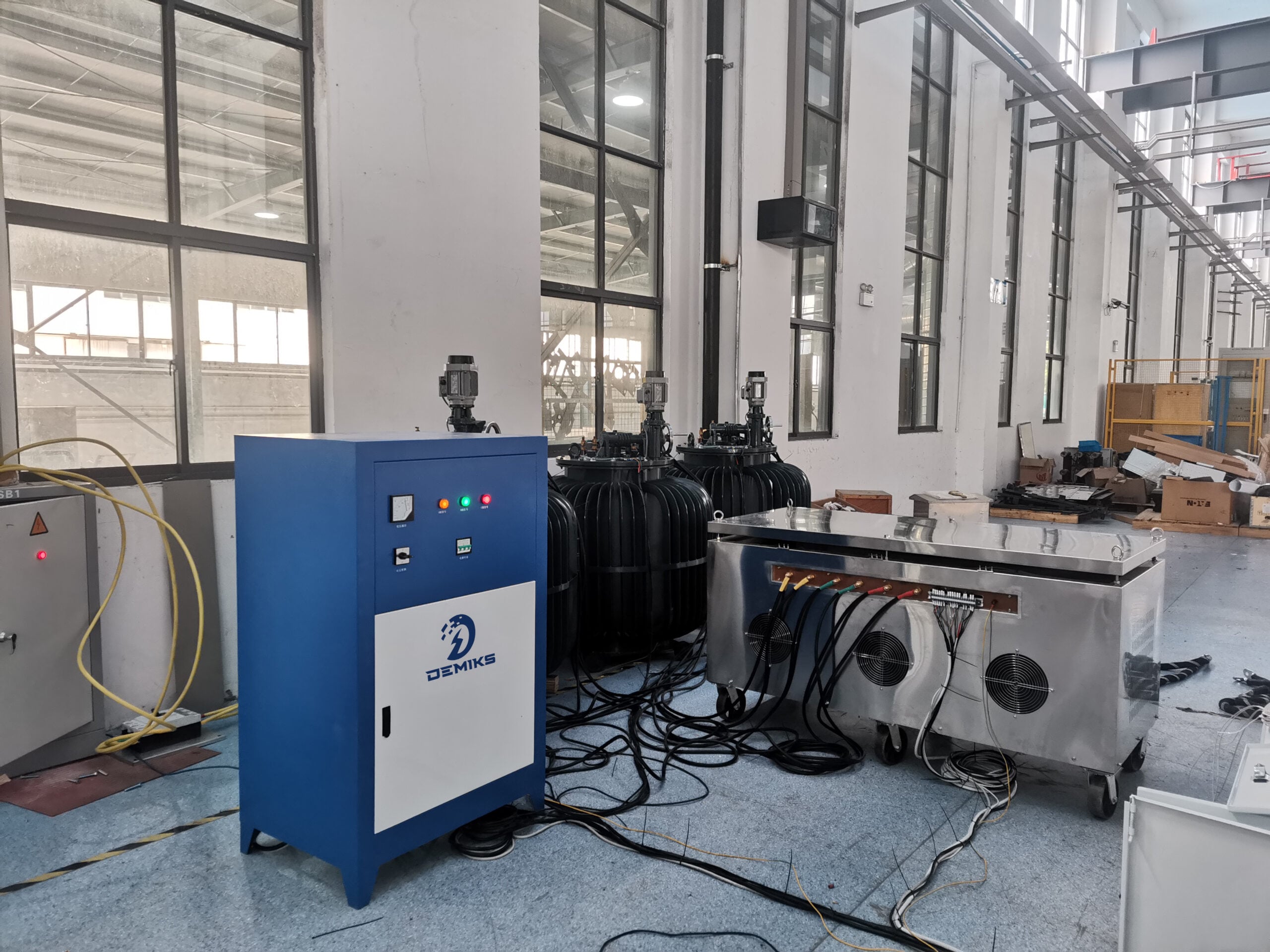
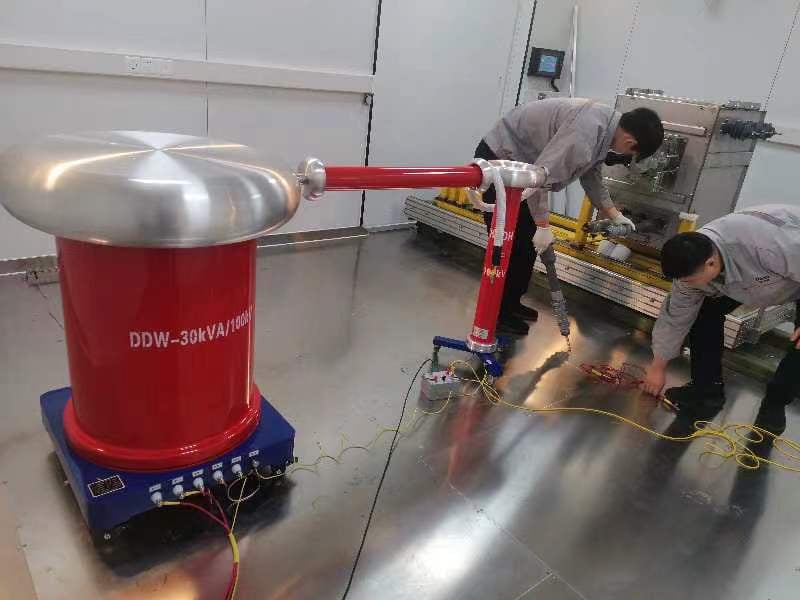
The manufacturing sector is undergoing a revolution, driven by advancements in precision automation technology. These innovations are not only redefining production processes but also setting new standards for efficiency, accuracy, and scalability. From robotics and CNC machining to AI-driven quality control systems, the integration of cutting-edge technologies is enabling manufacturers to achieve unprecedented levels of precision. This blog post explores the key drivers behind the rise of precision automatics, examines the impact on global manufacturing, and highlights the opportunities they present for businesses aiming to stay ahead in an increasingly competitive landscape. Prepare to uncover the future of manufacturing and how precision automatics are shaping it—one innovation at a time.
What Is the Location of Precision Automatics and Why Does It Matter?

The location of precision automatics refers to their placement within manufacturing systems, which is critical for optimizing efficiency and ensuring seamless integration. Precision automatics are commonly utilized at points where high accuracy, repeatability, and speed are essential, such as in assembly lines, machining processes, or quality control stations. Strategic placement allows manufacturers to reduce errors, minimize waste, and enhance overall productivity, directly influencing operational performance and cost-effectiveness.
How to Find the Location of Precision Automatics
To identify the location of precision automatics within a manufacturing or industrial setup, I focus on analyzing operational workflows and identifying critical points in the process where precision, speed, and accuracy are non-negotiable. This involves reviewing system blueprints, consulting process engineers, and leveraging tools such as workflow simulations or real-time data analytics. Precision automatics are often placed where repetitive, high-accuracy tasks occur, such as assembly stations, machining centers, or inspection points. By correlating their placement with key performance metrics, I ensure their location maximizes efficiency and minimizes deviations in output quality.
Why Location is Key for Precision Automatics
The placement of precision automatics is a critical determinant of operational efficiency, product quality, and resource utilization. Optimal positioning minimizes material handling time and reduces the likelihood of bottlenecks in production lines. Studies show that locating these systems at points of high throughput or critical process stages enhances synchronization across workflows, thereby improving overall cycle times. Additionally, proximity to power sources, maintenance access, and key production inputs ensures consistent uptime and reduces unplanned downtime. Poorly chosen locations, on the other hand, can lead to inefficiencies, such as excessive transportation delays or increased risk of process errors, which ultimately compromise output quality and increase operational costs.
The Impact of Location on Precision Manufacturing
Key Considerations and Technical Parameters for Optimal Location Selection
To address the impact of location on precision manufacturing effectively, several critical factors must be explored. The ideal location should align with operational goals and leverage the following technical parameters:
1. Proximity to Supply Chain Network
-
- Minimize lead times and transport costs.
- Recommended radius for suppliers of core materials: within 50–100 miles.
- Access to Skilled Workforce
- Ensure availability of workers proficient in precision machining, robotics handling, and quality assurance processes.
- Workforce technical certification benchmark: 80% trained in advanced manufacturing technologies.
- Infrastructure and Utilities
- Availability of uninterrupted power supply with voltage stability suitable for high-precision equipment (±5% fluctuation tolerances).
- High-speed internet connectivity for IoT and automated systems (minimum 1 Gbps).
- Regulatory and Environmental Compliance
- Compliance with emission standards relevant to the manufacturing sector.
- Location-specific tax incentives or subsidies that align with operational budgets.
- Climate and Environmental Consistency
- Temperature-controlled environments to maintain operational efficiency; recommended internal peak variation ±2°F.
- Avoid regions prone to extreme natural disruptions (e.g., floods, earthquakes) to maintain equipment integrity.
By analyzing these parameters systematically, manufacturers can optimize plant location to achieve maximum efficiency, product quality, and cost savings while minimizing potential disruptions.
How Does Precision Automatics Ensure Quality?
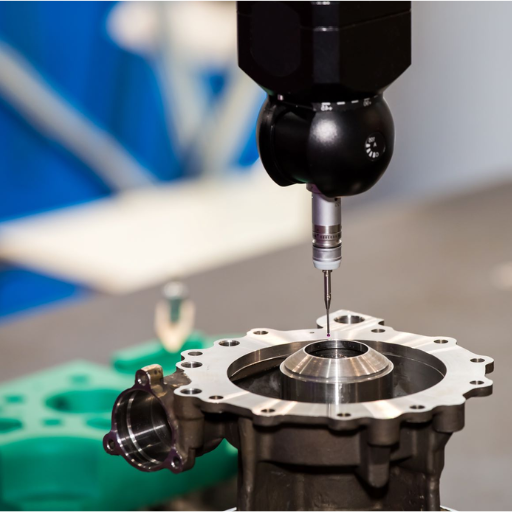
Precision Automatics ensures quality through a combination of rigorous process controls, advanced technologies, and adherence to industry standards. All components undergo thorough inspection at every stage of production, utilizing automated testing systems to ensure precision and uniformity. The company employs statistical process control (SPC) methodologies to monitor manufacturing performance and detect variations in real-time. Additionally, its facilities are ISO-certified, reinforcing a commitment to meeting or exceeding international quality benchmarks. Comprehensive employee training and continuous improvement programs further bolster the reliability and excellence of Precision Automatics’ products.
The Role of Quality Control in Precision Automatics
- Statistical Process Control (SPC): Precision Automatics utilizes SPC to monitor production processes, identify deviations, and ensure a consistent level of quality is maintained throughout the manufacturing cycle.
- ISO Certifications: All facilities are ISO-certified, demonstrating adherence to stringent international quality standards and providing assurance of superior product performance.
- Real-Time Variance Detection: Advanced systems are in place to detect production variations in real-time, minimizing defects and maintaining operational efficiency.
- Comprehensive Employee Training: Extensive training programs are implemented to ensure employees are well-versed in the latest quality management practices and standards.
- Continuous Improvement Initiatives: Leveraging feedback, audits, and innovation, the company consistently evaluates and refines its processes to enhance overall quality.
- Proactive Risk Management: Quality control teams proactively identify and mitigate potential risks to prevent issues before they arise.
- Supplier Coordination: The company works closely with suppliers to enforce quality standards across the supply chain, ensuring material inputs meet required specifications.
- Data-Driven Decision Making: Robust data collection and analysis support informed decisions, driving performance improvements across all aspects of production.
How ISO Certification Boosts Confidence in Precision Automatics
ISO certification establishes a framework of standardized processes and quality management protocols that enhance trust and efficiency in precision automation. Certifications such as ISO 9001 signify adherence to international quality management system (QMS) standards, focusing on consistent production quality, risk management, and customer satisfaction.
Key benefits include:
- Operational Consistency: ISO certification mandates structured workflows and detailed documentation, ensuring repeatable and precise manufacturing outcomes. This improves product reliability and reduces variability in highly technical applications.
- Compliance with Global Standards: Achieving ISO certification demonstrates compliance with universal regulatory and market requirements. For example, ISO/TS 16949 is often essential for manufacturers in the automotive sector, emphasizing defect prevention and waste reduction.
- Enhanced Risk Mitigation: Through systematic risk assessment and control frameworks, ISO standards minimize operational disruptions. They incorporate methodologies such as Failure Mode and Effects Analysis (FMEA) to address potential failure points proactively.
- Continuous Improvement: Regular audits and evaluations required by ISO certification drive ongoing enhancements in production processes. This ensures alignment with evolving technologies and industry demands.
Technical Parameters of Precision Automatics aligned with ISO Standards:
- Dimensional Accuracy: Achieving tolerances as tight as ±0.005 mm (based on ISO 286-1 standards for dimensional and geometrical product specifications).
- Surface Finish: Compliance with ISO 1302 for surface texture, ensuring finishes suitable for specific use cases (e.g., Ra values under 0.2 μm for high-precision components).
- Calibration Standards: Implementation of ISO 17025 for calibration to guarantee accurate measurements and instrumentation reliability.
- Material Traceability: Systems aligned with ISO 9001 require full traceability of materials, essential for industries such as aerospace and medical manufacturing.
Ultimately, ISO certification not only reinforces a company’s ability to meet stringent quality expectations but also strengthens its reputation in competitive markets by demonstrating a commitment to excellence and continuous improvement.
Ensuring High-Quality Products Through Precision Automatics
Precision automation is a critical driver in achieving consistent high-quality manufacturing outputs. By employing advanced automated systems, manufacturers can ensure repeatability, minimize human error, and meet exacting specifications. These systems leverage cutting-edge technologies such as computer numerical control (CNC) machines, robotic assembly lines, and industrial sensors to maintain strict tolerances and optimize production efficiency.
Key benefits include the ability to produce complex components with exceptional accuracy and reliability, especially in industries like aerospace, automotive, and healthcare. For example, precision automation facilitates consistent material handling, real-time process monitoring, and adaptive adjustments to machine operations based on quality metrics. Additionally, integration with AI and machine learning algorithms enables predictive maintenance, reducing downtime while boosting overall productivity.
By combining rigorous automation techniques with robust quality control standards, manufacturers can enhance product durability, streamline supply chains, and improve customer satisfaction. Ultimately, adopting precision automation is not only a strategy for ensuring compliance with quality certifications like ISO 9001 but also a long-term investment in operational excellence.
How Can Customers Benefit from Precision Automatics?
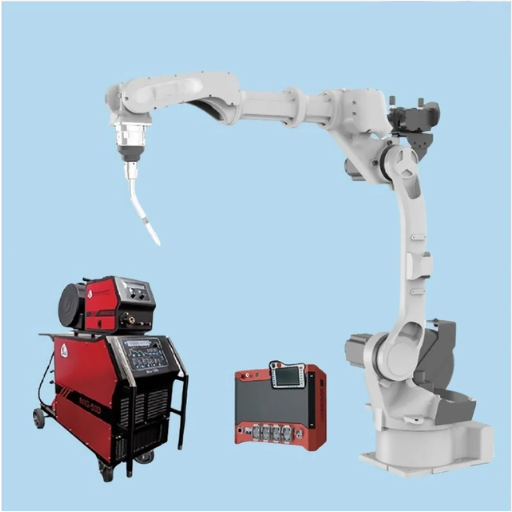
Customers benefit from precision automatics through access to higher-quality, reliable products with reduced defect rates. Enhanced manufacturing accuracy ensures consistent performance and longevity, minimizing returns or failures. Additionally, precision automatics enable faster production cycles, ensuring quicker delivery times and improved supply chain efficiency. These advantages translate to greater customer satisfaction and increased trust in the products they rely on.
Key Drivers of Customer Needs in the Precision Automatic Industry
Understanding customer needs in the precision automatic industry requires a focus on core priorities such as reliability, efficiency, and innovation. Customers demand machinery and components that deliver high accuracy, operational consistency, and durability under various conditions.
Ease of integration into existing systems is another critical aspect, as businesses aim to minimize downtime and ensure seamless functionality. Customers consistently prioritize solutions that offer scalability and adaptability to accommodate evolving requirements, such as higher production volumes or faster cycle times.
Furthermore, the rise of Industry 4.0 standards has increased demand for smart systems equipped with data-driven capabilities, such as real-time monitoring and predictive maintenance. This allows for proactive troubleshooting and optimized operational workflows. Ultimately, clients seek precision automation solutions that not only deliver impeccable technical performance but also align with cost-efficiency and long-term return on investment goals.
The Importance of Customer Service in Precision Automatics
Customer service in precision automatics is critical for achieving maximum efficiency, reliability, and client satisfaction throughout the lifecycle of the automation systems. An effective customer service strategy not only addresses immediate technical issues but also supports long-term operational goals by ensuring seamless integration, maintenance, and performance optimization.
Key technical parameters that are relevant to superior customer service in precision automatics include:
- Response Time: Providing rapid support for system downtime or failures—target resolution times within 4-8 hours for critical issues and 24-48 hours for non-critical issues.
- System Uptime: Guaranteeing uptime levels of 99.5% or higher through timely maintenance and proactive issue detection strategies, minimizing disruptions to operations.
- Predictive Maintenance Accuracy: Utilizing advanced analytics and machine learning algorithms to predict potential system failures with a success rate of at least 90%, allowing for preemptive interventions.
- Integration Support: Ensuring compatibility and seamless functionality by providing detailed technical documentation, software updates, and customization services tailored to client needs.
- Training and Knowledge Transfer: Offering comprehensive training programs, user manuals, and dedicated technical assistance to empower clients with system familiarity and troubleshooting capabilities.
By aligning services with these technical parameters, companies can not only meet but exceed client expectations, reinforcing trust and establishing themselves as leaders in the precision automatics market.
What are the Key Components Used in Precision Automatics?
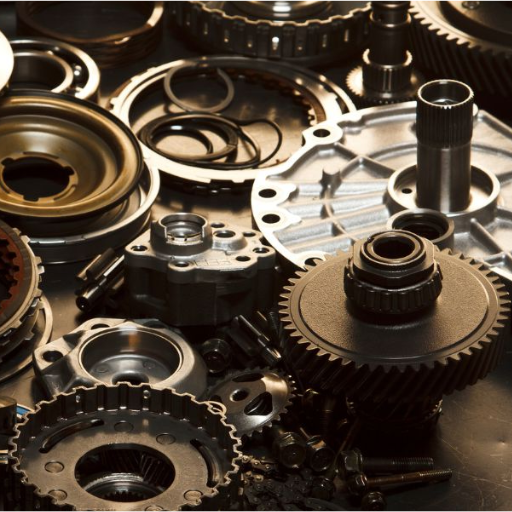
Key Components Used in Precision Automatics
Precision Automatics utilizes a range of advanced components to ensure optimal performance and reliability in its automation systems. These include high-precision actuators for accurate motion control, programmable logic controllers (PLCs) for efficient process management, and robust sensors to enable real-time data acquisition and monitoring. Additionally, the integration of industrial-grade software and communication networks facilitates seamless connectivity and scalability, catering to diverse operational needs. These components are meticulously selected and engineered to meet stringent industry standards, guaranteeing superior quality and functionality.
Identifying Essential Components in Precision Automatics
When identifying essential components in precision automatics, I focus on three primary areas: actuators, controllers, and sensors. Actuators, such as servo motors, deliver precise motion control critical for automation processes. Controllers, including advanced PLCs or CNC systems, ensure seamless operation by managing workflows and execution. Sensors provide indispensable real-time feedback, enabling systems to maintain accuracy, adapt to environmental changes, and ensure consistent performance. These components work in unison, supporting highly efficient and reliable automation systems tailored to complex industrial applications.
The Role of Electrical Systems in Precision Automatics
Electrical systems are integral to the functionality and precision of automated technologies. Their role encompasses several critical components and functions, including:
- Power Supply and Distribution: Ensures consistent and reliable energy delivery to all automation components, preventing power fluctuations that may affect performance.
- Control Systems: Facilitates the regulation of operations through advanced controllers such as Programmable Logic Controllers (PLCs) and Distributed Control Systems (DCS).
- Signal Processing: Manages the processing of analog and digital signals received from sensors to enable precise control and real-time adjustments.
- Actuators and Drives: Powers mechanical motion by converting electrical energy into kinetic energy, enabling precise movement in industrial systems.
- Sensor Integration: Supports the execution of feedback loops by connecting sensors to control systems for monitoring and adjustments.
- Circuit Protection: Incorporates safety features such as fuses, breakers, and surge protectors to safeguard systems against electrical faults or surges.
- Communication Systems: Enables data transfer and interoperability between machines, controllers, and external networks via protocols such as Ethernet/IP, PROFIBUS, or Modbus.
- Energy Efficiency Solutions: Employs variable frequency drives (VFDs) and energy management systems to reduce energy consumption without compromising operational efficiency.
Each of these elements is meticulously designed and integrated to ensure precision, reliability, and scalability in modern automation solutions.
Exploring the Parts that Make Up Precision Automatics
|
Part |
Description |
Key Parameters/Features |
|---|---|---|
|
Sensors |
Detects physical changes (position, temperature, etc.) |
Accuracy, sensitivity, durability |
|
Actuators |
Converts energy into mechanical motion |
Torque, speed, efficiency |
|
Controllers |
Central processing for automation commands |
Processing power, communication protocols |
|
Variable Frequency Drives |
Controls motor speed and torque |
Efficiency, energy management, adaptability |
|
HMI (Human-Machine Interface) |
Interface between operators and systems |
Usability, interface design, responsiveness |
|
Programmable Logic Controllers (PLCs) |
Manages automated processes |
Reliability, programming flexibility, scalability |
|
Communication Modules |
Supports data transfer between devices and systems |
Supported protocols, data rates, security |
|
Power Supplies |
Provides consistent energy to components |
Voltage regulation, efficiency, reliability |
|
Mechanical Components |
Framework enabling physical movement or support |
Strength, precision, material used |
|
Sensors for Feedback |
Monitors system performance for adjustments |
Real-time accuracy, resolution, compatibility |
Why is On-Time Delivery Crucial in Precision Automatics?
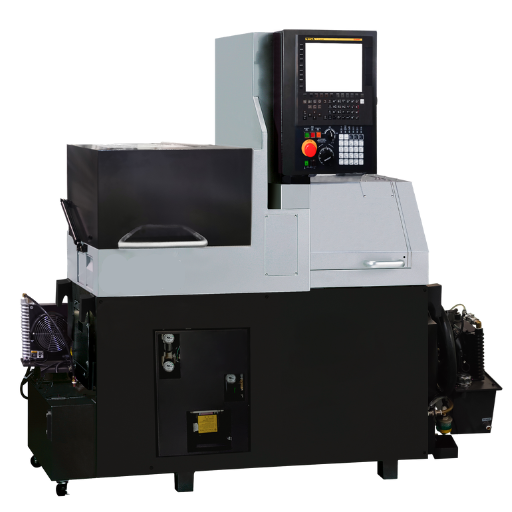
Timely delivery in precision automatics is critical due to its direct impact on production schedules, cost efficiency, and overall supply chain performance. Delays in delivery can result in production downtime, missed deadlines, and downstream disruptions, ultimately affecting customer satisfaction and trust. Furthermore, on-time delivery ensures seamless integration of components into larger systems, maintaining synchronization across various processes. Precision automatics rely on strict timelines to uphold the quality, reliability, and scalability demanded in modern manufacturing and industrial operations.
How On-Time Delivery Impacts Customer Confidence
Ensuring on-time delivery directly correlates with building and maintaining customer confidence. Timely shipments demonstrate reliability and professionalism, which are critical in fostering trust and long-term business relationships. Customers depend on predictable delivery schedules to plan their operations, meet their own deadlines, and satisfy their stakeholders. Consistent adherence to timelines not only strengthens brand reputation but also increases customer loyalty, as it reflects a commitment to operational excellence. Furthermore, delays can lead to reputational damage, financial loss, and diminished trust, underscoring the importance of rigorous supply chain management and proactive communication to mitigate potential disruptions.
Strategies for Maintaining On-Time Delivery in Precision Automatics
- Implement Robust Production Scheduling Systems
Employ advanced production planning and scheduling software to monitor operations in real-time. Utilize tools that enable detailed scheduling based on resource availability, order priority, and deadlines. Key technical parameters include lead times, work in progress (WIP) limits, and capacity utilization rates.
- Enhance Inventory Management
Maintain optimal stock levels through data-driven demand forecasting and just-in-time (JIT) inventory practices. Accurate inventory tracking reduces delays caused by stockouts or overstocking. Relevant parameters include reorder points, safety stock levels, and inventory turnover ratios.
- Establish Predictive Maintenance Protocols
Develop a predictive maintenance strategy to minimize machine downtime. This involves monitoring equipment using metrics such as mean time between failures (MTBF), mean time to repair (MTTR), and vibration analysis to anticipate and resolve potential failures before they disrupt production.
- Optimize Supplier Relationships
Collaborate closely with reliable suppliers to ensure punctual delivery of raw materials. Use supplier performance tracking, focusing on metrics such as on-time delivery rate, defect rate, and lead time variability, to assess and enhance supplier reliability.
- Utilize Real-Time Tracking Technology
Implement IoT-enabled tracking systems to monitor the movement of goods throughout the supply chain. GPS and RFID technologies provide real-time visibility into shipments, allowing for proactive adjustments in case of delays. Key metrics include delivery accuracy, transit times, and deviation alerts.
- Streamline Communication Channels
Foster seamless communication across teams and stakeholders through unified platforms. Real-time data-sharing tools ensure that all parties remain informed about changes or challenges, promoting swift decision-making during disruptions.
- Continuously Monitor KPIs and Review Processes
Regularly evaluate key performance indicators such as on-time delivery rate, cycle time, and first-pass yield to identify bottlenecks and inefficiencies. Use this data for continuous improvement initiatives to refine workflows and processes.
By effectively integrating these strategies and monitoring associated technical parameters, precision automatics operations can maintain high levels of reliability and consistently meet delivery expectations.
The Benefits of On-Time Delivery for Precision Automatics
- Enhanced Customer Satisfaction: Meeting delivery deadlines ensures that customer expectations are consistently fulfilled, fostering trust and long-term business relationships.
- Improved Reputation and Competitiveness: A track record of on-time delivery establishes the organization as a reliable partner, positioning it competitively within the industry.
- Reduced Supply Chain Disruptions: Timely delivery minimizes delays in downstream operations, enabling clients to maintain their production schedules and avoid costly interruptions.
- Operational Efficiency: Adhering to delivery timelines promotes better workflow management and resource allocation, reducing instances of rushed production cycles or overtime.
- Cost Savings: On-time delivery reduces penalties, expedited shipping costs, and the need for rework or rescheduling, contributing to greater financial efficiency.
- Strengthened Client Contracts: Consistently meeting delivery commitments can lead to increased contractual opportunities or more favorable terms from clients.
- Better Inventory Management: Reliable delivery helps maintain optimal inventory levels for clients, avoiding overstocking or stockouts, which can impact their operations.
- Boosted Employee Morale: Achieving delivery targets reflects well on team performance, fostering pride and motivation within the workforce.
Reference Sources
- Jabil Precision Automation Solutions – Offers insights into automated manufacturing and engineering solutions.
- Precision Automation Inc. – Discusses cost-saving benefits and applications of precision automation in contract manufacturing.
- Top Automation Trends 2025 – Explores future trends and the role of automation in transforming industries.
- Flexibility vs. High-Precision Automation – Examines the shift towards flexible manufacturing solutions over high-precision automation.
- Precision Machining and Robotics – Highlights the role of precision machining in advancing robotics and automation technologies.
Frequently Asked Questions (FAQs)
Q: What is the significance of precision automatics in modern manufacturing?
A: Precision automatics play a crucial role in modern manufacturing by enhancing efficiency and accuracy. They are essential for industries that require high levels of detail and workmanship, such as auto repair and transmission production. This technology allows manufacturers to achieve consistent quality and fully certified processes.
Q: How has the introduction of precision automatics changed the manufacturing process?
A: The introduction of precision automatics has revolutionized the manufacturing process by enabling more efficient and faster production lines. This technology minimizes human error, reduces waste, and improves the overall quality and consistency of the products manufactured, particularly in high-demand industries like auto repair.
Q: What are some recommended reviews for precision automatic manufacturers?
A: When considering precision automatic manufacturers, it is essential to look for recommended reviews that highlight both the great and not so great aspects of their services. This includes evaluating their history, the quality of their workmanship, and customer satisfaction. Reviews that talk about what’s great and not so great can provide valuable insights into a manufacturer’s reliability and product quality.
Q: How do manufacturers certify their precision automatic processes?
A: Manufacturers certify their precision automatic processes by adhering to industry standards and regulations. Certification involves rigorous testing and quality control measures to ensure that the machines and processes meet the required specifications for safety and performance. This is crucial for maintaining trust and reliability in products such as transmissions and other auto parts.
Q: What role does technology play in the functioning of precision automatics?
A: Technology is at the core of precision automatics, driving advancements in automation, accuracy, and speed. Advanced software and machinery allow for detailed control over manufacturing processes, ensuring that even the most complex components, like screws and plastic parts, are produced to exact specifications.
Q: Why is it important for manufacturers to be fully certified?
A: Full certification is important for manufacturers as it assures customers that the products and processes meet high standards of quality and safety. It also helps in building trust with consumers and maintaining a competitive edge in the market, particularly in industries where precision and reliability are critical.
Q: What should customers look for when choosing a precision automatic supplier?
A: Customers should look for suppliers with a strong reputation for quality workmanship, updated certifications, and positive customer reviews. It is beneficial to choose a supplier with a history of reliability and innovation in the industry. Additionally, considering suppliers with fast response times and excellent customer service can enhance the purchasing experience.
Q: How has the location of manufacturers, such as 980 Sutton Bridge, influenced their business?
A: The location of manufacturers, like the one at 980 Sutton Bridge, can significantly influence their business by affecting logistics, accessibility to raw materials, and the ability to quickly respond to customer needs. A strategic location can lead to cost savings and quicker delivery times, which are critical in maintaining competitive pricing and customer satisfaction.