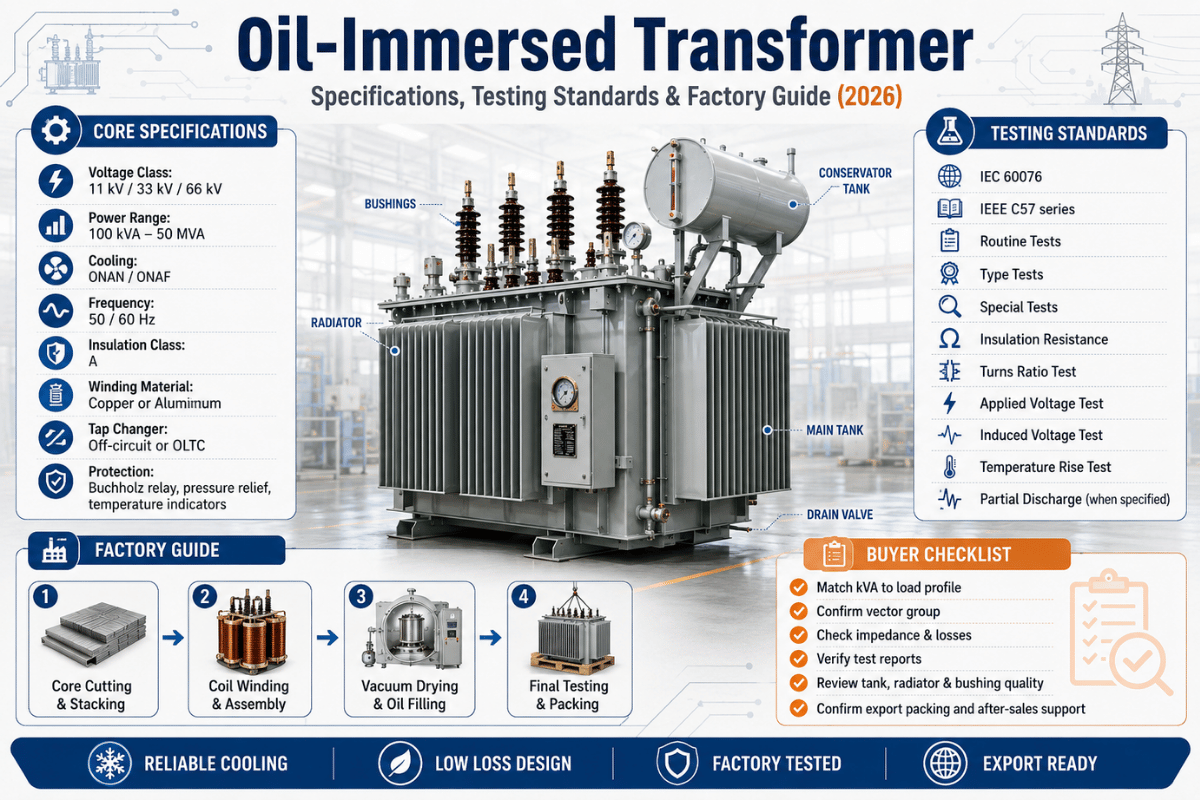
Each electrical component of the power airplane, similar to a substation, serves an important function. An electrical substation is an important aspect of power systems such as cyber units. This Power airplane is location-bound and is needed in various industrial locations. This is the turn for modernized systems of excess flow of power potency. Power generation takes place on an industrial scale mostly.
What Are the Different Types of Electrical Substations?

Every single electrical item has a specific cathode and each item has a different location. Apart from that, they could be classified into many groups considering the features and purposes. Some specialize on:
- Step-Up Substations
These are mostly situated close to power generation plants. Their main function is to enhance the voltage level of electricity generated by power plants to make it economical for long distance transmission.
- Step-Down Substations
These are located close to metropolitan and industrial centres. Step down substations lower the high voltage transmission value to be suitable for local distribution across residential areas, commercial centres, and factories.
- Distribution Substations
These substations are the last step in delivering electricity as they reduce voltage electricity to levels needed for residential homes or small business operations.
- Switching Substations
Switching substations differ from both step-up and step-down substations in that they do not change the voltage of electricity; instead, they control its flow through the grid. These substations are vital for the stability and reliability of the grid.
- Underground Substations
Due to limited available real estate in cities, these substations are placed underground, which lessens their impact on the environment.
- Mobile Substations
To provide backup power or support during critical moments, these mobile substations are designed for easy transportation and quick deployment.
The mentioned types of substations contribute to the power grid in different yet equally crucial ways to enable the delivery of electricity in a safe, efficient, and reliable manner through the power grid.
Overview of Substation Types
Safety, efficiency, and reliability, are primary requirements for any electrical network, and as such, modern substations incorporate new technologies. Each system is of equal importance, as it adjusts the voltage to appropriate levels for efficient power transmission. Switchgear acts as the main control and protection device for the network. Power system components like circuit breakers and disconnect switches are also essential because they allow the network to be serviced without halting all operations.
Today’s digital substations have intelligent devices and real-time monitoring systems, which enhances their fault prognosis capabilities. Also, automation technologies for the substations reduce manual actions and promote easier integration with renewables, enhancing the power grid’s resilience and sustainability. These innovations reflect the relentless adaptation and evolution of substations to cater to contemporary energy systems.
Transmission Substations vs. Distribution Substations
|
Parameter |
Transmission Substations |
Distribution Substations |
|---|---|---|
|
Primary Function |
Step-up/down high-voltage power |
Step-down voltage for end-user delivery |
|
Voltage Levels |
Operate at very high voltages (69 kV – 765 kV) |
Operate at lower voltages (2.4 kV – 69 kV) |
|
Location |
Near power generation plants or long-distance lines |
Close to load centers like cities or industrial areas |
|
Transformer Size |
Large capacity transformers |
Smaller capacity transformers |
|
Equipment Focus |
High-voltage circuit breakers, reactors, and capacitors |
Voltage regulators, relays, and smaller transformers |
|
Load Handling |
Designed for bulk electricity transmission |
Tailored for local electricity distribution |
|
Automation Level |
Highly automated with SCADA controls |
Moderate automation for local management |
|
Integration with Grid |
Interfaces with long-distance transmission lines |
Interfaces with local municipal grids and feeders |
|
Maintenance Requirements |
Higher due to extensive equipment |
Lower compared to transmission substations |
|
Energy Loss Levels |
Minimized for long-distance power transfer |
Acceptable losses for short-distance delivery |
|
Common Users |
Power utilities, grid operators |
Small businesses, residential neighborhoods |
|
Size and Footprint |
Large physical area required |
Compact, smaller footprint required |
|
Communication Systems |
Advanced real-time monitoring |
Basic to advanced communication technology |
What Is a Collector Substation?
A collector substation is a specific electrical substation set up to collect and manage power from renewable energy sources located at different places, such as wind or solar farms. It serves the purpose of integrating medium voltage electricity from various suppliers, increasing the voltage for transmission to the main power grid with minimal energy loss. It integrates transformers, circuit breakers, capacitor banks, and other essential components that facilitate regulation of charge and discharge cycles, across varying loads, adjusting for voltage and current, as well as protection from faults and surges.
Such substations are usually built near the generation source to reduce line losses and relay power effectively. These substations are also designed with advanced components, including real-time telemetry, control, and other functions that increase the reliability and performance of the system, like SCADA (Supervisory Control and Data Acquisition). Because the output of renewable energy is intermittent, collector substations are designed as modular systems to allow easy expansion or contraction of registered capacity and thus, become a critical Infrastructure component of a modern energy systems. Collectors substations help integrate renewables, which contribute to the recent paradigm shift towards greener and more decentralized energy systems.
How Do Substations Work in the Electrical System?

Substations function as key nodes within the electrical system, facilitating the transfer of electricity from high-voltage transmission lines to lower-voltage distribution networks. Their main functions includes voltage transformation, system protection, and power switching. Voltage transformation is done by through the use of transformers that either enable the reception of electricity over great distances or needs to be distributed locally. Protective equipment such as circuit breakers and relays helps ensure safe operation of the system by isolating faults and damage to the infrastructure. Substations also manage and control the routing of electricity and manage automated systems that notify the operators in real-time of any contingencies in the process flow. Due to the electric grids backbone network structure, these functions guarantees efficient response to any request and high service reliability. Call centers receive requests from customers and provide routing, ensure flow, and ensure optimum delivery of power.
Key Components of an Electrical Substation
An electrical substation has several primary parts each with a specific functions in the transfer and distribution of electrical power. Below I compile parts with appropriate description.
- Transformers
The function of the transformer is more commonly known in ensure the voltage level are between high and low for a defined distance. For example, step-up transformers are designed to increase voltages during a long-distance transmission whilst step-down transformers reduces voltages at local distribution networks.
- Circuit Breakers
As a protective device, a circuit breaker can disconnect an electrical load by cutting off the flow of current. The use of modern SF6 gas-insulated circuit breakers improves safety and efficiency of the devices.
- Relays
With the use of relays, control devices that act within a substation area, supervision of overcurrent or short circuit conditions becomes possible enabling the operation of corresponding circuit breakers to remove the faults.
- Busbars
Designed to hold heavy current flows, copper or aluminum materiais with high electric conductivity serve as busbars which are used to relay electricity to differvent outgoing or incoming circuits.
- Capacitor Banks
To adjust the phasor and reactive power of electricity in the substation, capacitoe banks are used. They also help to ensure reduced losses and voltage stable throughout the network.
- Instrument Transformers (CTs and PTs)
The high voltage and current signals are measured by Current transformers (CT) and Potential Transformers (PT). They accurately monitor by scaling down the signals for metering and protection equipment.
- Lightning Arresters
To prevent the components of the substation from being subjected to voltages resulting from lightning strikes, lightning arresters are used. They serve to protect the components by lowering the excessive voltage safely to the ground.
- Isolators or Disconnect Switches
These mechanical switches are used to isolate a section of the substation for energizing during maintenance or emergency works. Isolators are not like circuit breakers as they do not open under load conditions.
- Control Panels
The Control Panels monitor, protect, and control the substation’s equipment at the same time, therefore, the functions control systems are very important for the efficient operation of the substation.
- Energy Meters
Energy meters measure electrical energy consumed within a substation. Their accurate readings are necessary for billing and the management of the grid.
- Grounding System
The grounding system provides the required electrical safety by offering a path of low resistance to fault currents, maintaining currents within safe bounds. Therefore, the possibility of damaging the equipment or injuring the staff is reduced.
- Cooling Systems
Cooling systems, such as oil-based or air-based mechanisms, are usually employed by more critical parts of the apparatus, like transformers, to remove excess heat from the work. Optimal temperatures assist in the prevention of overheating and also rage the lifespan of this equipment.
Together, these components guarantee seamless, safe, and efficient functioning of substations while intricately enduring relentless demands of modern electrical grids.
Understanding the Power Flow in Substations
The flow of electricity in a substation is crucial for modern systems as energy must be transmitted and distributed from generation sources to consumers. It starts with high voltage electricity coming from power plants through transmission lines. Long distance transmission requires these high voltages to reduce energy loss.
Transformers in the substation step down the voltage. Automation within the substation (circuit breakers, switches) controls electricity flow to provide power only to intended grid sections. Protection systems such as relays supervise the power systems for abnormal conditions, and activate circuit breakers to isolate faults instantly.
Dynamic capacitors and regulators are integrated to protect the system from voltage deviations that might occur. After passing through these attentively designed systems in the substation, electricity flows through distribution lines to businesses, homes, and industries. This ensures that modern grids have access to electricity and smooth operation without compromising safety and system integrity.
What Equipment Is Used in Electrical Substations?

To optimize power management and distribution across electrical grids, electrical substations employ specialized equipment to distribute power properly. Important components include:
- Transformers – Increase or decrease voltage levels to enable stronger transmission and distribution of power.
- Circuit Breakers – Protect the system by interrupting the flow of electricity during faults or overloads.
- Busbars – Conduct electricity within the substation and connect multiple circuits.
- Disconnect Switches – Enables secure equipment isolation for maintenance or emergencies.
- Capacitors and Reactors – Employed to balance and regulate grid voltage power factor for stability.
- Protective Relays – Supervise working conditions of the system and activate countermeasures to avoid equipment burnout or power outages.
These components work collectively to ensure the safe, reliable, and efficient operation of the electrical grid.
The Importance of Transformers in Substations
Transformers are critical components of substations as they facilitate the backbone of voltage control and energy flow throughout the electrical grid. Their main role is to either increase or decrease voltage levels for optimal power usage in transmission and distribution. Upgrading voltage increases efficiency during long-distance transmission of energy while reducing it makes it safe for consumption.
With such modern transformers, on-load tap changers (OLTCs) are available which change the voltage levels of a circuit without switching off the load. Furthermore, modern transformers have an oil bath for better cooling of the transformer and dry type transformers for different indoor spaces which fulfills specific designs to meet diverse requirements. Furthermore, high-efficiency transformers reduce energy loss by utilizing low-loss materials and advanced core technologies, which helps towards saving non-renewable energy and promoting the overall sustainability of the grid.
The flexibility in managing load demands with agility, high fault toleration, and quality of service power, makes transformers highly efficient. Combining these devices with a smart monitoring architecture utilizing sensors and IoT provides real-time performance updates and predictive maintenance. Doing so helps reduce the wear and tear of the components makes the equipment last longer while reducing downtime. All of these factors illustrate why transformers are important for providing stability in the power system.
Electrical Devices Commonly Found in Substations
Substations also perform the function of enhancing electrical networks by using circuit breakers which form vital parts of substations. Their primary use is to disintegrate faulty currents and provide electrical network protection during unusual events. Advanced relays and sensors are capable of detecting events such as faults. Modern circuit breakers often utilize technologies such as SF6 vacuum gas, enabling better reliability and efficiency. The circuit as described also have categories suited for low, medium and high voltages, making them widely suitable for all kinds of substations. Therefore, combining digital communication innovations allows better reliability, quick responsiveness during emergencies while also allowing remote supervision of the system.
Isolation switches or disconnect devices are essential equipment used to protect and maintain safety in a substation. Disconnect switches are used to manually or automatically break off contact for sections of an electrical network or device which requires maintenance. Unlike circuit breakers, disconnect switches are not meant to be used during a live current, they only serve purpose when the current flow has stopped. These switches work best when paired with an earthing switch during downtimes for absolute guarantees of safety. Recent improvements such as remote-operated motorized disconnect switches have significantly increased functionality.
Substation Design: How Equipment Is Integrated
By incorporating modern equipment, other system parts reliability, efficiency, and safety are gained. These are modern requirements for a substation. Key components include protective relays, circuit breakers, transformers and even disconnect switches which need to be properly intertwined and strategically placed for the best output. Transformers are properly placed to change voltage levels when necessary while circuit breakers are placed ahead of where fault currents flow to minimize damage and ensure system stability. Disconnect switches are installed next to the components which require maintenance and protective relays are programmed to track abnormal measurements and activate appropriate actions.
The integration process includes intelligent electronic devices (IEDs) that enable monitoring and data collection in real time and automation and automation of processes. Such devices’ interoperability is made possible by communication protocols like IEC 61850, facilitating substation automation systems (SAS) interoperational integration. This method improves informational operational transparency and during equipment failures or emergencies, response time is significantly reduced. Modular structures and digital architecture prioritization in system design allows substations to cater to rising demands such as the ever-increasing need for renewable energy sources and distributed generation systems.
What Is the Role of Substations in Electricity Transmission?

Substations are crucial to the flow of electric energy in the power system. They convert voltage for efficient long-distance transmission in relation to distribution networks and consumer accessibility. Substations also control voltages, enhance the quality of electricity supplied, and perform essential switching needed for maintenance or isolating faults. All these functions guarantee that electricity is supplied reliably and safely to homes, businesses, and industries.
Transmission Lines and Their Connection to Substations
Transmission lines are the most important parts of an electric power system. They carry high-voltage power from generation and collection facilities to substations. These lines are made with advanced materials and steels, like aluminum conductors reinforced with steel (ACSR), aluminum conductors reinforced with steel, which optimize conductivity and strength to reduce energy losses over long distances. The connection to the substations is made with great care to guarantee complete and smooth functioning with the electrical grid. At the substation, the received high voltage from the transmission lines is first transformed and then stepped down through step-down transformers to distribution level voltages, which are safer and more efficient. These transmission networks are integrated with modern monitoring systems like phasor measurement units and smart phasor measurement units (PMUs) for monitoring, fault detection units for preventing failures, and grid stabilizing technologies which ensure reliability, prevent outages and sustain grid stability. These innovations maintain an effective delivery system of energy while urban and industrial demands surge.
Managing Voltage Levels in Electrical Substations
As discussed before, the maintenance of the power delivery systems along with the managing voltage levels at the electrical substations arises as prominent factors impacting the reliability of the subsystems. Today, these phenomena can be dealt with an advanced voltage control instruments which are utilized by modern substations called Automatic Voltage Regulators. These AVRs trigger real-time voltage changes and resolve them by making decisions like changing the voltage levels via on load tap changers in the transformers. These automatic systems are specially designed to enhance stability and resilience of voltage during varying parameters like dynamic load changes due to peak demand.
Also, Static VAR Compensators (SVCs) and STATCOMs (Static Synchronous Compensators) are examples of devices that have been implemented for controlling voltage variation issues. These devices improve the power factor by either injecting or absorbing reactive power, which helps in improving the voltage profile across the grid.
Moreover, the addition of high-voltage direct current (HVDC) systems into substations expands capabilities for long-distance power transmission, increasing control of interregional power flows while decreasing losses. Predictive maintenance, IoT diagnostics, and real-time monitoring are made possible with advanced sensors, which are increasingly integrated into substations, reducing downtimes and operational risks.
Developing and improving wide-area monitoring systems (WAMS) enhances the ability to manage voltage control for large areas and in divided grids which allows faster response times to changing conditions as well as ensuring system stability during disruptive events. All of these changes help bolster the infrastructure of the electrical grid system to make it far more adaptable, more efficient, and secure.
How Are Substations Designed and Constructed?
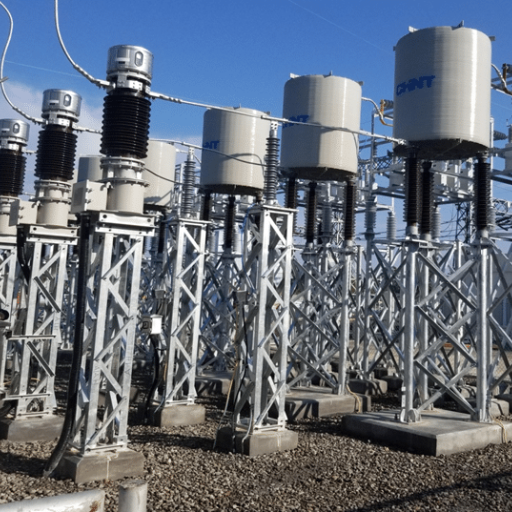
Automated substations are specially designed to ensure electricity is transmitted and distributed in a safe and reliable manner while protecting the equipment and adhering to all applicable laws. The process starts with selecting a site, which requires consideration of the load centers and the area’s environmental sensitivity. Then, engineers devise optimal layouts that place important equipment such as transformers and switchgear in strategic positions.
Clearing and leveling land is the first step of construction. After the ground is prepared, heavy equipment is installed, and the first pieces of the structure are mounting to the busbars, circuit breakers and relay panels, stringent benchmarks are applied to ensure that the system’s integrity is preserved. These systems also aid in guarding equipment and personnel from electrical blunders. Construction schedules are tailored to operational requirements allowing the substation to be fully functional within the planned period.
Factors Influencing Substation Design
Considerations related to safety, reliability, and efficiency impact substations from technical, operational and even environmental standpoints. These aspects undergo careful scrutiny during the planning and design phase as these factors shape the overall efficiency and durability of the substation. Key Factors are:
- Load Demand and Capacity Requirements
Designs for substations are created with the electrical network’s load demand in mind, prioritizing projected requirements. Performing the Load Forecasting Proccess accurately becomes imperative alongside other appropriate validations. For example, suburban designed substations often require higher capacity as compared to rural regions. Polulation density is a crucial factor.
- Voltage Levels
Based on the substations voltage class, the power equipment utilized within the network determines the level of power transmission or distribution. Voltage class 11kV Distribution networks and up to 765kv for Transmission operation with the proper class insulation. Cleareances and voltage equipment class must be adhered to as well.
- Geographic and Environmental Conditions
Constrains such as temperatures and humidity impact the equipment’s design and the materials used for their construction alongside the layout. Mechanical materials are interchanged with anticorrosive materials in coastal regions which are rast laden. Moreover floods impact the construction of substations prompting flood zones which elevates substations above ground.
- System Configuration
The configuration of the system to be single bus, double bus, ring bus or breaker-and-a-half remains a design consideration boundary. Each configuration will have its own set of operational pros and cons, specifically when taking into consideration redundancy, flexibility, and fault tolerance.
- Land Availability and Space Constraints
Safety clearances as well as placing physical equipment also affect layout. For areas with limited land, compact GIS (Gas Insulated Substations) are more suitable. On the other hand, AIS (Air Insulated Substations) are economical and practical in wide open spaces.
- Safety and Grounding Systems
A well implemented grounding system helps to greatly reduce touch and step potentials ensuring safety to personnel and equipment during faults. Grounding grids are designed referencing standards like IEEE 80.
Achieving these goals provides thorough and accurate automation engineering design and building system substations. Following best practices and simulating designs is guaranteed to give the desired results for the project.
Safety Considerations in Substation Construction
Safety measures concerning the construction of substations necessitate precise schedules and strict compliance with standards and regulations. Remember these considerations: all grounding systems must be properly designed to safeguard against electrical hazards, like touch and step potentials which are dangerous to personnel. Electrically safe live equipment and wiring isolation during construction enables work without the risk of electrical contact.
Clearance and face shields are also included in the personal protective equipment (PPE) requirements for atrisk workers that are exposed to arc flashes. The levels of PPE required depend on the scenario presented and equipment available which can be designated using incident energy analysis.
The risks posed by construction equipment, such as a crane or drill, must be remedied with strict procedures and inter-crew communication. Safe distances moisture from active component energization are OSHA and NESC compliant.
As noted above, all employees must undergo thorough training in safety procedures. Training sessions should cover potential site-specific dangers, handling emergencies, and carrying out drills to prepare personnel for possible scenarios. If construction projects implement these detailed safety procedures, they will be able to reduce construction accidents and injuries while maintaining efficiency and security.
Environmental Impact of Substation Locations
The location of substations is one of the many issues a power system administrator must deal with during the design stage of the power system. Substations impactsurrounding ecosystems, land use, and local communities, making thorough environmental evaluations necessary from the start. Some primaryconsiderations include land disruption and its associatednoise pollution, alongside any impact to regional flora and fauna.
As an example, the installation and operation of substations tend to cause habitat destruction and fragmentation, especially in areas near ecologically sensitive zones. The installation of such devices, as well as their maintenance, may interfere with certain species that are known for being sensitive to light and noise. The oil used to insulate power equipment—as well as other materials—poses risks of soil and water contamination if stringent management policies are overlooked.
Incorporating techniques such as site selection using buffers and waste management mitigates environmental concerns but results in a lesser impact on the environment. There is a new emerging technology such as environmental analyses using GIS which allow for more informed site selection decisions by avoiding socio-ecological disruption. Substation developments also respect the more comprehensive regional environmental laws which render them compliant with broader conservation targets.
It is crucial to securely balance the socio-ecological impacts and technical requirements of substations for the sustained development of energy infrastructure.
What Challenges Do Substations Face?
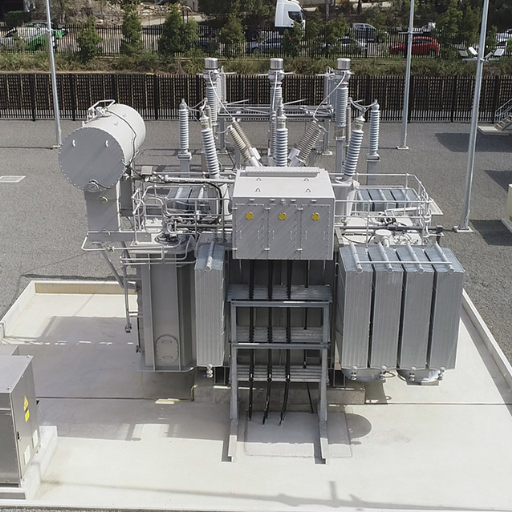
Substations struggle with multiple challenges that affect operational efficiency and reliability. One difficulty is outdated aging infrastructure since a lot of equipment used in the substations is old and obsolete, making it susceptible to breakdowns resulting in higher maintenance costs. Furthermore, critical components of the grid may also get damaged because of outside cyber threats focusing on climate extremes. In relation to heatwaves or storms, lack of necessary infrastructure nowadays increases the chances of damage to vital devices. Another growing concern includes overheating during digital control of systems. Renewables pose an additional concern as they need to be integrated into substations, posing technical and operational issues such as managing their unpredictable generation, interfacing outdated systems with new energy flows, and upgrading them to allow additional energy to be injected. All of these obstacles need investment aimed towards strengthening and updating the infrastructure, which would greatly improve resilience and modernize systems.
Addressing Aging Infrastructure in Substations
To resolve the problem of aging infrastructure in the power grid substations, investment policy and strategic policy work together with advanced engineering are needed towards a single goal enabling engineering stimuli that are oriented towards the prompt resolution of these issues. One of the critical steps is the implementation of condition-based monitoring systems which make use of data and sensors to compute the operational health measurement of different components in the equipment such as transformers, circuit breakers, and switchgear on a constant basis. With this capability, predictive maintenance is possible preventing sudden failures and pushing the limits of aging equipment.
Furthermore, the implementation of digital substations represents an important strategic modernization effort. Digital substations use fiber-optic communication systems instead of traditional physical connections. This upgrade allows for more efficient data transfer, remote operation, and improved flexibility of the grid. Although there is a need to update legacy systems and train modern control systems personnel, the long-term benefits significantly surpass costs.
Another critical focus is enhancing workforce capabilities to facilitate the increase in renewable energy resources. The volatile nature of renewable generation is better accommodated by advanced power electronics like flexible AC transmission systems (FACTS) to which substations “[have] the capability to integrate.” These electronics also enhance voltage stability, reduce losses during transmission, and provide stable power under varying conditions.
Furthermore, investment in aging substation modernization is complemented by investment in energy storage systems such as utility-scale batteries. These systems enhance grid stability by storing surplus energy during peak production and providing supplemental power during demand surges.
Lastly, improvement of aging substations requires collaboration between utility companies, technology developers, and policymakers. These collaborations are likely to help with funding, easing the approval process, and innovating for aging substation challenges which will streamline regulatory processes. Adopting this holistic approach enables the transformation of substations to resilient and adaptable elements of the power grid.
Technological Advancements and Their Impacts
The development and implementation of the Internet of Things (IoT), artificial intelligence (AI), and sophisticated sensor networks have transformed electricity distribution and management in relation to real-time monitoring and predictive maintenance technologies. Nowadays, IoT devices and AI algorithms are used for the real-time monitoring and predictive maintenance of power grid systems. For example, the analytic algorithms powered by AI can analyze large streams of data collected in substations and offer forecasts of equipment failures long before they happen. This proactive approach also minimizes reduced efficiency.
Moreover, the replacement of traditional copper wiring with fiber-optic communication has been beneficial to energy systems in their efficiency and scalability with the adoption of digital substations. Digital substations provide faster data transmission, improved cybersecurity, and better integration with renewable energy sources. As an illustration, the wide-area monitoring systems (WAMS) help operators to access complete information about the performance of the grid and thus increase the stability of the grid and control it more effectively under heavy dynamic loads.
With the evolution of energy storage technologies, the older methods of storing energy like lithium ion batteries and the new solid state batteries show promise in providing a solution to the intermittent power supply challenges faced in renewable energies like wind and solar. These technologies serve a vital purpose in averting eventualities where the energy demand would supersede the corresponding supply by balancing the grid and streamlining energy delivery. All in all, these changing technologies demonstrate the shift toward a more sensible and sustainable infrastructure that would provide a smart power grid.
Reference Sources
-
Smart substation communications and cybersecurity: A comprehensive survey
This paper provides a detailed survey focusing on communications and cybersecurity in smart substations. -
From conventional to smart substations: A classification model
It presents a systematic literature review and classification model, analyzing 253 articles on the transition from conventional to smart substations. -
Substation placement for electric road systems
This study examines the cost implications of substation placement in electric road systems, highlighting minimal cost variations. -
A framework to assess the impacts of digital electrical substations
This research introduces a tool to evaluate the benefits of digital substations, emphasizing the advantages of digitalization. -
Modelling and analysing security threats targeting protective relay operations in digital substations
The paper focuses on security threats to protective relay operations, particularly overcurrent relays, in digital substations.
Frequently Asked Questions (FAQs)
Q: What is an electricity substation?
A: An electricity substation is a crucial part of an electrical distribution system that transforms voltage from high to low or vice versa, enabling the efficient transmission and distribution of electricity to consumers.
Q: How do substations transform voltage?
A: Substations transform voltage using power transformers to step up or step down the transmission voltage, ensuring that electricity can be transmitted over long distances efficiently and safely.
Q: Where are substations typically located?
A: Substations are located strategically throughout the power distribution network, often near power generation sites or populated areas, to facilitate the distribution of electricity through overhead power lines and distribution circuits.
Q: What equipment is found in an electricity substation?
A: Substation equipment includes transformers, circuit breakers, switches, and protective devices that manage and control the flow of electricity within the distribution system.
Q: What role do electrical substations play in electricity generation?
A: Electrical substations play a vital role in the electricity generation process by receiving high-voltage electricity from power stations and transforming it for safe distribution to homes and businesses.
Q: What is the difference between a power station and an electricity substation?
A: A power station generates electricity, while an electricity substation is part of the electrical distribution system that manages and transforms the electricity produced by power stations for efficient delivery to end users.
Q: How do substations affect the reliability of power distribution?
A: Substations enhance the reliability of power distribution by regulating voltage levels, managing power loads, and providing protective functions that prevent outages and equipment damage.
Q: Can substations be automated?
A: Yes, modern substations may incorporate advanced automation and remote monitoring technologies to improve the efficiency of power distribution and enhance operational safety.
Q: What are the safety measures in place at substations?
A: Safety measures at substations include fencing, warning signs, controlled access, and protective equipment to safeguard personnel and the public from electrical hazards associated with high-voltage equipment.
Q: How do substations contribute to renewable energy integration?
A: Substations facilitate the integration of renewable energy sources by managing variable power inputs from generators and ensuring stable distribution of electricity through the existing power distribution network.

![Partial Discharge Test Equipment: Types, Selection & IEC 60270 Guide [2026]](https://demikspower.com/wp-content/uploads/2026/05/0-10.webp)