Dielectric testing plays a critical role in determining the reliability, safety, and performance of electrical systems and components. Whether used in consumer electronics, industrial machinery, or high-voltage equipment, this testing method ensures insulation integrity and identifies potential failures before they lead to hazardous conditions. Understanding how dielectric testing works and why it is vital for maintaining safety and regulatory compliance is crucial for manufacturers, engineers, and safety professionals alike. This article will explore the core principles of dielectric testing, its importance in adhering to industry standards, and how it helps mitigate risks associated with electrical systems. By the end, you’ll gain a comprehensive understanding of this essential evaluation process and its practical applications across various industries.
What Is Dielectric Testing and Why Is It Important?

Dielectric testing is a procedure used to evaluate the electrical insulation of a component, device, or system. Its primary purpose is to ensure that the insulation can withstand specified voltage levels without breaking down, which is critical for safety and functionality. This testing helps identify potential weaknesses in insulation materials, preventing electrical failures and mitigating risks such as electric shock, short circuits, or fire hazards. By verifying compliance with industry safety standards, dielectric testing plays a key role in ensuring reliability across applications in sectors like manufacturing, electronics, and energy.
Explaining the Purpose of the Dielectric Test
The primary purpose of the dielectric test is to verify the insulating properties of a material or system under high voltage conditions, ensuring that it can withstand electrical stress without breakdown or failure. This test is essential for assessing the quality and reliability of insulation in electrical equipment. Key technical parameters associated with the dielectric test include:
- Test Voltage Level: Typically specified as a multiple of the equipment’s operating voltage (e.g., 1.5 to 2 times the maximum operating voltage), to simulate extreme conditions.
- Leakage Current: The amount of current that flows through the insulation during the test, which must remain within permissible limits to certify adequate insulation performance (e.g., ≤5 mA in many industrial applications).
- Test Duration: The period for which the voltage is applied, often ranging from 30 seconds to 1 minute, depending on the standards followed.
- Environmental Conditions: Factors such as humidity, temperature, and pressure, which may influence test results, are meticulously controlled or noted for accurate evaluation.
By adhering to these parameters and corresponding industry standards (e.g., IEC 60243, IEEE 95), the dielectric test ensures that equipment can operate safely and effectively under nominal and adverse electrical conditions.
The Role of Insulation in Electrical Safety
- Prevention of Electrical Shock: Insulation acts as a barrier, preventing direct contact with live electrical parts and reducing the risk of shock to personnel.
- Containment of Voltage: Proper insulation confines electrical energy within conductors, ensuring that electricity flows efficiently within the intended circuit without leakage.
- Thermal Protection: By limiting heat transfer, insulation prevents components from overheating, which could lead to equipment failure or fire hazards.
- Electrical Isolation: Insulation maintains separation between conductive elements within equipment, reducing the risk of short circuits and electrical arcing.
- Environmental Protection: High-quality insulation shields electrical systems from environmental factors like moisture, dust, and corrosive elements that could degrade performance.
- Minimization of Energy Loss: By preventing leakage currents, insulation enhances energy efficiency and improves the overall reliability of electrical systems.
- Support for High Voltage Applications: Advanced insulation materials are critical for safe operation in high-voltage systems, ensuring that they meet performance requirements under extreme conditions.
Understanding Dielectric Strength in Electrical Systems
Factors Influencing Dielectric Strength in Electrical Systems
Dielectric strength is a critical property of insulating materials that defines their ability to resist electrical breakdown under high voltage. It is measured as the maximum electric field a material can withstand before becoming conductive. Several factors influence dielectric strength, including:
- Material Composition: The intrinsic properties of the insulating material, such as molecular structure and density, significantly influence its dielectric strength. For instance, materials with tightly packed molecules and strong intermolecular bonds tend to exhibit higher resistance to electrical breakdown.
- Temperature: Elevated temperatures often reduce dielectric strength as heat disrupts molecular stability, increasing the likelihood of breakdown. Conversely, lower temperatures can enhance dielectric strength by improving material rigidity.
- Moisture and Contaminants: The presence of moisture, dirt, or other impurities significantly lowers dielectric strength by introducing conductive pathways within the insulating material.
- Homogeneity and Thickness: Variations in material thickness or internal defects, such as air pockets or impurities, can create weak points that compromise dielectric performance. Uniform and defect-free materials exhibit higher dielectric strength.
- Frequency of Electric Field: Dielectric strength can vary depending on the frequency of the applied electric field. Materials often respond differently to AC versus DC voltages.
Understanding these factors allows engineers to select and optimize insulating materials to ensure safety and efficiency in high-voltage applications.
How Is a Dielectric Test Performed on Electrical Components?

A dielectric test is performed to assess the insulating properties of electrical components and ensure they can withstand specified voltage levels without breakdown. The process involves applying a high voltage across the insulation material of the component for a predetermined duration. This test is typically conducted under controlled conditions using specialized equipment, such as a dielectric test set or hipot tester, which provides precise voltage control and monitoring. The component passes the test if no insulation failure or excessive leakage current is detected, confirming its ability to operate safely under normal and high-stress conditions.
Step-by-Step Guide to Withstand Testing
- Preparation of the Test Environment
Ensure that the test area is free from unnecessary items and that all safety procedures are in place. Verify that the testing equipment, such as the hipot tester, is calibrated and functioning correctly.
- Inspection of the Component
Conduct a thorough visual inspection of the component to identify any visible defects, such as damaged insulation, frayed wires, or physical deformities, that might compromise the test results.
- Connection Setup
Connect the component to the testing equipment according to the manufacturer’s guidelines. Ensure that all connections are secure and properly insulated to prevent unintended arcing or interference.
- Configuration of Test Parameters
Program the dielectric test set or hipot tester with the required test parameters, including the voltage level, ramp rate, test duration, and acceptable leakage current limit. These values should align with industry standards and the component’s specifications.
- Initiating the Test
Gradually apply the test voltage to the component as specified. Monitor the ramp-up phase to ensure a steady increase in voltage without abrupt changes, which could stress the component unnecessarily.
- Monitoring During the Test
Observe the test progress on the testing equipment’s display. Pay careful attention to the leakage current values and any indication of insulation breakdown, such as unexpected current surges or audible arcing.
- Completion and Evaluation
After the predetermined duration, reduce the voltage safely before disconnecting the component. Evaluate the test results to determine if the component passed or failed based on leakage current measurements and other indicators.
- Recording and Documentation
Record all relevant data, including test parameters, results, and any anomalies observed. Proper documentation ensures traceability and compliance with safety and quality standards.
- Post-Test Inspection
Perform a secondary inspection of the component to confirm that it was not physically damaged during the testing process. This step ensures reliability before releasing the component for use or further testing.
Equipment Used in Dielectric Testing
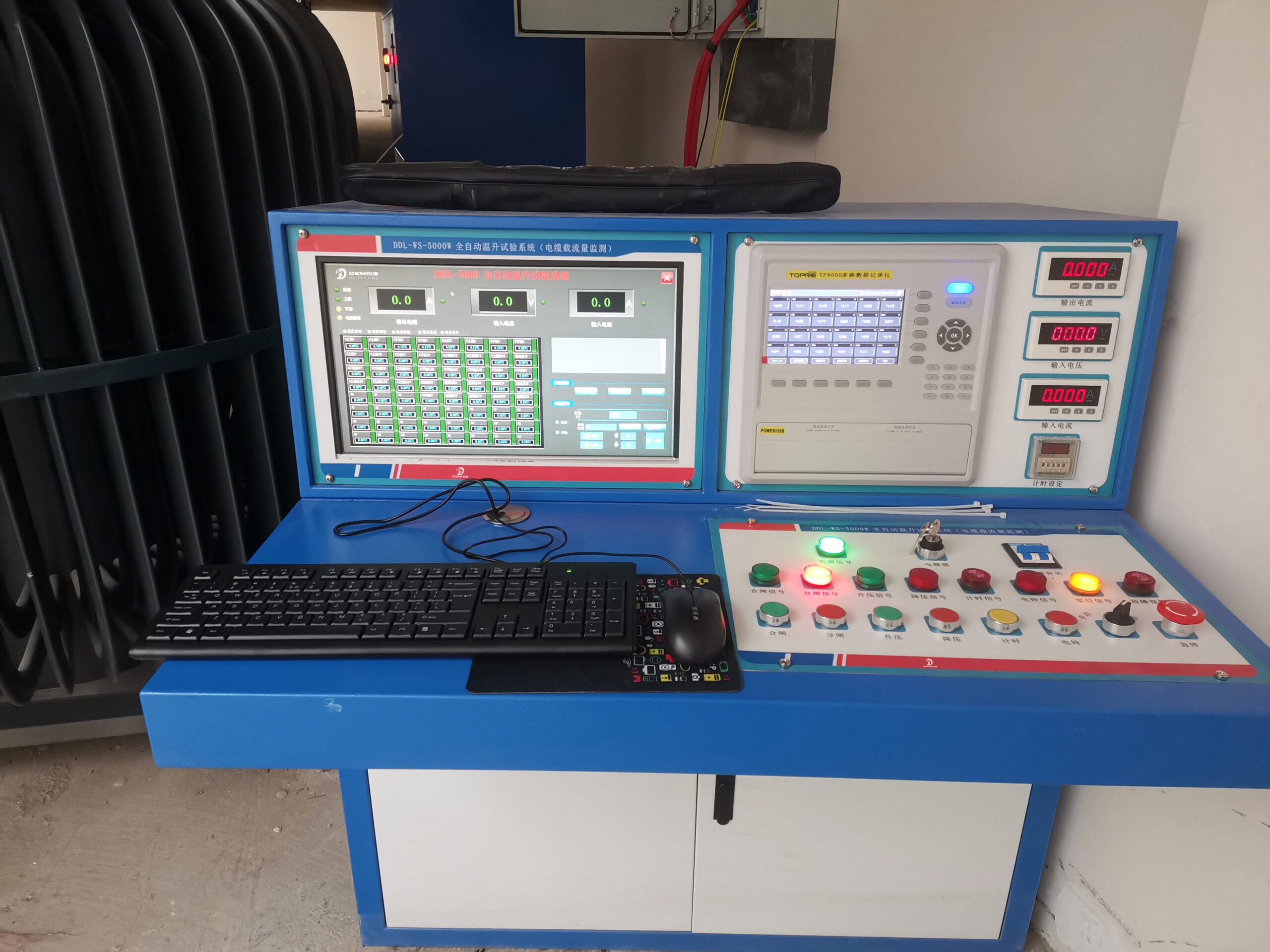
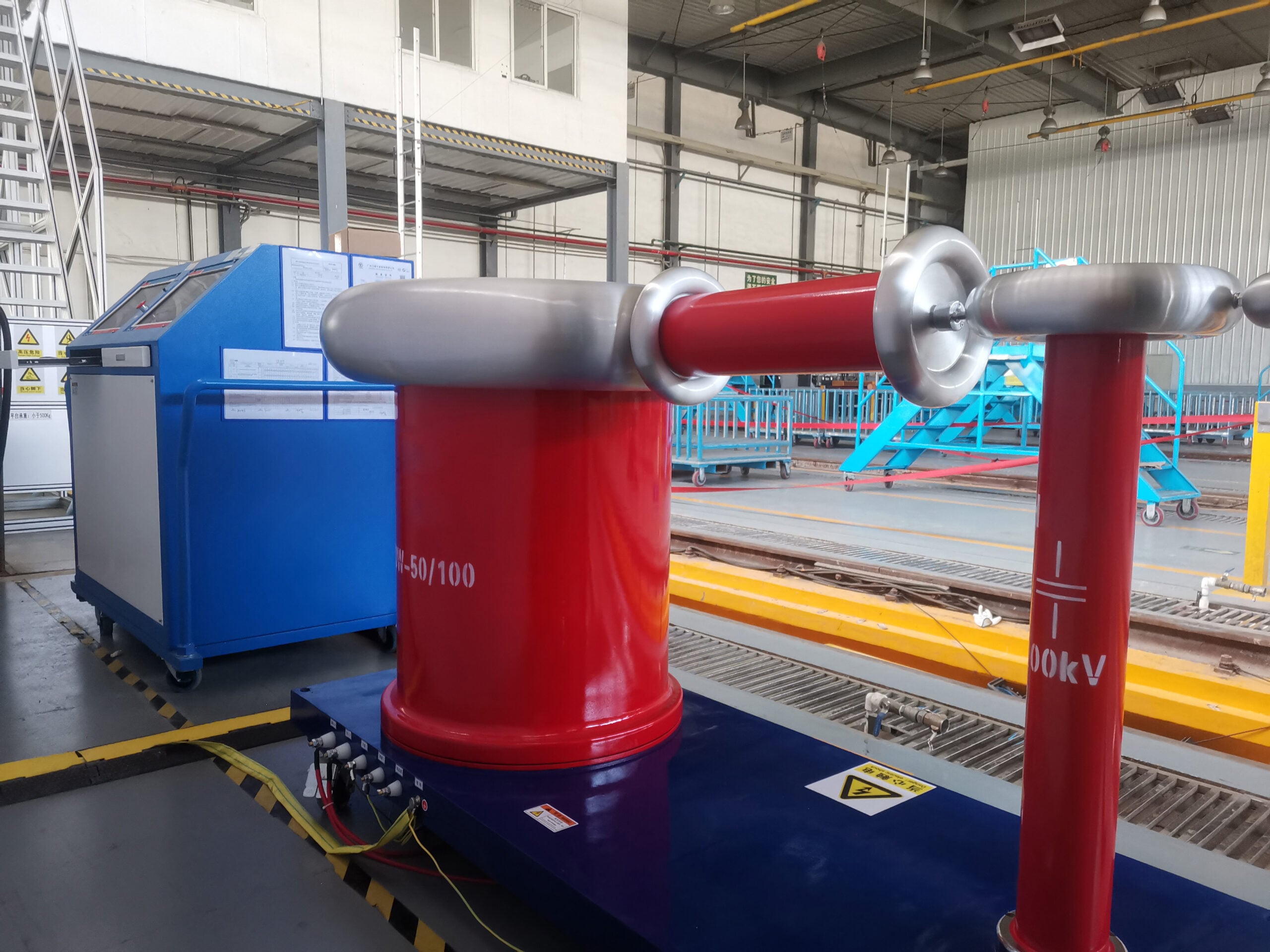
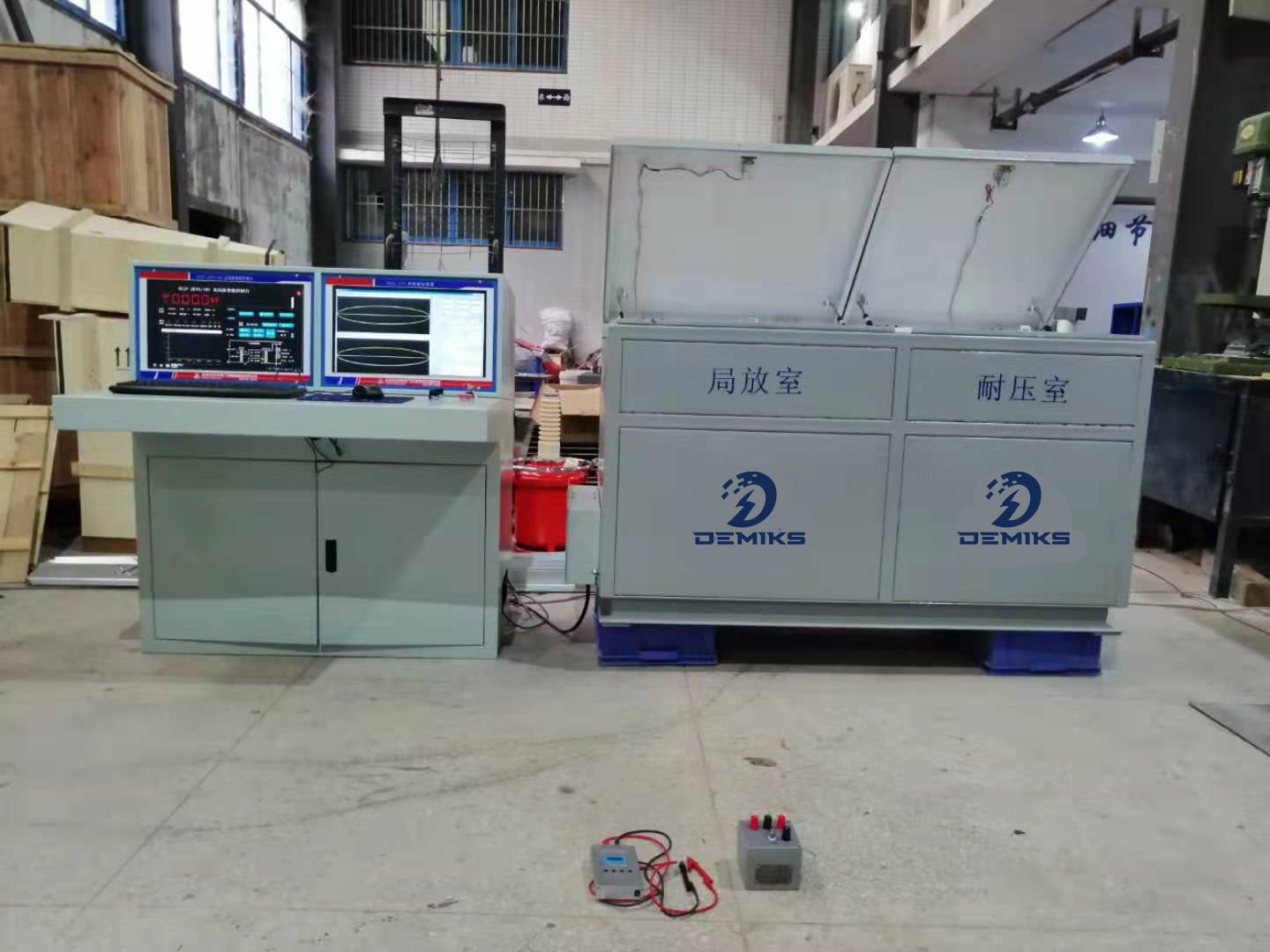
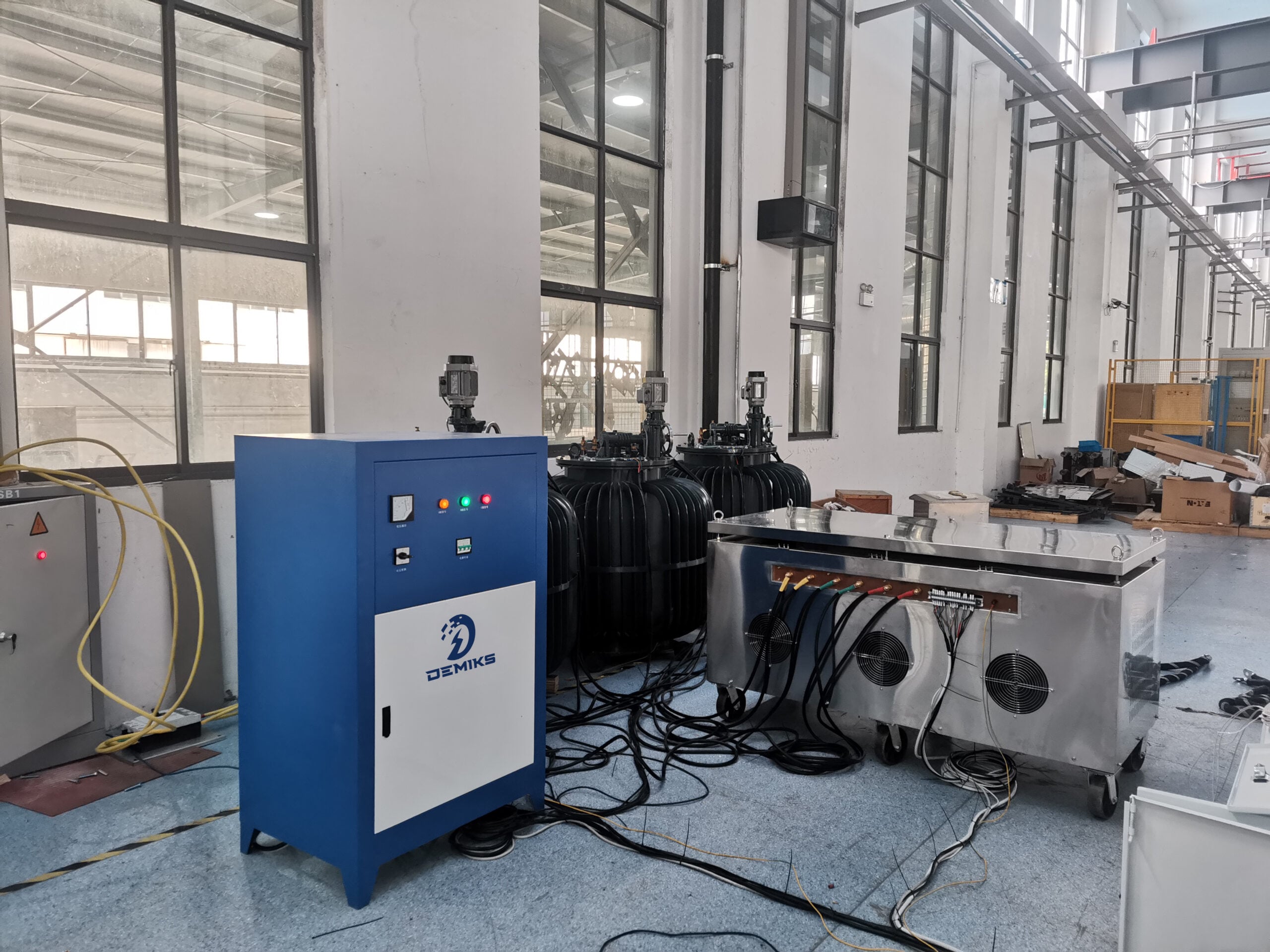
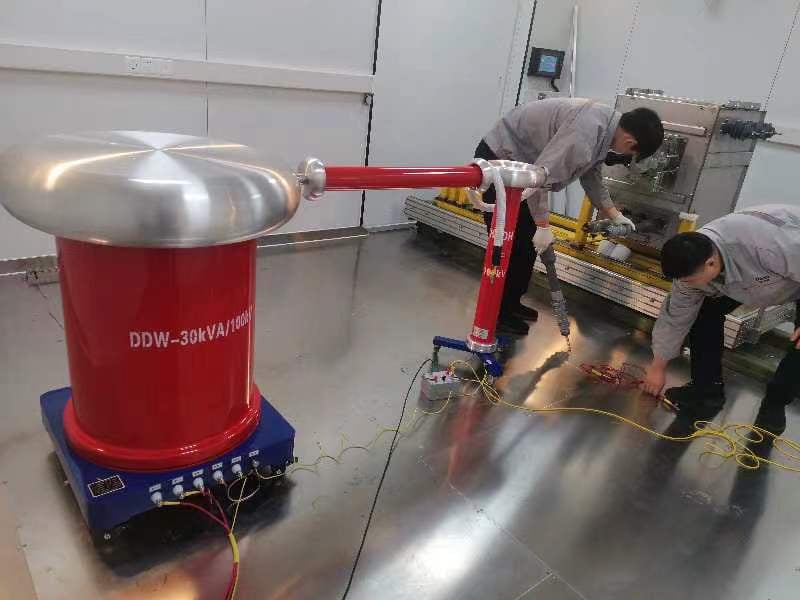
The equipment utilized in dielectric testing includes high-voltage test sets, typically capable of both AC and DC output configurations to adapt to various test standards. These devices are equipped with precise voltage and current measurement capabilities to ensure accuracy. Additionally, insulation resistance testers are used to evaluate the integrity of the dielectric materials. Advanced models include automated testing features, safety interlocks to prevent accidental discharge, and user-configurable test parameters for flexibility across different applications. Other essential components like test probes, insulating mats, and protective barriers enhance safety and facilitate compliance with regulatory standards.
Key Parameters Measured During the Test Performed
- Insulation Resistance (IR): Measured in megaohms (MΩ), this parameter assesses the dielectric strength of the material under test to detect any breakdown or leakage paths.
- Polarization Index (PI): A ratio of the insulation resistance measured over a 10-minute interval to that measured over a 1-minute interval. It provides insights into insulation condition over time, with values typically greater than 2 considered acceptable for most applications.
- Dielectric Absorption Ratio (DAR): Similar to the PI, this ratio compares 60-second IR measurements to 30-second measurements to evaluate moisture contamination or deterioration.
- Leakage Current: Measured in microamperes (μA), this signals the current flow through the insulation under a specified voltage, helping identify potential weaknesses in the material.
- Test Voltage: Applied to the test subject, typically ranging from 500V to 5kV depending on the equipment rating, ensuring compatibility with the relevant insulation system.
- Capacitance: Measured in nanofarads (nF) or microfarads (μF), this parameter helps understand the material’s ability to store charge, crucial for systems with high-energy components.
- Resistance to Earth: This involves measuring the resistance of the insulation to ground connections, ensuring that grounding systems function correctly to prevent electrical hazards.
What Are the Different Types of Dielectric Tests?

Types of Dielectric Tests
- Dielectric Breakdown Test: This test determines the voltage at which the insulation fails and allows current to pass through. It identifies the maximum voltage the material can withstand before electrical breakdown occurs.
- Dielectric Withstand Test (HiPot Test): This verifies if the insulation can endure a specified voltage for a set period without breaking down. It is widely used to validate the integrity of insulation in electrical equipment.
- Insulation Resistance Test: This measures the resistance of the insulation over time using a megohmmeter. High resistance values indicate good insulating properties, while low values may suggest degradation.
- Partial Discharge Test: This test detects electrical discharges within the insulation that do not completely bridge the electrodes. It identifies weak spots or potential failure points in high-voltage systems.
- Leakage Current Test: This measures the small current that escapes through insulation under an applied voltage. It ensures compliance with safety standards and identifies issues like insulation degradation or contamination.
Each type of dielectric test serves a specific purpose in assessing insulation performance, enhancing the reliability and safety of electrical systems.
Understanding AC and DC Testing
Key Differences Between AC and DC Testing
AC and DC testing are both essential methods used to evaluate the performance and integrity of electrical insulation, with each approach offering distinct advantages and applications.
1. AC Testing
-
- Principle: Alternating Current (AC) tests apply a sinusoidal voltage to the equipment under evaluation. The continuous change in polarity subjects the insulation to both positive and negative voltage cycles.
- Applications:
- Simulating real-world operating conditions for systems that use AC power.
- Detecting weak points in insulation that may break down under alternating stress.
- Parameters:
- Test Voltage Range: Typically 1.5 to 2 times the equipment’s rated voltage (e.g., for a 400 V system, testing may involve voltages up to 800 V).
- Frequency: Standardized at 50 Hz or 60 Hz for most systems.
- Test Duration: Commonly ranges from 1 to 5 minutes depending on industry standards.
- DC Testing
- Principle: Direct Current (DC) tests apply a static unidirectional voltage, often at higher levels than AC. It measures leakage current over time to assess insulation quality.
- Applications:
- Evaluating insulation in systems designed for DC operation.
- Detecting gradual insulation degradation or contamination, as leakage current trends are easier to analyze in DC systems.
- Parameters:
- Test Voltage Range: Typically 2 to 2.5 times the equipment’s rated voltage (e.g., for a 400 V system, testing may involve voltages up to 1000 V).
- Leakage Current Thresholds: Key metrics depend on equipment type; for instance, a leakage current below 1 mA is often acceptable for high-voltage apparatus.
- Test Duration: Generally 1 to 10 minutes depending on specifics of the equipment and standard guidelines (e.g., IEEE, IEC).
Understanding these technical parameters ensures each test is conducted within safe and effective limits. The choice between AC and DC testing hinges on specific system requirements and goals, with both methods providing crucial insights into insulation performance and safety margins.
Comparing Hipot Tests and Dielectric Withstand Tests
|
Parameter |
Hipot Tests |
Dielectric Withstand Tests |
|---|---|---|
|
Purpose |
Verify insulation robustness |
Test insulation strength against breakdown |
|
Voltage Type |
AC, DC, or both |
AC or DC |
|
Voltage Level |
Higher than normal operating voltage |
Precise overvoltage as per standards |
|
Test Duration |
1 to 10 minutes or as specified |
Standardized test duration |
|
Detection Focus |
Leakage current issues |
Overall insulation integrity |
|
Standard Reference |
IEEE, IEC, UL, and other international bodies |
IEC, UL, NEMA, etc., for compliance |
|
Equipment Used |
Advanced hipot testers |
Basic dielectric testers |
|
Test Application |
Component, cable, and system testing |
Mainly for conformance verification |
|
Key Measurement |
Leakage current under elevated voltage |
Insulation fails at rated voltage |
How Can Dielectric Testing Prevent Electrical Failures?

Dielectric testing is a critical method for identifying insulation weaknesses that could lead to electrical failures. By applying a high voltage to the system under test, dielectric tests assess the integrity of insulation materials, ensuring they can withstand operational stress without breakdown. Early detection of defects, such as voids, cracks, or contaminants, allows for prompt corrective actions, significantly reducing the risk of short circuits, arcing, or catastrophic failure. This process ensures compliance with safety standards and enhances the reliability and longevity of electrical equipment in various applications.
Identifying Defects in Insulating Material
Answering Key Questions on Identifying Defects in Insulating Material
When identifying defects in insulating material, I focus on several critical aspects to ensure precision and compliance. First, I evaluate the material visually and through non-destructive testing methods such as X-ray or ultrasonic inspection to detect voids, cracks, or embedded contaminants. Then, I analyze the material’s dielectric strength using standardized tests to assess its ability to resist electrical breakdown under high voltage stress. Finally, I ensure that all defects are documented and compared against industry benchmarks or regulatory criteria to determine the appropriate corrective measures. This comprehensive approach aligns with the industry’s best practices for maintaining the integrity and performance of electrical insulation systems.
Ensuring Electrical Safety through Regular Maintenance
Key Considerations for Electrical Safety through Maintenance
To ensure electrical safety, regular maintenance involves systematically assessing and addressing potential risks across key parameters:
1. Insulation Testing
-
- Measure insulation resistance using a megohmmeter. Typical values for equipment may range from 1 MΩ to several GΩ, depending on the voltage class (e.g., 1 MΩ minimum for low-voltage systems).
- Conduct dielectric strength tests under controlled conditions to confirm resistance to high-voltage stress without breakdown. Standard test voltages vary, e.g., 2.5 times the system voltage for 1 minute.
- Connection Integrity
- Check all connections for thermal hotspots using infrared thermography. Acceptable temperature rise limits often range between 10°C to 30°C above ambient temperature, depending on load and environmental conditions.
- Tighten connections to recommended torque settings per manufacturer guidelines to prevent loosening under operational stress.
- Circuit Breaker Performance
- Test circuit breakers for trip current and response time; deviations exceeding ±10% of rated values indicate potential malfunction.
- Verify arc chute condition and ensure contacts are free of excessive wear or pitting.
- Grounding System
- Measure grounding resistance, which should typically be less than 1 ohm for critical industrial systems and no more than 25 ohms for residential installations as per IEEE and NFPA standards.
- Inspect all grounding connections for continuity and corrosion.
- Visual Inspections
- Regularly inspect cables and equipment housings for signs of wear, moisture ingress, or physical damage. Faults such as cracks, discoloration, or exposed conductors require immediate corrective action.
Adhering to these parameters ensures compliance with national and international safety standards while mitigating potential electrical hazards.
Detecting Leakage and Preventing Breakdown
To effectively detect leakage and prevent breakdowns, I focus on systematic analysis and proactive maintenance. First, I utilize insulation resistance testing to identify weak points where current may leak. Devices like megohmmeters are critical for measuring the resistance of insulation and ensuring it meets safety thresholds. Secondly, I implement continuous monitoring systems, such as residual current devices (RCDs), that detect and interrupt leakage currents in real-time. Additionally, I ensure regular dielectric strength testing is conducted to verify the integrity of materials under high voltage stress. Combining these practices not only mitigates electrical failures but also guarantees operational reliability and safety compliance.
What Is the Role of Dielectric Testing in Bucket Trucks?

Dielectric testing plays a critical role in ensuring the operational safety of bucket trucks by verifying the insulating properties of components that protect workers from electrical hazards. This testing evaluates the ability of insulating materials used in the boom, bucket, and other critical areas to withstand high voltage without breaking down. By conducting dielectric testing at regular intervals, manufacturers and operators can confirm compliance with industry standards, identify potential insulation failures, and maintain the safety and reliability of the equipment in high-voltage environments.
Ensuring Safety for Aerial Equipment Operators
Factors to Ensure Safety for Aerial Equipment Operators
When ensuring safety for aerial equipment operators, several critical aspects must be considered:
- Proper Training: Operators should undergo rigorous training programs, covering both the operational mechanics of the equipment and protocols for working in high-risk environments. This includes understanding load capacity, stability, and emergency procedures.
- Routine Inspections: Regular maintenance and inspection of aerial equipment are essential to identify wear and tear, electrical insulation degradation, or hydraulic system issues. Inspections should comply with OSHA and ANSI safety standards to mitigate potential risks.
- Use of Personal Protective Equipment (PPE): Operators should wear appropriate PPE, such as hard hats, fall protection harnesses, and insulated gloves, especially when working near electrical hazards.
- Environmental Hazard Assessment: Before operating aerial equipment, a thorough assessment of worksite hazards, such as uneven terrain, power lines, and extreme weather conditions, should be conducted to minimize danger.
- Compliance with Safety Standards: Adherence to industry guidelines like those set forth by ANSI A92.20 for design safety and operator platforms ensures uniform safety practices across operations.
- Load Management: Ensure all equipment stays within the rated load capacity to prevent mechanical failure or tipping of the unit.
By combining proper training, preventive maintenance, and a proactive safety culture, aerial equipment operators and their teams can significantly reduce the likelihood of accidents in the field.
Importance of Portable Dielectric Testing Methods
Portable dielectric testing methods are critical for ensuring the safety, reliability, and efficiency of electrical insulation in equipment and systems. These testing methods enable field technicians to identify potential insulation breakdowns before they lead to catastrophic failures, reducing downtime and preventing safety hazards such as electrical shocks or fires.
From a technical perspective, the key parameters involved in dielectric testing include:
- Test Voltage: Portable dielectric testers typically apply a test voltage that ranges from 500V to 50kV, depending on the equipment being tested and its dielectric strength specifications.
- Leakage Current: During testing, the leakage current is measured in microamperes (µA) to determine the integrity of the insulating material. Excessive leakage current indicates insulation degradation or failure.
- Insulation Resistance: This is calculated using the applied voltage and measured leakage current, with typical acceptable values ranging from megohms (MΩ) to gigohms (GΩ), depending on the equipment’s design requirements.
- Test Duration: Tests are conducted over a specific time window, often ranging from 1 to 60 seconds, to ensure consistent and accurate results.
Portable testing devices, equipped with advanced digital interfaces, allow for real-time data analysis and reporting, making them invaluable for on-site maintenance and troubleshooting. Regular implementation of dielectric testing methods contributes to enhanced operational safety, extended equipment lifespan, and compliance with regulatory standards.
Compliance with Regulatory Standards
Compliance with regulatory standards is critical to ensuring safety, reliability, and operational efficiency in electrical systems. I adhere to guidelines outlined by organizations such as IEEE, NEMA, and OSHA, which set stringent benchmarks for dielectric testing and equipment maintenance. By following these standards, I ensure that all testing procedures meet industry requirements, prevent equipment failures, and support workplace safety protocols.
Reference Sources
-
Ensure Electrical Safety with Dielectric Withstand Testing – A blog discussing the importance of dielectric testing in various industries.
-
A Practical Guide to Dielectric Testing – A detailed guide covering insulation resistance testing, AC & DC Hipot testing, and related regulations.
-
Dielectric Reliability Measurement Methods: A Review – A review article on common dielectric reliability measurement methods.
-
Principles of Electrical Safety – References – A comprehensive reference list from the “Electrical Safety Handbook.”
-
Electrical Safety Manual 2015 – AAMI Array – References including standards like NFPA 99 and OSHA guidelines.
Frequently Asked Questions (FAQs)
Q: What is the purpose of the test in dielectric testing?
A: The purpose of the test in dielectric testing is to ensure the electrical insulating properties of a device or apparatus are adequate for safe operation, thereby preventing electrical shock or failure.
Q: What types of electrical devices are commonly tested using dielectric testing?
A: Common types of electrical devices tested include transformers, switchgear, motors, aerial lifts, and new equipment to ensure they meet safety standards.
Q: How does dielectric testing contribute to safety testing?
A: Dielectric testing contributes to safety testing by verifying that electrical insulating materials can withstand specified volt levels without breaking down, ensuring safer operation of the equipment.
Q: What types of electrical testing are performed in dielectric testing?
A: Types of electrical testing in dielectric testing include power frequency, resonant, and 100 kV AC tests to evaluate the robustness of the electrical insulation.
Q: Why is it important to perform dielectric testing on new equipment?
A: It is important to perform dielectric testing on new equipment to ensure that it meets the required safety standards and operates reliably within its intended electrical environment.
Q: What role does dielectric testing play in utility operations?
A: In utility operations, dielectric testing helps maintain the reliability and safety of the electrical grid by ensuring that equipment like transformers and switchgear function correctly and safely.
Q: Can dielectric testing be performed on fiberglass components?
A: Yes, dielectric testing can be performed on fiberglass components to evaluate their electrical insulating properties and ensure they are suitable for their intended application.
Q: What is the significance of testing equipment at 100 kV AC during dielectric testing?
A: Testing equipment at 100 kV AC is significant as it simulates high voltage conditions to assess the integrity and insulating capacity of the electrical device or apparatus under test.
Q: How does dielectric testing affect the operational safety of a transformer?
A: Dielectric testing assesses the transformer’s ability to handle electrical stresses, ensuring it operates safely and reducing the risk of electrical failures or hazards.