What Constitutes High Voltage?
High Voltage Definitions
- AC Applications: 1,000 volts (1 kV) and above
- DC Applications: 1,500 volts and above
- Note: Distinctions may vary by industry regulations and local standards
A high voltage, in laymen terms> describes any voltage capable of causing harm on man and damage on equipment. It is considered as high voltage at 1,000 volts for the AC appliances and 1,500 volts for DC appliances. However, such distinctions of regard may vary from one region or regulating agency to another. The hazards that accompany high voltage include electric shock, arc flash, and the destruction of equipment, which must therefore ensure the strictness of safety conditions and testing of equipment.
In relation to its adverse impacts, greater voltages bring about greater dangers associated with these hazards. Technological and scientific progress has provided us with instruments and appliances that can speak with and measure enormous potential. For example, during testing or maintenance under industrial conditions, such as power grids, transformers, or heavy machinery, issues with high voltage may arise, and practical tools must ensure the safety of operation. The reduction of risks and protection of personnel or site works requires knowledge of these parameters and adherence to safety standards regarding high-voltage parameters.
Common Risks Associated with High Voltage Electrical Work
Primary Electrical Hazards
- Electric Shock: Can cause serious injury and death depending on voltage level and exposure time
- Arc Flash: Sudden electrical discharge causing intense heat, pressure, and light, resulting in severe burns
- Electrical Fires: Equipment failure, damaged insulation, and improper handling can cause fires
- Fall Hazards: Risk of falls from elevated platforms during maintenance work
There are a few hazards that do pose high-voltage installations and hence careful attention is to be paid to safety protocols and procedures. The principal hazard is the electrical shock that is very injurious or fatal depending on the voltage level and duration of exposure. Another major hazard consists of arc flashes whereby a sudden electrical discharge causes heating, pressure, and light, all of which could cause severe burn injuries or equipment damage. Equipment failure and faulty insulation also cause other electrical hazards, along with improper maintenance, creating danger to life and property.
Indirect risks are involved when working in high-voltage areas. Maintenance work is conducted on elevated platforms, and with the occurrence of a shock or system vibration, there is also a risk of falls. According to some researchers and speculators, one may even argue that there is a potential for health hazards resulting from prolonged exposure to electromagnetic fields. Human errors arising from inadequate training or even complacency will only enhance the risks and dangers, hence the need for proper training and strict enforcement of safety practices.
Safety authorities around the world suggest that compliance with industry standards as regard to NFPA 70E or OSHA regulations is one of the best risk-mitigation procedures. For example, the proper wearing of PPE-a constituent comprising insulated gloves and arc-rated clothing, and maintenance of equipment-helps in reducing the chance of accident occurrences. Conducting risk assessment on a broad basis and an evolving training program shall constitute one of the cornerstones of high-voltage safety work.
Importance of Voltage Detection in Safety Protocols
Modern Voltage Detection Features
- Non-contact sensors for safe distance testing
- Audible alarms for immediate alerts
- LED indicators for visual confirmation
- Real-time monitoring capabilities
The detection of voltage is an important element in any process aimed at ensuring safety, especially in dealing with the high-voltage environment. Voltage detectors are used to identify live circuits so that technicians can be sure of de-energizing the circuit when maintenance or repair work is to be carried out, ensuring safety against hazards and accidental damage to equipment, thus saving production downtime and the costs toward repairs.
With technology developing at a very fast pace, voltage detectors today boast high-tech features such as non-contact sensing, alarm, LED indicators, or even real-time monitors. These features help the workers make proper electrical checks from a safe distance to hazardous systems. It has been established by research that modern electrical detection devices have reduced the number of electrical accidents and increased compliance with safety regulations.
For efficiency, voltage detection should be combined with other safety measures or protocols such as a lock-out/tag-out (LOTO) procedure and a pre-maintenance inspection. These combined preemptive measures guarantee the de-energization and safety of systems to work on, as stated under regulations like NFPA 70E and OSHA. The organization also shows with the deployment of the cutting edge technology of detection in their daily operations its care for workers and safety willingness toward operations-enhancement activities.
Types of High Voltage Testers and Their Functions

Introduction to High Voltage Testers
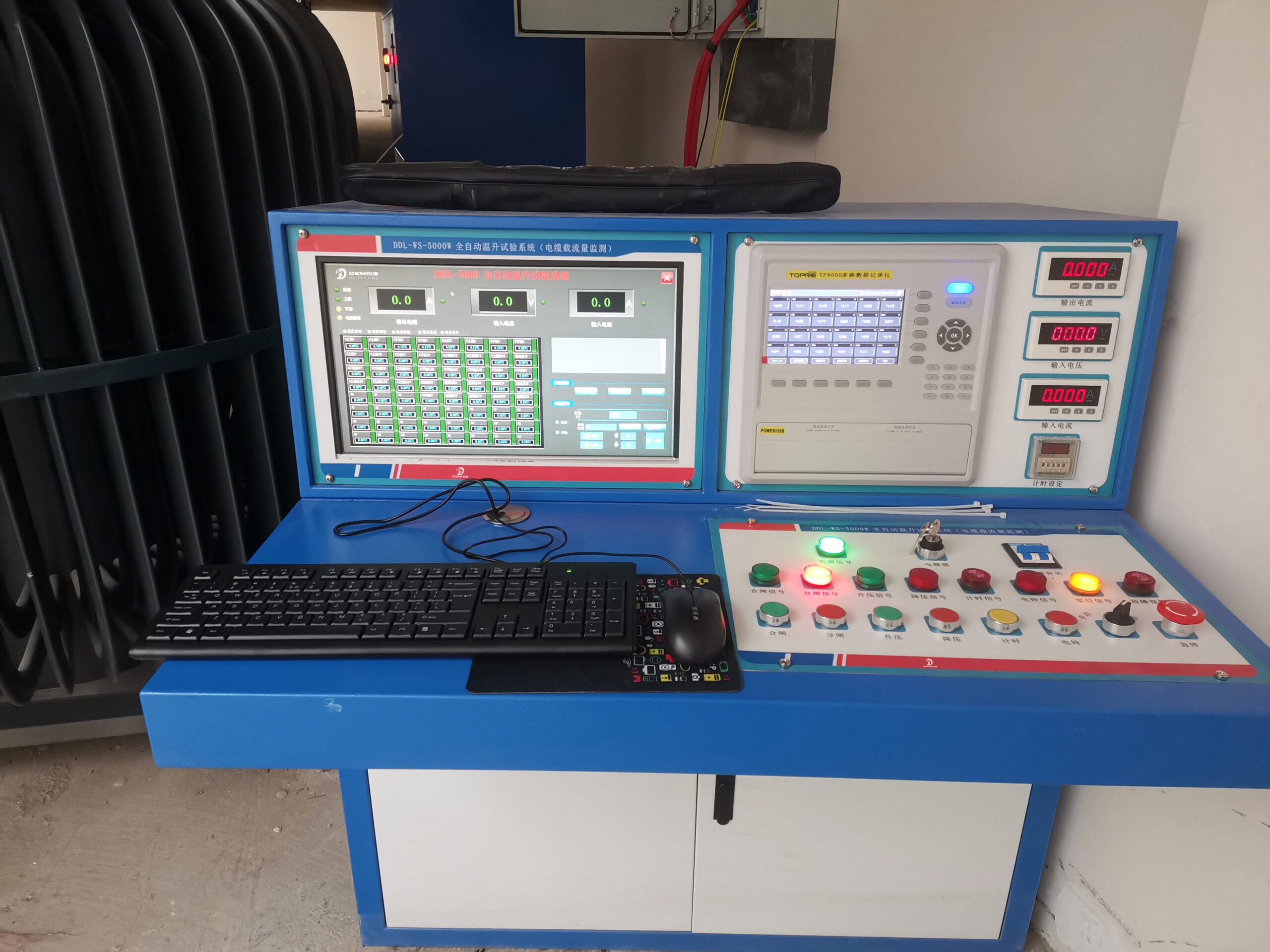
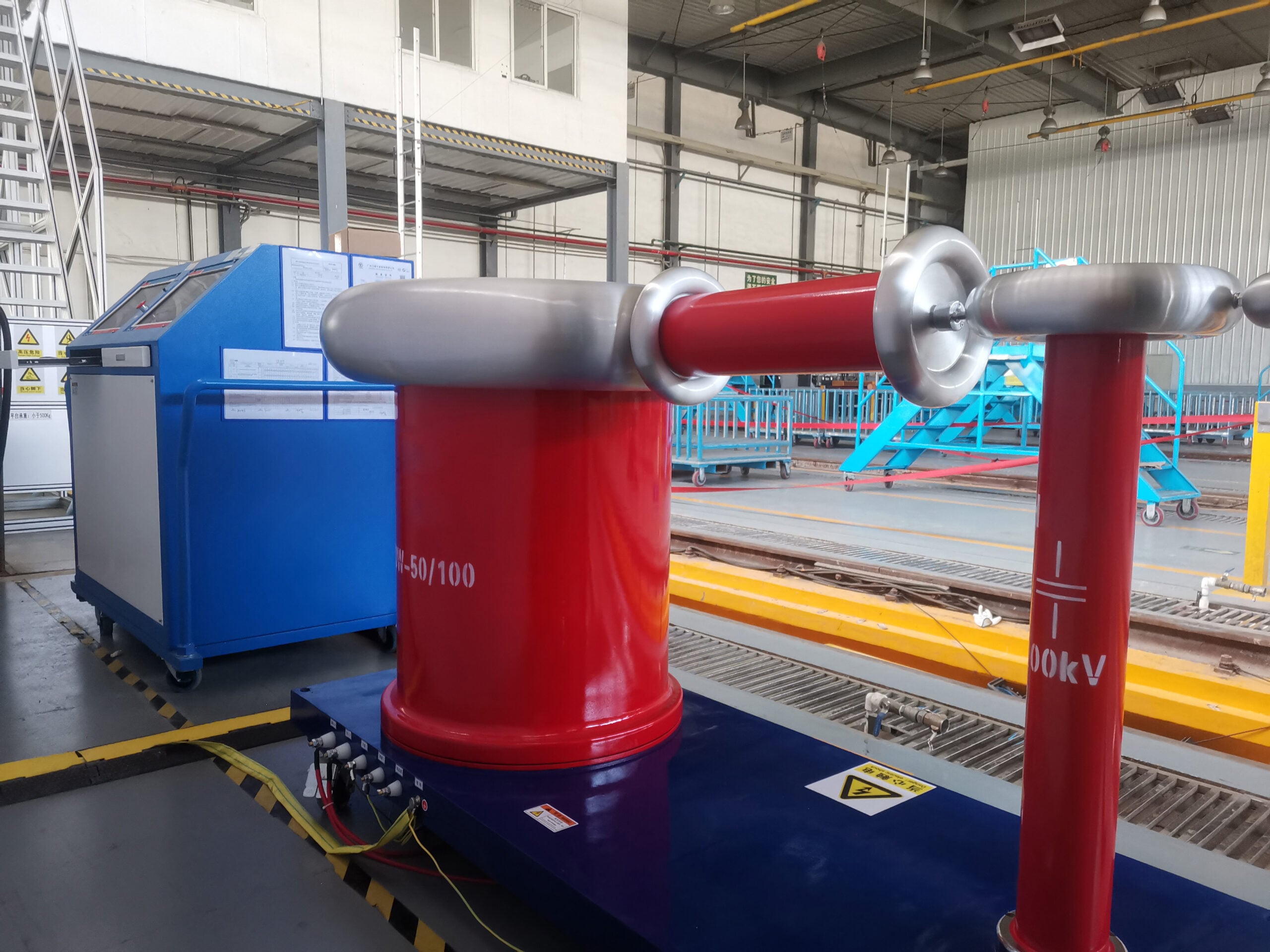
A high voltage tester is the main must-have for the assurance of reliability and safety of any electrical system operating at high voltages. This tester is employed for various uses, including testing insulation resistance, dielectric-withstand testing, and part-discharge analysis to verify any defects or hazards in the equipment under consideration. Contemporary high voltage testing machines are digitally controlled and are capable of precision measurements, as well as enhanced safety of the operator and/or instrument being tested.
- Insulation Resistance Testers:
Insulation resistance testers measure the electrical resistance to current leakage; thus, they are crucial in determining the quality of cables, transformers, and motors for safe operation and to avoid the risk of equipment failure. - Dielectric Withstand Tester (Hipot Testers):
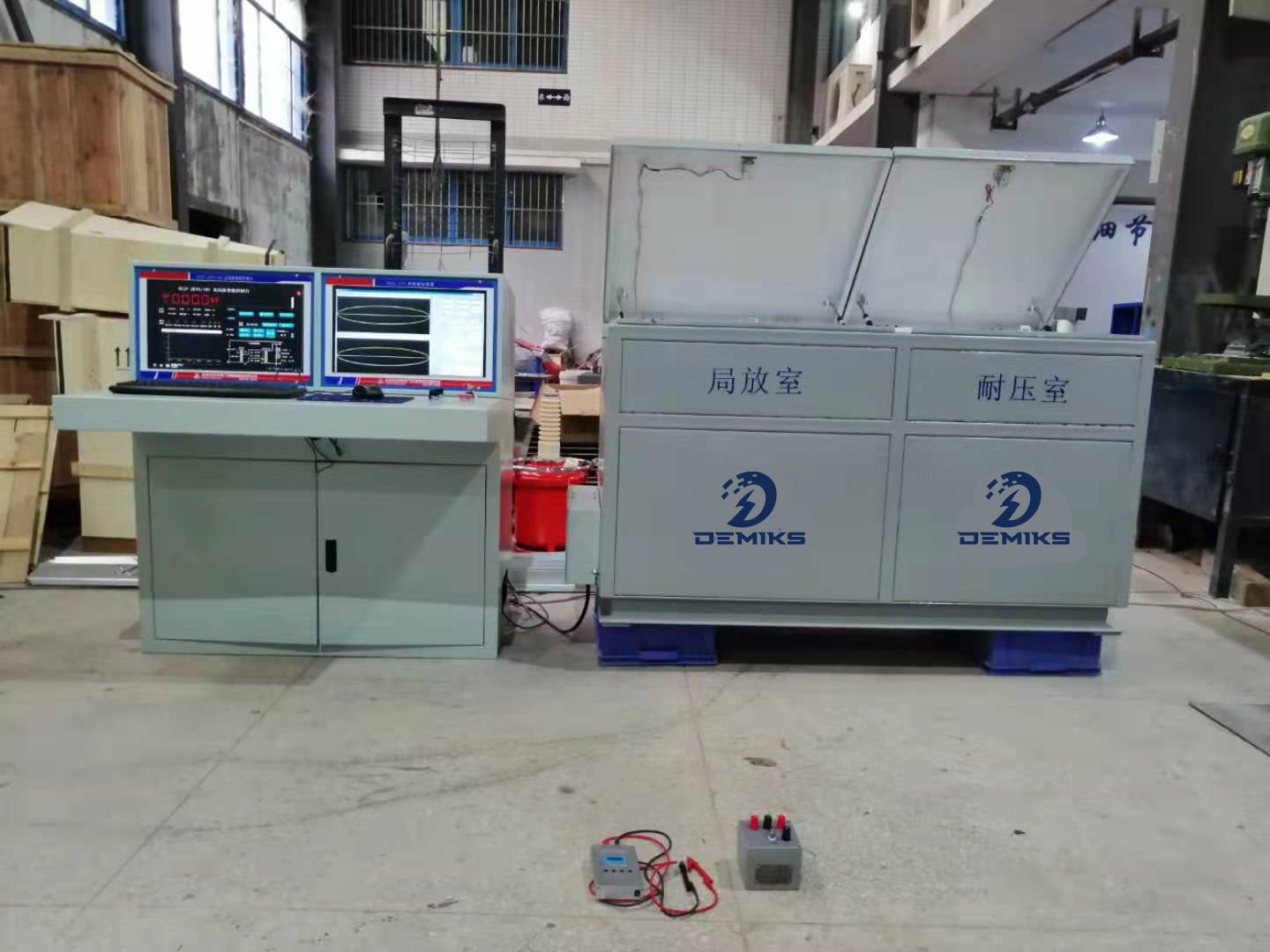
The dielectric withstand tester applies voltages above normal operating levels to ensure that the equipment can sustain a high level of stress without failing. Typically, these testers are used for quality assurance during manufacturing to detect insulation weaknesses and verify compliance with industry-standard requirements. - Partial Discharge Tester:
Partial discharge testers detect minor discharges in insulation systems that, over time, can develop into serious faults or hazards. These testers are commonly used to diagnose the health of equipment and extend its operational life. - DC and AC High Voltage Tester:
This device inspects the properties of a direct current (DC) or alternating current (AC) system, ensuring the functioning and safety of components such as circuit breakers, switchgear, and capacitors. It is capable of use in both field and laboratory settings. - Tangent Delta Testers:
Tangent delta testers, also known as dissipation factor testers, measure electrical losses in insulating materials. Data obtained from these testers aids engineers in evaluating the quality of insulation over time, including aging and material deterioration.
Whereas these instruments are used in testing equipment, they are key contributors toward a predictive maintenance operation, enabling electrical systems to continue performing sustainably and efficiently. Integration with modern software and real-time data monitoring are but a few enhancements given to high voltage testers in making maintenance and fault-finding an easier and more dependable task.
Non-Touch Voltage Detectors: Advantages and Uses
Key Advantages of Non-Contact Detectors
- Enhanced Safety: No direct contact with live wires or surfaces
- Ease of Use: Compact and portable design for quick testing
- Versatility: Suitable for residential, commercial, and industrial applications
- Quick Diagnosis: Faster troubleshooting in crowded distribution panels
Non-contact voltage detectors are essential equipments used to detect the presence of electrical voltage without being in direct contact with live wires or surfaces. Such a non-incidental application significantly safeguards the technician from the hazard of electric shock or any other accident during all such times that require testing and troubleshooting. These units are used in various divisions, ranging from residential to commercial and industrial layouts, providing a wide range of options for Broadway and quicker troubleshooting of electrical diagnostics.
One of the primary advantages of a non-contact voltage detector is its ease of use. Being small and portable in design, workers can readily find live circuits even within crowded distribution panels or in tight spaces. Many such products now in use come with adjustable sensitivity levels, LED displays, and audible alerts so detection can be made unmistakably clear. NCVDs detect voltages from varying ranges, most often from 50V to 1000V AC, making the devices suitable for use in checking either high- or low-voltage systems.
Non-contact voltage detectors find their application across various industries, including construction, manufacturing, and maintenance. Electricians are set to use NCVDs to verify that wires are not energized before they proceed with repairs. In a manufacturing facility, these devices would be used for determining whether equipment is working properly to ensure its safe condition. NCVDs are used by homeowners for checking outlets during home use or when diagnosing faults.
Technological advancements have further enhanced their capabilities, with specific models now including features such as self-test capabilities, an integrated flashlight, and variable detection frequencies, allowing them to function effectively in diverse settings. In general, non-contact voltage detectors have remained necessary for safety, accuracy, and versatility, making electrical testing simple while safeguarding the user from danger.
Dual Range and Single Range Voltage Meter
Actually, both devices are crucial in performing electrical diagnostics, yet they cater to different purposes and needs of operation depending on the application. The single-range voltage meter is designed to measure voltage within a fixed range. It gives preference to simplicity and accuracy in particular applications where voltage has to be consistently detected within certain fixed parameters. Hence it becomes a general-purpose instrument in an environment where voltage levels do not have much variation.
Sometimes, dual-range meters are chiefly of concern for their versatility. Such instruments enable the measurement of both low and high voltages within the same instrument. An electrician dealing with various sectors will essentially find these meters both trendy and useful. They can be wired in a residential, commercial, or industrial setting, depending on voltage varieties in the local supply system. Thus, a dual-range meter can very well switch from observing an outlet-based circuit at 120V nominal down to industrial processes at 480V.
Recent market information stated that the accuracy of both types of meters has increased over time. In present-day designs, various features such as digital display panels, auto-ranging facilities, and sensitivity to low voltages for measurement are being integrated. Cheap single-range meters may appeal to many users due to their simplicity in design and use; however, the higher-priced dual-range meter offers more options.
Ultimately, the choice between a dual-range and single-range voltage meter depends on the type of work being done, the voltage ranges encountered, and the user’s preference for adaptability or simplicity.
Key Features of Modern High Voltage Testers
Advanced Type of Digital Voltage Indicators
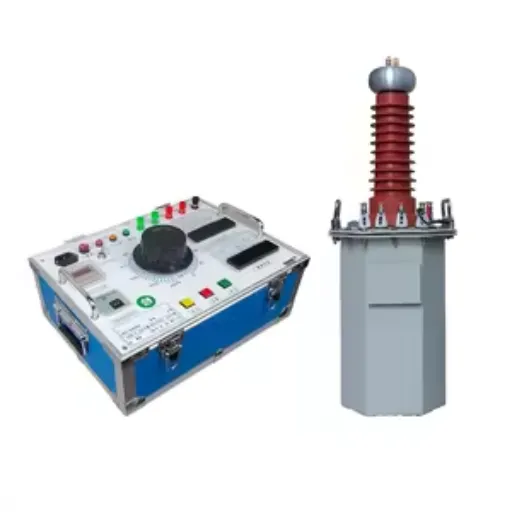
For the new set of testers for high voltages, very accurate and reliable modern digital voltage indicators find a use. New types of indicators use the most advanced electronic circuitry to give correct voltage readings even in an adverse condition, making them an essential tool for any work dealing with high-voltage systems. Some of the salient features include instant real-time data display, intuitive interfacing design, and increased sensitivity to voltage changes. Further, to ensure safer working under test conditions, a series of these devices also provide safety features such as overload protection and non-contact detection. With these innovations, measurements become a matter of straightforwardness; thus, their presence certainly enhances the efficiency with which testing of an electrical system can be confidently carried out.
Why Should One Have AC Voltage Detection Capacity?
AC Voltage Detection Features
- Highly Sensitive Sensors: Wide range of voltage detection capability
- Adjustable Sensitivity: Custom threshold settings for different environments
- LED Indicators: Clear visual feedback for detection status
- Audible Alarms: Audio alerts for voltage presence
- Ergonomic Design: Easy use in confined or awkward spaces
Detecting the AC voltage, by definition, is one essential skill in the toolbox of anyone dealing with electrical systems; to provide an accurate means of distinguishing circuits live and thereafter preventing hazards. The modern AC voltage detectors are equipped with very sensitive sensors that tend to detect too many different values of voltages, thus making these instruments of further importance in either low-voltage or high-voltage applications. This ability is fundamental in multiple environments such as residential wiring, industrial installations, or power distribution systems.
The improvements always make the voltage detector reliable. These are, in one instance, freedom of choosing the sensitivity with LED indicators and audible alarms, making it clear to the user what practical application the device is intended for. Adjustable sensitivity is one such practical application, allowing the user to set the detection threshold to very low levels to achieve reliable readings even when the immediate surrounding noise level is electrically high. Ergonomics has been incorporated into the design to ease the awkwardness arising due to cramped situations where these tools have to be maneuvered by the professionals.
These additional features thus enable professionals to provide an enhanced level of safety and also improve the operational speed and accuracy of their diagnostics or troubleshooting. Therefore, the AC voltage detection feature is a vital feature that ensures the security of both humans and machines in various electrical applications.
Integrated Safety Features in High Voltage Detectors
Advanced safety measures are employed by high-voltage detectors to ensure personal and equipment safety when put into operation. Automatic self-testing is a prominent feature that guarantees the device is always ready for use. This precludes any incidences of accidents due to unnoticed faults. Visual and audible alarms form an excellent feature on many detectors: when voltage is detected, these alarms warn operators who may be working in a noisy or dimly lit environment. The thick insulation and rugged construction of such high voltage detectors offer additional protection against accidents that may occur due to contact.
The construction of these detectors follows very high standards, especially IEC 61243-3, which places a high emphasis on reliability and performance in different conditions. Contactless voltage detection minimizes the possibility of direct exposure to the live circuit. Certain voltage detectors operate on a two-range principle, meaning that the operator can use his/her hand to detect both low and high voltages in the systems. Safety features are implemented, which also promote accuracy, reduce human error, and expedite the formation of safe working environments from utilities to construction.
Effective Use of High Voltage Testers
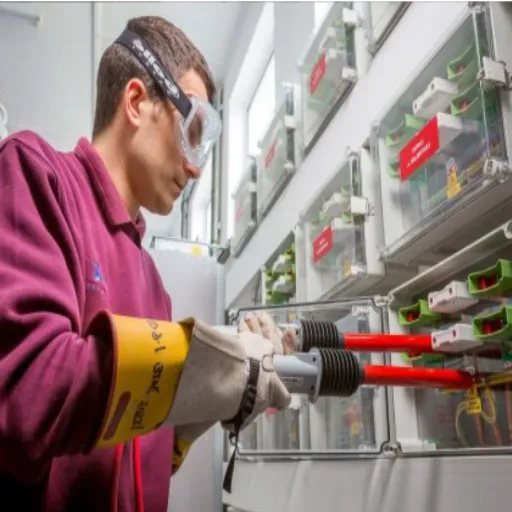
Industry Applications and Success Stories
Power Sector Success
Challenge: Maintenance of transmission lines, substations, and transformers
Solution: Regular high-voltage testing procedures
Results: 30% reduction in equipment failures and improved operational efficiency
Manufacturing Excellence
Challenge: Ensuring electrical machinery safety and performance
Solution: Advanced testing procedures for international safety standards
Results: Improved product quality, reduced recalls, enhanced customer confidence
Construction Safety
Challenge: Testing electrical installations during construction
Solution: High-voltage testers for power system integrity verification
Results: Compliance with safety codes, prevention of project delays
With high-voltage testing gradually occupying a prominent place in the records of diverse industries, the necessity of versatility along workmanship concerns for safety and reliability gains prominence. High-voltage testing is required in the maintenance of transmission lines, substations, transformers, and other equipment in the power industry to gain minimum downtimes through early problem detection. For instance, a utility company stated that high-voltage testing applied on a regular basis reduces equipment failures by 30%, thus operational efficiency has been affected.
Manufacturing plants also utilize high-voltage testers to evaluate the safety and performance parameters of electrical machinery. An electronics manufacturer increased adherence to international safety standards by leveraging advanced testing procedures, resulting in improved product quality and reduced product recalls, which in turn enhanced customer confidence and acceptance.
High-voltage testers are again used in construction to test electrical installations that qualify under safety codes during erection works. For instance, a major commercial building development company tested the integrity of its power system using high-voltage testers in accordance with highly stringent safety codes to prevent potential delay claims. Such examples indeed form one of the crucial arguments to account for the contributory nature of testers toward safer, more productive operations within the field.
Data Analysis on the Safety Rate After Application
Safety Improvement Statistics
- 35% decrease in electrical faults during post-installation inspections
- 20% faster resolution of electrical faults compared to traditional methods
- 25% improvement in regulatory safety standards compliance
- Reduced maintenance stoppages across multiple industries
The emerging use of HV test equipment has demonstrated improvements in safety outcomes across various industrial sectors. Recent industrial reports show about a 35% decrease in electrical faults during post-installation inspections with the use of this equipment. The incidents of maintenance stoppages have also sharply decreased, while some companies have reported that electrical faults are being resolved 20% faster than through classical diagnosis techniques.
Further, the incorporation of testing methods capable of integrating real-time monitoring has increased the compliance with regulatory safety standards by approximately 25% in meeting audit requirements. These data speak well of the technological changes implied by these devices, which, hence, are associated with the operational efficiency and minimization of safety risks. Hence, in view of safer and more efficient working outcomes, it is clear that these have become valuable assets in the commercial and industrial sectors.
The Learnings from High Voltage Testing Incidents
Key Insights from Incident Analysis
High-voltage testing incidents offer critical information for the safety and reliability of electrical systems. One of the most important lessons is to undertake a comprehensive inspection before applying the test. Thorough checks for equipment condition, insulating integrity, and grounding system will significantly reduce the possibility of failure or hazard during a test. Incident cases indicate that 40% of incidents arise due to either wear that was overlooked in the equipment or improper grounding-based setups, thus emphasizing the need for thorough preparation.
Another primary insight rests on the effective use of monitoring equipment. Advanced diagnostic tools, when used properly, track irregularities or fluctuations in real-time and prevent minor problems from escalating into major failures. Analysis of various incident reports indicates that companies utilizing these tools can respond 30% faster to anomalies, thereby saving lives and equipment in the process.
The crucially emphasized training and safety measures were enforced by management. That data demonstrates a significant number of teams that have safety-oriented training, reporting at least 50% fewer instances of human errors during tests involving high voltage. On the other hand, when organizations also enforce procedural requirements on all parties concerned, such as an established lock-out/tag-out procedure, the risks are consistently reduced.
The union of strong technology implementation, thorough inspections, and safety training can nurture an environment that is more controlled and secure. This will be a great help in mitigating any potential risks and achieving efficiency gains in testing procedures concerning high voltage.
Future Trends in High Voltage Testing Technology
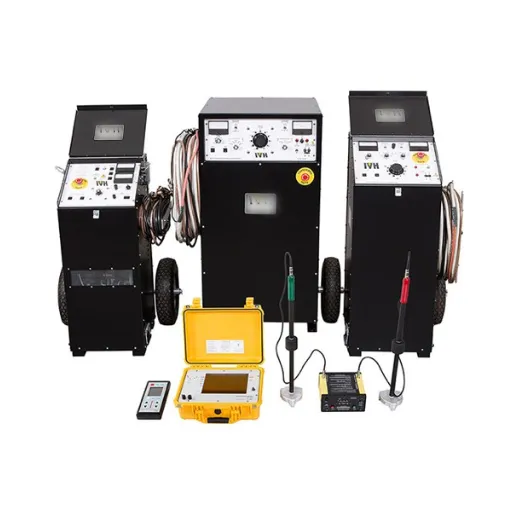
Emerging Features to Look for in 2025
2025 Technology Innovations
- AI Integration: Machine learning for predictive maintenance and fault detection
- Smart Portable Devices: Compact testing equipment with cloud integration
- Real-time Data Sharing: Instant collaboration and immediate action capabilities
- Sustainable Solutions: Energy-efficient designs with eco-friendly materials
Thinking of the future of high voltage testing technology in 2025, a few key trends come directly to mind. Integration of artificial intelligence (AI) and machine learning into testing processes is one of the most exciting trends. These developments may redefine data collection, analysis, and application toward maximizing predictive maintenance and fault detection. Using AI insights, I imagine that test engineers could identify potential system weaknesses before serious issues arise, enabling the safer and more efficient operation of systems.
Having embraced smart and portable testing devices is another promising future trend. These will likely usher in an era where HV testing can be easily performed in diverse environments and where large, immovable equipment may not be required. I expect that because of these tools modern testing will be able to share data in real-time with cloud integration, which will make a whole lot easier to collaborate among different teams and immediately jump into action on the given test results.
Lastly, the growing sustainability agenda cannot be neglected. Hence, by 2025, I expect to see green options adopted in testing, which efficiently conserve energy and use sustainable materials for their design. Together, these emerging features will enhance the efficiency of high-voltage testing and ultimately fulfill the goals of environmental responsibility and efficient energy use.
The Role of IoT in Voltage Detection
The IoT is changing the way voltage is being detected in the monitoring and control of electrical systems. I pose IoT to be disruptors because this allows for a seamless interconnection of different smart sensors and devices that may record voltage level measurements from various systems. Sensors are connected through IoT networks for real-time, continuous monitoring and reporting of abnormalities or potential faults so that they can be identified almost immediately and pinpointed. Such systems aid in increasing the accuracy of voltage testing and providing better alignment with maintenance times, thus reducing the opportunity for downtime, ultimately preventing expensive system failures.
What strikes me with wonder is the Internet of Things unlocking remote access over voltage testing. An IoT-enabled platform means I can check on system performance anywhere anytime with the additional facility of receiving alerts instantly if something goes wrong. In dangerous places or those so inaccessible to manual inspections, this remote access facility turns out to be a boon. Usually, and ironically, these IoT systems produce predictive analytics from historical data, allowing them to foresee faults and thus improve the reliability of a system.
In addition, integrating IoT disturbances in voltage detection is a perfect fit for the modernistic revolution of innovative and sustainable energy solutions. By reducing energy waste and promoting proactive maintenance, IoT contributes to cost efficiency and environmental consciousness. For me, this represents the projection of advancements in voltage detection, making it highly efficient, innovative, and fitting modern energy goals.
Evolutionary Predictions for High Voltage Testers
In the context of the next phase, I foresee the development of high-voltage testers involving contemporary technology to include high levels of intelligence coupled with speed and the latest safety features. Likely, AI will analyze patterns, suggest and foresee possible cases of failure, or instruct high-voltage testers to calibrate themselves automatically for optimal performance. Decision-making through AI will yield accurate readings and keep the downtime at a minimum, thus balancing efficient operation and safety standards.
In my opinion, I would place the theme of connectivity at the center of evolution. High-voltage testers will likely be integrated with cloud platforms for data sharing and analysis in real-time. That also means remote monitoring and diagnosis would become increasingly handy, empowering teams to tackle problems without having to go on-site. More to the point, predictive maintenance would likewise stand a chance with alerts that warn users about potential risks well before they go onstage.
And then sustainability drives innovation. Hence, I envision energy-efficient designs and low-waste material systems in the manufacture of high voltage testers. Such changes echo a larger trend of minimizing the jot of the industry on the environment while maintaining high performance. The combined effect of these changes will, however, redefine the ability of high voltage testers and give us tools that are truly functional and are consistent with modern-day sustainable practices.
Reference Sources
-
How to Work Safely with High-Voltage Test & Measurement Equipment – Vitrek: Discusses safety practices and precautions when using high-voltage testing equipment.
-
IEEE Safety Recommendations for High Voltage Testing – Spellman HV: Provides IEEE-recommended practices for ensuring safety during high-voltage testing in various environments.
-
Addressing Safety Concerns in High Voltage Testing – TestGuy Wiki: Shares insights, best practices, and strategies for mitigating risks associated with high-voltage electrical testing.
- Click here to read more.
Frequently Asked Questions (FAQs)
What is a high-voltage electrical tester, and how is it operated?
High-voltage testing appliances are those which measure or detect high voltages in an electric circuit. Probes or sensors, in principle, come into contact with live wires without the direct touch and are hence safe in operation. They are equipped with digital display for voltage measurement in some models, such as the AEMC 275HVD. Testers can also detect AC voltage; but when the voltage is on, it gives an alarm with sound and light for making working on the so-called hazardous electrical installations safe. A good voltage detector can keep one fairly sure whether a system is energized or not.
So how exactly do these non-contact AC voltage detectors operate?
There are the various types of non-contact AC voltage detectors, always sensing the electric field developed by live wires without the tester ever touching the wire. Usually, this type of test is used for overhead cables or in very hard-to-reach places. Many non-contact models have high-voltage detectors like the Fluke model with a flashlight to see in the dark. The sensitivity can also be adjusted with respect to the different voltage levels. Typically, the voltage detector detects the voltage and warns about its presence, by way of an audible alarm or visual indicator, if it is brought close to a live wire, thereby increasing the safety of the environment and reducing chances of electrical shock.
What types of features should I look for in a high-voltage tester?
Durability, measuring range, and ease of operation are some of the attributes considered when choosing a high voltage tester. The tester must be heavy-duty to stand the harsh environment. Digital displays are preferable since they offer clear readings; an alarm capable of ringing and flashing would provide both audible and visible warnings. Among other features, one good option is to have a flashlight for use when testing in the dark. Variable sensitivity is preferred since it allows the tester to be used for both high- and low-voltage testing. It has to be rated as per your requirement, such as CAT III, for the type of electrical work you intend to carry out.
What is the difference between a phasing tester and a voltage detector?
Phasing testers are designed to check for the phase of an electrical circuit, i.e., to ascertain if the wires have been correctly phased and connected. The very essence of it is that the voltage detector will verify the presence of voltage (be it AC or DC). Such testers generally give more details-having the voltage correct or incorrect in polarity-also can be equipped with digital displays and audible alarms. Voltage detectors are more useless and alert only to live wires. Both are essential for electrical safety practices, especially in operations involving high voltage systems.
What precautions should I take when using an electrical high-voltage tester?
Generally, safety is always kept in mind while carrying out testing with a High-Voltage Tester. The testing is not going to be done unless the right PPEs are being used, including insulating gloves and safety course-grade spectacles as needed by law. The tester should be inspected for its fitness before use, and it should be regularly checked for proper calibration. Never test alone! Your partner will prove to be a decisive factor in the event of an emergency. Keep them out of places filled with moisture. Also, good lighting should be provided at the working station, just to be safe. Study your tester’s manual, and thoroughly understand the features-it terms. When will it make a buzzer, and when will the LEDs light? Know these and operate your tester safely and efficiently.