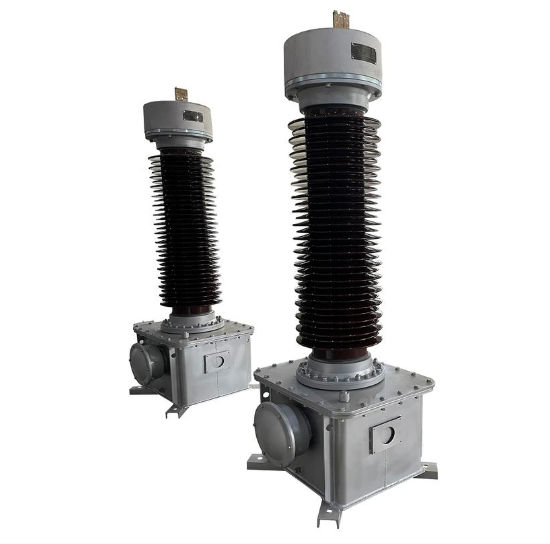
Transformer oil serves as an insulator and coolant for a transformer. Its operational efficiency and reliability are very crucial. Aged transformer oil may become contaminated or filled with moisture which greatly puts the transformer’s safety and performance level at risk. This is exactly what the dielectric strength test counteracts. This test is vital for measuring the dielectric insulating strength of transformer oil and is also very essential in monitoring equipment health and predictive diagnostics. In this article, we discuss the dielectric jump test, explain its importance, outline its operational principles, and identify the primary factors that influence its performance. Each one of you, be it a field technician or electrical engineer or a stake holder in the power grid management, will form your own perspective but understanding this process will enable you enhance the reliability of the entire system while optimizing the transformer’s service life.
What is the Dielectric Strength of Transformer Oil?

The dielectric strength of transformer oil is its capability to withstand breakdown of the oil under high voltage stress electrically. Odian noted that this is a necessary characteristic for an oil which denotes its dielectric performance along with the capability to avert arcing internally in a transformer. As it is measured in kilovolts (kV), the dielectric strength is evaluated through standard protocols which involve applying a controllable sample voltage on the oil sample until breakdown is witnessed. High dielectric strength is a sign of untainted oil that is vital in prolonging transformer reliability and its longevity.
Definition and Importance of Dielectric Strength
Dielectric strength remains as a crucial parameter in electrical engineering pertaining to the insulating materials used in high voltage equipment. It states the maximum electric field that can be applied on a material without facing a breakdown of the material. In case of insulating oil for transformers, its usage in the system operationally needs to be safe while performing efficiently, hence high value of oil dielectric strength becomes fundamentally important.
Modern guidelines suggest that a transformer’s oil must have a dielectric strength of not less than 30 kV, with an upper estimate of 50 to 60 kV for optimal performance. To improve dielectric strength by eliminating moisture, dissolved gases, and particulates, vacuum dehydration and filtration are now more common. Other studies also suggest that even minimal impurities can dramatically los the dielectric strength of a system and cause potential failures. This highlights the fact that extensive testing and incremental maintenance is crucial to preserve dielectric strength and ensure reliability.
Factors Affecting the Dielectric Strength of Transformer Oil
As highlighted above, the insulating strength or transformer oil fails to improve based on certain parameters. Each factor may independently influence performance dependability, reliability and efficiency of the oil and cover system.
- Moisture Content
One of the biggest destroyers of a transformer’s oils dielectric strength is the presence of water. You do, however, have to keep in mind that not all water is equally bad. Research has proven that the dielectric strength can be reduced by as much as 20% if the oils moisture concentration undergoes a change from 10 to 30 ppm.
- Presence of Dissolved Gases
During thermal or electrical strain, gases, hydrogen, and oxygen may dissolve into oil. These gases, especially under high temperatures, reduce an oil’s insulative abilities by providing a high temperature or electrical field conductive pathways. To reduce this risk, regular monitoring with gas chromatography is necessary.
- Particulate Contamination
Foreign debris or aging insulation materials can lead to solid particles. These types of solid contaminants can result in a dielectric breakdown by causing partial discharges. The dielectric strength of a material is lowered by these solid contaminants as well. Through following IEC 60422, there are specified limits put on the size of particles permissible which through this standard helps preserve dielectric strength.
- Oil Temperature
The dielectric strength of transformer oil decreases with an increase in temperature. Higher temperatures lead to an increase of molecular agitation which reduces the viscosity of oil. Conducted tests at operating temperatures of over 70°C expect a 15-25% degradation in dielectric strength, showcasing how detrimental elevated temperatures are.
- Aging and Oxidation
With time, transformer oil develops oxidative degradation which results in the acids, sludge, and polar compounds. These byproducts have the potential to reduce the oil’s dielectric strength and accelerate the deterioration of the insulating material. To mitigate this issue, oxidation inhibitors are added, however, regular testing for acid value and sludge content is also crucial.
With thorough monitoring and maintenance, operators can improve the performance and reliability of the transformer oil throughout its lifecycle.
Typical Values for Dielectric Strength in Electrical Applications
Dielectric strength measures insulating materials that are used for electrical purposes. For transformer oils, dielectric strength is between 30-50 kV for 2.5mm gaps while following AIDMC D877 or IEC 60156. The values are also dependent on moisture content, temperature, and contaminants. Clean transformer oil leads to improved dielectric strength on insulation ensuring reduced risk for electrical breakdowns.
With solid materials like paper, pressboard, or polymer films, dielectric strength and insulation surpass 10 MV/m and vary based on thickness and material composition. Silicone polymers are suitable for high-performance electrical systems due to their range of 20 to 30 MV/m. Sustainable safety measures such as monitoring, equipment checks, and standardized testing protocols all contribute to the value needed for diverse application reliability.
How to Perform a Dielectric Strength Test on Transformer Oil?

To perform a dielectric strength test on transformer oil, follow these steps:
- Preparation:
- Like any other test, an oil testing apparatus must have clean electrodes and contamination free parts.
- Leave the transformer oil sample to equilibrate for a while and remove all air bubbles or suspended solids with skillful manipulation.
- Equipment Setup:
- Following the manufacturer’s instructions, place the oil in a test cup with electrodes spaced at either 1 mm or 2.5 mm, depending on whether ASTM D877 or IEC 60156 is applicable.
- Set the oil testing equipment to the usual 2 kV/s for oil voltage application rate.
- Performing the Test:
- Slowly increase voltage while watching for breakdown.
- The test is finished when breakdown occurs, and the voltage at which breakdown occurs is noted as dielectric strength.
- Repeat for Accuracy:
- Perform the test on the same sample no less than 3 times, making sure that the electrodes are cleaned after each test. Use the mean value to improve accuracy.
- Record and Analyze:
- All results should be documented and analyzed against the set minimum acceptable values of transformer oil dielectric strength, e.g. 30 kV for new oil, to assess suitability for operational use.
Necessary Equipment for the Dielectric Strength Test
To perform a thorough transformer oil dielectric strength test, accurate test results depend on the following equipment:
- Oil Test Cell: An insulating material test cell with two electrodes. The electrodes need to comply and be calibrated to spacing conforming to either airtight standards EN 60156/ASTM D877 (i.e., 2.5 mm or as instructed).
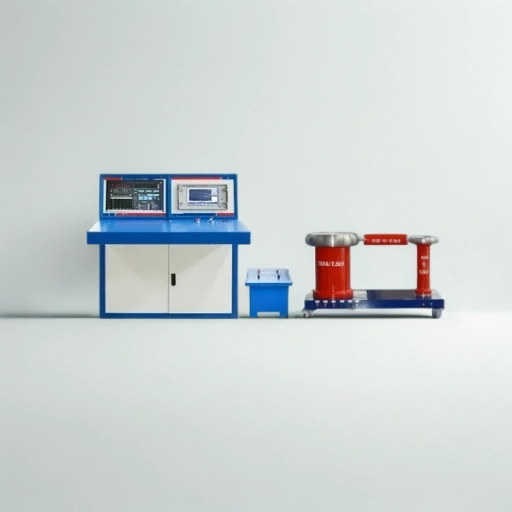
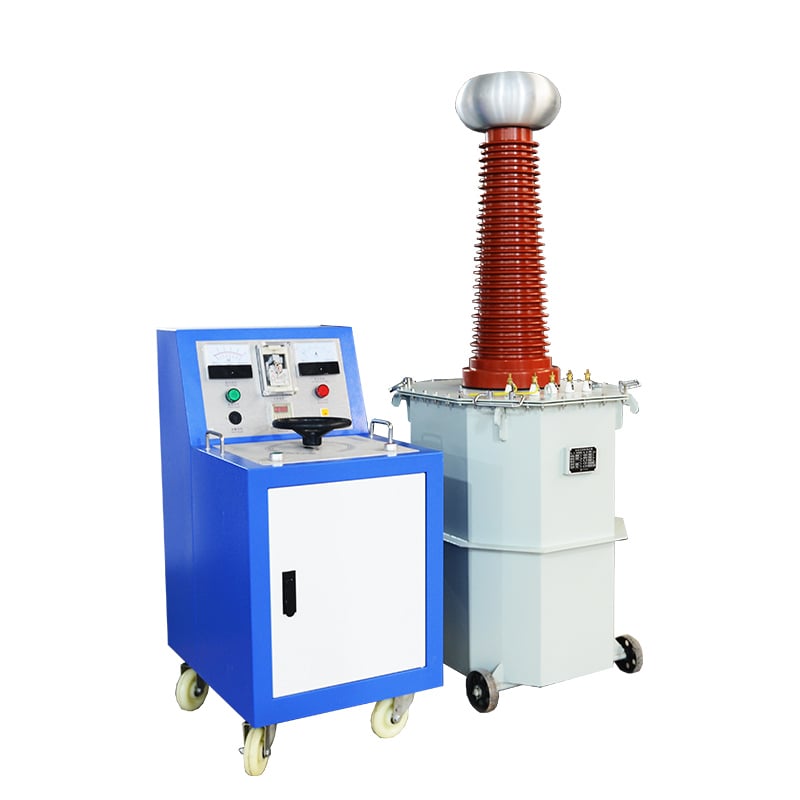
- AC Test Set: An AC test set includes a high voltage transformer with an output voltage of at least 60kV. Flexible and precise oil voltage applications throughout the test are necessary.
- Gap Gauge: This apparatus in the form of a gauge sets the reproducible spacing of electrodes in the test cells to a precise value.
- Oil Filter or Degassing Unit: Uses active methods to ensure transformer oils free of bubbles, moisture, and contaminants. Failing to do so, will dramatically impair accuracy.
- Standardized Measuring Instruments:
- A voltmeter to monitor the applied voltage with an accuracy of ±2%.
- A kilovoltage meter calibrated to measure breakdown voltage levels precisely.
- Stirring Device (if applicable): Pertaining to some testing standards to ensure homogeneity of the oil with respect to unwanted dielectric property variations.
- Thermometer: During a dielectric strength test, a thermometer can be employed to track the oil’s temperature which can range depending on the test conditions.
Utilizing these particular tools ensures that the dielectric strength test is conducted under controlled conditions, verifying that the transformer oil maintains compliance with operational safety standards in different electrical environments.
Step-by-Step Procedure for Conducting the Test
- Preparation of Equipment and Workspace
Testing instruments such as oil test cells, electrodes, and volt sources must be checked for functionality and properly calibrated. Electrodes must be cleaned prior to the test to ensure that no contaminants could change the accuracy of the test results. Check that work area does not contain electric interference as well as environmental factors like high humidity and dust.
- Sampling Transformer Oil
Using a clean and uncontaminated container, withdraw a representative oil sample from the transformer’s reservoir. The representative sample must be within its prescribed parameters to appropriately capture the oil’s conditions without moisture intrusion or particulate intrusion during its containment phase.
- Filling the Test Cell
When pouring oil samples into the test cell, do so meticulously to avoid the inclusion of air bubbles, which can alter the measurement of dielectric strength negatively. The test cell must be filled to the appropriate level in accordance with designated standards such as ASTM D877 or IEC 60156.
- Temperature Stabilization
Let the oil sample rest until it stabilizes at the required temperature, which, depending on the standard in use, would lie between 20℃ to 90℃. During the testing phase, guarantee precision by employing the calibrated thermometer to monitor temperature.
- Application of Voltage
Gradually apply voltage between the electrodes as per the defined testing standard rate, for example, 2 kV/s. Electrical breakdown should be reached in a controlled manner with steady voltage increase. The modern automated test equipment electricity peaking tests can maintain stable voltage application throughout the process.
- Recording Breakdown Voltage
The exact moment the oil loses insulation and an arc forms between the electrodes is where breakdown voltage is captured. For precise measurements, the same sample is tested multiple times, preferably six, and average values of breakdown voltage are reported.
- Analysis of Results
Evaluate the determined breakdown voltage values against the minimum acceptable cutoffs provided by international or domestic normative documents. Insulating oil with dielectric strength lower than these thresholds point towards contamination, excess moisture, or aging degradation requiring maintenance.
- Cleaning and Maintenance
After conducting the tests, rinse and clean the test cell as well as electrodes to remove residual oil or any other pollutants to maintain cleanliness for other tests. Proper care of the equipment improves the reliability and repeatability of results.
Accurate procedures mean the results of the dielectric strength test are dependable and essential to transformer oil in high voltage systems, improving safety and performance.
What Are the ASTM Standards for Transformer Oil Testing?
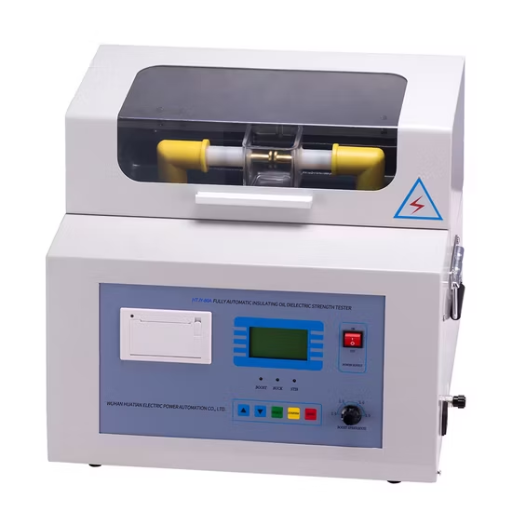
The ASTM (American Society for Testing and Materials) has developed several standards for evaluation and testing of transformer oil. The most widely cited include:
- ASTM D877 – This standard describes the procedure for measuring the dielectric breakdown voltage of insulating oils with disk electrodes. It tests the thermal oil’s dielectric strength for electrical stress in failure mode.
- ASTM D1816 – This method measures dielectric breakdown voltage with a more sensitive spherical electrode gap which relies on greater amount of dirt, contaminants and particles in the oil to function.
- ASTM D1500 – This standard involves grading the color of oil to assess aging and contamination realizes; as oil darkens it oxidizes or contains impurities.
- ASTM D974 – This standard determines the neutralization number which describes the acid content in the oil thereby estimating its degradation.
- ASTM D4059 – This standard is aimed at the determination of polychlorinated biphenyls (PCBs) in insulating oil which are classified as toxic wastes.
The ASTM standards give reliable and repeatable methods for testing the performance of transformer oils and the rest of the electrical transformers to ensure their reliability str and saftey.
Overview of ASTM D877 and ASTM D1816
ASTM D877 is one of the standards which defines the industry-recognized test for the dielectric breakdown voltage of an insulating liquid using disk shaped electrodes. This test determines the failure voltage of an insulating liquid (in this case, transformer oil) and thus helps in evaluating its dielectric strength and health. The test is done using flat parallel electrodes which are simplified geometrical representations of the oil’s containing space. This provides consistency and repeatability of the results. The breakdown voltage is a critical value since it determines the amount of voltage that could be applied without the oil being electrically breached which is necessary for safe functioning of the transformer.
ASTM D1816 refines this approach by using cylindrical or spherical electrodes which are better at mimicking the actual transformer field stresses. This capillary method determines the dielectric breakdown voltage as a function of gap width at some preset distances between the plates. It is responsive to dielectric parameters like moisture content, particulate contamination, and the age of the oil. The precision of the measurement improves with close placed electrodes; therefore, oil aged for longer times can be better analyzed in relation to the transormer’s functioning reliability.
When used together, these criteria are crucial for evaluating and tracking the performance of insulating oils. With the assistance of ASTM D877 and ASTM D1816, engineers and technicians are able to evaluate transformer oils dielectricum distinctly, thus ensuring that they are functioning optimally and minimizing the chances of electrical failures. As with any phenomenon, a more complete picture is obtained when both phenomena are analyzed simultaneously. Such study improves knowledge on the insulating properties of the oil under different operational stresses.
Importance of Following IEC Guidelines
Adhering to IEC (International Electrotechnical Commission) guidelines is imperative for maintaining consistency, safety, and reliability within the electrical and energy sectors. These globally recognized standards provide a framework for the design, implementation, and testing of components, ensuring they meet stringent performance and safety criteria. For example, IEC’s high voltage equipment standards govern dielectric, thermal, and material properties critical to failures and efficiency. Adhering to international guidelines also eases design compatibility challenges. Thus, engineers and equipment manufacturers can conveniently devise devices meant to interface with systems from different parts of the world. With upbeat changes in renewable energy sources and smart grids, along with evolutionary research and engineering globalization, the energy industry shifts to newer fronts where IEC guidelines are constantly changed and expanded. This approach captures the desired technologies and innovations while leaving ample room for developments that are not only expected but haven’t been contemplated as well.
Comparison of ASTM and IEC Standards
|
Parameter |
ASTM Standards |
IEC Standards |
|---|---|---|
|
Focus Area |
Material properties and testing |
Electrical equipment and systems |
|
Global Reach |
Primarily US-focused |
International applicability |
|
Development Process |
Consensus-driven by committees |
Expert collaboration within TC/SC |
|
Standard Type |
Voluntary, widely adopted |
Mandated in many countries |
|
Document Structure |
Focus on specific industries |
Broad applicability across sectors |
|
Updates Frequency |
Periodic, based on industry needs |
Regular, aligned with innovations |
|
Application in Industry |
Construction, materials, and manufacturing |
Energy, electronics, and smart grids |
|
Testing Requirements |
Defines physical and mechanical tests |
Defines electrical and safety standards |
|
Primary Users |
Engineers, manufacturers, researchers |
Engineers, regulators, manufacturers |
|
Governing Body |
ASTM International |
International Electrotechnical Commission |
What Causes Oil Breakdown in Transformer Oil?
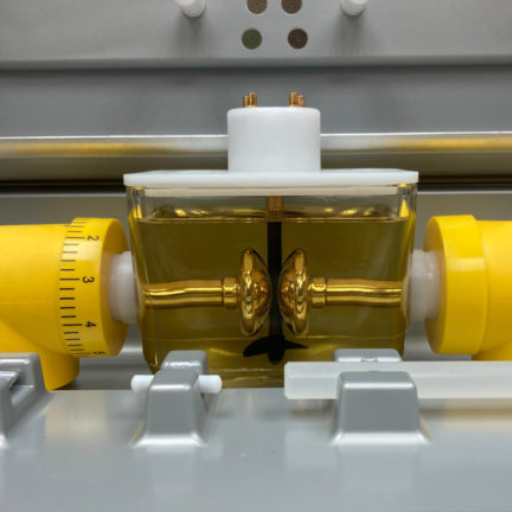
The thermal stress and electrical stress caused by transformer oil contamination can be further worsened by thermal, mechanical, and electrical strain. Over time, overheating of the oil creates sludge and acid which is thermal stress. Electrical stress is overheating caused by high voltage (or partial discharges and arcing) which subsequently lowers the oil’s insulating properties. Oil contamination from moisture, dissolved gases, and dirt lowers the oil’s overall performance by increasing the rate of degradation which reduces its effectiveness as a coolant. Regular maintenance and testing can refine these processes significantly while also reducing the operational life of the oil.
Understanding Dielectric Breakdown and Its Implications
Electrical insulation systems protect against high voltages. When subjected to an electric field greater than the dielectric strength of the material, it loses its insulating properties. This results in uncontrolled electric current flow known as dielectric breakdown. This is important in an electric system as failure of insulation can result in catastrophic system failures, equipment damage and safety hazards. The incident of such systems are controlled by the type, age, and condition of the insulating material, temperature, frequency of the electric field, and foreign contaminants black moisture or particulate matter.
Recent studies underscore the need for accurately tracking the breakdown voltage and insulation resistance parameters to anticipate and circumvent failures. Consider transformers operating at high voltages; they depend on meticulous management of oil quality, wherein regular testing for DGA and moisture content signifies advanced degradation, serving as a precursor. These strategies improve predictive maintenance frameworks, thereby enhancing equipment uptime and operational productivity. In addition, the use of nanotechnology, such as fluids and fuels with greater breakdown strength, serves as a novel mitigative measure on constantly changing nanostress applications.
Common Contaminants Leading to Oil Breakdown
The breakdown of insulating oil can result from numerous external factors, all of which accelerate the physical and chemical processes involved in its degradation. Moisture, which can be introduced via equipment leaks or environmental exposure, is one of the prime contributors. Even the tiniest trace of water can dramatically undermine the dielectric strength of insulating oils, preventing them from functioning as effective insulators.
Partial discharges, electrical discharges, or overheating of the system can all result in the generation of gases that are common contaminants. Of particular concern are hydrogen, methane, and ethylene, as they signal the further breakdown of insulation components or electrical faults.
The advanced machines contain a lot of rotating equipment which creates a friction and generates wear debris in the form of solid particles. Such as fibers, carbon particles, or metallic debris. All of which are a major concern since they increase the conductivity of oil. This, in addition to leading to partial discharges or arcing.
These acids are coupled with acidic compounds formed through oxidation or any other chemical reaction, resulting in an irreversible deterioration of the oil and also materials encircling the oil like seals and gaskets. These acids decrease the neutralization number of the oil which is crucial for long term health of oil.
As a result of oxidation, oil sludge can be formed which can impede the important cooling channels and consequently oil circulation. Because of this, cooling performance will be reduced and also wear of the machines will increase.
Having a clear understanding of these contaminants, allows one to devise specific tests and inspections along with devise an appropriate maintenance plan which can improve the sustainability of equipment of high voltages.
Preventive Maintenance Practices to Avoid Oil Breakdown
To minimize risks associated with oil breakdown and ensure optimal performance in high-voltage systems, a thorough oil preventive maintenance strategy is needed. One key approach is regular sampling and laboratory assessment of oil to evaluate parameters such as acidity, oil moisture content, dielectric strength, and contamination. These factors reveal signs of degradation and contamination, which allows timely custodial action to be undertaken.
Installing filtration machinery that purges gases, moisture, and other particulate matter enhances the efficiency of oil, thus permitting it to last for more time. Furthermore, the system is required to not overheat as excess heat could lead to oxidation and sludge formation, thus everything should be well calibrated to provide an optimal cooling temperature.
Using vacuum processing aids in removing gas and moisture as well as keeping the oil unexposed to fluctuating humidities. Moreover, real time testing of the oil through DGA and spectroscopic evaluation aids in identifying voids and preventing contamination thus maintaining the purity of the oil.
The installation of a high voltage system comes at a hefty price. However, through the above suggestions, one may save money by containing oil degradation, thus preventing expensive failure servicing by regularly evaluating machinery.
How to Assess the Quality of Transformer Oil?

- Visual Inspection
Check the oil for discoloration. Any discoloration or cloudiness may indicate that the oil has been contaminated or aged.
- Dielectric Strength Test
Assess separately the Oil’s dielectric strength and measure the electrical leakage current. Low dielectric strength suggests contamination by moisture or other impurities.
- Moisture Content Analysis
Assess moisture content using a Karl Fischer moisture titrator. Excessive moisture can degrade insulation properties or accelerate aging.
- Acidity Test
Evaluate the acid number to asses the remaining useful life of the oil. Remaining oil high in acidity can lead to system corrosion or sludge formation.
- Dissolved Gas Analysis (DGA)
Identify the presence of gases such as hydrogen, methane or ethylene which indicates thermal or electrical faults in the transformer.
- Interfacial Tension (IFT) Test
This allows for measuring the oil’s surface tension while detecting by-products of oil degradation or contaminants.
Transformers operated under these assessments will be adequately maintained, and issues will be detected and diagnosed as early as possible.
Key Properties to Evaluate in Transformer Oil
- Dielectric Strength
The dielectric strength of transformer oil is critical to assessing its capability to withstand electrical stress without failure. Following a high dielectric strength oil can effectively mitigate and provide insulation to the transformer ensures dependable transformer operations especially during electrical faults.
- Moisture Content
Excess moisture content within transformer oil degrades its insulating ability and accelerates asset aging. To maintain optimal performance, the moisture reading needs to be below a critical level, and in the form of parts per million (ppm) it must be accurate.
- Acidity Level
An increase in acidity, which is measured in mg KOH per g of oil, signals chemical breakdown of the oil. Increased acidity leads to higher formation of sludge and corrosive agents which impairs heat transfer and internal component deterioration.
- Oxidation Stability
This refers to the oil’s potential to resist oxidative deterioration at elevated operational temperatures for extended periods. Transformers with poor oxidation stability are more prone to acid and sludge formation and reduced lifespan.
- Flash Point
The flash point is the temperature where transformer oil can no longer resist vaporization of emitting gasses. This is critical during operation as it provides a hot temperature limit, ensuring safe thermal range during operation.
Operators can confirm optimal performance, oil longevity, and safety for transformers at different operational levels by systematically studying these properties and appropriately defined conditions.
Importance of Filtration in Maintaining Oil Quality
Preserving the chemical and physical integrity of transformer oil is reliant on the pivotal process of filtration. Transformer oil, through time, gathers a range of particulates, gases, moisture, and oxidation byproducts that work to deteriorate its efficacy. Filtration systems work to specifically target and eliminate the aforementioned components to keep the oil’s dielectric strength and insulating properties intact.
Water in any form severely lowers an oil’s breakdown voltage which may lead to transformer malfunctions. Furthermore, particle contaminants compromise an oil’s insulating properties, leading to arcing and hot spots which shortens transformer component life. Most modern and reliable filtration systems use vacuum dehydration which helps restore oil properties efficiently while ensuring system dependability.
An emphasis of proactive maintenance strategy distinctively sharpens modern practices in oil filtration. Oil filtration, when combined with real time monitoring of water and acidity levels, ensures the oil stays within operational thresholds. Through cutting-edge oil filtration techniques coupled with maintenance, operators can improve operational risks, transformer efficiency and asset’s life span.
What Are the Effects of Impurities in Transformer Oil?

The impurities found in transformer oil can affect the performance and dependability of the equipment. Wild Water, dissolved gases, and particulates can lower the insulating properties of the oil, running the risk of electrical breakdowns and faults. Contaminated water accelerates aging waste on the transformer’s solid insulation resulting in a shortened lifespan. Furthermore, the presence of certain oxidizing byproducts can break down the function. Regular monitoring and maintenance helps control these problems while also ensuring the oil Transformer Oil meets required operational standards.
Impact of Conducting Substances on Dielectric Strength
Dissolved metals, salts, carbon particles, and paticulates are all examples of tracers and are known to influence the dielectric strength of insulating materials. These substances can lead to high electrical conductivity which will in turn lead to partial discharges and eventual dielectric breakdown. Studies show that trace amounts of these conductive contaminants can greatly decrease the breakdown voltage.
For instance, some studies show that having as low as some parts per million (ppm) of conductive ions can reduce dielectric strength by more than 20% of the oil’s overall condition and history of usage. These materials tend to be introduced from environmental influential factors, worn down machinery, or poor handling during the oil refinement procedure. High-voltage conditions further accelerate the degradation due to local heating which breaks down the insulating medium.
To combat these modern practices, industrial oil purification methods like vacuum dehydration and centrifugation are very effective. Automatic lab analysis procedures like conductivity and dissipation factor tests are very important for early detection of contaminating substances and ensuring the oil dielectric performance stays within acceptable ranges.
How to Identify and Remove Sludge from Transformer Oil
1Sludge in transformer oil is primarily a result of the oxidation of organic compounds and the degradation of insulating materials over time. The presence of sludge can significantly impair heat dissipation and affect the transformer’s overall performance, potentially leading to overheating and insulation failure. Identifying sludge accumulation early is critical to maintaining operational efficiency.
Identification Methods
- Visual Inspection: This method can be oil sampling and observing its clarity. Darkened or cloudy oil is an indicator of sludge.
- Dielectric Breakdown Testing: High concentration of sludge reduces oil’s dielectric. Warning: Sludge contamination as a result of decreased test values is detectable.
- Interfacial Tension (IFT) Measurement: Sludge systematically reduces the IFT of oil over time. IFT becomes vital in tracking oxidation and contamination processes.
- Dissolved Gas Analysis (DGA): The presence of carbon monoxide and carbon dioxide often suggests insulation degradation which directly relates to sludge formation.
Removal Techniques
- Filtration Systems: Transformable units with increased micro-filters that do not interrupt operation are capable of removing sludge particles from oil.
- Oil Regeneration: Processes like vacuum degassing and Fuller’s Earth treatment not only get rid of sludge but also restore the oil’s chemical properties.
- Flushing and Replacement: In the case of heavily contaminated transformers, the oil is often replaced after flushing the system to remove residual sludge.
Ensuring transformer oil remains free of sludge and supports optimal equipment performance throughout its operational lifespan requires routine testing and proactive maintenance strategies.
Reference Sources
-
- This study evaluates the feasibility of using natural palm oil as a dielectric insulating fluid in transformers. It includes tests using a transformer oil dielectric strength tester and oil breakdown voltage testing.
-
- Focuses on the dielectric properties of nanofluids synthesized from vegetable oils. The study assesses the dielectric constant and tan δ tests to evaluate performance.
-
- Explores the enhancement of AC breakdown strength and thermophysical properties of zinc ferrite/insulation oil nanofluids through experimental tests.
Frequently Asked Questions (FAQs)
Q: What is the purpose of the dielectric strength test for transformer oil?
A: The dielectric strength test is conducted to assess the condition of dielectric oil used in power transformers. It measures the minimum breakdown voltage that the oil can withstand, ensuring it effectively insulates against high voltage and prevents electrical failures.
Q: How is the dielectric strength of the oil measured?
A: The dielectric strength of the oil is measured using a meter that applies a high voltage across two electrodes immersed in the oil. The breakdown voltage is recorded when a spark occurs, indicating the point at which the oil can no longer provide effective insulation.
Q: What factors can affect the dielectric strength of transformer oil?
A: Factors affecting dielectric strength include moisture content, the presence of conducting substances in the oil, and the overall cleanliness of the oil. High levels of impurities can lower the strength of the oil and increase the risk of electrical failure.
Q: What is the significance of using mineral oil in transformers?
A: Mineral oil is commonly used as a dielectric oil due to its excellent insulating properties, high breakdown voltage, and cost-effectiveness. It helps to cool and insulate the electrical components of power transformers, ensuring reliable operation.
Q: Can the dielectric strength test be performed on-site?
A: Yes, on-site testing can be conducted using portable equipment to measure the dielectric strength of the oil within transformers. This allows for timely assessment and maintenance, ensuring transformers remain safe and efficient.
Q: What is the relationship between dielectric strength and loss tangent?
A: The loss tangent is a measure of energy loss in insulating materials, including dielectric oil. A high loss tangent indicates poor insulating properties, which can lead to lower dielectric strength and increased risk of failure under high voltage.
Q: What are the typical breakdown voltage levels for transformer oil?
A: The typical breakdown voltage levels for clean dielectric oil can exceed 30 kV, with some oils even reaching 100 kV. Maintaining high breakdown voltage is crucial for ensuring the safe operation of power transformers.
Q: How often should the dielectric strength of transformer oil be tested?
A: It is recommended to test the dielectric strength of transformer oil regularly, typically during routine maintenance or when there are indications of oil contamination. Regular testing helps in monitoring the insulation quality and predicting potential failures.
Q: What does it mean if the dielectric strength of the oil is low?
A: A low dielectric strength indicates that the oil may be contaminated or degraded, reducing its effectiveness as an insulator. This can lead to increased risks of electrical breakdown and failure in power transformers, requiring immediate attention and possible oil replacement.