Oil-immersed transformers are crucial in any electrical power system, ensuring all energy distribution remains consistent and safe. Among them, oil-immersed transformers represent the most reliable solution when it comes to durability, performance, and insulating capacities. This comprehensive guide explores their technical specifications, applications, and utilities in modern power infrastructure. Whether you are an industrialist or someone seeking foundational knowledge, this article will provide valuable insights to help you assess transformer selection and usage on sound technical grounds.
Understanding Oil-Immersed Transformers
What is an Oil Immersed Transformer?
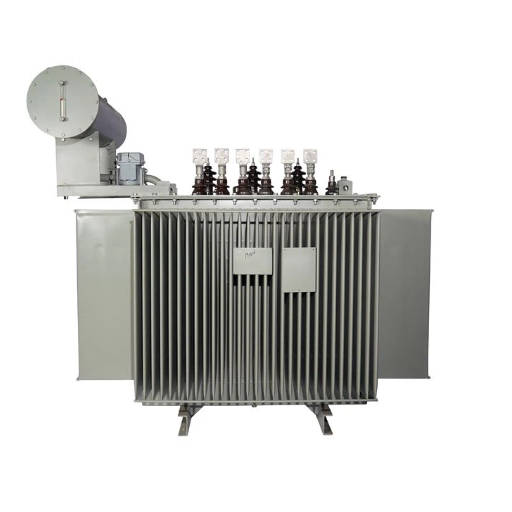
An oil-immersed transformer is a type of electrical transformer that uses oil as both a cooling medium and an insulating medium. The oil serves two primary purposes: it helps dissipate heat generated during operation and insulates against electrical faults. This design is particularly effective for handling large power loads and is applicable in power distribution and transmission systems. In an oil-immersed transformer, the core and windings are submerged in insulating oil, which can be either mineral or synthetic. The oil circulates either naturally—with residual heat carried to the surface through cooling fins—or is directed by pumps through transformer convectors for immediate heat release to the ambient environment. This efficient heat dissipation ensures the transformer works effectively under varying load conditions and during extended periods of operation.
🔑 Key Features of Oil-Immersed Transformers
High Voltage Efficiency
The insulating oil serves as the dielectric medium, allowing efficient heat removal and maintaining electrical insulation for safe operation under harsh conditions.
Exceptional Durability
With proper maintenance and regular oil quality tests, oil-immersed transformers can survive decades of operation, making them ideal for industries, power generation, and renewable energy installations.
Superior Cooling Performance
Heat is eliminated by the cooling effect of isolating oil, ensuring the transformer maintains consistent operation within acceptable temperature ranges throughout its service life.
Robust Design
Capable of handling mechanical stress and thermal loading while maintaining stability over extended periods of operation.
Advantages of Using Oil-Immersed Transformers
✓
Superior Electrical Insulation
Helps arrest electrical failures, provides reliable protection from induced heating, and saves the transformer from condensed moisture and pollution.
✓
Cost-Efficiency
Requires less frequent maintenance than other transformer types and operates uninterruptedly over long periods due to its robust design.
✓
Heavy Load Capacity
Resilience and capacity for handling heavy loads make oil-immersed transformers a viable choice for industrial and power-distribution needs.
✓
Environmental Adaptability
Capable of operating efficiently under diverse environmental conditions including temperature extremes and varying humidity levels.
Specifications of Oil Immersed Transformers

KVA Rating and KV Rating Explained
Oil-type transformers are typically rated in kilovolt-amperes (kVA) and kilovolts (kV) to indicate their capacity for handling electrical loads efficiently. Understanding these ratings is essential for ensuring compatibility with power systems and avoiding overloading.
⚡ KVA Rating
Indicates the maximum apparent power the transformer can handle without overheating. A transformer needs a kVA rating greater than or equal to the power requirement of connected equipment. Undersized units can overheat and sustain damage, while oversized units increase operational costs unnecessarily.
🔌 KV Rating
Indicates the voltage level the transformer is designed to operate at safely. This explains both input and output voltage levels and corresponds to the power system’s design. High-voltage transmission over long distances requires optimal kV transformer ratings for efficient and safe operation.
Cooling Classes and Efficiency Ratings
Transformers have various cooling classes to maintain optimal temperatures during operation, helping them run efficiently and achieve long service life.
📊 Understanding Transformer Efficiency
Transformer efficiency is determined by the ratio of output power to input power, with losses categorized as:
- Core Losses: Occur during magnetization of the transformer’s core material
- Winding Losses: Caused by resistance opposing current flow in the windings
Efficient transformers are designed using improved materials and innovative design concepts to minimize these losses.
Insulation Standards for Oil-Immersed Transformers
Insulation standards are crucial for ensuring longevity and proper performance. These standards define material and design requirements necessary to maintain electrical and mechanical integrity under various operating conditions.
✅ Critical Insulation Properties Checklist
Components of Oil Immersed Transformers

Mineral Oil: The Preferred Insulating Medium
Mineral oil is the primary insulating medium for oil-filled transformers due to its excellent dielectric properties, thermal conductivity, and reliability. Its roles include insulating the transformer, cooling the internal components, preventing electrical breakdowns, and ensuring efficient operation.
🛢️ Why Mineral Oil Remains the Top Choice
The Role of the Conservator in Transformer Design
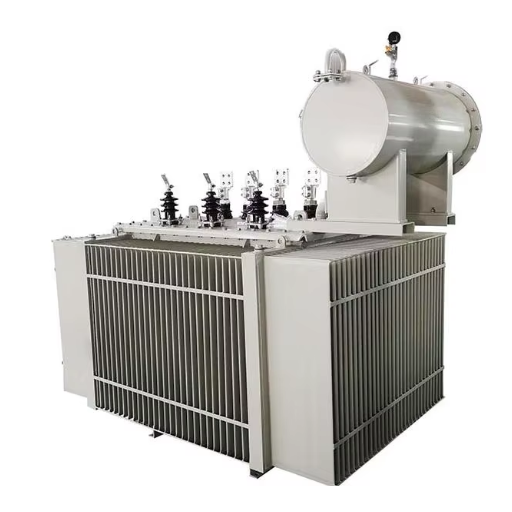
The conservator is an important component in oil-filled transformer design. Its primary function is to accommodate the expansion and contraction of insulating mineral oil due to temperature changes during transformer operation. This ensures the main transformer tank remains properly filled with oil at all times.
🔄 Oil Volume Management
Guarantees the main transformer tank always remains filled with oil, preventing any significant drop that would otherwise endanger electrical parts and compromise insulation properties.
🛡️ Contamination Protection
Combined with a breather system using desiccant (like silica gel), prevents moisture and air from entering the oil, preserving dielectric strength and extending transformer life.
⚠️ Safety Enhancement
Provides extra space for oil volume changes, effectively preventing pressure build-up in the transformer tank and reducing risk of leaks and mechanical damage.
Understanding the Hermetically Sealed Design
The hermetically sealed design prevents contamination and moisture ingress to ensure transformer longevity. Unlike traditional conservator systems that allow insulating oil to interact with environmental air, the hermetically sealed design uses a sealed enclosure to keep insulating oil isolated from the surrounding environment.
Application and Related Products
Common Applications of Oil-Immersed Transformers
Power Distribution Networks
Transforms high transmission voltages to levels appropriate for residential, commercial, and industrial use, facilitating stable electricity flow across wide distribution systems.
Renewable Energy Projects
Ideal for wind and solar farms, handling variable loading conditions—stepping up voltages for transmission or stepping them down for local grid integration.
Industrial Plants & Manufacturing
Supplies substantial power for machinery requiring heavy-duty energy circuits operating under arduous environmental conditions with excellent heat dissipation.
Related Products and Accessories
Various related products and accessories considerably enhance the function and efficiency of oil-filled transformers:
Maintenance and Operational Guidelines
🔧 Essential Maintenance Practices
1. Regular Inspections
Conduct thorough inspections for unusual signs of wear, overheating, or contamination in all accessible components including insulating oil, cooling system, and electrical connections. Maintain an attendant log to record all observations for early warning of potential issues.
2. Oil Quality Management
Perform normal oil sampling and analysis to monitor dielectric strength, moisture levels, and the presence of dissolved gases. If impurities are found, proceed with purification or replacement to ensure optimum insulation and cooling performance.
3. Temperature & Load Management
Ensure the transformer operates within designated load limits to avoid overheating and structural damage. Monitor coolant flow and system temperatures for early detection of potential inefficiency. Always follow the manufacturer’s instructions for optimal performance.
Choosing the Right Oil Immersed Transformer

Factors to Consider When Selecting a Transformer
Comparative Analysis: Single-Phase vs. Three-Phase Transformers
Future Trends in Oil Immersed Transformer Technology
🚀 Emerging Developments
Frequently Asked Questions (FAQ)
References
- Multi-Physics Modeling of Immersion Cooled Electric Power Apparatuses
This dissertation focuses on high-fidelity modeling of immersion-cooled transformers and power apparatuses.
Access the document here - Empirical Thermal Investigation of Oil-Immersed Distribution Transformer under Various Loading Conditions
This study examines the thermal behavior and specifications of a 10 kVA oil-immersed transformer under different loading conditions.
View the document here - Condition Monitoring of Biodegradable Oil-Filled Transformer
This paper discusses the use of biodegradable oils in transformers and their specifications, focusing on fire safety and aging behavior.
Read the document here - Top Oil-immersed Transformer Manufacturers and Suppliers in China