Transformers are those critical components that are in the heart of the electricity life with some of the classical technologies. The fault of a respective transformer can even halt the entire commercial process, something great, as its operators would call it. Typically, with the refinements of time, such sorts of implementation become outdated every day but did not keep pace with the swift demand of present time. Then came neural networks, possibly, the latter most remarkable sea change in data-centric art that altered how localized transformer faults are identified and diagnosed. For its own part, this is the blog’s attempt to relay how neural nets are leading the wave in detecting faults when it comes to transformers, commanding a higher degree of precision, swiftness, and trust. By the time you reach the end of this article, you will understand the working of AI in predictive maintenance and will know why it is a crucial tool in electrified systems offering uninterrupted operation. Read on to go, learn, investigate how technology is taking the electric industry into the future.
Understanding Transformer Faults
Common Transformer Faults
Transformers serve as essential components in electrical systems; however, they are susceptible to a number of common faults disrupting their operation. One of the common faults seen is overheating. This usually happens when there is an increase of temperature either in the transformer core or windings above the safe levels. One cause of overheating, overloading, causes the windings to consume excess current. A second possible cause of overheating can be improper ventilation leading to the temperature of the transformer being higher than usual. This can also happen where insulation has been degraded. Overheating can reduce the transformer’s life greatly and can lead to failure of the machine.
Insulation breakdown is another most probable fault. As the insulating materials of the transformer’s windings deteriorate with time due to heat, dampness, or electrical stress, insulation fails, thus causing either short circuits or faults with arcs, thereby damaging the transformer partially, or in some cases completely.
Of course, partial discharge stands out as a major transformer fault. These discharges are localized, not bridging insulation predominately. This would mean in most cases an early tip-off of insulation problems, but without prompt action, partial discharges would cause larger failures. It would therefore boldly emphasize the need to continually monitor and service transformers for reliable operation and efficiency over time.
Types of Transformer Faults
Transformers are subject to a number of faults that can undermine the efficiency and operational reliability. The most common type of fault is winding fault, which is originated when each winding’s insulation is worn off and this leads to short-circuit or open windings within the transformer. It is believed that causing winding faults are overheating, mechanical stress upon the insulation, or prolonged periods of degradation. Thus, if not addressed in a timely manner, winding faults may cause abundant destruction.
Another major fault of transformers is core faults. These faults develop due to the problems in the magnetic core like presence of defects, overheating, or grounding issues. This fault will induce high levels of noise, making the operation of the transformer more inefficient and high operational losses. Appropriate maintenance and periodic core inspections are the keys to preventing and timely detecting these things.
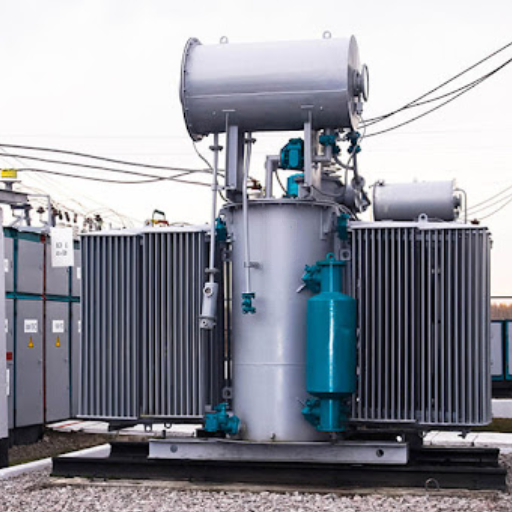
The role of the breakdown in the transformer mediated by the oil is very crucial. With time, the oil in the transformer may degrade due to contamination, oxidation, or ingress of moisture, which affect its insulating and cooling capability adversely. The degraded oil brings the serious threat of overheating or partial discharges and eventually critical fault. The oil should be tested regularly and replaced when necessary to safeguard the transformer for longevity and operational efficiency.
Impact of Transformer Faults on Operation
Transformer faults inevitably pose a significant, instant impact on operations that could result in operational downtime and financial loss. Transformer faults likewise act as a sudden stop to power supply, causing critical operations in the industrial, commercial, or residential system to halt suddenly. It will affect system operations and lead to no work-through disruption in daily operations but with delays or extra costs.
Equally, the cost of the repair or replacement of damaged transformers can be quite significant. Over a longer period of time, unchecked damage or faults may lead to a complete changeout of units, which is neither cheap nor easy to do. The whole question repeats the questions of penalties due to operational interruptions or cancellations of contracts, hence underline how routine maintenance and monitoring are cardinal.
Power transformers may be a major safety hazard due to potential electrical fires or overheating components. Such occurrences may pose threats to human safety or require substantial resources to shore up their damages. Regular assessments of transformer components, with special emphasis on insulating oil, are essential to identify potential problems and prevent short circuits if possible, as any such failures may degenerate into more severe operational or safety hazards later.
Transformer Fault Diagnosis Techniques
Overview of Fault Diagnosis Methods
The fault diagnosis of transformers employs a raft of methodologies to diagnose the issue before it snowballs into a larger concern. These techniques engage on the identification of abnormalities within the transformer components, be they insulation, windings, or core, based on analysis of operational parameters. The intended end objective is to ensure a seamless day-to-day operation of the transformers, resorting to remedial actions whenever required.
The method of dissolved gas analysis (DGA) is always-unique. This is because, in this case, the technique involves evaluating the gaseous composition dissolved in the transformer oil, therefore allowing a quick determination of a fault—arcing, high temperature, or generation of partial discharge. These detecting gases—hydrogen, methane, and acetylene—all embody signature-sized faults. By analyzing these trends, technicians can apprehend problems sooner on and act.
Again, another common diagnostic CU and maintenance path is infrared detection. By using IR cameras, this technique identifies hotspot areas in the transformer which can result from issues like overloaded circuits or loose connectors. Furthermore, periodic insulation resistance testing facilities for sound assessment of the insulation system of the transformer, thus offering preventative measures against breakdowns. By combining these diagnostic tools, the faults are well detected for improved accuracy and reliability, thus providing the safe and efficient services of the transformer for a whole lifetime.
Dissolved Gas Analysis in Transformer Fault Diagnosis
Dissolved Gas Analysis (DGA) is an important practical tool in early detection of faults in transformers. DGA is performed by examining the gases that dissolve in the insulating oil of a transformer; these gases are byproducts of decomposition caused by electrical or thermal faults, hence DGA is a long-proven tool for insight into the type and extent of the fault.
Certain gases may act as indicators of different faults; for example, hydrogen and methane are often agents for arcing or partial discharges, while ethylene and ethane can suggest thermal faults signified by overheating. Analyzing the gas levels against predetermined thresholds enables the technician to make sense of the data, establishing a forward direction in making informed decisions to prioritize for repairs or maintenance. This somewhat is a proactive step towards rule orientation with the aim of averting catastrophic failure; reduces the risk of sudden outage and extends the useful life of the instrument without problems.
DGA is known to be a trusted technique for diagnosing a transformer without disturbing it, filling in all gaps. DGA test scheduling should guarantee interruption-free monitoring. This way, DGA testing combined with competent interpretation ensures an early solution to potential trouble thereby contributing to enhancing the general reliability and safety of the power system. The implementation of this technique is essential to the safe behavior of transformers in power systems.
Thermal Imaging and Its Role in Fault Detection
The thermal inspection technique holds an unmatched position in fault detection in power systems. It shoots its capability through the identification of potential problems that manifest in anomalous temperature changes. Such a diagnosis method is noninvasive and uses infrared cameras to collect data on heat emissions. The processor of heat produces a visual result showing the temperature distribution. Thermal imaging of the material helps to detect issues like overheating connections, insulation breakdowns, or load mismatching prior to any critical condition buildup.
One of the key advantages of thermal imaging is its ability to perform real-time inspections without the requirement of a total shut-down of equipment, which reduces associated downtime and provides the ability of ongoing system monitoring to ensure efficient and continued operation. It is also an inexpensive way in which thermal imaging helps increased focus on preventive maintenance strategies whereby detection and analysis of thermal abnormalities can enable appropriate rectifier steps with minimized risk of expensive repairs or outage.
The survey obtained by the thermal imaging technique is necessary to ensure improved performance and safety in electrical power systems. Regular thermal imaging aids in the identification of deteriorating equipment that could potentially offset system performance. With comprehensive proaction in solving the identified issues in line, power utilities will prevent equipment failures from occurring, thereby ensuring the system’s priority suppression of blackouts on the grid. The technique is a most vigorous weapon in early shop detection, necessitating the shift in maintenance strategy for optimized long-term operation of the system.
Neural Networks in Fault Detection

How Neural Networks Enhance Fault Diagnosis
The way neural networks come into fault diagnosis—they learn patterns within vast masses of data, which can then be used to identify anomalies usually manifesting fault-causing variances in contrast to a learning program. So congestion in general is able to find very fine but important relationships. A neural network’s possible specialty: personally number of sensations, in recognition of very modest defects in transformer performance.
Training a neural network for failure data endows it with significant powers to predict, and thus the expert system that diagnoses transformer faults can be based on identification of insulation damage, overheating, or partial discharging via input data as temperature, gases, electrical behavior. Such predictions also aid the maintenance team in fixing these technical faults for the clients in time to maintain the increase in costs of upgrading faults and probable destruction of equipment.
Neural networks bring efficiency and reliability to fault diagnosis through continual learning and adaptation. With every new data input, accuracy is further refined and false alarms reduced, which finally unleashes actionable insights for decision-making. Hence, neural networks are supportive in safeguarding the healthiness and efficiency of transformer systems at power utilities.
Case Studies on Neural Network Applications
Neural networks are becoming increasingly applied in the field of stressed transformer fault diagnosis because of the model’s capacity to handle complicated patterns and large datasets effectively. A particular case involves the use of a neural network for improvement of the Dissolved Gas Analysis (DGA). This feeds historical DGA data into the network for training so that the model assumes all fault types (overheating, partial discharges, or free arcing) based on the gas compositions. Past analyses have suggested that the model’s predictive precision outstrips traditional diagnostic techniques, enabling access to quicker and more reliable understanding of possible transformer problems.
Another application shows the building of neural networks to help in monitoring the thermal performance of transformer under the load, which can vary from time to time. With every event the training parameters are data from the temperature and the operational side of things, so the model will recognize any abnormality, such as insulation wear or the formation of a hotspot, just before it really damages the transformer. The forward-looking diagnostic method results in big-time savings; furthermore, it stabilizes the operation of power utility networks.
As a significant milestone, neural networks have just been used by researchers to combine different diagnosis methods for transformers like vibration analysis, oil assessment, and DGA. This neural network uses data from more than one source and subjects those to integrated analysis to purport a fault diagnosis, thereby broadening its horizons and precision levels. Utilities will then be able to prioritize their maintenance venues, thereby increasing the saving in discarding equipment reserves, as they extend the transformer’s useful life and increase efficiency by making power distribution flawless. It is proved by the case studies that the neural network opens immense ways to patch up a new trend in the area of transformer fault diagnosis.
Challenges and Limitations of Neural Networks
Neural networks that are powerful as a tool for diagnosing the faults of transformers face several challenges. One major limitation is that neural networks depend significantly on large, high-quality training datasets. The performance of neural networks relies heavily on availability of a reasonable amount of data that represents a wide range of fault conditions accurately. Without the latter, the model does not generalize well, making reliable predictions during actual use.
Another important section to be acknowledged about the challenge involved is a fairly deep neural network model. Such models require great resources both in training and deployment, making them difficult to use in places with few such resources. Also, this complexity can be perceived as a “black box,” i.e., it demonstrates that it is not easy to interpret how the model arrives at its decisions. This “black box” model can create hesitation in trust in model results, particularly when a system that directly affects safety is being looked at, e.g., a transformer fault diagnostic system.
There will be some inappropriate perseverance in dealing with continual disturbances in data input; the weakness of neural networks becomes fairly obvious when they have to operate in noisy or changing circumstances. The future optimization of networks to add input noise and design of models generally incorporate feedback between the prediction and input data manipulation. In deepening the neural network domain, innovative techniques, such as data preprocessing that help refine big data in real-time scenarios, have to be conscientiously considered.
Proactive Transformer Maintenance

Importance of Regular Maintenance
It is very necessary to see that the desired performance of the transformer is achieved, and one must make sure that prospective failures are prevented because transformers have become a very crucial component in electrical networks. A failure occurring with a transformer will directly lead to sudden downtime and huge expenses incurred to cover repair costs. Therefore, in view of the potential of scheduled energy losses, inspection, and servicing has to be taken with the aim of identifying and curing minor problems early so that service life can be extended.
Thorough fault diagnosis is crucial for maintenance. Among the possible diagnostic procedures are testing of insulating materials, checking of oil quality; evaluating temperature evolution, and investigating wear and arrangement of bushings. This way, detection of potential catastrophic fault conditions during the maintenance vastly reduces the risks of insufficient(if not normal) problem extension, besides enabling further investigation into internal faults through aids like partial discharge and thermal imaging.
When correctly maintained, transformers do not function properly only. Resultant, various energy-saving initiatives may be followed while taking care of the transformer. Some operational risks could be reduced because of effective risk management, and the long-term costs of interrupted power production can also be minimized. An organized preventive maintenance program needs to be planned so that transformers may operate reliably under stringent conditions and ensure the electricity networks’ stability.
Preventative Measures for Common Faults
Regular inspection and maintenance are crucial in preventing common transformer faults. An effective routine inspection program should include oil-level checks, monitoring for any unusual noise, and confirmation that the cooling system is working properly. Oil quality testing is very important to isolate contamination, water ingress, or any other types of deterioration and thereby prevent catastrophic failure from overheating or insulation breakdown. Addressing the problems through proactive periodic testing can substantially minimize the risk of a transformer failure.
Managing electric loading appropriately is a primary measure taken to prevent faults. Transformer overloading is accompanied by the problem of overheating and fast insulation degradation and leads, ultimately leading to equipment failure. One should read the loads carefully to ascertain that they are within the limit designated for safe operation. Load monitoring systems will assist in identifying a potential problem leading to a conservation of transformer stresses.
Control should be exercised over environmental factors, such as moisture and dirt, in order to prevent electric arcing and insulation trouble. Transformers need to remain free of debris, and proper sealing could prevent water from entering the transformers. Ensuring that the areas surrounding the transformers are clear of vegetation or other inflammable substances could cut down on the risk of external damages, meanwhile ensuring everlasting operational safety and reliability.
Future Trends in Transformer Fault Diagnosis
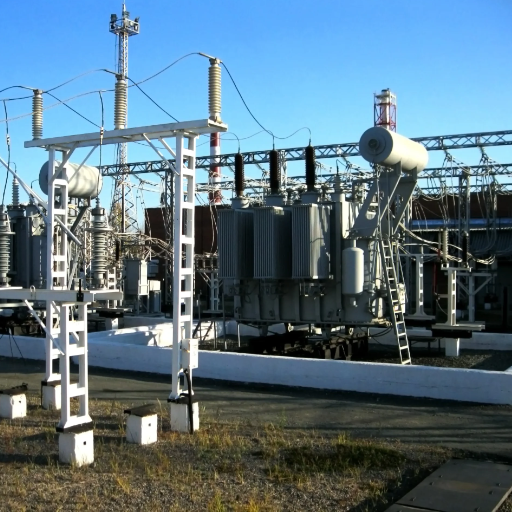
Emerging Technologies in Fault Detection
Among the many advances in fault diagnostics technology, the new developments have greatly improved transformer fault diagnostics in efficiency and accuracy. One answer to that is the fusion of artificial intelligence (FAI ML) and learning algorithms in machine technology. They can digest data to the horror of human beings. These help the predictive powerless transformer and decrease the downtime and accelerate the life of the transformer by killing the glitches before they go into major issues.
Another future technology is advanced sensor development such as imaging of visual and thermal to continuously monitor critical functioning parts of the transformer, including winding temperature, oil level, and gas. For instance, infrared imaging detects overheating or uneven temperature distribution, which are signs of an incipient fault. Dissolved-gas analysis (DGA) sensors monitor gases in the transformer oil, implying electrical and thermal over-shearing.
The adoption of the Internet of Things caused a complete makeover to the traditional environmental monitoring systems. Devices of the Internet of Things serve as a starting point to the continuous remote monitoring of transformers; therefore, alerts for potential failures can be generated immediately. The working of the system assures that data pertaining to various systems is gathered and analyzed for a broader diagnosis. Such efforts will confirm the reliability and safety of transformer operations, gearing the way towards smarter energy infrastructure.
Advances in Transformer Fault Diagnosis Technologies
Artificial Intelligence and Fault Diagnosis: Artificial Intelligence (AI) has come to play a huge role in the transformation of transformer fault-diagnosis technology. By using machine learning algorithms, unique and general patterns can be found in transformer data that hint at potential failure. These systems can do so immediately with enormous quantities of data, thereby offering predictive insights to prevent breakdowns and cut back significantly on maintenance costs. This proactive diagnostic capability will help transformers deliver good performance with reliability.
With Sensors and Internet of Things (IoT) Devices: Sensors and IoT devices provide an additional level of accuracy for diagnostics, enabling real-time condition monitoring. These sensors collect measurement, temperature, moisture, and other gas parameters and send all data to a system for the analysis to be conducted centrally. Therefore, IoT connectivity transmits real-time updates triggered by the stakeholders when one specific parameter goes outside normal levels, leading to the subsequent preventive rather than corrective approach over the problem. This allows the enhancement of maintenance scheduled for very focused and effective and consequently results in lower unplanned downtime.
Benefits as realized with advanced diagnostic tools: The alliance of AI with IoT apparatus designed for transformer fault diagnosis has multiple benefits, like better reliability, longer equipment life, and the optimization of energy usage across the entire grid. Furthermore, these technologies are supporting the transition into smarter and more sustainable energy systems. Early fault detection and mitigation ushered in by these methods thus proves to nudge down operational risk and play a significant role in the broader arena of putting in place robust and future-ready power infrastructure.
The Role of AI and Machine Learning
The Energy sector has been seeing revolutionary growth use of technologies like AI with Machine Learning. AI has created an efficient, ever-reliable, and sustainable development in the energy sector. This has enabled collecting data from the energy networks and analyzing large amounts of data to predict patterns in which human beings cannot grasp as quickly or accurately as a machine would. This is becoming important in optimizing power generation, distribution, and usage, thus enabling return for waste and improvement to overall system performance.
AI and ML are essential for predictive maintenance and fault detection within the energy infrastructure; predictive models let these plants monitor the health of their equipment in the most uncompromising manner. This also implies that likely failures could be detected in advance and their prevention through some form of preventive action, and this way they can keep operating risks to a bare minimum. This method has an added advantage of minimal timescales toward failure and therefore rarely depletes the operating budgets. The consequence is a strong and cost-effective national energy grid equipped to reinforce its capacities in defense against the growing needs it must meet and against unforeseen challenges it may have to confront.
Frequently Asked Questions (FAQ)
Q: What is the diagnosis of transformer faults and why is it important?
A: Transformers diagnose and identify faults in power transformers. So, they take steps to prevent the breakdown and reduce the extended downtimes. Fault diagnosis supports the condition assessment of power transformers and improves the reliability of the oil-immersed transformer units and other transformer types.
Q: What is the general working procedure for diagnosing transformer faults and what are the common types of these failures in transformers?
A: The common transformer fault types consist of winding short-circuits, insulation degradation, inter-turn faults caused by phenomena such as moisture ingress, aging, heat, partial discharge all occurring as part of the long-term degradation process. The factors that contribute to the transformer’s faults are mainly the oil ageing, load on the power transformer, stresses resulting from mechanical acts and defects during manufacture or operating conditions.
Q: How is fault detection and diagnosis performed in power transformers?
A: Utilizing measurement points such as dissolved gas analysis, frequency response analysis, vibration, and temperature measurements in transformer diagnostic cases, the fault analytical methods and diagnostic algorithms serve to identify the fault. The integrated diagnostic process links advanced diagnostics—using sensors—and laboratory analyses to provide sensed classification of fault (e.g., humidity or oxygen migrations); hence, the system must be set up such that this entire concept of fault diagnostics is realizable. Transformer issues are diagnosed based on trend analysis and diagnostic techniques: therefore, if a transformer has failed because of a fault, the fault can be known (with confidence) as detected earlier.
Q: Can fault diagnosis in transformers by means of artificial neural network methods enhance their precision?
A: Yes, the use of artificial neural networks (ANNs) along with other machine-learning techniques greatly enhances the overall success of transformer fault diagnosis by learning from historical fault data, improving accurate fault diagnosis and fault classification. Power transformer fault diagnosis is effectively accomplished by ANN for diagnosis of high-level faults in power transformers, which also improves the accuracy of overall diagnosis when combined with proper feature extraction and training data.
Q: What is the incipient fault diagnosis in power transformers and how is it achieved?
A: Early fault detection in power transformers simply refers to detecting the possible fault before it becomes serious. Techniques or means of the early fault detection are: continuously monitoring, dissolvegas analysis in oil-immersed transformers, states-of-the-art approach of frequency response analysis, vibration and temperature imaging, AI diagnostics or neural networks, and advanced monitoring.
Q: How does frequency response analysis contribute to thermal fault detection in power transformers?
A: Frequency response analysis (FRA) helps in the diagnosis of transformer faults as a diagnostic tool used to determine mechanical warpage, winding displacement, toroidal short, mismatches, and so on by reviewing the frequency response signatures. FRA can aid in the detection of faults by electrically separating electromagnetic features, probably combined with some other analysis methods for fault diagnosis in power transformers.
Q: What are the important factors affecting the accuracy in the fault diagnosis and fault diagnosis?
A: Important factors that boost the diagnostic accuracy of transformers are actually data incompatibility issues, research methods, sensor emplacement, historical records, and working conditions in different environments. The accuracy of fault diagnosis increases if the power transformers are primary condition, comprehensive fault analysis of transformers is used to the fullest, and compared with laboratory test results to reduce the errors in false positives diagnosis transformer.
References
- Virginia Tech – Neural Network Based Transformer Fault Diagnosis: Discusses knowledge-based approaches for diagnosing transformer faults. Read more here.
- Mississippi State University – Transformer Fault Event Detection: Explores fault detection and classification using Phasor Measurement Units (PMUs). Read more here.
- Diagnosing Faults in Power Transformers With Variational Methods: Focuses on dissolved gas analysis (DGA) for diagnosing incipient faults. Read more here.
- Top Oil-immersed Transformer Manufacturers and Suppliers in China