Transformers are critical components in electrical power systems that not only make the distribution and transmission of electricity more efficient but also consume less energy. Nonetheless, similar to any other sophisticated machine, they are vulnerable to faults which can result in performance and safety problems. Here is the Buchholz Relay which is considered as a protective device so important that it is expected to both detect and act on internal transformer faults. Understanding how Buchholz Relay works and its role in transformer protection is a necessity for engineers, technicians, and power system operators. The upcoming blog post will highlight the primary faults the relay identifies, the principles of its operation, and the reasons for its continued importance in transformer protection. At the end of this post, you will be more familiar with this wonderful device and its role in the reliability of power grids. Join us for an informative and enlightening session that is both extensive and practical!
Buchholz Relay Overview
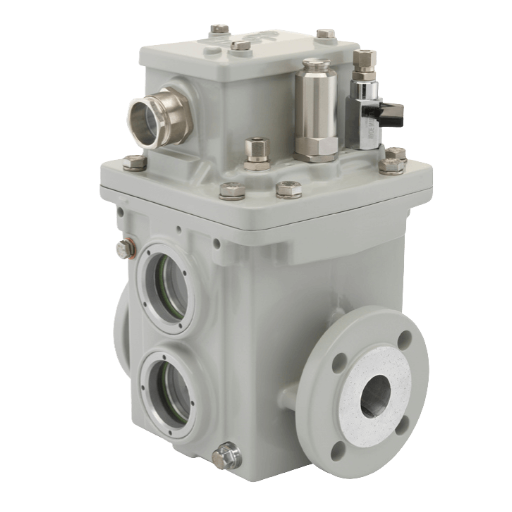
Definition of Buchholz Relay
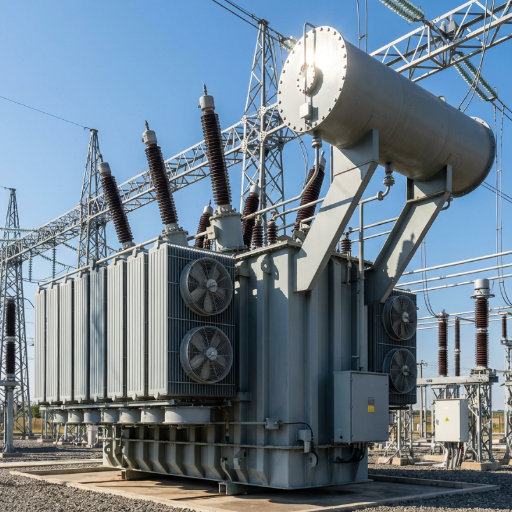
The Buchholz relay is a safety apparatus that works in conjunction with oil-filled power transformers to find malfunctions and provide protection. It functions as an electric and gas sensing relay that is able to monitor the internal condition of the transformer. The relay’s location is within the oil-filled pipe that connects the transformer’s main tank and its conservator. In this way the relay can recognize problems that, if not taken care of, may result in serious damage such as too much heating, insulation breaking down, or electrical sparks.
In its functioning the relay reacts to two kinds of disturbances that are the main ones. First, minor faults or overheating create gas bubbles which are a result of insulating oil breaking down. The relay recognizes and gathers these gases thus allowing operation people to find out about the potential problems beforehand. Second, important faults like electrical short circuits result in the sudden moving or surging of the oil. This oil movement sets off the Buchholz relay, which then trips the transformer disconnect switch to stop the transformer from being damaged further.
The Buchholz relay, with its simplicity and dependability, has become indispensable in transformer protection. Its early-warning capability is still considered to be very important even after the introduction of modern systems. The relay’s action of quickly locating and isolating of problems has a great impact on the safety, productivity, and lifespan of power transformers thus it is playing a significant part in supplying power that is stable and reliable.
Importance in Transformer Protection
Electrical power systems rely heavily on transformers, and their correct operation is a prerequisite for the reliable and uninterrupted power supply. Here, in particular, the Buchholz relay detector takes the lead in fault detection within transformers, thereby preventing minor issues from escalating into severe transformer problems. The relay is of great help in such situations as identifying and resolving the problem with gas buildup or oil seepage, which are pointers to internal damage or overheating, etc.
One of the advantages of early fault detection by the Buchholz relay is that it is able to save on transformer damage, power outage risks and repair costs. The relay acts as a shield for the bulk power supply and thus, it is automatic; simply put, it cuts off the affected part of the supply. The most important part of its work is that it can find when something is wrong without requiring a lot of tricky intervention which makes it very effective in actual applications.
What is more, the Buchholz relay not only improves the safety of transformer operation but also their longevity. Fire and total failure risks are not only field issues but also potential problems for entire installations and people around them; thus, the relay contributes to the protection of both the infrastructure and the personnel. In the end, the excellent performance of the relay through its reliable design and function definitely secures its crucial position in transformer protective systems, thus ensuring the uninterrupted energy flow across various industrial and communal areas.
Common Applications
In power systems, transformers are crucial devices and protective relays are very important in the protection of transformers. The protective relays are mainly used for overload protection, fault detection and system monitoring. All these functions not only make sure that the transformer works efficiently but also that severe damage caused by electrical faults or abnormal conditions is prevented.
Overload protection is the major function that a relay performs in transformer systems. The relay, by keeping track of the current levels, discovers overloading that could heat-up and, consequently, ruin the transformer. When the current reaches the limit, the relay takes preventive measures like cutting down the loads or disconnecting the transformer from the supply to avert any danger.
Another important application is fault detection, like the case of short-circuits or ground faults. The protective relays rapidly detect these situations and cut-off the concerned part of the system to save time and provide protection to the transformer. Moreover, the relays, besides monitoring the system, help in providing information on the performance trends, the condition of operation, potential threats, and thus very useful in scheduling maintenance before it is needed, and also very helpful in the reliability of power systems.
Working Principle of Buchholz Relay
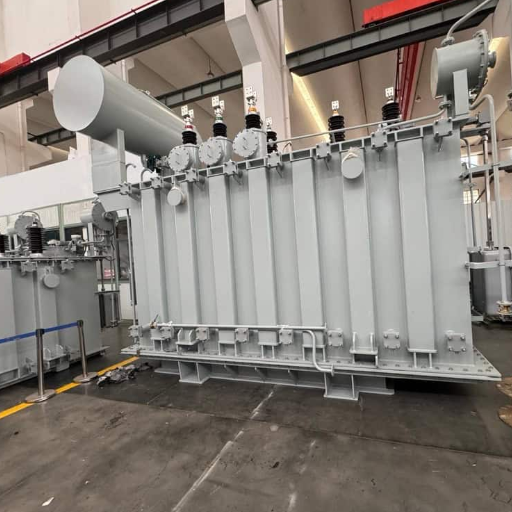
Key Components and Mechanism
The Buchholz relay is made up of a gas-collecting chamber, a float, a flap mechanism, and contacts for signaling or tripping. The relay is mounted on the pipe connecting the main tank of the transformer to its conservator. Its function is to detect faults in the transformer by sensing gas generation and oil movement under certain conditions.
In the case of minor faults, the gas-collecting chamber fills up with decomposed gases which makes the float sink. This moment signals an alarm to inform the operators about the possible problem. In the case of severe faults, the sudden oil flow to the conservator activates the flap mechanism. This movement causes the relay to send a trip signal, which disconnects the transformer from the power system in order to protect it from further damage.
Key Insight: The Buchholz relay is a passive device but it operates very effectively by making use of the basic concepts of buoyancy and fluid dynamics. The early detection of faults helps to protect the transformers, thus reducing the costs of maintenance and increasing the reliability of the system. Its design incorporates simplicity, reliability, and prompt response, thereby making it an essential part of transformer protection systems.
How It Detects Faults
The Buchholz relay is a transformer protective device that functions by observing the gases and liquid movements within the transformer. Normally, a fault results in the insulation oil’s breakdown followed by gas formation. The formed gas is the culprit for the relay operation, indicating the trouble early on.
In the case of minor faults like heating or partial discharges, the gas generated is very small and builds up at the top of the relay. This gas pushes up the float in the relay, which leads to the activation of the warning. In contrast, with major fault conditions, the instant pressure change is due to high-energy arcing or short circuit resulting in an oil surge which is the switch point for the above-mentioned relay. This quick movement of oil activates the relay’s flap mechanism which in turn the tripping circuit disconnects the transformer so as to prevent further damage.
The relay so combines the dual mechanism of gas detection and oil flow monitoring that it can afford to cover the entire spectrum of fault conditions giving the transformer excellent reliability in terms of protection. By acting on potential issues without delay, the Buchholz relay cuts down the risk of catastrophic damage and at the same time facilitates the integrity of the system.
Physical Principles Involved
The Buchholz relay uses two major physical principles to function: buoyancy and fluid dynamics. These principles allow for the identification of gas buildup and oil flow change in the transformer, which is a sign of a fault or abnormal condition.
Availing of buoyancy, the gas bubbles that form during electrical faults, detoxifying, and overheating, are detected within the transformer. When the gas from the relay’s chamber builds up, it displaces the oil, and the float moves. Depending on the magnitude of the fault, this movement can be either an alarm sounding or the circuit being disconnected. The implementation of buoyancy here is the reason why gas-related transformer problems are dealt with in a timely manner.
Fluid dynamics is the scientific principle that explains the sudden change detection in transformer oil flow by the relay. When there is a high-speed oil flow, it usually indicates a severe fault in the transformer, like a short circuit. The relay has a vane or flap that senses this flow and consequently, a tripping mechanism is activated to safeguard the transformer from further damage. These principles indeed, together, provide a Buchholz relay with a being able to supply a very effective protection by responding to both gradual and abrupt fault conditions.
Buchholz Relay Operation in Transformers
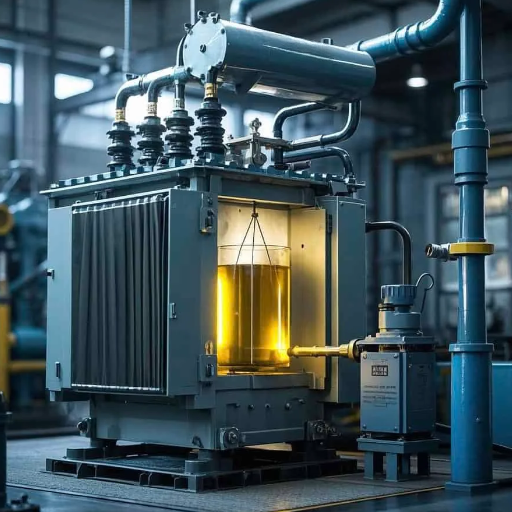
Installation and Setup
In the case of a Buchholz relay installation, the accuracy will play a major role in the relay functioning and the reliability of fault detection in the transformer. The frequently seen location of the relay is in the pipe connecting the tank of a transformer and its conservator. Here, the relay’s position makes it possible to operate it in such a way that the gas or oil movement in the transformer is made known, thus indicating the fault’s location. During the installation, the alignment must be perfect, and the coupling must be solid in order for the operation to be accurate.
The whole process of installation starts with the transformer being de-energized, and safety measures taken. The relay must be placed in the manner described by the operational instructions if it is to deliver its maximum performance. The connection between the relay and the protection system (alarm and trip circuits) should be checked to be sure that they are configured and tested properly. This will ensure that any detected faults will engage the necessary safety systems.
Regular maintenance and testing will not only keep the Buchholz relay functional but also help in discovering any defects. Periodic testing of the alarm and trip mechanisms consists of creating fault conditions and verifying that the relay responds as expected. Therefore, the annually maintenance and the strict following of the installation guidelines will make the Buchholz relay a long-term transformer safety and protection provider with reliability.
Real-World Examples of Operation
The use of the Buchholz relay in power transformers has been very extensive for the efficient detection of internal faults and rectification. One such example is the situation where a minor fault, such as overheating or arcing, leads to the gas generation in transformer oil. The Buchholz relay detects the development of gas and gives out an alarm signal at the same time. This early alert gives operators a chance to make an investigation and take the necessary corrective measures before the situation gets worse and the transformer suffers total failure or severe damage.
Another case where application is used is the occurrence of severe internal faults like a short circuit of the winding. These incidents cause rapid oil movement due to arcing and overheating. The Buchholz relay is very prompt in detecting this. Thus, the relay activates the circuit breaker tripping mechanism, and the transformer is turned off preventing the occurrence of further mechanical or electrical damage. This protective measure not only reduces the power outage but also ensures the safety of the workers.
The Buchholz relay was tested in the case where a transformer at the factory experienced a winding insulation failure. The quickness of the relay in response detected the fault and the transformer was then non-dangerous before any disastrous damage could happen. Such case studies indicate the installation and maintenance of Buchholz relays in transformers as a necessity, especially in places with strict operational safety and reliability requirements. The relay not only aids in decreasing the duration of faults in power systems but also has a significant impact on reducing the associated financial losses, thus, it is recognized in the power systems.
Case Studies of Transformer Failures
Case Study 1: Transformer Failure Due to Overheating
The overheating of a transformer is by far the most common among the causes of its failure, which is usually the result of overloading the transformer for a prolonged period of time. This incident happened to a distribution transformer in a populated urban area, and the transformer was not able to sustain the peak summer months of operation with electricity demand at its highest; consequently, the transformer was subjected to insulation breakdown. The analysis carried out after the transformer’s breakdown was found that the main reasons for the failure were the inadequacy of cooling methods and ineffective load management. Hence, the necessity of frequent load evaluations and better cooling configurations has been proven to be the factors to avoid such incidents entirely.
Case Study 2: Moisture Contamination in Transformer Oil
Another major element that is responsible for the early death of transformers is moisture contamination. A study conducted in an industrial power plant showed that unobserved moisture in the oil of the transformer decreased its dielectric strength and a series of discharges followed by failure occurred. It was found that the routine oil testing and timely oil replacement were the preventive measures that were not taken. The case stresses the need for regular maintenance procedures, which include oil analysis and dehydration treatments, to ensure the extant life of the transformers.
Case Study 3: Lightning-Induced Transformer Damage
Lightning causes another significant source of transformer failures. A transformer in a rural substation got severely burnt because of a lightning strike and at the same time there were no accepted measures to protect it from surges. The hit by the surge caused internal arcing and so a lot of the winding got burnt. The investigation pointed to the necessity of introducing heavy-duty lightning arresters along with surge protectors to limit the risks that are similar to these. This case illustrates how much the environment can influence the reliability of a transformer and at the same time it tells the measures that can be taken to prevent the damage by natural events.
Common Troubleshooting Tips
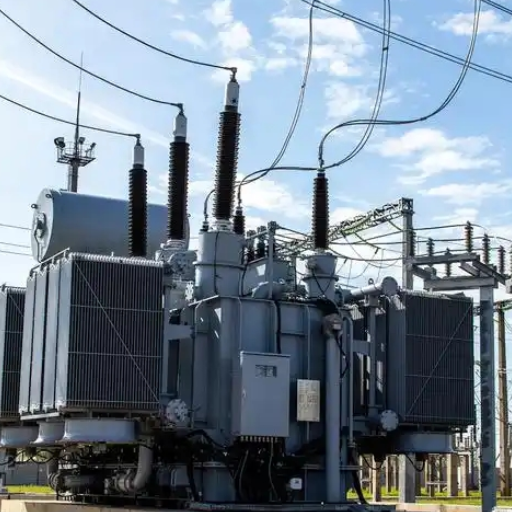
Identifying Common Issues
The most identifiable signs of a defective transformer are overheating, noise, and insulation breakdown. Overheating is very likely to be caused by transformer loading beyond its capacity or lack of cooling, and it may also result in equipment degradation and even permanent failure if not rectified. At times, the transformer gives out a noise, which can be humming or buzzing. This indicates the presence of electrical faults, loose parts, or mechanical problems in the transformer. Insulation failures can range from minute cracks to the almost total consumption of the insulation material, all of which can lead to short circuits or arcing and consequently threaten the transformer’s operation.
To tackle the overheating issue, first, reduce the load on the transformer and then verify that all cooling apparatus, like fans or radiators, are functioning properly. The source of the abnormal noise should be determined by examining the mechanical parts for loosening or wearing out and checking the electrical connections for faults. In the case of the insulation failure problem, visual inspection is absolutely essential. When the insulation is detected as faulty, it should be replaced immediately to avoid the problem escalating or even turning into a hazardous situation.
Furthermore, never forget that maintenance is the primary factor in preventing these problems from occurring. To achieve this, it would be wise to devise a plan for regular inspections, cleaning, and testing, which would be performed on the transformer. Moreover, monitoring of such parameters as temperature, load, and insulation resistance is essential as these can provide an early warning of the presence of trouble before any significant damage is done. This proactive strategy not only enhances the transformer’s lifespan but also its dependability.
Maintenance Best Practices
Proper maintenance of transformers is of paramount importance for operation to be effective and for breakdowns to be avoided. The main practice is to carry out the visual inspections regularly. The inspections enable people to pinpoint troubles like leaking oil, making strange noises, or showing signs of heat, which are all possible early warnings of the need for repair of the problem that is hidden.
One more major practice is testing of the electrical and mechanical parts periodically. Dissolved gas analysis (DGA), insulation resistance testing, and load tests are some of the tests that can give very useful information regarding the internal conditions of the transformer. Furthermore, it is absolutely necessary that the transformer oil is not only clean, but also contains no impurities because it plays the dual role of being the main coolant and insulator. Routine oil sampling and analysis can be the tools for detecting oil deterioration or contamination at inception.
Last but not least, it is important to keep an exact record of all the maintenance activities. This entails documenting the results of inspections, repairs, and any modifications done. A definite historical record will not only assist in tracking performance trends but also in making well-grounded choices for future maintenance and upgrading. If you strictly adhere to these practices, you will not only decrease the likelihood of transformer failures significantly but also enhance the performance and longevity of the transformer.
Resolution Techniques for Faults
In the dealing of faults in transformers, the first thing is to find out the type and cause of the problem. The most common faults are heating, breaking down of insulation, and damage to the windings. By using different instruments such as visual inspections and thermal imaging along with oil analysis, it is possible to find out the root cause. The right maintenance and inspection at the right time can always keep you safe and allow you to detect the problem at an early stage.
After the fault is found, the proper resolution methods should be used. For issue with overheating, better ventilation or using cooling systems can help in controlling and keeping the temperature within levels. Faults in the insulation may need the oil to be either replaced or purified in order to regain the insulating capacity. In case of the winding getting damaged, depending on the problem’s severity, either the repair of that winding or its replacement would be done.
When the fault is gone, post-repair testing is very important to confirm that the transformer is working efficiently and safely. The tests which include the measuring of insulation resistance and load assessments assure that the issue has been rectified adequately. Taking preventive measures like doing routine maintenance and having regular inspections, the chances of faults will be greatly reduced and the transformer life will be increased.
Enhancing Transformer Reliability with Buchholz Relays
Role in Overall Efficiency
Buchholz relays are necessary to guarantee the reliability and efficiency of transformers through early detection of faults. These relays are found in the oil-filled transformers’ protective systems and are responsible for detecting problems such as gas accumulation or interruptions in the oil flow, which may be signs of electrical or mechanical issues inside the transformer. Buchholz relays can identify potential problems early and help with damage control and operation continuity.
The primary contribution of Buchholz relays to efficiency is their ability to ensure operational stability. Fault-detection mechanisms in transformers lead to a decline in unplanned outages, more consistent power delivery, and less maintenance downtime. This reliability has a direct effect on the overall performance of the system, resulting in energy savings and cost efficiency in the long term.
In addition, the use of Buchholz relays shows a transformer management strategy that is based on prevention. They significantly lower the risk of sudden interruptions, which not only enhances the life span of the equipment but also decreases the risk associated with operations. In fact, their function in protecting transformers fosters a network for power distribution that is less prone to failure and more efficient, and this network is vital for the modern energy systems that have increasing demand.
Safety Contributions
The safety of the power distribution networks is significantly improved with the aid of the transformer protection systems. The systems mainly work by identifying the abnormal situations like overloading, overheating, and short circuits and thus stopping the potential failures that in turn could cause fires, damaging of the equipment, or power outages. Through early detection and automated interventions, hazardous conditions are mitigated and thus safer environments are provided for the personnel and the equipment, which helps in reducing the risks to infrastructure.
Furthermore, these systems are also a great contribution to the consistency and further to the reliability of the operation. They keep the transformer performance optimized and thus less power is disrupted unexpectedly that might endanger the critical facilities like, for example, hospitals or public infrastructure. The prevention of outages is not only a way to protect communities but also to keep emergency services being operational.
Moreover, the implementation of such safety measures, to a great extent, can be treated as the measure of the quality of the electric system, thereby providing the operators and the consumers with a sense of safety and confidence. The transformer protection systems are the ones that by prioritizing the preventive measures and the quick response are the ones that support building a more secure and more resilient network for the distribution of energy.
Future Trends in Transformer Protection
The future of transformer protection is surrounded by the integration of high-tech and intelligent systems. Digitalization is the main player in this change and sensors and data analytics make real-time monitoring of transformer health possible. These systems are done so that the operators can foresee failures before they occur, thereby reducing downtime and improving reliability in the entire operation. Automation will still be a very important factor in making sure that the response time to an issue is fast, and at the same time, the stability of the grid is increased.
Moreover, another big trend in power grids is taking into consideration the renewable energy sources and their incorporation into the existing power grid. The transformer protection system of the future will need adaptation to tackle the difficulties that such renewable energy sources as wind and sun, being variable ones, bring about. Moreover, not only the advanced protection algorithms but also the flexible systems will be the essences in keeping grid balance as the energy mix gets more diverse. The process too will be demanding in terms of having solid strategies to cope with effectively voltage and current fluctuations as well as harmonics.
Lastly sustainability and energy efficiency in transformer protection have been coming chemicals in demand. The modern systems will be going for the path of energy losses reduction while at the same time protecting critical infrastructure that is in line with the world’s drive to produce and use greener energy. Moreover, the new materials that possess a higher efficiency along with the innovative cooling methods are already being devised to prolong the life of transformers while having a minimal environmental impact. These trends are a way of realizing a holistic concept of protection for transformers, which simultaneously meets the technological advancement and sustainability goals.
Frequently Asked Questions (FAQ)
Q: What is the working principle of Buchholz relay?
A: The Buchholz relay working principle is premised on the realization of gas and oil movement in the interior of the oil-filled power transformers and reactors. An internal fault in a transformer results in either oil decomposition or gas production, which leads to the displacement of oil. Consequently, the floats or a vane tagged along with the Buchholz relay get actuated when the oil movements or gas pressures happen. The movement thus caused can either close an alarm circuit or trip the circuit breakers; hence, it serves a dual purpose as a safety device and an early warning indicator for internal faults.
Q: How does a Buchholz relay discriminate between a minor internal fault and a major fault?
A: The operation and principle of the Buchholz relay differentiate between a minor internal fault and a major fault by applying two detection methods: The first method uses a sensing float situated at the lower level, which is sensitive to the accumulation of gas, and it triggers the alarm circuit (closed and an alarm circuit) for minor faults, whereas the second method employs a high-pressure surge or rapid oil movement through the connection to activate a mercury switch or a quick-acting vane that closes the trip circuit of the circuit breakers for major faults.
Q: What are the components of the Buchholz relay container and what is their function?
A: The upper part of the Buchholz relay container is where gas collects, and below this is the float assembly. The lower float can operate a switch that is connected to an alarm circuit. The mercury switch or other contacts work with these components to detect gas build-up and the movement of oil. The relay cover permits checking and also removing gas samples that result from decomposition, thus allowing access for inspection.
Q: How does transformer insulating oil decomposition trigger the relay?
A: Transformer insulating oil decomposition or dielectric failure gives rise to gas bubbles which get pushed up to the Buchholz relay container. The resultant gas accumulation either alters the position of the float or lowers the oil level in the external overhead oil reservoir, known as oil conservator, which leads to the relay being triggered. If gas is produced rapidly due to heating of the core or arcing, a high pressure surge quickly pushes the oil that triggers the trip mechanism.
Q: Where is Buchholz relay located and how is it connected?
A: The Buchholz relay is located in the connecting pipe between the transformer tank and the oil conservator. It is installed on certain oil-filled power transformers and reactors. The position of the relay makes it sensitive to oil flow and gas movements in that connection. The float’s position and the attached switch determine whether it is closing the alarm circuit or the trip circuit of the circuit breakers.
Q: Can a mercury switch be used in a Buchholz relay, if yes, what is its function?
A: Some Buchholz relays do, in fact, feature a mercury switch or an equivalent pressure-sensitive or rapid oil flow-sensitive contact. The mercury switch, together with the lower float which detects gradual gas build-up, is able to detect severe faults instantly and the high pressure resulting from them by completing the trip circuit to disconnect the transformer.
Q: What type of transformer faults can Buchholz relay detect?
A: The relay can be used to detect a wide range of events: including but not limited to minor internal faults that generate gas through decomposition, core heating that causes oil to degrade, and high pressure resulting from arcing or major insulation failure. Among others, it is sensitive to the effects of dielectric failure and may be used as a protective device by triggering alarms or tripping the circuit breakers thus protecting the power system protection scheme.
References
North Carolina State University Repository: Discusses the critical function of the Buchholz relay in transformer systems. Read more here.
Transformer Monitoring Research: Highlights the importance of Buchholz relay in ensuring stable transformer operation. Read more here.
Top Oil-immersed Transformer Manufacturers and Suppliers in China