Transformers are very important parts of modern electrical systems and their reliability is the key factor in the smooth power distribution. Among the most important methods to keep a transformer healthy, Dissolved Gas Analysis (DGA) is the one that captures the attention as a very effective diagnostic tool. This comprehensive guide will walk you through the basics of DGA and describe how analyzing gases dissolved in transformer oil can detect faults like overheating, arcing, or insulation decay.
Importance of Transformer Oil Testing

Understanding Transformer Oil and Its Role
The oil used in transformers is undeniably one of the most important aspects of transformer operation, efficiency, and reliability. Besides its main two functions of good electrical insulation and cooling, the oil helps by filling the transformer up. The oil also helps in dissipating the internal heat by acting as a cooling medium thus maintaining a stable temperature.
The chemical nature of transformer oil also plays a significant role in the prevention of oxidation inside the transformer. The components might suffer from oxidation and thus performance would decrease. The highest quality transformer oil goes through a refining process that makes it resistant to such deterioration thus guaranteeing the transformer system’s life and efficiency.
⚠️ Important Note:
It is absolutely necessary to keep these properties because the contamination or aging of oil can lead to changes in composition which in turn will affect effectiveness. Modern business practices make regular transformer oil testing a must-do maintenance task.
Benefits of Regular Transformer Oil Testing
Key Advantages:
- ✓ Early Problem Detection: Identifying the possible presence of contamination, water, or chemical degradation substances that can seriously affect the insulation and cooling properties of oil is important.
- ✓ Proactive Maintenance: An early warning system that allows operators to detect and correct problems at the initial stage thus avoiding huge failures and cutting down on the costs of unplanned outages.
- ✓ Extended Lifespan: Reducing severe risk trying to maim developments to deliver oil in the best condition during life of distribution transformers, reliability is boosted on its next throughput.
Impact on Asset Longevity and Operational Safety
The quality of oil testing determines the life of electrical assets and the cost of their maintenance through the detection of faults or leaks very early in the process. By uncovering problems before they turn into critical situations, the operation of the equipment will be uninterrupted and the costs on repairs will be less.
Safety Enhancement
Monitors contaminants including moisture, acids, and gases which can cause overheating or insulation breakdown, securing equipment and guaranteeing worker safety.
Environmental Benefits
Reduces environmental footprint through less frequent replacements due to premature equipment failure, supporting sustainability objectives.
Economic Efficiency
Minimizes expenditures for transformer removal and installations while ensuring long-term operational stability.
Dissolved Gas Analysis (DGA)

Scientific Principles Behind DGA
The Dissolved Gas Analysis (DGA) method is based on the principle that transformer oil, when subjected to electrical and thermal stress, results in the breakdown of its hydrocarbon molecules thus generating gases. The gases that are or were even hydrogen, methane, ethylene, and acetylene are all dissolved in the oil, and their amounts as well as their being there are indicators of the transformer’s good or bad health and working condition.
DGA Fault Signature Analysis
Each gas has its fault signature. For instance:
- High-temperature faults usually produce ethylene and ethane
- Electric arcs form acetylene
- Overheating conditions generate specific gas mixtures
By analyzing the gas mixture and its respective heights with care, technicians can determine the nature and the strength of problems that may arise in the transformer.
Besides giving a picture of the current situation, DGA is also an important factor in trend analysis. By correlating periodic DGA results over a period, operators can identify slow changes that are likely to be problems coming up. This ability to predict enables maintenance planning to be done ahead of time, increasing the reliability of power delivery systems and decreasing unexpected downtimes.
Types of Dissolved Gases Monitored
| Gas | Chemical Formula | Indication |
|---|---|---|
| Hydrogen | H₂ | Partial discharges, corona |
| Methane | CH₄ | Low-temperature thermal faults |
| Ethane | C₂H₆ | Medium-temperature thermal faults |
| Ethylene | C₂H₄ | High-temperature thermal faults |
| Acetylene | C₂H₂ | Severe arcing, electrical discharges |
| Carbon Monoxide | CO | Overheating, cellulose deterioration |
| Carbon Dioxide | CO₂ | Overheating, insulation breakdown |
Detection of Faults through DGA
The Dissolved Gas Analysis (DGA) is a very powerful technique for finding defective parts of a transformer. The types and concentrations of gases dissolved in transformer oil are subjected to analysis, enabling operators to detect difficulties such as overheating, arcing, or insulation breakdown.
Key Gas Indicators:
- Acetylene (C₂H₂): Presence of large amounts denotes occurrence of very severe arcing
- Methane (CH₄): High concentration can imply the transformer getting overheated
- Hydrogen (H₂) + Acetylene: Normally signifies electrical discharges
- Carbon Monoxide (CO) + Carbon Dioxide (CO₂): Possibly indicates overheating or aging of cellulose insulation
Benefits of Implementing a Regular DGA Testing Schedule

Proactive Maintenance Strategy with DGA
The transformers’ operations are made much more dependable through the use of a preemptive maintenance scheme which is based on the Dissolved Gas Analysis (DGA). Since the condition of the transformer oil is constantly checked, coming faults can be spotted in time, for example, overheating, arcing, or partial discharges.
Proactive Maintenance Advantages:
- Early Intervention: The timely detection through intervention allows minor problems to be controlled before they become major ones, leading to power outages and expensive fixes.
- Reduced Outages: The problems revealed by the oil analysis will be rectified during the next maintenance allowing the number of unexpected outages of the transformer to be reduced.
- Extended Service Period: Ongoing observation and immediate identification of problems keep the transformers fit and, consequently, extend their life.
Cost Savings and Efficiency Improvements
Direct Cost Savings
Through early fault detection, such unplanned outages and expensive equipment damage are completely prevented, operation costs for maintenance departments are significantly reduced.
Maintenance Efficiency
Eliminates guesswork of periodic and reactive maintenance by providing real-time insights, directing maintenance to the right areas effectively.
Environmental Benefits
Keeps aged transformers in service longer, reducing production needs and carbon footprint throughout production and transport stages.
Minimizing Unexpected Downtime
Best Practices for Downtime Reduction:
- 1. Regular Monitoring Systems: Implement systems capable of spotting potential issues before they escalate
- 2. Predictive Maintenance Tools: Use routine checks with predictive tools to identify equipment getting tired or faulty
- 3. Workforce Training: Adequately trained personnel can detect problems in earliest stages and operate machines efficiently
- 4. Clear Communication Channels: Establish resources for easy handling of minor issues immediately
- 5. Upgraded Technology: Invest in newer machines with better operational reliability and diagnostic characteristics
Common Transformer Issues Identified through DGA
Arcing and its Detection
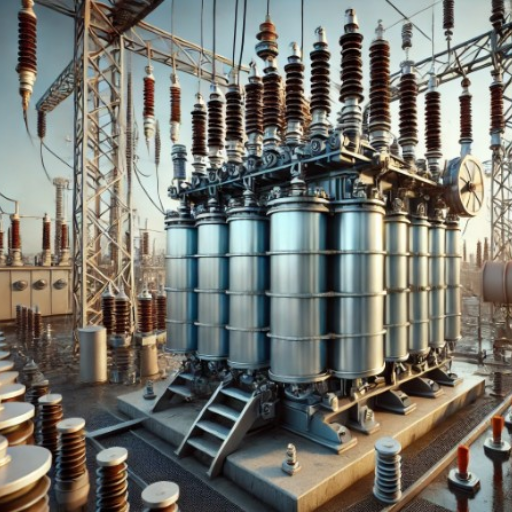
Arcing is a major issue in transformers that can lead to extensive damage if not properly and timely detected and managed. It is a phenomenon where a transfer of electric current occurs to different parts of the transformer which mainly results from the insulation breakdown, dirt, or too high voltage stress.
⚠️ Arcing Detection Through DGA:
Dissolved Gas Analysis (DGA) provides the most effective detection of arcing by identifying gases formed from transformer oil breakdown during electrical discharges.
Primary Indicators: Presence of gases such as acetylene and hydrogen in large amounts when arcing occurs. Maintenance staff can easily locate arcing through gas concentration and ratio charts.
Typical Response: Find the cause and fix it, which might involve replacement of water-damaged insulation or cleaning. Combining arcing detection with predictive maintenance can greatly increase transformers’ life and power supply system reliability.
Partial Discharge Monitoring
Partially discharged monitoring is essential for the protection and maintenance of electrical systems, predominantly in high voltage devices such as transformers. The process of partial discharges triggers distressed electrical insulation where localized breakdowns occur in the dielectric; however, the breakdown does not create a conductive pathway that can lead to the electrodes.
Monitoring Methods:
- Acoustic Detection: Sound waves produced by partial discharges are captured
- Electromagnetic Radiation Analysis: During discharge events, electromagnetic signals are detected
- Ultrahigh Frequency (UHF) Sensing: Partial discharges are monitored through high-frequency signals
Outcome: This data collection enables predictive maintenance, preventing costly downtime and equipment failure.
Overheating and Related Concerns
Overheating in electrical devices poses a serious issue, which leads to numerous critical risks such as breakdown of the machine, decrease in productivity, and unsafe conditions. Generating excessive heat is frequently the result of putting too much load, poor circulation of air, old components, or neglect of service.
Common Causes
- Equipment overloading
- Insufficient ventilation
- Aging components
- Lack of maintenance
- High ambient temperature
Prevention Methods
- Regular maintenance and monitoring
- Thermal imaging inspections
- Temperature sensors installation
- Proper insulation and ventilation
- Load management within limits
Diagnosing and Addressing Identified Issues
Strategies for Improving Transformer Performance
Three-Pillar Approach to Performance Enhancement
1. Regular Inspection and Maintenance
Give priority to the principal parts which consist of windings, insulation, and oil levels. Continual supervision of operating conditions helps to spot wear or possible faults early on, which makes repairs be done on time and failures be prevented.
2. Load Management Optimization
A correctly and evenly distributed load transformers stress, thereby minimizing overheating and wear. Operators should be cautious not to exceed and always remain within the transformer limits. Voltage regulation can be achieved by using load tap changers.
3. Technology Integration and Modernization
The use of smart monitoring systems allows for the collection of data in real-time and the application of predictive maintenance. The replacement with insulating materials, cooling systems or major components is a way to improve efficiency and also to adapt to the changing customer needs.
Enhancing Efficiency through Corrective Actions
The regular preventive measures make the Transformers highly operationally efficient. Such measures, by detecting and eliminating defects without delay, resolve issues and lift performance which is the cause of greater throughput.
Essential Corrective Measures:
- Thorough Diagnostics: Do complete evaluations and carry out testing of the machine to detect problems like deteriorated insulation, excessive heat, or worn-out parts
- Part Replacement: Get rid of parts that have reached the end of their lifecycle and giving subpar performance, for example, cooling or insulating parts
- Efficiency Improvement: Manage the distribution of loads, voltage to a level compatible with the system, and retune the control to eliminate stress on the system
Ensuring Overall Reliability of Transformer Systems
Complete and periodic maintenance in addition to inspections can ensure the reliability of transformer systems. The checks facilitate the discovery of potential issues that might arise such as overheating, insulation degradation, or oil contamination.
Protective Devices
Surge arresters and temperature monitoring equipment protect against voltage rise, overloading, and heating
Quality Materials
Proper system design using quality materials and highest-grade insulation adds to equipment lifespan
Cooling Systems
Effective cooling mechanisms allow heat dissipation during load, reducing operational stress
Frequently Asked Questions (FAQ)
Q: What is meant by transformer oil testing DGA analysis and what is its significance?
A: DGA analysis, or dissolved gas-in-oil analysis, is one of the testing methods performed on transformers that make it possible to know if the insulating oil has gas formation. It involves drawing oil samples and using gas chromatography in the laboratory for analysis. DGA can detect concentrations of dissolved gases which result from thermal faults, electrical arcing, oil overheating, or oil oxidation. Accurate measurement through DGA testing means early detection of transformer faults, prolonging transformer life and protecting the insulation system and insulating fluid.
Q: Which gases are analyzed during DGA oil tests and what information do they provide?
A: During DGA testing, different species of gas are measured including hydrogen, methane, ethane, ethylene, acetylene, and carbon oxides. The patterns of gas generation provide important assistance: hydrogen and methane usually indicate thermal fault or low-temperature overheating, while high ethylene and ethane suggest higher temperature thermal degradation, and the presence of acetylene predominantly points to arcing or severe discharge. Through interpreting DGA results and gas ratios, it is possible to detect transformer problems and determine whether the issue is thermal, electrical, or oil breakdown related.
Q: What is the role gas chromatography plays in dissolved gas analysis testing?
A: Gas chromatography is the most frequently used analytical technique for DGA. By means of gas chromatography, laboratories separate and quantify dissolved gas concentrations in the insulating oil, resulting in accurate DGA. Since DGA is so sensitive, resorting to gas chromatography enhances the accuracy of the test and provides the possibility of reliable interpretation for transformer testing and preventive maintenance decisions.
Q: How do you interpret DGA results to pinpoint transformer faults?
A: The interpretation of DGA results consists of considering the absolute dissolved gas concentrations, gas ratios, and trends over time. The methods and algorithms that have been established for interpretation link gas patterns with particular failure modes: thermal faults at different temperature ranges, arcing (presence of acetylene), partial discharges, or oil oxidation. The combination of DGA interpretation with knowledge about transformer design, its temperature history, and oil quality gives a comprehensive picture of transformer problems and remaining service life.
Q: Is DGA capable of identifying minor problems such as oil oxidation or insulation aging?
A: Yes, DGA analysis can find out gas generation from oil oxidation and insulating system degradation even before there is catastrophic failure. Growing amounts of carbon oxides and certain hydrocarbons are signs of oil oxidation and the fading of the insulating fluid and insulation system. DGA testing on a regular basis provides trend data that is very helpful in assessment of mineral oil and insulating oil condition, predicting insulation aging, and planning maintenance to extend transformer life.
Q: What are the factors that have an impact on DGA test accuracy and what measures can be taken to control them?
A: Factors such as sampling errors, contamination, incorrect sample volume, ambient temperature influence during sampling, and laboratory procedures can all affect test accuracy. To control these factors, follow very strict sampling protocols when drawing oil samples, use necessary containers, ensure proper labeling, and select a laboratory with good experience in gas chromatography. Consistency in sampling locations and procedures reduces variability and increases the reliability of DGA oil results and interpretation.
References
- A Review of Faults Detectable by Gas-in-Oil Analysis
This paper presents DGA results and their correlation with faults identified in transformers.
Read more here - Dissolved Gas Analysis Method Based on Novel Feature
This research highlights the use of DGA for detecting incipient faults in oil-filled transformers.
Read more here - A Review on Transformer Diagnostics
This paper emphasizes the importance of DGA in determining transformer conditions.
Read more here - Read the guide on NRC.govTop Oil-immersed Transformer Manufacturers and Suppliers in China