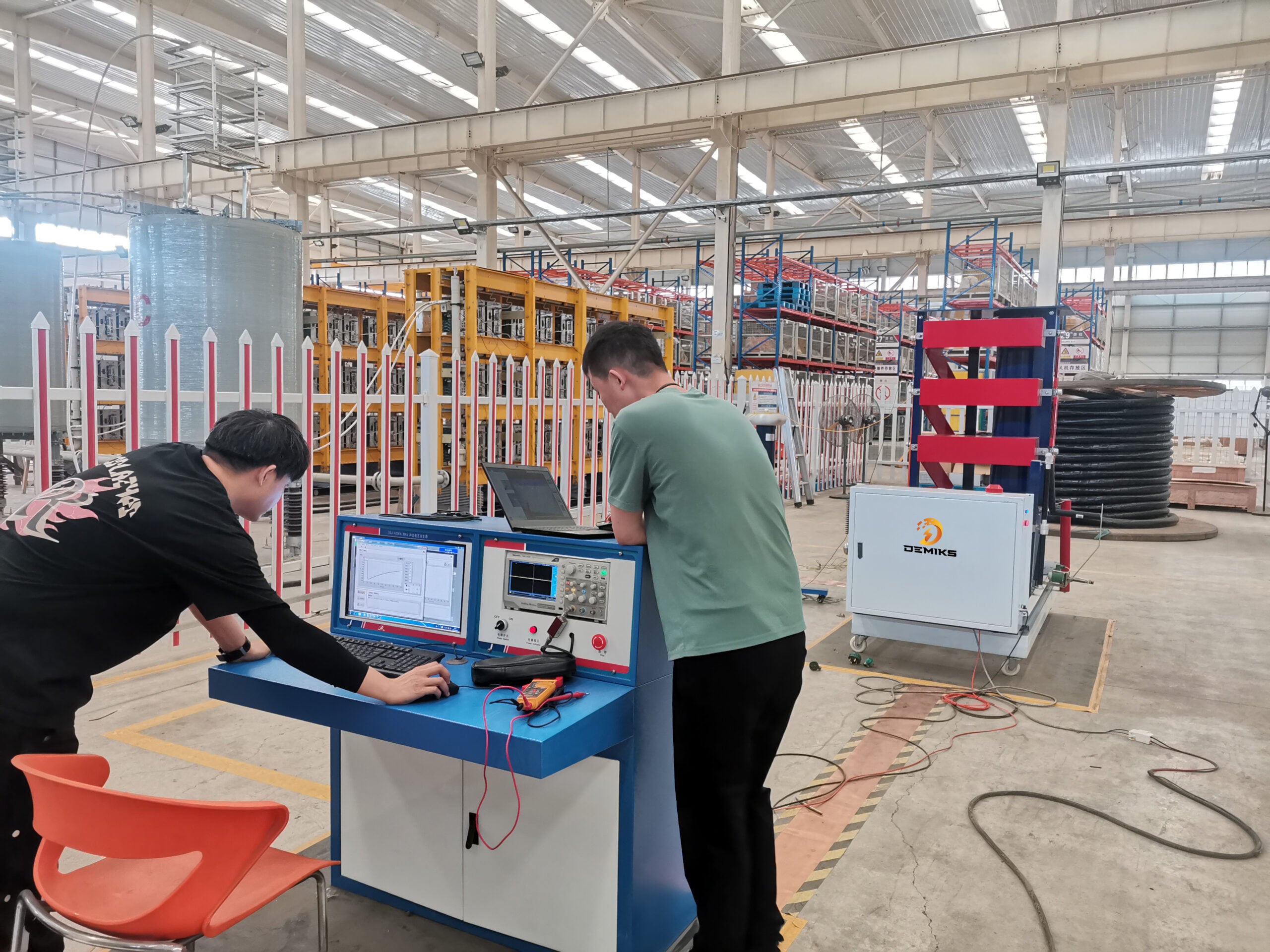
Transformers are the lifeline of power systems for ensuring the conduct of reliable energy across various industries and household sectors. But, the performance of a transformer, and hence it’s aging, depends greatly upon the quality of the insulating oil. With time, impurities, gaseous/cooling substances, and moisture make the insulating and cooling properties harder to resist. This is where the filtration of transformer oil lies. The focus in this paper is on outlines and processes, from the saving up procedure to the most intricate intricacies, related to transformer oil filtration in the context of maintaining the efficiency of equipment and preventing costly failures. If you are an industry professional from the energy sector or somebody keen to discover how these giant units are maintained, this paper gives you some comprehension.
Understanding Transformer Oil
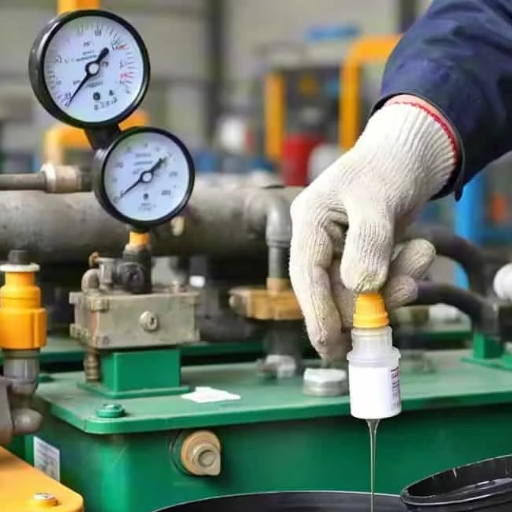
Types of Transformer Oil
Oil-Basedfrom the saving on Minerals of Transformer
Mineral-based transformer oils are among the most frequently used, and oil insulating morphology is one of the reasons for this; these oils are made by reprocessing the crude oil and are categorized into two sub groups – naphthenic and paraffinic. Naphthenic oils are valued for their excellent heat transfer and low pour points which make them good for colder climates. Paraffinic oils can have advantages in the form of higher oxidation stability but may require additives to support superior performance in more challenging conditions.
Composite Insulating Liquids
Synthetic transformer oils, compared to mineral oils, offer exceptional stability in terms of both thermal and chemical properties, making their use very beneficial in high-performance applications, which could even occur in environmental extremes where the most stringent requirements, for inter alia, reliability and life-are not negotiable. Furthermore, they are less flammable, biodegradable, and environmentally friendlier. But as far as initial investment is concerned, they tend to be on the higher side, though they can be moderately justified depending on the requirement.
Natural ester and silicone-based oils
Petrochemical-based ester oils are now substituted by the eco-friendly forms of pure ester oil, derived from a variety of vegetable sources. They are nature-friendly with a good biodegradation rate and also high flashpoints, thus reducing chances for burning. The silicon-based oils are just the opposite, they are filled in applications that require a high-temperature-resistant dielectric and nearly environmentally insensitive lubricant material. For further chances that observe excessive environmental requirements and for some specialized works such as electrical insulation, both types are targeted.
Importance of Transformer Oil
The insulating oil is essential in the operation and sustenance of transformers in that it provides electrical insulation between any two parts in the transformer, preventing electrical discharges. The oil also works as a cooling aid aimed at absorbing the heat generated by the functioning of the transformer, allowing the machine to work efficiently and safely.
The other important role played by transformer oil is that it maintains the integrity of the transformer components. It acts as a barrier for moisture, limiting corrosion of those parts on the inside. As a thermal insulation medium, not only does this oil maintain the good insulation properties necessary for reliable performance of the equipment under high-voltage conditions, but also protects against moisture, which slowly attacks the insulation, hence bringing about Ultimate Transformer Failure (UTF).
Maintaining transformer oil through periodic monitoring and appropriate treatments is a necessary step for keeping it operative; over time, nasty materials such as moisture, acids, and harmful sludge can suspend from the insulation and cooling properties brought on by the oil. Proper testing and treatment can really go a long way to detect problems early, prolong the life of transformers, and, ultimately, for the stability and safety of the power system.
Characteristics of Quality Transformer Oil
Transformer oil, if crafted with some important characteristics, remains effective. Very crucial in exciting transformer performance is good insulation oil of high dielectric strength, which resists electrical breakdown effectively while allowing the high winding to possess good cooling. This property defines the reliability and efficient operation of a power system.
Another significant characteristic is the low moisture content of good transformer oil. Moisture content per se curtails the efficiency of the oil by compromising the insulating property and hastening the formation of sludge or acid. Low moisture levels have significant beneficial effects, so as to keep the oil resistant to aging while being useful for long periods.
As an inherent attribute to the quality of the oil, “thermal stability” allows this transformer oil to withstand often-high operational temperatures without decomposing or producing adverse side-products like sludge. It implies that there must be excellent oxidation stability, which in turn slows down the time the chemical constituents remain in interaction with oxygen. The consequent combo of these features allows the transformer to operate securely and effectively during demanding conditions.
Transformer Oil Filtration Process
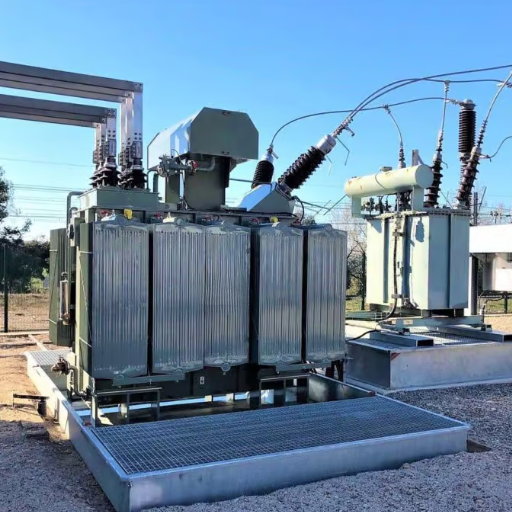
Outline of the Filtration Process
Transformer oil filtration is the essential process to ensure the insulation and coolant properties of transformer oil for efficiency and reliability by eliminating all harmful impurities. The principle of the process is thus the removal of moisture, dissolved gases, and particulate impurities that could be punishment for insulation and cooling properties. Filtration guarantees the oil’s highest-quality status, which extends the life of transformers, avoiding possible damages.
Majorly, the process involved here consists of stages- degassing, dehydrating, and particle filtration. Degassing removes harmful dissolved gases contained in the oil; dehydration extracts moisture with a detrimental effect on dielectric strength. Removal of particle filtration from solid contaminants is the means of oil through which disturbances can be brought about, and the transformer oil degraded. Thus, the quite easily dissipating objectionable materials are mixed between the evaporators and filter media while allowing for avoidance as a function.
Regular oil filtration helps to ensure safe and operative operation of the transformer by maintaining oil quality. Properly filtered oil reduces the risk of overheating, electrical discharges, and equipment breakdowns. Such a preemptive measure in oil maintenance leads to not only high transformer performance but also may minimize operational disruptions, giving long-term cost returns for utilities and industries.
Steps in the Transformer Oil Filtration Procedure
- Initial Inspection: Before engaging in the operation of filtration, the transformer must be examined from outside for any visible contaminants, damages, or abnormalities which in detail should also include oil levels, two most critical property analyses from oil samples, which are moisture content and dielectric strength, and equipment readiness for filtration.
- Heating and Degassing: In the degassing operation, the oil is heated to a controlled temperature, which lowers its viscosity, thereby allowing moisture and dissolved gas to be removed. This is done through dedicated filtration equipment that is used to remove moisture, air, and other gases that compromise the performance of oil.
- Filtration and Purification: The heated oil is passed through fine filtration systems so as to remove solid impurities and sludge that accumulate in it over time. Several stages of filtration might be considered in certain systems for better purification, ensuring that the oil regains its major features like dielectric strength and insulation performance.
- Sealing & Testing: Into the transformer system, the treated oil is finally re-entered. After re-entering, a test is conducted to ensure that the oil complies with its industry standards and that the transformer has been operating well enough. For testing, we check the insulating strength and then confirm that water contents have been suitably removed after the filter.
That said, the end result of utilizing the Transformer Oil Processing Facilities is for improved transformer oil, increased transformer efficiency, and improved insulating life of the equipment by evading exorbitant incidents.
Common Filtration Systems Used
There are a number of filtration methods for the purification of transformer oil that are commonly employed to address certain contamination material and enhance the oil quality. One commonly implemented system is the vacuum filtration method in order to remove moisture, gases as well as particulate matter from the oil. A combination of heating, vacuum pressure and fine filtration is used in restoring, maintaining and protecting the integrity of the properties of the oil achieved through this method.
Yet another highly recognised method is the centrifugal separation system, which separates water and solid contaminants from the oil effectively with the use of high-speed rotation. Centrifugal systems are highly effective in handling transformer oil that behaves louder, due to significant amounts of particles and free water, making them ideal for the oil that is moderately degraded.
Pressure filtration units are the norm for the filtration of suspended solid impurities in oil. These systems are designed with filtration units that are specifically made to catch all sorts of impurities; dirt, sludge prohibits the statistics among them, thus ensuring the oil stays clean. The implemented pressure filtration system helps keep up with the new insulating properties and performance of the oil, and helps in prolongingthe life of the transformer as long as possible when maintained properly.
Transformer Oil Filtration Systems
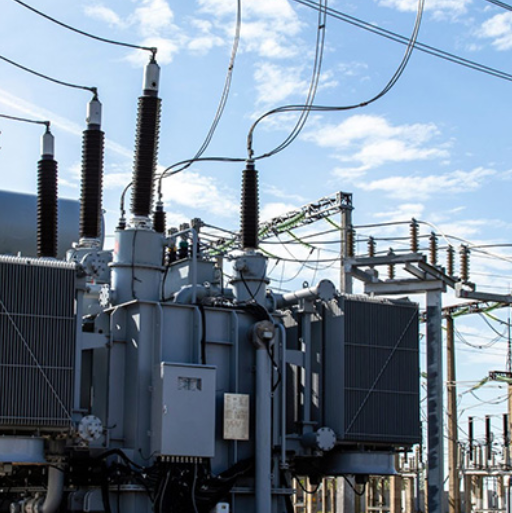
Types of Filtration Machines
Various machine types serve different operational requirements specified mainly in transforming oil filtration. This key categorization includes high vacuum filters, centrifugal oil cleaners as well as pressure filtration modules. For each giant of its kind, the design guarantees efficient purification of impure oil with a better lifespan for transformers.
High Vacuum Filters they are famously known for the removal of moisture, gases as well as other dissolved contaminants from transformer oil. These filters work in a high vacuum to take away contaminants while keeping the oil’s integral properties intact. Following this, they help work at a higher dielectric strength and insulating ability for the oil.
The function of a centrifugal oil cleaner is to utilize centrifugal force in removing water, sludge, and solid impurities from the oil. These systems are highly efficient when it comes to removing a considerable quantity of suspended particles, making them appropriate for heavier loads or industrial use. In contrast, pressure-filter equipment uses fine mesh or cartridges to detain and extract fine contaminants that maintain the cleanliness and uncontaminatedness of the oil. One crucial point is neither of these systems – under pressure or centrifugation filtration – tends to work in optimizing cleanliness of the oil but not any system alone to continue life and efficiency of the transformer.
Choosing the Right Filtration Equipment
To choose the appropriate equipment for filtration, one must have a comprehensive understanding of operation conditions for transformers. When selecting it, factors like the kinds of components to be removed, sizes of particles to be kept aside, and the volume of oil to be primed with the impurity need consideration. For the removal of heavier contaminants limiting the oil flow with throughput high, there comes centrifugal filtration. A pressurized system seems highly suitable for depth filtration, allowing the removal of the middle-size particles and raising the cleanliness of oil.
Another thing to consider is cycle time regarding maintenance/filters. Pressure-filters demand cartridge or mesh replacements periodically and predictably, while centrifugals are treated infrequently to maintain optimal performance. Considering the maintenance implications packed on top of requirements from normal operation a director can determine which oil filter will best align long-term objectives towards efficiency.
The final decisions should also include cost-effectiveness, operational compatibility, and reliability, as well as combining various methods of filtration, such as using centrifugal filtration with pressure filtration concerning oil quality and transformer life. In sorting out these variables, you will need to be sure that the selected filtration equipment will give you valuable, reliable, and sustainable service over the long term.
Operational Principles of Filtration Systems
The filtration of transformer oil involves the operation principles of removing impurity, moisture, and dissolved gases in the oil to ensure the highest possible performance of the process that maintains capacity and life of the transformer. The very first phase involves heating, for heating the oil and facilitating in dealing with separation for having contaminants separate. This is in place to help out later during oil filtration and vacuum dehydration.
The detailed, filthy oils pass through what are termed fine filtration stages for solid particles and sludge to be captured. These filtration systems profoundly help by physical auspices used as fine media to filter out all impurities of various sizes. The removal of solid contaminants mostly serves to retain oil dielectric strength along with a good degree of thermal conductivity, which directly affects the transformer’s reliability.
The vacuum dehydration stage is most often important in the extraction of moisture and dissolved gases from the oil. The establishment of a vacuum environment depresses the boiling point of water, making the removal of more moisture even at core temperatures possible. The significant removal of moisture improves the oil’s insulating quality, which guarantees a transformer’s lifecycle safe and efficient operation. These filters’ operations stages are, therefore, to put the treated oil to specification for performance and reliability.
Oil Purification Techniques

Methods of Transformer Oil Purification
Purification: The establishment and maintenance of the activities ensures that the efficiency of the transformer’s service time is obtained through purifying the oil process. Numerous systems have to be put into a place that would allow impurities such as water, gases, or particles, as impurities would then degrade the insulating qualities of the oils.
The purse of purifying is to keep clean and useful oils with a guarantee of safe and reliable transformer operation.
Safety Protocols in Oil Purification
Safety during transformer oil filtration is essential in order to yield the desired results and ensure that operations run efficiently and that personnel as well as equipment will remain safe. A number of precautions have to be taken to minimize risk and preserve the quality of the product. The following is a compilation of essential safety measures to be required:
- Personnel Protection: Workers and all persons involved with the process need to put on the appropriate PPE (personal protective equipment) including gloves, protective clothing, and a pair of goggles, to protect from total or partial exposure to hot oil, fumes, and chemical spills that might normally occur in the oil.
- Machine Check: Before going on to processing, it is advisable to conduct machine checks with the basic equipment except the facilities under which work is to be done such as filters, hoses, and pumps, examining whether they are set up and workable. Any equipment, even not cleared or fully defunct, may lead to leaks, contamination, or accidents in extreme cases.
- Monitoring and Control of Temperature: The temperature during the filtration of oil must be carefully monitored. Overheating of the oil can lead to loss of oil properties and even cause a fire hazard. Use a control mechanism to monitor the heat generated and observe the recommended temperature levels to ensure both safety and oil quality regulations.
- Good Ventilation: Perform oil purification in a well-ventilated area to avoid the accumulation of gases. Proper ventilation will protect the workers and prevent fire hazards from volatile substances.
This assures the realization of the purification process with low risk often encountered among the power transformers, hence enhancing and determining the reliability and longevity of power transformers through the following strictly observed.
Benefits of Proper Transformer Oil Filtration

Impact on Transformer Lifespan
Filtration of the oil does play a vital role in augmenting the life span of a transformers by keeping the core-to-coil under its optimal operation and shielding it from the processes of premature aging. Any filtration process includes removal of all sorts of contaminants, moisture, particles and dissolved gases, which are agents promoting oil insulation degradation. The effect of filtrating is so important because it protects the transformer from overheating, component failure, or breakdown due to cleanliness and good electrical insulation properties of the oil.
Well-maintained and free-of-conaminants oil ensures that the filling units work better and for a longer time with the characteristics. The impurities such as moisture and particulates when discharged inside the transformer, for example, spark over a certain period of time, will corrode the system and deteriorate its strength. Periodic filtration ensures that these risks are reduced so as to waste less heat in the transformer operation from fluctuating loads and environmental conditions.
Further, good maintenance of transformer oil decreases the number of breakdown incidents and extends service intervals, which, in the long run, lowers the loads substantially. The filtrate upgrading acts to maintain the steady levels of appliance efficiency with optimal oil result, making it possible for the oil to support the very performance designed for the transformer’s working lifespan, with very few breakdown interruptions. It is therefore imperative that such an approach is applied to guarantee a durable, valuable transformer in any power system.
Efficiency Improvements
Efficiency enhancements in transformers require a combination of strategies that essentially reduce energy losses and increase life expectancy. High-quality insulating oils, along with mitigation methods with advanced and effective filtration are the way to go in order to ensure oil performance, hence decreased wearing out of internal components and minimization of chances of overheating. This is how the working life can be prolonged and uncertainty in breaking down can be kept to a minimum.
Having the transformer loads properly managed is another way to reduce the energy losses. Overloading the transformer leads to excessive losses and poor operational reliability. By making sure that the transformer is functioning within the prescribed capacity, the energy is saved, and breakage risks are reduced. An effective monitoring system can help catch and repair problems; this then ensures that the transformer is functioning at optimum efficiency.
So, besides, routine maintenance is of utmost significance towards the transformer’s efficiency. These activities comprise the cleaning of cooling systems, the checking of possible connections, and the regular testing of the quality of the oil. For the most part, these activities are preventive and meant to make sure that any part of the transformer will run smoothly under minimal stress. Hence, such activities would help in keeping off-time of a transformer low for a longer period, sustaining a lactated and reliable power supply.
Cost Reduction in Maintenance
Transformer oil filtration is one of the main areas of cost-savings in transformer-related maintenance. The oil acts as an insulating medium and coolant, thereby making the maintenance of its quality a key to achieving peak performance. Filtration efficiently removes all forms of contaminants such as moisture, sludge, and dissolved gases that tend to be destructive to oil due to increasing life expectancy and lowering the cost of replacement.
Regular oil filtration lessens the necessity for frequent oil changes, which in turn reduces component failure caused by oil degradation. Such measures decrease unexpected maintenance costs and operational downtimes, hence ensuring an efficiently functioning transformer with fewer disturbances. This technique is economically more beneficial compared to fighting daily breakdowns or performing costly full oil replacements.
The oil filter also helps to protect the assets. For this, it makes the oils work by keeping them clean and consequently increasing the lifespan of the transformer. This nettlesome cost-saving technique brings the user two or more minor savings. The execution of filtration given in the preventive maintenance rut successfully secures the smooth operations of the transformer; in the long run, it has resulted in the lower cost of ownership.
Frequently Asked Questions (FAQ)
Q: What is the process of transformer oil filtration and why is it regarded significant?
A: The process of the transformer oil filtration, normally known as the transformer oil purification process or vacuum dehydration, refers to the separation process in practice to clean dielectric oil from water, gases dissolved in the oil, particulate impurities, and aging products through the oil purifier or oil filter. Filtration is essential for preventing breakdown in the transformer, as well as for enhancing the performance of the transformer oil, maintaining and making oil-keeping oil clean circulate inside the winding of the transformer, particularly along the outlets and inlets.
Q: How does an oil filtration machine, or transformer oil filter machine function?
A: An oil pump or transformer oil filter machine usually attracts oil, heats transformer oil most of the time to decrease the oil viscosity, passes the oil through filter elements to remove impurities from the transformer oil and uses vacuum or degassing steps to revitalize the dissolvable gases and moisture as well. Oil degassing entails fine filtration with filter machine elements and circulating the oil into the transformer wherein the purified oil takes over the role of contaminated oil.
Q: What kinds of foreign materials are removed from oil when using a transformer oil purifier?
A: The transformer oil filter offers oil filtration services. It disposes of contaminants, including solid particles, sludge, water, varnish, oxidation products due to aging of oil, and gases, etc., dissolved in liquid. The efficiency of the transformer increases by improving insulating features when these impurities are removed, making it perform much better generally.
Q: How is the role of filter elements and the temperature of oil understood and worked in for the transformer oil filtration process?
A: Oil temperature acts as a function of oil viscosity and determines the best conditions for filter and degassing. The filtration media captures the larger solid particles and sludge. Oil, used in the transformer, is heated to decrease in the viscosity of the oil and thereby allow most of the contaminants to be collected together simultaneously tending to collect moisture and gasses effectively by the filter elements and the stage of the vacuum. Therefore, oil temperature has an important part to play together with the right choice of filter elements for efficient oil purification.
Q: How does oil delimit transformer oil purification according to the oil analysis?
A: The oil analysis measures the water content, dielectric strength, oil viscosity, gases dissolved in the oil, acidity, and particles in their level to determine the oil’s cleanliness and determines the attendant decisions of operating an oil-filtration plant, performing high-vacuum transformer oil treatment, or oil replacement with definite guidance coming from the oil analysis. Oil analysis facilitates in discovery of early signs of aging oil, oil with contamination, and any budding faults, so that the oil-filtration process can be engineered to stop the failure of transformer.
Q: Would you advise using transformer oil purification on-site rather than completely replacing the oil in the tank of the transformer?
A: Locational oil purification of transformer oil and oil filtration machines are usually recommended above the pure oil replacement because they tend to keep the transformer online all the time with oil circulation and cleaning, degrading, and removing foreign particles, without draining the transformer and downtime. The purified and cleaned oil so far could readily be brought back to the transformer’s tank as clean oil. Generally maintaining insulating oil quality will cost the customer considerably less than the total oil replacement. However, highly contaminated or even with chemically degraded oil may still definitely need a total flash oil replenishment after proper analysis and testing.
References
- Study of Transformer Oil Filtration Machine
This paper discusses key components and processes involved in transformer oil filtration, including purification roles.
Read more on Academia.eduMathematical Model for Predicting the State of Health
This study explores gas generation and removal during oil filtration, using a Markov model for health prediction.
Read more on Harvard ADSIEEE Guide for the Evaluation and Maintenance of Insulating Oil
This guide provides comprehensive guidelines for oil maintenance, diagnostics, and reclamation.
Read the guide on NRC.govTop Oil-immersed Transformer Manufacturers and Suppliers in China