Good maintenance on transformers makes them perform better, last longer, and be safe. In industry, there is a full range of electrical infrastructures that might pile up into a few ‘smaller-mode’ applications; as such, cordoning off critical steps for transformer maintenance would have kept down unexpected failures or massive downtimes. We make sure you get the full list of best practices from this manual to keep your transformer well to maintain in both aspects. We will discuss both pivotal components of maintenance, i.e. inspection, and the seasonal identification of failures – current stuff to keep the activity going 100% run-time. It has given you plenty of information to formulate a maintenance strategy to ensure that your most critical electrical distribution systems are looked after!
Importance of Transformer Maintenance
Benefits of Preventive Maintenance
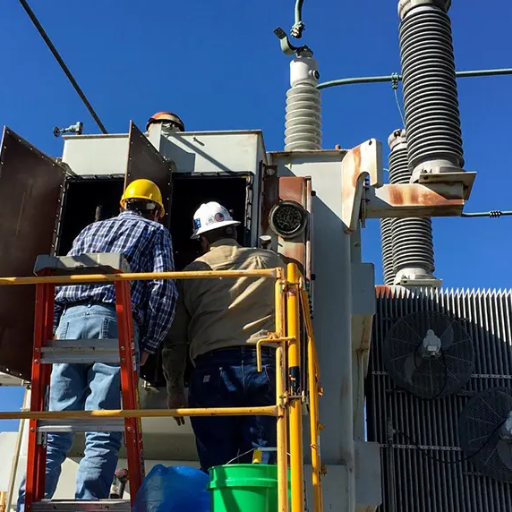
For transformers, prevention work is quite mandatory if they are to be handled safely, efficiently, and reliably. By tackling any potential infractions ahead of time, this policy may consequently reduce the likelihood of unanticipated breakdowns – itself detrimental to costly repairs or undesirable downtimes. Transformers provide crucial stepping stones to electrical systems – functionlessness or impeccable health of the component one way or the other serves the other.
One of the key benefits of preventive maintenance lies in prolonging the age of the transformer. Daily inspections and subsequent service remedy some minute wear and tear, incipient oil decay, or simply incipient insulation issues. Penetrating to the depth of the problem, one can afford the privilege of applying that first line of defense; in this way, the equipment then works for a longer duration with better operational efficiency.
Preventive maintenance also increases economic efficiency. Even though it may accrue upfront overhead for check-up and repair, this well outweighs the eventual issue that the costs of emergency replacement and system downtime would crystallize. Preventive treatments of power systems would, thus, deliver tangible benefits to businesses both from economic and technical perspectives due to the constant reliability and uptime of mission-critical processes.
How Maintenance Can Be Used to Stop Transformer Failures
Great maintenance keeps the transformers from failing by detecting and remedying of any threats and issues before they grow into a breakdown, resulting in a substantial loss. Periodic checks help in finding any physical damage such as corrosion, loose connections, oil leakage, and so forth in the early stages that enhances the strength of the structure of the transformer, thereby preventing a breakdown.
Besides structural checks, the most critical parameters to be controlled are those of oil levels, temperature, and insulation-resistance measurements. The values of the transformer cooling and operation are dependent extras-sensitively upon oil, temperature, and insulation. Even the slightest deviation hinders the cooling system or sparks off heat, and insulation will fail. Continuous recording with DGA, oscillography, and appropriate diagnostics will greatly help in identifying symptoms of minor electrical breakdown or disturbance at the earliest possible stages.
Regularly checking gas levels in tap changer compartments and visual inspections of the bushings should be an integral part of maintenance requirements along with cleaning of insulators to lengthen the transformer’s service life and reduce the switching stress imposed on the bushings.
Enhancing Performance and Lifespan
Regular and structured maintenance schedules are essential to enhance the performance and lifespan of transformers. Inspections should involve mechanical as well as electrical aspects for signs of any wear, damage, or contamination. A physical check on the condition of components such as bushings, gaskets, and connectors can be carried out, while cleaning insulators and ensuring proper alignment would enhance efficiency and operative safety.
Another important step in the sustainment of the performance of a transformer in the long-run is the monitoring of the quality of the insulating oil. Routine testing such as dissolved gas analysis (DGA) and digital measurement of water will show nothing wrong and help diagnose issues such as overheating, arcing, or insulation breakdown. However, the remaining oil would cut on the risk of developing internal faults owing to the vaporization of the leakage currents. Keeping the oil clean and dry reduces the risk of internal faults and ensures optimal cooling and insulation properties, hence extending the transformer’s life.
The installation of ground-monitoring systems and online data-monitoring protection devices is necessary to support the most recent available tools for analyzing transformer productivity and aging. Such tools offer instantaneous recordings for core behavior, transformer temperature, tap setting, bushing performance, and currents and voltages analyzed at every pole. Such data are essential in the evaluation, detection, and avoidance of any critical loading condition on the transformer. Majorly, the load-monitoring device signals a message to the control room of the J offshore platform, before damaging itself, signaling the user of the existence of excess temperature or overload that can raise several temperatures of the heater we have. Such information is valuable for any maintenance strategy like examining the heat gauge.
Creating a Transformer Maintenance Schedule
Step-by-Step Guidelines for Oil-Filled Transformers
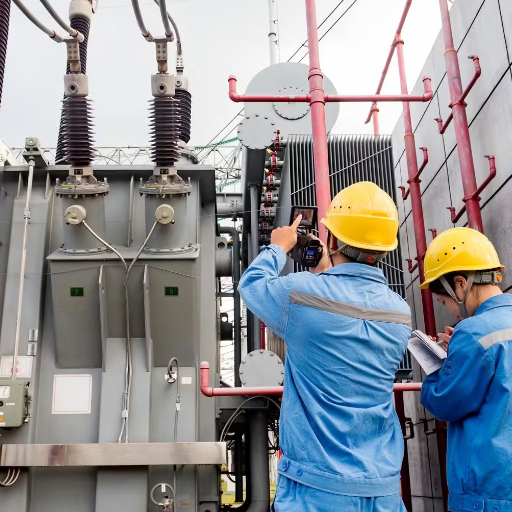
- Regular Inspecting: Ensure that quality checks are carried out for transformers at fixed intervals. They must be visually inspected for oil leakages, rust, and any other visible signs of damage. If the transformer has filled level indicators, then it is necessary to confirm that oil is filled either above the level line or just below it, as this will avoid overheating and consequent breakdowns in insulation. Look out for oil color, which should be clearer and clean on a regular basis. An increase in tar, carbon, and new elements on the oil surface are a quick indication of contaminants.
- Oil Test and Analysis: Oil-testing needs to performed periodically to establish its state of quality and degree of pollution. Testing for the oil in the presence of moisture, gases or particulates should be carried out. DGA provides very thorough information regarding fault assessment by analyzing gas dissolved in transformer oil. Tests to determine oil breakdown voltage might be applied to determine whether the oil is designed to insulate properly. The oil should then be filtered depending on the necessity, which may also involve replacement.
- Monitoring Temperature and Load: The scanning of a transformer could give all possible parameters such as temperature and load conditions. It would be wise enough to take measures of recording towards these parameters. Permissible temperature levels should be maintained to prevent heat-induced degradation of transformer components. Load management ensures that the transformer stays within the rated capability and does not strain it incurring the risk of over-heating or insulation breakdown.
- Maintaining the Cooling System: The proper functioning of cooling systems must be ensured, such as radiators and fans, for dissipating heat. The components of cooling such as radiators, fans, pumps, and all other heat exchangers should be kept clean and examined from time to time to make sure that no dirt or debris is allowed to accumulate in and around the components. Keep examining the functionality of these equipment in the heat transfer process and, if found to be faulty, initiate the remedial steps for repair or replacement against these equipment.
- Documentation and Scheduling: One must keep an accurate and detailed testing, maintenance, and welding inspection report. It would help in avoiding all unneeded unexpected failures. For sure, that could overlook and dissolve the already-thought old system. Operationally, the faults must be detected and prevented before the operation commences.
Key Insight: The critical aspect in keeping the oil transformer in operation is in categorizing and consistently measuring the maintenance work, together with treating operational reliability and efficiency plus safety fluffy.
Developing a Maintenance Program for Dry Type Transformers
Creating maintenance scheme for dry type transformers is essential to secure their reliability, efficacy, and longevity. Majorly, such a program should always stress periodic walkthrough inspections. These must include simple visual inspections that will help go the extra mile in discerning tell-tale signs of distress on the transformer if they do exist; these walk-through inspections are expected to spot any dome-capping due to dust invasion, any insulation cracks leading to breach, or any hot spot indication, such as discoloration and the like. Because dust could generate resistance on the transformer and cause blockages that may affect the ventilation leading to inefficient heat dissipation, the only solution would mean cleaning out the contents.
Keeping an eye on environmental conditions is another key factor. Dry type transformers are highly sensitive to humidity, temperature, and ventilation, so the environment has to fall within the allowable range in which the transformer’s performance does not dwindle at the hands of some moisture intrusion in the insulation, resistance, etc. Properly installed ventilation around the transformer also helps to extract all that heat generated, which meets the cooling needs and prevents overheating.
To finish up, routine electrical tests shall go hand in hand with the maintenance program. Tests like insulation resistance testing, as well as winding resistance testing, provide an insight into the actual state of the transformer. These assessments are essential in predicting the early warning indicative signs of degradation or fault, thereby allowing preventive measures to take place well in advance before costly incidents might happen. The program that lies under a well-structured maintenance has for its support various inspections, environment control, and testing to enhance transformer performance and the length of its service.
Tailoring the Maintenance Checklist to Specific Transformer Types
Tailoring a maintenance checklist for different types of transformers helps to optimize performance and enhance its life expectancy. Various types of transformers, like for power transmission, distribution and instrument transformers, have their specific operating conditions and requirements. When these are recognized, maintenance should become more targeted and effective.
Power transformers are the major component that experiences high loading and high voltage with respect to the other transformers. Thus, all attention goes on maintaining the thermal performance and preventing insulation from getting deteriorated. The high-temperature condition is captured by oil tests, which should also operate before the big overheating occurs. Periodic thermographic scanning can give the visual condition of the transformer to prevent any other sort of insulation breakdown. To keep things cool, a regular check must be carried out to ensure the performance of the cooling system and monitor the condition of the insulation.
Distribution transformers require thorough inspection due to the frequent exposure to variegated extremes of environmental conditions and are prone to get damaged. For that reason, maintenance of distribution transformers should consider checking up on physical damages represented by corrosion or leakages in tank enclosures. If the distribution transformers are regularly checked for bushings, connections, protective devices, and installation appliances (like Terminal Connectors, Times Operated Counters, etc.), they are expected never to overload or let moisture in. An added advantage is accuracy when it comes to instrument transformers as all their components (secondary winding condition, ratio accuracy, etc.) are subject to deterioration, whereas the cores or insulation could pose issues at any time. Adequate thinking has to go into the maintenance of these specialized types of transformers to make interventions smarter and more effective.
Common Maintenance Tasks for Transformers
Routine Maintenance Procedures
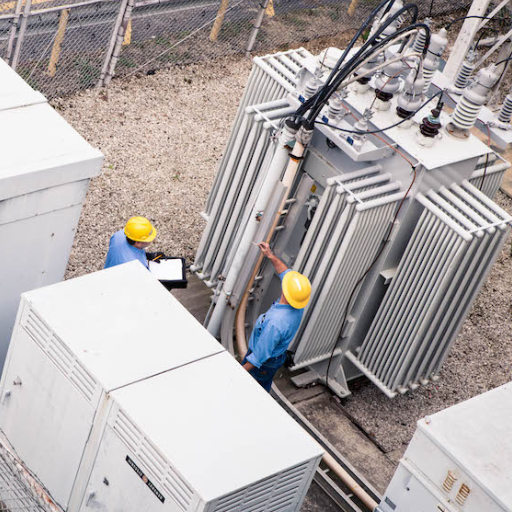
Transformer’s routine maintenance is so important for durability and reliability. Fixing the leakage, corrosion, loose connections, or other conspicuous damages seen during regular inspections of the transformer is necessary. These small issues can result in larger problems later on.
Besides that, the transformer follows its oil top gauge. The oil holds back moisture, contaminants, and not only serves as an electric insulator. Certain quality tests every now and then in respect to residual moisture and contaminants are important factors of operational requirements. Any shortcomings in it mean replacement or a filtration process for efficiency.
Ensure that the components of transformers, such as bushings, gaskets, and cooling systems, are properly maintained. Cleaning bushings will reduce tracking or flashover, gasket seals will hold off leakages, and even the cooling system needs to be proven to work effectively. Following these preventive maintenance procedures can increase a transformer’s performance and lifespan.
Inspection Techniques for Optimal Performance
To keep a transformer in its best performance there should be yearly inspections. With visual inspection, the findings or signs associated with external physical damage, corrosion, or overheating are noted. This kind of inspection helps note oil leakage, broken bushings, stains, and other signs of discoloration around the units, which could be indicative of an underlying issue that needs addressing immediately.
Thermal imaging must be used to pick up on any hot spots showing overloading or poor joint coupling. Relieving thermal performance helps prevent premature component aging and reduces the chances for equipment failure. While the transformer is under normal load test conditions, infrared scans may be performed to evaluate individual points of interest and the equipment’s operating temperature.
Electrical testing should be performed to assess his/her Transformer’s internal health. Insulation resistance testing should be included which helps to achieve the winding’s integrity, while Oil analysis can detect the contamination, moisture levels, and degradation of Insulation oil in this step. By scheduling these inspections and keeping careful documentation on results, the transformer’s reliability can be improved and its life can be extended.
Repair Protocols and When to Call an Expert
With transformer troubles, you must follow a defined methodical set of repair protocols for safety and efficient working. Diagnosis of the fault is a preliminary step to studying in more detail, and some diagnostic tests have to impose routine maintenance tasks. Therefore, any overheating observation of thermal imaging or oil analysis done should be marked as minor problem examples unless loose connections or oil levels are corrected, given the possibility of going on to become prime forces for vehicle stoppage.
However, Austin is regarded to be a very capable service provider competent in handling complex problems like insulation failure, internal arcing, and mechanical damage. Certified professionals thus offer an excellent chance to effectively dismantle the transformer for repair/recondition and reassemble it by using proven methods and genuine factory spares. It creates more problems to mentally come up and play with a potential hypothesis.
Consult an expert for significant incidents such as short-circuiting, lightning strikes, or excessive loads. Routine maintenance, as well as professional expertise in preventing recurrence of these unfavorable conditions, have to be considered. Protect safety at the same time and seriously seek professional advice for the valid and long-term options.
Common Mistakes to Avoid During Transformer Maintenance
Improper Inspection Practices
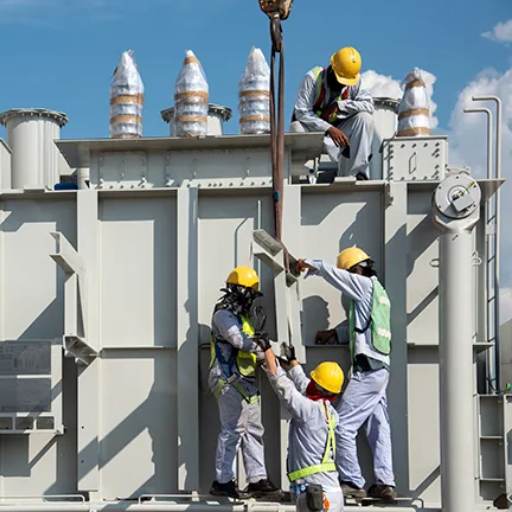
Improper inspection practice gets into the resulting issues that are missed in the transformer maintenance process, leading to equipment failure. Neglecting the inspection of key components like bushings, oil levels, and gaskets can lead to perpetual wear and tear with the functionality of the transformer degrading, which sometimes affects transformer performance, also. It is de rigueur to see to it that all this is kept under review, particularly in relation to major faults.
Lack of a schedule for regular maintenance is another form of laxity. Inspections should be performed as per the usage and environmental conditions of the transformer. For some cases, only the external types of inspection (such as monthly visual checks) should be incorporated with detailed internal inspections every one year or so. This speeds up the identification of issues that jeopardize the transformer’s functionality and thereafter inpromptue actions that are good enough to maintain machine availability.
Moreover, reliance on untrained personnel may often result in incorrect assessments or overlooking warning signs. Transformer maintenance is a specialized area that needs technical expertise and awareness of industry standards. If such skilled professionals are hired for its inspection, every aspect of the transformer will be evaluated carefully, and hence potential future failures and ultimately a higher life span can be eliminated.
Incorrect Use of Tools and Equipment
The misapplication of tools and equipment in transformer maintenance is a major source of damage and inefficiency. An indiscriminate use of tools is wholly inaccurate in measurement, stripping of fasteners, or inflicting damage to the equipment. Case in point, the use of generic diagnostic devices instead of properly calibrated ones could yield improper values. These could be the direct cause of misinformed maintenance decisions.
The unadapted or less-than-standard equipment may just as much serve to harm the existing problem. This is simply by being forced or with the use of inadequate lubricant into destroying the internal components which may render the transformer less productive and/or less functional. To have an “offside” evaluation, an array of routinely carrying out inspections using the wrong tool will unintentionally miss the essential problems and raise downtimes and expenses for repairs in the long run.
To verify that the machinery used is suitable and accurate and analyze the correct use of all devices, the must receive proper tool-handling training for the team. Calibration continues for equipment, risk prevention, and implementing safety protocols to eliminate or reduce the risk factor. Answer key through specific comments on tool operation, which plays a leading role in maintaining transformer health, preventing operational risks, and extending infrastructure lifespan.
Ignoring Manufacturer’s Instructions
The impact of neglecting these prescribed schedules in the manufacturer manuals may lead to equipment failure, safety hazards, or financial consequences. The schedules recommended by the manufacturer are specifically constructed with respect to the special designs and operational requirements of the equipment. Breaking such requirements will bring inefficiencies to the equipment operation or shorten its lifespan, necessitating costly repairs. Regular timely maintenance as per schedule ensures proper operation of all components, preventing damage from wear and tear.
Following a regular rigorously adhered to maintenance and service plan are fundamental to early detection and control of possible issues rather than seeing them devolve into formidable disasters. During scheduled inspection, oil analysis, and load testing, evidence of overheating, insulation degradation, or contamination, all resulting from deplorable conditions, might be found that enable quick correction. It is all the more important for companies that rely on their transformers being operable as there is little room for downtime. As a pattern to follow as to when and in what way testing is done, the plan must enhance good performance and reliability.
Also, adhering to national laws and regulations and safety standards is necessary if the equipment is to operate properly. Accumulated carelessness and perfunctory inspections not only cause faults and accidents but also can destroy equipment. Many manufacturers, adhering to their own body of testing and know-how, decide what is right for maintenance. So it would be sensible to go by the recommendations of these manufacturers for the maintenance of transformers and to ensure their long-lasting safety. As part of its preventive maintenance program, ensure that good operational performance leads to minimal costs.
Actionable Tips for Optimal Transformer Performance

Using Reliable Diagnostic Tools
Diagnostic tools are essential to ensure proper working and longevity of transformers. These diagnostic tools help determine potential problems long before they could grow to such proportions that they could cause major failures with occasional repairs. The infared thermology to detect hotspots, DGA (dissolved gas analysis) enabling damaged oil condition recommendations, and partial discharge test to detect insulation failure could be applied solidly in a manner that could be useful in order to evaluate some faults or out-of-standard level conditions.
Routinely employing these diagnostics would assist maintenance teams in providing quality assessments on the condition of transformers and the appropriate timeliness to rectify any defects. The DGA could be very helpful in studying the internal faults such as arcing and overheating caused by gas dissolved in transformer oil while resin particles dissolved in the oil can serve as indicators of insulation breakdown. Similarly, the Infrared Spectroscopy technique is nonintrusive and, as such, can be employed to detect initial overheating on such occasions where such overheating might indicate anomalies of loosely fitted connections or overloading.
These devices can detect asset integrity concerns well before they escalate into potential operational risks or downtime. This leads to safer, more reliable, and more efficient transformer operation. Continual monitoring and following up suggests which components are failing and, when necessary, put those components into good service to ensure that transformers continue to operate optimally and in support of the dependability of the electric power system.
Scheduling Periodic Expert Assessments
Periodic expert assessments are deemed critically important for guaranteeing the operational integrity, safety, and resilience of a transformer over its entire life. Each assessment is an in-depth evaluation of the internal and external conditions of the transformer, waiting in alert silence for any emerging defect to be identified while the maintenance personnel are bestowing due care and attention to detail in remedying the defect. Thus, having several assessment points incorporated in the operation and maintenance calendar would reduce the chances of any systematic and catastrophic failures, thus minimizing downtime and its costs all along.
The investigators engaged in such assessments will apply proper tools for using advanced diagnostic tools and methods to examine critical components such as the transformer insulation systems, internal cooling, and external connections. The outcomes developed through these analyses will be definitive for effects and the maintenance requirements of the transformer, making sure that its state is taken at an initial non-destructive stage by taking action adversely in the expert way, thus ensuring higher performance and longer life.
It is vital to maintain a crystal-clear and consistent expert evaluation program. Evaluation of a transformer may vary with age and other environmental factors and operational requirements. Working with professionals and following established maintenance schedules to keep transformers operating efficiently and system reliability maintained is strongly mandated.
Maintaining a Detailed Maintenance Checklist
To ensure reliable transformer operation and long-term service, the details on a maintenance checklist to be maintained. It enables the systematic undertaking of all essential maintenance tasks, thereby considerably reducing the threat of unforeseen failures. Its content should ensure the inspection of insulation, oil quality testing, winding-resistance assessment, and checks for physical wear or damage. Observing these at a specified time clock indicates the identification of any emerging issues pretty quickly for solution before they transform into larger problems.
These parameters include oil level, temperature gauges, and load monitoring systems. It is paramount to regularly monitor the oil quality status, since deteriorated or contaminated oil may harm the performance of the transformer. Additionally, areas like vents and surfaces, which are insulating and thus would aid in keeping the transformer cool, need to be kept free from dust and dirt. With regular maintenance of these aspects, transformers would run well and exhibit their top performance and, in the end, provide a far reduced likelihood of mechanical or electrical faults.
The use of a well-organized and exhaustive checklist can ensure that maintenance is effective and also that safety and regulatory compliance requirements are met with streamlined ease. This checklist is a guideline for technicians or professionals to work methodically through a particular item, and it ensures that they will document comprehensively so that they can track the changing condition of a transformer along the time. On the other hand, a thorough record-keeping system facilitates better decision-making. In addition, it is observed that a comprehensive checklist is the critical aspect of maintaining system reliability and securing long-term operation success.
Frequently Asked Questions (FAQ)
Q: What are the transformer maintenance work timetables and why are they important?
A: The transformer maintenance schedule serves as maintenance routines and protocols needed for an already well-operationalized transformer to remain functioning safely and effectively. The essence of a healthy working relationship rests with maintenance that wards off transformer oil leaks potentially leading to transformer failures being detected early; incrementing the life of the transformer may come by setting daily maintenance schedules, overhauling or inspection every year, and once in three-fives, including oil sampling and Dielectric Strength Tests.
Q: What is the recommended frequency for inspection and maintenance activities of oil-filled transformers?
A: There are a lot of inspections and maintenance services performed on an oil transformer at various points of time: basic-looking-maintenance and visual inspections may be conducted daily or monthly, while most of the servicing like periodic oil sampling tests and transformer turns ratio tests are performed on an annual basis. Detailed working that involves service such as oil replenishment and their ultimate checklist items will be done every three to five years. Condition-based Maintenance and Predictive-Maintenance use actual operational status of a transformer to modify this scheduling.
Q: Please list the important activities for Maintenance.
Answer: There are many interesting things one might do on a maintenance plan for a transformer; some are cleaning the transformer and its surroundings and closely inspecting the transformer for signs of oil leakage or leakage, doing oil sample tests to check the transformer’s dielectric strength, testing transformer turns-ratio, taking temperatures of the core and winding on the transformer, carrying out other preventive tests, and documenting maintenance. Those essential tips and maintenance tasks help the maintenance company/individual understand the problems linked with the recovery of cost for that corrective maintenance.
Q: What points one should take care about in the dry-type transformer maintenance?
A: Maintenance for case type transformers, thus, focuses on cleaning out the dry type transformer, assessing the degradation in insulation (to see through the operation of the ventilation and cooling system to ensure the dissipation of heat effectively), and doing electrical tests to measure the turns ratio and insulation resistance, ensuring proper maintenance to attend to any oil leaks. Maintaining dry type transformers is less concerned with the oil-leak and oil-filled transformer maintenance tasks. However ways of regular inspection and practices of preventive maintenance, and so on, are still in the graveyard to prevent sudden failure.
Q: Why is the oil sample test introduced in the transformer maintenance schedule?
A: Oil sample testing is one of the key predictive maintenance techniques practiced for oil-filled transformers; it involves an analysis of an oil sample for dielectric strength, dissolved gases, moisture content, and contamination, helping in determining the status of the transformer, finding out birth of transformer oil leaks, find obvious cause of transformer problems like getting heated or having arc, and advises maintenance people for action or schedule the transformers service to avoid any costly downtimes.
Q: Which specific items must be described in a detailed annual maintenance checklist?
A: Get an annual maintenance checklist ready that explicitly delineates searching for oil leak visual inspection and damage inspection; cleaning the transformer and bushings; testing the dielectric strength and transformer turns ratio; checking the tap changers and protective relays; verifying grounding and connections; viewing oil sample results; scheduling any maintenance or predictive actions required. Entry of maintenance procedure into an annual and where necessary special maintenance entry ensures that the piece of equipment is discussed beforehand and all occurrences are addressed toward such smaller and bigger maintenance activities.
Q: How does predictive and condition-based maintenance fit into a transformer maintenance schedule?
A: A series of diagnostic data-specific maintenance and condition baseman service utilizing monitoring data such as temperature, dissolved gas analysis in oil sample tests, and vibrations can predict the failure before the actual occurrence of hour. Integrating predictive maintenance into a transformer maintenance schedule helps prioritize maintenance activities minus undeserving costs besides ensuring that maintenance is able to prevent any unexpected stoppage of the power distribution and power system.
Q: What are usual causes of transformer problems and how should maintenance prevent failures?
A: Insulation degradation, core or winding overheating, mechanical damage, and oil contamination and leaks are top causes of transformer issues. Regular maintenance practices, like physically cleaning the transformer, identifying oil leaks, and taking periodic oil and electrical tests may save the transformer life significantly.
Q: What situations call for the experts to evaluate transformer maintenance, and what costs am I looking at?
A: Annual maintenance must involve calling maintenance professionals to call when there is any evidence of oil leakage or abnormal tests or when predictive maintenance suggests that deterioration has already taken place in the transformer. The cost of maintenance would depend upon the needs of maintenance and range from basic or preventive material with further inspection to comprehensive transformer service and repair. The point is this: regular monitoring of operating conditions to provide periodic maintenance at the right time can actually save long-term maintenance costs and keep the system from failing with a big bang, making increasingly expensive repairs in electrical power systems and power distribution.
References
- Power Transformer Maintenance
Read the study here - Reliability-Centered Maintenance and Replacement for Transformer
Read the thesis here - An Online Transformer Model and Expert System Framework for Predictive Maintenance
Read the framework here - Top Oil-immersed Transformer Manufacturers and Suppliers in China