Introduction to IEC 60076 Standards

Importance of IEC Standards in Transformer Design
The IEC 60076 standards have been instrumental in ensuring safety, efficiency, and quality in the area of power transformers. These worldwide benchmarks are instrumental in governing some very important rules on transformer performance, design, and tests. As a result, adherence to the same by manufacturers assures interoperability, dependability, and sustainability throughout energy systems globally.
Key Benefits of IEC Standards:
- Safety Assurance: Ensures transformers can survive multiple environmental and operational stresses
- Operational Reliability: Reduces downtime and enhances efficiency in utility systems
- Global Trade Facilitation: Promotes uniform performance standards across international markets
- Sustainable Energy: Maximizes efficiency in present energy systems
Internalities of IEC 60076 and Their Applicabilities
The coming forth of IEC 60076 has brought forth the global standards applicable to transformers in a bid to see to it that design, manufacture, operation, maintenance, and so forth respect the universally acceptable standards. It creates a framework by which manufacturers, operators, and engineers may evaluate the performance of transformers, all the while promoting a uniformity of operations and reliability across the industries.
📊 Critical Parameters Defined by IEC 60076:
- Insulation limits
- Temperature ranges
- Load current limits
- Efficiency and safety parameters
Scope and Applicability of Power Transformers
IEC 60076 falls within the boundary of the design, testing, and operation of power transformers throughout the global electrical systems. It sets international standards for transformers of different sizes and voltage levels such that these fulfill the essential safety and performance-related requirements. The standard finds application in transformers used particularly for industrial, commercial, and utility purposes, while highlighting compatibility and safety features under a variety of operating conditions.
| Application Area | Guidelines Covered |
|---|---|
| Insulation | Comprehensive specifications for insulation levels and materials |
| Temperature Rise | Permissible temperature limits during operation |
| Short-Circuit Strength | Withstand capability under fault conditions |
| Energy Losses | Standards for minimizing operational losses |
Key Components of IEC 60076 Standards

IEC 60076-1: General Specifications
IEC 60076-1 provides guidelines on requirements from the design and application point of view for power transformers to ensure their smooth operation and reliability under different circumstances. This includes the requirements of rating, performance, and testing. These specifications are intended to make transformers perform safely and efficiently under normal and abnormal conditions.
🔍 Specified Factors in IEC 60076-1:
- Temperature Rise: Limits on operating temperature increases
- Insulation Level: Required insulation specifications for safety
- Impedance Voltage: Voltage drop characteristics under load
- Overload Handling: Guidelines for managing overload conditions
- Short-Circuit Management: Protection during fault conditions
✓ Essential Testing Procedures:
- Insulation resistance test
- Winding resistance test
- Load loss test
These tests are essential in the early recognition of potential issues and consequently, the maintenance of efficient operation towards vigorously energy-efficient power systems advocated worldwide.
IEC 60076-2: Temperature Rise Criteria
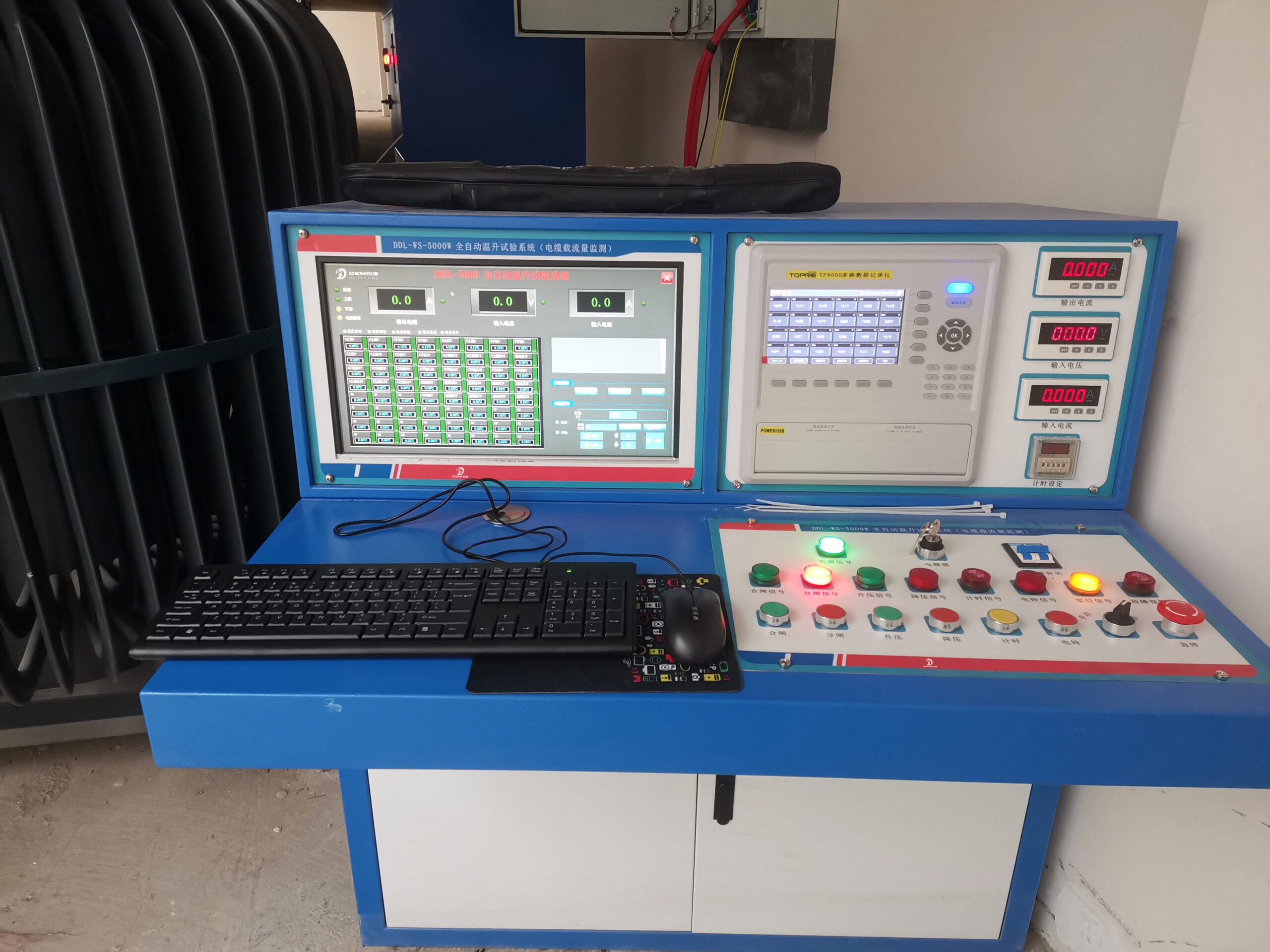
IEC 60076-2 lays down the provisions as regards permissible temperature rise in power transformers during operation. The temperature rise is a critical parameter as it affects the performance, life, and safety of the transformer directly. By controlling the temperature rise, the system will work optimally and the risks of any overheating will decrease.
⚠️ Temperature Management Guidelines:
The standard specifies temperature rise limits for:
- Transformer windings under specified load conditions
- Insulating materials to prevent accelerated degradation
- Environmental and operational factors affecting heat dissipation
IEC 60076-3: Insulation Level Specifications
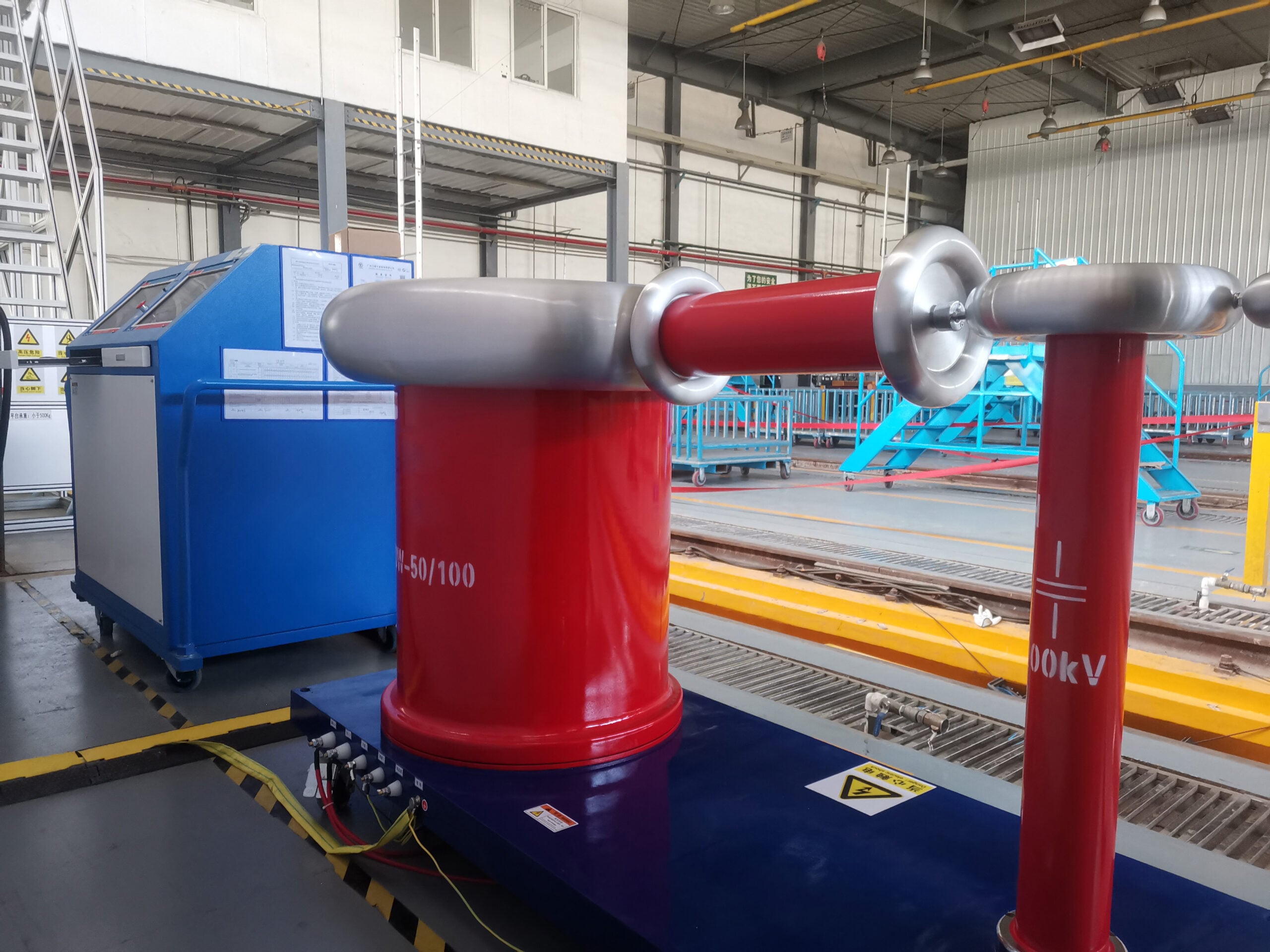
IEC 60076-3 details the prerequisites for the required insulation levels for power transformers. The insulation levels defined herein are intended to maintain the safe and reliable operation of transformers under all conditions. This concerns insulation coordination, overvoltage conditions, and design considerations necessary for withstanding any electrical stresses.
| Insulation Test Type | Purpose |
|---|---|
| Lightning Impulse Withstand Voltage | Safety in areas with frequent transient overvoltages |
| Power Frequency Withstand Voltage | Standard operating voltage tolerance |
| Switching Impulse Withstand Voltage | Protection during switching operations |
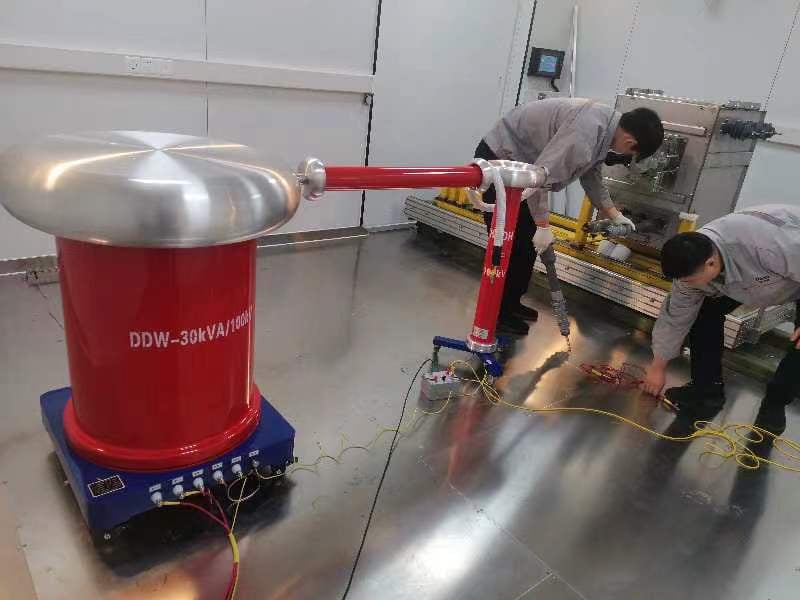
Testing procedures in the standard for insulation are provided for the simulation of conditions caused by transformers in their operational life span, such as high-voltage surges, thermal stress, etc. Through these tests, the integrity of insulation is ensured under extreme conditions, confirming that the transformer can withstand the environmental challenges in the field and comply with any necessary regulatory needs.
Compliance with IEC 60076

Understanding the Specifications of Transformers
Optimal technical specifications for transformers are an essential concept to grasp for their correct working, health, and efficiency. IEC 60076-3 provides a comprehensive guide to the types of technical parameters that have to be taken care of in transformers.
📋 Essential Technical Parameters:
- Service Voltage: Operating voltage requirements
- Insulation Capacity: Dielectric strength specifications
- Power Rating: Maximum power handling capability
- Transformer Impedance: Impact on voltage regulation and fault currents
- Efficiency: Power loss characteristics
- Cooling Methods: Oil-immersed or dry-type configurations
Type Tests and Special Tests for Compliance
Type Tests
Ensure transformers meet desired performance and safety standards. Applied to prototype transformers for design verification.
- Temperature rise tests
- Dielectric tests
- Lightning impulse tests
Special Tests
Conducted per specific client requirements or extraordinary conditions.
- Noise level tests
- Short-circuit withstand tests
- Insulation material testing
💡 Importance of Conformance Testing
Both type tests and special tests are vital throughout the transformer approval process. These tests serve to ensure that the equipment is:
- Safe and efficient in operation
- Durable under various field conditions
- Compliant with regulatory requirements
- Capable of meeting modern power distribution challenges
Real-World Applications and Case Studies
Transformers are critical elements in power systems and find a large number of real-world applications in both urban and rural areas. They are quite often used in substation systems where they step up or step down voltage levels to enable efficient transmission and distribution of power over long distances.
🌟 Success Stories:
Grid Reliability Enhancement
Modern transformers have passed stringent testing to withstand extreme performance trials during heavy thunderstorms or heat waves. By avoiding blackouts, these transformers have kept emergency services like hospitals, data centers, and emergency facilities operational exactly when they were crucially needed.
Renewable Energy Integration
Transformers synergize with renewable energy systems by smoothly feeding power from wind and solar farms into the grid. They facilitate smooth patterns of distributing and exchanging solar energy by altering voltages for compatibility, supporting independent low- or high-voltage systems for improved energy conservation.
Industrial Applications
In industries that require consistent and reliable power to keep heavy machinery functioning at maximum potential and productivity, transformers have always been of pivotal importance, ensuring uninterrupted operations and optimal performance.
IEEE Standards and Their Relation to IEC 60076

Overview of IEEE Transformer Standards
The IEEE transformer standards represent a comprehensive set of guidelines guaranteeing the compliance of transformers within design, testing, and field practices with safety, reliability, and efficiency criteria enforced by industry. These standards are set up by the Institute of Electrical and Electronics Engineers (IEEE), with a view to keeping uniformity possible while fulfilling diverse requirements of power systems all over the world.
🔧 IEEE Standards Focus Areas:
- Environmental and electrical condition requirements
- Thermal performance specifications to prevent overheating
- Insulation and voltage withstand capability guidelines
- Methodological testing procedures (normal tests and type tests)
- Different transformer types: power, distribution, and instrument transformers
Comparing IEC and IEEE Standards
| Aspect | IEC Standards | IEEE Standards |
|---|---|---|
| Primary Focus | Global market uniformity | North American applications |
| Application Scope | International trade and diverse technical situations | Regional power engineering and infrastructure |
| Format | Broad, adaptable framework | Strong textual format with detailed specifications |
| Primary Users | Global manufacturers and operators | Practitioners in specific regions |
| Strength | Worldwide recognition and consistency | Practical application and technical precision |
Integrating IEEE with IEC 60076 for Enhanced Performance
When the standard of the Institute of Electrical and Electronics Engineers (IEEE) is unified with that one of the International Electrotechnical Commission (IEC) 60076, a comprehensive solution is provided for the optimal functioning of a transformer. While IEEE deals with precision and adaptability to regional and technical requirements, IEC 60076 is known for its global application and adherence to common criteria.
✨ Benefits of Integration:
- Uniformity Across Systems: IEEE standards accommodate local/industry-specific needs while IEC 60076 conforms to international norms, ensuring transformers meet both local and universal technical requirements
- Enhanced Risk Protection: Comprehensive guidelines from both frameworks provide robust and innovative design solutions
- Long-Term Reliability: Combined technical specifications ensure higher reliability and operational excellence
- Simplified Compliance: Streamlined purchasing and maintenance processes with adherence to both standards
Transformer Design and Performance Considerations

Insulation and Transformer Efficiency
Insulation plays a crucial role in deciding the efficiency of a transformer. It is required to prevent electrical failures that may result from components such as windings in close contact and causing either energy loss or physical damage. Proper insulation sustains the transformer’s operational reliability and assists in minimizing unwanted power losses.
⚡ Role of Insulation in Transformer Performance:
- Prevents Electrical Failures: Maintains separation between components to avoid energy loss and physical damage
- Temperature Control: Reduces temperature rise, which is a significant factor in efficiency decline
- Environmental Protection: Keeps away water and contaminants to maintain energy conversion efficiency
- Longevity Enhancement: High-quality heat-resistant materials extend transformer life
Note: Poor insulation results in energy wastage, increased operational costs, and possible system failure. Regular maintenance of insulation quality is essential for optimal performance.
Voltage and Impedance Requirements
The voltage needs of a transformer are dependent on the system into which the transformer is integrated. Transformers have to bear the primary and secondary voltage levels in order to facilitate the transfer of power between them without overloading the equipment they are connected to.
Voltage Considerations
- Primary and secondary voltage level compatibility
- Equipment protection measures
- Serviceable life optimization
- System integration requirements
Impedance Factors
- Voltage regulation characteristics
- Short-circuit condition management
- Load sharing in parallel transformers
- System stability maintenance
⚠️ Critical Impedance Considerations:
Impedance levels must be carefully selected to avoid system issues:
- Low Impedance: Can result in higher fault currents, potentially damaging equipment
- High Impedance: May limit load sharing among parallel transformers and affect voltage regulation
Regular service performance testing is essential to maintain equipment within industry standards and prevent energy losses or system disturbances.
Power Rating and Temperature Management
Power rating and temperature management are important in the reliability and efficiency of electrical equipment. The power rating is the maximum amount of power that a device can safely handle without any degradation or failure. This rating also ensures that the equipment operates within its designed capabilities, preventing overheating or damage.
🌡️ Temperature Management Best Practices:
- Efficient Cooling Systems: Install proper ventilation or heat sinks to dissipate heat effectively
- Temperature Monitoring: Continuous monitoring during operation provides early warning of potential overheating
- Regular Inspection: Scheduled maintenance to identify thermal issues before they escalate
- Component Cleaning: Prevent dust buildup that can impede cooling
- Cooling System Checks: Verify proper functioning and check for leaks
- Ventilation Path Maintenance: Ensure unobstructed airflow for optimal cooling
Result: Following these practices enables operators to enjoy extended equipment lifespans and ensure safe and effective operation in the system.
Frequently Asked Questions (FAQ)
Q: What are the transformer standards included in IEC 60076, and which transformers would IEC 60076 cover?
A: The IEC 60076 series with the performance standards essentially prescribe specific requirements for power transformers and reactors in general. This IEC 60076 involves power transformers of large power, small and special transformers, oil-filled or dry transformers used for single-phase and three-phase circuits, reactors, and special transformer types.
Q: How does IEC 60076 apply to power transformers, and what aspects of transformer design are specified by IEC?
A: The standard 60076 describes the requirements to assure the performance of a power transformer at its rated power and voltage, insulation, cooling, tapping, and mechanical design. The IEC 60076 defines the specifications and performance criteria of transformers and the types of power transformers used in an electric power system and in power transmissions.
Q: What is IEC 60076-7 and as such, which part of the IEC 60076 series does it represent?
A: IEC 60076-7 is part of IEC 60076 and offers advice related to loading details for oil-immersed transformer and reactor fundamental regulations. It supplements the quality of information provided in the other parts of the 60076 standards.
Q: Are voltage levels and power (highest voltage, rated power) defined in the 60076 standard?
A: Yes, IEC 60076 deals with voltage levels and power. It includes the definition of the highest voltage as per equipment, the rated power and various voltage ranges for different types of transformers, and the requirements relating to utilizing safe voltage levels and power limits in an electrical power supply system.
Q: How do revisions and editions influence compliance—what is implied by a new edition of IEC 60076?
A: A revision or a new edition of IEC 60076 updates technical requirements, specifies new test methods or performance standards, and may change the applicability of individual parts. When an edition is updated, standards users must then check whether the part is applicable or called for by cross-reference in the other standard or international standard(s) or recognized standards like IEEE Std.
Q: Can IEC 60076 standards be adopted for special transformers and reactors?
A: Yes, IEC 60076 not only applies to power transformers and reactors, but guidance is provided for small and special transformers, as well as reactors. Special features appearing in special transformer designs, such as single-phase or three-phase special transformer types and reactor categories, are specifically treated in some sections or cross-referenced standards.
Q: How do the standards of IEC 60076 relate to the procurement of transformers in transformer specifications?
A: The specification of transformers uses IEC 60076 based on defines transformers required for standard tests, performance parameters, voltage classes, types of insulation, and mechanical details. This leads to the reliability of a transformer designed and tested according to internationally acceptable standards and simplifies the bid analysis of power transmission and distribution equipment.
Q: What should engineers consider when working with a cross-reference, trying to use an already existing standard, and keeping in mind compatibility with IEEE from the aspect of IEC 60076?
A: Engineers are encouraged to study and ensure that applicable parts have been cross-referenced with other standards, as many requirements are specifically cited by cross-reference. They should compare IEC 60076 with current standards in IEEE Std wherever these items exist, in order that compatibility of transformer type, testing, and performance across electrical power systems takes place.
References
- Experimental Study of Dynamic Thermal Behaviour of an 11 kV Distribution Transformer
This study references thermal parameters and temperature rise limits as per IEC 60076-2 standards.
Read the study here - Comparative Analysis of Windings and Vector Groups in 20/0.4 kV Distribution Transformers
This research uses IEC 60076-1 as a reference for analyzing distribution transformers.
Access the research here - Calculations for Short Circuit Withstand Capability of a Distribution Transformer
This paper discusses short circuit capabilities and design considerations based on IEC 60076-5 standards.
View the paper here - Top Oil-immersed Transformer Manufacturers and Suppliers in China