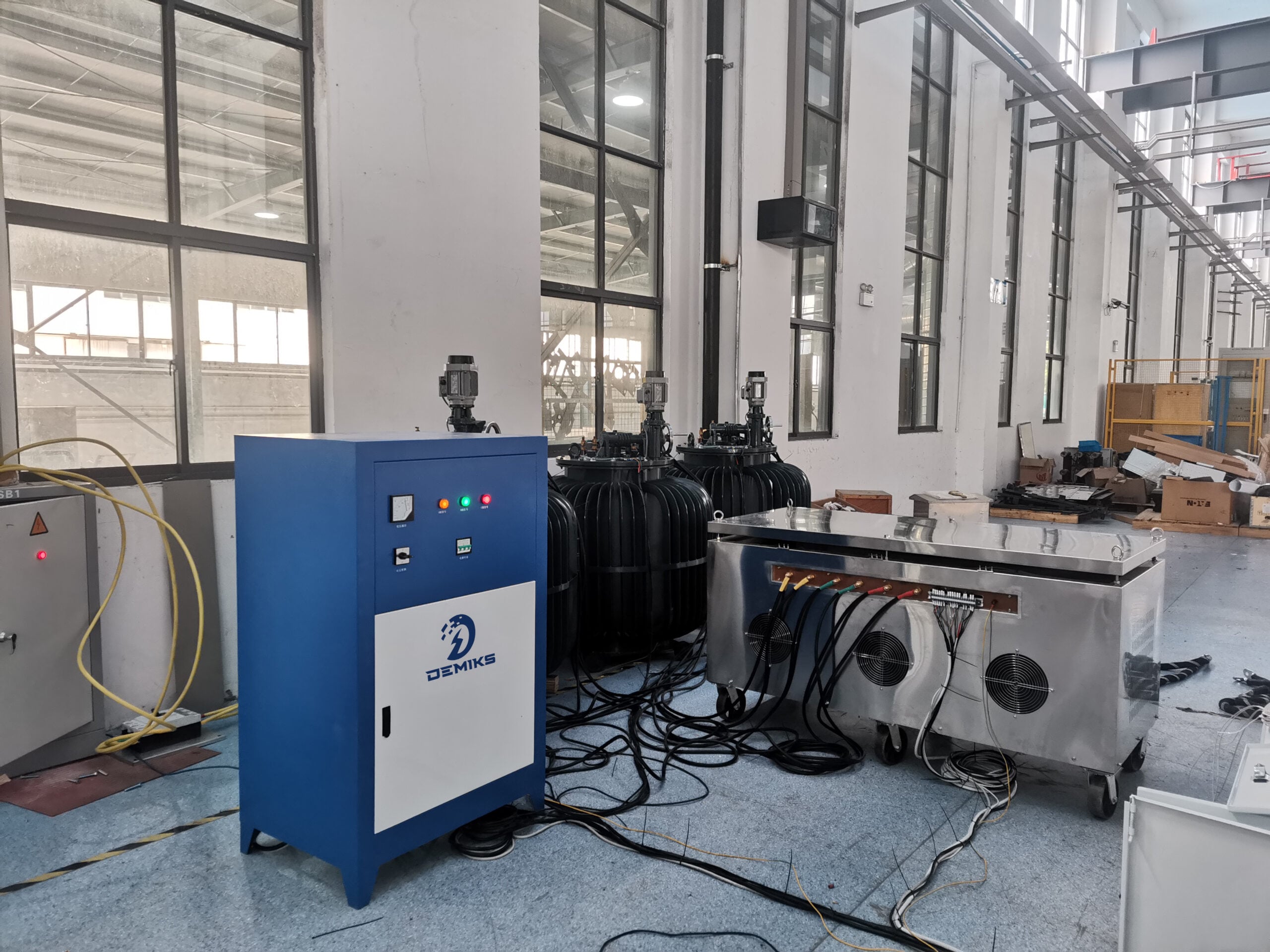
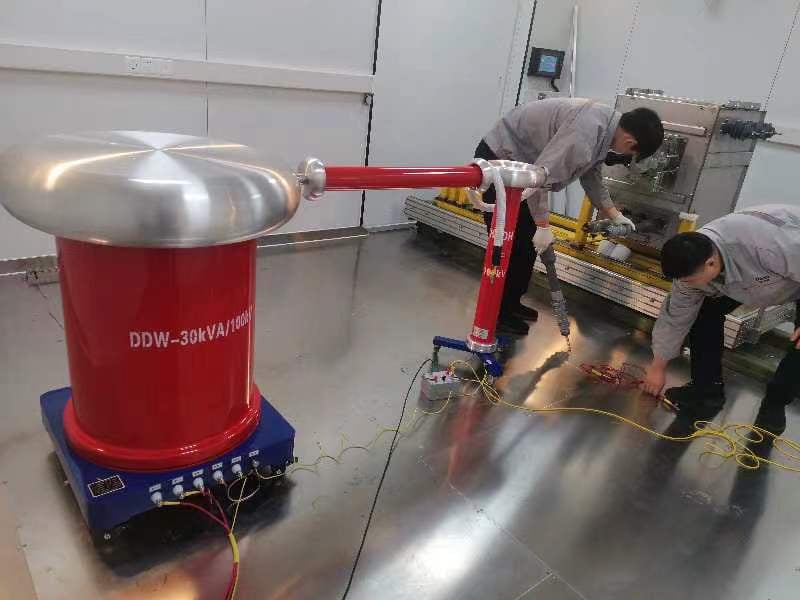
In the area of power supply and electrical devices, dry-type transformers are seen as trustworthy and efficient solutions. This article will look into the foremost dry-type transformer-producing companies that are consistently making advancements and being the best in the industry. We take a close look at the transformer manufacturing process and identify the 15 best suppliers of dry-type transformers that are influencing the development of power solutions.
Introduction to Dry Type Transformers

In contemporary power systems, dry-type transformers are indispensable, significantly contributing to voltage control and power distribution. Dry-type transformers, as opposed to oil-filled ones, consider air as the main cooling medium, which entirely removes the possibility of oil spills and thus, the environmental harm is lessened. They are being more and more accepted in different sectors as safe and eco-friendly solutions.
What is a Dry Type Transformer?
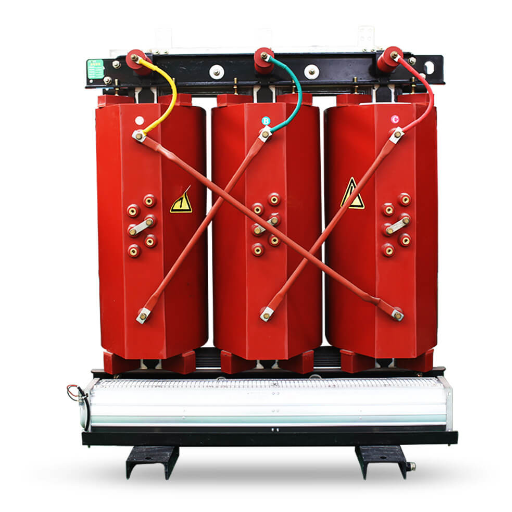
A dry-type transformer is a stationary electrical machine that makes use of air as its main insulation and cooling medium. The transformers work on the principle of electromagnetic induction, powering up the electrical way of a circuit with no direct connection between the two. The assembly of core and winding, usually covered with an enclosure, is built to tolerate certain voltage levels and environmental conditions, thus ensuring power reliability. The lack of oil in these transformers has made them safer for use in indoor places and also minimized the chance of fire hazards.
🔧 Key Characteristics of Dry Type Transformers
Air-based insulation and cooling
Electromagnetic induction
No oil, reduced fire hazard
Indoor installations
Advantages of Dry Type Transformers
Dry-type transformers come with a number of advantages that make them the preferred choice over oil-filled transformers. Indoor and sensitive environments are the ideal places where these transformers would be used as they provide more efficiency, a longer life span, and also help in making power solutions sustainable for applications such as industrial control and general-purpose use.
Enhanced Safety
Eliminates fire risks associated with oil-filled units, making them ideal for sensitive locations.
Reduced Maintenance
No oil monitoring or treatment required, significantly lowering operational costs.
Eco-Friendly
Zero risk of oil spills minimizes environmental impact and cleanup concerns.
Higher Efficiency
Extended lifespan with sustainable power solutions for industrial and commercial use.
Applications in Modern Electrical Systems
Dry-type transformers are extensively used in contemporary electrical systems which include low and medium voltage power distribution in the areas such as commercial, industrial, and renewable energy. They are among the most used transformers in substations, data centers, hospitals, and schools, where safety and reliability are critical. The transformers’ great range of kVA ratings makes it possible to cater for different kinds of loads thereby facilitating power distribution and voltage regulation in different industrial and commercial areas. This is achieved by the use of both general-purpose and specialized units such as transformers and reactors.
Top 15 Dry Type Transformer Manufacturers

In-depth information about the main dry-type transformer manufacturers is presented in this section. Their products, technologies, and market situations are compared. The profile of each company informs the reader about their specialization, with an emphasis on their ability to provide trustworthy power solutions for various applications and the ratings of their transformers. We point out the distinctive features that establish these companies as the top ones in the dry-type transformer industry.
Key Features of Dry Type Transformers

Voltage Ratings and kVA Capacities
The voltage ratings and kVA capacities of dry-type transformer designs differ a lot and are very diverse in this aspect. The range of voltage for these transformers goes from low voltage distribution to medium voltage power distribution, with kVA capacity that is nicely tailored according to the load requirements. The choice of voltage ratings and kVA capacities is crucial because it will determine the extent of power distribution efficiency and reliability in different industrial and commercial settings. The manufacturing company must then be extremely accurate.
Coil Design and Core Materials
Coil design and core materials are directly related to dry-type transformer performance. The core material type has a lot to do with the core losses and hence the efficiency, so high-quality core materials like silicon steel or amorphous metal are employed. The winding of the coils is usually done with copper or aluminum and the design is such that it minimizes the resistance as well as enhances the current-carrying capacity. The use of such materials as epoxy resin and varnish for the insulation ensures not only strong but also safe electrical barriers and this is done by transformer manufacturers who specialize in dry-type transformers.
⚙️ Technical Specifications Overview
Enclosure Types and Environmental Considerations
The enclosure types for dry transformers serve to barricade their internal parts from the hostile environment of moisture, dust, and corrosive elements. The NEMA enclosure ratings give and describe the protection level that is given and which can be even both indoor and outdoor applications. In fact, environmental factors such as operating temperature and humidity are the main criteria for choosing the right type of enclosure that guarantees operational reliability and a protracted lifespan of the dry-type transformer. Moreover, the factory must be conscious of all these factors while making them.
Industry Trends and Future Outlook
Emerging Technologies in Transformer Design
The dry type transformer market is undergoing an incredible transformation due to new technologies. These new technologies include the application of smart monitoring systems and improved insulation materials. The metabolism of development in core materials that consist of amorphous metals and high-grade silicon steel is increasing the efficiency of transformers and at the same time, decreasing the amount of power wasted in the core. The use of VPI and epoxy resin encapsulation is further strengthening the insulation and the life of the transformers and making them even more reliable in power supply.
Shifts in Demand for Low Voltage and Medium Voltage Solutions
The shifts in the demand for low voltage and medium voltage dry type transformers are considerable and such changes are driven mainly by the increasing electrification and the rise of renewable energy sources. Factories are looking for efficient power distribution systems to enhance their operations thus there is an increasing need for different kVA ratings of dry-type transformers. This pattern is very much seen in places like commercial buildings, data centers, and factories that need reliable voltage regulation and power supply.
Impact of Regulations and Standards on Manufacturing
The struggle for survival among the suppliers of dry-type transformers is mainly due to stringent regulations and industry standards such as IEEE and ANSI that have a substantial impact on the manufacturing processes. The compliance with these standards includes very detailed criteria that point out the performance, safety, and eco-friendliness aspects of the products. Meanwhile, regulatory compliance is a guarantee for quality production of safe and energy-efficient dry-type transformers, which cater to the ever-changing demands of modern power systems as well as environmental concerns.
📜 Key Industry Standards
Conclusion: Choosing the Right Dry Type Transformer Manufacturer

Evaluating Manufacturer Reliability
The process of evaluating a dry-type transformer manufacturer’s reliability comprises examining their history, certificates and conformity with the required standards. It is only one of the signs that a trustworthy manufacturer has an ISO 9001 certification which shows it is dedicated to maintaining the quality and uniformity of its products. Besides that, customer reviews and testimonials are an effective method to find out how good or bad that particular manufacturer’s reputation is when it comes to providing power solutions that are reliable. In the end, the trustworthy supplier of dry-type transformers will provide long-lasting performance and at the same time, reduce the chances of equipment failure.
✅ Manufacturer Selection Checklist
Selection Factors
The selection of a dry type transformer manufacturer will be determined by taking into account a number of factors: voltage ratings, kVA capacities, enclosure types, and customization options. Knowing the producer’s skills in making transformers that meet the specifications of the application is very important. Moreover, assessing the availability of after-sales support, maintenance services, and spare parts is crucial in ensuring the long-term operational efficiency of the equipment. Selecting a manufacturer of dry type transformers that fits these variables will provide an inexpensive and reliable power solution.
Recommendations for Industry Professionals
When looking for dry-type transformer solutions, industry professionals should always source from manufacturers that are committed to innovation, quality and customer satisfaction. It is important to work with manufacturers that are capable of providing full technical support, performing extensive testing and offering well-documented products. The supplier of dry-type transformers with a proven success record and customer-friendly tactics will not only provide access to power solutions but also to the ones that are able to keep pace with the changing needs of modern electrical systems in different applications, such as general-purpose and specialized industrial control transformers.
📌 Key Takeaways
This comprehensive guide provides essential information for selecting the right dry-type transformer manufacturer for your specific power distribution needs. For the most current product specifications and pricing, contact manufacturers directly through the website links provided above.