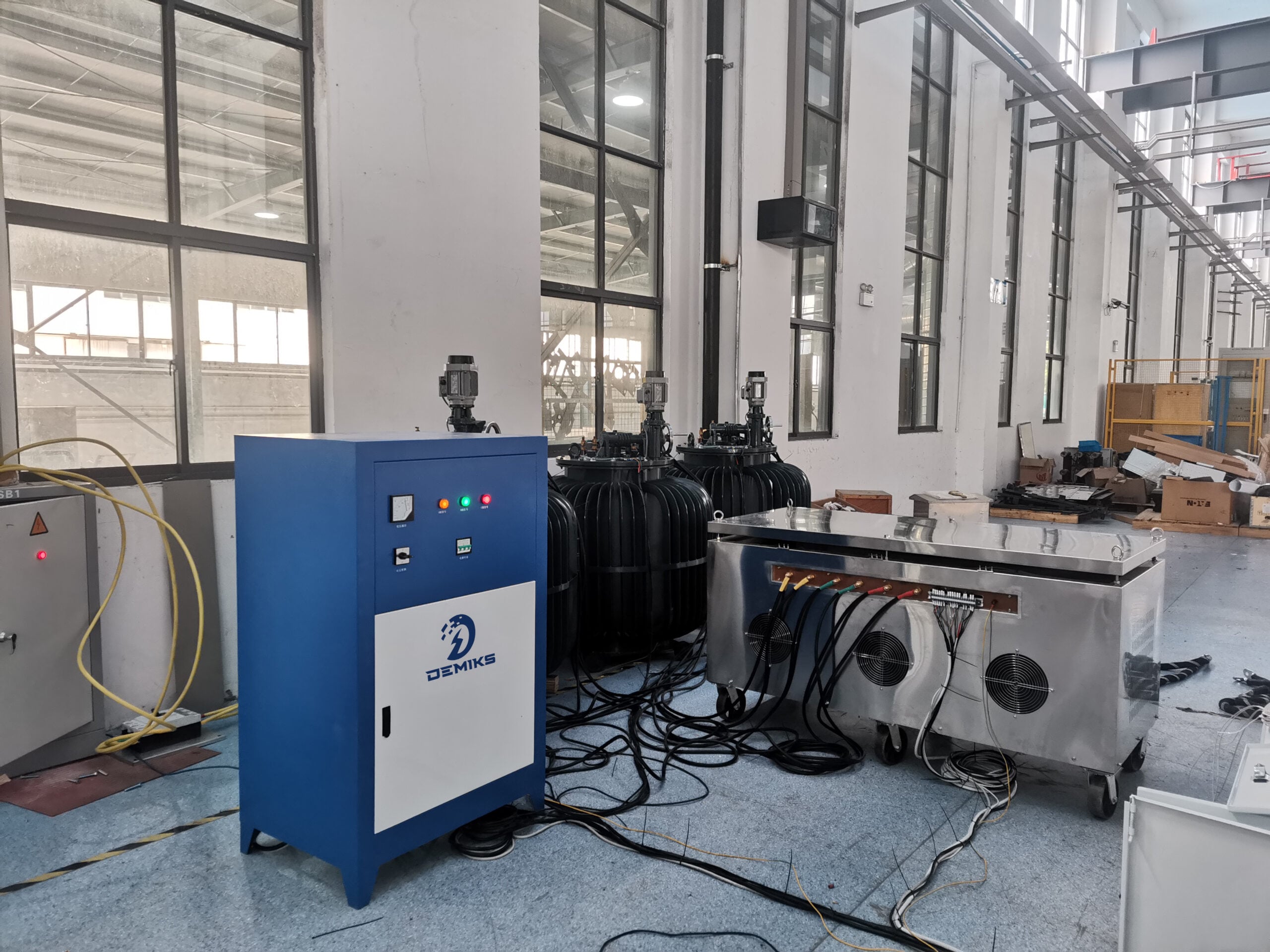
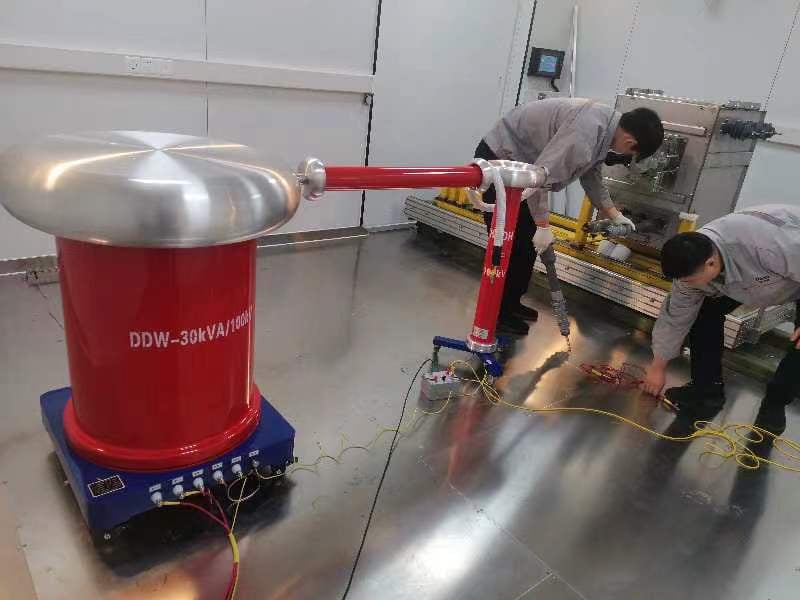
Industrial areas that rely heavily on motors and generators have an operational reliability guarantee. One such thing that can impair performance is insulation failure—a somewhat familiar but devastating occurrence. Enter the generator hipot test, an excellent diagnostic technique that ensures the integrity of insulation systems and prevents unnecessary breakdowns. This article provides an in-depth look at the generator hipot test, covering its purpose, operation, and importance in motor maintenance. The discussion will give you a solid grasp on how to identify and recover from insulation failures as you make your way through electrical testing; chances are, you’ve either been there or heard of it. Stay tuned as we drill down on some of the important ones that let the equipment smoothly flow, keeping downtime away.
Understanding Hipot Testing
What is Hipot Testing?
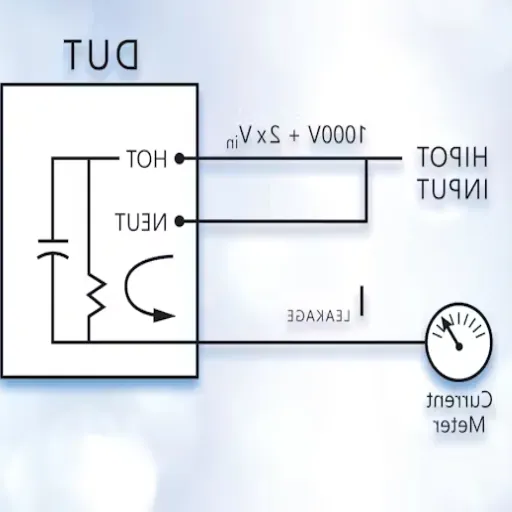
The abbreviation HIPOT means High Potential Testing-an electrical test to check for the insulation of a device, a component, or even an electrical system. It is primarily used to ascertain whether the insulation can sustain high voltage without breaking down or creating leakage currents that might be hazardous to the operator. Applying a much-higher-than-normal voltage causes weak points to fail, which are then going to cause either equipment failure or electrical hazards arising from insulation issues.
The hipot works based on the modern methods, which are mostly considered reliable. Advances in technology have led to improvements in accuracy and efficiency in this field. According to industry contentions, devices subjected to hipot tests have less exposure to failure due to insulation during maintenance, which in turn reduces preventive maintenance costs and operational downtime. Thus, hypot testing ensures the safety and compliance of the working environment in manufacturing, power generation, and aerospace industries.
Dielectric Testing: Its Importance
Insulation tests are very important for protection, as they verify that insulation withstands very high voltages under different stresses without breaking down. Ensuring operational safety by detecting any weaknesses in insulation and consequently enhancing the life of the equipment is indeed what the process does. With modern advancement in the test technologies, the new generation automated testers are more accurate and thus allow quick testing with fewer human errors.
📊 Key Statistics:
- 30% reduction in insulation-related failures through dielectric testing
- Significant decrease in equipment downtime
- Enhanced compliance with international safety standards (IEC and ANSI)
Moreover, industries that have carried out stringent testing procedures have shown an inclination toward adapting international safety standards, such as IEC and ANSI regulations. These objectively verifiable facts lend merit to establishing dielectric testing as the most efficient way to ensure safety; consequently, the process has become mandatory in the telecommunications sector, renewable energy sector, and automobile manufacturing sector.
Common Applications in Electrical Engineering
The application of dielectric testing in electrical engineering is vast. The following are key areas where this testing proves essential:
🔌 High-Voltage Equipment
Verification of reliability and safety in transformers and switchgear, preventing power outages and equipment failures.
🌱 Renewable Energy
Essential for wind turbines and solar inverters, ensuring high-quality insulation under varying voltages and harsh conditions.
🚗 Automotive Industry
Development of EV components including battery packs and power electronics, ensuring safety and durability standards.
💻 Electronics Manufacturing
Identifying faults in printed circuit boards (PCBs) and verifying device functionality under various working conditions.
These various applications clearly show that the dielectric test is vital for technology advancement and reliability in industrial, consumer-oriented, and renewable energy technologies.
Types of Hipot Tests
Overview of AC and DC Hipot Tests
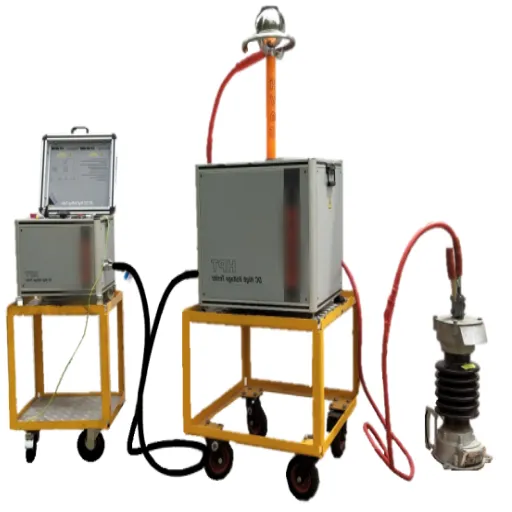
AC and DC Hipot tests form an essential step in determining the insulation strength of an electrical system or component. Both methods are vital to ensure the object under test has dielectric integrity and remains free from disintegration and failures in operational life.
Differences Between AC Hipot and DC Hipot Tests
AC and DC Hipot testing are essential techniques in high-voltage testing, offering specific advantages based on the application. The primary difference lies in the applied voltage:
⚡ AC Hipot Testing
- Alternating current with polarity swing
- Operates under severe conditions
- Identifies breakdown during regular operation
- Avoids polarization effects
- Shorter duration, higher voltage exposure
- Typically lasts about one minute
🔋 DC Hipot Testing
- Constant, unidirectional current
- Clearer leakage current measurements
- Identifies faint insulation flaws
- Lower voltage levels but longer duration
- Better for high-capacitance equipment
- May take several minutes for assessment
Choosing between AC and DC hipot testing depends on the type of environment in which the equipment operates, the nature of the insulation, and relevant regulatory codes. Both methods are essential in quality assurance and are used in tandem to ensure the overall reliability and safety of electrical systems.
IEC 60950 Standards for Hipot Testing
IEC 60950 forms one of the most essential guidelines for guaranteeing the electrical safety of information technology equipment, with an emphasis on areas related to Hipot testing. It prescribes a comprehensive suite of safety requirements, particularly about insulation and dielectric strength, to prevent electrical shock and equipment failure.
📋 Key IEC 60950 Requirements:
- Test Voltage: Greater than or equal to twice the operational voltage, plus safety margin (usually 1,000V)
- Test Duration: 60-second application for standard tests, 1 second for production tests
- Leakage Current Limits: Specified in microamps to milliamps range
- Safety Margin: Designed to recreate real-life conditions throughout equipment lifetime
The IEC 60950 standard requires AC Hipot testing, wherein it recommends applying a test voltage greater than or equal to twice the operational voltage, with a designed safety margin (usually 1,000V), to recreate the real-life conditions that the insulation must withstand throughout its lifetime. DC Hipot tests use almost the same voltage as AC tests; however, adjustments are made according to the static nature of DC voltage, thereby stressing the long-term breakdown resistance from an insulation perspective.
In accordance with IEC 60950, manufacturers can ensure that the equipment meets safety requirements in major countries, thereby minimizing risk to consumers and also enhancing its reliability in the long term. It is with the same aim of enhanced safety and strength that this standard continues to help the industry produce better products that can withstand various types of electrical stresses throughout the equipment’s working life.
Test Setup for Generator Hipot Tests

Essential Equipment for Test Setup
Conducting an efficient and reliable hipot test on generators requires the correct selection of equipment and setup expertise. The following components compose the sine qua non ingredients for a test environment:
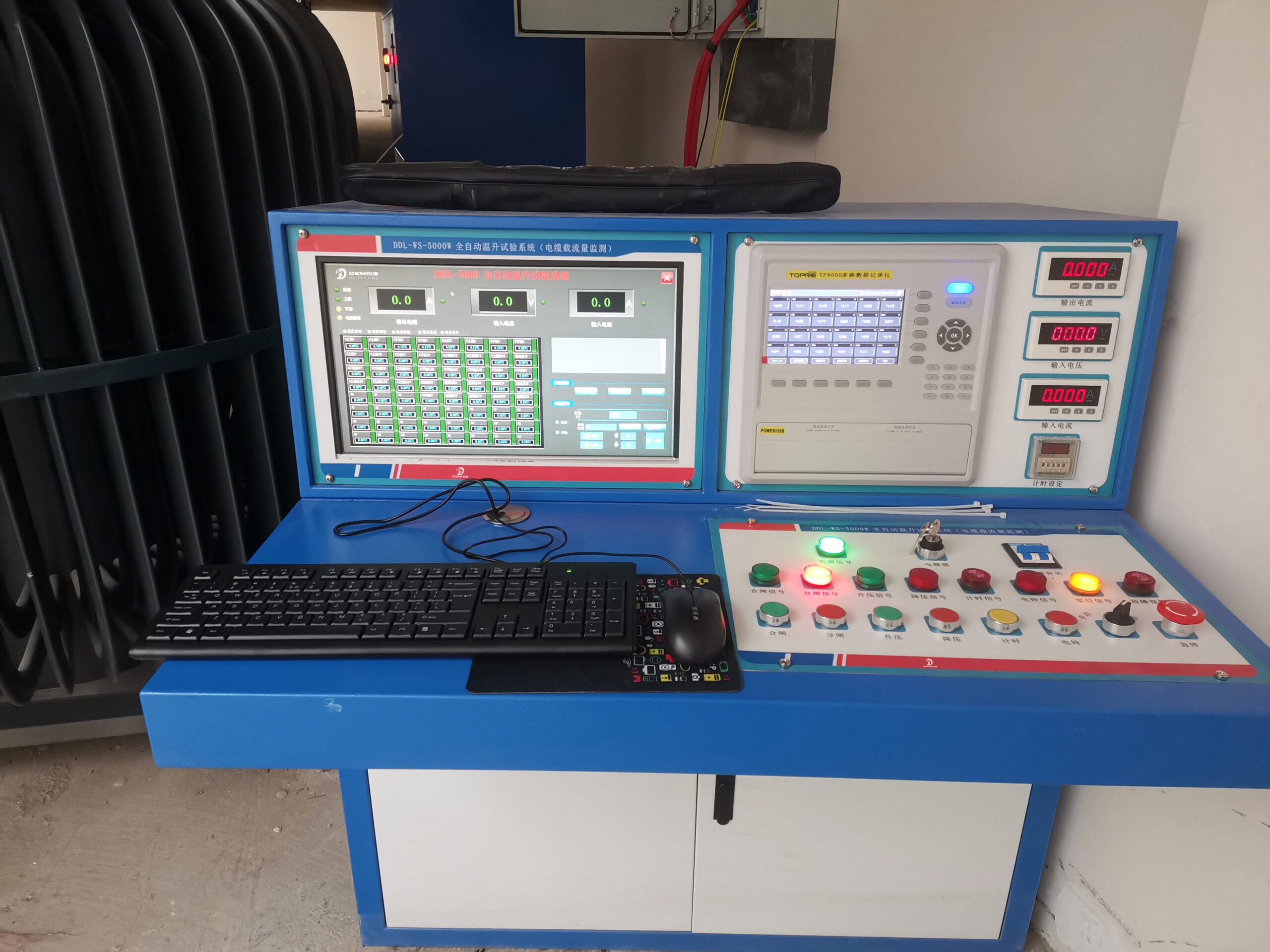
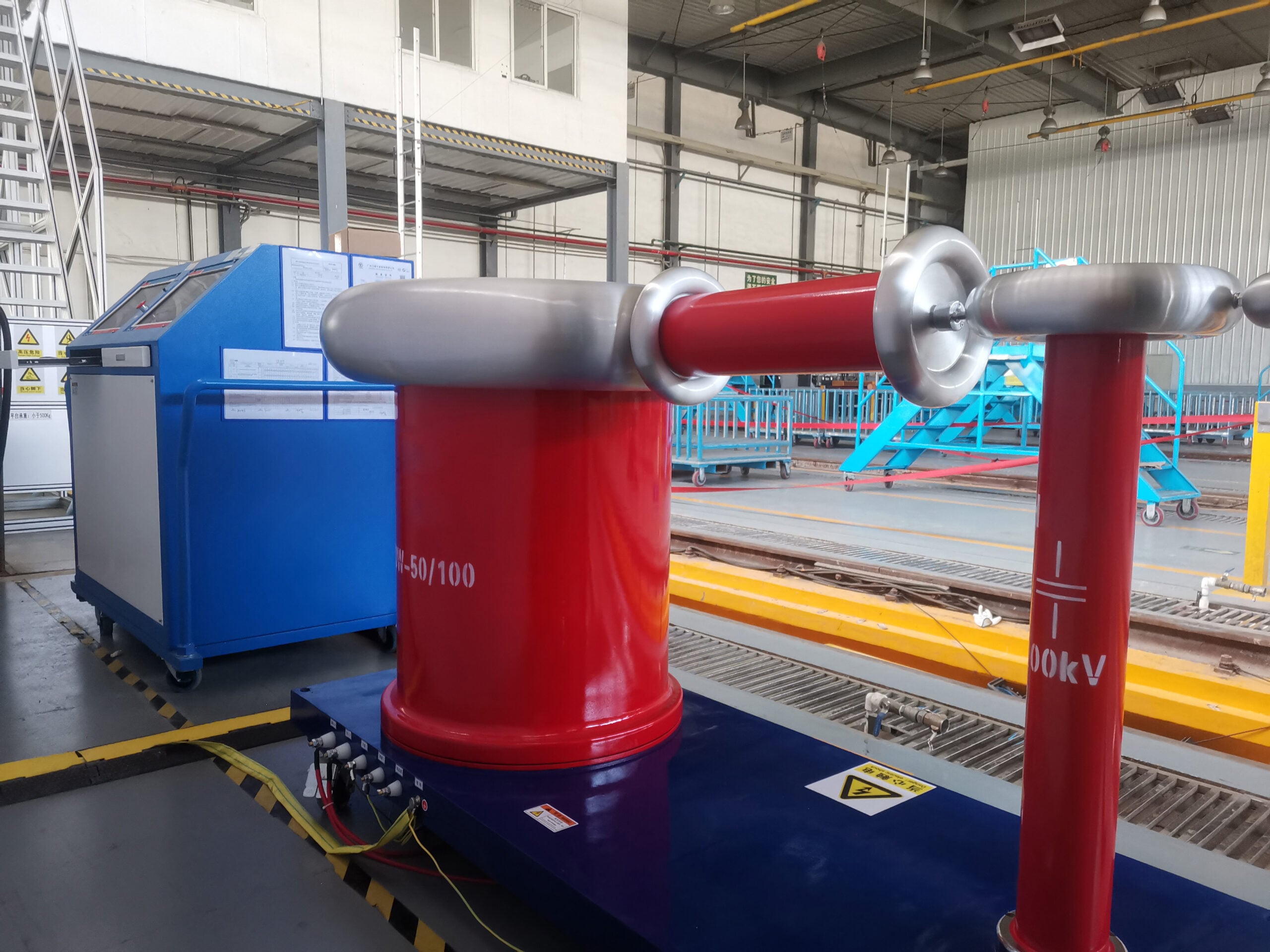
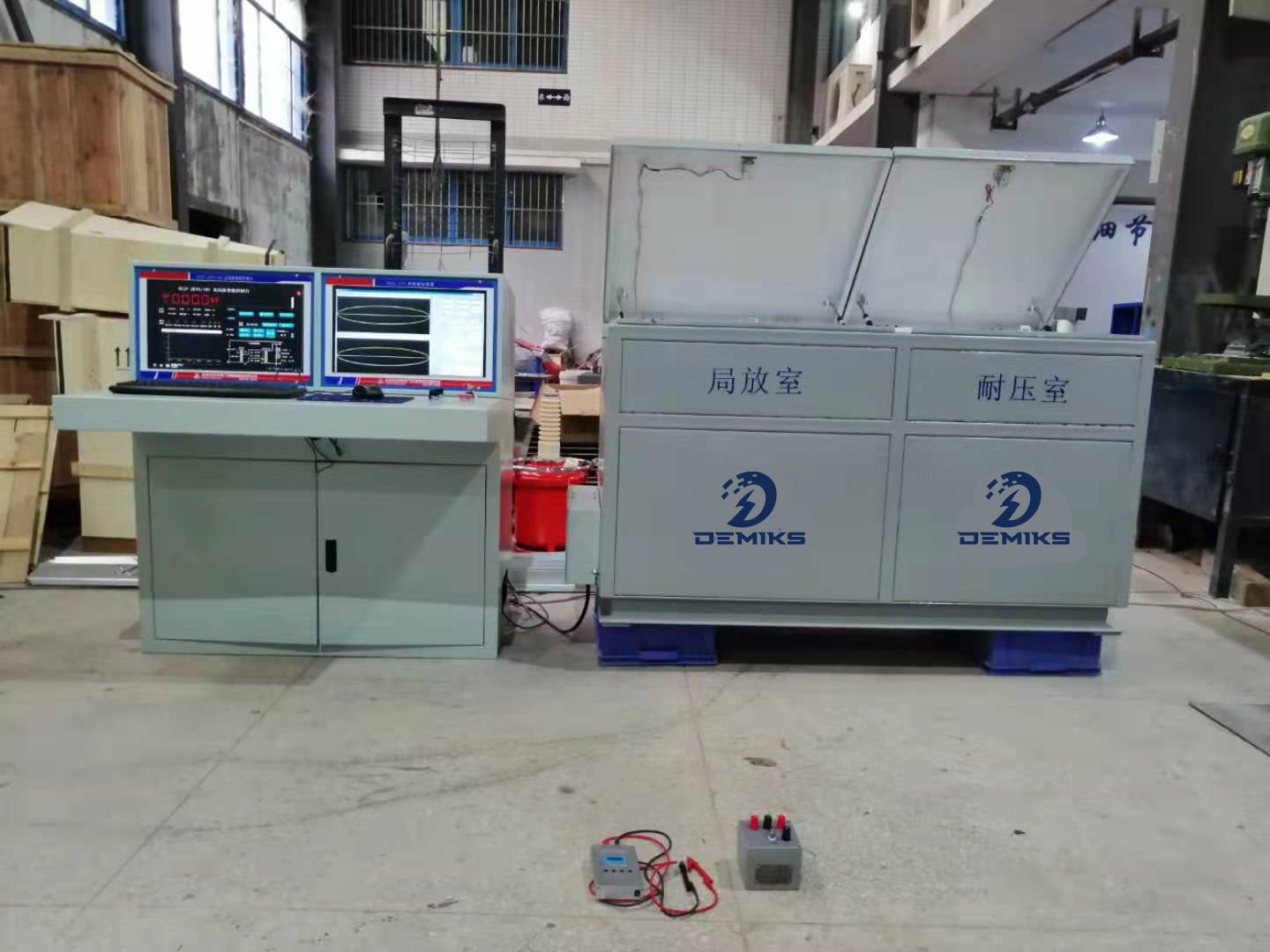
🔧 Hipot Tester
Performant tester with automated sequences, safety interlocks, and digital display interface.
🔌 Insulated Test Probes
Essential for safety, rated for applied voltage with secure connections.
🌍 Grounding Accessories
Grounding clamps, cables, and bonding straps for safety and accuracy.
📏 Voltage Meters
Digital multimeters for precise input and output voltage measurement.
🛡️ Protective Enclosure
Safety barrier preventing accidental contact with live components.
💾 Data Acquisition
Real-time monitoring of voltage, current, and duration parameters.
🌡️ Environmental Monitoring: Temperature and humidity monitoring systems ensure constant operating parameters for reliable test results.
With the assembly of the necessary equipment, you can perform the generator hipot test safely and efficiently, ensuring compliance with industrial standards. Adding the newest tools and data analysis can significantly improve the reliability of compliance and make it easier to achieve.
Preparing the Stator and Winding for Testing
Preparing the stator and winding properly is crucial for avoiding incorrect results and ensuring equipment integrity during the hipot test. Follow these essential preparation steps:
- Initial Inspection: Inspect the stator and winding for physical damage, moisture, or contaminants that could alter insulation behavior.
- Thorough Cleaning: Clean the winding thoroughly, as dust or dirt can significantly affect test results.
- Baseline Testing: Check insulation resistance with a megohmmeter to establish baseline insulation state.
- Damage Sealing: Seal all exposed and damaged areas of insulation to prevent high-voltage discharges.
- Connection Verification: Check and secure all connections to prevent inconsistent results.
- Environmental Confirmation: Verify temperature and humidity parameters meet industrial standards.
Once everything has been tested, confirm if the parameters for the ambient test environment, including temperature and humidity, meet the industrial standards. Keeping these parameters constant helps maintain the credibility of the test data. Using these steps, you not only improve safety and reliability during the hipot test but also add to the operational span of the generator.
Setting Safe Test Voltages
When selecting safe test voltages for hipot testing, it is essential to consider various factors to ensure the safe operation of equipment. Industry standards, involving organizations such as IEC and UL, typically outline test voltage levels based on the type of DUT and its rated insulative capabilities.
⚠️ Voltage Determination Factors:
- Safety Factor: 1.5 to 2.0 times standard operating voltage
- Material Considerations: DUT material and design specifications
- Environmental Factors: Altitude and humidity effects on dielectric strength
- Circuit Type: High-voltage vs. low-voltage system requirements
The test voltage is generally determined by multiplying the working voltage by the safety factor, which is commonly in the range of 1.5 to 2.0 times the standard operating voltage, depending on the application. Additionally, material and design considerations of the DUT are highly relevant to establishing accurate voltage limits.
💡 Best Practice: Use ramp-up voltage techniques to prevent insulation overstressing. Gradually increase voltages to detect weak points before significant damage occurs.
An appropriate record should be maintained for the applied voltages, along with the time periods of application, thereby considering regulatory provisions and forming a reliable testing scheme. Depending on the device specification or environmental conditions, careful application of a test voltage that is adjusted will yield accurate and consistent results in a hipot test, reduce the likelihood of faults occurring, and align with industry standards.
High-Potential Testing Techniques

Understanding Test Levels and Procedures
High-potential testing must be understood during its various test levels and procedures. Typically, the test levels are classified by the voltage levels designated for the categories of pronouncements and are governed by standards such as IEC, UL, or ANSI. The levels are created so that the environmental stress at which they are applied is sometimes considered the worst case, if not real, thus serving to test and verify that the insulation of the electrical equipment meets prescribed standards of safety.
🔬 Primary Test Procedures:
- Equipment Grounding: Ensure proper grounding of DUT to avoid disturbances during measurement
- Voltage Ramping: Slowly ramp up high voltage to detect insulation weaknesses
- Current Monitoring: Continuously monitor current levels for fault detection
- Dwell Time Setting: Appropriate testing duration while minimizing equipment wear
The hipot test procedures can undergo primary steps. First, grounding of the DUT or disturbances during measurement is avoided. Then, the high voltage is ramped up slowly, allowing for the detection of insulation weaknesses or leakage currents, thus avoiding undue stress on the equipment. It is crucial that testing continues to monitor current levels, as even a slight divergence in measurement can indicate insulation faults.
A dwell time must also be adequately defined to provide the actual testing time while restricting unnecessary wear to the DUT. Modern heavy-duty hipot testers with automated features apply voltage and data collection simultaneously and detect errors. Blue-chip organizations follow strict and standardized testing methods and maintain control over test parameters to guarantee that devices will be fully compliant and reliable, and safe across industries.
Dielectric Withstand Testing Explained
Insulation withstand testing, commonly referred to as the “hipot test,” is crucial for ensuring quality control in insulation quality for electrical appliances, devices, or wiring systems. During normal operating conditions and in the event of a possible voltage surge, a high potential is applied to the insulation barrier to check for the possibility of breakdown.
🔍 Modern Testing Capabilities:
- Real-time Monitoring: Continuous voltage and current tracking
- Automatic Voltage Ramping: Controlled voltage increase
- Ultra-sensitive Detection: Recognizes minute insulation weaknesses
- Sub-microampere Measurement: Advanced leakage current recording
- Arcing Detection: Immediate breakdown point identification
By testing the dielectric characteristics of materials, it is ensured that no unwanted current flows between conductive parts or through the insulation materials, thereby preventing electrical failures and hazards. Nowadays, dielectric withstand testing technology refocuses on precision and automation. Modern systems offer real-time monitoring, automatic voltage ramping, and ultra-sensitive error detection that recognizes insulation weaknesses, arcing, or breakdown points without harming the device under test.
The data can be utilized for analyses and to enhance test effectiveness. Organizations can use the test data to understand whether there are trends in cases of insulation failure or weaknesses present in certain materials. This information helps to develop further the products or select better materials or manufacturing conditions.
📜 Compliance Standards: Proper withstand test procedures ensure certification under major standards including IEC 61010, ANSI/UL 60950, and regulations for medical devices, automotive, telecommunications, and aerospace industries.
The use of these methods in high-tech manufacturing guarantees that products are safer, more reliable, and better developed. The intricate testing procedures and technology have enabled dielectric withstand testing to remain a cornerstone of electrical safety development and enhancement, thereby improving product longevity.
High Potential Testing Trends for 2025
High-potential testing is constantly evolving to keep pace with modern industries, as technology advances and safety regulations become stricter, and efficiency is demanded in a given process. Here are the major trends shaping the future of hipot testing:
🤖 Smart Technology Integration
- AI-powered analytics for result interpretation
- Automated testing sequences
- Real-time data collection
- Remote monitoring capabilities
- Predictive maintenance optimization
🌱 Eco-Friendly Solutions
- Lower energy consumption instruments
- Environmentally friendly manufacturing
- Sustainable testing practices
- Compliance with global sustainability goals
- Reduced environmental impact
📱 Portable Testing Equipment
- Compact, lightweight designs
- Field-use optimization
- Wireless connectivity
- Battery-powered operation
- Enhanced portability without performance loss
⚡ Advanced Capabilities
- Higher voltage testing capacity
- Multi-function test capability
- Enhanced precision measurement
- Complex system compatibility
- Improved safety features
Furthermore, in the renewable energy, automobile (especially EV), and telecommunication sectors, the demand for higher voltage and multi-function test capability is increasing. Testing instruments are now being developed for higher-complexity systems to meet the stringent safety and performance requirements of these industries.
Lastly, high-potential test practices are being developed in response to changing industry standards, such as IEC, ISO, and UL. This includes solutions that are standardized for better compatibility and interoperability, as well as quality assurance on a worldwide scale. From a technical perspective, the acquired knowledge can be further integrated into testing strategies to ensure the competitiveness and compliance of manufacturers and test teams in the ever-changing 2025 scenario.
Case Studies and Latest Data

Generator Hipot Testing in Real-Life Applications
Generator Hipot Testing is crucial to the durability and safety of any electrical system in industrial applications. Here are key real-world applications where this testing proves invaluable:
🌬️ Renewable Energy Applications
Wind power turbine generators undergo very stringent hipot testing to ensure their electrical insulation can withstand the high voltages present during operation. Besides identifying areas of weakness or defects within the insulation system itself, it is a measure of reliability under international acceptance and operational criteria, as well as long-term dimensional performance.
🏭 Industrial Manufacturing
Industries use hipot testing as a quality guarantee to verify that the insulation’s integrity meets the requirements. This helps avoid situations of equipment failure, resulting in expensive downtime or the risk of dangerous conditions on-site. Periodic hipot testing conducted during maintenance cycles significantly reduces the risk of insulation failures over time.
Applied judiciously, generator hipot testing enhances a company’s compliance and operational safety, while reducing life-cycle costs. The checks provide deep insight into vulnerabilities, enabling teams to develop proactive remediation skills, ensuring equipment reliability in harsh environments such as power plants, manufacturing setups, or renewable-energy installations.
Insulation Failures Detected Through Testing
Through testing, recurring patterns of insulation failures have been identified that highlight the most critical areas requiring attention. Understanding these failure modes is essential for preventive maintenance and equipment reliability.
By studying test data, trends can be identified that help anticipate typical failure modes. For instance, equipment in humid or high-temperature environments tends to exhibit faster degradation of insulating materials. The mechanical stresses inflicted, such as vibration or improper handling during installation, will accentuate insulation wear.
💡 Preventive Measures: Having this data in hand leads to preventive measures such as scheduling predictive maintenance, improving insulation materials, or reconsidering operational conditions for enhanced equipment reliability and longevity.
Thus, a comprehensive view of equipment health is gained through an understanding of insulation failure, which is achieved through testing. If these insights and understandings converge, they become a blueprint for future enhancements that will enable optimized operations, improved safety, and reduced costs. Hence, this combined approach creates confidence in the infrastructure’s ability to sustain itself, regardless of the industry or application.
Insights on Test Effectiveness from EPRI
The insights from EPRI on test effectiveness emphasize the significance of these tests in maintaining an operational entity’s reliability and efficiency. Using advanced testing techniques, EPRI emphasizes the early detection of insulation degradation, which is pivotal to preventing equipment failure and extending storability.
📊 EPRI Key Findings:
- Early Detection Benefits: Prevents equipment failure and extends operational life
- Cost Reduction: Less downtime translates to lower maintenance costs
- ROI Improvement: Ensures profitable investment returns
- Advanced Analytics: Detailed data enables informed decision-making
- Maintenance Prioritization: Helps teams focus on critical areas
EPRI research has shown the efficacy of diagnostic tools that combine classical testing methods with modern analytical tools. Such tools provide very detailed data on which a team can therefore base decisions and prioritize maintenance initiatives. By focusing on the effectiveness of testing, EPRI advocates for providing industries with helpful information regarding equipment functioning and durability.
Such a framework advocates for safer operations, better regulatory compliance, and infrastructure that lasts, which are crown objectives in any high-performance environment. In alignment with EPRI findings, precise testing regimes create a culture of continuous improvement where potential problems are attended to before they manifest into major, costly issues. Hence, testing paradoxically ceases to be a problem and turns into an opportunity for operational excellence.
Reference Sources
-
High-Potential (Hipot) Testing: A Tool to Assess Stator Winding Condition – Renewable Energy World: Explains the process and voltage application in AC hipot testing.
-
What is HIPOT Testing (Dielectric Strength Test)? – Electrical Engineering Portal: Provides an overview of hipot testing and its role in assessing electrical insulation.
-
High Potential (Hi-Pot) Testing – EASA: Details procedures for performing hipot tests on motor and generator windings.
-
Guide for Rotating Machine Stator Winding Hipot Testing – EPRI: Focuses on determining the electrical strength of winding insulation through hipot testing.
-
What Is Hipot Testing? Importance, Process & Safety Tips – Vitrek: Discusses the importance of hipot testing in detecting insulation leakage risks and ensuring safety.
Frequently Asked Questions (FAQs)
❓ What does it have to do with a hipot test?
A hipot test is actually a high-voltage test that proves that the equipment is electrically insulated. It mainly detects defects that may cause insulation failure under high-voltage situations. Defects can be simulated by applying an unusually high voltage, higher than the operating voltage, through such a system. Usually, it is required for compliance purposes, and hence it should not be missed in electrical devices such as transformers and motors. The test time and voltage applied during the test differ from the industry’s standards considered.
🔋 What happens in a DC hipot test?
Having direct current applied to an electrical device to test its insulation resistance is referred to as a DC hipot test. It is somewhat better than AC testing, as it uses constant voltage and nullifies capacitive effects. The test voltage is applied to measure leakage, which is indicative of insulation quality. One should only conduct these tests when the requirements are met to ensure accurate results. The DC hipot test is primarily performed on new windings and electrical components to certify their integrity prior to being used in any application.
⚡ How does an AC hipot test differ from a DC hipot test?
The significant difference between these two testing methods hinges on the nature of the current employed during testing. Under an AC hipot test, an alternating current is passed through, whereas in the DC hipot test, testing is conducted with a direct current. The AC test provides some insight into the dielectric strength and how the insulation behaves over time under a voltage condition. A DC test gives us a clearer picture of insulation resistance. There are specific criteria for and against each method, with, for instance, DC hipot tests being unaffected by capacitive currents. Depending on the particular electrical equipment and its relevant application, will come the decision as to which test method to perform.
📊 What is the significance of the hipot test voltage?
The hipot test voltage is significant because it determines the level of stress placed on the insulation during testing. It is usually set at a value above the operating voltage to simulate extreme environmental conditions. This voltage setting is used to simulate actual surge scenarios. For instance, a test voltage of 30 kV may be applied to the high-voltage electrical equipment to ensure it withstands any surge occurrence. An appropriate testing voltage, as specified in IEC 60950-1, shall be employed in various applications. If the test voltage level is not appropriately chosen, one either risks destroying insulation or merely tests for its integrity.
🛡️ What are the safety standards when performing a dielectric withstand test?
If any dielectric withstand test is to be performed, certain safety practices must be followed to ensure the safety of test operators and test equipment. IEC 60950 outlines numerous requirements, including setup procedures and safety interlocks. The test equipment must be rated for a desired test voltage, and in some instances, precautions need to be taken to prevent the inadvertent flow of current. Tests in controlled environments should be carried out with operators wearing suitable personal protective equipment (PPE). Following such standards of practice will lead to successful hipot testing, with a reduction in the risks involved.
📏 How is the insulation resistance measured during the generator hipot test?
The resistance to insulation can usually be measured during the generator hypoths test using special test equipment meant for that particular purpose. A high voltage is passed across the insulation, and the leakage current that results is measured; E=IR gives the resistance calculations. The results describe the insulation state and its behaviour under high voltage. Test results may vary as a function of the insulation type, environment, or equipment age.