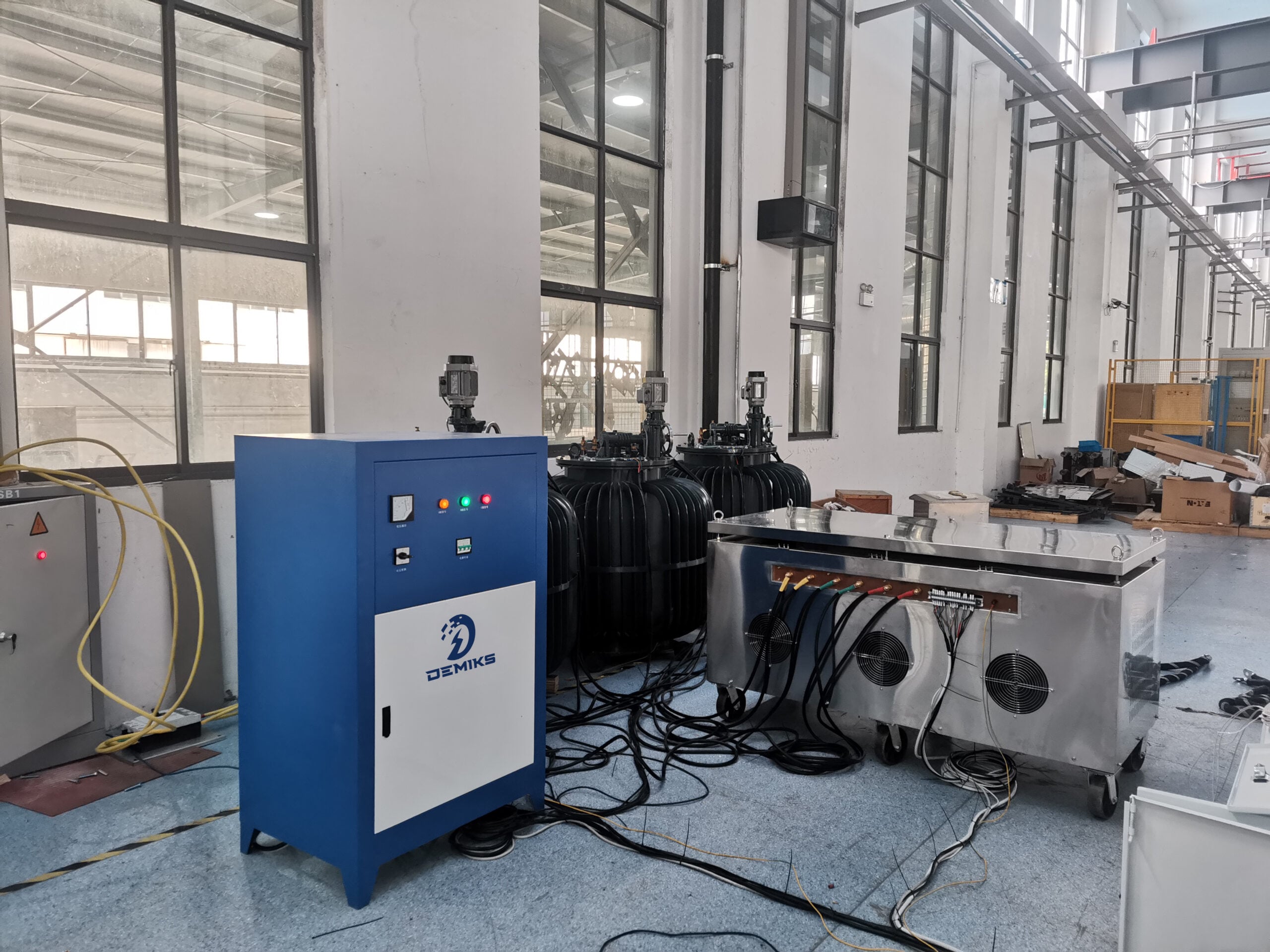
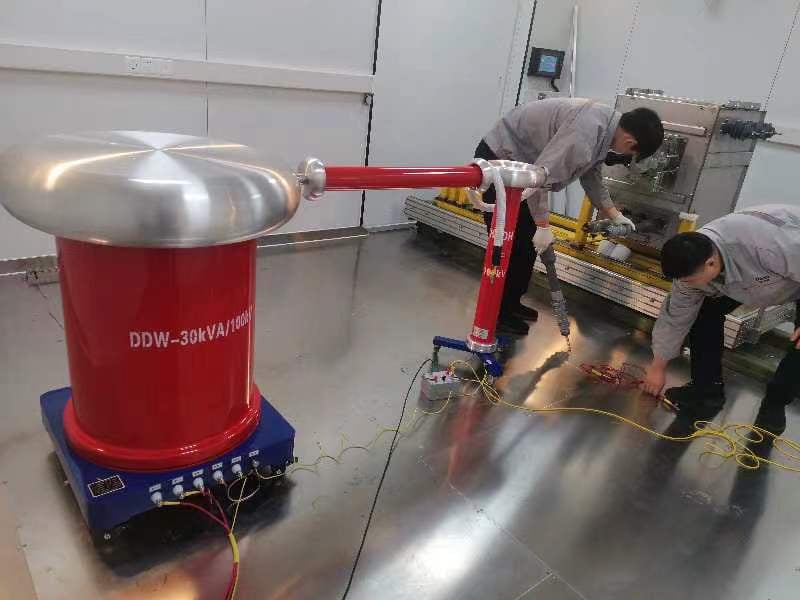
The key aspect of HV electrical systems is safety. The second most crucial requisite is a few grades of insulating gloves. Such gloves are considered the last available defense against a life-threatening electrical shock; however, their efficacy depends on regular and proper testing. Without proper testing of the gloves, safety standards are compromised, risking the lives of workers. This article thus discusses the tests for HV gloves and presents a step-by-step process for testing gloves against austere safety requirements. Whether it is safety officers, electricians, or those responsible for compliance within the company, everyone should gain insights on how to ensure their team is protected, workplace safety is maintained, and industry regulations are complied with.
Understanding HV Glove Testing
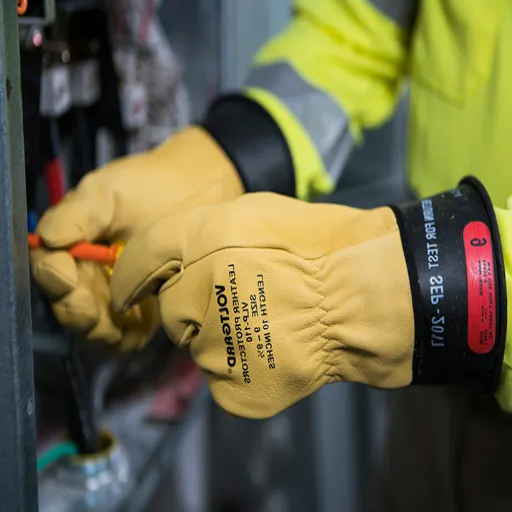
Importance of Testing Electrical Gloves
Highly important is the regular testing of these electrical safety gloves since these gloves are the last defense for the protection of workers working in a high-voltage area from the fatal electric shock. Before the very first use of these gloves, the gloves shall be subjected to testing in accordance with the OSHA regulations. Testing must continue at intervals set forth to OSHA’s guidelines. Untested and degraded-tested gloves sometimes may culminate in a tragic accident, and that will cost a worker’s life.
Protective glove testing usually takes place via visual inspections and dielectric tests. The visual check would permit identifying any damage caused by cracks, punctures, or cuts that constitute a safety hazard. The dielectric test customarily subjects the glove to an electrical charge corresponding to the voltage it is rated for, to ensure that it satisfactorily resists it. Such tests uphold the protective capacity of the gloves to prevent accidents and abide by set industry standards.
Notwithstanding compliance with these requirements, regular testing improves work efficiency and fosters trust within teams. The availability of superior and well-maintained safety materials minimizes disruptions caused by accidents, thus generating a trust-filled environment for workers. Nowadays, hikes for electrical glove testing are not just for compliance purposes, but also for creating a culture of safety and risk prevention within an organization.
Types of Electrical Gloves and Their Classifications
Electrical gloves are distinguished by the degree of voltage protection they offer and the types of hazards they counter, upholding the safety criteria set forth for various applications. The gloves are sorted into classes based on their ability to insulate, as well as physical strength requirements, including resistance to punctures, cuts, and flames.
Key Insight: The system of classification provides workers with the ability to select the appropriate type of glove based on the voltages, levels, and hazards associated with their jobs, thereby enhancing safety while offering flexibility in performance. Being properly selected and regularly tested, personnel are practically eliminated from occurrences of electrical accidents in the workplace.
OSHA Regulations Regarding Rubber Glove Testing
Due to worker and equipment safety factors, OSHA prescribes strict guidelines for maintaining and testing rubber insulating gloves. As stated by OSHA in 29 CFR 1910.137, rubber gloves used for electrical work must be visually inspected before each use and undergo periodic, detailed testing to ensure their integrity.
Among the critical requirements is testing such rubber insulating gloves every six months for any damage, such as tears, punctures, cracks, cuts, or aging, that might interfere with their insulation capability. The test commonly applied is the dielectric test, wherein the gloves are subjected to certain levels of voltage to verify if any electrical current passes through them. Any gloves that fail shall be removed from service without delay.
OSHA emphasizes the importance of safety by recommending the proper storage of rubber gloves in dry, temperature-controlled environments to prevent degradation caused by extreme heat, sunlight, or excessive moisture. Their recommendations include maintaining records of inspections and tests to demonstrate compliance with relevant regulations.
The very implementation of these standards would reduce the chances of electrical hazards, while also ensuring that all PPEs conform to accepted industry practices, making the entire work environment safer and more productive. With strict adherence to test procedures, a company can ensure safety without impeding workplace efficiency.
Methods for Performing Accurate HV Glove Testing
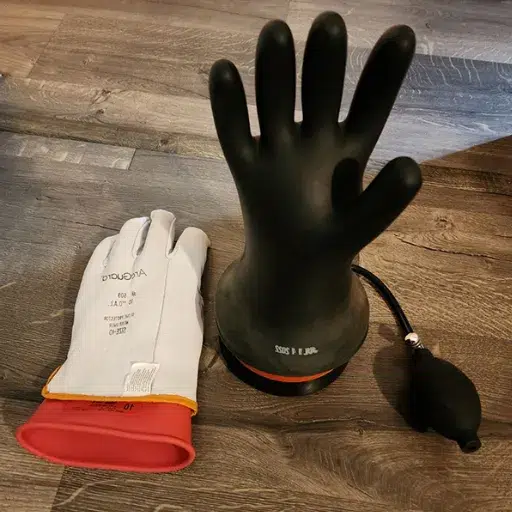
Stepwise Rubber Glove Testing
- Visual Inspection: Begin by thoroughly inspecting. Surface defects such as cuts, punctures, and cracks are some of the most common causes of failure of PPE during use due to lack of integrity of structure in gloves. Meanwhile, look for other signs of degradation such as discoloration or swelling that might indicate the gloves have reacted with certain chemicals or just aged.
- Inflating Test: Air may be filled into every glove from a pump or the glove testing apparatus. The cuff would be sealed tightly, and inflation would occur up to the required pressure as recommended by the manufacturer’s standards. Upon inflation, with full brightness of light, any leaks or pinholes should be visible; this test is quite imperative in detecting flaws not visible with the naked eye during the first round of visual inspection.
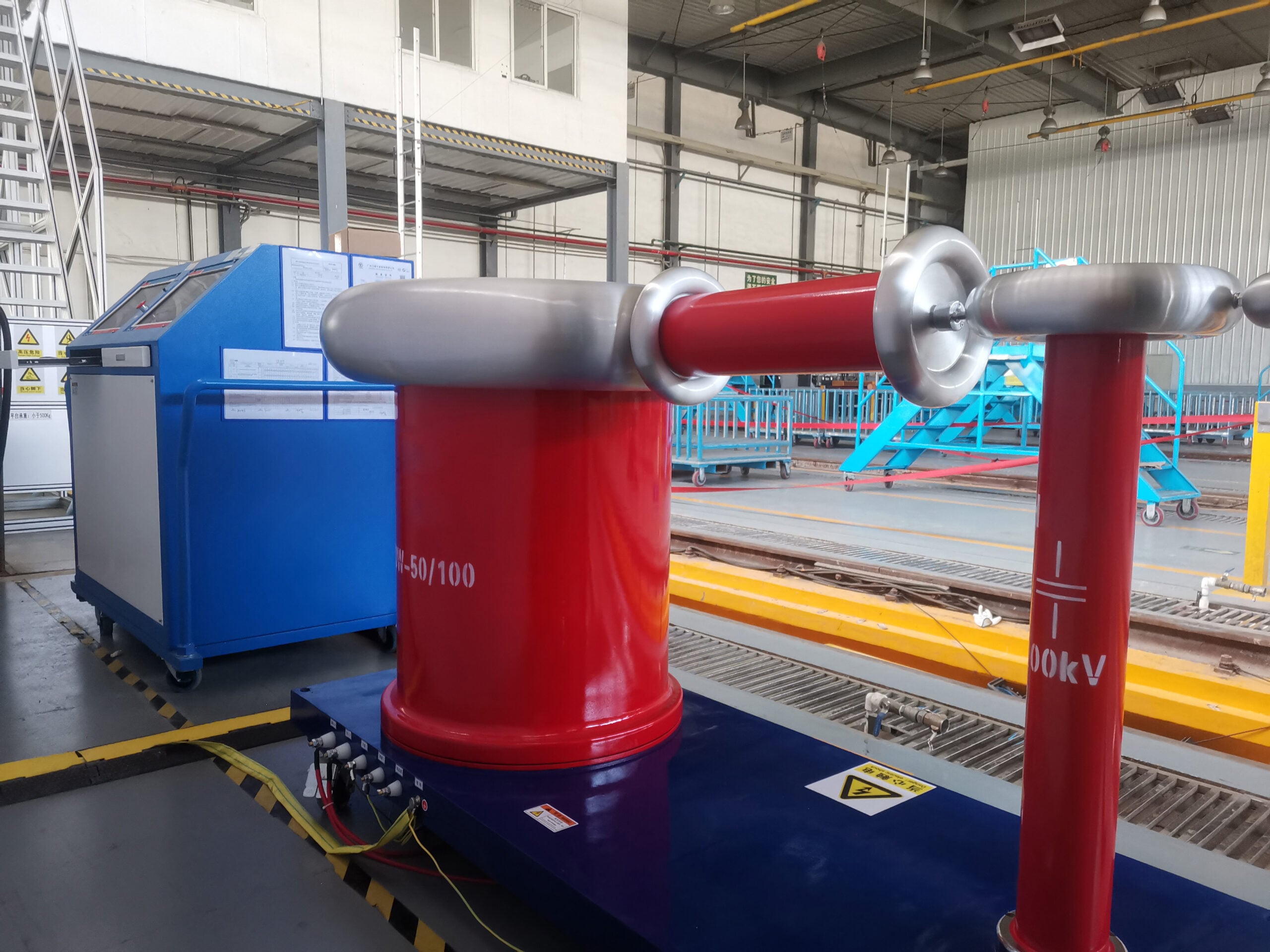
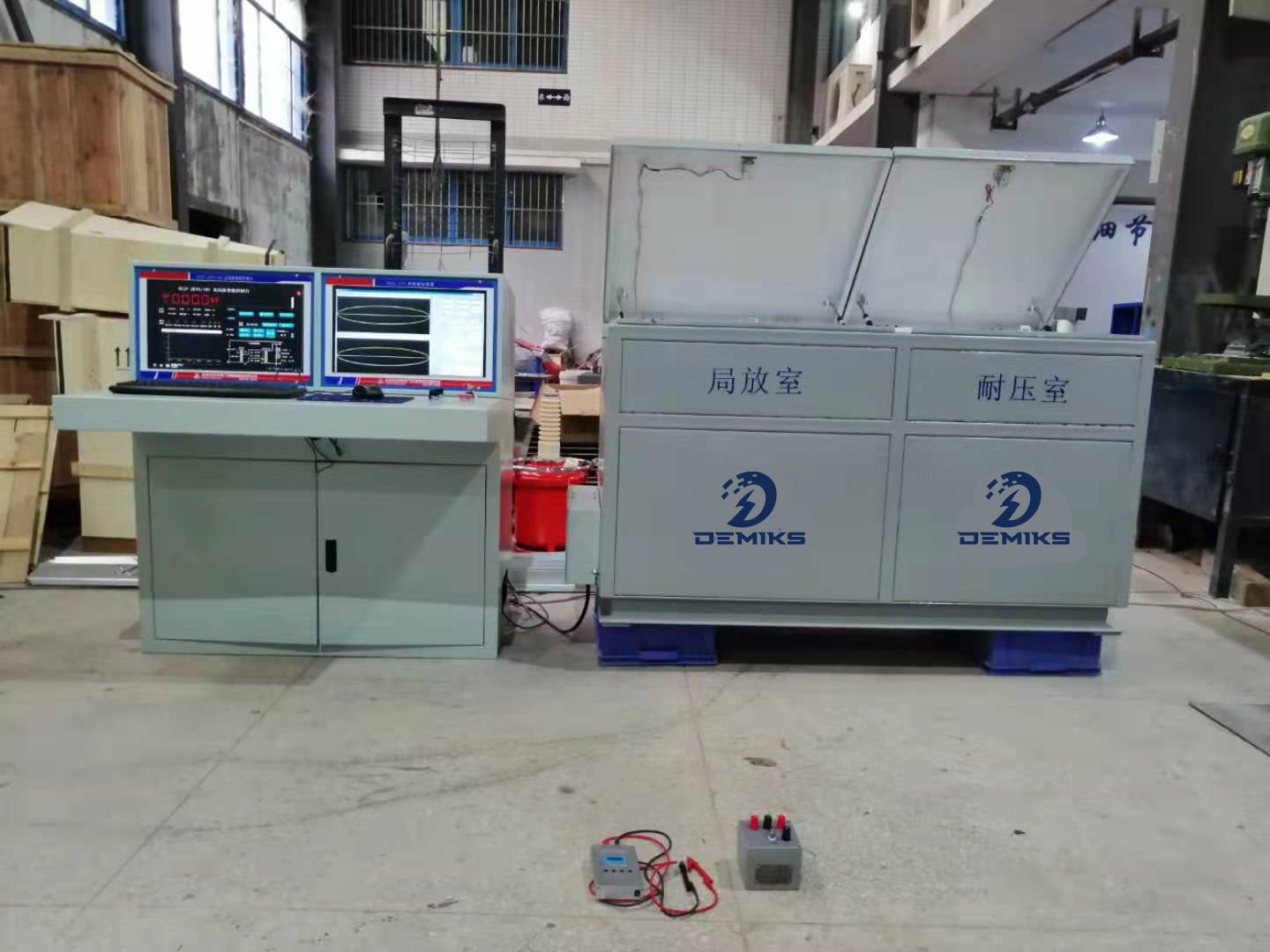
- Dielectric Strength Testing: Employ a high-voltage test bench to determine the dielectric strength of the glove—the property of the material that grants insulation from electrical charge. Place the gloves on the test machine; the appropriate voltage rating, as indicated by electrical safety standards (for example, ASTM or IEC standards), shall be applied. The observation of any breakdown or electrical discharge during the testing period shall be considered a failure.
- Marking and Documentation: Upon passing both the visual and dielectric tests, the gloves shall be clearly marked with the date of testing, expiry information, and any identifying marks to ensure that the articles have been traceably inspected in the future and comply with industry practice. An excellent record of the testing results shall be kept for future auditing and safety verification.
- Storage and Maintenance: Before being tested, gloves shall be stored in a clean room, dry, tolerably temperature-controlled, and scintillating place away from sunlight and other contaminants that could lead to potential spoilage. So, storage will keep the gloves intact for a longer service life. Also, train personnel in the correct handling and application of this material to preserve glove life and effectiveness.
Important Note: By following this methodical process, companies can ensure their rubber gloves meet the highest safety standards in electrical work environments, thereby minimizing the risks they might pose to working conditions. Regular testing would ensure compliance, reinforce the concept of workplace safety, and keep personnel safe during critical operations.
Testing Equipment and Its Uses
Testing equipments are employed to determine the reliability and safety of rubber gloves for electricians. The main objective is to find defects such as punctures, tears, or conductive paths that may impair the functioning of the glove. Some of the very basic instruments listed next, and along with them, their uses are presented:
- Air Inflation Testers: These devices detect small punctures or holes in rubber gloves. The procedure consists of inflating the glove with air and then either immersing it in water or holding it while observing pressure losses to identify any inaudible breaches that can compromise the insulation.
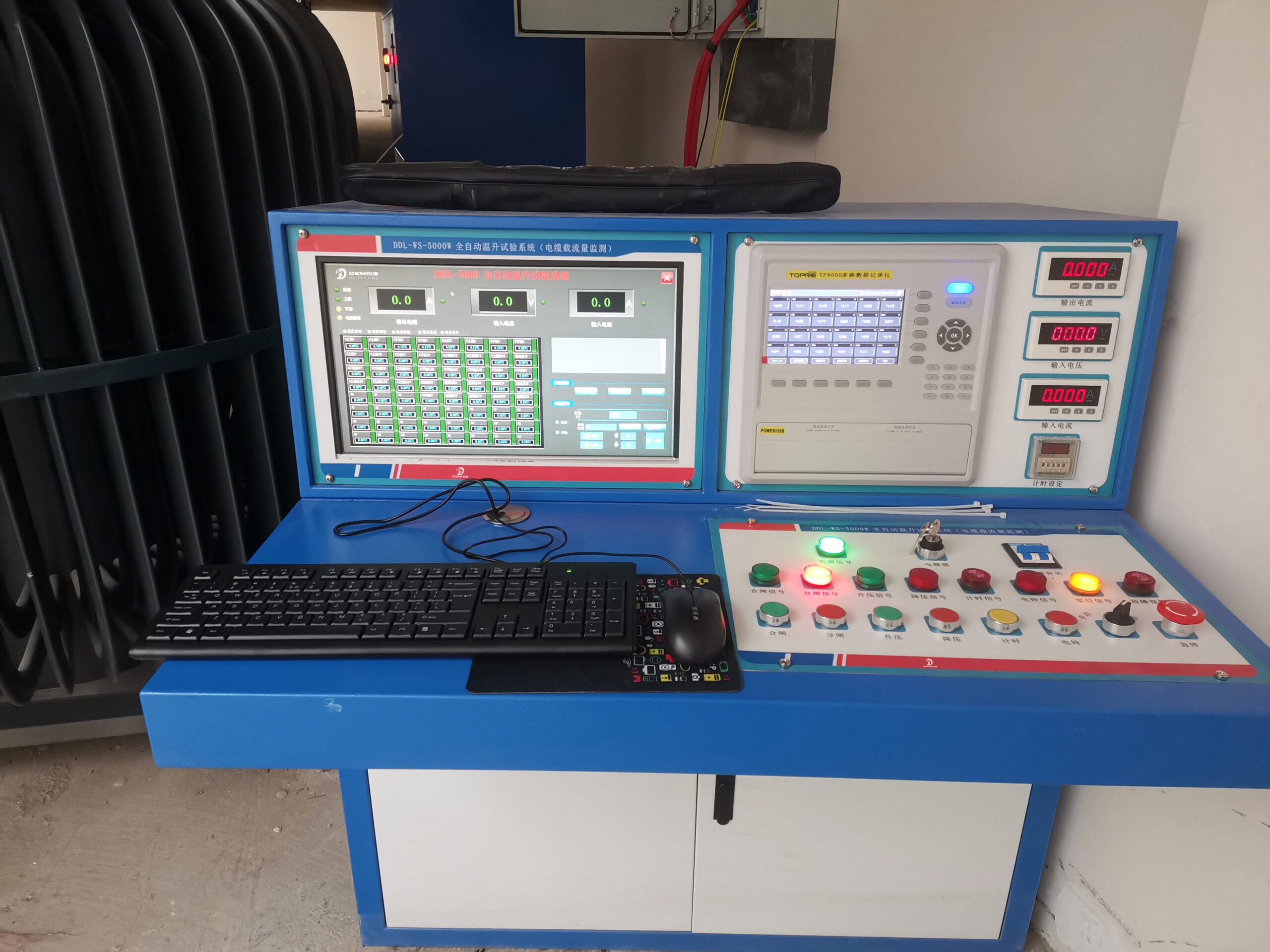
- Electrical Test Sets: These instruments check the resistance or insulation properties of the gloves by applying specific electrical voltages. Standard dielectric tests determine whether gloves can withstand the voltage ratings specified for safe use.
- Visual Inspection Aids: Magnifiers and portable lights are used for visual inspections. They identify surface wear, slight cuts, or material degradation that may not be immediately apparent but can compromise the performance of the gloves.
- Mechanical Stiffness Testers: These mechanical stiffness testers serve to determine the physical integrity and elasticity of the gloves. Any loss of flexibility or hardening of the material could indicate aging or the presence of substances that harm the property, thereby reducing its protective value.
- Conductivity Meters: These meters trace potential conductive pathways through the glove material that might otherwise develop due to wear or contamination. This equipment is critical from the standpoint of zero-conductivity performance, particularly in high-voltage scenarios.
Best Practices for Inspecting Insulating Gloves
Regular inspection of insulating gloves is necessary to ensure the operator’s safety and to comply with industry standards. Below are listed best practices to foster the integrity, along with the performance of these critical safety tools:
- Inspection Before Use: Make it a habit to inspect the insulating gloves visually just before wearing them. Look for physical damages in any form: cuts, punctures, abrasions, deformations. Surface discoloration or cracking might be evidence of material degradation, and in the end, it must compromise the protection.
- Air Inflation Test: Perform the air inflation test to locate leaks or holes. Inflate the gloves while actively listening or watching for air rushing out; this may reveal breaches that are not visible to the naked eye. Remove defective gloves from service immediately.
- Cleanliness Check: Ensure the gloves are free from dirt, grease, and chemical residues. Such contaminants may diminish their dielectric properties or increase their rate of wear and tear, both of which contribute significantly to a heightened risk of electric shock.
- Periodic Electrical Testing: Electrical testing should be carried out periodically, in accordance with OSHA standards or other applicable regulations. Such high-voltage testing certifies the insulating ability of gloves and is particularly suitable for detecting electrical failures that might go unnoticed during routine inspections.
- Proper Storage Conditions: Gloves should be kept in a cool, dry, and dark place, away from direct sunlight and sources of heat. Folding or compressing gloves causes wear and tear on the material, which should never be done. Use storage bags for the insulating gloves to hold their shape.
- Replacement and Lifecycle Awareness: Even when well-protected, insulating gloves have limited lifetimes. Always follow manufacturers’ guidelines for replacement application intervals; ensure this is done through proper documentation or tracking.
Results: Adopting best practices, such as this one, helps avoid any failure risk, thereby ensuring safety for all personnel working on high-voltage equipment. This proactive approach to inspecting gloves also ensures compliance with procedures on which the confidence in workplace safety rests.
Trends in Electrical Glove Safety for 2025
Innovations in High Voltage Testing Technology
With the increased emphasis on safety and efficiency in electricity, high-voltage testing technology is undergoing remarkable changes today. The key innovative solution is some new automated gloves; this type of computerized glove uses AI to detect micro-level degradation that would otherwise be invisible to the naked eye. In this way, it enhances the precision of tests and lets the maintenance crew identify faults before they become dangerous hazards.
Another trend is the development and use of portable high-voltage testers. These small yet powerful instruments empower field technicians to inspect sites without having to set up bulky equipment, thereby reducing downtime, increasing time for safety measures, and creating more dynamic schedules for routine safety tests.
Ever-changing real-time monitoring promotes the newer sensor technology, elevating high-voltage testing even further. These systems continued to check a glove’sIntegrity while in use so that in case of anything wrong in the process, it would alert the user. Proactive monitoring would, therefore, always secure the worker, particularly in the first stages of electrical work, where very high risk is involved.
Finally, this exploitation of data insights has become imperative in testing the technology itself. Informatics systems would now include cloud analytics co-integration to let organizations track trends in testing to optimize maintenance schedules and store reports for regulatory convenience. Collectively, toward safer, smarter, and more efficient electrical safety practices, these cutting-edge innovations describe the way.
Data on Workplace Safety Incidents Associated with Glove Usage
Workplace safety incidents related to the improper use of gloves are a significant concern for various industries. Statistics show that hand injuries occur either because gloves are not used or because the gloves used are inappropriate for the job. For example, workers often use gloves that are not cut-resistant when working with sharp tools, thereby increasing their risk of lacerations to the hands. The chances of chemical burns and irritations increase when an inappropriate glove material is selected to confront hazardous substances.
With the perception being that proper glove-wearing procedures in training can reduce hand injuries by as much as 70%, with the current technologies-among which are impact-resistant and ergonomic gloves-will surely help mitigate risks in specifically targeted industries of high hazard, namely construction, manufacturing, and chemical plants. Therefore, when a holistic approach towards safety is adopted alongside data utilization, organizations will be able to ensure the safety of their workforce while generating more profitable output and compliance.
Glove Test Protocol: Working Implementations
When testing regimes for gloves are implemented successfully and according to standards, one typically observes measurable improvements in worker safety and operational compliance. One instance is construction companies that have decided that gloves must pass puncture and abrasion resistance tests. Through such protocols, better materials for gloves were selected; thus, there was a 40% decrease in hand injuries over the course of one year, while maintaining the dexterity of the workers.
Chemical resistance test, when done periodically, may be among the main protocols in manufacturing companies. By insisting that gloves meet resistance criteria, the firms experienced a definite decrease in the incidence of harmful chemical exposure. One chemical production company, for example, saw a 50% decrease in chemical incidents after standardizing its testing regime.
In yet another success story, the laboratories and healthcare professions were first to test gloves for microbiological penetration resistance. Improved methods of testing the sterilized use of gloves, in turn, improved compliance with safety standards recognized by the industry, and therefore enhanced the trust of staff and clients.
This illustrates that, given stringent testing protocols, the implementation of appropriate protective technologies will make a significant difference in quantitative safety improvements, worker confidence, and regulatory compliance.
Choosing the Right Electrical Gloves for Linemen
Factors to Consider When Selecting Voltage Gloves
Ensuring worker safety is paramount; therefore, specific basic parameters must be taken into consideration when choosing electrical gloves for linemen. These are:
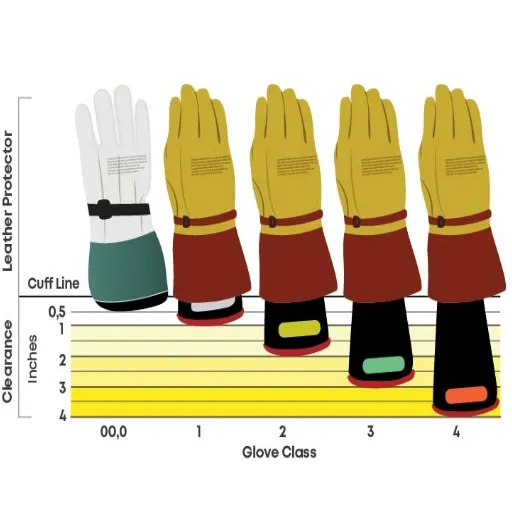
- Voltage Rating and Standard Compliance: They must be suitable for different conditions of voltage experienced by linemen. Electrical gloves are categorized by classes (e.g., Class 00 to Class 4), depending on the maximum voltage with which they can be safely employed as set by various industrial standards such as ASTM (American Society for Testing and Materials). One should always see that these gloves satisfy or exceed the standards duly set by law so that the lineman may be able to rely on these in dangerous environments.
- Material and Durability: Rubber, with all its insulating characteristics, is considered the best material for electrical gloves. However, some other qualities should also come into play: the gloves must be wear-resistant under field use, and simultaneously, they should offer dexterity. Some features to look for concerning durability include puncture resistance and strategically placed reinforcements.
- Environmental Protection: Conditions on the work site change often, meaning gloves need protection beyond just electrical insulation. Depending on the circumstances, these gloves may require features for resistance to extreme temperatures, water, oils, or various chemicals that could otherwise compromise safety or glove integrity.
- Fit and Comfort: An excellent fit plays a crucial part in dexterity and operational efficiency. Inappropriate gloves would exacerbate hand fatigue and hence incapacitate precision for a task-lending to further hazards. Gloves designed ergonomically allow the selection of an optimum balance between flexibility and protection.
- Inspection and Maintenance Requirements: The working ability of rubber insulating gloves deteriorates with regular use and requires regular testing. Purchase gloves that allow for easy inspection, which primarily means having the date of the last dielectric test stamped on them. Scheduled retesting must be implemented to prevent performance loss and to meet the plant’s working requirements.
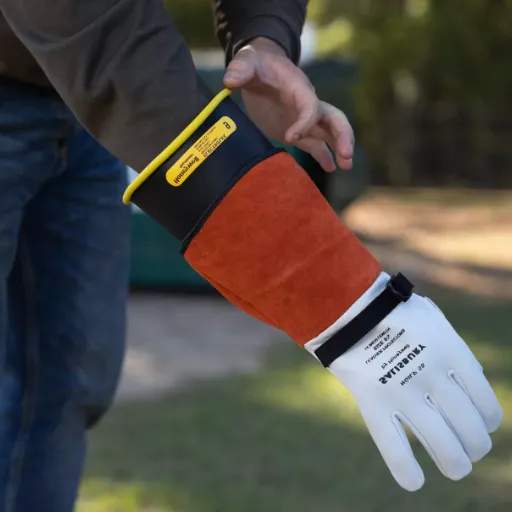
- Supplementary Protective Gear: For enhanced protection, consider a combination solution, such as leather protectors worn over rubber gloves. Leather protectors provide mechanical protection when well selected and applied, without compromising the rubber’s insulating properties.
- Budget and Longevity Considerations: Nevertheless, money is a significant factor; however, quality and safety must be prioritized higher than saving a few extra dollars upfront. Good-quality gloves with longer life usually weigh less in the long term and significantly reduce the risks posed by the cheaper, lower-grade alternatives.
Conclusion: When linemen make proper judgments considering the entire spectrum of technical parameters, they clearly mitigate the possibility of electrical accidents, ensuring comfort and productivity during field operations under varied conditions.
Comparative Analysis of Electrical Rubber Gloves
Working with electrical rubber gloves requires the distinctions amongst glove types to be clear for safety and operational efficiency. Identification of gloves is based chiefly on whether they are voltage-rated, of a particular material, or are designed ergonomically. ASTM comprises six types of gloves classified according to the greatest level of voltage protection, from Class 00, with protection for low voltages, up to 500 volts, to Class 4, for voltages up to 36,000 volts. The underlying basis of the election of gloves for given electrical work is considered to be this classification system. Other factors that affect performance in the field and usefulness include abrasion resistance, flexibility, and outer protective layers such as leather protectors.
Meanwhile, new materials have brought about changes in glove selection, with an intent toward increasing the level of comfort and durability. Natural rubber gloves being good insulators could become less flexible and wear out over time. The innovative synthetic blends present the new combination of stretch and excellent puncture, ozone, and environmental resistance. Hence, this extends glove life, decreases maintenance expense, and improves tactile feeling, critically important for delicate jobs. These materials help linemen working in extremely adverse situations of high temperature or high humidity to increase productivity while maintaining safety.
By considering not only voltage ratings but also ergonomic and material innovations, an engineer is expected to make an informed decision based on the specific design requirements. It also accounts for regulations, thereby maximizing comfort and ease of use, two factors that are paramount in a high-risk electrical environment.
Leather Protectors – A Force for Safety
Leather protectors provide the necessary safety layer to the electrical worker and the hazardous conditions. The rubber insulating gloves serve as a direct barrier. Therefore, cut-resistant, abrasion-resistant, and puncture-resistant protection must be provided to prevent any damage to the rubber gloves to the insulating capacity of those gloves. Leather protectors promote safety and are economically consequential for the longer life and reliability of the rubber gloves.
It has been proven that any electric shock can lead to the breakdown of the insulation on protective equipment. The risk can be largely eliminated by incorporating leather protectors into the general safety system, as slipperiness may cause the rubber gloves to lose their alignment when used in more demanding conditions. Ergonomic design improvements in leather protectors now enhance their flexibility and comfort, enabling workers to remain dexterous and efficient while prioritizing safety. Thus, in all high-risk environments, the acceptance of leather protectors is a significant safety measure for compliance, accident prevention, and increased confidence during operations.
Common Mistakes and Misconceptions in HV Glove Testing
Myths About Rubber Glove Lifespan and Usage
❌ Myth: Indefinite Use Based on Appearance
Sometimes it is argued. Outlet! A rubber glove can be used forever as long as it is intact on the exterior. According to my view, the mere exterior sight of a rubber glove cannot always be an assurance of safety or efficacy. Again, some internal deterioration within the material might occur, and the external parameters, such as UV radiation, ozone degradation, or the chemicals one is going to be working with, might sometimes be far beyond visibility. It is apparent that testing should indeed be done for every glove by the prescribed means, and the same glove needs to be disposed of whenever the test advises so-even if the glove appears alright.
❌ Myth: Testing Only After Incidents
A misconception I have heard is that glove testing is required only after a significant event, like a visible arc flash or extreme wear. It disregards the slow deterioration caused by the daily wear and tear that work imposes on the gloves. I personally follow best practices, including dielectric testing at fixed intervals, even if there is no apparent damage to the gloves. This way, we minimize the risk, and the gloves comply with safety standards.
❌ Myth: Any Dry Storage is Adequate
The last subject is supposed to cause vigorous discussion: the storing of rubber gloves. There exists a myth that any method is good as long as the gloves are kept dry. Proper storage, by my learning, is quite an exact science: store them in a cool, dark place away from objects that might pierce them or cause chemicals that might cause premature breakdown. Such misconceptions, if left uncorrected, might lead to the reckless disregard of safety protocols, and in this regard, I take pride in keeping abreast of happenings and passing on the word whenever I can.
Neglecting Regular Inspections and Its Consequences
Skipping regular inspections is a big error that tends to be expensive not only to the life of the safety equipment per se, but to the general safety of the working environment too. Another example: if working gloves are left unattended to, they might wear out to a state so minuscule as with small punctures, abrasion, or chemical degradation, that would hardly provide adequate protection. Some minor accidents could really need a steel sight, such as with an absolute disaster in the hands or hazardous working environment. Forgoing these inspections nullifies the vital procedure for guarantee of dependable protection.
In my experience, apart from damage identification, regular inspections also address issues such as improper storage, contamination, or even a mismatch between the equipment and its intended usage. I have experienced cases where equipment seemed fine superficially, but upon closer inspection, server vulnerabilities could have gone unnoticed until much later. By foregoing this preventative procedure, one exposes both the individuals working with the team to older risks, increases the chance of incidents, and in dire cases, risks breaches in safety codes.
Making this my top priority, I consistently implement a strict inspection regimen. It helps me feel sure about the equipment we use and thus ensures that the team lives an accountable and diligent life. With routine checks in place, we mitigate risks, extend the lifespan of equipment, and maintain high safety standards, thereby enhancing both capability and ease for everyone in their job.
Misunderstanding Voltage Ratings in Class 00 Gloves
With regard to Class 00 gloves, I think there could be voltage-rating misunderstandings that could present very significant hazards to human safety in the workplace. Right off the bat, I made it a priority to educate myself and my team on the philosophy of aptitude and confines of these gloves. These gloves fall under Class 00 and are designed for electrical work below voltage limits which would not exceed approximately 500 volts AC and 750 volts DC. Voltage rating violations practical against the gloves can lead to electrical hazards for the worker; this makes it very important to know about these gloves and their voltage rating.
To avoid these misunderstandings, clear training methods are employed, and accessible reference materials are provided that detail voltage ratings and safe-use procedures. During safety meetings, the team reviews these key points and participates in hands-on lessons concerning their practical applications. Inspection of gloves using a visual aid before delivery to the user is emphasized, as even minor damage could compromise their electrical hazard resistance. Through ongoing and around-the-clock safety education programs, the team and I maintain an up-to-date knowledge record on all aspects of electrical safety. We are trained in the use of the appropriate protective equipment.
Reference Sources
-
How to Clean and Inspect High Voltage Electrical Gloves – Divergent Alliance: Offers a detailed guide on manual inspection and testing of high-voltage gloves.
-
Dielectric Testing Process for Electrical Safety Gloves – Burlington Safety: Explains the dielectric testing process and visual inspection for electrical gloves.
-
How is Dielectric Glove Testing Done and How Often? – Facility Results: Describes the process of applying high voltage to gloves and measuring insulation performance.
-
Testing Intervals for Rubber Insulating Gloves – OSHA: Provides guidelines from OSHA on testing intervals and compliance for rubber insulating gloves.
-
Electrical Glove Sizing and Testing – JM Test Systems: Details high-voltage glove testing services and compliance with ASTM and ANSI standards.
Frequently Asked Questions (FAQs)
What is glove testing for electrical safety gloves?
The electrical service of a glove test involves the measurement of the resistance from which the insulating capacity of the glove is derived. In other words, the integrity of the glove shall be compromised by improper handling throughout the phase to check for safety standards. A very important procedure is applied to protect equipment worn by line men and electrical workers. ASTM F496 and ASTM D120 are the two standards most commonly cited in the test procedure, while testing is conducted to ensure that goodwill gloves are capable of resisting a certain voltage level. This, in turn, ensures that an electrician is working in an environment free of shock from his gloves. In the process, a higher voltage level for testing is set for higher voltage gloves so as to detect any defect which might result in an accident during use.”
What are the periodic testing requirements of insulating gloves?
Insulating gloves are to be tested every six months to confirm their presence and grounds for reliability. For high-voltage gloves, testing must be rigorous, as per OSHA regulations, to identify defects and find leakages. New gloves must be tested before use; likewise, in-service gloves must be tested to detect defects related to wear and tear. Testing must be continuous as that will keep the gloves within safety standards, which ensures workers’ protection against electrical hazards.
What classifications exist for electrical rubber gloves?
According to ASTM D120, depending on certain voltage ratings from a voltage test, rubber gloves were put in several classes. These are Class 00, Class 0, Class 1, Class 2, Class 3, and Class 4 gloves, with the voltage test differing for each of these categories: since Class 00 gloves are rated for 500 volts maximum while Class 4 gloves are rated for 36,000 volts maximum. Therefore, these grades are very important, for selecting a particular class of gloves will determine the protection afforded to a worker from shock in any electrical operation.
What is the relevance of the test date on rubber glove testing?
The test date associated with the glove testing dictates the last evaluation date for the gloves regarding safety and performance testing. This becomes an essential date in maintaining compliance with OSHA requirements, which stipulate that gloves be tested periodically. The test labs use the date to ensure that gloves are used within their safe life span. It also helps track the performance of the gloves over time and determine when they should be retested. Keeping track of test dates is one way to ensure working conditions remain safe for the user.
Where do I find ASTM standards for electrical glove testing?
The ASTM standards for electrical glove testing may be purchased from the ASTM International official website or from any safety and industrial hygiene association. The two standards considered most important for electrical gloves are ASTM F496, which pertains to testing of insulating gloves for electrical purposes, and ASTM D120, which is for rubber insulating gloves. Basically, these standards describe in detail the test procedure applied, the pressure applied with glove inflators, and limits to leakage currents. These are standards manufacturers and users should be conversant with in order to maintain compliance and ensure safety in the working environment.
What should be done upon discovering defects in one’s electrical gloves?
If you ever find a defect in your gloves, it is wise to withdraw them immediately from use. Testing is necessary-and this especially means an inspection for holes or breaks-as well as other tests for any way in which air loss or malfunction to a glove could occur in order to maintain full safety testing standards. In instances of defective gloves, they are to be reported for replacement; in some cases, these may be used without a protective layer (which could lead to life-threatening injuries). Severity of problems will pave the way for the issuance of this defect trend in order to undertake relevant testing so as to avert recurrence. With these means under their control, one would be well supported to stay in the maintenance of all necessary PPE requirements based on OSHA and ASTM specifications.