Choosing the right transformer is a crucial decision in optimizing efficiency, safety, and longevity for any organization. Two of the most commonly used transformers are the dry type and oil immersed transformer, each with its unique benefits. In this article, we will explore the construction and functionality, environmental impact, maintenance requirements, and adaptability to different conditions of these transformers. No matter your level of expertise, we hope our guide on transformer technology helps broaden your understanding and aids in proper decision making. Get ready to discover the differences between these transformers and how to determine which best suits your operational needs.
What is a Dry Type Transformer?

A dry type transformer is a system that distributes electricity and cools its core and windings by air instead of using liquid. Unlike other types of transformers, dry type does not have any flammable liquids. due to this reason it is often used in enclosed spaces such as schools and hospitals. Because of their unique design, they pose a decreased risk of fire which is ideal during long term usage in places such as commercial buildings.
Definition and Function of a Dry Type Transformer
Unlike other transformers, dry types are constructed with cores and windings that are encased in epoxy resin. These specific transformers utilize natural fan assisted circulation to controllably remove excess heat to maintain both safety and functionality.
In a systematic manner, dry type transformers function by stepping up or down voltages as per the electrical needs. While doing so, they ensure reliable power conversion and minimal energy losses, operational efficiency. The winds and cores are made of materials that ensure optimal magnetic flow and thermal expansion, making them durable under continuous operation.
Recent developments in dry type transformers have recorded increases in their insulation class rating, thermal efficiency, high reliability, and compliance to safety standards such as IEEE C57.12.01 and IEC 60076-11. Because of these factors, they are often found in data centers, renewable energy plants, commercial and critical infrastructure complexes as well as other low maintenance and high reliability zones. Additionally, the compact and low noise design enables urban and indoors mounting.
Key Features of Dry Type Transformers
- Environmental Safety
The liquids used as insulators in dry type transformers pose no health, fire or environmental safety risks. For this reason, these transformers can be placed in eco-sensitive areas.
- Low Maintenance Requirements
Compared to oil-filled transformers, dry type ones require lower maintenance because of their sturdy design and insulation systems. These advantages lower operational costs and enhance service life.
- High Efficiency
As with any type of equipment, these transformers are built to operate with minimal energy wastage. Transformers of the dry type greatly enhance the conservation of energy and reduce carbon emission with the high efficiency levels greater than 98% that they provide.
- Thermal Resilience and Durability
Due to their construction, these dry type transformers can endure thermal changes in temperature and thus work well in different environments. They also have some kinds of insulation, for example, Class F or Class H, that can withstand very high temperatures of more than 180°C.
All of these factors showcase the effectiveness and functional advantages of dry type transformers, which is why they have found use across different industries as well as in large scale infrastructure projects.
Applications of Dry Type Transformers
Because of their safety features and low maintenance requirements, dry type transformers are used in almost all industries. Let us first delve deeper into their main applications:
- Commercial and Residential Buildings
Dry type transformers are actively used in the power distribution systems of commercial and residential buildings. Their fire-safe construction makes them appropriate for any indoor location, including dense urban locations where safety is key, such as high-rise office buildings, hotels, hospitals, and shopping malls.
- Industrial Facilities
Sectors such as manufacturing, automotive production, and chemical processing frequently utilize dry type transformers for voltage regulation. Withstanding harsh dust, vibration, and ambient temperature conditions, these transformers are especially durable. Industrial efficiency also helps reduce energy costs for enduring operations while enhancing eco-sustainability.
- Renewable Energy Systems
The broader application of systems like wind and solar have planners in need of dry transformers. These transformers are a good addition to sustainability initiatives associated with renewable energy because they are less harmful to the environment and operate efficiently during changing loads.
- Educational and Healthcare Institutions
Facilities such as educational institutions and hospitals need dependable power distribution to avoid fire hazards and toxic emissions. Use of dry type transformers guarantee uninterrupted power supply in these sensitive areas and are commonly placed in laboratories, data centers, and operating rooms.
These examples and many others demonstrate the versatility and importance of dry type transformers which aid any industry regarding modern construction, assisting in any automation and ensuring minimal environmental risk and operational risk.
What’s an Oil Immersed Transformer?
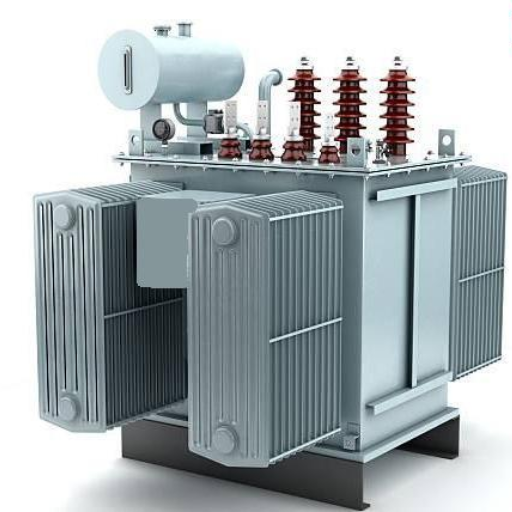
An oil immersed transformer is a type of electrical transformer that uses oil as both a coolant and an insulator. The oil serves a dual purpose as a coolant and an insulator. It removes heat from the core electrical components and overheating parts. These transformers are usually placed in a sealed tank filled with oil, which protects the core from moisture. Oil immersed transformers are popular in industrial and commercial applications because they are capable of large voltages and major power needs. Some oil transformers require regular lubrication to maintain efficient operation and extend durable performance lifespans.
Definition and Function of an Oil Immersed Transformer
An oil-immersed transformer contains parts such as the core, windings, conservator tank, breather, and transformer oil. The elecromagnetic component is comprised of the core, oftentimes placed over the windings which are made with copper or aluminum, in what is known as a silicon steel laminated structure, along with ferr16 symetrical motors sandwiched on the core. The transformer oil not only works to aid the electro conducting insulation, but also works to maintain operational temperatures in critical regions.
Key Features of Oil Filled Transformers
- Superior Cooling Efficiency
An oil filled transformer employs transformer oil as a coolant by circulating oil inside the tank which carries heat away from the core and windings, and releasing the heat through radiators. This guarantees the operation of the transformer at the desired optimum temperature even in high demand scenarios.
- Enhanced Insulation Properties
Transformer oil prevents electrical breakdown between the core and winding components and offers excellent insulation characteristics. Operational safety as well as transformer’s ability to withstand high voltage levels varies depending on the equipment, thus this dielectric strength is essential.
- High Load Capacity
Oil filled transformers have the capability of enduring large fluctuations in load. Because of this, they are designed for industrial, commercial, and utility level applications. Depending on the transformer design, these transformers can support power ratings from a few kVA to several hundred MVA.
- Robust Construction and Longevity
The sealed tank construction of oil-filled transformers protects internal components from the environment, such as moisture and dust, increasing the longevity of prompt oil-filled transformer maintenance to an estimated 30-50 years of reliable service.
These factors together allow oil-filled transformers to be extremely efficient and dependable and complex to modern industrial systems and energy distribution systems.
Applications of Oil Immersed Transformers
Due to an oil immersed transformer’s performance, efficiency, and sustained high voltage reliability, they are integral across a broad spectrum of applications. Below is a detailed list of their primary applications:
- Power Distribution Networks
Geographically, oil immersed transformers provide wide utility for electrical power distribution networks, utilizing voltage ranging from 11 kV to over 400 kV. Moreover, they are indispensable in long distance electricity transmission due to minimal energy loss.
- Industrial Operations
Moreover, these transformers are critical in industrial environments such as manufacturing plants and steel mills that use heavy machinery production lines requiring usable voltages and deem high precision engineering necessary.
- Renewable Energy Systems
Currently, oil immersed transformers have adapted for use in wind and solar power plants. They are critical in transferring electricity generated at fluctuating voltages to the grid.
- High-Rise Buildings and Commercial Complexes
What are the Key Differences Between Dry Type and Oil Immersed Transformers?
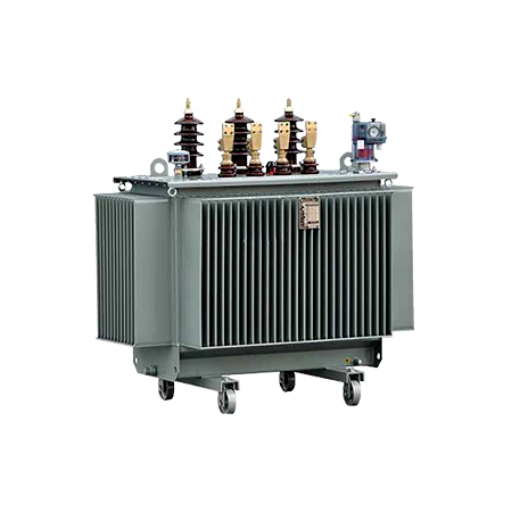
With regard to power transformers, the differentiating factor between dry, and oil-immersed is pivotal in meeting the expectations of a given industry, commercial, or renewable energy facility. The two transformer types differ in their operating principles, cooling systems, application scenarios, and each possesses unique advantages and drawbacks. Below is a comparison of dry-type and oil-immersed transformers focusing on the former’s benefits.
The main difference between the two transformers
|
Key Point |
Dry-Type Transformer |
Oil-Immersed Transformer |
|---|---|---|
|
Cooling Method |
Air-cooled, uses natural ventilation |
Oil-cooled, uses mineral/insulating oil |
|
Fire Risk |
Low, non-flammable insulation |
Higher, flammable oil present |
|
Environmental Suitability |
Ideal for indoor or sensitive environments |
Suitable for outdoor installations |
|
Maintenance Requirements |
Low, minimal cleaning needed |
Moderate, oil testing and replacement required |
|
Heat Dissipation Efficiency |
Lower than oil-immersed transformers |
High due to oil’s heat transfer properties |
|
Noise Levels |
Lower |
Higher due to oil circulation systems |
|
Lifespan |
Shorter, sensitive to high temperatures |
Longer with proper maintenance |
|
Installation Cost |
Higher |
Lower |
|
Size and Weight |
Lightweight, compact design |
Bulkier and heavier |
|
Overload Capacity |
Lower |
Higher with better thermal performance |
|
Dielectric Strength |
Limited by air insulation |
Higher due to oil’s insulating properties |
|
Environmental Impact |
Eco-friendly, no oil leakage risk |
Risk of oil leaks and contamination |
Cost Considerations for Dry vs Oil Type Transformers
When considering the cost impacts of oil-type transformers versus dry-type, there are several essential aspects that must be evaluated to ensure that an educated decision is made. In fact, dry-type transformers have a higher purchase and installation price, but tend to have operational and maintenance costs that are quite low due to having a no-oil design and lower upkeep demands. Conversely, oil type transformers are usually less expensive to purchase, but over time may incur additional costs due to maintenance, environmental oil-well, permitting restrictions, leak mitigation, and monitoring.
What are the Advantages of Using Dry Type Transformers?

- Enhanced Safety: As dry type transformers don’t utilize oil, there is no risk of fire or leakage, making them safer for housing in indoor and high-risk locations.
- Low Maintenance: Due to the absence of oil, there is no need to monitor or replace oil and thus maintenance is replaced, reducing costs.
- Eco-Friendly Design: These transformers are environmentally sustainable as they do not pose a risk of oil spills or any form of contamination which aligns with our modern day sustainability goals.
- Durability and Longevity: Increased use of advanced materials to insulate these transformers increases resistance to moisture therefore increasing the operational lifespan.
- Quiet Operation: Noise during operation is often an issue in commercial zones. These transformers have made strides to operate with lower noise levels.
Safety Benefits of Dry Type Transformers
- Reduced Fire Hazard: Unlike oil filled transformers, dry type transformers do not contain flammable liquids. These changes increase safety for populated locations and sensitive workplaces and environments. Also, the fire risk for this appliance has dropped significantly. The integrated insulation, withstanding high temperatures, adds safety even if the device is overloaded.
- Self-Extinguishing Properties: Fire safety is also improved in transformer equipment dryness as the class H or F insulation materials used are self-extinguishing, thus reducing the spread of flames in faults.
- Minimal Toxic Gas Production: Minimal emission of toxic and harmful gases such as those produced by oil filled transformers during failure makes dry type transformers unparalleled in ensuring personnel and environmental safety.
- Enhanced Mechanical Strength: The design of dry type transformers, coupled with modern insulation techniques, provides them with exceptional resistance to shifts in electricity and harsh impacts, greatly decreasing the chances of mechanical failure.
Maintenance Requirements for Dry Type Transformers
Adhering to a maintenance schedule for dry type transformers fosters their full operational life and helps with performance optimization. Despite being designed for minimal maintenance,, adhering to an organized plan allows potential problems to be identified beforehand and addressed in a timely manner. The following maintenance tasks are crucial:
- Routine Visual Inspections: Regular checks should be carried out to look for any signs of the more severe problems such as insulation failure, physical damage or dust accumulation. Over time, components may sweat due to thermal overload reduction, making them prone to overheating if not regularly monitored.
- Cleaning Procedures: Accumulated dust or dirt can be removed by soft brushes or sanitized air which is non-conductive and dry. Too much abrasiveness risks damaging flexibly insulated components.
- Thermal Monitoring: Operating temperature of the system should be measured periodically using infrared thermography. This is done to find if there are any hot spots or uneven heating which are signs of bad ventilation or defective windings.
- Insulation Resistance Testing: Routine testing ensures the insulation material is monitored and decreased resistance signals can alert to potential insulation degradation. Insulation failure requires immediate resolution in order to stabilize performance.
These steps can help improve the uptime, reliability metrics, and operational longevity of dry type transformers. Further, it is best to maintain a comprehensive log of different maintenance tasks so that the logs can be analyzed to identify patterns in operations, revisit problems that need corrective action, and optimize resolutions.
What are the Advantages of Using Oil Immersed Transformer?
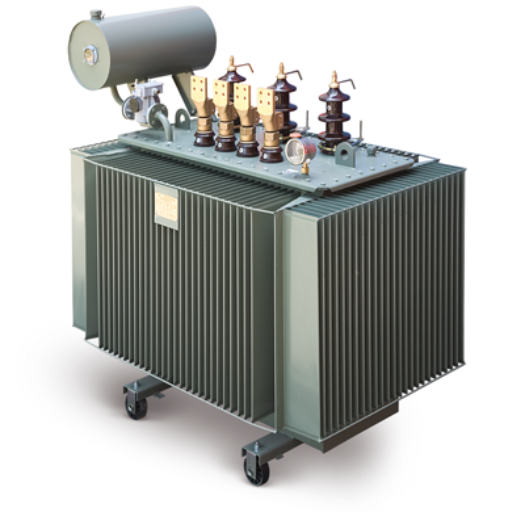
- Superior Cooling Efficiency: The oil within these kinds of transformers enhances cooling by transferring the heat from the core and the windings to the radiator or other cooling systems externally. Thus, the heat is dissipated considerably.
- Higher Load Capacity: Oil-immersed transformers have a dry type transformer counterpart, but their dry type variants cannot be compared with. The former are capable of operating at higher voltage and power levels, making them reliable for heavy-duty operations.
- Extended Lifespan: The oil minimizes internal components wear and tear by acting as a protective insulator and coolant which increases operational life.
- Improved Insulation Properties: Oil amplifies electrical insulation which minimizes risks of breakdown during high voltage operations.
- Cost-Effectiveness: For large capacity installations, they typically have a lower initial cost,. Their durability and efficiency makes them economical over time, thus offsetting costs in the long run.
Cooling Efficiency of Oil Filled Transformers
Oil-immersed transformers have unique cooling efficiency because of their thermal management system. The cooling cycle’s first phase is the movement of oil through natural convection. Cooling may also use external radiators and fans. Oil that loses heat has to discharge heat through surfaces into the transformer ventilation. Newer oil-filled transformers have special oil additives that increase the dynamic viscosity and thermal conductivity of oil. Such oils guarantee heat transfer during extreme loads. Also, deeper fins and oil pumps for large vessels make forced convection in bigger transformers, which increases cooling and allows safe performance, high load, and high reliability. Global performance tests maintained that oil-filled transformers have the best thermal control during extended periods of use, boosting reliability and lifespan while actively mitigating service periods.
Longevity and Durability of Oil Immersed Transformers
The operational lifespan and reliability of an oil immersed transformer is unparalleled to other types. These devices have been meticulously engineered for extreme workloads, with operational microelements assisting in their minutes longevity. The dielectric nature of oil used in transformers creates an insulating layer while simultaneously preventing overheating through heat dissipation. Additionally, modern insulation materials such as thermally enhanced papers and aramid-based fibers are known to greatly improve a transformer’s ability to withstand thermal and electrical damage.
Caretaking activities, testing, and routine maintenance directly influence the longevity of an immersed oil transformer. Monitoring oil quality by checking moisture levels, dissolved gases, and particulate matter aids in maintaining effective levels of insulation. Early problem detection enables proactive measures which reduces unexpected failures. Research suggests that with adequate monitoring and maintenance procedures, oil immersed transformers have the potential to thermally operate for 30 to 40 years, and in optimal scenarios, even longer.
When Should You Choose a Dry Type Transformer Over an Oil Immersed Transformer?

When it comes to safety and environment and maintenance considerations, dry type transformers takes the lead. They are best for enclosed spaces such as indoor facilities since they pose no risk of oil spills and fires. For populated areas, these transformers can be placed since there is no risk of contamination because they do not use oil for cooling. Moreover, dry transformers are cost-efficient because they require limited maintenance. For facilities with limited budget, these transformers are ideal. For industries or applications with strict regulations regarding safety, dry type transformers are the best.
Voltage Levels and Environmental Conditions
Transformers with low voltage requirements, like dry types, are best suited for industries and commercial or residential areas. Low voltage transformers serve under 1,000 volts and medium voltage ones work between 1,000 to 35,000 volts. High voltage dry type transformers are also available but they are less common. While selecting the dry type transformers, voltage is not the only factor to consider -the performance under different environmental conditions is key too.
As outdoor temperature, humidity, altitude, and even corrosive elements have an influence on the reliability of these transformers, the environment alone matters greatly. For example, in saltwater regions or in heavily industrialized environments, transformers might need special protective coatings due to salt or chemical corrosion which is prevalent there. Moreover, extreme temperatures require a design that ensures thermal stability so that overheating and insulation degradation do not occur. Modern dry type transformers are built to adhere and withstand international standards.
Specific Applications for Dry Type Transformers
An example of one of the first impacts an organization would face would be in residential and commercial buildings. These buildings require dry type transformers to aid in the minimized risk of fires due to their lack of flammable insulating liquids, therefore providing efficient energy distribution. Also, in comparison to other types of transformers, dry types offer better safety, performance, and greater flexibility in terms of the environment.
In renewable energy systems like solar and wind, dry type transformers are critical in changing voltages to appropriate levels for grid access. These structures need to be placed far away from the main power systems and therefore, these projects demand outdoor setups, making them more vulnerable to high humidity and temperature variations, which makes dry type transformers a perfect fit.
Moreover, they are routinely utilized in industrial settings such as manufacturing and data storage facilities for the supervisory control of complex systems and sophisticated computers. Due to low noise emissions alongside milder excess capacity stresses, dry type transformers are appropriate for environments where whisper-quiet operations are critical.
Reference Sources
-
Comparison of Electrical Parameters of Oil-Immersed and Dry-Type Transformers Using Finite Element Method (2018): This study evaluates the electrical performance of oil-immersed and dry-type transformers, focusing on parameters like flux density, electric field intensity, and voltage distribution.
-
Cost Optimal Design of a Single-Phase Dry Power Transformer (Year not specified): This paper highlights the advantages of dry-type transformers, such as hazard-free operation and lower maintenance requirements, despite higher initial costs.
Frequently Asked Questions (FAQs)
Q: What is the main difference between a dry-type transformer and an oil-filled transformer?
A: The main difference is in their insulation methods. A dry-type transformer uses air as an insulating medium, while an oil-filled transformer uses insulating oil for cooling and insulation.
Q: What are the advantages of using a dry-type transformer?
A: Advantages of a dry-type transformer include lower maintenance costs, reduced fire hazard, and no need for oil handling or containment. They are also more environmentally friendly.
Q: What are the disadvantages of oil-filled transformers?
A: Disadvantages of oil-filled transformers include potential environmental hazards due to oil spills, higher maintenance requirements, and the need for an oil conservator to manage the insulating oil level.
Q: In what applications would you use a dry transformer?
A: Dry transformers are commonly used in indoor installations, commercial buildings, and areas where fire safety is a concern, such as hospitals and schools.
Q: How does the cooling mechanism differ between dry-type and oil-filled transformers?
A: A dry-type transformer is cooled by air circulation, while an oil-filled transformer is cooled through the circulation of insulating oil, which absorbs heat from the transformer windings.
Q: Can you explain the advantages and disadvantages of dry-type vs oil type transformers?
A: Dry-type transformers offer advantages such as lower fire risk and maintenance costs, while oil-filled transformers generally have higher efficiency and better cooling properties. The choice depends on the specific application and environment.
Q: What are the common types of transformers used in industry?
A: Common types of transformers include dry-type transformers, oil-filled transformers, and liquid-filled transformers, each with unique applications based on their cooling and insulation methods.
Q: Are dry-type transformers more efficient than oil-filled transformers?
A: Efficiency can vary based on design and application; however, oil-filled transformers typically have a slight edge in efficiency due to better cooling, while dry-type transformers are favored for safety and maintenance in certain environments.
Q: What factors should be considered when choosing between a dry-type transformer and an oil-filled transformer?
A: Factors to consider include installation environment, fire safety regulations, maintenance capabilities, cooling requirements, and the specific load characteristics of the application.
Q: How does the installation process differ for dry-type and oil-filled transformers?
A: The installation of a dry-type transformer is generally simpler and requires less space since it doesn’t need an oil containment system, while an oil-filled transformer requires careful handling of the insulating oil and additional safety measures.