In today’s rapidly paced industrial scene, multimeters are considered essential tools. High-accuracy instruments built to measure and analyze electrical parameters in high-voltage systems are designed to provide efficiency, reliability, and safety in critical missions. Applications range from power plants to advanced manufacturing industries, covering a broad spectrum of industrial sectors in response to growing demands for accurate diagnosis and maintenance of complex electrical systems. The present article discusses how high-voltage multimeters work for modern industries and how much they contribute to productivity, reduced downtime, and sustaining adequate operation differentiation. So, stay tuned, eyes open, as we lay bare the road toward the future of electrical testing and compliance being forged by these proficient devices.
Understanding High Voltage Measurement
What is a High-Voltage Multimeter?
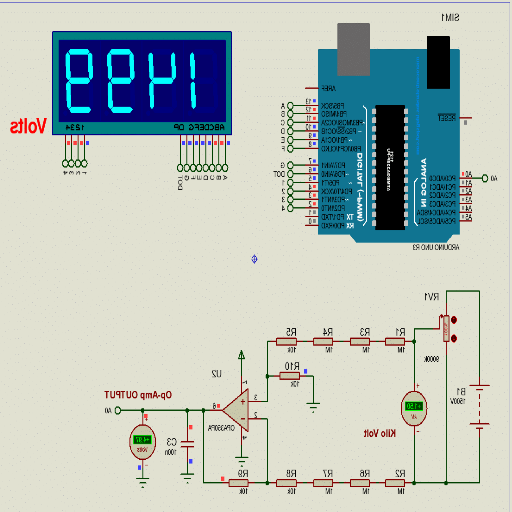
Printed circuit boards containing high-voltage instruments are the most complex of all electrical instruments in their design. A high-voltage multimeter is an instrument designed and built specifically for testing and measuring electrical quantities, such as voltage, current, or resistance, within a high-voltage environment —generally anything above 1000 volts. Typical multimeters cannot cope with the increased electrical risks; therefore, high-voltage metering instruments offer better insulation and a rugged construction, along with other safety features. Multimeters measuring high voltage find application in testing industries such as power generation, transmission, and heavy manufacturing, where accurate measurement is crucial for maintaining system stability and performance.
High voltage instruments today come with digital displays, are auto-ranging, can log data, and connect with software programs to aid users in analyzing trends and producing detailed reports. Designed with ruggedness and accuracy for heavy-duty applications, these testers are used for inspecting transformers, switchgear, high-voltage lines, and other similar equipment.
Similarly, safety certificates, such as those meeting CAT IV requirements, provide users with confidence that these instruments have been tested against international standards, thereby protecting against electrical accidents. Focusing on precision features and ergonomic designs, high-voltage multimeters accelerate maintenance work, thereby reducing downtime and, in turn, enhancing operational safety. These are vital instruments for the modern electrical world, whether for isolating and solving a trouble in a faulty system or for inspection.
Importance of Voltage Measurement in Industry
Voltage measurement holds importance in operational productivity and the safety of industrial systems. It enables technicians to closely monitor electrical systems and verify that equipment operates within defined parameters. Proper voltage measurement ensures the proper functioning of equipment, promotes energy efficiency, and prevents hazards such as electrical overload or short-circuit electric faults.
For instance, in industries such as manufacturing or power generation, voltage parameters are monitored in machines to identify abnormalities before maintenance becomes excessively expensive. With the advancement in technology, today’s voltage measuring instruments are characterized by digital accuracy, wireless connectivity, and on-the-go analysis. These breakthroughs enable the immediate diagnosis of electrical abnormalities, thereby expediting decision-making and increasing productivity while saving costs. Accurate information on voltage improves energy efficiency, complies with safety regulations, and ensures continuous operations.
Common Applications of High Voltage Testing
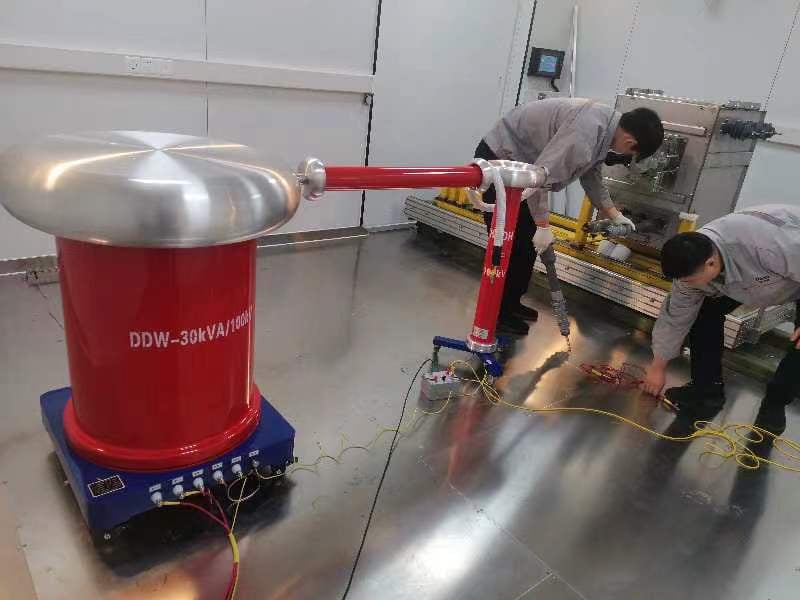
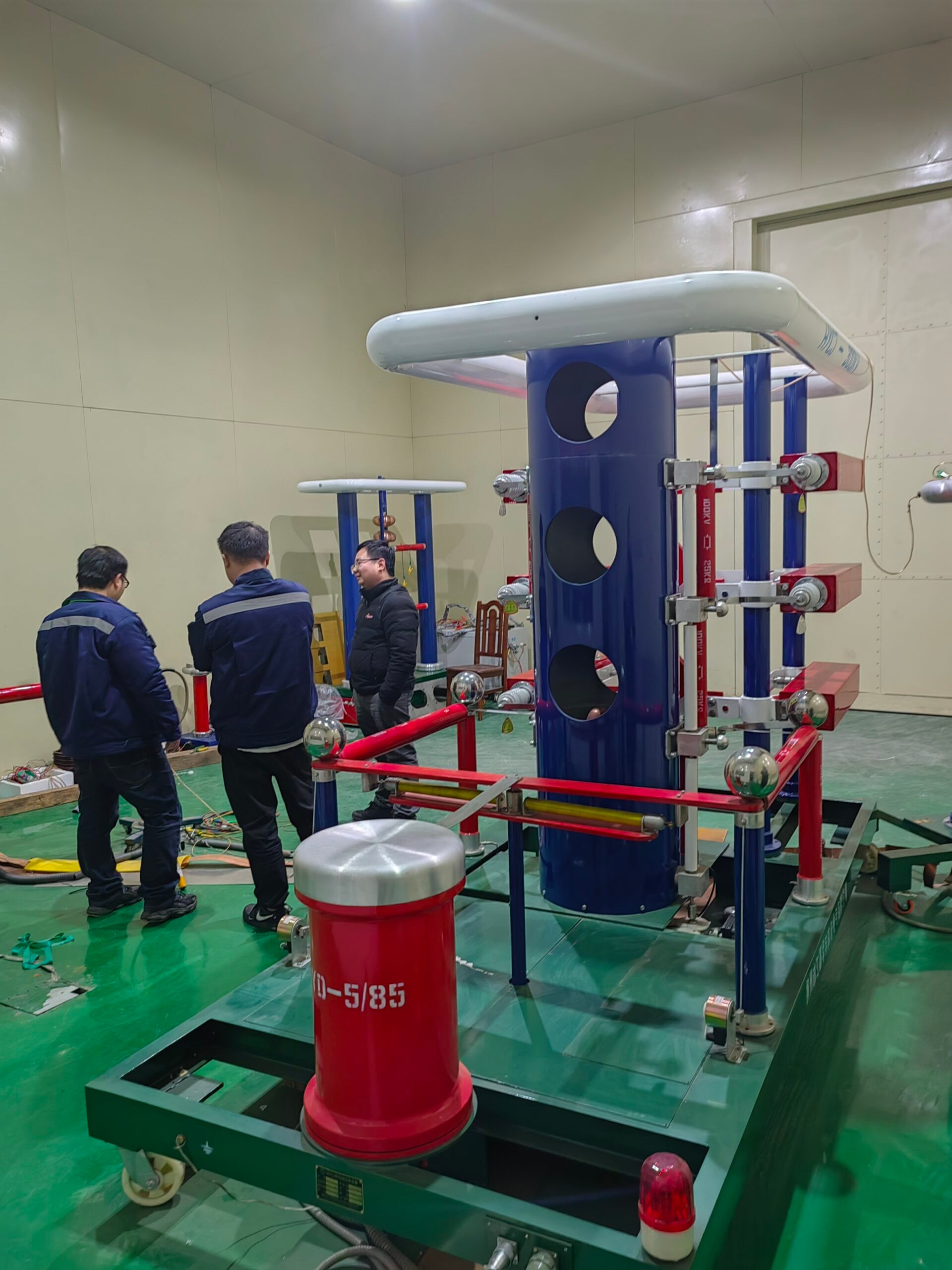
Electricity is high voltage when an electrical process is involved in building stimuli for the development of postlines. High-voltage testing plays an essential role in ensuring the reliability and quality of power systems and their components, as well as in perfecting their capabilities. Mentioned below are some of the most common applications:
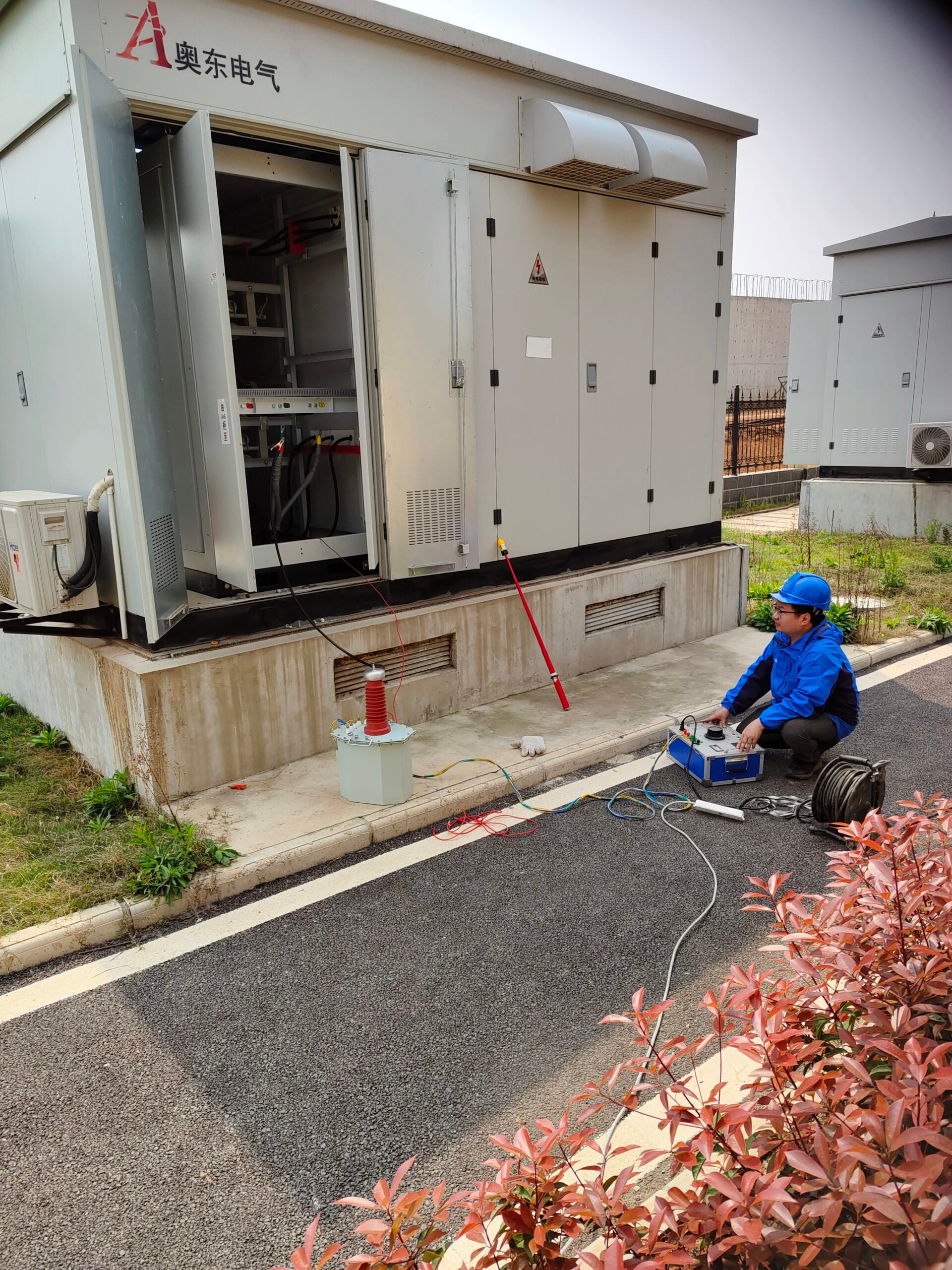
Maintenance and Assessment of Power Grid: High-voltage testing is crucial in evaluating the potential of power transmission and distribution systems. The test is designed to identify issues arising from insulation degradation, manipulation, partial discharge, or power line faults, which can result in considerable energy losses or outright outages. High-voltage testing on various components, such as transformers, circuit breakers, and insulators, is often neglected in favor of other maintenance efforts to enhance the grid and ensure its reliability and availability.
Cable Testing and Certification: Underground and overhead power cables undergo high-voltage testing and certification to determine their ability to withstand operational stresses. Tests such as Very Low Frequency, VLF, and DC hipot-type tests are often employed in certifying that cables fulfill industry standards, whilst pinpointing defects that would impede their operations in the long run.
Electrical Equipment Manufacturing: High-voltage testing plays a critical role in the testing process during the manufacture of devices such as switchgear, motors, and generators. Testing, such as dielectric withstand and insulation resistance, is conducted by manufacturers to validate the performance of a particular design against established regulations, ensuring it can be safely used in high-stress environments.
Aerospace and Defense Systems: Aerospace and defense systems utilize high-voltage testing for avionics, radar, and communication subsystems. These systems require extreme environmental conditioning, ranging from high altitudes to fluctuating electromagnetic fields.
Renewable Energy Systems: Now that renewable energy sources are being harnessed, wind turbines, solar inverters, and energy storage systems undergo high-voltage testing. This ensures that the system performs well and safely in situations with fluctuating voltage loads, promoting clean energy infrastructure.
Research and Development: Laboratories and R&D centers perform high-voltage testing to test the outer limits of designing electrical materials and systems. Experiments pave the way for new insulation materials, lightning strike simulation profiles, and voltage control strategies, which are then applied and developed into next-generation technologies.
Transportation and Electric Vehicles (EVs): This tremendous enhancement in the EV and electric public transportation system has increased the demand for high-voltage testing. Testing of EV batteries, chargers, and electrical subsystems is conducted to ensure they meet the highest standards of safety and performance, thereby conforming to an extremely stringent set of industry standards.
By integrating modern methods of high-voltage testing, these industries can not only identify potential problems but also implement upgrades to their infrastructure in the name of efficiency, safety, and sustainability.
High Voltage Probes and Their Specifications
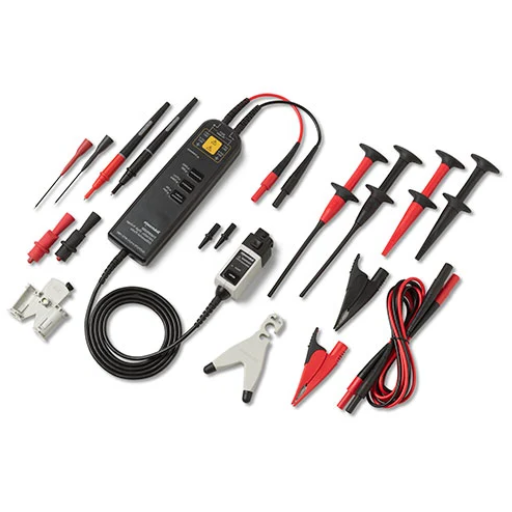
Overview of High Voltage Probes
High-voltage probes are specialized tools used to measure or analyze high voltages in various applications, such as research labs or industrial processes. They act by safely stepping down high-voltage signals to lower voltages that standard measurement devices, such as oscilloscopes or multimeters, can measure.
High-voltage probes are available in various configurations, including passive, active, and differential probes. The worthiness of a passive HV probe lies in its strength and affordability, as it utilizes a resistive divider to attenuate the voltage. Active probes, however, have advantages in performing measurements at high frequencies since they incorporate the use of an amplifier and compensation circuits. Differential probes help measure the voltage difference between two points in a high-voltage system while ensuring galvanic isolation and minimizing common-mode interference.
Top-ranked, high-voltage probes ensure a wide measurement range exceeding hundreds of kilovolts, along with high bandwidth for capturing fast signal transients. The critically essential specifications, when comparing probes, are voltage ratings, attenuation ratio, input impedance, and bandwidth. For instance, a typical high voltage probe may have an input impedance of 100 MΩ with an attenuation ratio of 1000:1, which would provide accurate measurements reliably while protecting measuring instruments connected to it.
Modern probe technology does guarantee safety and ease of use through insulated housings, ergonomic designs, and noise reduction via integrated filters. Such advances address the needs of the electric vehicle, renewable energy system, and manufacturing industries, where high-voltage systems have become increasingly prevalent. Employing the proper high-voltage probe ensures that operators have the best diagnostic accuracy, compliance with industry standards, and long-term reliability of critical electrical systems.
Features of Fluke 80K-40 High Voltage Probe
The Fluke 80K-40 High Voltage Probe is designed for safe testing up to 40,000 V DC and 28,000 V AC RMS, making it indispensable for professionals working with high-voltage systems. The rugged construction of the probe features a high-impedance voltage divider, which provides critical voltage reduction to enable accurate voltage measurements when coupled to standard multimeters or other measuring devices. This probe also features a molded body constructed from an insulated material, ensuring safety while in use, as well as excellent reliability.
A notable benefit of using the probe is its ergonomic design, which allows for comfort during extended measurement sessions. Additionally, with its long probe body, it distances the tester from the high-voltage source, thereby reducing the risk of shock from an accidental stimulus. The frequency response extends to 1 MHz, thereby supporting operations in almost all types of applications, including laboratory testing, maintenance, and troubleshooting in high-voltage environments. This tool meets safety standards such as IEC/EN 61010, which validates the safety of the test instrument.
Through these features, the Fluke 80K-40 High Voltage Probe is undeniably helpful in meeting the needs of someone requiring precise, reliable, and safe measurements in demanding electrical testing conditions.
Specifications to Look Into While Selecting the Probe
Some critical specifications should always guide your selection of a high-voltage probe to ensure maximum accuracy, safety, and performance. Below are some important considerations:
Voltage Range: A probe’s maximum voltage rating is among the most important criteria. Be sure the probe can handle the actual voltage levels you intend to measure. For instance, the Fluke 80K-40 High Voltage Probe is rated to perform voltage measurements of up to 40 kV DC or peak AC, thus making it an ideal choice for many high-voltage applications.
Input Impedance: High input impedance limits probes from loading the circuit being measured. This enables you to obtain accurate readings that do not compromise the system’s performance under test.
Frequency Response: The frequency response of a probe determines its ability to measure specific signals, including fast transients or low-frequency waveforms. Using a probe suitable for the signal spectrum will give you confidence in the reliability of your data.
Safety Standards: These certificates ensure that the probe has undergone rigorous safety and reliability testing in high-voltage environments.
Accuracy and Resolution: Evaluate the accuracy specification to secure measurements within acceptable tolerances for your applications. High-resolution probes become particularly important when testing systems that require precision.
Connector Compatibility: Check whether the probe connectors are compatible with your testing equipment. Some are specialized to connect to oscilloscopes; others may be compatible with multimeters. Hence, your verification prevents non-integration problems.
Durability and Build-Quality: High-voltage environments present extreme demands. Seek probes fabricated from robust materials, thermally stable, and that have adequate insulation for long-term use and safety.
Ease of Use: Ergonomics, lightweight design, and clear scale readability enhance usability, particularly during prolonged testing periods.
Factoring these specifications will enable you to select a high-voltage probe with confidence that matches your requirements, while simultaneously ensuring measurement accuracy and safety during operation.
The Role of Multimeters in High-Voltage Applications
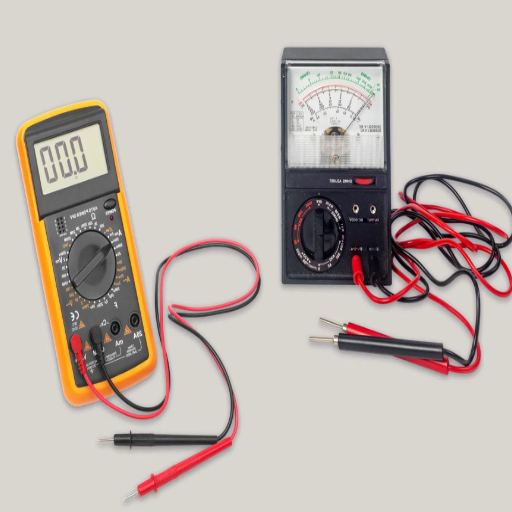
Types of Multimeters Used for High-Voltage Testing:
During high-voltage testing, selecting the appropriate multimeter is crucial for both the accuracy of the readings and safety. The multimeters mostly corresponding to the following categories are designed for such applications:
Digital Multimeters (DMMs): Due to their precision and stability, DMMs are the most widely used instruments in the industry. These DMMs can measure various functions, including voltage, current, and resistance. High-end DMMs for high-voltage testing are specifically designed to have reinforced insulation, high input impedance, and overload protection, enabling safe measurement of voltages in the kilovolt range. Some of its advanced features include True RMS measurement, which is particularly useful for handling complex waveforms in high-voltage AC environments.
Analog Multimeters: Although seldom employed in the modern high-voltage arena, analog multimeters remain ideal for measuring slowly changing voltages. The needle-based display provides a continuous reading that aids in observing varying signals. Heavy-duty high-voltage models are available with specially designed probes for measuring accuracy and durability.
Automotive Multimeters: Automotive multimeters are explicitly designed for use in automotive electrical systems, but some models are equipped to perform high-voltage testing under certain circumstances. These meters are rated for high DC voltages and are therefore best suited for high-voltage testing in electric or hybrid vehicles, where the voltages exceed standard levels.
Insulation Multimeters: The devices that combine the functions of a standard multimeter with insulation resistance testing are valuable for testing high-voltage equipment, such as transformers, motors, and cables. An insulation multimeter typically features safety systems designed for high-voltage applications (e.g., double insulation and warnings for overvoltage) that provide maximum operator protection.
High Voltage Multimeters for Specialized Work: Exclusively designed for high-voltage work, they are well-protected with barriers for high voltage, featuring extended voltage ranges often exceeding 20 kV, and with extraordinary accuracy even in extreme environmental conditions. These robust instruments are designed to minimize the impact of environmental factors, such as temperature and humidity, that typically affect measurement accuracy.
Depending on the particular application, the required measurements, and the need for safety, an appropriate multimeter for high-voltage testing must be selected. Evaluation of device specifications, such as the maximum rated voltage, True RMS feature, and added capabilities like data logging for improving operational efficiency, as well as extra performance features, is necessary to ascertain compatibility with industry standards.
Advantages and Disadvantages of Digital Multimeters
Digital multimeters (DMMs) are versatile instruments that have earned their place in all types of electrical testing where precision is of paramount importance. The greatest strength lies in the ability to measure voltage, current, resistance, and many other parameters quickly and accurately. Many contemporary DMMs feature auto-ranging functionality, which automatically selects the correct range for any measurement taken. They are also often equipped with backlit displays for use in low-light conditions. Such modern instruments provide measurement capabilities for frequency and capacitance and incorporate data logging for lengthy data scrutiny.
Their high frequency and high precision application, however, is the application environment in which they proved to be limited. Intrinsically, the internal batteries used in most of these devices should be managed very well, because if the battery level drops during critical operations, it can sometimes affect accuracy and compromise it. The environment in which most measurements occur is high energy; thus, another consideration is that the DMM should be protected against voltage spikes, which requires a well-certified DMM with an overvoltage category (CAT) rating.
Understanding the advantages of the DMM while being aware of its weaknesses should help one choose the correct tool from the various options available for the task at hand, thereby ensuring a safe working environment and accuracy in data collection.
How to Properly Use a Voltage Meter
To obtain accurate readings and ensure personal safety during electrical work, it is essential to be well-versed in the correct use of a voltage meter. Select the voltage range on the meter that is higher than or equal to that of the circuit being tested. With an auto-ranging meter, this step is not necessary, as the meter performs it automatically. Inspect the test probes and leads for signs of wear or damage. Do not use any that are damaged because they may give false readings or could be dangerous.
Measurement of voltage should involve attaching the probes to the test points correctly. The red probe usually connects to the positive test point or the live wire, while the black probe connects to its negative counterpart or ground. Hold the probes only by their insulated parts, and never touch the bare metal tips when taking a reading. Always test AC voltage in live circuits. For DC voltage, turn on the electrical appliances whose voltage output will be measured. Once the measurements are referred to, set the meter back to the off position to conserve battery life and increase usability.
Ensure that you follow safety regulations, wear insulated gloves in high-voltage environments, and never test a bare wire without taking proper precautions. Know your voltage meter’s maximum input voltage and category rating (CAT), so you can be assured that it is capable of handling the electrical load and poses the least risk when misapplied.
Safety Procedures in High Voltage Testing
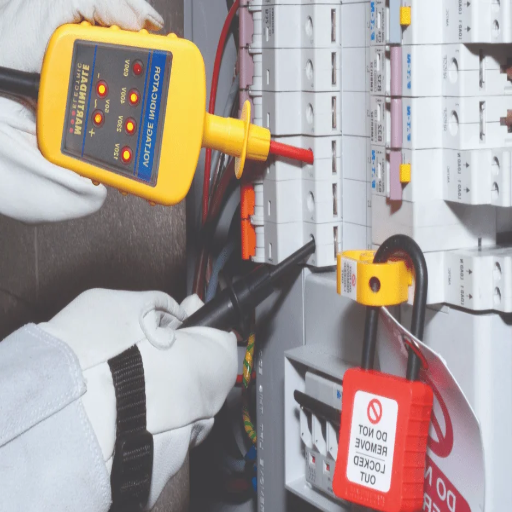
Safety Gear and Equipment
Using safety gear and equipment is crucial to ensure that nothing goes wrong and nobody gets harmed while working with high-voltage systems. Insulated gloves and footwear are necessary to prevent people from electrical shocks, especially when there is a possibility of coming in contact with live parts. Safety glasses or face shields protect against potential threats, such as electrical arcs or debris.
Inspect tools before use. This includes tools used for high-voltage work, which must be adequately insulated to avoid accidental contact with an energized component. They must conform to industry standards, as specified by ASTM or IEC ratings, which guarantee their reliability when working with high voltages. Grounding clamps and insulated mats provide an additional layer of protection when the operator works in a controlled environment. Ensure your safety gear is always in good condition by inspecting it frequently for wear and tear, and replace it as necessary to maintain maximum protection.
Best Practices for High Voltage Testing
High-voltage testing is essential for the safety and proper functioning of the electrical system. Following advanced best practices establishes that correctness is maintained and risk is lowered. Calibration of testing equipment, therefore, must be performed regularly to maintain its accuracy and ensure compliance with industry standards, such as those of IEEE and IEC, thereby helping to yield accurate results. Employ monitoring of conditions, such as partial discharge detection or thermal imaging, to foresee and mitigate potential hazards that could cause harm and drawbacks.
During the test, isolating your equipment under test (EUT) from other systems is crucial to avoid unintentional connections or damage. Use automated testing systems wherever applicable to further enhance the reliability of the test and reduce human errors. Keep environmental controls, such as humidity and temperature, in check, as these parameters significantly impact the measurements. For example, high humidity levels can increase surface leakage currents, yielding flawed results, whereas temperature variations can affect insulation resistance measurements.
Everything related to the test methods and results should be thoroughly documented, including environmental conditions, equipment details, and precise readings. This information will serve as documentation for future analysis and review. Additionally, ensure that all individuals involved in the testing have undergone extensive safety training and familiarization with the testing protocols, thereby promoting consistent accuracy and alertness. Together, these steps ensure consistent and great results during high-voltage testing.
Common Hazards and How to Avoid Them
High-voltage testing environments pose several hazards that can endanger human safety if not adequately addressed. One of the most significant hazards is electric shock, which can originate from a lack of grounding or direct contact with a live part. It is advisable to conduct double-checking procedures, keep up the integrity of insulation, and use appropriate PPE such as rubber gloves and boots. Arc flashes pose another common and aggressive hazard; they originate as a sudden release of energy that occurs due to an electrical fault. Sometimes the flash would inflict severe burns on a human and disfigure an operation in a matter of milliseconds. Prevention of arc flashes comes with maintenance of the safe working distance, never servicing any equipment that is energized, and always using appropriate protective gear that complies with the standards.”
Other hazards that may be of consequence include the effects of electromagnetic fields during high-voltage testing. Long-term exposure may entail numerous health hazards, whereas engineering controls, such as shielding and distance barriers, become measures for minimizing exposure to EMFs.
Finally, in physical hazards, slips, falls, and trip hazards are common occurrences in testing sites due to cluttered grounds or poorly maintained sites. Strict adherence to housekeeping standards will help eliminate these hazards, including proper cable management and marked walking paths. These preventive measures help facilities significantly improve in safety and provide the best working conditions for high-voltage testing.
Future Trends in High Voltage Measurement Technology
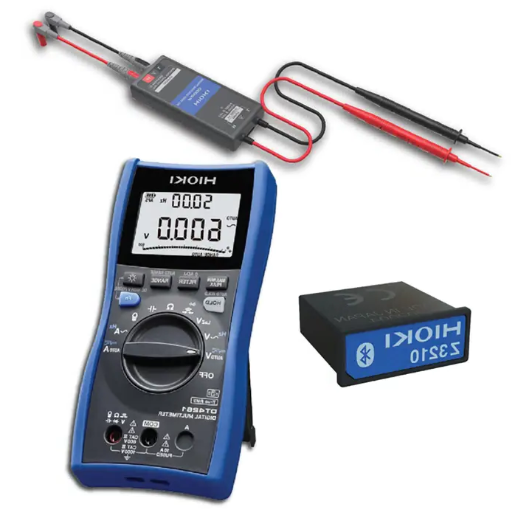
Innovations in Multimeter Technology
In my opinion, innovation in multimeter technology is revolutionizing the measurement of high voltages. Modern multimeters, in addition to voltage and current measurements, offer other features such as automatic data logging, Bluetooth connectivity, and onboard diagnostic capabilities. These improvements enhance the precision of measurements and transform workflows for quicker troubleshooting and analysis of complex electrical systems. From my experience, these additional capabilities significantly reduce testing time and minimize human errors, which is of utmost value in a high-risk environment.
The other major trend will be the incorporation of AI-driven analytics in multimeters. This type of analysis is conducted through the instrument, which translates electrical data to inform maintenance activities. This disruptive trend has allowed the maintenance industry to undergo drastic changes, shifting from a reactive-based service to a proactive one, resulting in improved system reliability and uptime for professionals like myself. Additionally, many of the newer devices feature very intuitive user interfaces and augmented reality overlays that further enhance usability and safety, particularly for operators working in challenging or hazardous environments.
In general, innovation in multimeter technology has never been in better alignment with the requirements of a rapidly changing industry. Through permanent connectivity, intelligent diagnostics, and enhanced durability in harsh conditions, the new technology enables us to operate high-voltage systems more efficiently and safely. I am excited about witnessing the further evolution of these tools, which will make operations less strenuous and set new standards in electrical measurement.
The Impact of Digitalization on Voltage Measurement
Digitalization has undergone a drastic transformation in the field of voltage measurement. From my point of view, the onset of digitization and the deployment of modern technologies in this field have contributed not only to increased accuracy but also to boosted efficiency in data collection and analysis to an unprecedented extent. Today, with the advent of several digital mechanisms, complex data inputs have been computerized to the point where all routine affairs previously relied on manual methods, resulting in numerous avoidable discrepancies and the consumption of valuable time. Consequently, this perspective paved the way for professionals to focus heavily on decision-making processes that matter, rather than on trivial tasks. Ultimately, this has pushed productivity and precision to newer heights in almost all domains.
Another foremost value brought about by digitalization is the provision of accessible data in real-time. Through connected devices and cloud-based systems, voltage measurement data can be instantly monitored and shared across teams and other stakeholders, leading to enhanced communication and collaboration. This keeps all players connected to essential insights, generating immediate responses to potential developments in the resolution of safety standards. On the other hand, AI-aided analytics continue to provide deeper insights for system performance optimization and predicting maintenance possibilities.
To me, digitalization has never redefined the conceivable with voltage measurement. Experts are currently empowered to achieve utmost accuracy, efficiency, and reliability through the use of modern, cutting-edge technologies combined with straightforward systems. Looking forward, I am confident that newer innovations in this field will reveal more groundbreaking features for voltage measurement standards, ensuring they continue to be a valuable asset in modern industrial applications.
Forecasting for High Voltage Testing
The future of high-voltage testing will see processes streamlined through automation and AI technologies. With ongoing developments in innovative technologies, the very integration of AI diagnostics and predictive analytics will bring higher precision and efficiency to the conduct of high-voltage testing. The automated systems will, in essence, ensure greater simplicity in working through the complexities of testing procedures, with significantly reduced opportunities for human error and more timely results that one can rely on. These will be key on occasions that demand large-scale testing or 24-hour monitoring.
An exciting opportunity exists in the evolution of portable and wireless test equipment. This will create a flexible and portable system that enables operators to conduct tests in varied work conditions without compromising accuracy. Furthermore, I see advancements in sensors bringing enhanced abilities for real-time data collection and remote monitoring, providing comprehensive insights, and taking instant action as soon as an abnormal behavior is detected.
Next, an emphasis on sustainability will foster the development of environmentally friendly test equipment and services. Test equipment, from an energy conservation perspective to testing systems with the least environmental impact, will be the first lifeline for the next generation of high-voltage testing. The result of such technological breakthroughs is that they will ensure that high voltage testing addresses the technological needs of the far future while simultaneously solving societal issues.
Reference Sources
- Fluke 80K-40 High Voltage Probe – Discusses high voltage probes and their applications in measuring up to 40,000V.
- What Equipment Is Used To Measure High Voltage? Explains the use of digital and analog multimeters for high-voltage measurements.
- How to Measure High Voltages with a Multimeter – Provides practical examples and techniques for using multimeters in high voltage scenarios.
- High-voltage Multimeter – All Industrial Manufacturers – Features industrial-grade high-voltage multimeters and their functionalities.
- Analog Multimeter with High Voltage DC and Battery Check – Highlights a multimeter with high voltage DC measurement capabilities and additional features.
Frequently Asked Questions (FAQs)
What can you measure with high-voltage multimeters?
A high-voltage multimeter is primarily used to measure high voltages in various fields, such as power distribution and electrical testing. The multimeters are equipped to measure both AC and DC voltages and provide the exact readings when working with high voltages. Often, a high-voltage probe is used in conjunction with the multimeter to increase the voltage measurement limit and ensure a safe measurement. In the case of these multimeters, high voltage levels, generally up to 40 kV DC, can be measured, hence making them suitable for testing electrical equipment and systems. These ensure that potential high-voltage systems operate efficiently and safely.
How does a high-voltage probe increase measurement accuracy?
There are times when high voltage levels should be measured without putting the multimeter at risk of damage. The high-voltage probe can offer that protection and keep the measuring process safe. Typically, these probes are designed to withstand any peak AC or DC overvoltage scenario completely. This ensures a steady, accurate reading. Another example is that when using a multimeter, a high-voltage probe may have an input impedance of 10 megohms, thereby minimizing any loading effects on the circuit under test. Such a high-input impedance ensures that an accurate voltage measurement is delivered to the multimeter, while the circuit’s performance remains unaffected. Some probes can further extend the voltage-measuring capability of a conventional digital multimeter, thereby increasing their versatility as a test tool.
What specs should I look at on a high-voltage multimeter?
When selecting a high-voltage multimeter, several key specifications are crucial to consider. First is the voltage measurement capacity, which should be set to a maximum of 40 kV DC or higher. For input impedance, this should be considered because its value affects the loading effect on the circuit. A value of 10 megohms is ideal, as it reduces circuit loading effects. Then, the overvoltage rating must be taken into consideration for correct and safe operation, be it DC or AC. Additionally, higher accuracy is required because it relies on the reliability of the readings during high-voltage testing procedures. Finally, check and consider additional essential features such as RMS measurement capability and whether the device can operate under extreme conditions.
Can a digital multimeter safely measure high voltage?
Yes, a digital multimeter can measure high voltage safely if it is expressly designed to do so. Many digital multimeters have provisions for handling high voltages, and they can be used in conjunction with high-voltage probes for enhanced safety and accuracy. Always ensure that your multimeter is rated for the voltage and has the necessary input impedance to prevent damage when measuring high voltage levels. Using a probe that is designed to extend the voltage measuring capability becomes essential when your measurements take you beyond the normal ranges. Also, ensure the multimeter is compliant with safety standards to keep the user safe while conducting high-voltage measurements.
What’s the difference between a high-voltage tester and a multimeter?
In an electrical laboratory, the high-voltage tester is a distinctly different device from the multimeter. High-voltage testing is performed to test insulation and ensure safety by applying high voltage to a circuit or device. Meanwhile, the multimeter is used to measure various electrical parameters, including voltage, current, and resistance. Some multimeters measure insulation voltage, but not all. The high-voltage testers are built with specifications and safety features for high-voltage applications; a multimeter is built for a broader range of measurements. So select the right tool for your particular need and the kind of measurement you are going to make.
How do I use a high-voltage multimeter with a probe?
Using a high-voltage multimeter along with a probe involves a few critical steps to maintain safety and accuracy. First, ensure that both the multimeter and the probe are rated for the voltage levels you potently intend to measure. Connect the high-voltage probe securely to the multimeter. Check the probe and the test leads for any signs of damage or wear before using them for measurements. Observe all safety precautions when conducting your tests, and ensure that all personal protective equipment required for high-voltage work is used and that the area is cleared of hazards. You can then use the probe to take the measurements and observe the readings on the multimeter, ensuring that you interpret them correctly according to the specifications of your device.