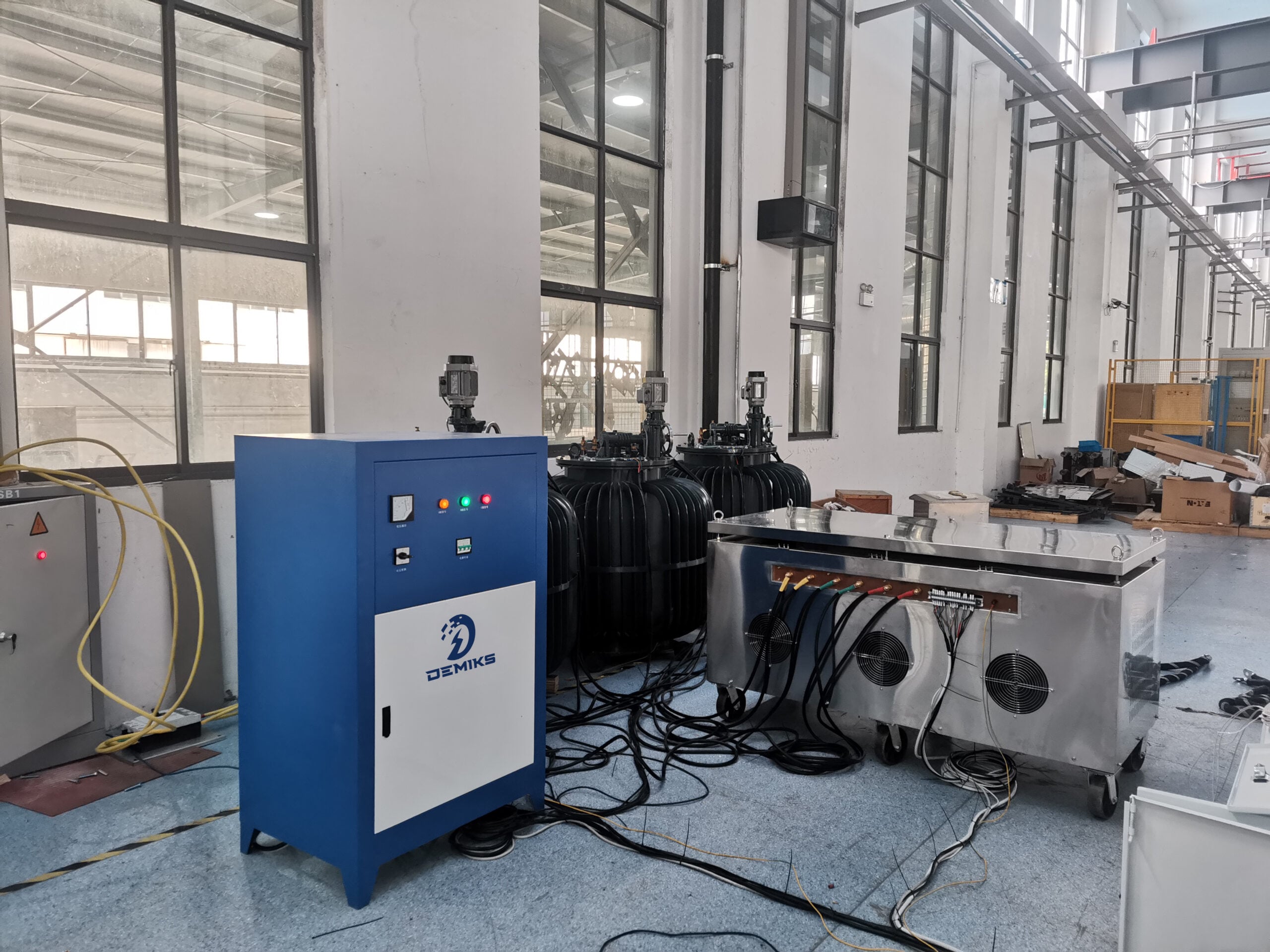
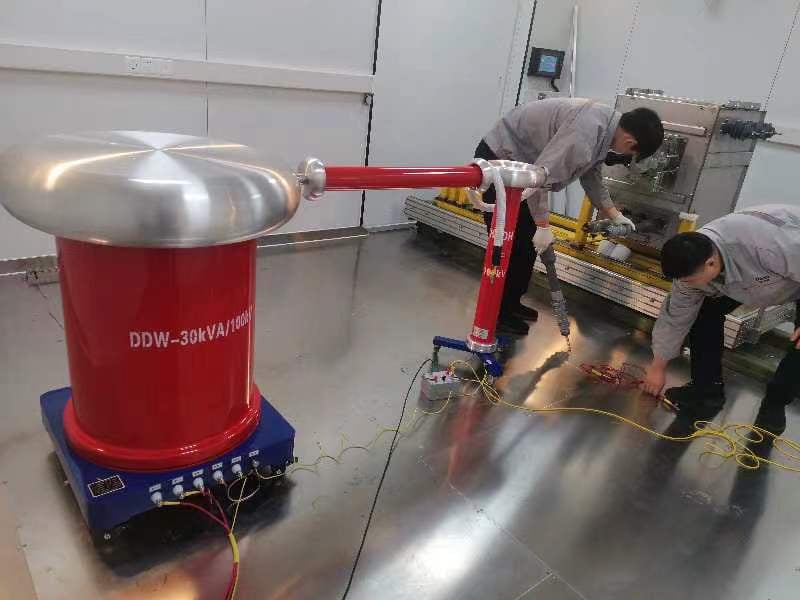
High-voltage equipment forms the backbone of innumerable critical applications comprising power grids, manufacturing plants, and advanced medical imaging and aerospace systems. Reliable performance of such equipment does not just spell out efficiency; it is a matter of safety and operational integrity. Any slight alteration of output voltage may cause catastrophic failures leading to costly downtime and could cause great hazards to safety. High voltage calibration makes for the meticulous process. This guide talks about the crucial aspects of calibrating high voltage equipment. We will talk about what is involved in the high voltage calibration, why it matters to electrical systems, and how it is carried out. An equipment owner will then be able to understand the stages of calibration and safety protocols linked to it, along with the benefits of regular calibration, thus guaranteeing equipment reliability, safety, and optimum performance to protect their assets and personnel.
Understanding High Voltage Calibration
1What is High Voltage Calibration?
High voltage calibration is the process of comparing the output of a high voltage instrument or system against a known standard of higher accuracy. This process verifies that the equipment’s voltage measurements and outputs are precise and within the manufacturer’s specified tolerances. Essentially, it’s a quality assurance check that confirms a device is performing as expected.
Traceable to a national or international standard, calibration standards find traceability to NIST standards in the United States, for example. This traceability warrants common traceability wherein any measurements would be made in the different industries and somewhere else. Calibration takes into consideration any set of drifts or inaccuracies that creep in with time in a system, which may be due to aging, environmental factors, stress due to operation, etc.
2Importance of Voltage Calibration in Electrical Systems
The importance of precise voltage calibration cannot be overstated. Inaccurate voltage readings can have far-reaching consequences across various applications.
Safety: In high voltage environments, even a small measurement error can create a significant safety risk. For example, if a safety device is calibrated incorrectly, it may fail to shut down a system during a fault condition, exposing personnel to lethal voltages.
Operational Reliability: Industries like power generation and distribution depend on the precise regulation of voltage to maintain grid stability. Incorrect calibration can lead to system imbalances, power outages, and damage to connected equipment.
Product Quality: In manufacturing, high voltage is often used for processes like material testing, electrostatic coating, and semiconductor fabrication. Accurate voltage control is essential for ensuring product quality and consistency. A deviation could result in defective products and wasted resources.
Compliance: Many industries are subject to strict regulatory standards that mandate regular calibration of critical equipment. Failing to comply can result in legal penalties, loss of certifications, and damage to a company’s reputation.
3Key Components of High Voltage Equipment
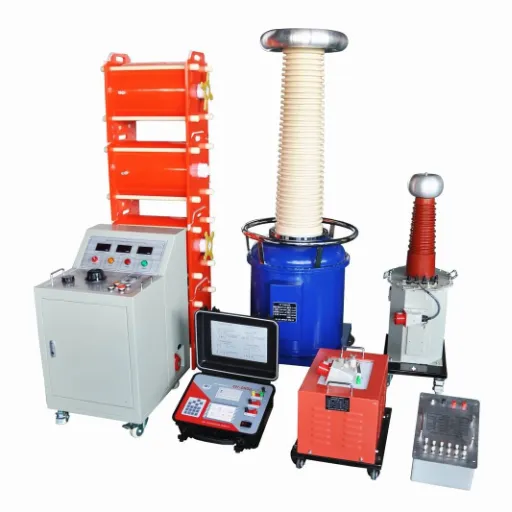
High voltage equipment is composed of several critical components that work together to generate, measure, and control high electrical potentials. Understanding these parts is essential for effective calibration.
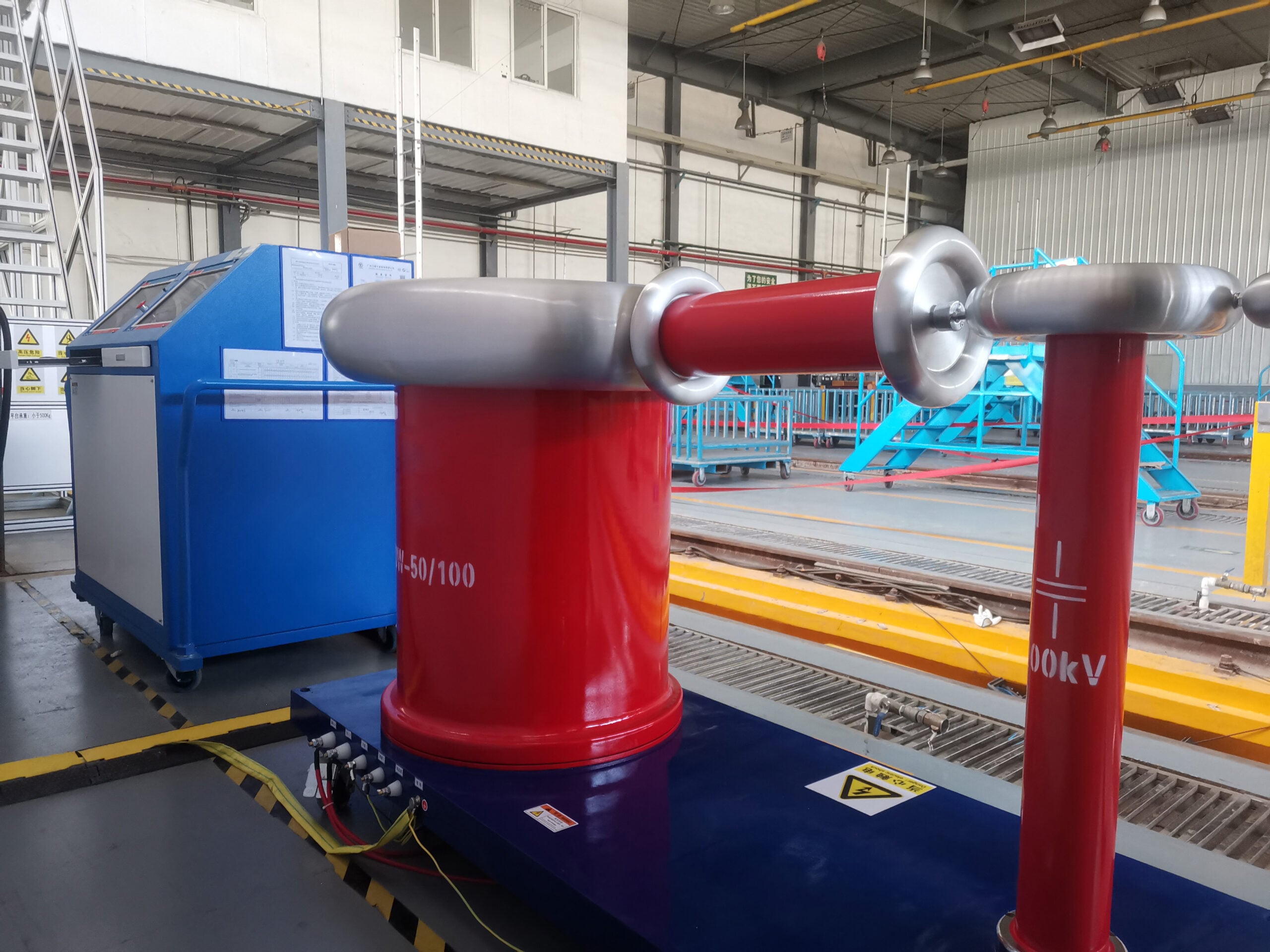
- High Voltage Dividers: These devices are used to scale down high voltages to a lower, more measurable level. They are a cornerstone of high voltage measurement and must be calibrated accurately to ensure the scaled-down voltage accurately represents the primary high voltage.
- High Voltage Probes: Similar to dividers, probes are used with measurement instruments like oscilloscopes and multimeters to safely measure high voltages. Their accuracy is critical for diagnostic and testing applications.
- Hipot Testers (High Potential Testers): These are used to perform dielectric strength tests on insulation materials. They apply a high voltage to a component to ensure it can withstand its rated electrical load without breaking down. The accuracy of the applied voltage is paramount for a valid test.
- High Voltage Power Supplies: These units provide the stable, high voltage output required for various applications. Calibrating the power supply ensures its output is accurate and stable, which is crucial for processes that rely on a consistent voltage source.
The Calibration Process for High Voltage Equipment
Steps Involved in the Calibration Process
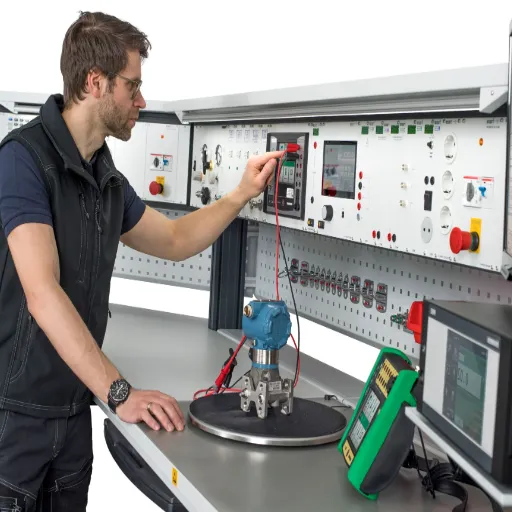
While the specific details may vary depending on the type of equipment, the general calibration process follows a set of core steps:
Step 1
Initial Inspection and Preparation
The equipment is visually inspected for any signs of damage or wear. It is then cleaned and allowed to stabilize in the controlled environment of the calibration laboratory to minimize the effects of temperature and humidity.
Step 2
Preliminary Functional Test
Before calibration begins, a functional test is performed to ensure the equipment is operating correctly. This step identifies any underlying faults that need to be repaired before calibration can proceed.
Step 3
Selection of a Reference Standard
A suitable reference standard with a known accuracy—significantly higher than the device under test (DUT)—is selected. This standard must have a valid calibration certificate traceable to a national metrology institute.
Step 4
Connecting the Equipment
The DUT and the reference standard are connected in a carefully configured setup. Proper grounding and shielding techniques are used to minimize electrical noise and interference that could affect the measurements.
Step 5
Data Collection
The DUT is set to various test points across its operational range. At each point, the output of the DUT is compared to the reading from the reference standard. Multiple readings are often taken at each point to ensure repeatability and calculate an average.
Step 6
Adjustment and Correction (As-Found vs. As-Left)
The initial readings are recorded as “As-Found” data. If the DUT is found to be out of tolerance, adjustments are made to bring its performance back within specifications. After adjustment, the calibration process is repeated, and the new data is recorded as “As-Left.”
Step 7
Generating the Calibration Certificate
A comprehensive calibration certificate is prepared. This document includes the As-Found and As-Left data, the reference standards used, the environmental conditions during calibration, a statement of measurement uncertainty, and the date of the next recommended calibration.
AC vs. DC Voltage Calibration Techniques
Utilizing High Voltage Testers and Measurement Instruments
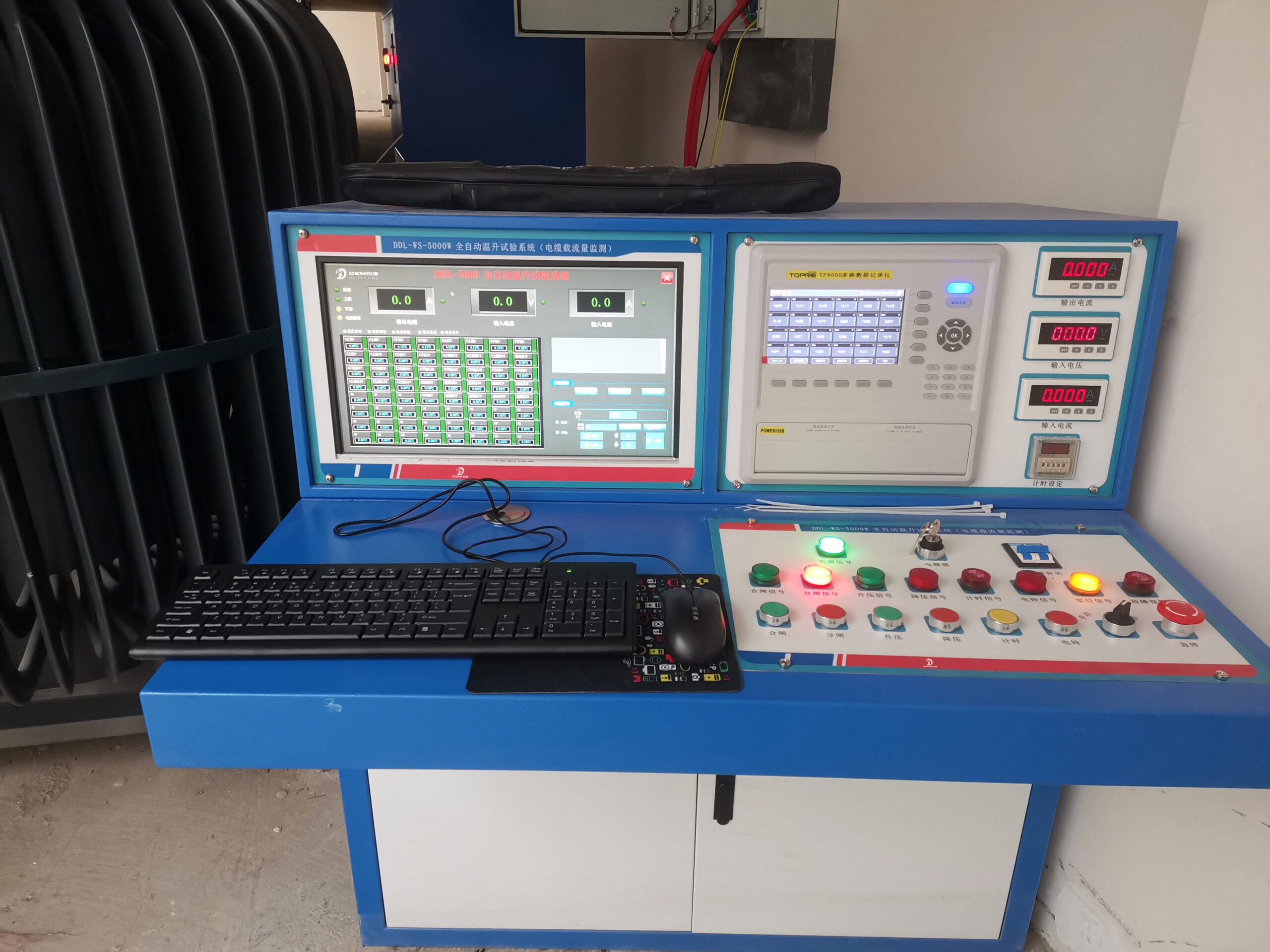
The accuracy of high voltage calibration relies heavily on the quality of the measurement instruments used. Specialized equipment is required to handle the high potentials involved safely and accurately. Common instruments include:
- ✓
High Voltage Multimeters: These are digital multimeters designed specifically for measuring high voltages, often up to several tens of kilovolts.
- ✓
Precision High Voltage Dividers: These are the most common reference standards for calibrating high voltage sources and meters. They use a precise ratio of resistors or capacitors to scale down the voltage.
- ✓
High Voltage Standard Capacitors: In AC systems, standard capacitors with very low loss factors are used as part of a reference divider for accurate AC voltage measurement.
- ✓
Oscilloscopes with High Voltage Probes: These are used to visualize and measure the waveform characteristics of AC voltages, including peak voltage, frequency, and any distortion.
Calibration Services for High Voltage Equipment
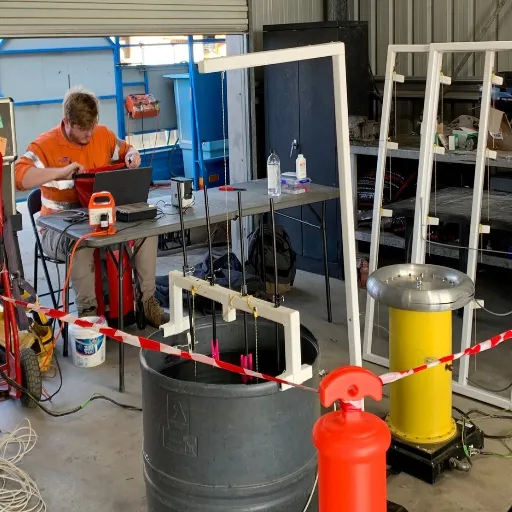
Types of Calibration Services Available
Calibration services are typically offered in a few different formats:
Laboratory Calibration
Equipment is sent to a specialized calibration laboratory. These labs offer a controlled environment and a wide range of high-accuracy reference standards.
On-site Calibration
Technicians travel to the client’s location to perform the calibration. This minimizes downtime and is ideal for large, fixed equipment that cannot be easily transported.
Mobile Calibration
Some providers operate mobile calibration labs, bringing the controlled environment and necessary equipment to the client’s facility.
Choosing the Right Calibration Service Provider
Selecting a qualified calibration service provider is critical. Key factors to consider include:
Accreditation: Look for providers accredited to ISO/IEC 17025. This international standard ensures the laboratory has a robust quality management system and is technically competent to perform the calibrations.
Traceability: Ensure the provider’s reference standards are traceable to NIST or another recognized national metrology institute.
Scope of Capabilities: Verify that the provider has the expertise and equipment to calibrate your specific high voltage instruments across their full operational range.
Turnaround Time: Inquire about their standard turnaround time to plan for equipment downtime accordingly.
In-house vs. Outsourced Calibration Services
Safety Considerations in High Voltage Calibration
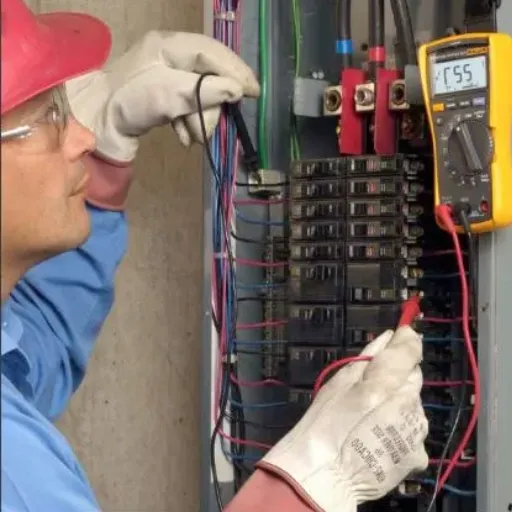
Importance of Safety Protocols during Calibration
Strict adherence to safety protocols is essential to protect personnel from electric shock, arc flash, and other hazards. This includes using appropriate personal protective equipment (PPE), following established procedures, and ensuring only trained and authorized individuals perform the work.
Common Risks and How to Mitigate Them
1
Electric Shock
Risk: Direct contact with high voltage conductors can be fatal.
Mitigation: Using insulated tools, maintaining a safe distance from energized parts, and employing lockout/tagout (LOTO) procedures to de-energize equipment before handling.
2
Arc Flash
Risk: This is a violent explosion of energy that can cause severe burns and injuries.
Mitigation: Using arc-flash-rated PPE, maintaining equipment properly, and calculating arc flash boundaries are key mitigation strategies.
3
Equipment Damage
Risk: Incorrect connections or procedures can damage both the DUT and the reference standards.
Mitigation: Double-checking connections and following documented procedures carefully can prevent this.
Regulatory Compliance and Certification Requirements
Many industries are governed by standards from organizations like OSHA, NFPA, and IEEE, which mandate safe work practices and regular equipment maintenance, including calibration. Compliance is not just a legal requirement but a fundamental aspect of a responsible safety culture.
What to Take Away
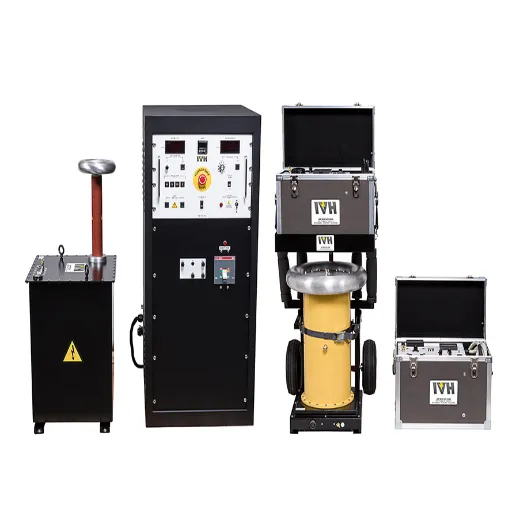
High voltage equipment must be calibrated regularly and professionally for operational excellence. This is a goal way beyond mere service maintenance; it is indeed an investment in reliability, in safety, and in efficiency. When high voltage instruments are calibrated properly, i.e., to give an accurate, traceable measurement, an organization protects itself from catastrophic failures that endanger its personnel and ensure that it is in compliance with industrial regulations.
Whatever you opt to go for, be it an in-house program or a third-party accredited laboratory, the proactive stance on calibration would be rewarding. It makes sure the high-end systems are as per the design criteria, it keeps a preventive maintenance program strong, and elimination-wise, it makes the operational environment safe and efficient. Calibration should never go to a down-the-line view to a high voltage performance.
Reference Sources
- ISO 17025 High Voltage Calibrations | Constellation PowerLabs
This source provides details on high voltage calibration services and their importance, backed by ISO 17025 accreditation. - Calibration Dividers – High Voltage AC & DC | HVI
Discusses the frequency and necessity of calibrating high voltage test equipment for accurate performance. - Precision Testing in High-Voltage Safety and Performance | AZoM
Explores the significance of calibration in maintaining safety and measurement accuracy in high-voltage systems. - Mastering High Voltage: The Importance of Accurate Test | Vitrek
Highlights the safety and operational benefits of accurate high voltage calibration, including preventing ground loops. - A Look at the Science Behind High-Voltage Measurement | HVM Tech
Focuses on the role of precise high-voltage measurement in system maintenance and safety.