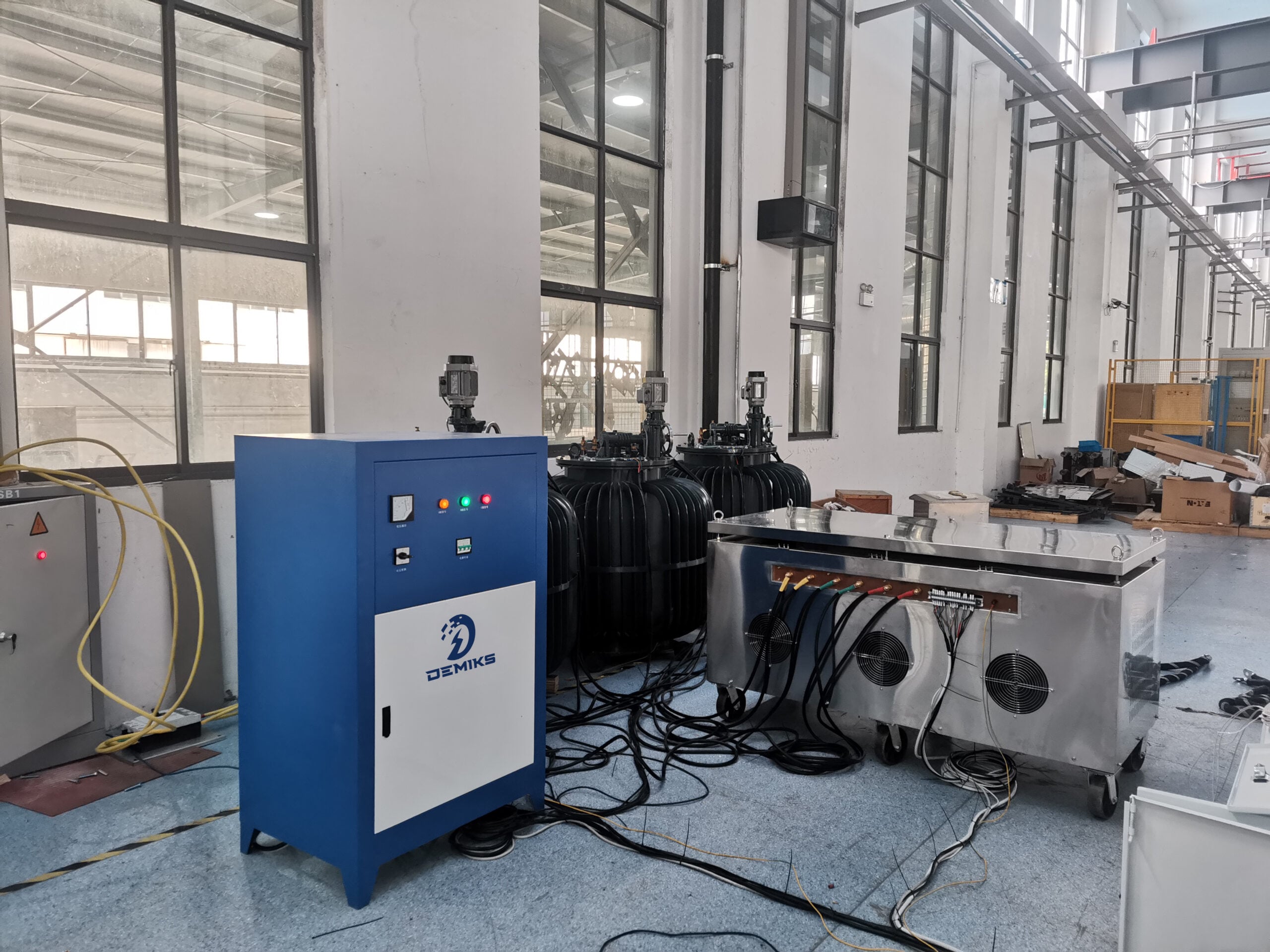
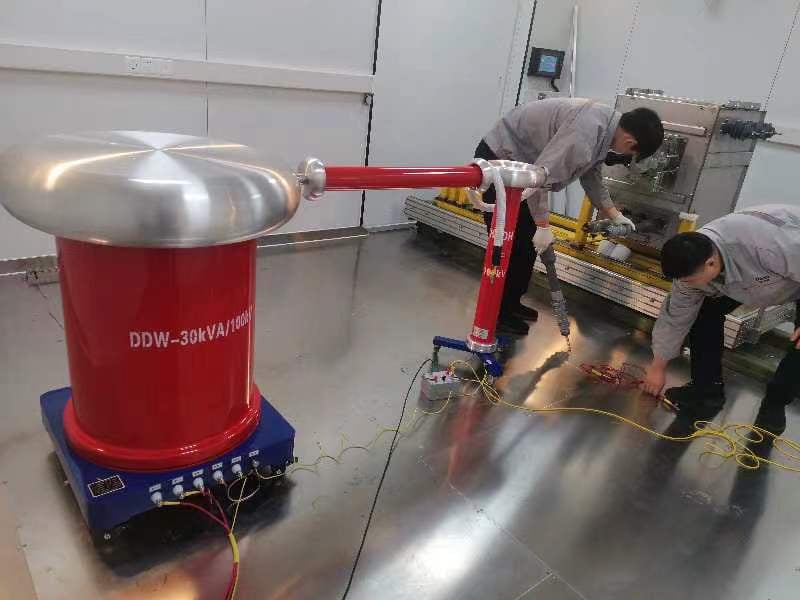
Wind farms are a crucial component of global efforts for renewable energy, using wind power to create clean, sustainable energy. Mostly unseen but important equipment in the process of every wind farm’s operation is the wind turbine transformer. These transformers hold a central function for aiding with efficient transmission of wind turbine output power to the grid delivering stable and dependable energy. This guide takes an in-depth look into wind turbine transformers, explaining their critical logistics, technology, and impacts on modern energy systems. Whether you are a full-energy enthusiast, an industry worker, or interested in how wind energy works, this article helps bring you in on the secrets of this wind power backbone.
Understanding Transformers for Wind Turbines
What is a Transformer?
A transformer is a very important electrical device that transfers power between circuits by means of electromagnetic induction. Its primary purpose is to transform the voltage levels, hence changing electrical capacity, to match the requirements of an abundance of applications. Transforming is obtained using coils of wire called windings, which are wrapped around a magnetic core to facilitate an efficient transfer of energy between circuits without using any direct electric connection.
Transformers have a crucial role to play in turbines in transforming the power generated by them into a compatible voltage for feed-in to the grid. Usually, wind turbine generators produce power at lower voltages, which now need to be stepped up to higher voltage levels of the power grids. By stepping up the voltage, transformers minimize the loss of energy in the course of energy transmission and provide a robust and efficient method of conveying wind farm-generated power to the end-users.
Transformers contribute to the stability and continuity of wind energy systems as well, aiding in the interpolation phase of the variables produced from different phases of the wind as speed and renewing the energy powering the grid to ensure quality consistency. They thus perform optimally under all conditions like extreme humidity, temperature excursions, and exposure to the climatic conditions they face outdoors in the course of installation of wind turbines.
Common Transformer Types Used in Wind Energy Systems
Step-up Transformers
Step-up transformers are highly essential for the wind energy industry as they elevate the voltage generated by the wind turbines to a higher level, suitable for long distance transmission onto the grid. Whereas wind turbines produce electricity at the lower levels of voltage, they cannot be further used in transmission for long distances. Elevating the voltage level and thus improving power supply is the key function of the step-up transformers installed at the wind energy substation. Here is another common application area which comprises the transformer that works to upturn the voltage produced at the wind power plant.
Substation Transformers
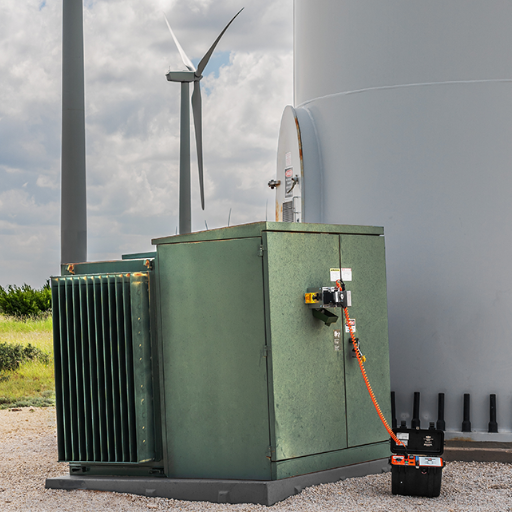
Pad mounted transformers, also known as substation transformers for wind power to grid integration, manage the electricity supplied by various turbines for matching with the voltage and frequency requirements of the grid. These transformers also offer protection by decoupling the wind farms out of any contingencies of the grid, like surges or faults. A transformer for a substation is commonly constructed with larger size and greater ability so as to process the accumulated power output generated by the wind farm.
Pad-Mounted Transformers
As for connecting individual wind turbines into the wider wind farm collection system, pad-mounted transformers are made use of. These transformers are fitted in proximity of the tower and turbine, but they convert the low-voltage energy supposed to be produced by the turbine into medium-voltage energy suitable for transport to the substation. In a compact design, related to the portable design, they are suitable for unpopulated areas where wind farms are mostly located. These transformers embody outdoor features and are therefore expected to play weather-proof role when catering to wind power systems as well.
Key Components of Wind Farm Transformers
The wind farm transformers comprise of several key components, each of which plays a distinguished role in energy transformation and transportation in the power systems of wind. Their heart is the windings capable of working in the magnetic core to raise the voltage from the turbine to a level suitable for being transmitted to the substation. The magnetic core, assembled mostly from laminated silicon steel, abolishes the loss of energy and ensures a good characteristic. At the same time, the windings usually consist of pure copper or aluminum to conduct electricity effectively.
Equally important is the cooling system, which is implemented to keep the temperature of the transformer stable and help it avoid any kind of overheating during its operational cycles. In wind farms, transformers are usually equipped with either air-cooled or oil-cooled systems to efficiently dissipate heat. The cooling system is quite essential in the face of the transformer’s critical service factor and continuous operation of the transformer under sometimes extremely adverse environmental conditions prevailing in a remote wind farm location. Tough cooling systems ensure that the transformer performs safely and consistently over long time spans.
Wind farm transformers also accommodate a strong insulation system that guards the core internal constituents against high electrical stress and environmental abuses. The systems fabricated are expected to survive poor weather conditions, such as the already mentioned humid air, salty water spray, or heavy surface winds that can encounter almost any remote and coastal site for wind fisheries. On the whole, these components are carefully designed and put together to optimize performance, length of life, and field reliability for the wise expansion of renewable energy systems throughout the world.
Selecting the Right Transformer for Wind Farms

Factors to Consider in Transformer Selection
Key Selection Criteria:
Transformer selection for wind farms largely depends on the very specific requirements of wind turbines, and environmental conditions of the installation site. This transformer has to manage the fluctuating wind turbine-generated power so as to reduce the loss in electrical energy transmission and must do the reliability of transferring energy into the grid through greater-efficiency and meeting voltage and capacity requirements.
Another crucial factor will be the ability of the actual transformer to withstand the demanding environmental context for its utilization by wind farms. Some of these elements are real harsh weather conditions, extremely high humidity levels, salt spray in coastal folks, and mechanical vibration during turbine operation. In essence, transformers designed and built for this environment will extend maintenance intervals and their life span, and offer long-term cost-efficiency.
Lastly, the efficiency and thermal performance of a transformer should be considered. Energy losses during transmission mean lesser overall machine efficiency, hence energy loss minimization is crucial in selecting a transformer. In addition, to ensure excellent thermal performance, especially in harsh environments, effective cooling systems are necessary. If installed with these thoughts in mind, this secures a reliable, sustainable operation of their renewable energy systems for the operator.
Transformer Capacity and Efficiency
Transformers equates to the maximum amount of electrical load a transformer can handle safely without overheating or being damaged. This capacity is typically measured in kilovolt-amperes (kVA) or megavolt-amperes (MVA). It is very important to select a transformer with a capacity level that matches or exceeds the maximum expected load to guarantee efficiency and reliability. Undersized transformers may cause overload leading to a resultant decrease in efficiency, wear, or possible breakdown.
Transformer efficiency is an indicator of how skillfully the plant transforms the input energy into output power with minimal losses. These losses generally occur during normal operation and are divided into core (iron) losses and copper losses. Core losses can be influenced by the choice of the magnetic materials and the transformer design, while copper losses are influenced by the resistance of the windings. Highly efficient transformers either reduce or completely reverse this primary use of energy, hence benefiting the unit by reducing operating costs and helping in overall sustainability.
💡 Best Practice
Thorough load analysis for capacity and efficiency optimization should become an imperative aspect during the design phase. This will involve an understanding of peak and average loading, and future planned loads will be executed all within a very short period of time, plus one needs to carry out routine maintenance, covering up regular visual inspections and tests, to ensure that the transformer will still work as designed well into the future while enhancing energy system reliability and efficiency.
Compatibility with Wind Turbine Generators
Transformadores are critical components ensuring compatibility of wind turbine generators within the broader electricity grid. Due to variable voltages and frequencies from wind speeds changes, wind turbines ensure transformers have to step up turbine-generated voltages to match the grid requirements, and stabilize the power delivery for a more efficient transmission above long distances.
The harmonic management and power quality are another main aspect of compatibility. Wind turbines create harmonics, which disturb the grid, which can interfere with the performance of the system. Specifically, transformers used in these applications are designed to provide the features that can mitigate the effects of harmonics and maintain grid stability, therefore improving compliance with stringent grid codes and the overall reliability of their energy system.
In order to maintain the operational characteristics with the wind turbine generators, the transformers need to be maintained and tested on a regular basis. Over time, changes in the system load or the vagaries of weather can lead to performance degradation. Normal surveillance, oil quality check-ups, and thermal monitoring allow operators to catch problems early, thereby guaranteeing the best performance in the energy systems working on the basis of renewable sources, as well as longer system lifespan.
Transformer Design for Wind Power Applications

Optimizing Transformer Design for Offshore Wind Farms
In contrast with the termination of the city’s constructed environment situated there, these offshore wind farms are destined. The design of a transformer for use in such an environment requires more focus on durability, efficiency in delivering power, and a minimum requirement for maintenance. Marine enviroment requires a durable insulating system and corrosion-resistant materials for life and consistent functioning. Moreover, since offshore facilities have limited space, they will require a design that is compact.
Another important consideration is efficiency, which increases energy losses during transmission over the long distances between offshore locations and the onshore grids. Transformers designed for high efficiency contribute to reducing energy losses, ultimately reducing the operational costs of wind power. Cooling technologies are always crucial for enhancing performance by responding to the thermal stress in the transformer due to changes in power ratings and weather conditions.
⚙️ Offshore Design Considerations
Reliability is crucial for offshore transformers, owing to difficult access to the unit for repairs and maintenance. If there are smart monitoring systems that have in-built sensors, they proactively send real-time performance data for operators to pick up on potential problems. In addition, modularity for parts-easy replacements with less downtime-would ensure that the offshore structure is continuously operational providing renewable power. Such optimizations of design will collectively enhance reliability and sustainability in offshore wind power systems.
Durability and Reliability of Transformers in Renewable Energy
Ultimately, power transformers in renewable energy systems maintain the efficiency of voltage regulation and energy transfer following uncontrollable damages when high stress goes beyond design limits. The final importance of renewable power transformers is actually in maintaining grid operation as wind and solar power depend on variable outputs. Top-notch materials and state-of-the-art manufacturing techniques are essential in designing transformers capable of enduring operational stresses and environmental conditions.
One of the very important aspects of transformer durability is withstanding wear as well as environmental factors. Most of the transformers in renewable energy settings are located in environments with very tough conditions; as a result, the conditions could be extreme temperature, high humidity, or exposure to saltwater in the offshore setups. More insulation is built into the transformer so that the strength of the housing is increased, thereby using a material that is anticorrosion. At times, our maintenance and performance-monitoring programs are useful in pointing potential issues before translates to operation failure, thereby promoting long durability.
Reliable performance must now also be instilled amid efforts to orientate transformers around the specific needs of renewable systems; hence transformers employed in wind projects have furthermore to situate themselves with ever-fluctuating power values which are to be appropriately boosted at the grid stage. It is not just cooling technology that stands in the way of shaking any available assumption; on a more serious note, the random-working-overload point appertaining to the transformer packages conducive for uninterrupted operations stand out. These would, sitting at the very heart of renewable-energy infrastructure, combine to answer global sustainability dicta.
Smart Transformers and Energy Optimization Techniques
Smart transformers greatly enhanced the modern optimization of energy through energy distribution improvement and efficiency enhancement. These advanced-class technological products help regulate the condition of the voltages in real time, hence assuring minimal energy loss during energy delivery cycle due to alteration in demands. Smart transformers, by dynamically adapting with changes in the loading attributes, facilitate the required grid equilibrium and help in minimizing energy losses which are crucial in the integration of renewable resources with an already established energy infrastructure.
One of the very important tasks performed by the smart transformers is the optimization of voltage. It acts by lowering the surge of the voltage supply, minimizes loss of energy in the useful process, and results in saving operational costs. Moreover, bi-directional communication is enabled by these transformers, which provides common utilities with current data on power parameters by recognizing and diagnosing patterns leading to fault issues and failures at the earliest moment. Doing this, it intensifies the overall efficiency and ensures any anticipated failures may be handled before becoming greater problems.
🔋 Future of Energy
The smart transformers ultimately contribute to the sustainability of renewable energy integration. They subsequently act as a significant buffer that allows a steady electric flow to reach the clients despite the energy being sourced from a fickle origin, like solar or wind. Together with proper storage solutions, we gain the promise of a more flexible and resilient grid. This implies herewith that not only are smart transformers heralds to more sophisticated technology but also the absolute saviors of the sustainable and efficient but energy-laden future.
Best Practices in Transformer Installation and Maintenance
Installation Guidelines for Onshore and Offshore Wind Farms
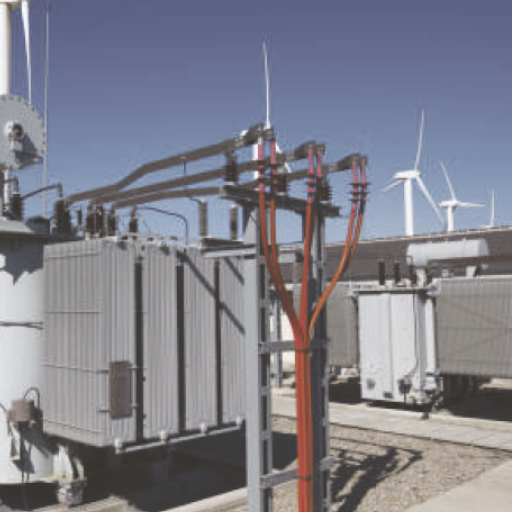
Wind farms onshore or offshore known to be very pressing tasks to execute and need meticulous care to see operational perfection and accentuation of energy transmission. Ideally, onshore wind farm transformers are recommended to be installed on flat, well-prepared ground to aid against shifting or settling over time. The proper installation of grounding would address any issue of possible electrical faults and load the transformer. Equally important, there should be strong consideration given to the transformers’ ability to be accessed and serviced, while placing them at locations void of any flooding or extreme weather conditions.
For building offshore wind farms, the unique marine environment needs to be accounted for in addition. Transformers need to be made from rust-resistant material to withstand the air moisture and salt exposure. You may protect the transformers from water ingress by building on an elevated platform or within a specialized containment. Furthermore, remote monitoring solutions are often conveniently placed to minimize the need for regular manual inspection through the added difficulties associated with accessing offshore sites.
✅ Compliance & Safety
The rule of thumb that compliance with local electrical codes and safety standards matters sincerely in both onshore and offshore installations must be followed. Before installation, in order to address any potential issues, site-specific environmental and geotechnical assessments should be conducted. Routine maintenance plan alongside condition monitoring kept the transformers’ life and minimized breakdowns, ensuring energy flowed uninterrupted from various renewable sources to the power grid.
Maintenance Strategies for Long-Term Reliability
Proactive maintenance planning guarantees long-term security for energy systems. Routine check-ups serve to detect signs of wear and tear much earlier before they develop into a major problem. It is essential to inspect critical components like transformers, cables, relevant switchgear, seeing for any physical damage, overheating, or any form of corrosion. Well-documenting inspection results can keep tabs on the emergence of performance trends, strategizing on future maintenance operations.
Monitoring solutions providing information on the condition of systems are another trademark for longevity. Using such systems for ongoing detection of critical parameters, most often overheating, pressure, and vibration are said to proactively alert operators of undesirable trends before they actually degrade into potential failures, bought about by condition-based maintenance. Thereby, downtime can be kept to a minimum with spares pinpointed to landing on the exact defect, thus saving on man-hours and efforts.
Also, effective on-the-job training and internal policies are important in ensuring consistent performance. Staff members must know to safely and effectively use the equipment, while on-the-job procedures should emphasize energy efficiency and system stability. These must work together to ensure the long life of the equipment and consistency in giving energy that contributes to the system’s overall sustainability.
Future Trends in Wind Farm Transformers

Advancements in Transformer Technology
The way transformer technology advances has a profound influence on the future of wind farms with higher efficiency, reliability, and adaptability. For instance, there is an attempt to use superconducting materials at high temperature (HTS) for better materials with nearly no losses, thereby allowing larger loading. These materials upgrade operating efficiency and contribute to cutting down greenhouse gas emissions in line with global environmental goals.
Secondary features are the incremental and the recombinant designs that will further enhance transformer configuration. Atop wind farms which require workable modular solutions, this is ideal for supporting those curvilinear lightweight turbines. Such configurations improve downtime, thereby reducing the time and cost needed for corrective maintenance and enhancing reliability and output performance also.
🚀 Digital Innovation
The emerging concept of digital monitoring and automation are also rapidly revolutionizing the winding transformer operation. State-of-the-art transformers now incorporate sensors’, ubiquitous networking technologies, and sophisticated analytical software packages that relay real-time specific diagnosis of performance, energy production, and potential faults. Thus, preventive maintenance by the predictive technology will help free the system from malfunction and prolong the lifespan of the equipment, making it more affordable to maintain and support a reliable supply of energy.
The Role of Transformers in Renewable Energy Systems
Transformers play a critical role in the integration and efficiency of renewable energy systems because of their ability to scale voltage levels up or down, thereby improving the transmission and distribution of electricity. Additionally, in solar and wind power systems, transformers ensure that the energy harvested is then converted into the proper voltage for local delivery and further grid transmission, helping hedge energy losses and maintain an uninterrupted flow of energy.
The flexibility offered by transformers in renewable energy systems lies in grid support. For renewable sources such as wind and solar exhibiting large variability in power due to weather and time of day, transformers regulate grid voltage to maintain stabilization and ensure that energy emitted from such sources complies with grid requirements. Satisfactory grid support by transformers is instrumental in preventing power outages and the smooth integration of renewable energy into conventional electricity grids.
Moreover, advanced transformers with smart technologies contribute to the sustainability of renewable energy systems. Real-time performance monitoring and analysis allow predictive maintenance and reduced downtimes. Considering the occurrence of faults at an early stage, they optimize the energy distribution to a maximal effect, thereby enhancing the capacity life and indeed the overall reliability and affordability of renewable power supply.
Emerging Challenges and Opportunities in Wind Power
One of the most rapidly growing sectors within the realm of renewable energy is wind power. Nevertheless, much of its growth is threatened by unique challenges that need be faced with innovative measures. The primary challenge is the intermittency of wind causing a stoppage in energy production due to winds dropping excessively low or getting too high. With such unpredictability in its wind energy generation, maintaining a steady power supply becomes problematic, particularly for areas that are extremely dependent on wind power. This invited advancements in energy storage systems such as high-capacity batteries for storing surplus energy during times of high energy production, releasing this energy back once it is required.
Owing to the greater and more consistent wind velocity at oceanic depths, offshore wind farms promise great potential but present significant technical and logistical challenges. These include high construction-inducing costs, demand for specialized vessels and sorts of equipment, and the difficulty of carrying out maintenance operations in hostile and remote operational environments. Obviously, the capabilities of further improved wind turbines, materials of towering hardiness, and robotic inspection tools serve somehow to alleviate the challenges. Therefore, offshore wind power still seems to be a much promising case when it comes to an energy industry.
🌍 Sustainability Impact
On the bright side, wind energy offers an enormous potential for cutting Green House emissions and promoting sustainability. Wind power project costs have been falling because of advances in technology, rendering wind power competitive with fossil fuels. Moreover, employment opportunities will be driven by wind power, particularly in the sphere of engineering, manufacture, and maintenance. Yet to be fully embraced, wind energy can become a mainstay of a greener and sustainable future global energy system.
Frequently Asked Questions (FAQ)
Q: What are the key factors in the selection of wind turbine transformers in a wind farm project?
A: The prominent aspects while selecting a wind turbine transformer for a wind farm project are rated power and voltage for proper connection to a wind turbine generator and grid, the step-up transformer ratio in case of power transmission, expected power capacity of a site, external conditions onshore/offshore, reliability needs, design of a transformer – dry/full wound, and compatibility with techno-product power electronics and substation transformers. Furthermore, concerns about power flow at varying wind speeds, transformer losses influencing the cost of energy, plus joint discussions with the manufacturer to confirm that the transformer is designed specifically for wind turbine generation and farm applications.
Q: What types of transformers are used in wind power and where are they installed?
A: Transformers for wind power generation include wind turbine step-up transformers at each nacelle within a wind turbine, collection-level transformers within the on-site farm transformer substations, and transmission-level power transformers at the substation for sending power to the grid. Different types of transformers (dry-type transformers, oil-filled power transformers, and grounding transformers) act according to the function. These transformers must step-up the power from the turbine generators and comply with established system voltages, power capacity, and reliability requirements for both onshore and offshore wind farm systems.
Q: Explain the impact of rated voltage and power capacity on transformer selection criteria in wind turbine applications.
A: Capacity and voltage specs are critical elements in the selection of wind turbine transformers, since both dictate the requisite size of the transformer in respect to the turbine rating, as well as the required step-up of the voltage for transmission. Transformers will be selected with appropriate rated power and impedance such that the power flow from the wind turbine generator to the grid can be kept within the required limits. The improper rated power will fail the specific transformer, reduce its life, or cause unnecessary transformer replacement. The choice of transformer relies on the power produced by individual turbines and the wind farm power in aggregate for the transformer station.
Q: Why does existing wind power generation rely so often on dry-type transformers as opposed to the conventional oil-filled variety?
A: As per particular standards and consequent locally determined specifics, some wind projects may adopt dry-type transformers to reduce fire hazards, minimize ecological footprint (especially for offshore wind and sensitive onshore sites), and decrease the level of maintenance needed. Dry-type transformers are often used in turbine nacelles or in the vicinity of the sensitive items, while conventional transformers (oil-filled power transformers) are popular in high-capacity substation transformers due to the necessity for higher power capacity and efficiency. The ultimate decision depends on the required operational parameters of an energy project, such as the trade-off costs of energy, and the offers from transformer manufacturers.
Q: What role does the choice of transformer manufacturer have in ensuring a reliable wind energy system?
A: Making the right choice among the great many reputable manufacturers is vital for creating a strong platform for a reliable wind energy system. And while discussing the topic of manufacturer, we understand how transformers play a pivotal role in sustainable wind applications. Our points of concern are: a) the aspect of transformer design, meaning companies truly influence the designs of transformers; b) availability in the marketplace of customized offshore and onshore transformer solutions; c) benefits and scope of optional accessories for wind farm transformers (e.g., ground transformers, etc.); d) also, the endowment of after-service support; and e) finally, the life-cycle costs. Let’s talk about the actual transformers for the successful design of such wind farm projects. The transformers are specially engineered to comply with changeable wind power, devices they interact with, and the environmental conditions. In this light, good manufacturers are willing to even provide an elaborate awareness of transformer failure history accompanied by assurance, warranties, and ways for remedying the transformer, refurbishment, thereby cutting down on downtime.
Q: How might a project wind farm be fashioned towards future expansions and changes in power capacity as far as the transformers are concerned?
A: For future expansions, planning transformer sizing and substation designing with flexibility should be ideal. Select transformers with sufficient overcapacity or modular configurations, as transformers are often paralleled to boost the power capacity and the location of the transformer substation is compatible with the future addition of more turbines or higher power production. Take into account the increased power ratings associated with turbine advancement, possible grid upgrades, management of energy storage systems, and investment in power electronics upgrades while planning. Early consideration can assist in preventing the prohibitive replacement of transformers and ensure a smooth scale-up of power generation and transmission facilities in accordance with the ever-growing power capacities at wind energy sites.
References
- Read more hereTop Oil-immersed Transformer Manufacturers and Suppliers in China
-
Optimal Size Selection for Step-Up Transformers for Wind Generation Plants – Discusses transformer sizing to accommodate wind speed variations and the impact of energy storage systems.
-
Full-Converter Wind Turbine Technology – Highlights the importance of adjusting transformer taps for compatibility with system operation in full-converter wind turbine technology.
-
Dynamic Models for Wind Turbines and Wind Power Plants – Provides generic and manufacturer-independent models for wind turbines, which include considerations for transformer integration.