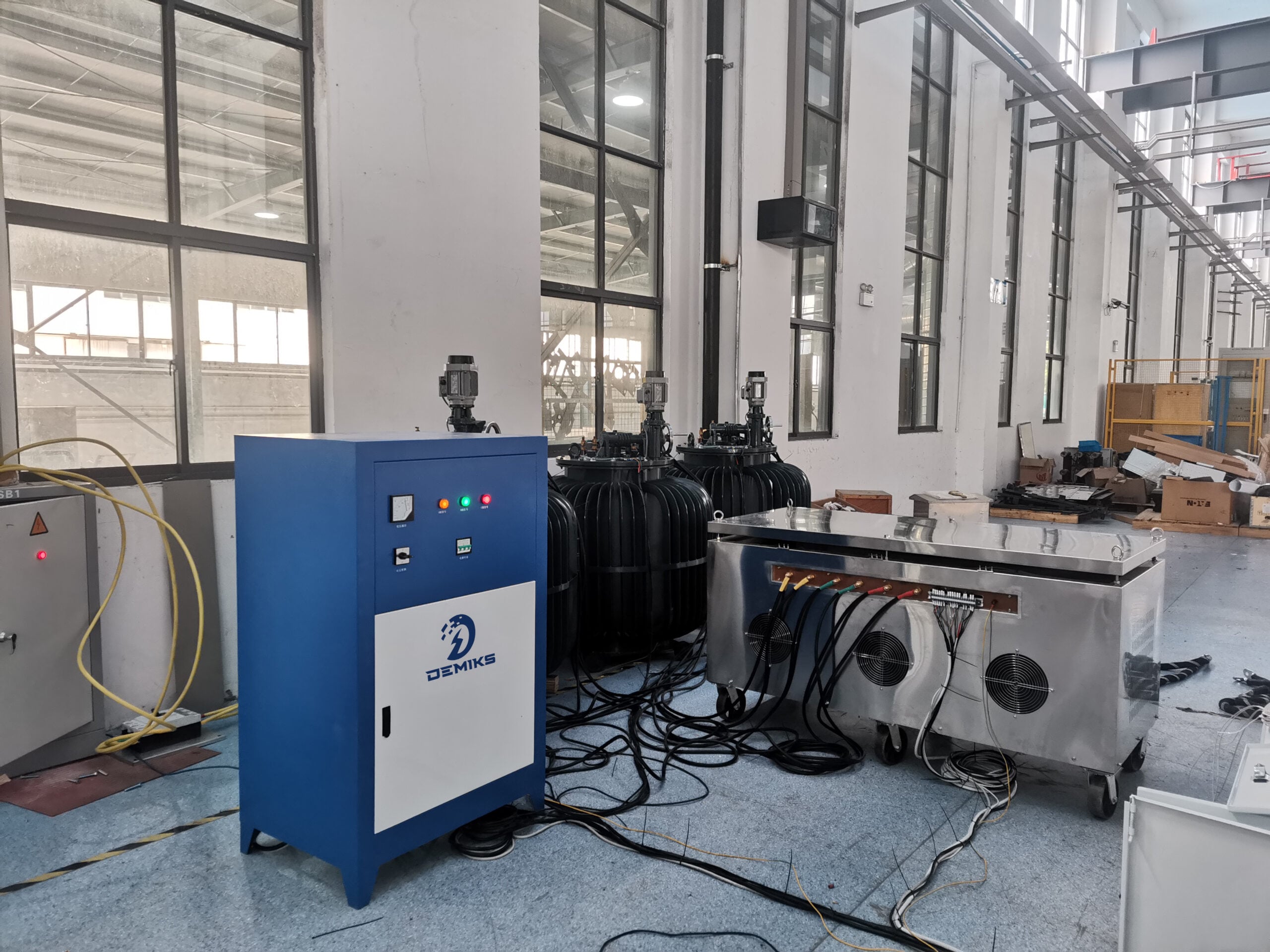
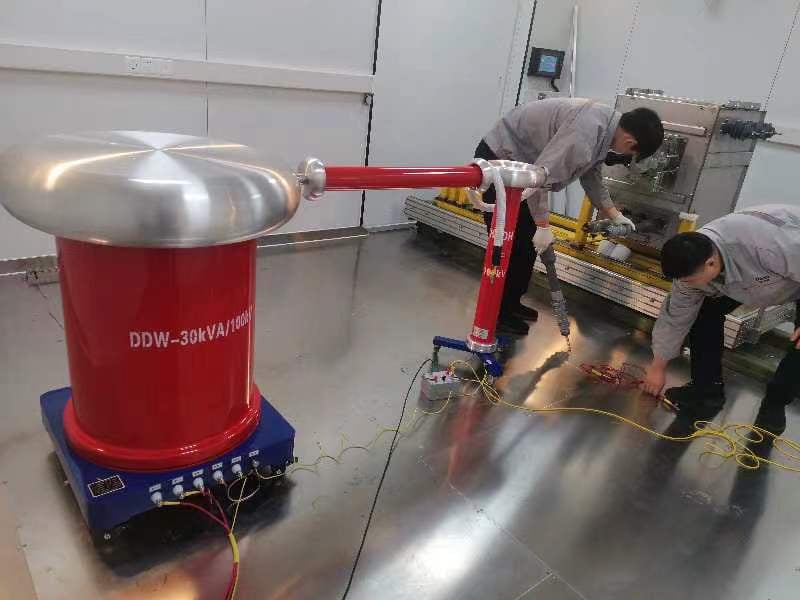
Transformers are functional yet often ignored devices in solar power systems that make up the backbone of a good energy distribution from solar farms to grids and then end-users. The decision regarding the transformer size choice is not merely a technical one—it is a crucial factor that can sometimes affect the performance, reliability, and finally the overall profitability of your solar installation. This paper takes you on a journey through the solar transformers, exposing their importance, operation, and the main factors that should be considered when choosing the best size for a solar installation. No matter if you are a renewable energy expert, a project maker, or a person just attracted by the basics of solar power distribution, this article will bring to you the main points you need to be familiar with.
Introduction to Solar Transformers

What is a Solar Transformer?
A solar transformer is one of the key elements that make up a solar power system since it has the ability to transform solar panel power into a usable form and then transfer it to the electrical grid or energy storage systems. Solar transformer works mainly by changing the voltage levels of solar-generated electricity, which makes it suitable for the grid or the appliances which consume electricity. Through solar transformers, energy distribution is made safe and efficient, thus the possibility of power surges is minimized and the system is kept stable.
The role of a solar transformer is determined by the type of solar energy system utilized. For instance, in massive solar power stations, generally, step-up transformers are used to elevate the inverter’s output voltage and make it ready for grid connection through one of the distribution systems. This assures that the electricity generated can be conveyed over vast areas without the loss of energy. Conversely, small-scale solar setups, like home installations, will most likely require a transformer to lower the voltage and then supply it to the household safe.
Besides transforming voltages, solar transformers are also a barrier by being an isolator of the solar energy system and grid that will not allow electrical disturbances to affect one of the systems. Thus, the isolation ensures the systems’ continuous run and also helps in the long life of both the solar panels and the grid infrastructure. Solar transformers, therefore, linking efficiency, safety, and adaptability, become unavoidable in modern power systems that rely on renewable sources.
Importance of Size in Solar Applications
The dimension of parts in solar applications is of utmost importance as it has a decisive say in the efficiency and viability of solar power installations. It is the right dimensioning that brings about the coordination of the different components like solar panels, inverters, and transformers, which together meet energy demands without overloading or wasting the resources. A properly dimensioned system can produce the maximum amount of energy at the lowest cost, thereby making solar energy a sustainable and affordable option.
One of the major points to take into consideration is the size of the solar panels which should correspond to the energy needs of the designated application. An oversized system may produce a surplus of energy which cannot be able to be utilized effectively unless there is a means to store it, which would thus incur additional costs. Conversely, an undersized system may not be able to meet the energy demand resulting in dependence on non-renewable energy sources which would in turn decrease the efficiency of the system. Therefore, it is very important to do a load demand calculation and to make sure that the sizes of the components are right for the best performance.
Another aspect of the size of solar transformers is that it impacts directly on the energy transmission and system reliability. The transformers should be designed for the load they are going to serve and under no circumstances should they be allowed to get hot or lose any power through that overload. The correct sizing guarantees that the power output from the solar plant is transferred to the grid or the consumers without any loss in the process. Incorrect sizing can result in inefficiency, accelerated obsolescence of the components, and a further decrease in the overall system life. Consequently, correct sizing of all the components in a solar application is indispensable for long-term efficiency, reliability, and sustainability.
Utility-Scale Solar Systems – An Overview
Solar utility-scale systems are among the largest solar power plants especially built for the purpose of feeding the power grid with electricity. Electricity production from such systems is enormous and it can cover electricity needs in whole cities or regions instead of just hundreds or thousands of houses as is the case for smaller residential or commercial solar projects. The height of solar production is possible by placing these systems on ground-mounted structures in areas with high solar irradiance.
Utility-scale solar projects have turned out to be very resourceful and their production mainly depends on technologies like photovoltaic (PV) and concentrated solar power (CSP). The former utilizes special cells that convert sunlight directly into electricity while the latter uses mirrors or lenses for the concentration of sunlight resulting in creation of heat which in turn drives a turbine moving to produce electricity. Both methods have proved to be fruitful but the factors such as location, cost, and energy targets often determine the preference for one over the other. There is a proper integration with the grid that guarantees the energy produced is both steady and effectively distributed.
Utility-scale solar projects are of great importance in the shift to renewable energy, since they eliminate the need for fossil fuels and solar energy along with wind energy resistance comes in the form of less greenhouse gas emissions. By the sun’s power, these electrical systems play an essential role in the future of sustainable energy, hence the fight against climate change becomes easier. Besides, they also create job opportunities and lead to increased renewable energy investment in the local area thus providing the economic benefits. The outline for the whole project, from the beginning when finding the right place to the end when little maintenance is carried out, goes through detailed planning which guarantees the system’s efficiency and lifetime.
Technical Specifications for Solar Transformers

Key Specifications for Power Transformers
Power transformers are pivotal not just in electricity transmitting systems but also in voltage regulation and power distribution. The following are the most important specifications to take into account:
Voltage Level: Power transformers can manage voltage levels from 11 kV up to 400 kV depending on the area of application, which is a pretty wide range. The voltage rating is the criterion on which the transformer’s application for different transmission and distribution systems is based.
Power Rating: The output capacity or power of a transformer is stated in kilovolt-amperes (kVA) or megavolt-amperes (MVA). This specification shows the transformer’s maximum limit that it can take without overheating, thus it becomes a very important factor in system design.
Efficiency and Losses: High efficiency has almost become a standard for transformer operation, with the efficiency figures often going above 98%. Even when operating in efficient mode, there are some losses associated with transformers: the no-load losses that account for the energy used when the transformer is energized but unloaded and the load losses that occur due to electrical resistance in the windings when the transformer is under load.
Cooling Methods: Cooling is a performance maintenance necessity and hence is very important in transformer operation. Typical cooling methods are oil-immersed (natural or forced) and air-cooling, the choice of which is based on the size of the transformer, its application and the conditions of the environment.
Insulation and Safety: Power transformers depend on insulation of the highest quality to ensure that electrical failure does not occur. The dielectric strength and thermal endurance of the material are the two main factors that affect the operational reliability and safety of the transformer.
The selection or design of a power transformer must take into consideration all these specifications together with the project requirements, environmental conditions, and the time specified for achieving efficiency and durability.
Voltage Requirements for Solar Power Plants
The voltage needs of solar power plants mainly vary according to the system size and the type of application. For the home solar power systems, off-grid voltage is generally set in the range of 12V to 48V, whereas grid-connected systems use higher voltages like 240V to make sure they are compatible with the power consumed by a household and also meet local electrical regulations.
In contrast, large-scale commercial or utility solar power plants require very high voltages for effective electric transmission over long distances and easy integration with the grid. Such facilities commonly operate at medium voltage levels ranging from 11kV to 33kV and might require the installation of step-up transformers to match the output to that of the transmission line standard.
Voltage requirements are not only a matter of choice but also of proper planning which involves compliance with local and national electrical regulations to deliver system performance and safety. Among the engineering considerations are inverter output voltage matching with grid standards, appropriate cabling selection, and transformer capacities that correspond to system power output. Proper voltage planning not only prevents energy losses but also contributes to the overall efficiency and reliability of the solar power plant.
Winding Configurations: Delta vs. Wye
A choice between Delta and Wye winding configurations is necessary when transformers or generators are connected in a solar power system. Each configuration has its own particular benefits and disadvantages, which are determined by the specific application and the voltage requirements, load balancing, and fault handling, among other factors.
In a Delta configuration, the transformer windings are connected forming a triangle (closed loop). A Delta layout is adopted in systems with three-phase loads that are expected to be well balanced. It ensures high fault tolerance and the probability of system outage due to the unbalance of loads is minimized. Moreover, Delta configurations do not require a neutral wire, which in some cases can simplify the whole system design. On the downside, they are also unable to provide a direct ground connection and, therefore, may not be useful in systems where overcurrent protection is done through grounding.
On the other hand, in a Wye configuration, one end of each winding is connected to a common neutral point which results in star-like shape. By this method, both phase-to-phase and phase-to-neutral connections are made possible, therefore, it can be used for various voltage levels and loads. The existence of a neutral wire also provides better grounding and, thus, safety and fault response are improved. Although, it may not be as good as Delta in tolerating unbalanced loads, Wye configurations are still preferred in long-distance power transmission because they lessen the losses and voltage drops. Eventually, the decision of whether to go for Delta or Wye should be based on the precise demands of the solar power system and its operational context.
Transformer Sizing Considerations

Factors Influencing Transformer Size
A key parameter to consider when selecting the transformer for solar farms is the total power output of the solar array estimated in advance. The transformer must be rated for the maximum load which the photovoltaic (PV) system can produce thus enabling full power to be generated at the times of the strongest sunlight. So, the transformer will be dependable in transferring electricity from the solar power station to the grid without creating a demand of power beyond its capacity.
It is also important to think about the voltage level at the point of connection. In a solar farm, it is common to boost the voltage up from the PV system to the grid voltage to allow for efficient long-distance transmission. There are changes in voltage that the transformer must take care of, all the while being efficient and losing as little as possible during the conversion.
Finally, the environmental conditions such as temperature, altitude, and cooling requirements are very significant factors that the size of the transformer is based on. Transformers for solar farms are actually often located outdoors so they have to be insulated and cooled properly and if the right size is used, these factors will be incorporated and so the transformer will operate and last in different climates.
Steps to Choose the Right Transformer Size
- Assess Load Requirements:
The very first thing to do is to conduct a calculation for the total electrical load that the transformer will be handling. Both current and potential future loads are to be included in this calculation. The total of all the equipment and appliances that will be powered should be recognized while the peak usage times are to be accounted for as well. This step is important because it helps to define the capacity for which the transformer must be rated.
- Consider Environmental Conditions:
The subsequent task is to critically assess the site’s conditions where the transformer will be installed. A transformer’s efficiency, safety and operation could be greatly affected by external factors such as temperature, altitude, and humidity. Also, very hot, humid, or high-altitude locations may require transformers to be provided with some extra cooling or insulation so that their performance and safety would not be compromised during the operation.
- Plan for Future Growth:
It is always better to be prepared than to face the disappointment of having to replace or upgrade your transformer earlier than planned. Therefore, forecast the future load requirements and make sure your transformer is capable of meeting them. The assumption of the maximum possible increase in load demand during the lifetime of the transformer is the way to go. Though slightly overcapacity, the transformer will still be cheap in the long run since it will not incur unexpected costs due to energy consumption on the increase.
Following these steps will assist in the selection of a transformer that is right-sized, more efficient, and cost-effective in the long run.
Future Expansion and Scalability
In the process of solar farm transformer selection, future expansion and scalability are among the main factors for consideration as they are the most efficient and cost-effective in the long run. Capacity changes at the solar farms are common and are mainly caused by the natural increase in electricity demand and the eventual adoption of new technologies. But if you choose a transformer that can accommodate the potential growth, then you won’t have to worry about frequent replacements or upstreams thus resulting in reduced downtime and operating costs.
For scalability purposes, you need to pick a transformer with a capacity margin that is much higher than the current power generation of the solar power plant. This extra margin allows for more panels to be added or the whole system to be expanded as per the company’s future energy needs. Therefore, it is necessary to take into account the realistic projections of the future energy demand together with the possible expansions before making this decision.
Furthermore, transformers that are designed to be modular in nature can provide greater flexibility for solar plants to adapt their operations as per the situation. Modular designs facilitate easy installation of additional components along with the solar array therefore, efficient use of space and resources. Choose a strategy that strikes a balance between present performance and future-proof options in order to establish the transformer as a dependable resource for the changing energy requirements throughout its lifetime.
Environmental Factors Impacting Installation and Operation
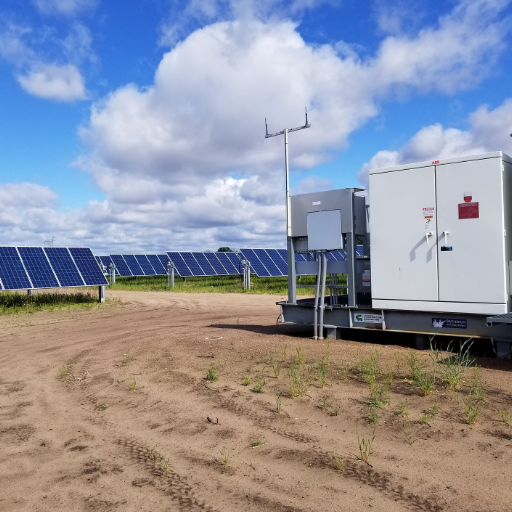
Site Assessment for Solar Farms
The process of carefully evaluating the site is a major factor for the solar farm project to be successful and to operate properly. It is necessary to assess a number of environmental, geographical, and regulatory issues to come to a conclusion on the viability and the performance of the installation in the long run. The following are the major aspects and some of the most recent knowledge regarding the site selection of solar farms:
Solar Irradiance Levels: The measurement of solar irradiance, which indicates the annual sunlight exposure of a place, is a mandatory procedure. The solar energy production is maximized in areas with high irradiance. In the world, the southwestern United States, the Middle East, and part of Africa are usually among the areas that receive more than 2000 kWh/m² each year, so they are very suitable for solar farms. Applications such as NASA’s Surface Solar Energy Data Sets and PVGIS (Photovoltaic Geographical Information System) can be employed to obtain accurate irradiance measurements of a location.
Topography and Land Use: For the installation of panels, lands that are flat or gently sloping are preferred as they are easier to maintain. Depending on the nature and extent of the unevenness of areas, considerable land grading may be done, thus increasing the total costs. Moreover, lands that have been cultivated earlier or degraded lands are selected to prevent contributing to the disturbance of ecosystems and to safeguard the affected nature with high-value habitats.
Climatic Conditions: Climatic conditions encompass temperature, wind, and snowfall, among others must be factored in the decision-making process. The efficiency of solar panels can be adversely affected by high temperatures, while strong winds, and snow loads call for very sturdy panel mounting structures. Recent climate risk analysis points out the need for sophisticated planning in areas that experience extreme weather—such as hurricanes or heavy snowstorms—for risk reduction.
Accessibility and Grid Connectivity: The location of the site in relation to the existing electrical infrastructure (substations and transmission lines) is a major determinant of the total installation cost. The cost of logistics is another factor that may lead to high expenses in a remote area with little or no access to the power grid. Recent research suggests that separating the solar power plant from the nearest grid connection point by a short distance will result in minimal energy losses and low transmission costs.
Regulatory and Permitting Requirements: Standards for solar farms are not the same across the globe. They might ask for various forms of environmental impact studies, zoning restrictions, and community relationships as part of their requirements. For example, the Environmental Protection Agency (EPA) in the United States advocates using brownfield sites that are no longer in use for solar power projects to ensure environmentally sustainable development. Hence, staying abreast of the regional regulations and following them unerringly is very important for not causing any delays in the project.
Environmental Impact and Biodiversity: Every solar energy project should be implemented in a way that it bears the least effect possible on the environment. The conducting of ecological surveys assists in evaluating the effect on the local fauna and flora. Present-day recommendations encourage the planting of indigenous plants beneath and around the solar panels as this not only ensures the survival of different species but also adds to the soil’s fertility and helps in good community perception.
Through a methodical examination of these variables and taking advantage of advanced geographic information systems (GIS) and satellite data, developers can locate perfect places for solar farms that are consistent with environmental and operational priorities. The developments in machine learning and data analysis also allow making more accurate predictive modeling, which in turn leads to the improvement of the effectiveness of site selection and its durability.
Weather and Climate Considerations
Weather and climate are the key factors in choosing the right locations for solar power plants. High solar irradiance, which is the quantification of solar energy received on a particular surface area, is the criterion for selecting the best places. Sunlight all year round is a characteristic of the dry and semi-dry areas and such areas are usually the most favorable ones for solar energy production. On the other hand, places with lots of clouds, rain, or snow would save few if any, energy production by solar panels; hence, these locations are unsuitable.
Heat is also a very big factor during the solar panel operating season because the greater the heat the less efficient the panels. The countries with sun are good, but the question is if the solar panels can stand the local heat range without having the overheating and material deterioration problems. Weather extremes, like hurricanes or tornadoes, can cause high winds to come along, and thus present risks and challenges that have to be taken into account when choosing a site.
In addition, understanding the seasonal changes is a crucial thing to consider if one wants to have a steady supply of energy throughout the year. Knowledge of the weather, such as the occurrence of droughts or floods, helps in the efficient planning and managing of energy-output fluctuations. Reliable weather information and long-term climate forecasts used to be part of the planning stage only, but now they have become an integral part in producing such solar systems that are more reliable and have less operational risks, Eco-friendly.
Efficiency Standards for Solar Transformers
Importance of Efficiency in Energy Conversion
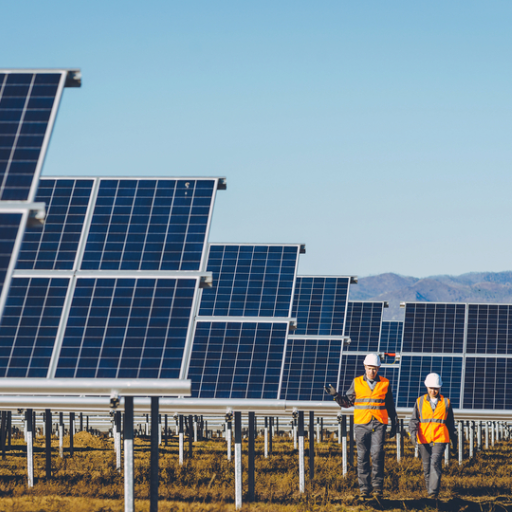
The conversion of energy with high efficiency is a must for the solar power systems to reap the benefits of maximum performance. Along with the singing of solar energy into the electricity process, the loss of energy is minimized hence power output is maximized and operating cost is reduced. One of the important parts of this chain is the solar transformer that works as a bridge between the solar panels and the grid by transferring energy with the performance and reliability as if it was the original energy source.
The requirements for transformers in a solar farm focus on efficiency to be achieved through compliance with certain design and operational standards. The transformers should be designed in such a way that they can manage the load fluctuations and changes in the environmental conditions (like temperature) without sacrificing the reliability of energy transfer. Also, longevity of operation would be possible with very little maintenance if these transformers exhibit high durability as one of the main factors.
To achieve the above-mentioned qualities, solar Transformers are usually made with cutting-edge core materials and their winding techniques being optimized to bring down the losses. Besides that, they have to be in line with the guidelines of the regulatory bodies regarding safety and energy efficiency. By concentrating on these aspects, the solar farms can, in turn, improve their overall sustainability and energy output.
Regulatory Compliance and Standards
Solar farm transformers have to comply with the strictest regulatory compliance and standards for the purpose of maintaining environmental safety, operational efficiency, and longevity. One of the main regulatory requirements usually relates to energy efficiency, thermal performance, and pollution levels being kept at a minimum. Such rules are typically set by international organizations like the International Electrotechnical Commission (IEC) and local governments, which helps them to manage the execution consistently and fairly.
To begin with, the transformers used in solar power plants have to fulfill a particular requirement of energy efficiency which is to minimize the loss of energy during the transmission of power. The designs with high efficiency not only help in bringing down the operational cost but also support the environmental sustainability objectives of the solar energy project. In addition to this, the materials as well as the manufacturing processes will have to be in concurrence with the environmental safety standards, for instance, those that control the use of hazardous substances, in order to reduce the potential harm to the ecosystems and human health.
The safety standards are of utmost importance for the above-mentioned reasons and are also crucial for the electrical infrastructure’s reliability. It is a must that the transformers go through tough testing for the aforementioned characteristics: voltage withstand capability, insulation integrity, and overload performance so as to establish their suitability for the harsh conditions of solar farms. Adherence to these standards will not only guarantee high operating efficiency of the solar farm but also fulfill a dual purpose of regulatory and sustainability objectives.
Benchmarking Transformer Performance
The transformers of a solar farm are indispensable components that guarantee energy conversion and transmission to be both efficient and reliable. In order to determine the performance level of such transformers, it is necessary to consider certain criteria that would make them fit for harsh solar farm conditions. Among such criteria, one can find thermal performance, efficiency standards and environmental durability.
To start with, the thermal performance factor is of utmost importance when it comes to solar farm transformers. The transformers should be able to get rid of all the heat around them and still work at high temperatures and under different loads without being damaged or losing their efficiency. Testing should be carried out on thermal overload capacities so as to ascertain that transformers will be able to take peak operational demands without affecting their life span.
Moreover, the efficiency benchmarks refer to the process of analyzing the transformer that he/she/it is very effective when it comes to the minimization of the energy losses during the conversion process. The application of the high-efficiency transformer will result in a reduction of the energy wastage and later on, it will be a great step towards the overall sustainability objectives of solar farms. Besides compliance with global recognized efficiency standards which are a prerequisite for regulatory bodies,it is also a matter of having the transformer in place for the long run with savings in power costs.
The environmental durability, to meet the requirements of the solar farms, is an absolute necessity that need arises from the nature of the very harsh and very variable conditions. The transformers have to be able to put up with all the UV radiation, humidity, and changing temperatures while at the same time preserving their internal working. Sealing properly, using strong materials, and applying resistant coatings against corrosion are the most important characteristics of a unit that will be operational for a longer time.
Operators can thus pick the regulatory compliant transformers that are high in efficiency and provide reliability for even those areas often affected by the climate by comparing against the aforementioned solar farm transformers performance benchmarks. Performance testing and through maintenance will be the main supporting measures in keeping the transformer operation throughout the lifespan of the solar farm.
Frequently Asked Questions (FAQ)
Q: What are the primary solar farm transformer requirements for connecting solar generation to the grid?
A: Solar farms have a transformer requirements list that consists of transformers with correct power ratings (transformer kva), which are able to manage solar output and inverter power, as well as the ones correctly designed to cope with the harmonic distortion coming from the inverter, based on temperature rise and surrounding temperature ratings, with k-factor or k-factor rated ability to handle significant harmonic currents, possessing the right primary and secondary windings configuration (delta connection or wye), having bi-directional capability if it is necessary for power to flow back to the utility side, and considering nameplate ratings and manufacturer specifications.
Q: What considerations determine correct transformer sizing for solar farms?
A: Correct transformer sizing is based on solar output peaks, continuous inverter output ac power, expected power demand, transformer kva rating in relation to full load from inverters, potential overvoltage during energization or no-load conditions, ambient temperature, and allowable temperature rise. Transformer sizing should also include bi-directional power flow considerations, inrush currents during energization, and a margin for future expansions. Many designers prefer sizing slightly undersized to align with typical solar output, but this is a great risk of overload during high insolation and low grid load—thus, it is better to adhere to nameplate limits and manufacturer advice.
Q: Should dry-type transformers or oil-filled transformers be used for solar farm applications?
A: Dry-type transformers are frequently the preferred option for solar farm transformer installations as they are considered safer regarding fire risk, require easier maintenance, and can be more resilient to ambient temperature fluctuations when equipped with the right thermal ratings. However, transformers filled with oil might have a bigger advantage in terms of cooling and power losses reduction if there are very large transformer kva ratings. The transformer used will be determined by the site conditions, transformer design oriented to harmonics and k-factor, transformer manufacturers’ offerings as well as factors such as eddy currents, temperature rise, and location near the utility or inverter array for installation.
Q: How do inverter manufacturers and the inverter circuit influence transformer design and selection?
A: The inverter manufacturers determine the inverter circuit the characteristics of which, output ac power waveform, and potential harmonic distortion directly influence the transformer design. Knowing the parameters of the inverter’s DC voltage, current, and voltage, estimating the current waveform from the inverter, and the thd, it becomes clear whether a transformer will need special coil construction, a k-factor rating, or additional harmonic filters. An inverter and transformer coordination ensures the transformer can cope with the input of harmonics from the inverter and will not suffer from too much heating or shorter lifetime.
Q: What protection and grounding considerations are part of solar farm transformer requirements?
A: Protection is comprised of overcurrent relays, ground fault protection, surge protection for overvoltage cases, and proper coordination of grid side protection and inverter protection. Grounding issues concerning balanced voltage, primary and secondary windings configuration, delta connection grounding strategies, and utility requirements for equipment grounding should also be addressed. Proper protection is critical in the case of damage during energization, faults, and bi-directional power flow scenarios.
Q: How does ambient temperature and temperature rise affect transformer performance at a solar site?
A: Ambient temperature and temperature rise are two factors which have a really big impact on the lifetime and capacity of the transformer. Higher ambient temperature raises the operating temperature which results in a reduction of the amount of load that can be on the transformer unless it is derated. The temperature rise specifications determine the insulation class and the cooling requirements of the transformer; the additional heating caused by harmonics or eddy currents has to be considered when evaluating the thermal performance. Manufacturers of transformers give curves and guides to help ensure that operation is not compromised under site-specific ambient conditions.
References
- University of Massachusetts – Location Considerations for Ground-Mounted Solar Photovoltaic Arrays
Read more hereUniversity of Arkansas – Solid-State Transformers for Interfacing Solar Panels
Read more hereUniversity of Arizona – Calculations for a Grid-Connected Solar Energy System
Read more hereTop Oil-immersed Transformer Manufacturers and Suppliers in China