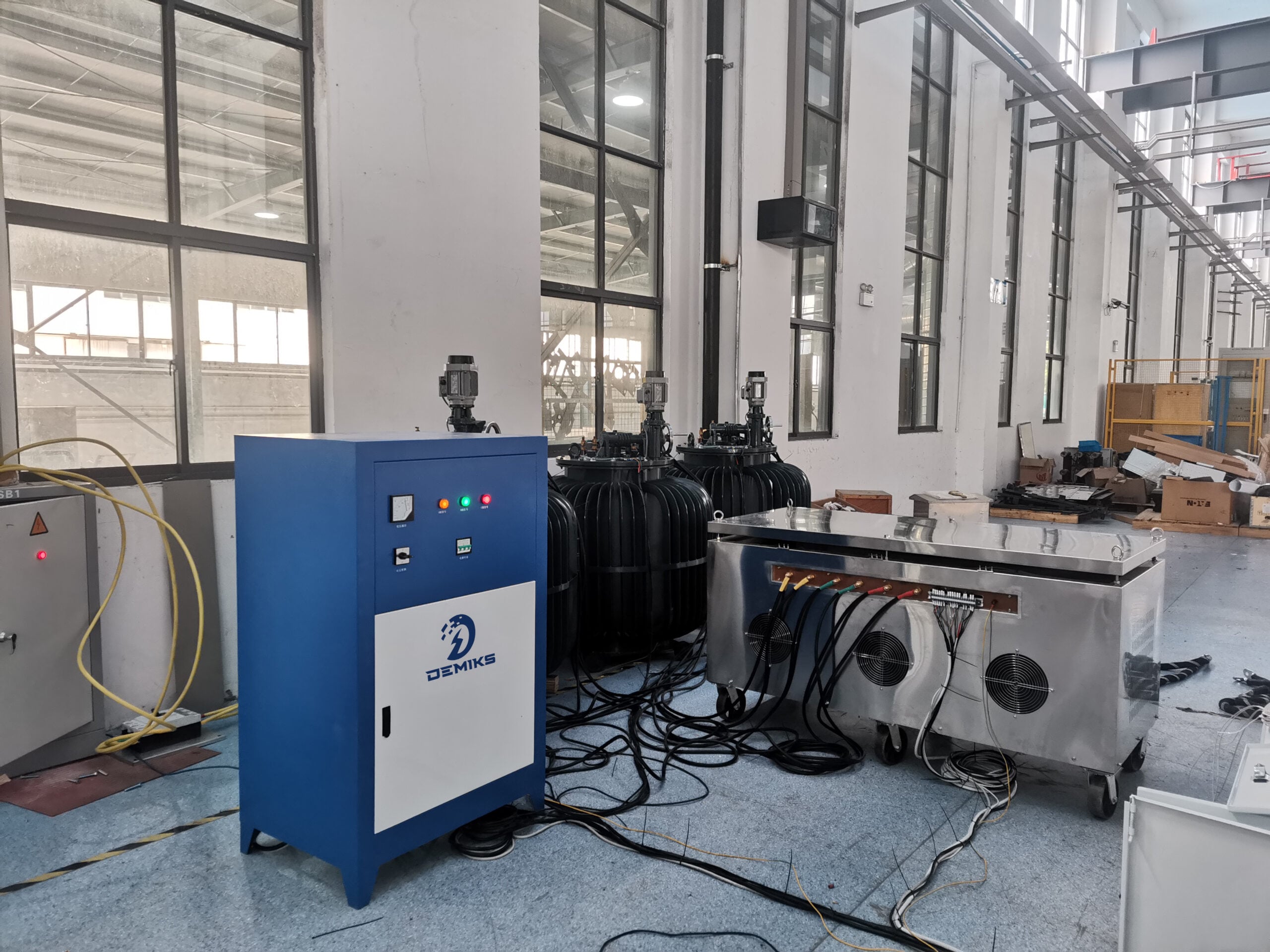
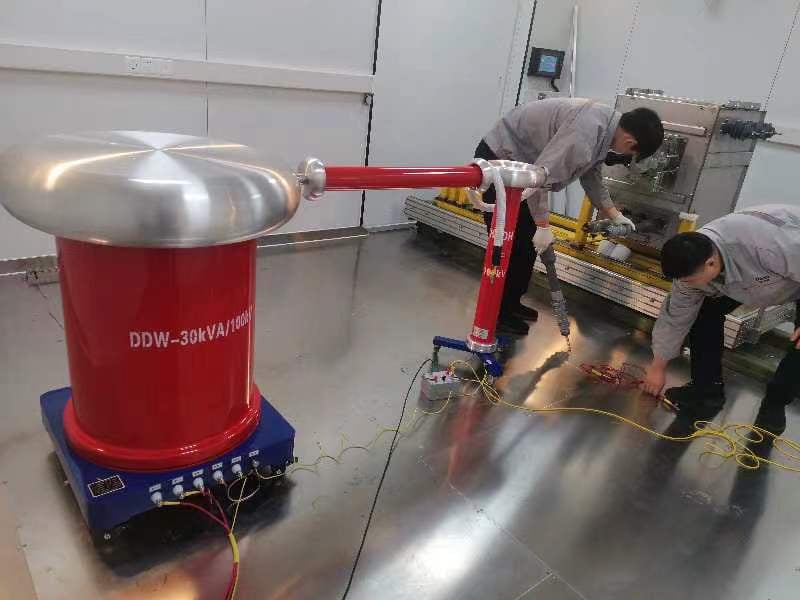
High voltage testing is actually really an important part that helps guarantee safe, reliable, and good performance of all electrical systems in various industries. Together with the tremendous progress in equipment and systems over the last century, the observance of safety regulations during these actions has been corresponding with the development of technology. Through strict development to safer equipment, the occurrence of catastrophes has become less and less. Since the early 2000s, the number of catastrophic accidents has fallen. This document desires to convey a complete idea of the individual, and the interaction of the procedural, regulatory and best practices that will assure efficient and safe high voltage testing This article is applicable both to the one who has got a lot of experience as a technician and also to the rookies and all those in between. The article will surely provide the basic knowledge that will put a technician in a position of performing work that is free from the risks and compliance with industry standards. Keep on reading and by the time you finish the document you will realize that you have the key information, which will help you become more effective in testing and adherence to the top safety standards in your workplace.
⚡ Understanding High Voltage Testing

1Definition and Importance of High Voltage Testing
High voltage testing is mainly the testing of equipment and electrical insulation that deals with the capability of the equipment to work safely and efficiently at high voltage. This kind of testing is imperative in power generation, telecommunications, and manufacturing industries where system reliability is an absolute priority. High voltage testing not only saves money from equipment failures and ensures the safety of the workers but also is a means to comply with regulatory standards. With the help of the high-tech testing methods such as partial discharge detection, and advanced insulation monitoring, it is possible to completely eliminate the occurrence of diagnostic errors that can be caused by conventional testing methods. This level of technology and precision creates a new era as far as maintenance is concerned and thus, the significance of high voltage testing in the maintenance of robust and energy-efficient operations cannot be underrated.
🎯Key Benefits of High Voltage Testing
- Prevents Equipment Failures: Early detection of insulation weaknesses
- Ensures Personnel Safety: Identifies potential hazards before accidents occur
- Regulatory Compliance: Meets industry standards and legal requirements
- Extends Equipment Lifespan: Proactive maintenance through predictive diagnostics
2Common Applications in Electrical Engineering
The critical issues being answered by the high voltage testing method are distinctive of several sciences and even more so in the electrical engineering field. The fundamental use of it remains in the power transmission and distribution systems as it is the machine that the infrastructure which includes transformers, circuit breakers, and overhead lines is the most reliable powered by. The engineers can prevent the outages and select mitigation actions in the case of electrical failures being accomplished by the verification of the insulation strength and detection of the abnormalities.
High voltage testing is a must-have activity for these renewable projects as it heads off inefficiency issues and equipment outages. It is true that the correct operation of the grid interconnection, the converter, and inverter can only be ensured by the testing process having been done.
High voltage testing also supports the manufacturing and certification of electrical components. Testing procedures validate the performance of cables, switches, and insulation materials under extreme conditions, meeting stringent industry standards while advancing product durability and safety.
💡 These applications highlight the indispensable role of high voltage testing in engineering, driving operational excellence, advancing technological innovation, and promoting energy sustainability.
3Overview of High Voltage and High Power Systems
High efficiency, high voltage, and high power systems are key parts in present-day electric and energy infrastructure, that they take a significant share in power generation, transmission, and distribution. The systems are mainly made with the fact that electric energy up to very and more levels will be handed over very losses and to make very losses possible at the same time stability amidst power cut offs; therefore they are also the support for the increased electrical demand from industrial, commercial, and residential appliances.
A system of high voltage usually functions at voltages beyond 1,000 volts for alternating current (AC) and 1,500 volts for direct current (DC). These are systems of utmost importance in the distribution of electric power over vast distances with very low losses that transferring energy is not costly. Innovations in high voltage direct current (HVDC) technology have made radical changes in this field, bringing along the advantages of better grid reliability and the emergence of non-fossil fuel energy sources as wind and solar, into the already existing networks.
Concerning the high-power systems, they are convinced to be the right selection for the positions requiring a very high energy load, which are commonly found in heavy industries, power plants, and large-scale infrastructure projects. Very modern and up-to-date techniques will further improve the situation with the energy-saving and the life improvement of the equipment by using better materials and intelligent monitorings.
High voltage and high power systems, when combined, play a key role in the power industry with their ability to efficiently manage power and gradually shift to cleaner energy sources. The fact that these systems are always being developed shows how vital they are in the context of global energy problems and at the same time, providing a basis for technological advancement and economic growth.
🛡️ Safety Standards for High Voltage Testing
Key Safety Standards and Regulations
When it comes to high voltage testing, adherence to safety standards is critical for ensuring operational safety and reliability. These standards provide frameworks to mitigate risks associated with high voltage systems and outline best practices for testing environments.
1
IEC 60060
Specifies high voltage testing techniques and procedures, including equipment and environmental requirements for accurate and safe tests.
2
ANSI/IEEE Standard 4
Focuses on techniques for high voltage testing in laboratory and field settings, with guidelines for impulse voltage measurements and insulation performance.
3
OSHA 29 CFR 1910
Emphasizes electrical safety requirements for workplaces, specifying protocols for high voltage handling, insulation, and worker protection gear.
4
NESC
National Electrical Safety Code provides comprehensive regulations for transmission and distribution systems, safeguarding people and facilities.
⚙️ The regulations are also being updated due to the impact of new technology and innovations brought to testing. For example, there are new safety parameters attributed to advances in smart monitoring systems and non-invasive diagnostic tools. Adapting to these changes is not only attaining to regulations but also keeping the testing capability on the edge of the prevailing industry that highly values precision and worker safety. Trained and informed personnel prevent the occurrence of incidents and thus contribute to a safe working environment for both personnel and equipment.
IEEE Recommended Practices for Safety in High Voltage Testing
Compliance with the IEEE Recommended Practices for Safety in High Voltage Testing plays a vital role in cutting down risks and increasing the operational efficiency. The very norms deliver a systematic process for the unearthing of dangers, the taking of protective steps, and the guarantee of testing procedures’ reliability. And the issue of integrating the same, the IEEE’s lovers out there are not only getting the top safety but also the advantage of being the first to go public with any new technology. Nevertheless, practices like the use of tools with insulation, the application of grounding, and the making of regular equipment checks are highly recommended as they are the methods for reducing risk and remaining in the virtue at the same time.
📋 Moreover, by keeping detailed documentation and regularly conducting safety audits as per IEEE recommendations, the safety of the personnel and equipment gets covered even when they are at high-voltage areas. Being in synergy with these codes not only adds to the safety at the workplace but also facilitates the advancement of product technologies that are in the electrical testing sector.
Understanding ANSI and IEC Safety Standards
The American National Standards Institute (ANSI) and International Electrotechnical Commission (IEC) safety standards are both contributive mainly to the enforceability of safety measures in the field of electrical testing and design. They are offering a unified framework giving answers to the questions of risk identification, equipment performance, and operational reliability at the same time. The standards are regionalized and adapted to be the best for their respective countries. As a result, the standards issued by ANSI that are very common in the USA are perfectionists who are making the workplace a bit safer everyday by taking the complex path back through the details.
Moreover, international (IEC) standards are extremely reputed and they offer a global vision from the standpoint of electrical safety and compatibility. Safety and compatibility is the main point where both standards meet and some of the examples are protection against electrical shock, insulation coordination, and grounding systems. This also ensures that the safety practices are consistent globally. The combined use of the two standards has supportive impact on the organizations with respect to compliance to legal regulations, encouragement of personnel compatibility and safety assurance. To comply with industry best practices and get the best safety outcomes it is important to keep up with changes and updates coming from these standards.
🔬 Testing Procedures and Practices

Standard Testing Procedures for High Voltage Equipment
The last thing you should do when testing high-voltage equipment is a critical step, in order to safeguard its reliability, operational safety, and compliance with industry standards. It is the standard procedures by which the performance and the durability of equipment are being systematically evaluated in all sorts of stress conditions which is replicating the real-world operations. Most of the times these procedures are:
1
Dielectric Testing
Verifies the insulation’s ability to withstand high voltage without breaking down. Tests such as the AC or DC dielectric withstand test are common practices to identify weak points in insulation materials.
2
Partial Discharge Measurement
Detects localized discharges that may indicate insulation degradation or defects. Early identification of partial discharge helps mitigate long-term equipment damage and failure.
3
Impulse Testing
Simulates lightning or switching surges to ensure the equipment can endure transient overvoltages without failure. Essential for high voltage transformers, circuit breakers, and other key components.
4
Temperature Rise Test
Evaluates thermal performance by monitoring temperature changes during normal and overload conditions. Ensuring thermal stability is vital to preventing overheating and prolonged wear.
5
Polarity and Phase Check
Confirms proper wiring connections and ensures equipment operates correctly within the intended electrical network. Reduces the risk of system errors and operational inefficiencies.
6
Circuit Breaker Timing Test
Measures the opening and closing times of circuit breakers to assess their mechanical functionality and responsiveness under load conditions.
7
Resonance and Harmonics Analysis
Identifies any unwanted frequencies or harmonics that could cause malfunction or energy inefficiency within the system. Proper analysis optimizes performance and reduces wear on sensitive components.
✅ When practices and criteria, like the ones explained in the IEC 60060 or IEEE C57, are rigorously followed, it is guaranteed that all the tests will come up with trustworthy and equal results for various electrical systems. The efficiency and accuracy of high voltage equipment testing for preventative maintenance or any other purposes could be greatly improved by using digital technologies along with AI-driven analytics for predicting potential failures, particularly those that might go unnoticed but could have safety and compliance implications.
Best Practices for High Voltage Testing
For high voltage testing to be done safely, with precision and reliability, it is essential to follow the best practices that have been established and at the same time to incorporate the latest developments in a seamless way. An investigation of risks and errors can be carried out by having a check on the suggestive factors and risks. This could be done by creating an environment that has controlled conditions comprising the proper insulation, calibrated measurement tools, and robust grounding systems. The controlled maintenance system, aided by data analytics and advanced algorithms, and being preventive through predictive maintenance tools, can play a significant role in the reduction of downtime and inefficient use of resources.
Avail yourself of non-destructive testing methods, like partial discharge analysis or insulation resistance testing, to safeguard the equipment’s quality and state while examining it. These methods deliver very crucial information about the condition of the insulation without leaving the slightest impact. Additionally, the presence of digital monitoring systems has made it possible to collect and report data in real-time, thus, even further simplifying the testing process and at the same time improving the decision-making process.
👨🔧 In conclusion, the significance of extensive training of personnel doing high voltage testing is immeasurable. Train groups to the extend where they are able to use modern tools efficiently, understand intricate data, and comply with the strictest regulations, for example the ones set by IEC and IEEE. High voltage testing, when combine considerable experience and most recent technology, can reach a far higher level of accuracy, speed, and safety.
Common Safety Practices to Follow
Ensuring safety precautions and strict procedures are taken into account is a must-do especially when high voltage testing is the matter, and this is to ensure the protection of the staff and the equipment. To begin with, every person participating in the tests must use the necessary personal protective equipment (PPE), the high voltage safety gloves, the arc-resistant apparel, and the goggles will be the basic equipment. The test location safety perimeter should be free from any human except the testing workforce. The safety zones should be so clearly restricted that no unauthorized persons are able to gain access for any reason and in this way, the exposure to risky areas should be minimized.
⚠️
Critical Safety Checkpoints
- Personal Protective Equipment (PPE): Insulated gloves, arc-rated clothing, safety goggles
- Safety Zones: Clear barriers and visible markings to prevent unauthorized access
- Equipment Inspections: Verify all devices are functioning correctly and free of defects
- Lockout/Tagout (LOTO): De-energize and secure electrical systems before testing
- Communication Protocols: Clear coordination among team members
Regular equipment inspections are yet another very crucial procedure to follow. Prior to conducting any tests, it is necessary to confirm the proper functioning and defect-freeness of all instruments. It is important to include the practice of thorough checks in such situations as the happening of hazardous situations might be the case with faulty equipment or equipment that has not been taken care of properly.
Moreover, always make use of an elaborate lockout/tagout (LOTO) process. By energizing and securing the electrical systems, the testing section is kept separated from any undesired energy release. For the team to perform tasks efficiently and with no errors or incidents, good communication systems should be put into operation – in other words providing a proper working environment.
📚Make sure that the safety training programs are updated regularly. A culture in which safety is the top priority is one where the workforce is continuously educated and trained in the latest technology, regulations, and hazard control practices. In this way, the best practices can be fused with the proactive approach and the high voltage tests can be performed with maximum safety and optimum output.
📋 Policy and Compliance in High Voltage Testing

Importance of Compliance with Safety Policies
Safety policy compliance is a crucial element of both operational integrity and the workers’ safety during high voltage tests. The observation of the regulations and standards that have been set also helps in having a healthy and safe work environment, by removing risks, reducing the responsibility, and boosting the satisfaction of employees. Significance is also found in the fact that by respecting and observing the policies that are said to be the ones guiding the industry, we will be the followers of the best practices thus improving the company’s name and belief among the customers and stakeholders. As a result of setting strict safety controls, the organization will also prevent damage to equipment and reduce the downtime that is caused by the cost of the accidents and violations. Having the latest information on changes in the standards and merging them with the continuous scrutiny of hot procedures keeps the teams to be very adaptable as well as always to be very strictly adherent to the safety regulations. This particular effort made not only for the satisfaction of the regulatory authorities but also for the whole safety of the organization.
Risk Mitigation
Reduces liability and prevents accidents
Credibility
Builds trust with clients and stakeholders
Equipment Protection
Prevents damage and minimizes downtime
Adaptability
Stays current with evolving standards
Documenting Safety Procedures and Testing Results
Proper file-keeping on the safety practices and the tests is a must for the very compliance as well as safety in operation to be ensured. The easy-to-read way of documenting the procedures would help in seeing the possible dangers clearly, making the operations the same and creating a strong safety culture. It is a very good idea to document each step of the test as completely as possible; one should not only capture the most important points of the test but also the environment in which it was done, any obstacles that may be present, and the final disposition of the case, so the results can always be used as a reliable background fact for any further investigations). Letting the team know about the latest open secrets and trends in the business can make them better off in the documentation, as well as they become more effective on the issue of the gap and are, at the same time, not so much reliant on the outside information.
Effective documentation requires a blend of consistency, lucidity, and flexibility. One thing that can be done is to create and keep convenient templates in place for operations and records so that the process of updating can be easier as the standards change. Another thing is to make sure that the data is not only easily accessible but also auditable. This would create a clear and transparent system and at the same time it would also make everyone feel at ease and confident. Through a directed effort of such very careful means, companies can both secure their business and constantly better their safety measures in operation.
📝 Essential Documentation Elements
- Detailed safety procedures and protocols
- Complete testing results with environmental factors
- Key observations and anomalies
- Equipment calibration records
- Personnel training certifications
- Incident reports and corrective actions
Regular Audits and Updates of Safety Standards
Conducting regular audits and updating safety standards are basic for keeping a strong operational system. This activity guarantees that companies do not deviate from the current rules, the best practices of the industry, and the risks that are changing. The method of periodic evaluations helps in spotting the possible weak spots, taking safety measures, and simplifying the process of being saftey requirement complaint. If the insights from data are used, then the trend analysis, performance measuring, and adjustments that are required for covering the gaps can be done more effectively by the teams. Not only does the act of updating standards in advance make the workplaces safer, but also it strengthens the ascription of the companies being reliable and diligent.
🔄 Audit Cycle Best Practices
Plan
Schedule regular audits
Execute
Conduct thorough reviews
Analyze
Identify vulnerabilities
Improve
Implement updates
📊 Case Studies and Real-World Applications

Successful Implementation of Safety Standards in Industries
The implementation of safety standards in different industries has been successful and is a big proof to show the positive influence that such measures have on operations, as well as the welfare of the employees, and at the end, business outcomes. A very good example is the oil and gas industry, which has always been known for working in very risky conditions. Companies in this industry are changing now by investing in safety programs through quality control and employee training so that the rates of accidents are decreasing, and oil mining is becoming safer. It might happen that the use of IoT technology will lead to equipment failures being found and fixed before they happen, thus, accidental cases and downtimes being reduced as well.
🛢️
Oil and Gas Industry
- Regular equipment inspections
- Comprehensive employee training programs
- Real-time monitoring systems
- IoT-powered predictive maintenance
Result: Substantially reduced accident rates
🏗️
Construction Sector
- Wearable safety technologies
- Smart helmets with sensors
- Real-time hazard alerts
- OSHA compliance tracking software
Result: Enhanced safety compliance and efficiency
🌟 The construction sector, in particular, has experienced safety compliance improvements as wearable and digital technologies have been implemented. Smart wearable technologies and helmets with environmental monitoring systems can gauge a worker’s health environment and provide an alert to the potential hazard in real time. On the other hand, the integration of software platforms that track compliance with OSHA (Occupational Safety and Health Administration) standards offers a smooth and efficient way to document and inspect safety issues. These advancements not only protect workers but proceed to improve efficiency and promote the image of the industry. Stakeholders value the existence of safety standards since they place companies alongside best procedures that assure customers and partners. By staying alert to any new technological enhancements and regulatory updates, an industry will continue to nurture this culture of safety that will be its key ingredient for continued success.
Lessons Learned from High Voltage Testing Incidents
Having faced many incidents during high voltage testing, I have come to realize that all cases point toward the paramount importance of stringent safety measures and strict implementation. The fundamental takeaway from these incidents is that a good risk assessment must always be made before any testing process begins. By way of hazards, one should be aware of insulation failures, improper grounding, or simple human errors so that necessary remedial measures may be put into place to mitigate risk. It is also extremely important that any person involved in the testing procedure be trained and familiar with the safety procedures. This will create an even more alert team to the pitfalls in the process to avoid human errors that lead to accidents.
⚠️ Critical Lessons from Incidents
- Thorough Risk Assessment: Identify all potential hazards including insulation failures, improper grounding, and human error before testing
- Adequate Personnel Training: Ensure all team members are properly trained and briefed on safety protocols
- Well-Maintained Equipment: Use properly calibrated and regularly inspected testing devices
- Clear Communication: Establish structured communication and well-defined chain of command
- Post-Incident Evaluation: Analyze root causes to prevent future occurrences
Always remember the use of properly maintained equipment upholding industry standards. Testing devices that are faulty, or outdated give you wrong results; even worse, they pose safety hazards. So, always calibrate and inspect the equipment so that it performs at its highest level within the guidelines. Then those incidents implied a lot about the very great importance of clear communication during testing. If misunderstandings arose amongst team members, errors could occur, or worse, even dangerous situations may evolve, especially under pressure; therefore, structured communication and an established chain of command are essential for the safe and efficient execution of all steps involved.
📈 Finally, post-incident evaluations are essential to the improvement of safety and performance. Understanding the root cause of an incident provides insight into what went wrong and what can be done to prevent similar cases from happening in the future. This supports a system of continual improvement whereby the lessons learned are put to use in improving procedures, hiring, and adoption of better technology that improves safety. Whether high voltage testing is performed, there are risks, yet deliberate and proper planning, execution, and learning from incidents lessen the hazards to personnel and equipment.
Future Trends in High Voltage Testing Safety
Looking into the future, technology, evolved safety codes, and automation will shape it. One major trend is adopting IoT devices as well as real-time monitoring systems. IoT-based equipment constantly monitors the test environment, looking for any anomaly or hazardous condition and immediately alerts the operators. Enhancing situational awareness and allowing one to make corrective measures is what these solutions aim to achieve-it helps in preventing incidents.
IoT Integration
Real-time monitoring with immediate hazard alerts and continuous anomaly detection
AI & Machine Learning
Predictive maintenance and risk assessment through historical data analysis
Automation
Robotic testing stations and remote control operations for enhanced safety
Smart Wearables
AR glasses and proximity sensors providing real-time critical information overlay
Another promising trend we see in the field of AI is predictive maintenance and risk assessment, which makes use of its features. AI-driven systems analyze historical data to pinpoint potential failure points or evaluate the health condition of a piece of equipment. Thus, the maintenance will actually be carried out with greater effectiveness by teams to ensure optimum equipment condition prior to testing. Furthermore, the test processes remain in automation, from the robotic automated test stations to the remote control of precarious operations. Such developments ensure improved efficiency while also maintaining the safety of personnel at a distance from live circuits.
🚀Finally, new technologies have been snapped in alignment with changing industry standards and regulatory frameworks, thereby creating more stringent laws and requirements for safety and compliance. Smart wearable tech is increasingly making a debut to increase the safety of operators during high voltage testing. The devices layer real-time critical information that allows professionals to make better decisions while working in demanding environments. These trends jointly underline the industry’s willingness to put innovation behind safety while not allowing any lag in operational performance.
📚 Reference Sources
- IEEE Safety Recommendations For High Voltage Testing – Spellman HV
- 1926.963 – Testing and Test Facilities – OSHA
- How to Work Safely with High-Voltage Test & Measurement Equipment – Vitrek
- High Voltage Testing Specifications and Procedures – DTIC
- A Comprehensive Guide to High Voltage Testing Methods and Applications – Demiks Power
❓ Frequently Asked Questions (FAQs)
Q1
What are the safety standards for high voltage testing?
Safety standards for high-voltage testing are guided by institutions such as the IEEE. These standards, such as IEEE 510-1983, recommend safe practices for the handling of high-voltage circuits and equipment. Compliance to these standards ensures that people are protected from electric shocks or other hazards while working in high-power testing. Consider the safety precautions as a serious issue. The use of test equipment and protection should be considered. Manufacturers are recommended to extend their safety policies in conformity with these standards to ensure the safest possible working environment.
Q2
How can I perform high-voltage testing safely?
Surely, high-voltage tests performed without due regard to safety are fatal. However, the operators who practice safety recommend insulating tools and applying measures for protection against electric shock that might involve any direct or indirect contact with energized parts. It is just as pertinent that the tester accepts only those pieces of test equipment which have been certified by accepted bodies and are manufactured following the relevant accepted safety standards. When interfacing instruments with live terminals, the precautionary steps should be taken to prevent accidental exposure to high-voltage components. Planning test schedules ahead greatly minimizes hazard factors if all safety measures are assured prior to the commencement of the test.
Q3
What are the precautions for high voltage and high power testing?
In high-voltage and high-power testing, a thorough risk assessment shall be conducted before any testing procedure begins. The testing area should be restricted to authorized personnel only, and clear demarcations for safety zones should be made. Test equipment shall be kept in maintenance and inspection mode regularly to ensure that they are working within safety limits. Meters and other equipment used shall be operated with precautions: all connections shall be secure and insulated. Besides that, observer and operator training on hazard awareness pertaining to high-voltage circuits is necessary to keep tests safe.
Q4
What does the IEEE standard 510-1983 specify?
Safety during high voltage testing is a must and hence recommended in the IEEE standard 510-1983. It forms a set of requirements for design and testing of electrical apparatus in such a manner that the testing procedures minimize the risk to personnel and equipment. Test equipment and test techniques must be stipulated in the standard to prevent accidents. It also indicates necessary precautions to follow when testing high-voltage circuits. Thus, meeting this standard surely will guide the manufacturer and the operator to assure safe testing life and to reduce electrical hazards on the way.
Q5
How should test equipment be maintained for high-voltage testing?
The maintenance of test equipment for high-voltage testing is to be done as per the manufacturer’s recommendations and appropriate safety codes. Regular inspections should be conducted to detect any signs of wear or damage, especially in high-voltage cables and connectors. It is essential to keep meters and instruments calibrated for the readings to remain accurate and to operate safely. If an apparatus is found short of minimum laid safety specifications, it must be repaired or discarded at once. Maintenance logs may serve as a reference for the status of test equipment over time ensuring it is kept in accordance with safety policies.
Q6
What is the role of an observer during high-voltage testing?
The observer assumes a critical role during high-voltage testing by watching to see that safety precautions are observed correctly and that proper procedures are duly followed. The observer has to be familiar with the testing equipment and safety standards including those described in IEEE 510-1983. They are to remain away from high-voltage circuits beyond a safe distance and always be ready to act in an emergency. Having an observer on site can ensure that all personnel carrying out the test are following the safety precautions strictly and that any hazards are identified and eliminated in no time. Proper communication with the observer is vital to maintain a safe testing environment.