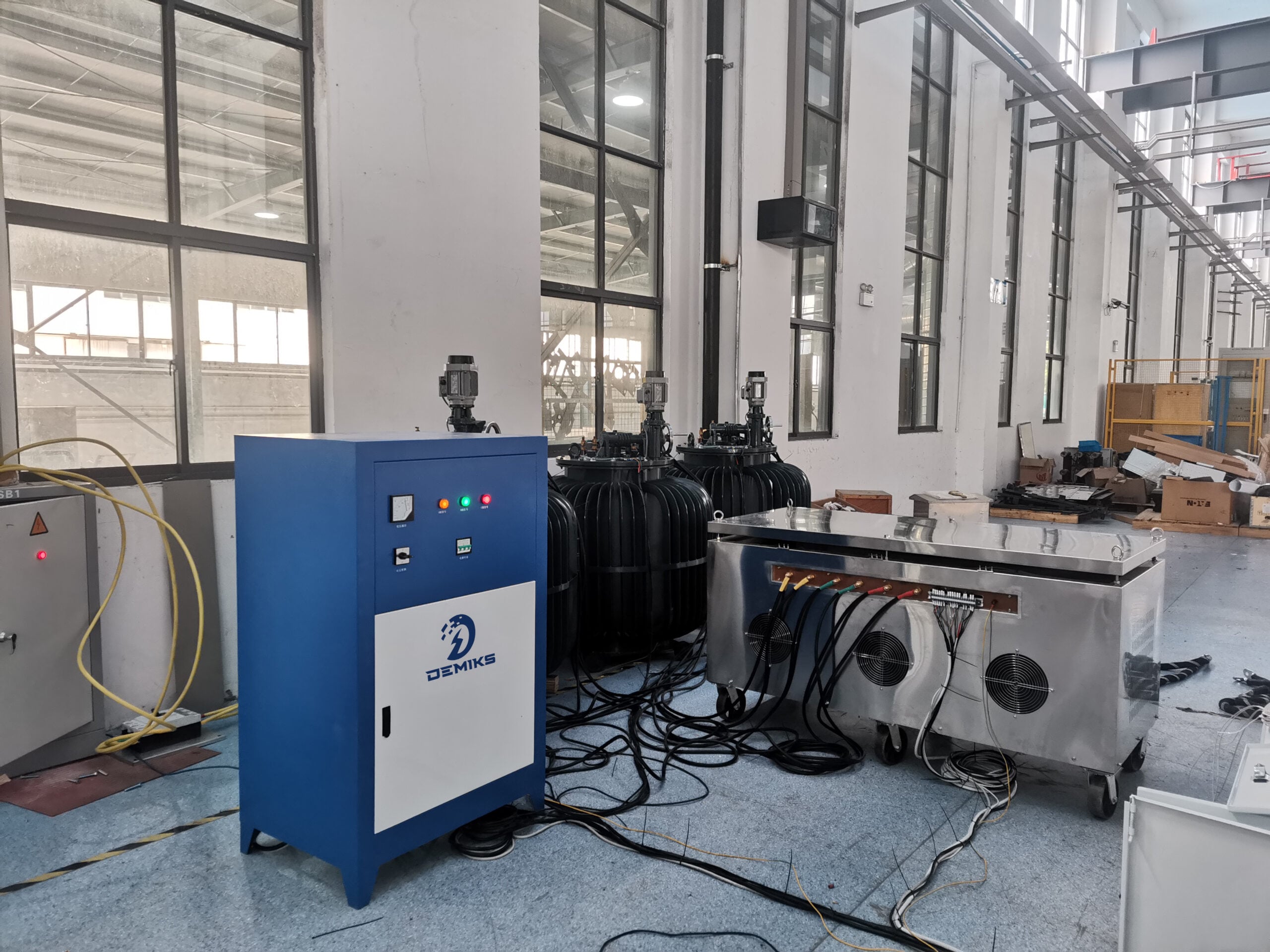
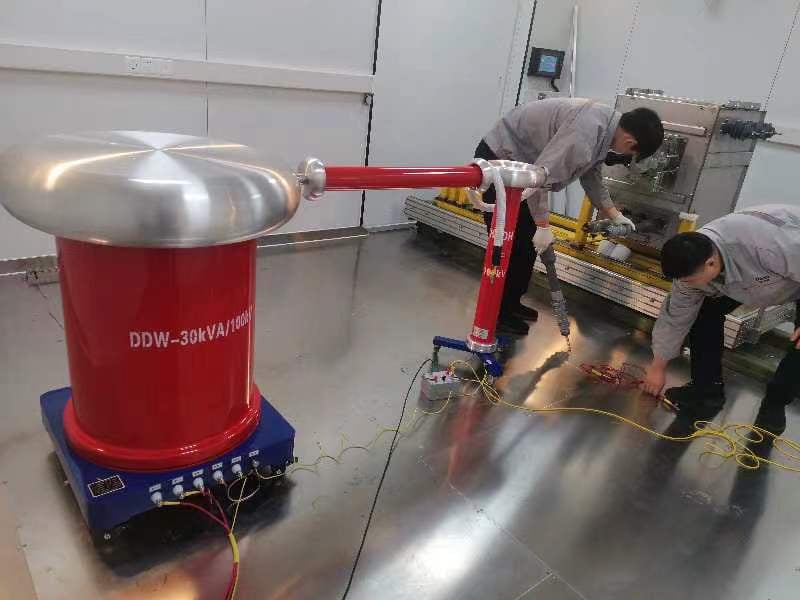
The Relay Protection Tester Analyzer ensures critical power systems function safely and reliably. This specialized device functions to test and analyze protective relays, which are systems designed to stop malfunctioning electrical circuits from disrupting power grids. The purpose of this blog post is to explain the purpose of the Relay Protection Tester Analyzer and describe its functions while outlining its importance in preventing faults in power distribution systems. If you are a seasoned engineer, a technician, or just interested in learning about electric systems, this article will provide all the details necessary to understand the importance of this testing equipment.
What is a Relay Protection Tester Analyzer?
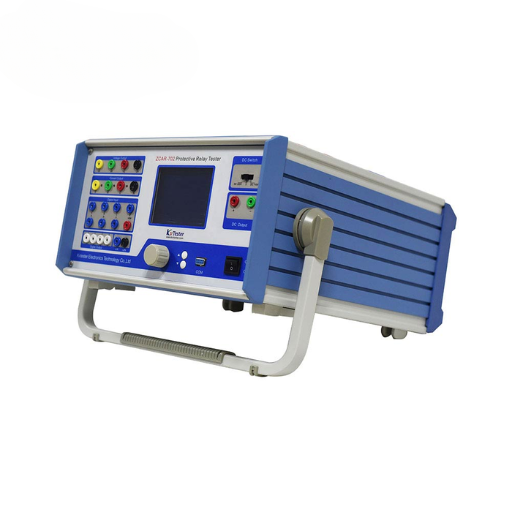
A Relay Protection Tester Analyzer is a type of device that is used to test and verify the protective relays of an electrical power system. Protective relays safeguard power systems by electrically isolating faulted sections within an electric grid. The protection relay tester simulator creates currrent and voltage signals in order to assess if the relay operates optimally within varying conditions. This device helps maintain the dependability of the system, protects expensive equipment, and prevents widespread blackouts.
Definition of the Analyser in Electrical Engineering
A sophisticated analyzer is a multi-functional device which evaluates the performance ip the different work units of electrical systems and components. It uses sophisticated technology to measure voltage, current, frequency and even impedance among other things, which allows accurate evaluation of the system’s performance under different conditions. Modern analyzers have capabilities such as capturing waveforms, performing harmonic analysis, and even generating reports automatically all for the purpose of giving insights on the performance of the system in question. These tools play a major role in the detection of system faults, optimizing system performance, diagnosing system malfunctions, and even ensuring that set compliance regulations are met resulting in improved safety over electrical networks.
Key Functions of a Relay Protection Analyzer
- Relay Testing and Calibration
Relay protection analyzers conduct precise tests for protection relays by emulating electrical malfunctions like overcurrent, undervoltage, and frequency shifts. This guarantees relays are properly calibrated for all response scenarios and help prevent uncontained failures and reduce system-wide downtimes.
- Dynamic Testing and Simulation
Modern analyzers also support dynamic testing. They can simulate changing grid conditions to assess the performance of the relay in transient states as well as evaluate time delays, stability settings, or coordinated operations, all of which are vital in complex electrical networks.
- Harmonic Analysis
Impact evaluation of harmonics on relays and potential weak points caused by distorted waveforms is within the analyzer’s capabilities. This is very important in nonlinear load settings with variable frequency drives and renewable energy inverters, where such protection is critical.
- Event Recording and Fault Playback
Relay protection analyzers conduct playbacks of actual fault events enabling engineers to analyze and diagnose the protective systems’ failures deeply which helps them resolve issues and remediate protection schemes.
- Automated Reporting and Compliance Validation
Many analyzers create comprehensive automated reports documenting the results alongside compliance with relevant standards such as IEEE, IEC, or local and more regulatory requirements. This supports critical processes for legal and reliability bound record and audit keeping.
Using relay protection analyzers ensures the safety, accuracy, and streamlined efficiency within electrical networks. Their functions enhance the resilience of contemporary power systems.
Importance of This Tool in Safety Protocols
Safety procedures are improved by relay protection analyzers, which simulate fault conditions with great accuracy. They determine whether correct devices are working when faults happen in power systems. These tools guarantee that protective relays have been set to sense and handle abnormal situations such as overcurrent or voltage instability so as to prevent cascading failure or destruction of equipment. With features like automated test sequences, real-time data visualization, and accurate timing measurements, modern analyzers allow for rigorous testing with few chances of errors from human beings. Moreover, the digital communication protocols like IEC 61850 enable the seamless interactions between these tools with intelligent electronic devices or IEDs hence supporting automatic fault isolation and system restoration processes. This greatly aids operators’ safety and minimizes risks associated with hazardous conditions during operation of the system. Therefore, relay protection analyzers not only help maintain uninterrupted operation but also make it possible to observe personal safety norms through protecting people’s lives and properties according to strict guidelines on safe work.
How Does a Relay Protection Tester Work?
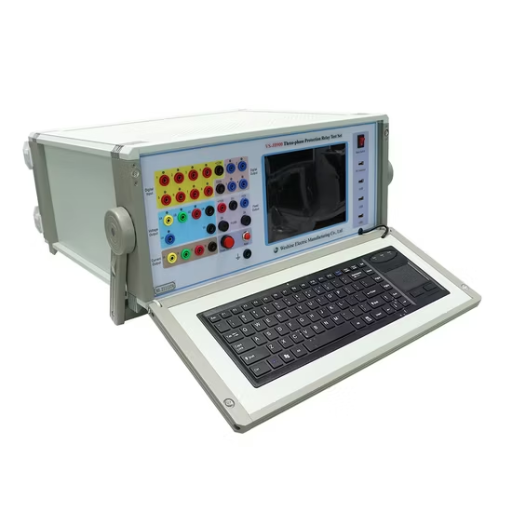
What the relay protection tester does is to stimulate electric fault situations in order to assess the performance and precision of protective relays. It develops managed electrical signals like current and voltage that simulate actual working circumstances. Directly connected to the relay under examination, this gadget enables one to see how it responds to various kinds of problems like overcurrents, undervoltages, or phase imbalances. This controlled testing ensures the extent to which relay functions as desired: causing an appropriate measure for example such as disconnection of a circuit or clearing a fault. In other words, these results are analyzed further in order to ascertain if there is a proper calibration and functioning thus making sure that safety system works efficiently all the time.
Device Mechanisms: An Overview
Modern protective devices such as relays integrate advanced mechanisms that blend traditional hardware components with leading edge digital processing technologies. Sensing voltage, current, and frequency (the electrical parameters) at the present moment is vital for these gadgets. These parameters are analysed accurately by digital signal processing (DSP) algorithms, which can identify minute abnormalities in milliseconds. This quick reaction reduces machinery downtime and prevents extensive damage of equipment. In addition to this adaptive settings on most protection devices now enable them to adjust their thresholds on real time basis according to system loads and environmental conditions; thus enhancing the efficiency and reliability of electrical protection systems as well as ensuring that they are robustly protected under different operation scenarios.
Types of Tests Conducted by an Analyzer
Modern analyzers carry out numerous tests across a wide spectrum of applications to ensure accuracy, precision, and reliability. The primary test types are:
- Voltage and Current Analysis
Analyzers measure voltage and current profiles in order to find problems like harmonics, sags, or spikes. Power quality evaluations use this testing in order for them to comply with standards set by IEEE or IEC.
- Frequency Response Testing
Frequency response tests show how systems react when exposed to various frequencies. Therefore these tests determine the stability of systems and their resonance characteristics as well as impedance performance; thus they are crucial in designing or monitoring high efficiency systems in power networks or industrial plants.
- Insulation Resistance Testing
Insulation testing gauges electrical resistance of insulating components with the aim of avoiding leakages, short circuits and eventual failures. These tests therefore ensure safety and long life of cables, transformers and motor windings.
- Harmonic Distortion Analysis
Usually, an analyzer would assess the presence of harmonic distortion and its level, which results from nonlinear loads. Identification and mitigation of harmonic distortions reduce energy losses and improve equipment dependability.
- Load Flow and Fault Simulation
Analyzers are capable of testing system performance under dynamic real-world scenarios by creating different loads or faults. This predicts behavior under stress and helps optimize system designs for reliability and efficiency.
- Dielectric Breakdown Testing
This test gives a voltage at which an insulating material breaks down, hence offering critical information for selecting materials and designing systems. Dielectric tests ensure safe working conditions at high voltage.
The ability to provide accurate diagnostics make these analyzers compatible with sophistications associated with system assessments, maintenance schedules and optimization programs in industry.
What Are the Key Features to Look for in a Relay Protection Tester?
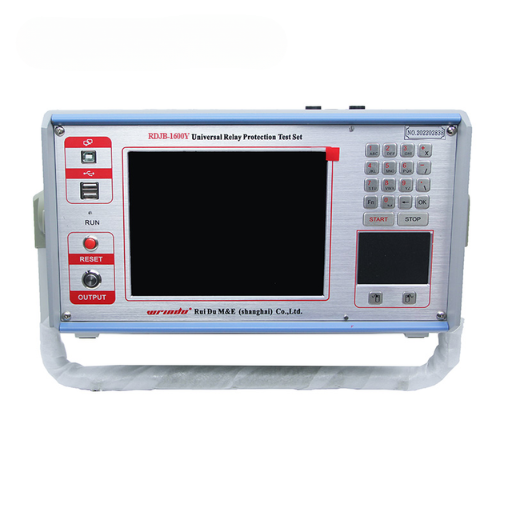
- Accuracy and Precision
The tester must ensure that the protection relay systems are evaluated accurately. A reliable evaluation of protective relay systems requires meticulous measurement. Consistent accuracy is critical for detecting anomalies in a system and maintaining operational efficiency.
- Ease of Use
An interface that is easy to use and has step-by-step guides streamlines navigation and reduces operator errors during the test. This ensures an effortless flow during the testing process.
- Multi-Functionality
Ability to perform overcurrent, distance, and differential relays allows for versatility which can be sustained across multiple frameworks.
- Durability
Dependable components safeguard the integrity of the tester’s performance against harsh environmental conditions and ensure reliable performance with sustained use.
- Compatibility and Integration
The system should support advanced communication protocols for streamlined testing. Textual verification should be integrated into pre-existing systems for unimpeded testing, evaluation, and analysis.
- Portable Design
Testers that are compact and lightweight improve mobility for field applications while maintaining tester functionality. Field work requires that the function and performance of the equipment is maintained.
Relay protection tester functionality is determined by the operational requirements set and therefore should focus on the capabilities evaluated and featured above.
Essential Specifications and Capabilities
- High Accuracy and Precision
A carefully selected tester will meet operational criteria when prioritizing the specific features sought in a relay protection tester. To accurately simulate faults, interfacing and precise system response based on currents and voltages is crucial. Using relays with industry standards, ±0.1% or better, ensure reliable outcomes.
- Multi-Phase Testing Capability
Equipment needs to have the ability to simulate multiple phases at once which usually includes at least three-phase voltage and current outputs. This capability is helpful when testing sophisticated relay protection systems, particularly for modern grid configurations.
- Wide Voltage and Current Ranges
Different types of protection relays can be tested without the need for extra parts due to the wide ranges of voltage (up to 300V) and current (up to 30A) capabilities.
- Advanced Communication Interfaces
Todays sophisticated testers should have the communication protocols of the Modern Relays like IEC 61850, DNP3, Modbus, for proper interaction with digital and numeric relays. This facilitates their use in smart grid systems and ensures data interoperability with advanced recording and analytical systems.
- Dynamic Testing Functions
Dynamic test features give the ability to simulate transient phenomena like faults and changes in loads or disturbances to the systems capturing the relay’s performance in stressful, real-world operational scenarios.
Meeting these specifications helps professionals choose a relay protection tester that meets strict compliance and regulatory needs while enhancing the efficiency of protective system operational maintenance and assessment.
Comparison of Popular Analyzers in the Market
|
Analyzer Model |
Key Features |
Testing Range |
Supported Standards |
Portability |
Price Range |
|---|---|---|---|---|---|
|
Omicron CMC 356 |
High precision; GPS sync |
Voltage, current, timing |
IEC 61850, IEEE C37 |
Portable design |
~$50,000 |
|
Megger SMRT410 |
Modular design; real-time results |
Wide voltage, currents |
IEC 60255, ANSI |
Compact, durable |
~$35,000 |
|
ISA TMC75 |
Lightweight; quick setup |
Low power systems |
IEC 61850 |
Easy to transport |
~$12,000 |
|
Doble F6150e |
Scalable; IEC 61850 ready |
Substation-grade flexibility |
IEEE, ASA |
Medium portability |
~$40,000 |
|
Kocos ARTES 460 |
Multi-protocol support; intuitive |
Medium to high voltage |
IEC, ANSI |
Compact, functional |
~$30,000 |
User-Friendly Features: What to Expect
Today’s relay testing equipment is built with the modern user in mind. It can be easily adapted to different working environments. The modern interfaces come with touch screens and sophisticated software which make diagnosis effortless and reduce the learning curve for new users. Lightweight and easy-to-use devices like their ISA TMC75 make low-power systems more mobile. In contrast, other advanced devices like the Doble F6150e and Kocos ARTES 460 focus on multi-protocol capabilities and adaptability, allowing detailed tests from medium to high voltage levels using strict IEC, ANSI, and IEEE compliant frameworks. Many models increase the already compact usability by lightweight transporting and deploying working tools in challenging tight field conditions. These modern tools relay testing tools automate and modernize the reliability, practicality, and efficiency, perfection in operation.
Historical Context: The Evolution of Relay Protection Analyzers
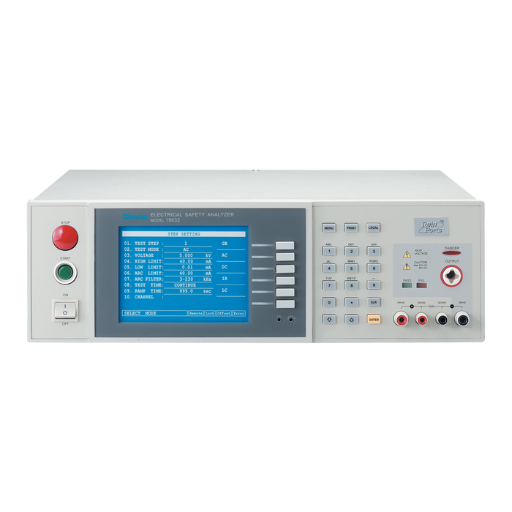
Analyzers of relay protections have roots dating back to the evolution of the protective systems of electrical equipment in the 19th and 20th centuries. Early protection systems utilized electromechanical relays that responded to predefined injury conditions. These relays had to be manually tested which added to time delays and human error. In the 1970s with the emergence of microprocessor technology, electromechanical digital relays became prevalent due to their greater accuracy and functionality. This also increased the need for sophisticated testing equipment that could evaluate complex systems. The use of relay protection analyzers met this need by offering automated, efficient, and accurate testing solutions. Nowadays, modern analyzers apply embedded microprocessors, support standardized protocols, are more portable, enhancing functionality to meet the evolving requirements of power systems.
Development of Relay Protection Technology
The evolution of relay protection technology has accompanied the rising intricacy and interdependency of power grids, as well as the demand for system reliability and operational effectiveness. Infrastructure systems have become more sophisticated due to the integration of digital and numerical technologies into modern relay systems, which replace traditional electromechanical designs. Such advancements allow an improvement in accuracy, speed, and programmability. As an example, adaptive protection algorithms that change based on operating conditions are made possible by digital protection relays, thus strengthening system resilience.
The integration of communication protocols like IEC 61850 has boundary-less interoperability of protection relays with other devices, enhanced interfacing efficiency across multifarious systems. Real-time monitoring and advanced fault analysis tools empower operators to quickly rectify problems before large-scale outages, improving dynamic-reactive system stability. Current relay technology actively self-monitors to ensure dependability while actively reducing maintenance demands with embedded intelligence. Machine Learning and AI aimed at optimizing predictive maintenance and fault detection precision incorporate these emerging trends into protective relays, redefining benchmarks for contemporary power system safeguards.
Significant Milestones in Analyzer Design
Increased precision, efficiency, and flexibility in various sectors have propelled goals in analyzer design. Early analyzers were mechanical devices that were predominantly analog in nature, having a limited scope and accuracy. A major turning point came with digital electronics, which enabled more precise measurements, accurate data processing, and the possibility of multitasking on discrete functions.
The functionality and application range, particularly in the chem and pharma fields, was further enhanced by analyzer application of spectroscopy techniques like IR and NMR. These developments, alongside more advanced techniques like real-time decision-making and data processing offered by microprocessors and embedded systems, provided further optimization in industrial process workflows in the late 20th century.
Most recently, analyzer technology has been greatly upgraded by artificial intelligence and machine learning: automating adaptive tuning, predictive analytics, and anomaly detection. Networked analyzers can now operate as edge devices, processing information and sending it to the cloud for sophisticated analysis, thereby facilitating maintenance plans. Every milestone emphasizes fully automating, connecting, and increasing precision in analyzer technology to keep up with modern demands.
Impact of Technological Advances on Testing Methods
The application of technology in testing has introduced new levels of accuracy and efficiency in different fields. Human involvement in data processing, as well as data interpretation, is now reliant on the use of artificial intelligence tools such as machine learning algorithms. This reliance has produced more accurate results by decreasing the chances of errors. Furthermore, sensor technology and data acquisition systems have made significant progress in fast-response accuracy and instantaneous precision which is crucial for healthcare, aerospace, and telecommunications. Adaptive algorithms enable automatic calibration and fine-tuning of tests which aid systems in obtaining accurate measurements. Such advanced features guarantee the attainment of modern testing techniques that are not only efficient, but can also scale up allowing institutions to process datasets and complex systems with rigorous standards for precision, reliability, and meticulous quality assurance.
How to Choose the Right Relay Protection Tester Analyzer?
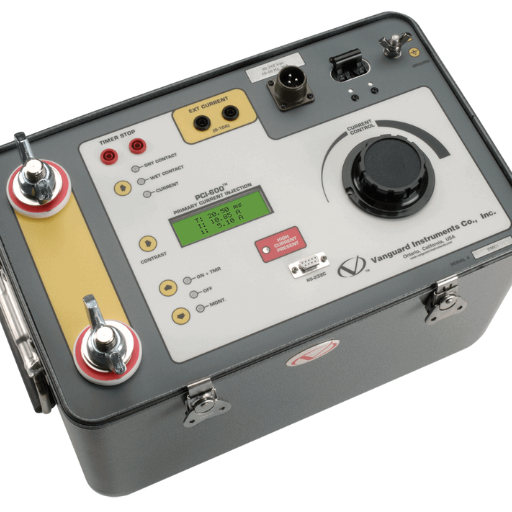
To achieve reliable results from a relay protection tester analyzer, it is critical to focus on the following factors;
1. Assess the type of relays utilized to confirm that the tester is compatible with electromechanical, solid-state, or microprocessor-based relays.
2. Accuracy and Precision: A device boasting high measurement accuracy is essential for optimal accuracy with reliable test results.
3. Testing Functions: Select an analyzer with all the necessary functions for current, voltage, time delay tests, and if needed, more sophisticated functions such as harmonics testing or transient simulation.
4. User-Friendliness: Choose a tester with streamlined workflows, minimising operator error caused by oversights.
5. Portability and Durability: Focus on Foster’s weight, size, and ruggedness. Durable and light devices are ideal for field testing and rough conditions.
6. Software Integration: Check that the multifunctional repeater has corresponding software for data processing, report generation, remote control tasks, and other relevant functions to improve analysis and simplify record keeping.
7. Compliance with accepted norms: Check whether the repeater is tested against the IEC or ANSI norm to be sure that it is designed within accepted safety and operational performance standards.
With these considerations, certainly you will be able to find a relay protection tester analyzer that fulfills your technical requirements and operational expectations while providing reliability and precision in your operations.
Factors Affecting Your Choice of Equipment
Gathering equipment options for relay protection needs a deeper understanding of the equipment’s specifications so that the equipment selected will work well with existing systems and functions flawlessly. Evaluation needs to be done to these following factors:
- Measurement Accuracy: Optimal accuracy and exactitude of measurement are prerequisites for effective fault simulation and analysis. Select equipment that guarantees accuracy for its output measures of voltage, current, and timing.
- Equipment Composite Criteria: Address the device’s check output range and its capacity in relation to your testing scenarios. Make certain it meets the essential performance to adequately simulate real-world activities without degradation of performance.
- Operational Bandwidth: Especially for functions associated with advanced relays intended for use in modern grids, this device supports wide testing bandwidth frequency will be essential.
- Hardware Compatibility: With advanced softwares provide sophisticated control, data processing automation, monitoring, or even report generation is performed in real-time. Equipment that works seamlessly with the analytics platform enables real-time performance and report generation.
- Endurance And Adaption To Environmental Factors: Ensure the apparatus is constructed from suitable materials which withstand the harsh environmental conditions of dust, moisture, and extreme temperatures depending on where it is used.
- Expandability For Possible Future Enhancements: Products with the capability to apply firmware updates or add modular components document long-term viability besides realible operational frameworks technological compatibility.
Choosing the best relay protection testing equipment involves balancing your operational objectives with effectiveness of costs, function, and even scope of work. This coordinated method mitigates hazards while strengthening protection systems reliability.
Expert Recommendations and User Reviews
Experts in the field place emphasis on the relay protection testing equipment which has to be bespoke to the requirements of the contemporary and other emerging requirements like the modern communication protocols IEC 61850 compliance. Devices that feature customizable test sequence programming, data analysis tools, and automation of reports to assess the collected data are more efficient.
User reviews focusing on the device’s reliability snapshot frequently mention their solid construction and ease of use in fast-paced demanding environments. Equipment with modular design is praised because it provides partial scalability that does not require entire system replacement. Manufacturers that provide responsive customer care and well-documented technical materials are valued by users because it aids in deployment and troubleshooting delays. The combination of expert opinion and user feedback suggests that units designed to be multifunctional and those listed as high-performance are the best for operational seamless continuity.
Common Mistakes When Using a Relay Protection Tester Analyzer
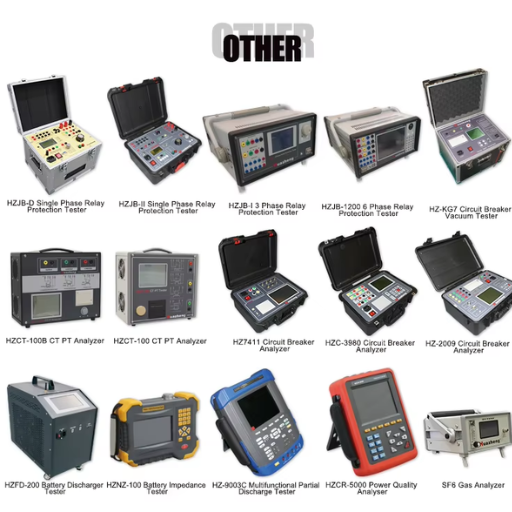
- Incorrect Test Settings
One of the most frequent mistakes is using the wrong tester parameters configuration. Incorrect voltage, current, and timing configuration may lead to erroneous test results and equipment failure.
- Failure to Verify Connections
Intermittent or poor connections between tester and relay interfaces may result in testing errors. Check that all cables, terminals, and other critical points are connected as per the manufacturer instructions.
- Ignoring Calibration Requirements
Measurement inaccuracy may arise from outdated or uncalibrated equipment. Trusting obsolete calibration standards can result in inaccurate estimation. Maintenance of the relay protection tester requires regular calibrations, ensuring trusted results.
- Overlooking Safety Protocols
Missing grounding procedures and failing to don appropriate personal protective equipment (PPE) increases the likelihood of accidents occurring.
- Insufficient Documentation of Results
Not properly documenting and recording test results and analysis hinders future performance evaluation and increases the complexity of troubleshooting. Always log crucial indexed values.
Correcting these errors leads to more efficient and accurate testing at a lower risk to personnel and equipment.
Understanding Potential Errors in Testing
During described testing procedures, an erroneous analysis of the testing data may pivot findings off the mark. This may stem from faulty calibration of certain parameters, failing to check if devices are working within set standards. Instruments providing uncalibrated measurements will yield results that are not true.
Another common mistake an analyst can make is overlooking unused data points because of biases or outliers. Unaccounted-for abnormal data points tend to alter the perceived trends or hypotheses deemed valuable. In these scenarios, applying outlier detection and robust dataset filtering is necessary to uphold accuracy.
In addition, using a small sample size which may be easier to analyze or assess may result in unreliable outcomes, and weaken the validity claiming its results. Insufficient data points may lead to a lack of confidence in the analysis, as proper statistical sampling is needed to derive vital extrapolations.
Operational precision, reduced variability, and more dependable outcomes within rigorous testing frameworks can be achieved by addressing the aforementioned data analysis pitfalls.
Maintenance Tips for Long-Term Use
- Regular Inspections
Conduct scheduled inspections at fixed intervals to detect possible signs of wear and tear, systematic fatigue, or any other abnormalities. One study even reported that proactive maintenance can boost operational lifespan by as much as 25% due to consistent monitoring.
- Lubrication and Cleaning
Moving components must have their lubricants checked regularly to ensure overheating and friction is minimised. For mechanical systems, even minor residues can lead to efficiency losses of 15%, so routine cleaning is vital to remove any obstructions.
- Calibration Checks
Calibrate your equipment frequently to guarantee outstanding performance accuracy. Incorrectly set calibration may result in up to 10% loss of output which is critical to operational efficiency and safety standards.
- Replace Worn-Out Components
Use prescribed timelines to replace overdue components to avoid stunted productivity and efficiency. In highly stressed environments, failure of crucial components can spike system failure chances by as high as 40%.
- Environmental Controls
Limit peripheral environmental factors that impact machinery and controlled ventilation and humidity. Unsuitable peripheral factors almost double the rate at which systems deteriorate when compared to controlled settings, degrading 1.5 times faster than comfortably controlled settings.
- Document Maintenance Activities
Document every maintenance task performed in chronological order, capturing the date, observations, and steps taken. Such information is useful for trend evaluation and assists in forecasting maintenance requirements and optimizing resource allocation.
In order to preserve the reliability and endurance of systems functioning under rigorous operational scenarios, these maintenance strategies, backed by empirical evidence and industry practices, are fundamental.
Reference Sources
-
The design and test of a digital relay for transformer protection: This paper discusses the design and testing of transformer protection algorithms and their implementation in hardware testing.
-
Virtual relay design for feeder protection testing with online simulation: It explores the use of virtual relays synchronized with online simulations to enhance relay testing.
-
Methodologies for power protection relay testing: This paper compares traditional standalone testing with real-time hardware-in-the-loop (HIL) simulation approaches for relay testing.
-
Statistical design of experiments for power system protection testing: A case study focusing on distance relay performance testing, using statistical methods to optimize the number of tests.
Frequently Asked Questions (FAQs)
Q: What is a relay test and why is it important?
A: A relay test is a procedure used to evaluate the functionality and performance of protective relays within a power system. It is important because it ensures that the protection relay operates correctly to safeguard electrical equipment and maintain system reliability.
Q: What is the purpose of a relay tester?
A: A relay tester is used to simulate electrical conditions and apply test signals to protective relays. Its purpose is to verify the correct operation of the protection relay and ensure it responds appropriately to fault conditions.
Q: How does a protection relay work in a power system?
A: A protection relay monitors electrical parameters and detects abnormal conditions, such as overloads or faults. When it senses these conditions, it triggers protective measures, such as circuit breakers, to prevent equipment damage and ensure system stability.
Q: What is a relay test set, and what are its components?
A: A relay test set is a specialized piece of test equipment designed to perform protection relay testing. Its components typically include a power source, measurement devices, and control interfaces to facilitate testing various relay types and functions.
Q: What are the advantages of using a protective relay tester?
A: The advantages of using a protective relay tester include accurate testing of relay performance, the ability to conduct offline testing without disrupting operations, and high degrees of automation that streamline the testing process and reduce downtime.
Q: Can you explain offline testing in the context of protective relay testing?
A: Offline testing refers to evaluating protective relays without them being connected to live power systems. This method allows for safe and thorough testing of relay functionality and settings in a controlled environment.
Q: What role does IEC 61850 play in relay protection testing?
A: IEC 61850 is a standard for the design of electrical substation automation systems. It facilitates communication and interoperability between devices, including protective relays, which enhances the efficiency and reliability of protection testing solutions.
Q: What is the significance of conducting transient and analog tests on relays?
A: Conducting transient and analog tests on relays is significant because it helps assess the relay’s response to real-world electrical disturbances and varying signal conditions. This ensures that the relay can adequately protect the power system under diverse scenarios.
Q: How can Kingsine’s relay protection tester improve testing processes?
A: Kingsine’s relay protection tester offers a range of features, including advanced testing capabilities, user-friendly interfaces, and high degrees of automation. These functions enhance the efficiency of protection testing, reduce human error, and ensure accurate results.
Q: What are the key considerations when selecting a relay test set?
A: Key considerations when selecting a relay test set include compatibility with the specific relay types, the scope of testing required, the ease of use, the level of automation offered, and the availability of support and calibration services to ensure reliable operation.