CONTENTS What is an IEC standard power frequency voltage withstanding test? What is the difference between an
Seeking high-precision cable fault testers for your enterprise? At DEMIKS, we have what you need. As one of the leading China-based suppliers, we provide efficient and effective high-quality cable testers. With our expert team, you are guaranteed exceptional technical support and relevant insights to facilitate your decisions for effective cables testing. Get in contact with us today and let us guide you in streamlining your cables testing procedures with DEMIKS.
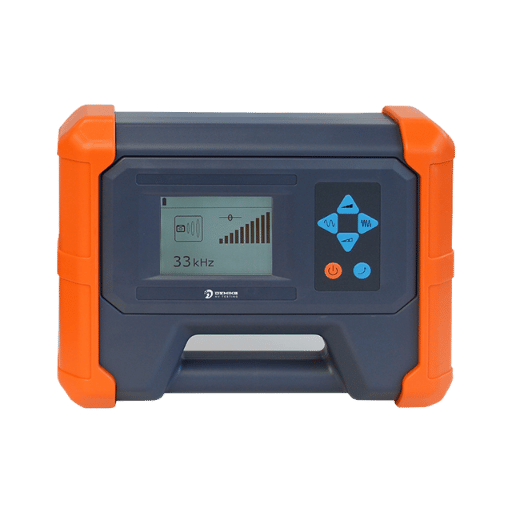
High-Performance Detection: Detects and traces the routes of underground metallic pipes and cables, measures depth, locates faults, and assesses insulation damage.
Accurate and Reliable: Displays direction with a compass, provides signal strength indication, depth and current measurement, and employs interference-free digital sampling.
Versatile Fault Identification: Employs optional accessories for enhanced adaptability in layer-structured cables or pipes identification as well as accurate determination of the grounding faults.
Portable and Efficient: Enhanced with various detection systems, a robust transmitter, integrated batteries, and constructed from lightweight yet strong materials.
| Category | Parameter | Details |
|---|---|---|
| Transmitter | Output | Direct Connection output, Clamp Coupling Output (optional), Radiation output, fault location booster (optional) |
| Output Frequency | 640Hz (complex frequency), 1280Hz (complex frequency), 10kHz, 33kHz, 82kHz, 197kHz | |
| Output Power | Max. 10W, 10 levels adjustable, auto impedance matching | |
| Direct Connection Voltage | Max. 150Vpp | |
| Protection | Overload and short circuit protection | |
| HMI (Human-Machine Interface) | 320×240 LCD | |
| Power Supply | 4 × built-in 18650 Li-ion batteries, standard 7.4V, 6.8Ah | |
| Receiver | Input | Internal receiving loop, Clamp (optional), flexible sensor (optional), sensor (optional), fault locating A Frame (optional) |
| Receiving Frequency (Active) | 640Hz, 1280Hz, 10kHz, 33kHz, 82kHz, 197kHz | |
| Receiving Frequency (Power) | 50Hz/60Hz, 250Hz/300Hz | |
| Receiving Frequency (Passive) | Center frequency 10kHz, 33kHz, 82kHz | |
| Pipe Detection Mode | Wide peak method, narrow peak method, valley method | |
| Cable Identification Mode | Flexible Clamp (optional) intelligent identification, sensor (optional) identification | |
| HMI | 320×240 LCD | |
| Built-in Battery | 2 × 18650 Li-ion batteries, standard 7.4V, 3.4Ah | |
| Other | Dimensions (Transmitter) | 280 × 220 × 90 mm |
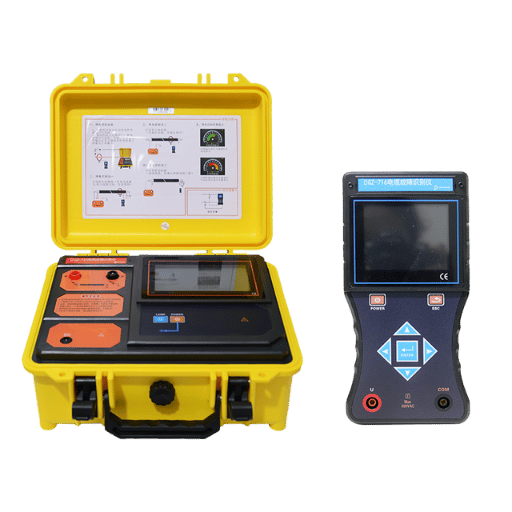
Objective: Designed specifically to assist power cable specialists in tackling the most pressing challenges regarding cable identification.
Transmitter: Includes pulse current signal emission, directional detection, rugged casing (200 kg withstand), and LCD for battery/signal and system status.
Receiver: Comprises some 3.5” LCD, equipped with a powerful LCD screen and high-speed processor alongside a Rogowski Coil (200mm, non-contact measurement).
Advantages: Provides directional current identification with distinct, real-time feedback during cable operation, as well as multi-sensory alerts.
| Influence Factors | Standard Condition | Working Condition | Notes |
|---|---|---|---|
| Ambient Temperature | 23℃ ± 1℃ | -10℃ ~ 40℃ | / |
| Ambient Humidity | 40% ~ 60% | <80% | / |
| Tested Voltage Frequency | 50Hz ± 1Hz | 10Hz ~ 1000Hz | / |
| Receiver Operating Voltage | 7.4V ± 0.5V | 7.4V ± 1V | / |
| Transmitter Operating Voltage | 11.1V ± 0.5V | 11.1V ± 1.5V | / |
| External EMF Interference | - | - | Should avoid |
| Cable Positioning | - | - | The tested cable must be positioned near the geometric center of the flexible coil (Rogowski coil) |
Application: Accurately detects damage and faults in pipelines and cables, identifying insulation and measuring depth in underground pipelines and cables.
Key features: Provides depth measurement coupled with a compass display, high-accuracy digital sampling, and interference-free precision to multi-parameter sensors.
Accessories: The specially designed stethoscope and flexible clamp identifying pipelines and cables operate effectively in difficult situations.
Live cable detection: High-performance clamps guarantee effective signal coupling for energized cable detection.
| Parameter | Specification |
|---|---|
| Transmitter | |
| Output Modes | Direct connection / Inductive coupling / Clamp coupling (optional) / Fault locator booster (optional) |
| Output Frequencies | 640Hz, 1280Hz, 10kHz, 33kHz, 82kHz, 197kHz |
| Output Power | Max 10W (10 adjustable levels), auto impedance matching |
| Direct Output Voltage | Up to 150Vpp |
| Protection | Overload & short-circuit protection |
| Display | 320×240 dot-matrix LCD |
| Battery | 4×18650 Li-ion (7.4V nominal, 6.8Ah) |
| Receiver | |
| Input Modes | Built-in coil / Flexible clamp (optional) / Stethoscope (optional) / A-frame fault locator (optional) |
| Active Frequencies | 640Hz, 1280Hz, 10kHz, 33kHz, 82kHz, 197kHz |
| Passive Power Frequencies | 50Hz/60Hz & 250Hz/300Hz (user-configurable) |
Cable fault locators are precise and efficient, improving fault detection in electrical or telecom cables. This guide will help specialists optimize maintenance and thus minimize downtime by detailing their workings, uses, and advancements and aiding in better fault resolving strategies.

CONTENTS What is an IEC standard power frequency voltage withstanding test? What is the difference between an

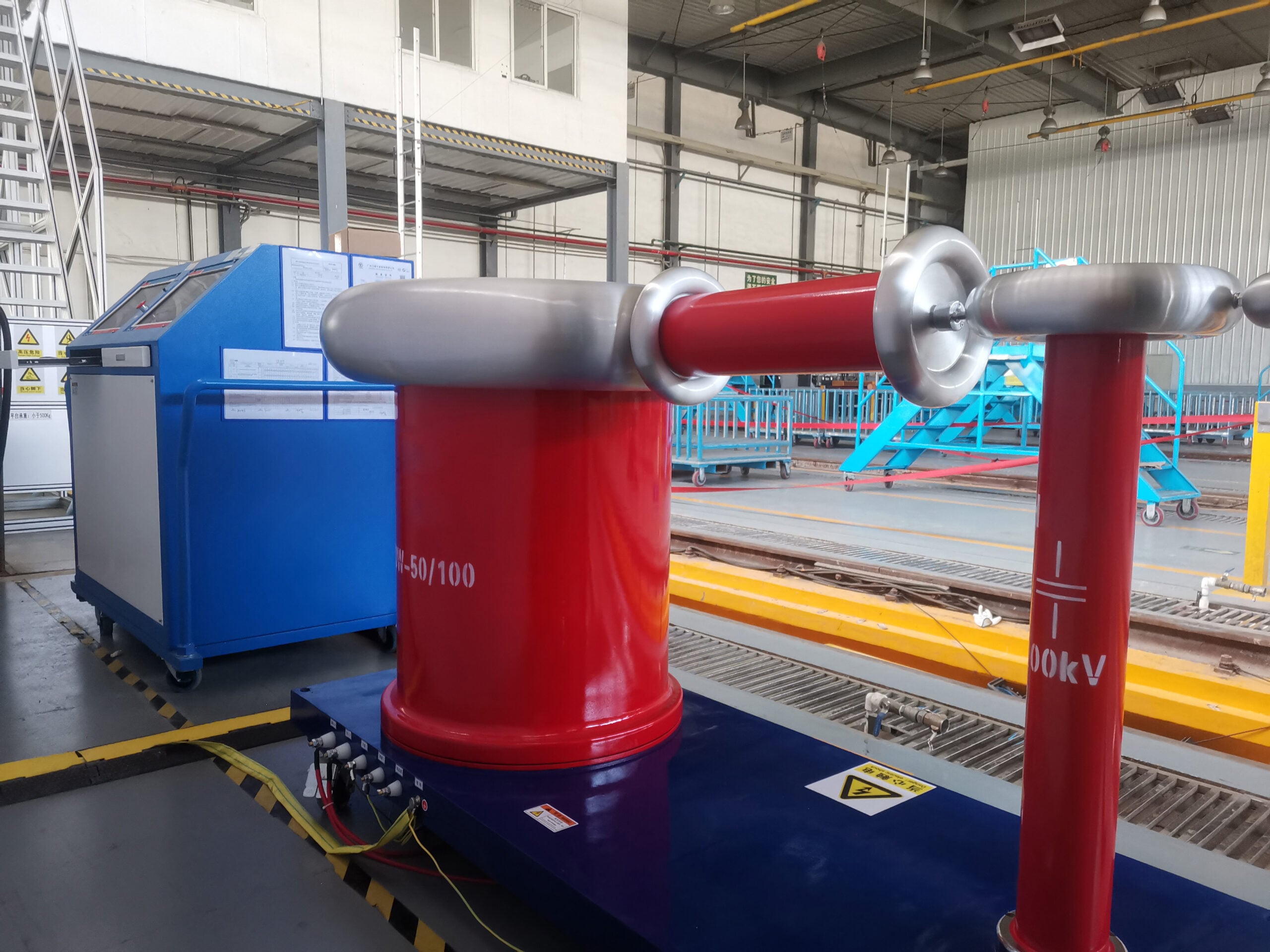
As a key equipment in the AC transmission and transformation system of the power industry, the

High-voltage (HV) test transformers are dedicated devices designed to generate power-frequency high voltage, referred to as
WhatsApp us