When it comes to accurately monitoring and controlling temperature, the choice of measuring instrument can make all the difference. Temperature measurement is a critical process across a wide range of industries, from healthcare and pharmaceuticals to manufacturing and environmental science. With such diverse applications, selecting the right tool for the job requires not only an understanding of the available instruments but also their specific capabilities, limitations, and ideal use cases. This article dives deep into the most effective temperature measurement tools on the market, guiding you through their features and practical applications. Whether you’re a professional looking to refine your selection process or a curious learner eager to understand the science behind precision, this guide will provide the insights you need to make informed decisions.
What Is Temperature Measurement and Why Is It Important?
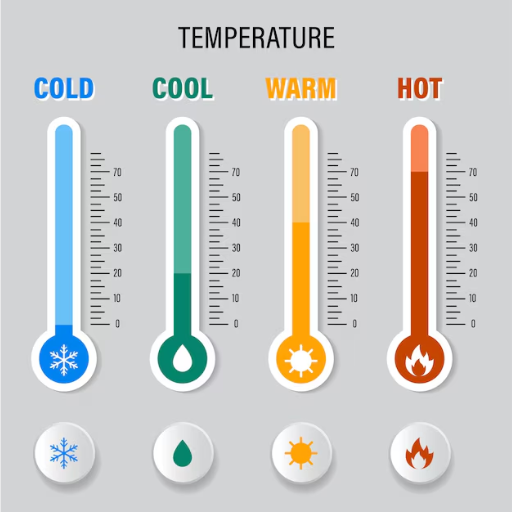
Temperature measurement is the process of determining the thermal state of an object, system, or environment. It is essential because temperature directly impacts physical, chemical, and biological processes. Accurate temperature monitoring ensures safety, efficiency, and optimal performance across various industries, including healthcare, manufacturing, and environmental management. For example, maintaining precise temperatures is critical in medical settings for patient care or in industrial processes to ensure product quality and equipment reliability. By understanding and effectively measuring temperature, individuals and organizations can make informed decisions and maintain operational standards.
Types of Temperature Measurement Methods
Temperature measurement relies on various methods and instruments designed to suit specific applications. The primary methods include contact and non-contact approaches. Contact temperature measurement devices, such as thermocouples, resistance temperature detectors (RTDs), and thermistors, require physical contact with the object or medium being measured. These devices work by detecting changes in electrical resistance or voltage that correspond to temperature variations with high accuracy and reliability.
Non-contact methods, on the other hand, use infrared or thermal radiation to determine temperature from a distance. Devices like infrared thermometers and thermal cameras are widely employed in applications requiring rapid or remote measurements, such as monitoring industrial equipment, measuring extreme temperatures, or ensuring safety in hazardous environments.
Each method offers distinct advantages. Contact methods are preferred for precise, stable measurements in controlled settings, while non-contact methods excel in dynamic or inaccessible conditions. Choosing the right method depends on factors like required accuracy, response time, and environmental conditions. By understanding these basic principles, users can select the most effective tools for their specific temperature measurement needs.
The Role of Temperature Measuring Instruments in Various Industries
Temperature measuring instruments play a critical role across a wide array of industries, ensuring process efficiency, safety, and quality control. Below is a detailed list of industries where these instruments are indispensable:
- Manufacturing Industry: Used for monitoring and controlling temperatures in processes such as metal forging, plastic molding, and ceramics production to ensure material integrity and precision.
- Food and Beverage Industry: Essential for maintaining proper temperatures during processing, storage, and transportation to comply with safety regulations and prevent spoilage.
- Healthcare and Pharmaceuticals: Crucial for patient care, laboratory experiments, vaccine storage, and the manufacturing of temperature-sensitive medications.
- Energy Sector: Utilized for equipment monitoring, system optimization, and ensuring operational safety in power plants, oil refineries, and renewable energy systems.
- HVAC Systems: Integral to the design and operation of heating, ventilation, and air conditioning systems for maintaining indoor climate control.
- Aerospace Industry: Instrumental in testing and development, where precise thermal monitoring of components is required to ensure reliability in extreme conditions.
- Automotive Industry: Used in engine testing, climate control systems, and materials testing to enhance performance and safety standards.
- Environmental Monitoring: Helps in studying climate patterns, water quality, and atmospheric conditions, facilitating environmental conservation and compliance efforts.
- Electronics Industry: Ensures the proper functioning of electronic components and assemblies during manufacturing by monitoring heat dissipation and operating temperatures.
- Textile and Paper Industries: Enables quality control during processes like dyeing, drying, and printing, where specific temperature settings are critical.
By serving these diverse applications, temperature measuring instruments have established themselves as vital tools that contribute to operational success and innovation across various fields.
How Temperature Measurement Affects Daily Life
Temperature measurement plays a crucial role in my daily life by ensuring safety, comfort, and efficiency. For instance, in the kitchen, thermometers help me cook food to proper temperatures, avoiding undercooking or overcooking, and reducing the risk of foodborne illnesses. At home, thermostats regulate indoor temperature, providing a comfortable living environment while optimizing energy usage. Additionally, when I’m unwell, a medical thermometer allows me to monitor fever, aiding in appropriate decision-making regarding my health. These small yet impactful applications highlight how temperature measurement influences my routines, making modern living more secure and convenient.
How Do Thermometers Measure Temperature?
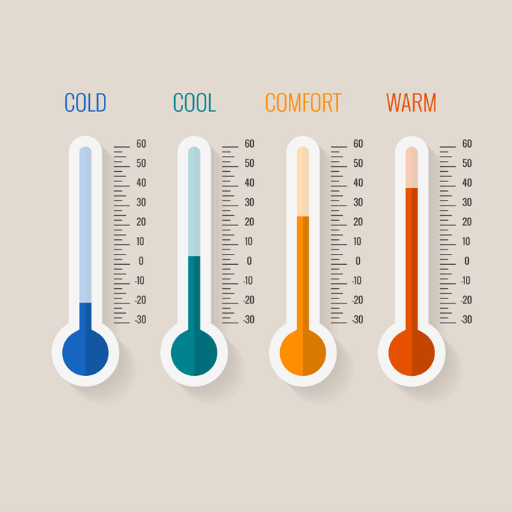
Thermometers measure temperature by utilizing the physical properties of materials that change predictably with temperature variation. For example, liquid-in-glass thermometers rely on the expansion and contraction of a liquid, such as mercury or alcohol, within a calibrated tube. Digital thermometers use electronic sensors like thermistors or thermocouples, which detect temperature changes by measuring variations in electrical resistance or voltage. Infrared thermometers, on the other hand, measure the infrared radiation emitted by an object and calculate its temperature without direct contact. Each method leverages scientifically established principles to provide accurate and reliable temperature readings.
Types of Thermometers and Their Uses
- Mercury-in-Glass Thermometers
Commonly used in laboratories and medical applications, these thermometers offer precise measurements for liquids, gases, and even body temperatures. They are reliable but fragile and must be handled with care.
- Digital Thermometers
Used widely in healthcare, food safety, and environmental monitoring, digital thermometers provide fast and accurate temperature readings. They are ideal for personal use, such as measuring body temperature or checking food doneness.
- Infrared Thermometers
Frequently employed in industrial settings, HVAC systems, and non-contact temperature assessments, these thermometers are effective for measuring high temperatures or surfaces that are difficult to reach.
- Bimetallic Thermometers
Commonly found in ovens or thermostats, bimetallic thermometers measure temperature using a strip made of two different metals that expand at varying rates. These are durable and well-suited for monitoring ambient and appliance-related temperatures.
- Thermocouple Thermometers
Utilized in scientific research, industrial processes, and machinery testing, thermocouples are highly versatile and capable of measuring a broad range of temperatures with exceptional accuracy.
- Resistance Temperature Detectors (RTDs)
RTDs are essential in industries such as chemical processing, aerospace, and power generation. They provide highly precise temperature measurements by correlating electrical resistance with temperature changes.
- Alcohol-based Thermometers
Often used in extremely cold environments, alcohol-based thermometers are preferred for their ability to measure low temperatures without freezing. These are commonly used in weather stations and refrigerated storage.
- Thermistors
Found in applications like automotive systems, consumer electronics, and HVAC systems, thermistors are temperature-sensitive resistors capable of offering fast and sensitive readings in a range of environments.
- Gas Thermometers
Primarily used in scientific experiments and calibration processes, gas thermometers utilize the pressure changes of gases at constant volume to determine temperature, making them highly accurate for specific applications.
- Liquid Crystal Thermometers
Found in toys, novelty items, or medical devices such as fever strips, these thermometers change color based on temperature changes and are easy to interpret, though less precise than other types of thermometers.
How Does a Digital Thermometer Work?
A digital thermometer operates by using a thermoresistive sensor, typically a thermistor, to measure temperature. The thermistor’s resistance changes with temperature, and this variation is converted into an electrical signal. This signal is processed and displayed as a numerical temperature reading on the device’s screen. Most digital thermometers feature integrated circuits that ensure precise calculations and fast response times. Additionally, they often include advanced features such as memory for past readings and automatic shut-off functions, enhancing usability and energy efficiency. These devices are widely used due to their accuracy, durability, and ease of use across multiple applications, including medical, industrial, and environmental temperature monitoring.
The Difference Between Mercury and Alcohol Thermometers
|
Key Point |
Mercury Thermometers |
Alcohol Thermometers |
|---|---|---|
|
Primary Liquid |
Mercury |
Alcohol |
|
Temperature Range |
Wider (up to 600°C) |
Narrower (up to 78°C) |
|
Freezing Point |
-39°C |
Lower (as low as -114°C) |
|
Visibility |
Silver metallic color |
Dyed for visibility |
|
Environmental Impact |
Toxic if broken |
Non-toxic and safer |
|
Accuracy |
Highly accurate |
Slightly less accurate |
|
Durability |
Fragile, risk of breakage |
More robust and resistant |
|
Usage in Low Temperatures |
Not suitable |
Ideal for extreme cold |
|
Cost |
More expensive |
Generally cheaper |
|
Regulatory Restrictions |
Restricted in many regions |
No major restrictions |
|
Safety Concerns |
Can release hazardous mercury vapor |
Minimal safety hazards |
What Are the Different Types of Temperature Sensors?
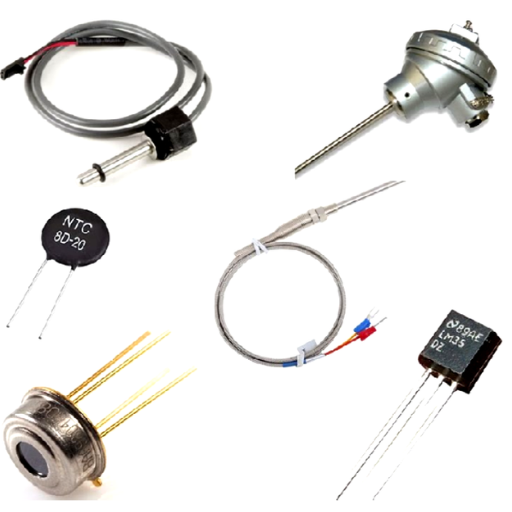
Temperature sensors are categorized based on their operating principles and applications. Common types include thermocouples, resistance temperature detectors (RTDs), thermistors, infrared sensors, and liquid-in-glass thermometers. Thermocouples measure temperature through voltage generated by two dissimilar metals and are known for their wide range and durability. RTDs operate based on the predictable resistance change in metals like platinum with temperature variations, offering high accuracy. Thermistors, made of semiconductor materials, provide excellent sensitivity to small temperature changes, making them ideal for localized measurements. Infrared sensors measure emitted infrared radiation to determine surface temperatures without direct contact, suitable for high-temperature or hazardous environments. Liquid-in-glass thermometers, such as mercury or alcohol-based types, rely on the expansion of liquids in a sealed tube, commonly used for straightforward and reliable temperature readings. Each type has distinct advantages suited to specific applications, ensuring precise temperature monitoring across diverse industries.
Exploring Thermocouples and Their Applications
Thermocouples are widely used temperature sensors that generate a voltage based on the temperature difference between two dissimilar metal junctions. This electromagnetic principle, known as the Seebeck effect, enables thermocouples to provide accurate and rapid temperature readings. They are available in various types, such as Type K, J, T, and E, each defined by the specific metals used, operating temperature range, and sensitivity. These sensors are highly versatile and commonly employed in industrial applications, including monitoring furnaces, engines, and HVAC systems due to their durability and broad measurement range.
One significant advantage of thermocouples is their ability to operate in extreme environments, with some types tolerating temperatures ranging from cryogenic levels to over 2000°F (1093°C). Their fast response time and robustness against physical and chemical stress make them suitable for demanding conditions in industries such as aerospace, power generation, and manufacturing. Additionally, thermocouples are cost-effective and easily integrated into automation systems, though they require calibration and compensation for accurate performance.
While thermocouples are highly reliable, factors such as signal noise, drift over time, and degradation at high temperatures may affect accuracy. To mitigate these challenges, proper installation, regular calibration, and use of compatible materials for compensation wires are essential for maintaining performance.
Understanding RTDs and Thermistors
Resistance Temperature Detectors (RTDs) and thermistors are widely used for precise temperature measurements, each with distinctive characteristics. RTDs, typically made from pure platinum, offer excellent stability, repeatability, and a linear response over a broad temperature range (-200°C to 850°C). However, they are more expensive and slower in response time compared to thermistors. Thermistors, composed of ceramic or polymer materials, provide high sensitivity and faster response times, though their temperature range is narrower, usually between -55°C and 150°C, with a highly nonlinear resistance-to-temperature relationship.
Both devices operate on the principle of resistance change with temperature. RTDs exhibit a predictable and almost linear resistance change, following a standardized curve like the IEC 60751. Conversely, thermistors exhibit a steeper and nonlinear resistance change, making them ideal for applications requiring high accuracy in narrow temperature ranges, such as medical devices. For optimal performance, both should be carefully calibrated, and factors like lead wire resistance and self-heating effects must be considered in their implementation.
Infrared Sensors: How Do They Measure Temperature?
Infrared (IR) sensors measure temperature by detecting infrared radiation emitted by objects. All objects with a temperature above absolute zero emit IR radiation, and the intensity of this radiation corresponds to the object’s temperature as described by Planck’s law. IR sensors typically consist of optical components, such as lenses or mirrors, to focus the infrared energy onto a detector, and the detector then converts this energy into an electrical signal, which can be processed to calculate temperature.
Key Technical Parameters:
- Spectral Range: Typically 8-14 µm, as this is the atmospheric window where IR radiation is most transmissive and corresponds to the thermal emission of objects at common temperatures.
- Accuracy: ±1-2% of the reading or ±1-2°C, depending on the sensor’s design and calibration.
- Response Time: Ranges from milliseconds (e.g., ~10-50 ms) for fast detection in dynamic environments.
- Field of View (FOV): Defines the sensor’s area of measurement, commonly expressed as an angle (e.g., 10° to 90° depending on the application).
- Measuring Range: Common ranges span from -50°C to 1,000°C, but specific sensors may focus on narrower or broader intervals depending on their intended usage.
- Resolution: Often ±0.1°C for precise temperature variations.
- Ambient Operating Range: Most IR sensors function within a -20°C to 70°C range, with higher-grade sensors offering extended operating conditions.
Proper calibration, environmental compensation (e.g., accounting for emissivity variations), and understanding the target material’s emissivity are critical to ensuring accurate temperature readings with IR sensors.
How Do Infrared Sensors Measure Temperature?
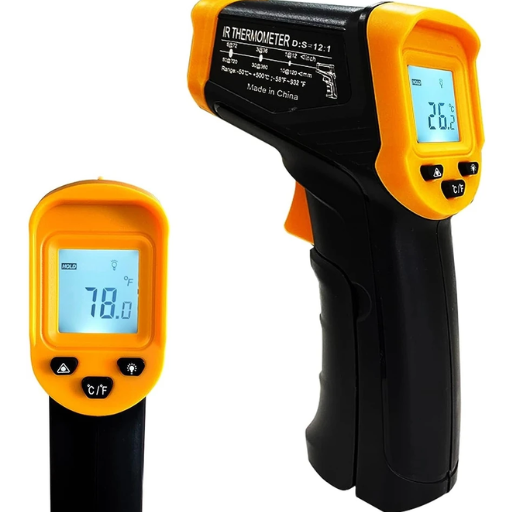
Infrared sensors measure temperature by detecting the thermal radiation emitted by an object. All objects above absolute zero emit infrared radiation, the intensity and wavelength of which correlate with the object’s temperature. The sensor’s optics focus this radiation onto a thermopile or similar detector, which converts the radiative energy into an electrical signal. This signal is then processed, often factoring in variables such as emissivity, to provide an accurate temperature reading. Advanced sensors may also employ algorithms to compensate for environmental conditions, enabling precise measurements across a range of applications. Proper calibration is essential to maintain accuracy.
The Science Behind Infrared Temperature Measuring
Key Factors in Infrared Temperature Measurement
Infrared temperature measurement relies on the fundamental principles of thermal radiation. Every object emits infrared radiation proportional to its temperature, as described by Planck’s Law of Radiation. Accurately determining an object’s temperature involves several key parameters:
- Wavelength Range
Infrared sensors typically operate within specific wavelength ranges (e.g., 8–14 µm for non-metallic surfaces or 3–5 µm for high-temperature applications), tailored to the emissivity characteristics of the material.
- Emissivity Adjustment
Since emissivity varies by material and surface condition, sensors must allow for emissivity adjustments across a range (commonly 0.1–1.0) to ensure precise calibration.
- Measurement Distance and Spot Size
The distance-to-spot ratio (D:S) determines sensor resolution. For instance, a D:S ratio of 50:1 allows precise measurements of smaller areas at greater distances, crucial in industrial settings.
- Environmental Factors
Atmospheric conditions, such as humidity or particulate matter, can interfere with infrared readings. Advanced sensors may include filters or algorithms to mitigate these effects, ensuring accuracy.
- Response Time
The response time of a sensor (e.g., 10ms for high-speed applications) is critical for dynamic measurements where temperatures change rapidly.
By understanding and optimizing these parameters, infrared temperature measurement systems can deliver reliable and consistent data across diverse applications, from manufacturing processes to medical diagnostics.
Uses of Infrared Sensors in Different Fields
- Industry and Manufacturing Processes: Infrared sensors help with the monitoring and control of temperature in industrial machinery, along with janitorial tools, to ensure that the machines are working in appropriate conditions, thus preventing overheating.
- Control of Production Process: Infrared sensors are used to monitor and check temperature deviations in the production process as in the case of glass, plastic, and metal production, thus ensuring consistency and quality standards.
- Condition Based Maintenance: Thanks to infrared sensors, identifying the location of hot spots within electrical equipment and mechanical systems is of uttermost ease, which assists with identifying potential faults with the systems before they lead to failure.
- Troble Monitoring: I Reduction in energy consumption to one is aided by infrared sensors in checking the heat loss from buildings, industrial boilers, and other machines.
- Food Processing: They help preserve food safety and quality by enforcing accurate temperature control during cooking, sterilization, and packaging processes.
- Automotive Industry: Infrared technology is utilized in advanced driver-assistance systems (ADAS), as well as in measuring the thermal characteristics of automotive parts, including brakes and engines.
- Medical and Healthcare Applications: Infrared sensors are useful in non-contact temperature measurements during diagnostics like fever screening and calibrating healthcare devices.
- Pharmaceutical Manufacturing: They help maintain specific environmental parameters like temperature and humidity which are critical for the production and storage of pharmaceuticals.
- Aerospace and Defense: Infrared sensors enable thermal imaging for surveillance, maintenance of equipment, and even in guided missile systems.
- Textile Industry: They monitor and control drying, curing, and heating processes to maintain product integrity and efficiency.
- Environmental Monitoring: Infrared sensors are used to detect greenhouse gas emissions and monitor temperature variations in ecosystems for research and regulatory purposes.
- Electronics Manufacturing: They are critical for soldering and reflow processes, ensuring precise thermal management during the assembly of electronic components.
These diverse applications underscore the invaluable role of infrared sensors in enhancing efficiency, safety, and quality in industrial operations.
Advantages of Using Infrared Sensors for Temperature Measurement
- Non-Contact Measurement: Infrared sensors allow for temperature measurement without physical contact, making them ideal for applications involving moving objects, hazardous materials, or hard-to-reach areas.
- High Accuracy and Precision: These sensors provide accurate and reliable temperature readings, ensuring high-quality control in industrial processes.
- Fast Response Time: Infrared sensors can quickly detect temperature changes, enabling real-time monitoring and immediate response in dynamic environments.
- Versatility Across Applications: They can measure the temperature of a wide range of materials, including solids, liquids, and gases, making them suitable for diverse industries.
- Durability in Extreme Conditions: Infrared sensors function effectively in harsh environments, such as high-temperature zones, dusty areas, and strong electromagnetic fields.
- Reduced Risk of Contamination: Since they operate without physical contact, infrared sensors mitigate the risk of contamination, which is critical in sectors like food processing and pharmaceuticals.
- Energy Efficiency: They consume minimal power, making them a cost-effective and environmentally friendly solution for continuous temperature monitoring.
- Wide Temperature Range: Infrared sensors can measure extremely high or low temperatures beyond the capabilities of conventional thermometers.
- Ease of Integration: Modern infrared sensors are compact and compatible with digital systems, facilitating seamless integration into automated processes and IoT networks.
- Minimal Maintenance Requirements: With no moving parts and robust designs, these sensors demand low maintenance, reducing operational downtime.
What Are Resistive Temperature Devices (RTDs) and How Do They Work?
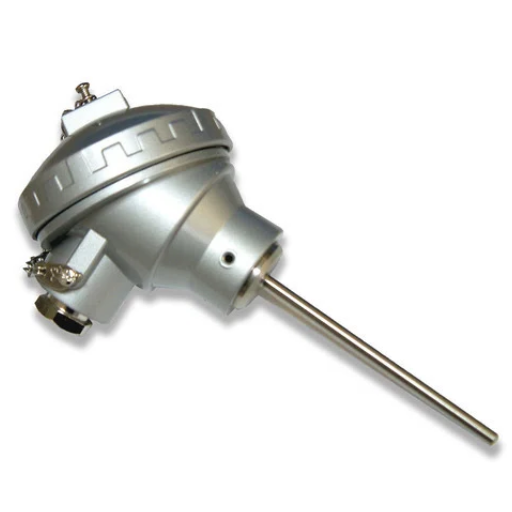
Resistive Temperature Devices (RTDs) are precision temperature sensors that operate based on the principle that the electrical resistance of a conductor changes predictably with temperature. Typically constructed from pure materials like platinum, nickel, or copper, RTDs use this characteristic to measure temperature with high accuracy and stability.
RTDs function by passing a small, stable current through the sensor, which generates a voltage proportional to the resistance. This resistance varies linearly with temperature, allowing precise determination of temperature values when calibrated against known standards. Their ability to provide consistent and reliable readings makes RTDs a preferred choice in industries requiring high-precision temperature monitoring, such as aerospace, energy, and laboratory environments.
Introduction to RTDs and Their Functionality
Advantages and Applications of RTDs
Resistance Temperature Detectors (RTDs) are highly valued for their precision, stability, and reproducibility in temperature measurement applications. The advantages of RTDs include their wide operational range, typically from -200°C to 600°C, and their high accuracy, often within ±0.1°C depending on the sensor type and calibration. RTDs deliver more consistent results over time compared to thermocouples, as they are less prone to drift under prolonged usage.
Common applications of RTDs include industrial automation, where they are used to monitor and control processes; the energy sector, where precise temperature readings are critical for efficiency and safety; and laboratory settings, where accurate measurements are essential to experimental integrity. Furthermore, RTDs find use in HVAC systems for maintaining climate control, as well as in aerospace due to their reliability under extreme environmental conditions. Their robust design and ability to integrate with modern electronics make them a ubiquitous choice for demanding measurement environments.
Comparing RTDs with Other Temperature Measuring Instruments
|
Parameter |
RTDs |
Thermocouples |
Thermistors |
Infrared Thermometers |
Liquid-in-Glass Thermometers |
|---|---|---|---|---|---|
|
Temperature Range |
-200°C to 850°C |
-270°C to 2,300°C |
-50°C to 150°C |
-50°C to 3,000°C |
-90°C to 120°C |
|
Accuracy |
High |
Moderate |
High |
Moderate |
Moderate |
|
Response Time |
Slow to Moderate |
Fast |
Fast |
Very Fast |
Slow |
|
Durability |
High |
High |
Moderate |
High |
Moderate |
|
Cost |
Moderate to High |
Low to Moderate |
Low |
High |
Low |
|
Linearity |
Excellent |
Poor |
Poor |
N/A |
N/A |
|
Sensitivity |
Moderate |
High |
Very High |
N/A |
Low |
|
Calibration Requirement |
Periodic |
Frequent |
Periodic |
Rare |
Rare |
|
Signal Type |
Resistance |
Voltage |
Resistance |
Infrared Radiation |
Expansion of Liquid |
|
Power Requirement |
Yes |
No |
Yes |
No |
No |
Common Uses of RTDs in Temperature Monitoring
- Industrial Process Control: RTDs are commonly used in industrial and manufacturing processes where there is a need to control and monitor temperature in apparatus like furnaces, reactors and heat exchangers.
- Medical Applications: RTDs are used in medical equipment as they provide exact temperature readings which are very important in things like incubators and dialysis machines where the patient needs constant monitoring.
- Food and Beverage Industry: RTDs provide accurate temperature monitoring during the food processing chains at various stages like processing, storage and transportation.
- Aerospace Systems: RTDs are extensively used in aircraft and environmental controls because of their accuracy and dependability in measuring critical temperature thresholds.
- HVAC Systems: RTDs aid in controlling the temperature in heating, ventilating, and air conditioning components of buildings so that comfortable conditions and efficient use of energy is maintained.
- Power Generation: Applied in power plants, RTDs help in monitoring turbine and generator temperatures, as well as coolant and steam systems, ensuring optimal operation and safety.
- Oil and Gas Industry: RTDs are essential in monitoring temperature in pipelines, refineries, and other critical equipment exposed to harsh environments.
- Automotive Engineering: They are used to monitor engine and exhaust temperatures, as well as battery systems in electric vehicles, for performance optimization.
- Semiconductor Manufacturing: RTDs play a key role in environments requiring extreme precision, such as controlling wafer deposition processes.
- Research Laboratories: Researchers rely on RTDs for precise temperature measurements during sensitive experiments and material testing.
This comprehensive versatility positions RTDs as a critical tool across diverse industries requiring stringent temperature accuracy.
Reference Sources
- Fluke Temperature Measurement Solutions – Offers a range of accurate and reliable temperature measurement tools.
- DwyerOmega Temperature Solutions – Provides a variety of temperature measurement devices, including thermocouples and RTDs.
- Vaisala Temperature Measurement – Specializes in temperature measurement for laboratories, cold rooms, and more.
- Moore Industries: Tips on Temperature Measurement Accuracy – A white paper offering insights into achieving accurate temperature measurements.
- Fluke Blog: Temperature Calibration Tips – Shares practical advice on temperature calibration and the use of reference thermometers.
Frequently Asked Questions (FAQs)
Q: What are the basic types of temperature measuring instruments?
A: The basic types of temperature measuring instruments include thermocouples, RTDs (Resistance Temperature Detectors), thermistors, and bimetallic devices. Each type of sensor has its own advantages and is used to measure temperature in different scenarios.
Q: How does a temperature meter work?
A: A temperature meter works by detecting a change in temperature and converting it into a readable format. This can be achieved through various types of sensors such as thermocouples, RTDs, or bimetallic strips, each providing temperature data based on the principle they operate on.
Q: What is the function of a bimetallic device in temperature measurement?
A: Bimetallic devices are used to measure temperature by using two different metals bonded together. As the temperature rises, the two metals expand at different rates, causing the device to bend. This bending movement is then translated into temperature data.
Q: What should I consider when choosing a temperature meter for air temperature measurement?
A: When choosing a temperature meter for air temperature measurement, consider the type of sensor, accuracy, range, and whether it can measure both temperature and air humidity. The environment where it will be used should also influence your choice.
Q: What is a thermocouple and how is it used to measure temperature?
A: A thermocouple is a type of sensor used to measure temperature. It consists of two different metals joined at one end. When the junction experiences a change in temperature, it generates a voltage that can be interpreted to measure temperature accurately.
Q: What is an RTD and why is it commonly used in temperature measuring devices?
A: An RTD, or Resistance Temperature Detector, is a type of sensor used to measure temperature by correlating the resistance of the RTD element with temperature. RTDs are known for providing accurate and stable temperature measurements over a wide range, making them popular in industrial applications.
Q: How can measurement errors affect the accuracy of temperature data?
A: Measurement errors in temperature data can occur due to various factors such as sensor calibration, environmental conditions, or the type of sensor used. These errors can lead to inaccurate readings, which can affect processes that rely on precise temperature measurements.
Q: What types of temperature measuring devices are best for surface temperature measurement?
A: For surface temperature measurement, infrared thermometers and contact-type thermocouples are commonly used. Infrared thermometers provide non-contact measurement, while thermocouples require direct contact with the surface to provide accurate readings.
Q: Can a temperature transmitter be used for both temperature and humidity measuring?
A: Yes, some temperature transmitters are designed to measure both temperature and humidity. These devices are equipped with sensors that can detect changes in air temperature and air humidity, providing comprehensive environmental monitoring.