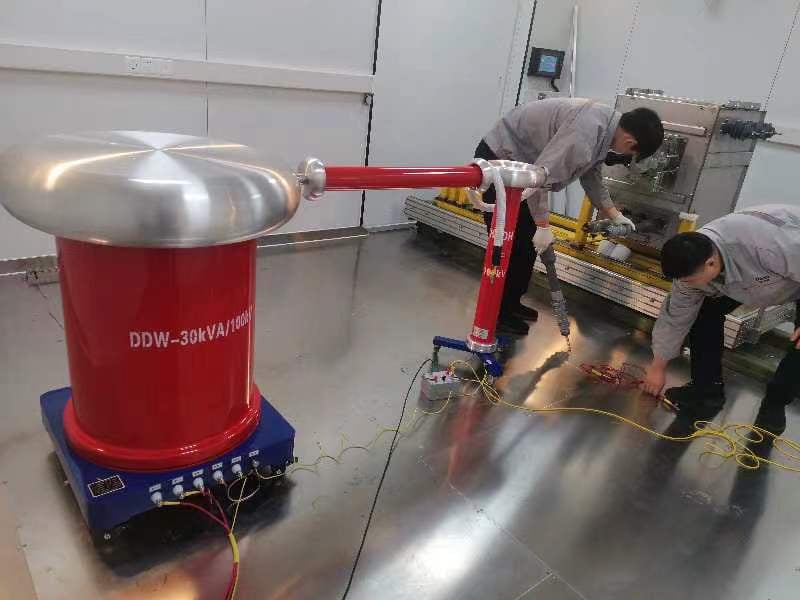
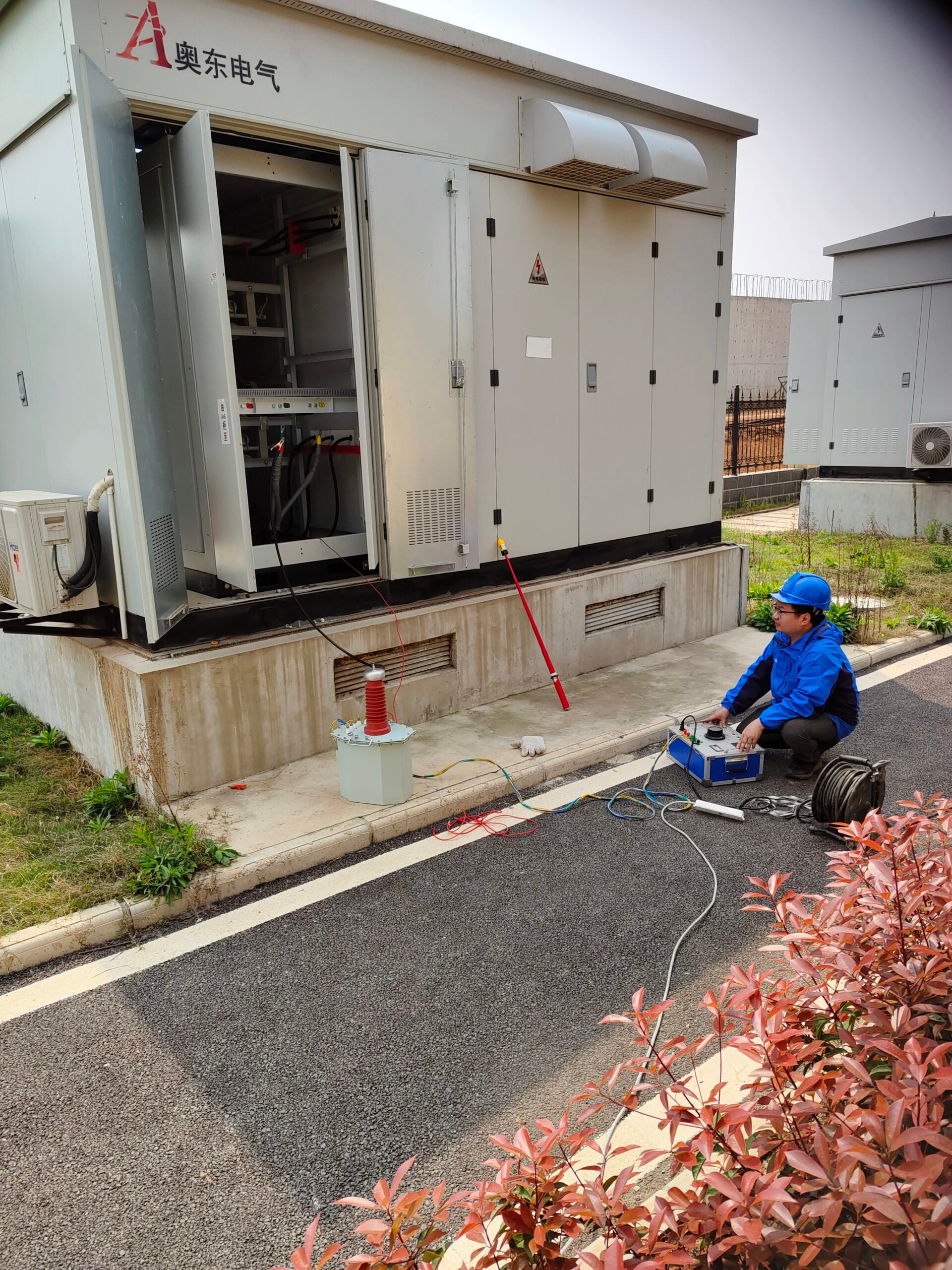
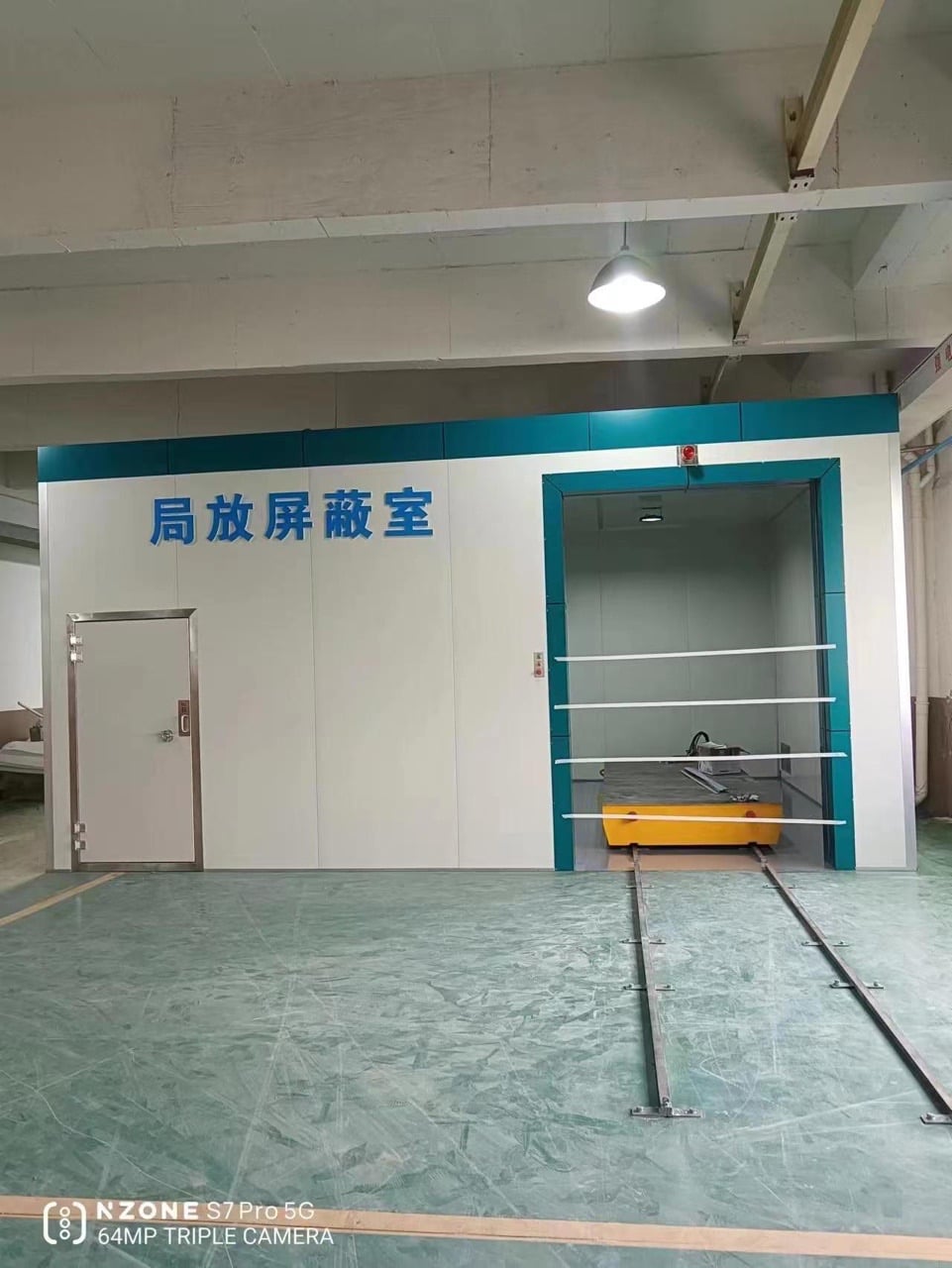
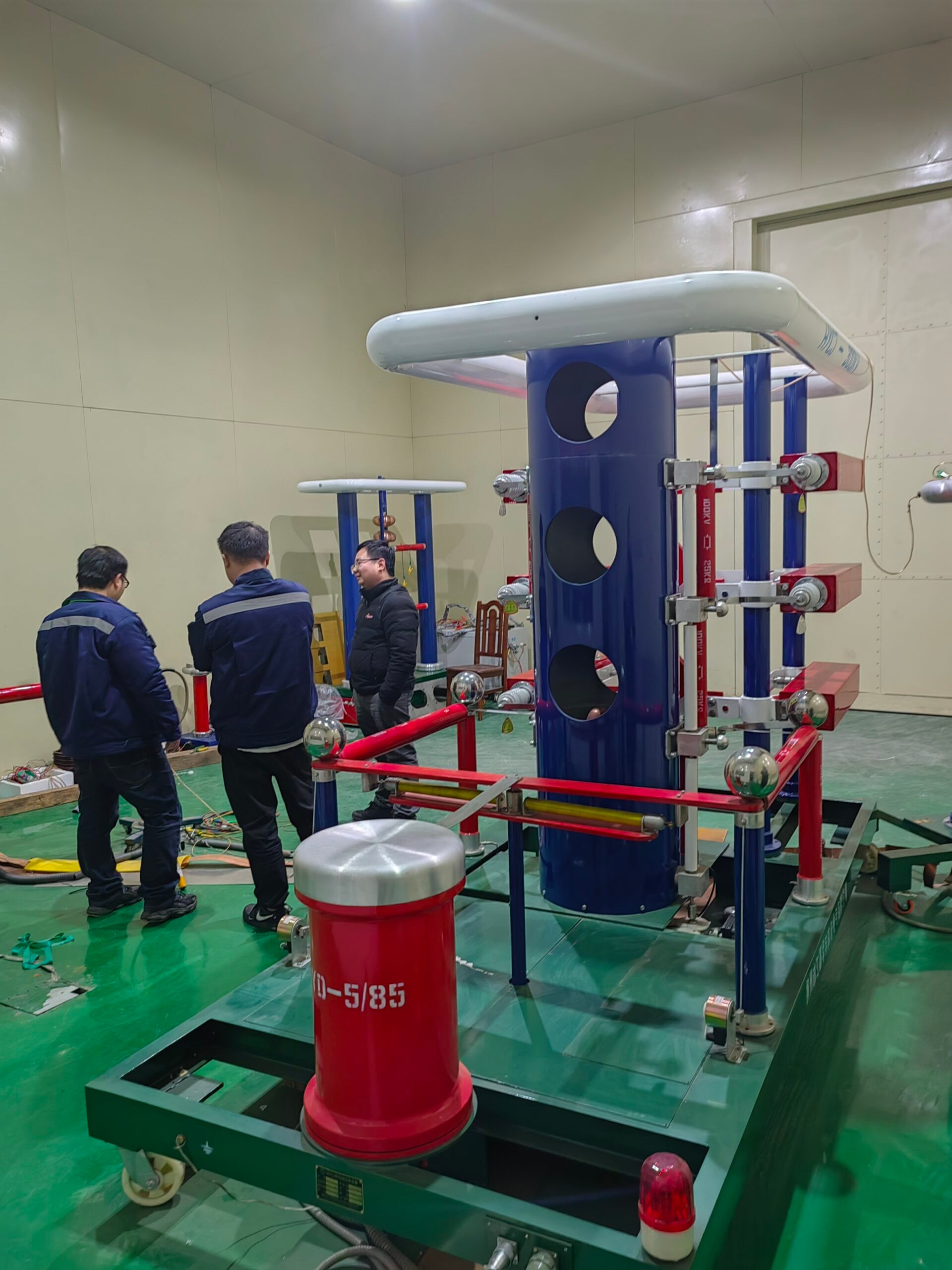
The operation and maintenance, factory acceptance, project handover, and annual inspection of 10kV~500kV high-voltage power equipment, partial discharge testing is a core testing item for judging the insulation health of equipment, eliminating hidden faults, and ensuring power grid stability. It is widely recognized in the industry that zero partial discharge , low partial discharge, and stable partial discharge are the gold standard for high-voltage electrical equipment to meet insulation standards and ensure long-term safe operation. Numerous power equipment failure cases have confirmed that the vast majority of high-voltage equipment breakdown, short circuit, shutdown, and explosion accidents originate from long-neglected partial discharge hazards. Therefore, effective partial discharge testing and achieving partial discharge-free operation of equipment are of paramount importance in power operation and maintenance and equipment quality control.
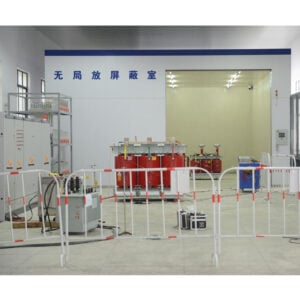
1. Why is partial discharge testing necessary for high-voltage power lines? What does the No-Partial-Discharge mean?
Many users mistakenly believe that passing the withstand voltage test means the insulation is qualified to standard, which is not the case. The withstand voltage test only checks the insulation’s ultimate withstand capacity and cannot detect hidden defects such as micro-bubbles, insulation cracks, residual impurities, and interface gaps. These defects can continuously generate partial discharges under long-term high-voltage conditions. Partial discharges will not cause equipment tripping and damage instantly, but through continuous discharge, high-temperature corrosion, and insulation aging, they will gradually break down the insulation layer, eventually leading to a major power accident.
partial discharge detection lies in accurately capturing minute partial discharge signals that are undetectable by the naked eye or conventional testing, quantifying the discharge quantity, frequency, and characteristics, and predicting insulation degradation trends in advance. A state without partial discharge represents an intact insulation structure, free from manufacturing defects, aging risks, and electric field concentration issues. This is the optimal state for the safe, stable, and long-term operation of high-voltage equipment, and a core hard indicator for power engineering acceptance, equipment bidding, and grid connection.
Simply put: passing the withstand voltage test means it’s “barely usable,” while having no partial discharge or passing the partial discharge test means it’s “safe and durable.
II. Professional partial discharge detection equipment coverage, ensuring partial discharge-free operation in all scenarios.
Standardized partial discharge detection can cover high-voltage equipment across the entire power generation, transmission, transformation, and distribution chain, adapting to all voltage levels and operating conditions. It comprehensively identifies potential discharge hazards, helping every high-voltage piece of equipment achieve partial discharge-free operation standards.
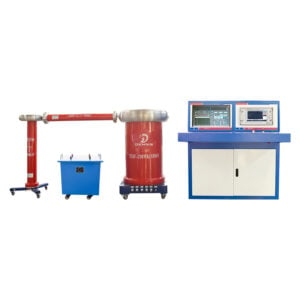
- Core equipment of substations : oil-immersed/dry-type transformers, voltage transformers, current transformers, high-voltage bushings, surge arresters, etc. Through precise partial discharge detection , continuous discharge caused by internal insulation voids, interlayer cracks, and surface creepage is eliminated, ensuring long-term stable operation of substation equipment without partial discharge .
- High-voltage switchgear : Enclosed equipment such as GIS switchgear, high-voltage switchgear, vacuum circuit breakers, and disconnectors are prone to partial discharge due to internal impurities, micro-leakage in the gas chamber, and poor contact of the contacts. High-frequency partial discharge detection can quickly locate potential hazards and ensure that the sealed and insulated environment of the cabinet is free of partial discharge and abnormal discharge.
- Transmission line equipment : High-voltage power cables, cable joints, and terminations are high-risk areas for partial discharge. Defects in joint manufacturing processes, water ingress into insulation, and aging damage can all cause continuous partial discharge. Routine partial discharge detection can predict faults in advance, prevent cable breakdown and tripping, and achieve safe operation and maintenance of the power transmission system without partial discharge .
- Power generation and new energy equipment : generator stator windings, high-voltage motors, photovoltaic/wind power high-voltage inverter equipment, and plant high-voltage power distribution equipment. Targeted partial discharge detection can adapt to the operation and maintenance needs of new power systems and comprehensively avoid potential partial discharge hazards.
III. Mainstream partial discharge detection technologies, accurately determining the state without partial discharge from multiple dimensions.
To accurately determine equipment partial discharge values, pinpoint discharge locations, and verify compliance with no partial discharge standards, an industry-standard partial discharge detection solution combining multiple technologies is employed . This solution balances accuracy, timeliness, and adaptability, making it suitable for various scenarios such as power outage tests and online live monitoring.
- The pulse current method (national standard core testing method) is a standard method for partial discharge testing . It can accurately quantify the discharge quantity, discharge number, and phase characteristics. The data is accurate, traceable, and comparable. It is an essential testing item for equipment leaving the factory, engineering handover, and overhaul acceptance, and can accurately determine whether the equipment meets the qualified standard of no partial discharge .
- Ultra-high frequency (UHF) detection method (preferred for enclosed equipment): For enclosed equipment such as GIS and switchgear, it captures the ultra-high frequency signal of partial discharge radiation. It has strong anti-interference ability and high sensitivity. It can detect live equipment, accurately locate the discharge point, quickly screen abnormal partial discharge, and verify that the equipment is in operation without partial discharge .
- High-frequency current HFCT detection method (dedicated to cable equipment) is compatible with high-voltage cables and transformer grounding systems. It does not require power outages, is easy to install, and can achieve long-distance real-time partial discharge detection , monitor the trend of partial discharge changes in real time, and ensure that power transmission and transformation equipment are continuously free of partial discharge .
- Ultrasonic + Infrared Assisted Detection Method (Rapid Inspection and Screening): By capturing ultrasonic waves generated by partial discharge and abnormal local temperature rise, this method can quickly complete large-area equipment inspections, efficiently identify suspected partial discharge hazards, and, in conjunction with precise detection technology, comprehensively ensure that equipment is free of partial discharge .
IV. The Core Significance of High-Standard Partial Discharge Detection and Routine Partial Discharge-Free Operation and Maintenance
In the high-voltage power operation and maintenance system, adhering to partial discharge detection standards and pursuing partial discharge-free equipment operation are core measures to reduce accident rates, compress operation and maintenance costs, and improve power grid reliability. Their core value is reflected in four main aspects:
- Strictly control equipment quality to ensure grid connection without partial discharge from the source. After new equipment leaves the factory, is installed on-site, or undergoes major modifications, standardized partial discharge testing is conducted to comprehensively investigate insulation defects generated during production, transportation, installation, and commissioning. This prevents unqualified equipment with potential partial discharge hazards from entering the grid, ensuring that grid equipment meets the standards for partial discharge-free operation from the source .
- Predicting Hidden Faults and Preventing Major Power Accidents: Partial discharge is an early sign of insulation failure; persistent, small partial discharges can gradually destroy the insulation system. Routine partial discharge detection can detect abnormal partial discharge signals in advance, allowing for timely rectification of defects and ensuring that equipment remains in a healthy, partial discharge-free state for extended periods, thus completely avoiding serious accidents such as short circuits, breakdowns, power outages, and equipment burnout.
- Optimize operation and maintenance model to reduce costs, increase efficiency and extend equipment life. Traditional periodic maintenance is blind and costly, while relying on partial discharge detection data can accurately determine the insulation status of equipment, conduct targeted maintenance on equipment with partial discharge risks, and eliminate or reduce maintenance on healthy equipment without partial discharge , which greatly reduces operation and maintenance costs, delays insulation aging and effectively extends the service life of high-voltage equipment.
- Ensure grid stability and improve power supply reliability. More than 80% of grid insulation faults are caused by partial discharge hazards. Routine partial discharge detection and routine partial discharge-free operation and maintenance can significantly reduce the probability of unplanned equipment outages, reduce power outage duration, and comprehensively ensure the safe and stable operation of industrial production, residential electricity use, and new power systems.
V. Conclusion: Partial discharge detection is a means, but the absence of partial discharge is the core of high-voltage equipment safety.
In summary, partial discharge testing is an indispensable core technology for high-voltage power insulation testing and a key means of identifying hidden faults and quantifying insulation status. For all high-voltage power equipment, zero partial discharge , low partial discharge, and stable partial discharge are the core standards for equipment insulation health, operational safety, and long service life.
Adhering to standardized and routine partial discharge testing , and striving to achieve partial discharge-free operation of equipment, is not only a mandatory requirement for power engineering acceptance, but also a core guarantee for the safe and stable operation of the power grid, cost reduction and efficiency improvement, and intelligent operation and maintenance.