Oil-immersed transformers play a critical role in modern power distribution and electrical systems, ensuring reliable and efficient energy transfer across industries and infrastructure worldwide. Yet, understanding the intricacies of their design, operation, and maintenance can often feel daunting. This comprehensive guide aims to demystify oil-immersed transformers, offering an in-depth exploration of their functionality, advantages, and key considerations. Whether you’re an electrical engineer, a facility manager, or simply someone keen on understanding the technology powering our grids, this resource will equip you with the knowledge needed to make informed decisions. From the science behind oil insulation to practical maintenance strategies, this article will serve as an authoritative reference, guiding you through every essential aspect of oil-immersed transformers.
What Is an Oil-Immersed Transformer and How Does It Work?
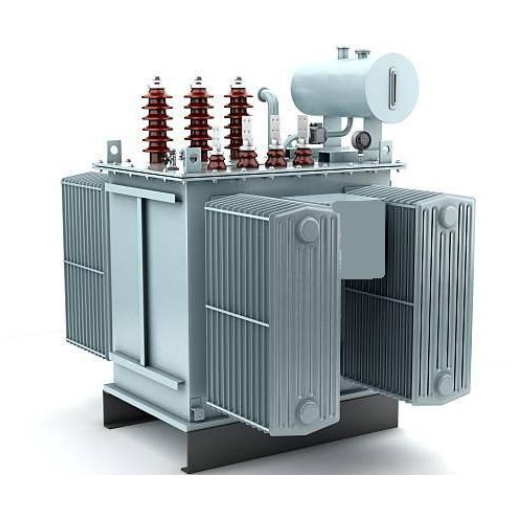
An oil-immersed transformer is a type of electrical transformer that uses oil as both an insulating medium and a cooling agent. The primary function of the oil is to provide electrical insulation between internal components and dissipate heat generated during operation. Inside the transformer, electrical energy is transferred between windings through electromagnetic induction. The oil circulates either naturally or via pumps, helping to maintain optimal operating temperatures and prevent overheating. This design is widely used in power distribution and industrial applications due to its efficiency and reliability in managing high voltages and power loads.
Understanding Oil-Immersed Transformers
Applications of Oil-Immersed Transformers in Modern Systems
Oil-immersed transformers are integral to the reliable operation of power distribution systems and heavy industrial environments. With up-to-date insights sourced from recent advancements, these transformers continue to be widely implemented due to their ability to handle high voltages efficiently while ensuring operational longevity. The use of insulating oil not only serves as a cooling medium but also enhances the dielectric strength, allowing these units to operate under demanding conditions. Currently, oil-immersed transformers are critical in renewable energy infrastructures, such as solar and wind power plants, where they step up or step down generated voltages to match grid requirements. Furthermore, remote monitoring and sensor integration, increasingly adopted across the industry, facilitate predictive maintenance and real-time performance optimization, reducing the risk of downtime and ensuring seamless energy delivery. This adaptability underscores their ongoing relevance amidst modern power demands and evolving energy landscapes.
Components of an Oil-Filled Transformer
An oil-filled transformer comprises several critical components that work synergistically to ensure efficient energy transfer and thermal management. Below is a concise breakdown of these components along with their corresponding technical parameters:
1. Core
-
- Function: The core serves as a magnetic path to facilitate the efficient transfer of energy between the primary and secondary windings.
- Material: Typically made of high-grade silicon steel laminations to minimize core losses.
- Technical Parameter: Core loss (no-load loss) values typically range between 0.5 W/kg to 1.5 W/kg depending on the grade of the steel.
- Windings
- Function: Windings are responsible for transferring electrical energy through electromagnetic induction.
- Material: Copper or aluminum is used, with copper being favored for its superior conductivity.
- Technical Parameter: Current density in windings usually ranges from 2.5 to 3.5 A/mm² for efficient thermal performance.
- Insulating Oil
- Function: Insulating oil provides dielectric insulation and acts as a cooling medium to dissipate heat generated during operation.
- Key Properties:
- Dielectric Strength: Typically ≥ 30 kV/2.5 mm as per IEC standards.
- Flash Point: Minimum 140°C to ensure operational safety.
- Viscosity: Low viscosity for effective heat transfer, often ≤ 12 cSt at 40°C.
- Conservator Tank
- Function: The conservator tank accommodates oil expansion due to temperature variations.
- Technical Parameter: Should maintain a minimum 10% volume margin for oil expansion.
- Cooling Mechanism
- Function: Ensures efficient heat removal from the transformer. Common types include radiators, fans, and forced oil circulation.
- Technical Parameter: Cooling capacity is designed to maintain maximum oil temperatures below 105°C under full load.
- Bushings
- Function: Provide insulated passage for electrical connections to the transformer windings.
- Technical Parameter: Must withstand voltage levels in accordance with rated voltage class (e.g., 72.5 kV, 145 kV ratings for high-voltage applications).
- Tap Changer
- Function: Allows voltage adjustment to regulate output based on load conditions.
- Types: On-load and off-load tap changers.
- Technical Parameter: Typical regulation range is ±10% in 17 steps for finer voltage control.
- Relays and Protection Devices
- Function: Devices like Buchholz relays, pressure relief valves, and temperature gauges ensure safety and operational monitoring.
- Technical Parameter: Trip thresholds are set according to transformer ratings, e.g., Buchholz relay trips in case of gas accumulation exceeding safety limits.
Each component is meticulously engineered to meet the performance, efficiency, and safety standards of oil-filled transformers, ensuring their continued reliability across diverse applications.
The Role of Transformer Oil in Functionality
- Insulation: Transformer oil acts as a dielectric medium, providing electrical insulation between internal components such as winding conductors and the transformer core, preventing short circuits.
- Cooling: It effectively dissipates heat generated during transformer operation by circulating through the system, maintaining optimal operating temperatures and preventing overheating.
- Arc Suppression: Transformer oil helps to quench electric arcs that may occur during load fluctuations or switching events, protecting the internal components from damage.
- Contaminant Suspension: The oil suspends impurities and contaminants, preventing their direct contact with transformer components, which enhances the longevity of the equipment.
- Moisture Barrier: By creating a seal around the internal components, transformer oil reduces exposure to atmospheric moisture, minimizing the risk of oxidation and corrosion.
Why Choose an Oil Immersed Transformer Over Other Types?
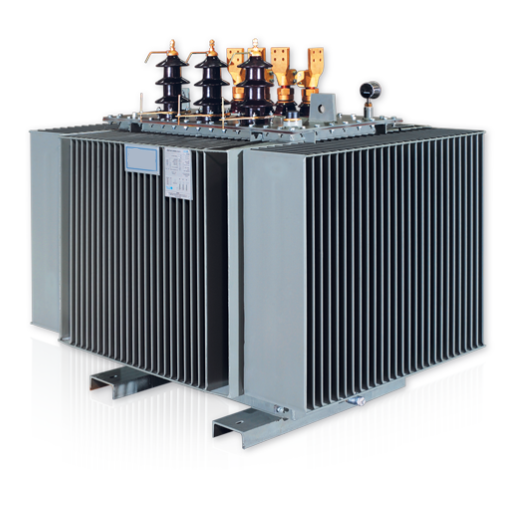
Oil immersed transformers offer several advantages that make them a preferred choice in various applications. Firstly, they provide superior cooling efficiency due to the oil’s high thermal conductivity, ensuring optimal heat dissipation and preventing overheating even under heavy load conditions. Secondly, they exhibit high reliability and durability, as the oil acts as both an insulating and protective medium, significantly reducing the risk of internal faults caused by electrical stress or contaminants. Additionally, oil immersed transformers typically have a higher capacity for overload management, making them well-suited for demanding industrial and utility-scale operations. Finally, their ability to extend equipment lifespan through active moisture and contaminant control makes them a cost-effective solution over the long term. These factors collectively demonstrate why oil immersed transformers remain a robust and versatile option compared to their counterparts.
Comparing Dry-Type Transformers and Oil Immersed Transformers
Both dry-type transformers and oil immersed transformers differ significantly in terms of efficiency, cooling, safety, maintenance, environmental impact, and cost. Below is a concise comparison presented in table format:
|
Parameter |
Dry-Type |
Oil Immersed |
|---|---|---|
|
Cooling Method |
Air-cooled |
Oil-cooled |
|
Efficiency |
Lower |
Higher |
|
Safety |
High |
Moderate |
|
Maintenance |
Low |
Frequent |
|
Lifespan |
Shorter |
Longer |
|
Environment |
Eco-friendly |
Risk of spills |
|
Cost |
Higher initial |
Lower overall |
Advantages of Using Oil-Filled Transformers
- Higher Efficiency – Oil-filled transformers exhibit superior efficiency due to the enhanced cooling properties of the oil, which helps to reduce energy losses during operation.
- Longer Lifespan – The effective heat dissipation provided by the oil minimizes thermal stress on the transformer’s internal components, resulting in an extended operational lifespan.
- Improved Performance Under Load – These transformers handle higher loads effectively without a significant decrease in performance, making them suitable for demanding industrial and commercial applications.
- Compact Design – The efficient cooling mechanism allows for a more compact design compared to air-cooled transformers of equivalent capacity, saving valuable space.
- Better Thermal Stability – Oil-filled transformers maintain stable operating temperatures even in fluctuating environmental or load conditions, ensuring reliable performance over time.
Applications of Oil-Immersed Transformers in Industries
- Power Distribution – Oil-immersed transformers are extensively utilized in power distribution networks to step down voltage levels for safe delivery to commercial and residential areas.
- Industrial Machinery – These transformers support heavy-duty industrial equipment by ensuring a stable and efficient power supply, critical for operations such as manufacturing and assembly lines.
- Renewable Energy Systems – In renewable energy sectors, such as wind or solar power plants, oil-immersed transformers play a key role in energy conversion and integration into the power grid.
- Mining Operations – They provide reliable power transmission for mining activities, ensuring equipment like drills, excavators, and conveyors operate without interruption.
- Railway Electrification – Oil-immersed transformers are essential in railway systems, where they manage power supply for electrified rail networks and signaling systems.
How to Maintain Oil-Immersed Transformers for Longevity?
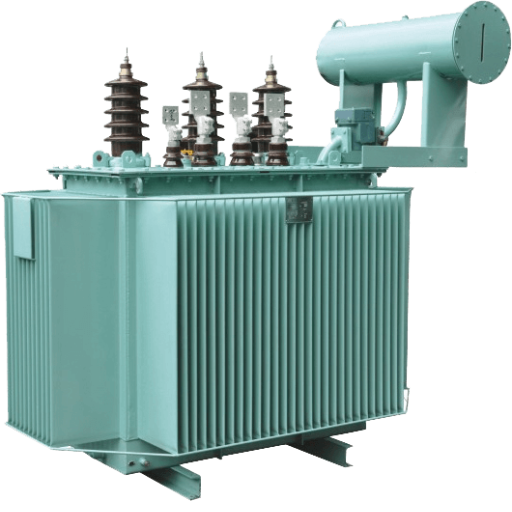
Key Maintenance Practices for Oil-Immersed Transformers
- Routine Oil Testing and Analysis – Regularly test transformer oil for quality, dielectric strength, and contamination. Conduct dissolved gas analysis (DGA) to detect early signs of internal faults.
- Monitor Temperature and Cooling Systems – Ensure proper functioning of cooling systems such as radiators, fans, or pumps to prevent overheating. Use monitoring devices to track operating temperatures consistently.
- Inspect for Leaks and Physical Damage – Regularly check for oil leaks, corrosion, or any physical damage to the tank, bushings, and connections to mitigate risks of equipment failure.
- Periodic Cleaning – Maintain cleanliness of external surfaces, including bushings and cooling fins, to prevent dirt accumulation that may interfere with heat dissipation and performance.
- Tap Changer Maintenance – If the transformer is equipped with an on-load or off-load tap changer, inspect and clean the contacts and mechanisms periodically to ensure efficient voltage regulation.
- Check and Replace Breather Silica Gel – Inspect the silica gel in the breather system and replace it when saturated, as it protects against moisture ingress from the surrounding environment.
- Confirm Proper Grounding – Verify that the transformer’s grounding connections are intact to ensure safety and proper operation, minimizing potential risks, such as overvoltages during faults.
Regular implementation of these practices will extend the operational life of oil-immersed transformers and reduce the likelihood of unexpected failures.
Checking the Oil Level and Quality
When checking the oil level, I ensure the transformer is properly de-energized and cooled to eliminate safety hazards. I inspect the oil level gauge, confirming that the oil is within the marked acceptable range. If it is low, I top it up with the appropriate grade of insulating oil.
For oil quality, I assess its color and clarity—clean oil should be transparent and free from contaminants. I also conduct a dielectric strength test to measure the oil’s insulating properties, as well as check moisture and acidity using standardized testing methods, like dissolved gas analysis. Each step ensures the oil maintains its protective and insulating capabilities to support reliable transformer performance.
Detecting and Preventing Oil Leaks
Detecting and preventing oil leaks involves a systematic approach. I regularly inspect transformers for visible signs of leakage, such as oil stains or pooling around seals, gaskets, and flanges. To ensure early detection of internal issues, I utilize thermal imaging and ultrasonic testing, which can pinpoint weak points or irregularities in real time. Preventative measures include ensuring all seals and gaskets are properly maintained, using high-quality materials resistant to wear, and monitoring pressure levels within the transformer to avoid overloading. By combining visual inspections with advanced diagnostic tools, I maintain optimal system integrity and minimize downtime caused by oil leaks.
Regular Transformer Oil Testing and Analysis
Regular transformer oil testing and analysis is critical for maintaining the reliability and efficiency of transformer operations. Personally, I follow a structured approach that includes monitoring dielectric strength, moisture content, acidity, and dissolved gas analysis. These tests provide detailed insights into the oil’s insulating properties, contamination levels, and potential overheating issues. By maintaining a strict schedule for these analyses, I ensure timely detection of anomalies, enabling corrective action before failures occur. This proactive testing approach minimizes operational risks, extends transformer lifespan, and adheres to industry standards such as IEC and ASTM guidelines.
What Are the Common Issues with Oil-Filled Transformers?

Oil-filled transformers are subject to a range of operational and maintenance challenges that, if left unaddressed, can lead to significant failures. Common issues include:
- Oil Contamination: The transformer oil may become contaminated by moisture, particles, or gases, which degrade its insulating and cooling properties.
- Overheating: Prolonged overheating due to overloading or inadequate cooling can lead to insulation degradation and reduced efficiency.
- Partial Discharges: High voltage stresses can cause localized electrical discharges within the transformer, potentially resulting in insulation failure.
- Oil Leaks: Age or improper maintenance can lead to oil leaks, which reduce insulation effectiveness and pose environmental hazards.
- Corrosion: External and internal metallic components can corrode over time, weakening structural integrity and electrical connections.
- Aging of Materials: Both the oil and solid insulation materials deteriorate over time, eventually reducing the transformer’s reliability and performance.
Proper monitoring, routine maintenance, and timely analysis are critical to mitigating these issues and ensuring the longevity of oil-filled transformers.
Identifying Oil Leaks and Their Causes
Oil leaks in transformers can arise due to a variety of factors, often signaling issues that require immediate attention to prevent further damage and operational risks. Key causes include degraded gaskets and seals, which lose elasticity over time due to aging, heat, and environmental exposure. Improper installation or maintenance processes can also contribute to defective seals, making connections vulnerable to oil seepage.
Another common cause stems from cracks or mechanical damage in the transformer tank or radiators, often induced by external impacts, environmental stress, or manufacturing defects. Additionally, thermal cycling causes expansion and contraction of components, leading to weakened joints and subsequent leaks. Corrosion, especially in environments with high humidity or saline conditions, further exacerbates structural vulnerabilities, allowing oil to escape.
Early detection of oil leaks is crucial. Visual inspections can reveal signs such as oil stains or drips at flanges, fittings, or tank edges. Employing technologies such as infrared thermography or dissolved gas analysis (DGA) can help identify associated overheating or internal faults contributing to the problem. Prompt sealing of leaks and replacement of faulty components, coupled with preventative maintenance, are essential measures to ensure the transformer remains efficient and operational.
Managing Oil Temperature and Cooling
Proper management of oil temperature and cooling is critical to the efficient operation and longevity of transformers. High oil temperatures can accelerate insulation aging and reduce transformer efficiency, while improper cooling systems increase the risk of overheating and subsequent failure. Key strategies for managing oil temperature include using forced air or forced oil cooling systems and installing temperature monitoring devices to provide real-time data. Advanced technologies, such as smart sensors or automated cooling controls, allow operators to dynamically adjust cooling based on load and ambient conditions. Regular maintenance of radiators, cooling fans, and pumps ensures optimal heat dissipation, while maintaining sufficient oil levels and ensuring its dielectric quality is essential. These practices reduce thermal stress and extend the equipment’s operational lifespan.
Handling Oil-Immersed Transformer Failures
Common Causes and Mitigation of Oil-Immersed Transformer Failures
Failures in oil-immersed transformers can stem from various causes, including overheating, insulation degradation, or mechanical stresses. Below is an overview of common failure causes and corresponding technical parameters to address these issues:
1. Overheating
-
- Cause: Overloading, improper cooling, or high ambient temperatures.
- Mitigation:
- Monitor transformer load to ensure it stays within the rated capacity (e.g., avoid exceeding 80% of the rated load for sustained periods).
- Maintain proper oil circulation and cooling system efficiency, ensuring adequate oil flow rates (e.g., 1-2 m/s within cooling ducts).
- Install temperature sensors to monitor winding hot spots and maintain operating temperatures below 95°C.
- Insulation Degradation
- Cause: Aging of oil, moisture ingress, or contaminants in the system.
- Mitigation:
- Periodically test the oil’s dielectric strength (ensure >30 kV for effective insulation).
- Perform dissolved gas analysis (DGA) to identify fault gases indicating insulation breakdown.
- Use vacuum dehydration processes to remove moisture content if it exceeds 10 ppm.
- Mechanical Stresses
- Cause: Short circuit faults or external mechanical impacts during transport or operation.
- Mitigation:
- Conduct routine mechanical integrity tests (e.g., frequency response analysis—FRA).
- Implement robust transport mechanisms and vibration monitoring during operation to record abnormal stress loads.
- Electrical Failures
- Cause: Partial discharges or lightning surges.
- Mitigation:
- Install surge arresters to protect the transformer’s primary and secondary windings.
- Perform partial discharge testing regularly and ensure insulation discharge levels remain below 10 pC.
Proactive monitoring, regular maintenance scheduling, and stringent adherence to operational guidelines are essential to minimizing the risk of transformer failures and ensuring long-term reliability of equipment.
How to Select the Right Oil Type Transformer for Your Needs?
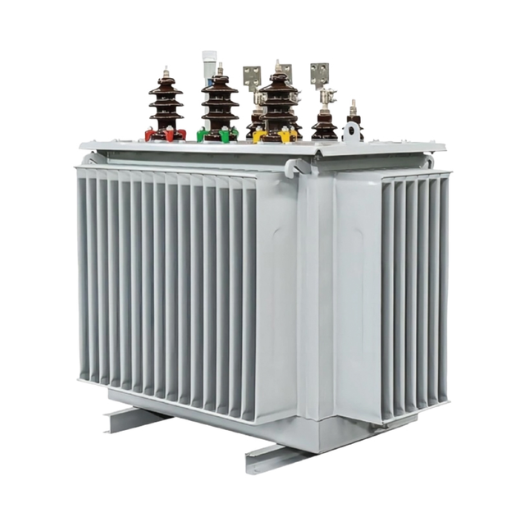
Key Factors in Selecting the Right Oil Type Transformer
- Power Rating and Load Requirements
Consider the maximum load the transformer will handle, ensuring that the power rating meets or exceeds your system’s requirements. Overloading can lead to premature failure and efficiency losses.
- Voltage Level
Determine the input and output voltage levels based on your application to ensure proper voltage transformation and compatibility with your existing infrastructure.
- Cooling Method
Evaluate the cooling method (ONAN, ONAF, etc.) according to the environmental conditions and operational demands. Natural cooling may suffice for lower loads, while forced air or oil cooling might be necessary for higher capacities.
- Insulation Type and Oil Quality
Select transformers with high-grade insulating oil and materials to ensure efficient heat dissipation and extended lifespan. Verify oil dielectric strength and chemical stability for reliable performance.
- Efficiency and Losses
Analyze efficiency levels and core losses. Opt for transformers with low no-load and load losses to reduce operational costs over time.
- Environmental Considerations
Ensure compliance with environmental regulations, including oil containment systems and PCB-free insulation oils, to minimize ecological impact.
- Safety and Protection Features
Look for transformers equipped with robust protection mechanisms such as Buchholz relays, pressure relief devices, and temperature monitoring systems for enhanced operational safety.
By assessing these factors and aligning them with your operational and regulatory requirements, you can select an oil type transformer that delivers optimal performance, reliability, and longevity for your specific needs.
Evaluating Transformer Ratings and Specifications
To evaluate transformer ratings and specifications effectively, it is essential to focus on key parameters that define the transformer’s suitability for your application:
- Power Rating (kVA or MVA): The power rating determines the capacity of the transformer to handle electrical loads without overheating. Select a transformer with a power rating that matches or exceeds the maximum anticipated load to ensure reliability and avoid performance degradation.
- Voltage Ratings: Pay close attention to the primary and secondary voltage ratings, ensuring compatibility with the system’s operational voltages. Transformers are typically designed to step up or step down voltages; choose one that aligns with your distribution or transmission requirements.
- Impedance: The impedance rating, expressed as a percentage, affects voltage regulation and fault currents in the system. Lower impedance provides better voltage regulation but could increase fault current levels, so it must be carefully balanced based on the system design.
- Efficiency: High-efficiency transformers reduce energy losses during operation, lowering operational costs. Examine both no-load losses (core losses) and load losses (copper losses) to select an energy-efficient model.
- Temperature Class: Transformers are designed to operate within specific temperature limits. Verify the insulation class and associated temperature ratings to ensure proper operation under expected thermal conditions.
- Cooling Methods: Depending on the application, consider the cooling system—options include oil-immersed systems (ONAN, ONAF) or air-cooled systems (AN, AF). This choice affects thermal performance and operational efficiency.
By meticulously evaluating these technical specifications and ensuring they align with your operational loads and environmental conditions, you can make an informed decision tailored to your needs.
Understanding Different Transformer Types and Their Uses
Transformers can be categorized into several types, including Power Transformers, Distribution Transformers, Autotransformers, Instrument Transformers, Isolation Transformers, and Special Purpose Transformers. Each type is designed for specific applications and operational conditions.
|
Transformer Type |
Purpose |
Voltage |
Cooling |
Location |
|---|---|---|---|---|
|
Power |
High load transfer |
High |
Oil/Air |
Substations |
|
Distribution |
Local supply |
Medium/Low |
Oil/Air |
Urban/Rural |
|
Autotransformer |
Voltage adjust |
High/Med |
Oil/Air |
Industries |
|
Instrument |
Measurement |
Low |
Air |
Substations |
|
Isolation |
Electrical safety |
Varies |
Air |
Laboratories |
|
Special Purpose |
Custom use |
Varies |
Varies |
Various |
By understanding these transformer types and their specifications, engineers and professionals can effectively select the most appropriate transformer type to meet their operational and safety requirements.
Consulting with Transformer Manufacturers for Expert Advice
When consulting with transformer manufacturers for expert advice, I emphasize selecting professionals with proven expertise and a robust track record. Renowned manufacturers typically provide tailored solutions based on detailed operational requirements, ensuring compatibility with specific applications. They also offer technical support, field evaluations, and compliance with industry standards like ANSI, IEC, or IEEE to ensure optimal performance and safety. Communicating clear parameters, such as load capacity, operating conditions, and environmental factors, is critical for obtaining precise recommendations.
Reference Sources
-
Basic Guide To Oil Immersed Transformer – A comprehensive overview of oil-immersed transformers, their role, and functionality in power systems.
-
Understanding Oil Immersed Transformer – A detailed guide on the components, efficiency, and applications of oil-immersed transformers.
-
IEEE Guide for Loading Mineral-Oil-Immersed Transformers – Technical recommendations and standards for loading mineral-oil-immersed transformers.
-
Immersed Power Transformers Using Dissolved Gas – A technical paper discussing the reliability and operation of oil-immersed power transformers.
-
All about Oil Immersed Transformers – An article exploring the construction, operation, and benefits of oil-immersed transformers.
These sources should provide a solid foundation for verifying and enriching your guide.
Frequently Asked Questions (FAQs)
Q: What is an oil-immersed transformer?
A: An oil-immersed transformer, also known as an oil-filled transformer, is a type of transformer where mineral oil is used as an insulating and cooling agent. The oil inside the transformer helps in dissipating the heat generated by the transformer and also acts as an insulator for the electrical components.
Q: How does a liquid-filled transformer differ from a dry type transformer?
A: A liquid-filled transformer, such as an oil-filled transformer, uses oil as an insulating and cooling medium, whereas a dry type transformer uses air or other non-liquid materials for insulation. The key advantage of oil in the transformer is its ability to efficiently manage heat and improve the efficiency of the transformer.
Q: What are the advantages of oil-filled transformers over dry transformers?
A: Oil-filled transformers generally offer better cooling capabilities and can handle higher power ratings than dry transformers. The mineral oil inside the transformer provides excellent insulation and helps extend the life of the transformer by managing temperature fluctuations effectively.
Q: What are filled transformer ratings, and why are they important?
A: Filled transformer ratings refer to the specifications indicating the transformer’s capacity to handle electrical loads safely. These ratings are crucial for ensuring that the transformer can operate efficiently and reliably under various conditions, without risking damage or failure.
Q: How often should you inspect the transformer for oil leakage?
A: It is recommended to inspect the transformer regularly for oil leakage, at least annually or during routine maintenance checks. Oil leakage can affect the temperature of the transformer and compromise its performance and safety.
Q: What is the role of oil as an insulating medium in transformers?
A: Oil is necessary in transformers as it serves a dual purpose: it acts as an insulator to prevent electrical arcs and as a coolant to dissipate heat generated by the transformer. This ensures the transformer operates efficiently and prolongs the life of the transformer components.
Q: Can vegetable oil be used in place of mineral oil in transformers?
A: Vegetable oil can be used as an alternative to mineral oil in some transformers. It is biodegradable and considered more environmentally friendly. However, transformer design and specific applications must be considered before making such a substitution.
Q: What types of cooling methods are used in oil-filled transformers?
A: Oil-filled transformers typically use several cooling methods, including oil natural air natural (ONAN), oil natural air forced (ONAF), and forced oil and water cooling (FOCW). These methods help maintain the temperature of the transformer and ensure its efficient operation.
Q: Why is the efficiency of the transformer important?
A: The efficiency of the transformer is crucial as it determines how well the transformer converts input power into output power without excessive losses. High efficiency reduces energy waste, operating costs, and environmental impact, making it a vital factor in transformer design and selection.
Q: What should be included in an ultimate guide to oil-immersed transformers?
A: An ultimate guide to oil-immersed transformers should cover the types of transformers, advantages and disadvantages of oil-type transformers, filled transformer ratings, transformer use cases, and maintenance practices, including how to inspect the transformer and manage oil leakage.