A mini substation compresses what used to fill a fenced switchyard into a single weatherproof enclosure roughly equivalent in size to a shipping container — and that compression is where most procurement decisions go awry. This guide walks through what a mini substation actually is under IEC 62271-202:2022, how the naming chaos (mini / compact / package / unit / kiosk) relates to real hardware, and how to specify, price, install and accept one without the costly traps that persist in the distribution industry.
Jump to: What it is · Naming decoded · Inside the box · 4P sizing framework · Standards · Pricing · Site requirements · Vendor selection · 2026–2030 outlook · FAQ
Quick Specs — Typical Mini Substation Parameters
| Rated capacity range | 100–2,500 kVA (315 / 500 / 630 / 1,000 / 1,600 / 2,500 typical) |
| Primary voltage | 11 / 13.8 / 22 / 33 kV (≤ 52 kV per IEC 62271-202) |
| Secondary voltage | 400 V / 230 V (IEC) or 480 V / 208 V (NEC) |
| Frequency | 50 Hz (IEC markets) / 60 Hz (NEC markets) |
| Default vector group | Dyn11 (delta-wye, 11 o’clock phase shift) |
| Short-circuit impedance | 4.0–6.25% (6.25% typical for ≥ 1,000 kVA) |
| Outdoor ingress protection | IP54 minimum (IP55 / IP65 for coastal or dusty sites) |
| Primary standard | IEC 62271-202:2022 (CSS) / NEC Article 450 / SANS 1029 |
| Indicative price (1,000 kVA) | USD 18,000–45,000 depending on configuration (basic oil → smart SCADA) |
What Is a Mini Substation? (Also Known as Compact Secondary Substation)
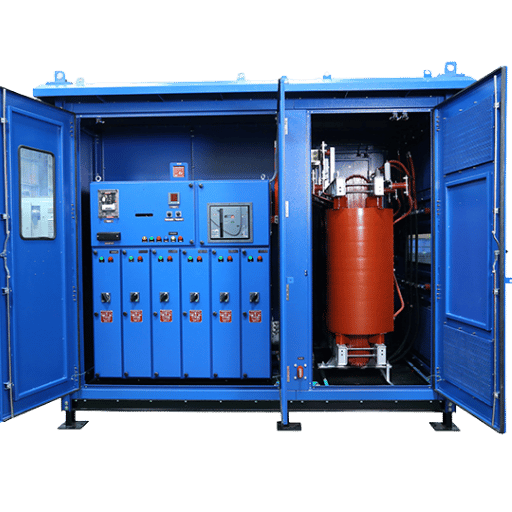
A mini substation is a factory-assembled, type-tested enclosure that combines medium-voltage (MV) switchgear, a distribution transformer and low-voltage (LV) switchgear into one weatherproof package , reducing incoming MV (typically 11-33 kV) directly to loading-ready LV (400 V or 480 V). IEC electrical standards also call this device a compact secondary substation (CSS) – “mini” has become the term that coheres in the South African, Indian, Middle Eastern and parts of the South-East Asian distribution landscape.
According to IEC 62271-202:2022, the defining IEC boundary is the maximum regulated voltage of 52 k V or outdoor area fronting lines of communication – anything exceeding that ceiling is subordinate to larger prefabricated installation design standards, and anything indoors-only with no fronting communications is typically governed by regional authorities.
Four functional zones inside one enclosure
- HV / MV compartment – incoming feeder equipped with a load break switch (LBS), ring main unit (RMU) or vacuum circuit breaker, surge arresters, disconnector with mechanical lock.
- Transformer compartment – the actual MVLV transformer (oil-filled or dry-type), fitted with temperature sensors, pressure relief device and isolated grounding.
- LV compartment – air circuit breaker (ACB) or moulded-case circuit breakers (MCCB), metering, busbars to outgoing feeders, and optional power-factor correction.
- Cable termination zone – sealed entry-points for incoming MV cable and outgoing LV feeders, fitted with strain-relief and segregated from the live sections.
What is a small substation called?
In Anglophone usage, the same physical item is known variously as: mini substation (Africa, India, Middle East); compact substation or compact secondary substation / CSS (Europe, IEC standards); package substation or packaged substation (Australia, some South East Asian countries); kiosk substation (Uk colloquialism); unit substation (United States, NEC lexicon – although “unit substation” is sometimes restricted to a stationary integrated MVLV package for industrial plants). What follows breaks down where each designation genuinely fits.
Use both “mini substation” and “compact secondary substation (CSS) per IEC 62271-202” headers when soliciting an RFQ across borders. That way African and Asian firms will grasp the first; European IoEMs and requirements programmers will recognise the second. Two designations in the echo chamber keeps RFQs from being filtered by systems that only respond to one vocabulary.
Mini vs Compact vs Package vs Unit Substation: Naming Decoded
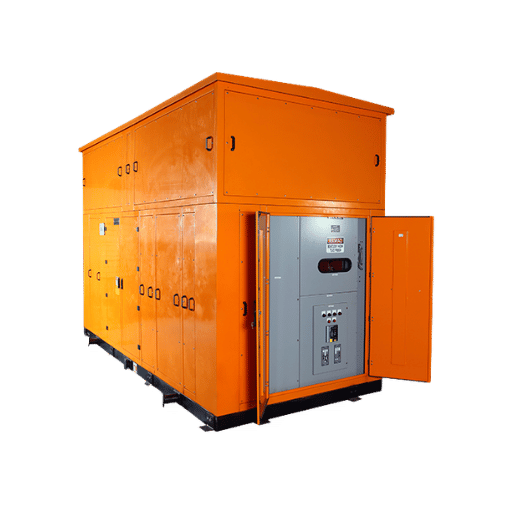
The terminology fragmentation in the mini substation market, as elsewhere, is tracked the local electrical codes, localized manufacturing conventions, and standards organizations that authored the original product definitions. Prices, lead time, and even acceptable media for insulation vary according to the names you specify, since vendors have a different default home market for each.
| Name | Primary Region | Typical Voltage | Typical Load | Reference Standard |
|---|---|---|---|---|
| Mini substation | South Africa, India, MENA | 11 / 22 / 33 kV | 100–1,600 kVA | SANS 1029, IEC 62271-202 |
| Compact substation / CSS | Europe, Latin America | ≤ 52 kV (typ. 11–33 kV) | 100–2,500 kVA | IEC 62271-202:2022 |
| Package / packaged substation | Australia, SE Asia | 11 / 22 / 33 kV | 315–2,500 kVA | IEC 62271-202, AS 2067 (AU) |
| Kiosk substation | UK, Commonwealth | 11 kV | 200–1,000 kVA | BS EN 62271-202, DNO specs |
| Unit substation | United States, Canada | 4.16 / 13.8 / 34.5 kV | 300–2,500 kVA | NEC Article 450, IEEE C57.12.34 |
| Secondary unit substation | United States (industrial) | 2.4 / 4.16 / 13.8 kV | 500–2,500 kVA | IEEE C57.12.34 |
SANS 1029 Type A / B / C: the classification most engineers miss
In South Africa – the placing and dominating origin for the term “mini substation” – the national standard namely SANS 1029 classifies the product into three classes according to load and configuration:
| SANS 1029 Type | Capacity Range | Typical Application |
|---|---|---|
| Type A | ≤ 200 kVA | Rural and small commercial loads, single transformer, fused HV protection |
| Type B | 200–500 kVA | Urban distribution, light industrial, often with off-load tap changer |
| Type C | 500–1,000 kVA | Heavier industrial and dense urban networks, usually with RMU and LV ACB |
✔ Advantages of “Mini” Form Factor
- Department of the Navy efficient reduction of footprint 60-70% (as compared to an open-yard equivalent) for any given KVA rating
- Tested as an integrated assembly in factory – minimize failure modes during site commissioning
- Sealed enclosure tolerates dusty, coastal, or vandalism-prone sites
- Plug-and-play LV / MV cable interfaces reduce site labour
⚠ Limitations to Plan Around
- Single-enclosure heat budget restricts prolonged loading at above 80-90% of nameplate in hot climates
- Limited internal access – replacement of major parts0 entails complete unit replacement.
- Lieferantenbindung bei Ersatzteilen (Raum für alle Geschäfte des proprietär RMU und LV)
- Later upgrades of capacity sometimes need a second adjacent unit, not an inside upgrade, in other words.
Inside the Box: Core Components & Configurations
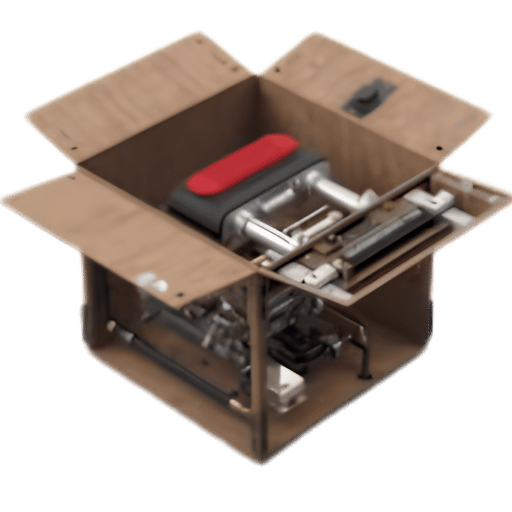
Open up any mini substation door on a kVA badge and you find the identical four-zone design, whether it is ABB, Siemens, Schneider, or a regional fabricator on the badge. The total cost of ownership and reliability of the thing is determined by what you put in each zone.
MV compartment: switchgear & protection
This is where incoming medium-voltage power comes in. Three prevailing configurations can be found in the field:
- ring main unit (RMU)- 2 or 3 load break switches with a transformer-protection switch in the same single tank of SF6(potentially 3 load break switches with the transformer)>>suitable for a networked urban distribution as unit on a ring feeder and must be capable to isolate either incoming direction;
- Load Break Switch + HV fuse, less expensive than RMU. standard for radial feed rural installations and SANS 1029 Type A / B units. Fuse coordination with downstream LV protection set is of significant importance.
- Vacuum circuit breaker (VCB) with protection relay – high fault current or selectivity with upstream protection demands a true breaker rather than a fuse. Costs additional and a microprocessor relay layer is included.
Transformer compartment: the heart of the unit
There are two main axes on which to choose between transformer types; insulation medium and cooling. The traditional cost effective choice for outdoor Zipifeb Riibheps is an oil-filled transformer (cooling class ONAN (Oil Natural / Air Natural) as mineral or natural-ester oil provides the insulating and cooling medium within a sealed tank. The cost of dry type transformers (cooling class AN (Air Natural) or AF (Air Forced)) is a 20-35% premium but their advantage is that their fire-safety demands would exclude any liquid-filled transformers from a building or any proximity to occupancy.
📐 Engineering Note — Why Dyn11 Is the Default Vector Group
Dyn11 notation (delta primary, star secondary with neutral, 30 lagging phase shift expressed as “11 o’clock”) is the industry standard for distribution-class mini substations for three converging reasons: First, the delta primary blocks zero-sequence flows from flowing upstream, keeping third-harmonic loads (LED lighting, switching power supplies) out of the MV network; second, the y secondary with neutral permits two-phase loads to share the same transformer as three-phase loads – necessary in mixed commercial / residential service; third, the 11 o’clock phase shift is the world default for parallel operation: interconnecting a Dyn11 with a Dyn5 or Yyn0 on the same LV bus wreaks havoc in the form of disastrous circulating flows. Always ensure vector group compatibility before paralleling.
LV compartment & metering
Outgoing low-voltage feeders run through an Air circuit breaker (ACB) on the incoming side and Moulded Case Circuit Breakers (MCCB) or MCBs on each feeder. The modern units incorporate metering (kWh, kVAR, peak demand) of utility grade (electronic) quality as well as optional power-factor correction capacitors. The LVbusbar must be rated at the full transformer secondary flow at system fault – for a 1,000k VA / 400V unit that implies continuous 1,443A and short-circuit withstand based on 6.25% impedance implies about 23 kA peak.
Component-level common error: bypassing the interlock chain
Inside the unit, the MV and transformer compartments are fitted with a Kirk-key or electromagnetic interlock chain that physically prevents opening a disconnect under flow. Edvard Csanyi, chairman of biggest-mistakes-substation-operators-make“>Electrical Engineering Portal and a previous Schneider Electric technical support engineer, states that disconnect switches are meant solely to provide visual isolation once the breaker has broken flow. Opening a disconnect while under flow ionises the air trapping the blades and creates a self-sustaining flow able to bridge to adjacent phases. Operator temptation to “cheat” a stiff interlock “to make things work right” is, by his accounting, the single most expensive mistake in substation operation.
“Disconnect switches are, in effect, huge metal blades designed only to provide visual isolation after the breaker has interrupted current. Forcing a stiff interlock “to get the job done” is the single most important mistake substation operators make.”
— Paraphrased from Edvard Csanyi, founder of Electrical Engineering Portal, formerly 12 years technical support at Schneider Electric
Sizing Your Mini Substation: kVA, kV & the 4P Framework
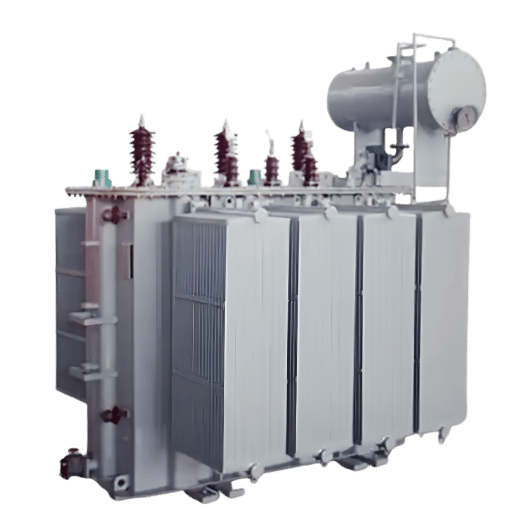
Sizing is where most procurement choices bifurcate between “this worked” and “we are paying for half-loaded conductor for the next 25 years.” Two problems dominate: under sized units that run hot and shorten transformer life, and over sized units that waste capital and have higher no-load losses than the project needs. Addressing this is a skill, not an equation – and the rest of this section is the skill.
Step 1 — Calculate honest connected load and diversity
Sum nameplate kW of every load that will ever attach to the unit. Apply two adjustments:
- Power factor correction – convert kW to kVA dividing by the worst expected power factor. Assume 0.85 for modern commercial loads with variable-frequency drives and switching supplies, 0.80 for older inductive equipment.
- Diversity factor – not every load will run at peak simultaneously. Residential / mixed-use sites use 0.5-0.7; data centres and continuous industrial/process sites uses 0.85-0.95. Diversity is the single biggest source of waste from over sizing when left out of the equation.
Step 2 — Apply the 4P Selection Framework
Specifying capacity in isolation is the wrong question. Capacity is only one of four constrains that must converge – the 4P Framework ensures all four are talking together before any purchase is made.
| P | What it covers | Question to answer |
|---|---|---|
| Power | kVA capacity, primary and secondary voltage, frequency | What is connected load × power factor ÷ diversity, plus 20% headroom? |
| Protection | Fault current rating, vector group, insulation level, IP rating | What is the upstream fault current and what insulation class survives the site environment? |
| Placement | Footprint, clearances, foundation, ventilation, cable entry | Does the site footprint accept the unit with required clearances per IEC 61936-1? |
| Procurement | Lead time, vendor stability, spare parts availability, post-delivery testing | Who will service this unit in year 10, and where do certified spares come from? |
Step 3 — Walk a worked example: 1,200 kVA commercial complex
Consider a mid-sized commercial complex with a connected load of 1,050 kW. Worst-case power factor 0.85 gives 1,235 kVA. Diversity factor 0.75 (mixed retail / office) brings practical kVA demand to ~926 kVA. Adding 20% headroom for growth and starting inrush lands the target at 1,111 kVA. Nearest standard rating above is 1,250 kVA — but 1,250 is an uncommon stocked size, while 1,000 kVA is a global standard kept on the shelf by most vendors. Buyer decision becomes: accept 1,000 kVA and tighten diversity assumptions, or pay 25–35% more for 1,250 kVA with comfortable headroom. Applying the 4P Framework forces this trade-off into the open before the order goes out, not after the unit is delivered.
For wet-sucking, oil-immersed units, ‘should’ is below 80% nameplate kVA in ambient conditions more than 35C. For dry-type units, below 85%. Hot coastal MENA or sub-Saharan summer sites may see 40-45C smooth sailing in the enclosure, but if an unprotected 1,000 kVA unit is in continuous use at 950, transformer will see the insulation life cut in half. That’s why the meaty 4P Framework step cannot be left out in tropical climates.
Standards & Compliance: IEC 62271-202, NEC & Regional Codes
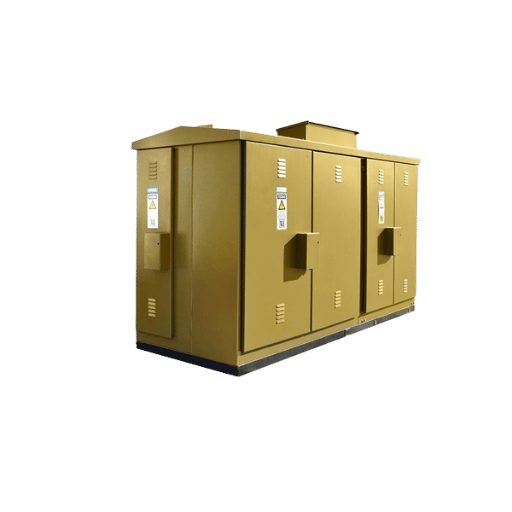
Specifiers who stick a line that says “complies with all mandatory standards” without citing the applicable standards are setting themselves up for problems. Oh! mini substation cites which standards the type tests, routine tests, and acceptance criteria are drawn from. There are two standards families predominant in this space. A mini substation that you need to import to the other side of the globe will have passed muster against both.
| Standard | Scope | Region |
|---|---|---|
| IEC 62271-202:2022 | AC prefabricated substations, primary voltage > 1 kV up to and including 52 kV. Includes type tests, routine tests, structural requirements, and 2022 third-edition annexes on solar radiation (Annex G) and electronic equipment installation (Annex H) | IEC markets (Europe, Asia, Africa, LatAm) |
| IEC 60076 series | Power transformers — covers the transformer itself within the enclosure (oil characteristics, temperature rise, short-circuit withstand) | IEC markets |
| IEC 61936-1 | Power installations > 1 kV — covers site installation, clearances, earthing | IEC markets |
| NEC Article 450 | Transformer installation requirements — clearances, ventilation, oil containment, indoor vs outdoor | United States, parts of Canada and Latin America |
| IEEE C57.12.34 | Pad-mounted, compartmental-type, self-cooled, three-phase distribution transformers — the US analogue to IEC 62271-202 for the same product class | United States, Canada |
| SANS 1029 | Mini substations Type A / B / C — South African national standard, the origin of the “mini” naming | South Africa, exported widely into sub-Saharan Africa |
| NEMA 3R / NEMA 4 | Enclosure ingress protection ratings used in NEC markets (rough equivalents of IEC IP54 / IP65 for outdoor units) | North America |
Type test vs routine test — and why both belong in your purchase order
IEC 62271-202 delineates two sets of 4P compatible tests that the buyer should know about:
- Type tests – one-off, carried out by the equipment manufacturer or an approved laboratory (lakeside to the IECEE). Relate to dielectric strength, temperature rise, short circuit withstand, internal arc fault tolerance, and enclosure. Results are tied to a specific product design – modifications exclude them.
- Routine tests – run routinely on every item of equipment produced. Cover insulation resistance, voltage withstand, ratio test, no-load and load loss tests, and switchgear operating tests.
A combined purchasing standard must demand that the manufacturer has a) type test reports (for the range tested against), and b) routine test reports (for the serial number delivered).
FAT, SAT, and the document trail
For completeness, 2 more parts of the standards puzzle:
- Factory Acceptance Test (FAT) – buyer or end-user representative present during critical routine tests’ were to ensure quality before equipment was shipped out.
- Site Acceptance Test (SAT)- post-installation, pre-energisation. Confirms earthing, insulation, cable terminations, protection relay settings and partial discharge performance of the equipment installed. The US equivalent in NEC context is through the wider regulation of the National Electrical Code (NFPA 70).
Cost & Procurement: kVA-Pricing Benchmarks & Sourcing Channels
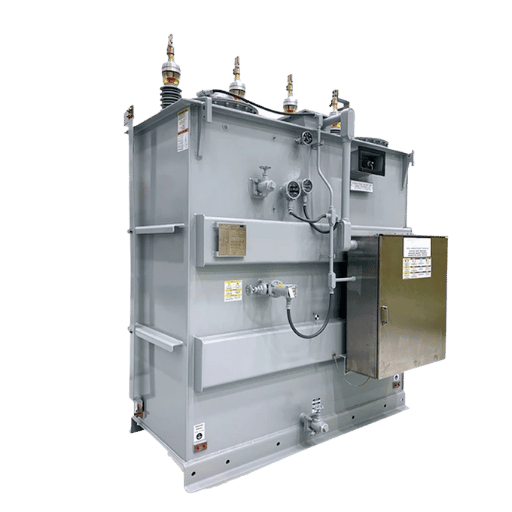
Pricing (indicative) as at Q1 2026 sourced from several vendor pricing guides and industry sources. mini substation pricing varies 30-50% depending on country, vendor size, copper price cycle and scope of certification. Use these as a directional for your budget building – obtain firm quotations to your specific specification.
The reality that surprises new buyers: configuration, not kVA, drives price
Most buyers assume is that price scales with kVA — double the capacity, roughly double the cost. The actual market behaves differently. Within a single kVA rating, build choices (insulation type, switchgear architecture, smart features) routinely create price gaps of 95% — meaning a basic 1,000 kVA mini substation can cost less than half what a smart 1,000 kVA unit with SCADA monitoring costs. This is the single most consequential cost lever for buyers and the one most often missed.
| 1,000 kVA / 11 kV Configuration | Indicative USD Price | Premium vs Base |
|---|---|---|
| Basic oil-immersed, fuse + LBS protection | USD 18,000 – 22,000 | Baseline |
| Oil-immersed with Ring Main Unit (RMU) | USD 22,000 – 27,000 | +20–25% |
| Dry-type transformer, RMU, IP55 enclosure | USD 25,000 – 32,000 | +40–50% |
| Smart unit with SCADA, IoT condition monitoring, remote alarms | USD 35,000 – 45,000 | +90–105% |
The seven price drivers buyers should price line-by-line
- transformer insulation – oil-immersed is baseline; dry-type is an addition 20-35; natural-ester oil (FR3) is an additional 8-15% over mineral oil.
- Choice of component, MV switchgear – fused LBS is cheapest; RMU adds USD 4,000-7,000; VCB with protection relay adds USD 6,000-12,000.
- Vector group and impedance – Dyn11 at 6.25% impedance is the worldwide default and lowest cost stocked. Non-standard vector groups or impedances( Yyn0, 4% Z) xpect custom transformer design – add 15-25%
- Enclosure material and IP rating – mild steel IP54 baseline, galvanised or stainless IP55 for coastal locations gives up to 8-12 %, concrete enclosure ( fire or vandalprone locations) 25-40%.
- Smart features- SCADA-ready terminal block adds USD 800-1,500; full IoT monitoring with cellular backhaul adds USD 2,000-8,000.
- Scope of standards – type test report just against IEC vs IEC + IEEE C57 + SANS 1029 adds 5-10% to the scope of certification only.
- Lead time- standard builds ship in 3-4 weeks from established factories; fully custom designs are 6-8 weeks; expediting charges for sub-3 week delivery are 10-15%.
Four sourcing channels — and where each one fits
Where to buy a mini substation
- Global OEM direct (ABB, Siemens, Schneider Electric, Eaton, GE) – excellent for utility grade procurement, mission critical sites, and for locations with significant OEM service presence. Pricing is highest at list price, record trail is quite long, and the standards compliance is very good.
- Authorised regional distributor- same product as OEM direct, but stocks locally for short lead time. Premium of 5-10% on Factory Price, however, its closer to OEM delivery speed and local support and dedicated stock holding.
- Global / national OEM – Chinese, Turkish, Indian & South African manufacturers – price oriented (30-50% lower than OEM list). Quality is variable but demand type test certs form accredited labs, with FAT rights.
- Refurbished used equipment broker – economical option for non-critical applications, temporary installations and lower budget village electrification projects. Get original test certificates, up-to-date readings of insulation resistance and examine bushings visually prior to purchase.
Industry practitioners estimate that the worst-performing procurement error is not buying too little but buying too much: specifying that the transformer be ole-immersed when a dry-type would meet the plant’s fire code, specifying full SCADA monitoring on a site whose whole operations team will never bother to look at the dashboard. Every additional line of specification adds up. A 1,000 kVA mini substation with SCADA-monitoring costs USD 45,000; buying the equivalent capacity oil-immersed fused unit instead costs only USD 18,000 and satisfies the same load requirements over 25 years. Dimension specification precisely to actual operations, not to the shiniest vendors and most aggressive sales pitches.
Installation & Site Requirements
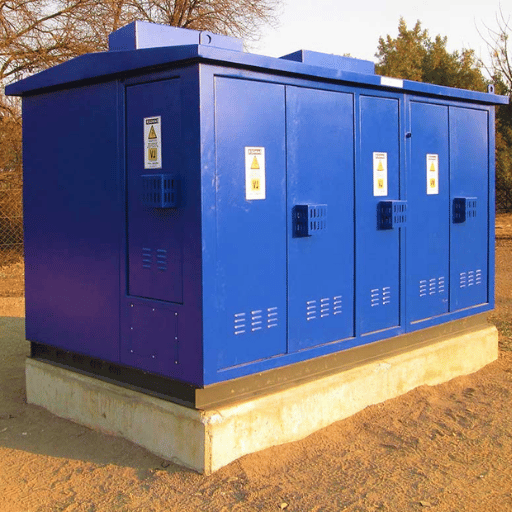
A Utum began specification may not pass across the yarddoors in perfect working order if the site environment cannot support it physically, mechanically, thermally, or electrically. Refine every item below prior to order placement, rather than after the unit show up.
Foundation and footprint
- Reinforced concrete plinth with 200-300 mm minimum clearance above finished ground; level at least 5mm crosswise over unit footprint; reinforced grade C25 or better.
- Foundation load – manfully complete unit 4,500-5,500 kg full of oil. Evenly distribute weight over reinforced concrete slab; use engineered footings for unstable ground.
- Cable trenchs – incoming MV trenches and outgoing LV trenches run through water tight sleeves and are insulated from sewage, fuel, and water conduits.
Clearances around the unit
According to IEC 61936-1, minimum working clearances for operation and maintenance have to be 1,200 mm on the door side, 800 mm on other sides for air circulation. In the NEC, minimum working space must be equivalent to the IEC requirement. Ventilation louvers require vermin screens to minimize entry through the louvers. Consider longer clearances for high temperature environments or backward radiators.
Ventilation
Forced ventilation for units 1,250 kVA and larger under emissions-heavy conditions in confined or tropical-sites is necessary; natural drafting alone will not keep the top-oil temperature within specification limits. Louvers with vermin screens also must be installed.
Earthing
earthing remains the most important step in site preparation. Target earth grid resistance to:
- 10 ohms for common distribution applications (according to most utility specs)
- 4 ohms for sensitive electronics, computers, or secure compounds
- 1 ohms where used in conjunction with a lightning mitigagation network
earthing ground grid must be installed and measureable prior to the circuit being energised. UL 1742 Dead- Live- Dead test set and sequence (test probe on known live outlet test socket on the non-live outlet if necessary to confirm the rest of the cable present is dead re-test on known dead before touching any cable) should be used to prevent contact with any energized cables or connectors, regardless of how long ago the circuit breaker was tripped. Parasitic capacitive charge remains in any cables after they are energized; backfeeding from downstream generation remains in paralleled transformers; high-voltage cables often have long span regardless of site construction.
Site Acceptance Testing — the bridge to safe energisation
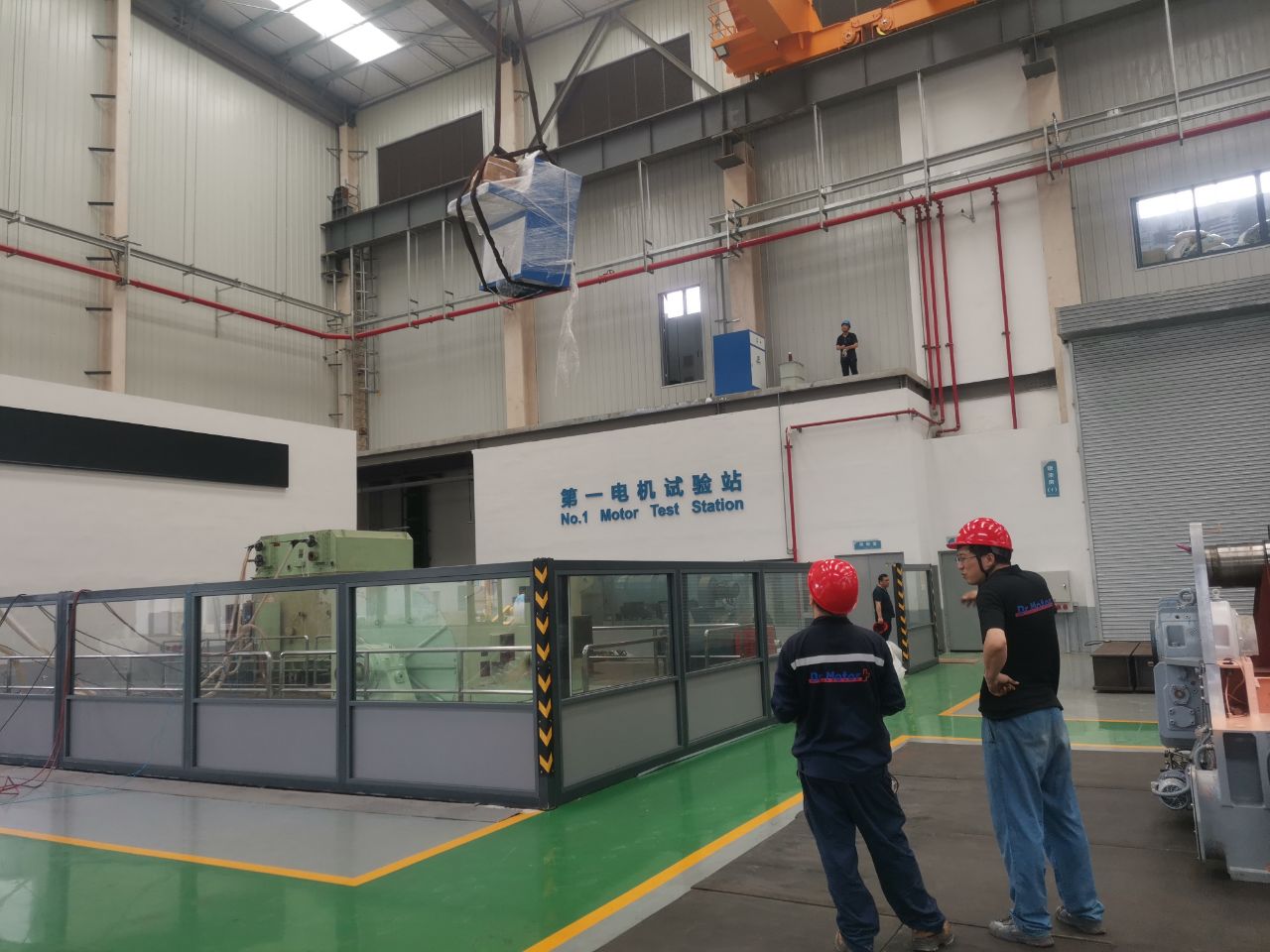
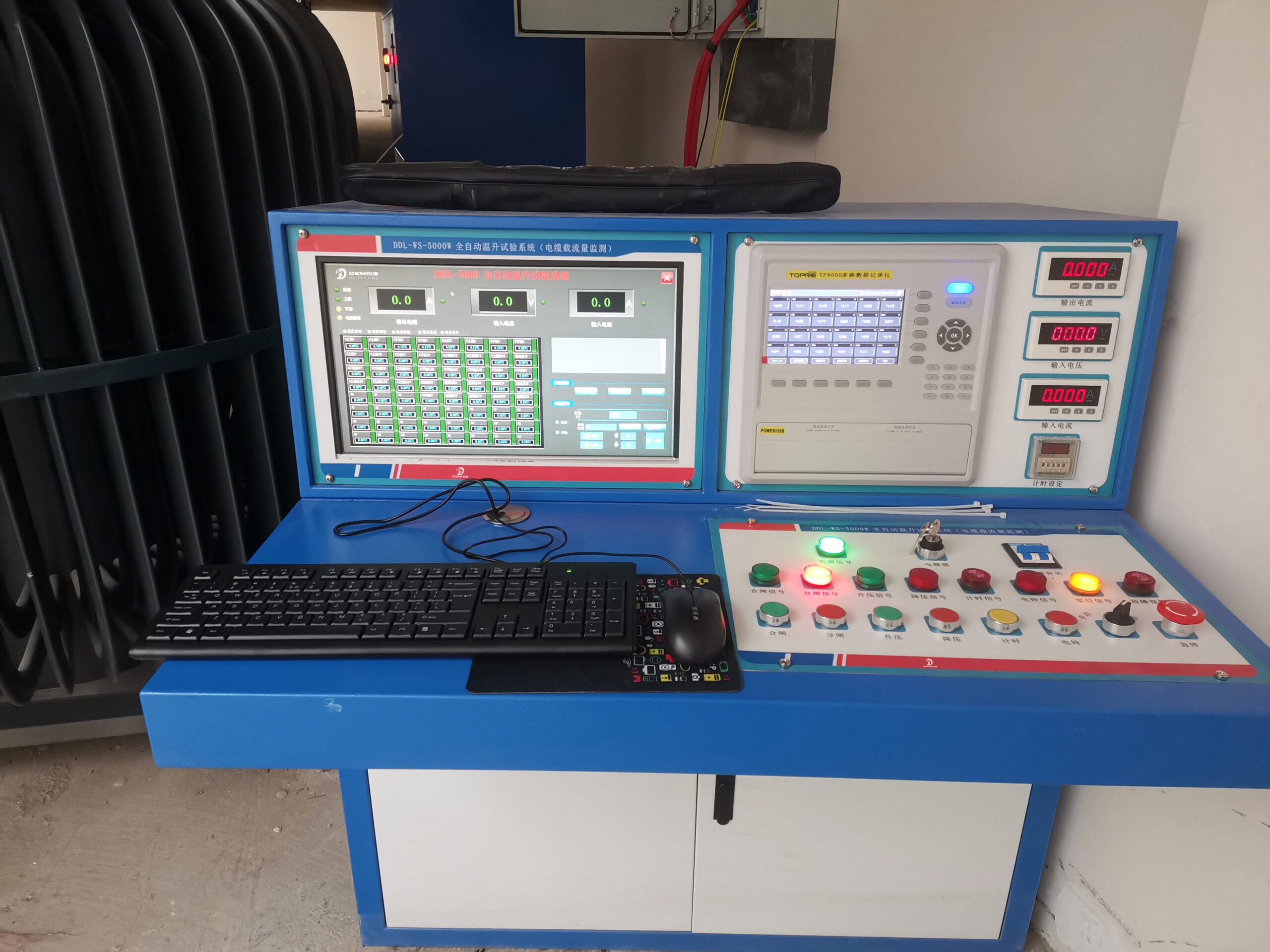
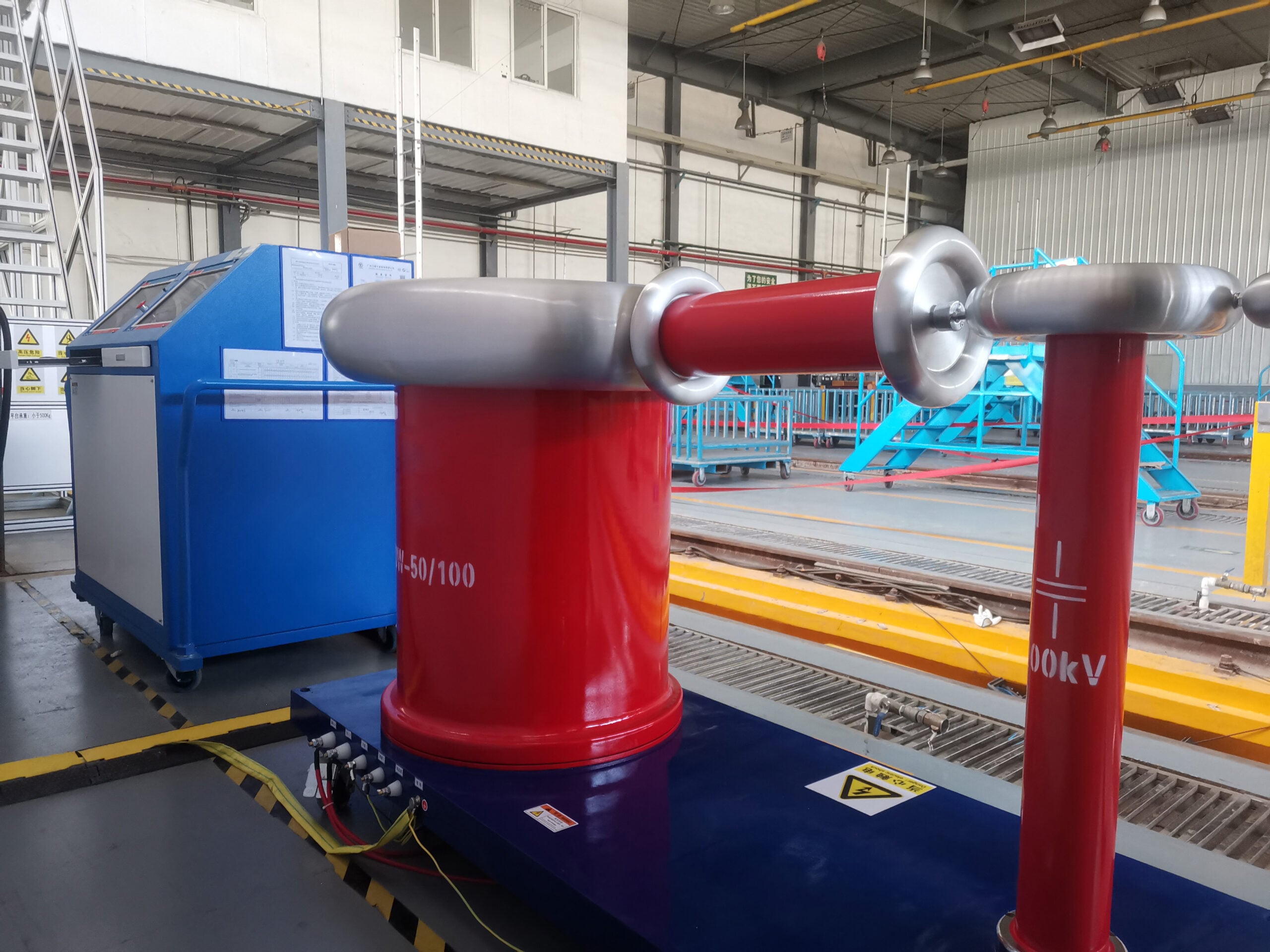
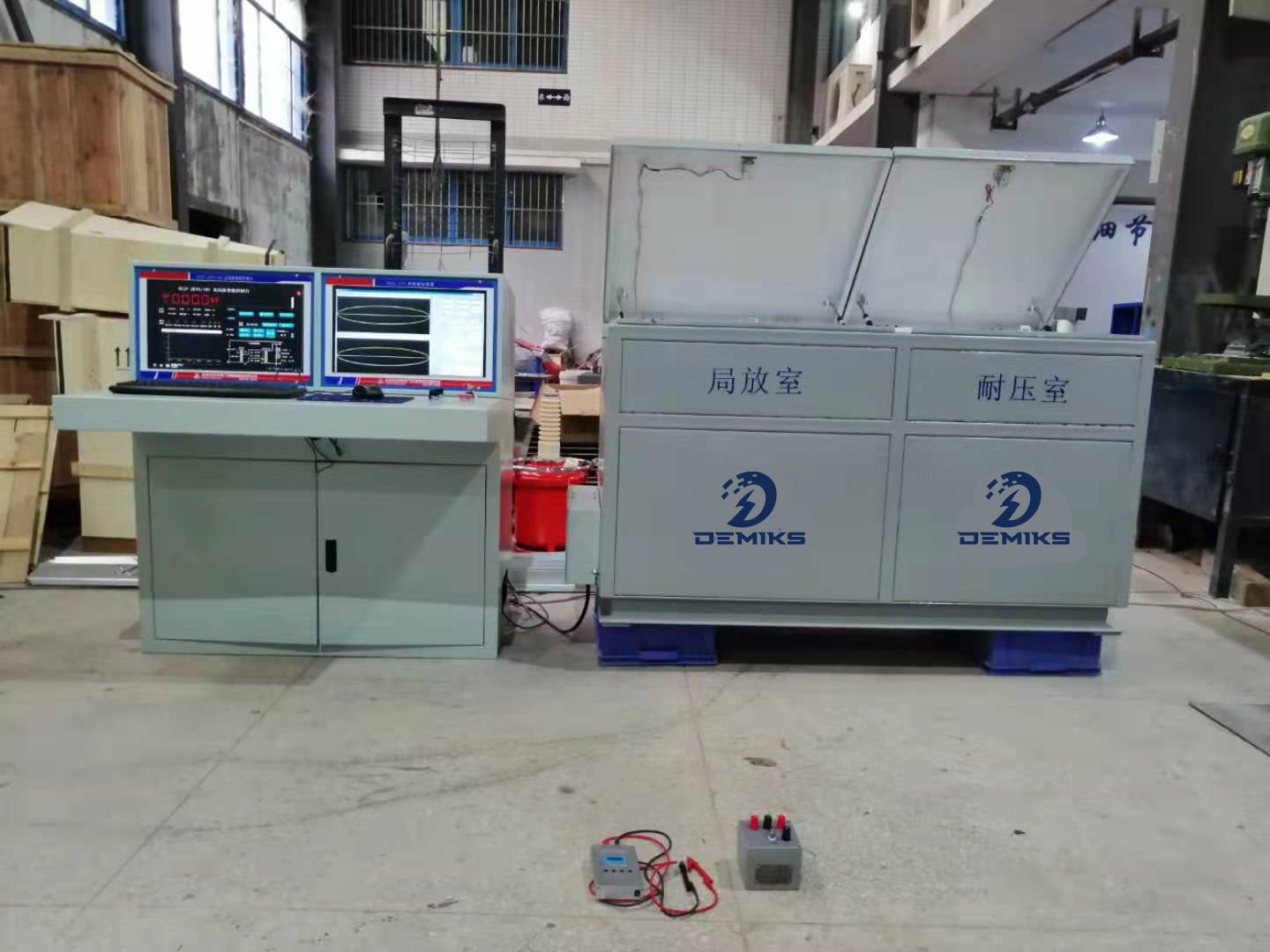
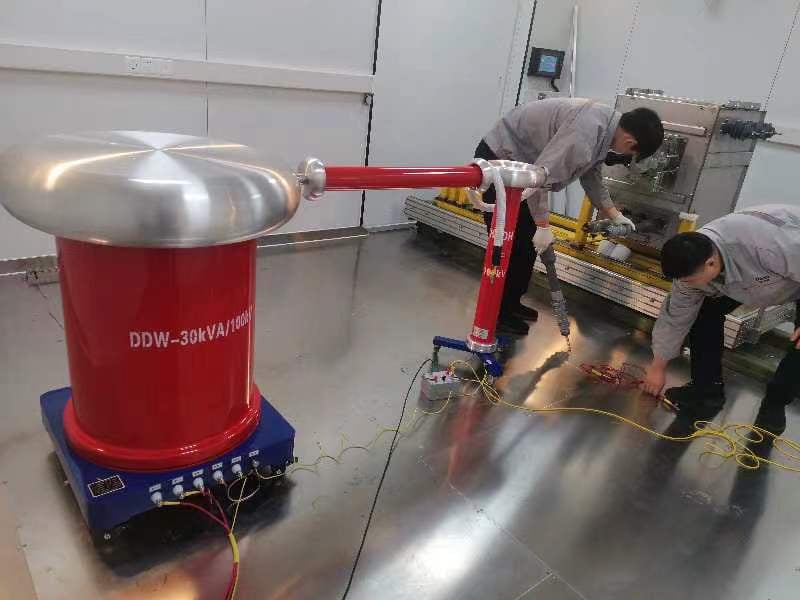
Before the first MV feeder is closed, the SAT protocol checks: insulation resistance of MV and LV systems ( 1 G typical at 5 k VDC); transformer turns ratio against name plate (within 0.5%); winding resistance (within 2% phase-to-phase); protection relay settings conform to the protection coordination study; and – most critically – partial discharge behaviour at increased AC stress. High-voltage test equipment that is calibrated for the partial discharge and dielectric portions of SAT is Mandatory – any energisation without these measurements reported is a blind.
| Site Type | Key Constraints | Recommended Configuration |
|---|---|---|
| Outdoor, open ground | Weather, vandalism, wildlife | IP55 galvanised steel enclosure, oil or dry-type, RMU, fencing optional |
| Outdoor, coastal | Salt corrosion, humidity | Stainless steel or concrete enclosure, IP65, dry-type transformer preferred |
| Underground / vault | Flooding risk, fire egress, ventilation | Dry-type transformer (no oil containment), forced ventilation, IP54 acceptable, fire-rated enclosure |
| Indoor, occupied building | Fire code, noise, ventilation | Dry-type mandatory (per most fire codes), low-noise transformer, dedicated electrical room, fire-rated separation |
Choosing the Right Vendor: OEM vs Regional Suppliers
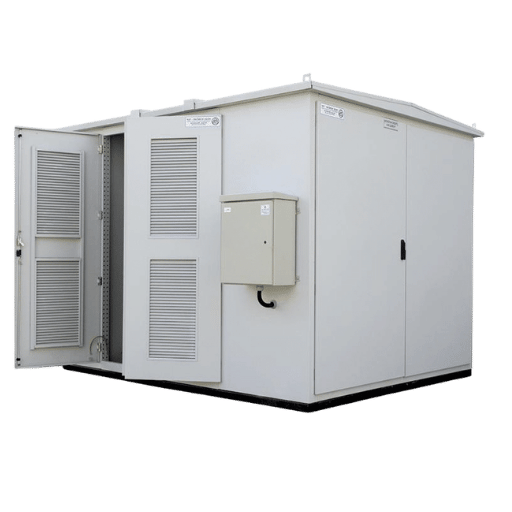
The OEM determination is seldom a matter of “OEM is the one true way.” Correct answer hinges on the criticality of the load, the service supports presence at the install site, the project’s drawing set and warranties or Guarantee conditions, and the procurer’s willingness to manage spares stock risk across a quarter century. Trade-off matrix below codifies the trade-offs that get debated in every procurement review.
| Dimension | Global OEM (ABB / Siemens / Schneider / Eaton) | Regional Manufacturer |
|---|---|---|
| Lead time | 6–12 weeks standard, longer for custom | 3–6 weeks; often stocked configurations available |
| Customisation | Standardised platforms — non-standard requests trigger formal engineering review | High flexibility — willing to build to a project drawing |
| Price | List price reference; rarely discounted below 15–20% even on volume | 30–50% below OEM list price for comparable spec; further discount on volume |
| Document trail | Full document trail — type test reports from accredited labs, FAT/SAT witness support, multi-language manuals | Variable — insist on IECEE or equivalent type test certification before order; verify FAT witness rights |
| Spare parts (year 10–25) | Global parts catalogue, predictable availability; price control on spares | Risk if manufacturer changes ownership or exits market; verify aftermarket access before commitment |
| Best fit | Utility-grade procurement, mission-critical sites, locations with strong OEM service presence | Cost-sensitive industrial sites, projects with strong local technical capability, large-volume rollouts |
Post-delivery step nobody itemises until something goes wrong
A primary consideration in virtually every competition is that a vendor’s supply chain integrity has received explicit verification: you’ve already been oversold on the cost of un-checked “delivered-to-site” condition. Safety incident analysis by the industry notes under-proven installation isolation and grounding error as the pinnacle of substation problems, both significantly related to confirmation of the banked equipment condition before first energisation. Partial discharge, dielectric, and meg-ohmmeter measurements to IEC 62271-1 are not line items – they are assurance that transit damage, ATI defects missed by factory tests, and wrong on-site build will not compromise safety or operation.
A SAT-class workflow at the minimum includes:
- Insulation resistance measurement at 5 k VDC across MV and LV systems
- Transformer turns ratio and winding resistance verification against nameplate
- Partial discharge measurement with true, GMT-calibrated HV test equipment at 1.05 rated voltage for a full minute
- Protection relay setting verification against the project coordination study
- Earthing resistance confirmation before any MV feeder is energised
Operators in the field report that the second-most-expensive equipment selection pitfall (second only to over design) is selecting a regional manufacturer on price alone without verifying mechanism for aftermarket spares. A 1,000 kVA HVAC relay or RMU module failure in the third year converts to either a $6,000-10,000 spare-and-replacement proc or – should the original vendor exit the market niche – a full replacement. Ensure that spare parts visibility is conformed to you in writing before executing the bid.
Industry Outlook: 2026–2030
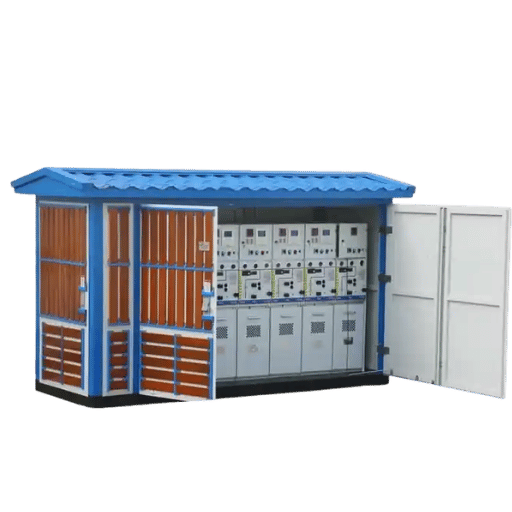
Three market data points define the purchasing case for any mini substation bought between 2026 and 2030. Packaged substation market as a whole is riding a sustained growth trajectory — Strategic Market Research reports a 6.4% CAGR from a 2024 base of approximately USD 12.1 billion. Compact substation segment is growing faster in the United States at a 9.7% CAGR through 2033. And the digital substation subsection — traditionally a transmission-only niche — is moving from USD 8.9 billion in 2025 to an estimated USD 17.3 billion by 2035 per GMInsights.
What the data actually means for a 2026 buyer
- Smart and SCADA is no longer “future-proofing” — it is a present-day product line. Major vendors now price SCADA-ready and IoT-monitored variants as standard catalogue items with USD 2,000–8,000 premium. The question for 2026 buyers is no longer “should we wait for digital?” but “do we pay the IoT premium now or specify the SCADA-ready terminal block and add the sensors later?”
- SF6 alternatives are an active buying criteria. Revision to EU F-gas regulation, implemented in 2024, will exert continued political replacement pressure on G. For installations designed to operate past 2035, vacuum or dry-air insulated MV switchgear is the socially-acceptable choice today, even at a 10-15% premoney premium.
- modular plug and play platforms cut install times but lock in the vendor. ABB UniPack-S, Siemens 8DJH, and Schneider RM6 / GHA platform cut site labour by 20-30% but bind the operator to that 25-year spare parts vendor.
Three actions to take in current procurement
- Designate SCADA-compatible terminal block even if omitting sensors now – adding the wiring at the factory cost USD 500-1,500; retrofitting it on a sealed unit at year five will cost USD 5,000-10,000 plus an outage.
- Set aside physical volume for one additional unit at the same site – load growth at typical commercial sites averages 2-3% per year; a 1,000 kVA unit serving a complex today might require a second 500-1,000 kVA unit twenty years hence.
- Include cybersecurity baseline into the protection relay specification – IEC 62443 alignment is now a standard requirement for utility grade procurement and will become broader within the next three procurement cycles.
Frequently Asked Questions
Q: How much does a mini substation cost?
View Answer
Q: What is the difference between a substation and a mini substation?
View Answer
Q: How long does a mini substation last?
View Answer
Q: Can a mini substation be installed indoors?
View Answer
Q: Do I need permits to install a mini substation?
View Answer
About This Analysis
This mini substation reference is written by the editorial team at Demikspower, a manufacturer of high-voltage test equipment used for partial discharge measurement, dielectric verification, and acceptance testing on distribution-class substations. The pricing and specification benchmarks above are compiled from publicly available vendor price guides, the IEC 62271-202:2022 standard text, and industry safety reporting from the Electrical Engineering Portal — they are not first-party transaction data. For specific quotation or to validate a site against IEC 62271-202 acceptance test requirements, work directly with your local utility and a qualified electrical contractor.
References & Sources
- IEC 62271-202:2022 — AC prefabricated substations for rated voltages above 1 kV up to and including 52 kV — International Electrotechnical Commission
- IECEE certification scheme — IEC 62271-202:2022 — IEC System of Conformity Assessment Schemes
- National Electrical Code (NFPA 70), Article 450 — Transformers — National Fire Protection Association
- The Biggest Mistakes Substation Operators Make — Edvard Csanyi, Electrical Engineering Portal, May 2026
- Packaged Substation Market Report 2024–2030 — Strategic Market Research
- Digital Substation Market Size 2026–2035, Global Trends Report — GMInsights
Related Articles
- High-voltage test equipment for substation acceptance testing — partial discharge, dielectric, and insulation resistance instruments
- Partial discharge testing best practices for distribution-class substations (upcoming)
- IEC 62271-202 vs IEEE C57.12.34 — a side-by-side compliance walkthrough (upcoming)
- Site Acceptance Test (SAT) checklist for compact secondary substations (upcoming)
- 11 kV insulation resistance testing — instruments, procedures, and pass/fail criteria (upcoming)