The large HV cable is the backbone of modern electrical infrastructure, ensuring that industries, businesses, and homes receive power with maximum efficiency. However, its activation is, nonetheless, prone to failure. Tests of these HV cables stand as a safeguard against these failures. Given that HV cable testing detects potential problems before they escalate, it provides operational assurance that minimizes downtime costs and protects the entire system. Therefore, this article elaborates on HV cable systems, thorough testing, and long-term benefits that come with the anticipation of objectives in a maintenance concept. Whatever the case, whether an engineer, facility manager, or professional confronted with problems in electrical systems, this book will arm you with the tools to safeguard and optimize high voltage infrastructure.
Introduction to HV Cable Testing
What is HV Cable Testing?
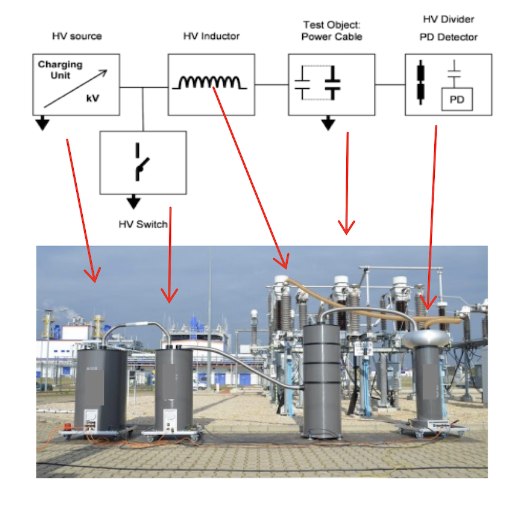
HV cable testing is a vital process that determines the status, performance, and safety conditions of a high-voltage electrical cable. It enables the acceptance of tests that can detect the presence of faults or weak points in insulation, as well as cable degradation within the cable system. The test should guarantee the efficiency and reliability of power transmission, which is also crucial for industry operations, commercial establishments, and larger-scale power distribution networks.
During the modern testing of HV cables, techniques such as partial discharge analysis, very low-frequency testing, and dielectric spectroscopy are employed. These are the tools to detect early situations that may have led to a large-scale failure with consequent costs. For example, partial discharge tests for minute electrical discharges that are indicative of voids, cracks, aging, etc., within the cable insulation. VLF testing, on the other hand, generates an AC signal at very low frequencies and can therefore diagnose insulation strength without undue stress.
Data obtained from the field indicate that unforeseen failures can be reduced by approximately 45% through proactive testing of HV cables. It extends the lifespan of cable systems and notably trims down maintenance costs. Through regular test schedules and cutting-edge diagnostic techniques, an organization can ensure that its high voltage infrastructure is protected, comply with safety regulations, and provide uninterrupted electrical service.
Importance of High Voltage Cable Systems
High-voltage cable systems are crucial for ensuring the reliable transmission and distribution of electric power over long distances from power generation sources to consumers. The cable systems are designed to sustain hefty electrical loads, environmental stresses, and prolonged operational requirements. Therefore, their reliability is essential for industrial, commercial, and residential energy consumers. A failure can cause power outages, operational downtime, and significant financial losses; therefore, proper installation, maintenance, and monitoring must be ensured.
From the high-voltage cable perspective, its performance evaluation has undergone dramatic changes with recent advancements in diagnostic techniques, namely partial discharge testing and advanced thermal imaging. Studies show that early detection of potential threats, such as damage to insulation or excessive heat generation, can help in reducing operational risk by 50%. It further appears, from the data provided by several utility companies, that the application of condition monitoring strategies can, on average, extend the life of cable systems by 30%. These must-have strategies aim to meet the primary objectives of electrical networks: safety and reliability. At the same time, they reduce maintenance costs because failures are prevented rather than resolved after a costly demise.
Furthermore, the integration of HV cable systems with wind and solar energy generation installations appears to strengthen their position at the heart of the global energy transition. Axial and robust HV cable systems ensure clean energy transfer from remote generation sites to cities with minimal losses. With changes in the energy landscape, the ruggedness and versatility of high-voltage cable systems are crucial in meeting the ever-growing electricity demand and maintaining grid stability.
Overview of Electrical Failures Related to Cables
High-voltage cables are crucial for efficient power transmission and may suffer electrical failures due to various reasons. Some of the major factors include insulation deterioration, thermal stress, and moisture ingress. Insulation materials typically wear out over time when subjected to repeated electrical stresses, leading to partial discharges and ultimately, full breakdown. Thermal stress primarily occurs when cable temperatures rise due to the presence of a high current load or inadequate cooling, resulting in expansion and contraction cycles that degrade the cable components. Finally, moisture penetration, primarily affecting underground or subaqueous cables, is another significant threat, as it compromises insulation quality and causes corrosion in conductors.
Cable failures can be attributed to the intervening defects that were introduced during manufacturing or installation. Improper jointing or termination techniques, for instance, might create weak points that are more prone to electrical stress. In the same way that mechanical damage during handling or operation might expose internal components, making them more prone to faults. Early identification of such issues through the use of advanced diagnostic tools, such as partial discharge and impedance testing, allows for earlier maintenance, which in turn reduces downtime costs.
The risks can be mitigated by opting for premium insulation materials that undergo stringent testing regimes during manufacture and installation. Additionally, the latest developments in cable fabrication, such as XLPE insulation and enhanced waterproofing methods, are helping high-voltage cables achieve greater reliability and longevity. Having a proactive approach to these common failure modes could help ensure sustained performance and minimal interruptions in power transmission by the energy sector.
Types of HV Cable Testing

Partial Discharge Testing: An Operational Component
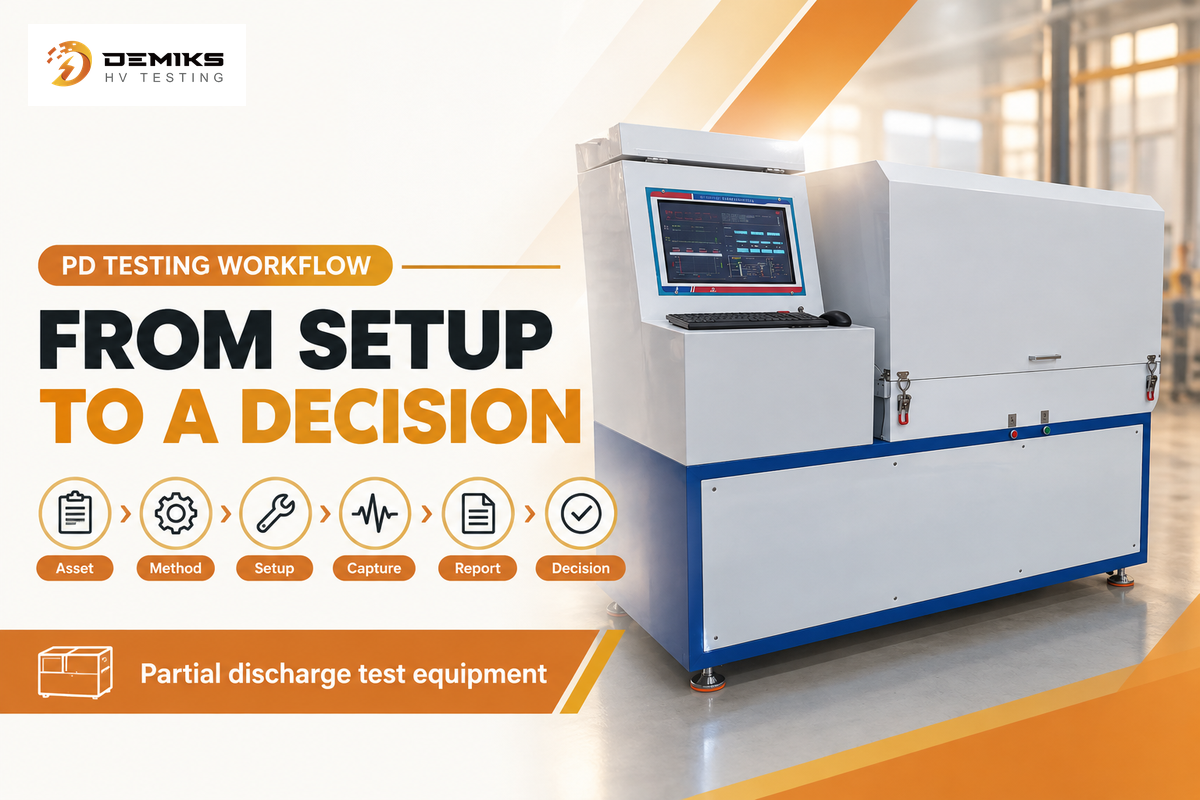
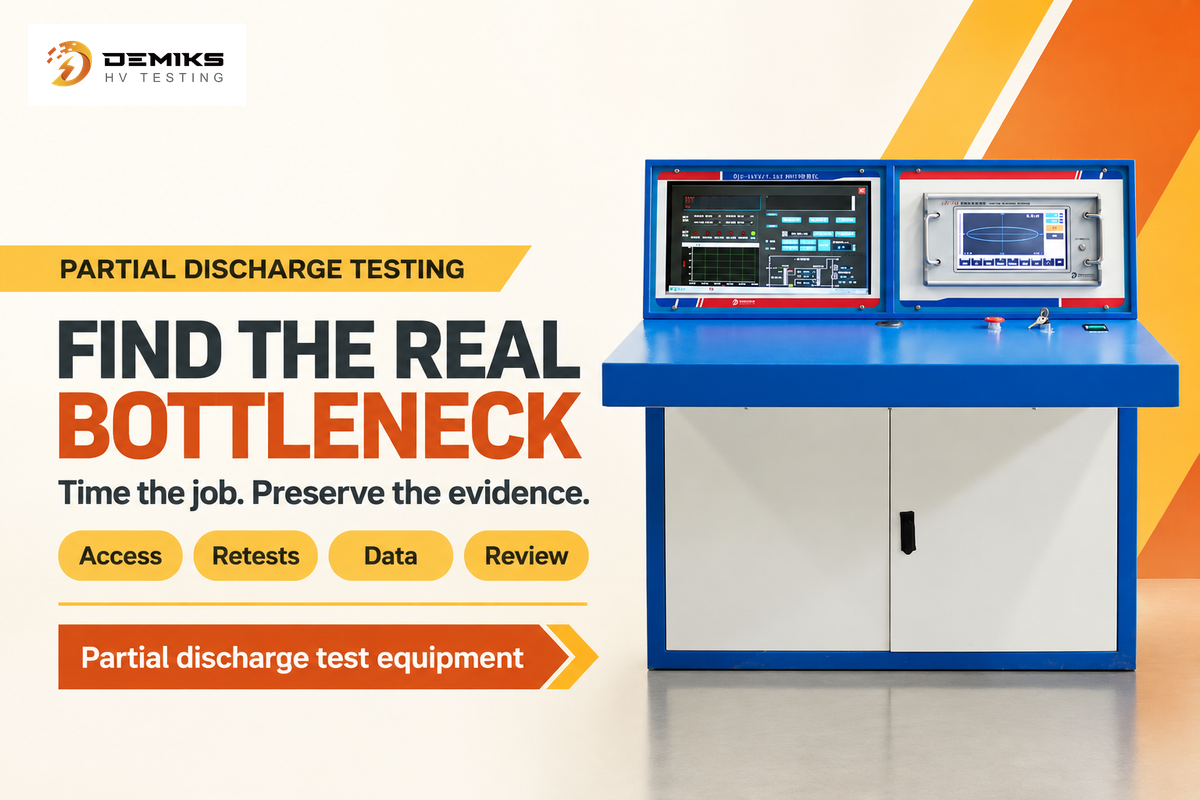
In assessing the condition and reliability of high-voltage (HV) cables, partial discharge testing plays a crucial role in the methodology. This generation method inspects tiny electrical discharges arising from imperfections, voids, or other weaknesses in the cable insulation. Partial discharges remain a significant threat to insulation when allowed to develop sufficiently to cause severe damage.
Nowadays, partial discharge testing utilizes several technologies, including UHF sensors and acoustic emission tools, to pinpoint the exact location of discharge activity with great precision. Measuring the partial discharge intensity and detecting the source enables operators to mitigate the effects by repairing or replacing the components, thereby preventing unplanned outages. Statistics have shown that an early-action partial discharge test can prolong the life of a cable by identifying faults at an early stage, thus lessening the maintenance cost.
With the increasing adoption of smart grid infrastructures, partial discharge (PD) monitoring systems are being integrated with real-time data acquisition frameworks to provide continuous monitoring and faster responses to changing insulation conditions. With such testing technologies, the power transmission and distribution sector can maintain efficient and reliable operations while also addressing emerging threats to grid reliability.
Withstand Testing for High Voltage Cables
Withstand testing is a crucial diagnostic procedure that high-voltage cables undergo to check whether their insulation can withstand extreme electrical stress. This test applies a voltage exceeding the standard operating voltages of the cable under test for a specified duration and checks whether the cable can withstand such conditions that it may encounter during service. By detecting weaknesses or faults in the insulation at an early stage, withstand testing prevents the risk of in-service failure, thereby improving overall system reliability.
Modern withstand testing techniques increasingly complement advanced diagnostic methods, such as partial discharge analysis and real-time monitoring, to provide fuller insights. For instance, cables undergoing withstand testing may also be subject to partial discharge tests that indicate localised deterioration in insulation. Data obtained through these tests provides information on failure trends and maintenance arrangements, thereby reducing the frequency of downtime and operational risks.
Industry Application statistics show that combining withstand testing with predictive diagnostics keeps cables functional for more extended periods, resulting in lower repair costs and compliance with international standards such as IEC 60502 and IEEE 400. Moreover, with the latest advances in portable test equipment, one can test and verify cable installations on-site with minimal or no interruption to existing infrastructure. Thus, withstanding testing has become a must in the current cable maintenance criteria for high-voltage cables.
VLF Cables Testing and Application
Very Low Frequency (VLF) cable testing has emerged as the most reliable technology for assessing the integrity and performance of High-Voltage cables. In the VLF testing method, an oscillating current of low frequency generally ranging between 0.01 Hz and 0.1 Hz is allowed to flow through the cable under test, and potential weaknesses in the cable, likely due to insulation degradation, partial discharge activity, or any other form that undermines cable reliability, are efficiently detected. This testing is beneficial in medium- and high-voltage network installations, where maintaining performance and preventing unexpected failures are crucial.
The application that may be most significant for VLF testing is for new work and existing cable systems. When cables are newly installed, VLF testing becomes an essential commissioning test, used to detect any manufacturing defects or poor installation practices before the wires are put into service. Older infrastructure utilizes periodic VLF diagnosis, which enables utility companies to detect problems before they escalate into outages or expensive emergency repairs. In addition, modern diagnostic techniques, acting as adjuncts to VLF testing, permit the collection of various types of vital data necessary for cable health evaluation, such as dissipation factor and dielectric strength measurements.
In addition, since the method complies with IEEE 400.2 and IEC 60060, the procedure is followed uniformly with utmost regard for the test procedure worldwide. Standardization ensures benchmarking and regulatory compliance for organizations using the system. Newer generation VLF test tools, which are compatible with portable devices and automated reporting software, have made it easier to incorporate test regimes into day-to-day maintenance cycles without compromising the accuracy and efficiency of the test.
In conclusion, VLF cable testing is crucial in modern grid management, as it offers the exact combination of accuracy, flexibility, and standardization needed to bring a system to life and maintain safety during operation.
Test Equipment and Methodologies
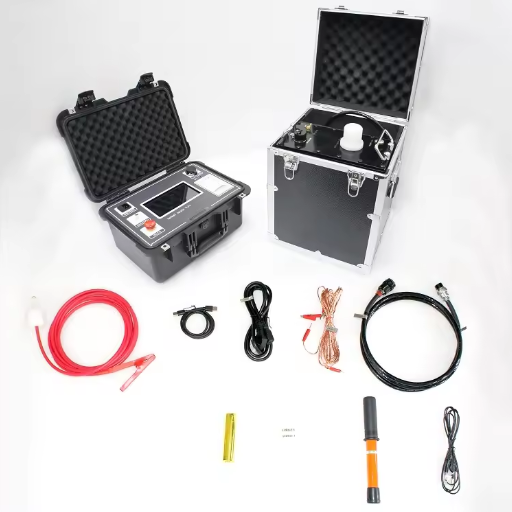
Essential Test Equipment for Cable Testing
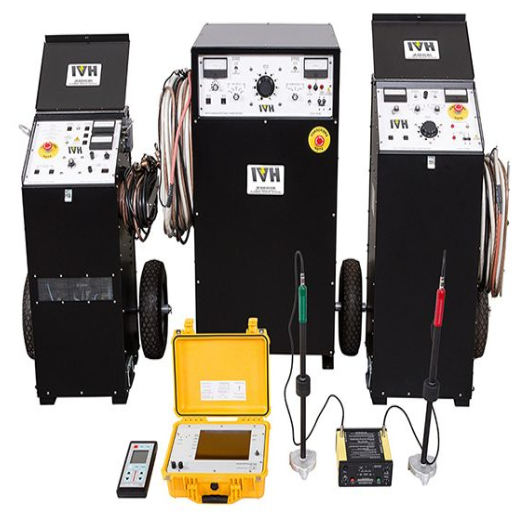
Without quality equipment, cable testing would be neither accurate nor efficient, failing to detect faults, insulation degradation, and the reliability of the entire system. The principal equipment used in cable testing includes:
Very Low Frequency (VLF) Testers: These testers are essential for performing insulation tests on medium- and high-voltage cables. Their working at reduced frequencies helps in identifying the weaknesses of the cable under actual electrical stress conditions, with minimal damage to the cable.
Tan Delta Measuring Systems: This equipment measures the insulation condition by measuring dielectric loss, providing valuable information on cable aging and general condition. They are a vital diagnostic tool for optimizing maintenance scheduling and avoiding unexpected failures.
Cable Fault Locators: The advanced fault locator systems, such as Time Domain Reflectometers, need to determine which cable has the fault and where it is situated. Speedy maintenance would decrease system downtime.
Partial Discharge Detection Systems: These high-end systems detect and locate partial discharges that may indicate an impending insulation failure. The gathered information will be used to proactively tackle issues and reduce the hazards posed to the electrical network.
Megohmmeters (Insulation Resistance Testers): These testers measure the resistance of cable insulation to confirm that it is maintained at the required safety standards at all times. They can be considered basic tools for routine assessment of cable integrity.
High-Pot Tester: The HiPot tester checks the dielectric strength of the cable insulation by applying a high voltage as specified. This ensures that a cable will not fail under the test voltage, making it ideal for compliance testing.
Digital Multimeters and Clamp Meters: These versatile instruments perform basic electrical testing procedures and measure current, voltage, resistance, and other parameters, assisting technicians in diagnostics during testing procedures.
Cable testing is another area where the latest technology is utilized, featuring automated diagnostics, real-time data logging, and even remote monitoring compatibility. These developments enhance testing accuracy, streamline operations, and facilitate quicker, data-driven decisions in maintaining a high-performance electrical system.
Field Testing vs. Factory Acceptance Testing
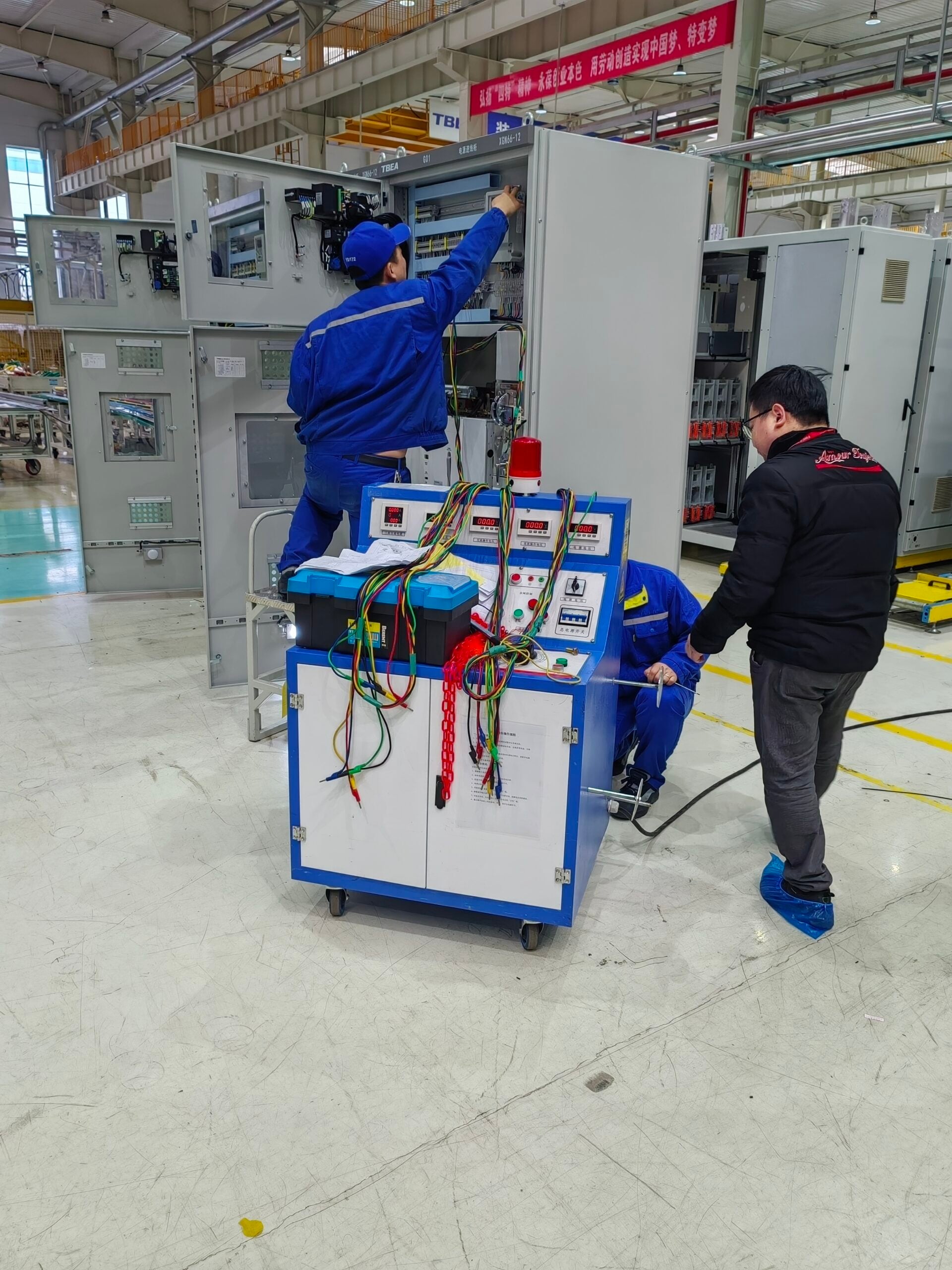
Field testing and factory acceptance testing (FAT) serve complementary yet separate purposes, ensuring the reliability and performance of electrical systems and components. Field testing takes place on-site, checking the equipment under real-time operating conditions. Installation problems, proper connections, and compliance with specified requirements can all be tested in this manner. It is advisable to use portable diagnostic instruments and sophisticated monitoring software during such activities, which always provide technicians with the flexibility of testing system performance in multiple-pronged or real-world environments. Some standard tests on-site or in the field include insulation resistance testing, continuity testing, and load testing.
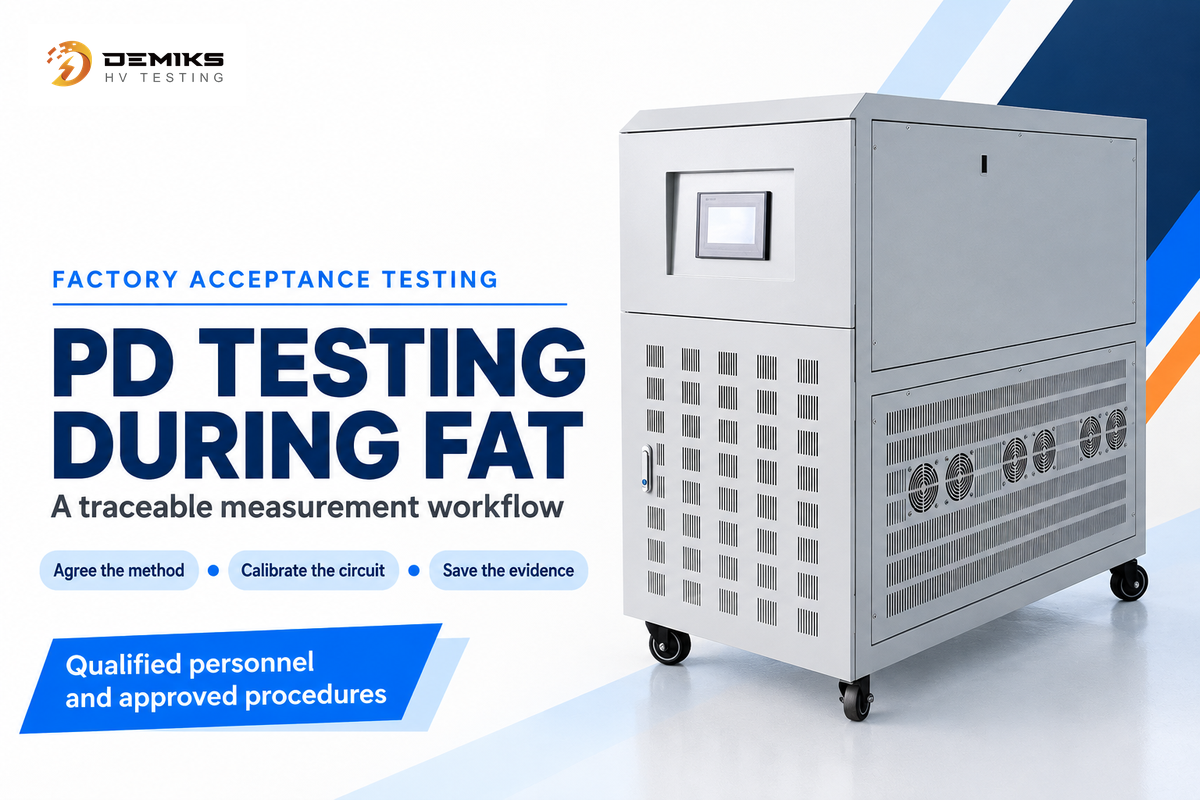
In contrast, acceptance tests are carried out in the production environment under controlled conditions before the shipment of equipment to the customer. By simulating operational situations, FAT ensures that the products conform to the predefined technical standards and operate as designed. This test stage reduces the potential for defects, as any inconsistencies can be identified and resolved before deployment, thereby minimizing field downtime and maintenance costs. Some sophisticated automated test platforms are accepted in FAT to provide detailed data on electrical properties in accordance with relevant standards, such as IEC and IEEE.
Combining both tests ensures that the equipment functions optimally during its lifetime. While FAT examines initial compliance and quality assurance, field testing verifies reliable performance after installation under the stress of real-world dynamics. In tandem, these processes enhance system dependability and ensure greater longevity, effectively providing data-driven validation for the electrical system.
Tan Delta Tests in Cable Assessment
The Tan Delta, also known as the dissipation factor or loss angle, has significant importance in cable testing-phase insulation. Essentially, it measures the dielectric losses in insulation materials to indicate early signs of aging, degradation, moisture ingress, or any potential fault. Conducting Tan Delta tests helps ensure the reliability and safety of power cables by identifying and resolving issues before they lead to operational failure.
An AC voltage is applied to the cable under controlled conditions. The test measures the energy dissipated as heat and the energy stored. The lower the Tan Delta value, the better the insulation condition, whereas high values indicate deterioration or contamination. For instance, current standards emphasize regular Tan Delta testing of medium- and high-voltage cables to ensure their effective transmission and prevent downtime.
Moreover, advanced diagnostic techniques, such as time-varying Tan Delta, enable the mapping of insulation behavior as a function of voltage. Such an approach provides deeper insight into insulation conditions, thereby ensuring compliance with more rigorous safety and efficiency standards. Asset managers can integrate Tan Delta testing into their preventive maintenance to optimize the operational life of their systems and avoid unplanned repair costs.
Field Testing Services for HV Cables

Why Field Testing Is Beneficial for HV Cable Systems
Field tests for a more efficient HV cable system serve as a maintenance strategy, ensuring system reliability and extending its lifespan. If one were to conduct such field tests, cable insulation or joint faults could be detected early on, thereby giving undue importance to preempting failure rather than sudden, unexpected failure becoming a real threat. The contemporary field test primarily consists of diagnosing cable health through PD analysis, Tan Delta, and Very Low Frequency testing, which address different aspects of cable health.
It has been found that incorporating field testing into maintenance schedules can increase the operational life of HV cable systems by approximately 20%, while reducing expensive repairs and downtime. Field testing, in addition, ensures compliance with industry standards while enhancing system efficiency by identifying areas for improved application. PD measurement helps identify localized insulation faults, allowing repairs to be carried out before complete cable failure occurs. Taking steps such as this guarantees that systems perform optimally, preserving assets and giving assurance to asset managers and operators.
Common Field Testing Techniques
Partial Discharge Testing: PD testing is an essential method to identify insulation defects in electrical installations. Using highly sophisticated devices, it monitors discharges occurring within voids or cracks in insulation. By observing these emissions, operators can prevent breakdowns and manage the aging of their equipment. It is well-researched and documented that if PD testing is performed at the right frequency, unplanned outages are reduced by almost 40%, resulting in significant savings in heavy operational costs.
Dielectric Testing: Dielectric testing refers to the evaluation of an insulator’s capacity to withstand electrical stresses. Any such system applies high voltage under strictly controlled conditions to pinpoint any defect, contamination, or degradation. It is commonly used for either acceptance testing of new equipment or preventive maintenance of existing equipment to comply with safety regulations and avoid future risks.
Very Low Frequency (VLF) Testing: VLF Testing techniques are beneficial for cable testing, as they offer a wide range of possibilities to detect interfacial insulation breakdowns in medium-voltage systems. A VLF tester applies low-frequency sinusoidal waveforms to reveal faults that generally would not be detected under operating conditions. Recent developments in VLF instrumentation have enhanced the accuracy of the test while simultaneously preventing overstress of the equipment under test.
Infrared Thermography: Using infrared imaging, temperatures are measured and also indicate abnormal temperatures for any heating component, loose connections, or overloaded circuits. It operates on the principle of measurement, ensuring that implementation is guaranteed without interruptions. It is said that thermography helps reduce maintenance costs by 30 percent when used for periodic inspections, due to the early detection of faults.
Time Domain Reflectometry (TDR): TDR is essential for fault location in cables and is used to identify specific problems, such as short circuits, open circuits, or impedance mismatches, that may occur along a cable. This technique provides a highly accurate diagnosis of the time and distance of the reflected signals, thereby drastically reducing the time required to locate faults on wires.
By using these field test methods, engineers and operators can ensure system reliability, meet very stringent industry standards, and reduce total maintenance costs. Proactive testing, when linked with data-tracking tools, can provide a definite roadmap for optimizing system health and performance.
Understanding Testing Utility Requirements
A crucial aspect of utility testing is maintaining synchronous alignment with current industry standards and technological advancements. Factors such as system complexity, regulatory mandates, and environmental issues must be safeguarded in their testing procedures. Advanced diagnostics, such as partial discharge analysis or time-domain reflectometers, would likely be highly beneficial in improving efficiency and accuracy. They can monitor in real-time, gather data, and pinpoint faults without intrusive disturbances to the system in pursuit of objectives that ensure reliability and enforcement.
Another issue gaining importance is the need to revamp testing procedures for integrating renewable energy. These newer systems should be able to test for parameters, including energy storage efficiencies, load variations, and grid stability, in the environment that comprises both traditional and renewable energy sources. Utilities can proactively solve challenges, minimize downtime, and enhance the overall system performance by adopting a data-driven approach and utilizing modern diagnostic tools.
Challenges in HV Cable Testing
Identification of Malfunction in Medium-Voltage Cable Systems
From personal experience, problem identification for medium-voltage cable systems requires a structured and proactive approach. One of the best strategies I have found is periodic testing and condition monitoring. Partial discharge testing, time-domain reflectometry (TDR), or dissipation factor analysis offer significant help in identifying a weak point before it incurs proper failure. These diagnostic tools aid in identifying insulation degradation, moisture ingress, and defects in cable joints, which are common problems encountered in medium-voltage systems.
Moreover, I have found that examining historical performance data exposes trends or recurring problems. Used in combination with real-time monitoring, one can more effectively predict failure and maintain systems at the best time available. In addition to failure evaluation, one can also visually inspect for external symptoms of damage or wear on terminations and connectors. Simple indicators, such as discoloration, surface cracking, or corrosion, should not be undervalued.
Ultimately, the most effective troubleshooting approach is the one that couples advanced diagnostics with data analysis and hands-on inspection. This, in turn, causes a reduction in downtime while extending the cable system’s lifespan. A proactive and methodical approach to the issue will thereby enhance operational reliability and overall network efficiency at the medium voltage level.
Dealing with Partial Discharge in Shielded Cables
Partial discharge in shielded cables is a serious issue and must be addressed in a preventive manner to minimize its effects. Partial discharge, I believe, can be addressed from its detection onward, primarily using advanced methods such as time-domain reflectometry, electromagnetic pulse testing, or partial discharge measuring instruments. These tools can condone evidence of discharge activity and hence allow the healing procedure to be undertaken before any severe damage occurs, ensuring a reliable and efficient cable network.
Once identified, the next step is to determine the actual cause of the partial discharge. These include factors such as insulation degradation, dirt, voids, or an installation that may not have been properly executed during construction. By thoroughly examining these issues, I ensure that the remedial measures address the problem itself and also prevent it from happening again in the future. It usually entails the repair or replacement of the affected section; however, this must be accompanied by a preventive maintenance strategy for the longevity of the entire system.
Other measures I implement to control partial discharge risks include preventive procedures such as testing, monitoring environmental conditions, and verifying quality during cable laying and installation. Regular monitoring, coupled with predictive diagnostics, can significantly contribute to extending the useful life of shielded cables while ensuring uninterrupted operation. In this manner, I can help reduce partial discharge in the network and have a direct impact on its overall health and reliability.
Overcoming Limitations of Current Testing Methods
My primary concern is to integrate novel tools and techniques that maximize operational efficiency and testing accuracy. While these older methods of testing are sufficient, they often fall short in detecting incipient faults or establishing real-time correlations with partial discharge activity. The employment of newer diagnostic techniques, such as online monitoring and UHF testing, enables me to detect faults while keeping the equipment in service. These techniques are more sensitive and accurate, allowing me to identify faults at an early stage and rectify them before actual failure occurs.
Another limitation I work hard to circumvent is the inability of many traditional methods to analyze data comprehensively. Modern solutions, such as data-driven analytics and AI-based tools, help me better centralize and process diagnostic data. They thereby assist in recognizing patterns and predicting faults, allowing for more proactive cable maintenance. This ensures better reliability levels for equipment and lessens reactive repairs, saving time and money.
I consider it of paramount importance to continually educate and train myself so that my skills constantly improve concerning newer tools and methodologies. Being aware of what is new in the diagnostic area and applying it in testing means I can overcome the limitations that older methods will always carry with them. Thus, the usage of advanced technology combined with a data-driven approach and continuous skill improvements serves to neutralize these limitations, guaranteeing long-term viability for the system.
Reference Sources
-
What Is a High Voltage Test in Cable? – HVCableHipot
Explains the purpose of HV testing, focusing on verifying the insulation’s ability to withstand the rated voltage. -
High Voltage Cable Field Testing Program (HVCFTP) – UL
Highlights the importance of field testing HV cables to ensure reliability and performance. -
What is the High Voltage Test for Cable? – CableDataSheet
Discusses the role of HV cable insulation testing in detecting defects and preventing electrical failures. -
Cable Testing: A Crucial Practice in Ensuring Reliability – Ocean ME
Emphasizes the importance of regular cable testing to identify hazards and ensure proper functioning. -
Testing Cables with High Voltage – Combined Test Solutions
Details standard high voltage tests, including dielectric breakdown and insulation testing.
Frequently Asked Questions (FAQs)
What is high voltage cable testing, and why is it important?
High-voltage cable testing involves methods used to assess the integrity and performance of high-voltage cable systems. These tests can pinpoint cable failures, thereby critically maintaining the reliability of electrical power systems. Tests include insulation resistance measurement, dielectric withstand tests, and partial discharge tests. Such tests serve as a preventive measure against power failures, thereby increasing the working life of cable systems for utilities. Moreover, testing ensures that the cable complies with industry standards and specifications regarding safety and performance.
What is the role of test equipment in cable diagnosis?
Test equipment is ideally used throughout the entire cable diagnostic scheme to measure electrical parameters with precision. Equipment such as the hipot testers and tan delta testers is used to test insulation quality and prospects for failure. This equipment has multiple uses, including testing cables with DC hipot, measuring partial discharge, and more. Calibration and selecting the correct test systems will ensure that the efficacy of the test results is maximized. Modern test equipment is designed to keep medium- and high-voltage cable systems reliable.
How is partial discharge testing done on high-voltage cables?
Some specialized equipment finds small electrical discharges within insulation during partial discharge testing on high-voltage cables. Test voltage is applied to the cable while any PD is being observed. Analyzing these discharges for their frequency and magnitude allows assessment of the condition of the electrical insulation. The procedure is significant as it enables the evaluation of possible failures before they proceed to the final stages of collapse, thereby increasing the reliability of power cable systems. Online PD monitoring can also be used for continuous assessment of cable condition.
What is factory acceptance testing on high voltage cables?
Factory Acceptance Testing (FAT) for high voltage cables refers to the process of testing cable systems at the factory before delivery to the client. The testing is an electrical one that verifies if the cable meets set standards and performance criteria. Such tests may be insulation resistance measurement, voltage withstand test, and tan delta test. The FAT procedure ensures that potential problems are identified and resolved before the cable is deployed in the field, thereby reducing cable failures in the field. It strengthens the client’s confidence in the quality of the products they are receiving.
What are the benefits of field-testing services for medium- to high-voltage cable systems?
Field testing involves assessing the performance and condition of medium- and high-voltage cable systems through actual testing. That is to say, these are systems where a test operation can be carried out on the cable laid in the field through tests such as insulation resistance tests and dielectric withstand tests. These test services would help detect any early deficiencies in insulation, assess the integrity of a cable being tested, and identify any hazards. Therefore, by undertaking expert services for testing their HV cables, utilities can ensure operational reliability and, consequently, extend the life of their cable systems.
What does a tan delta test reflect about the cable condition?
Tan delta testing equipment evaluates cables for insulation quality. The power factor of the insulation material is measured by this test, indicating its condition. The higher the tan delta, the greater the losses, marking the displacement of the insulation and, therefore, the failure of the cables. By analyzing the tan delta result, the technician can determine whether the actual insulation is sufficient or requires replacement. This test is primarily helpful for high-voltage power cables and can provide potential maintenance and repair options for electrical insulation systems.