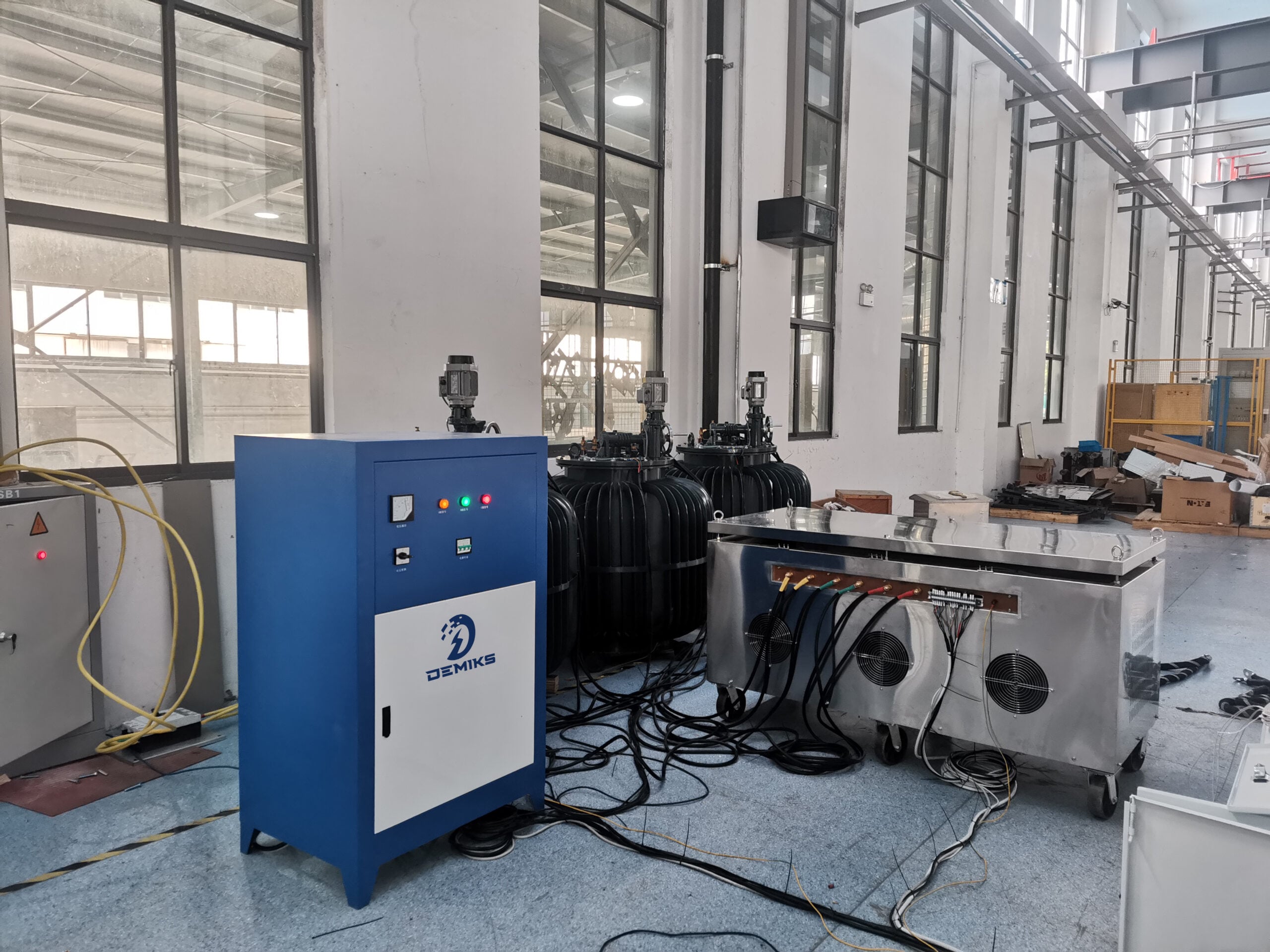
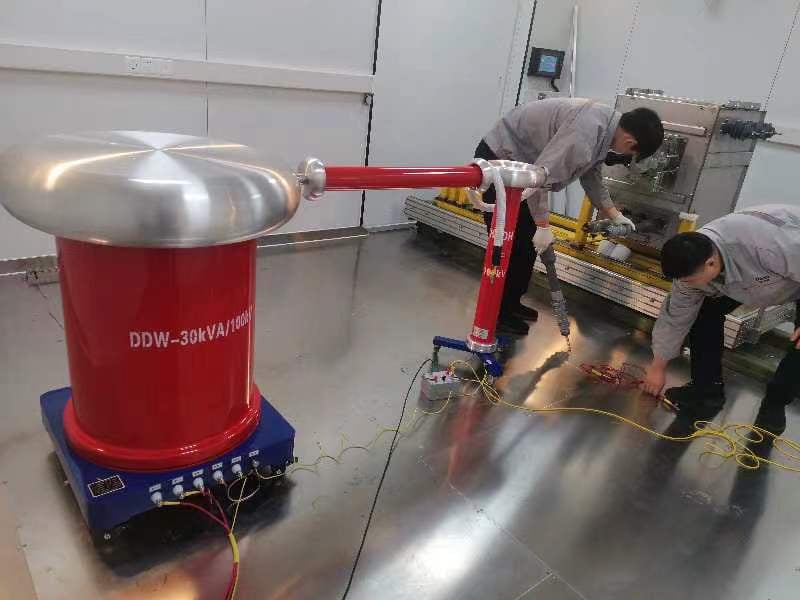
High-voltage testing plays an important role in maintaining safety and efficiency in industries. The HV Tester 25kV is an instrument of fault detection working and being safeguarded by way of applying some safety measures in addition to enhancing system operation. Why does this tester then find so much significance in the industries? This article gives the top five advantages for using an HV Tester 25kV, which help to protect equipment and increase its operational reliability with less downtime. This guide shall thereby furnish you with ways to deepen further your knowledge of testing, or to at least grasp some of the things that high voltage brings to bear.
Understanding the HV Tester 25kV

What is a High-Voltage Tester?
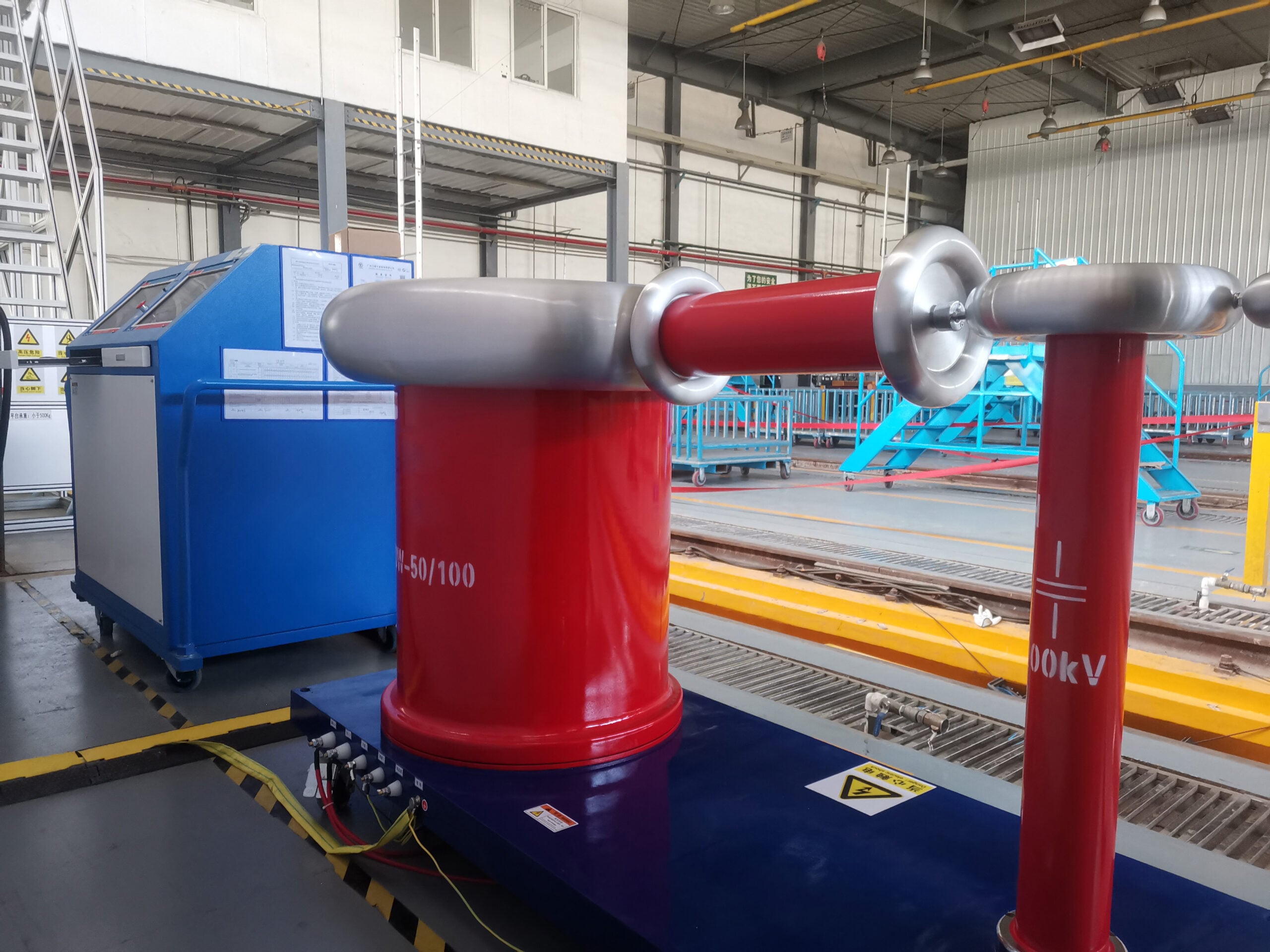
ATech instrument for insulation testing and high-voltage integrity of an electrical device and its component and systems. For such equipment, testing for insulation and integrity must be performed if the equipment is intended for industrial, commercial, and utility use to establish safety, reliability, and functionality. The high-voltage tester applies strictly controlled test voltages to defective insulation for isolation and identification of potential faults and safety criteria.
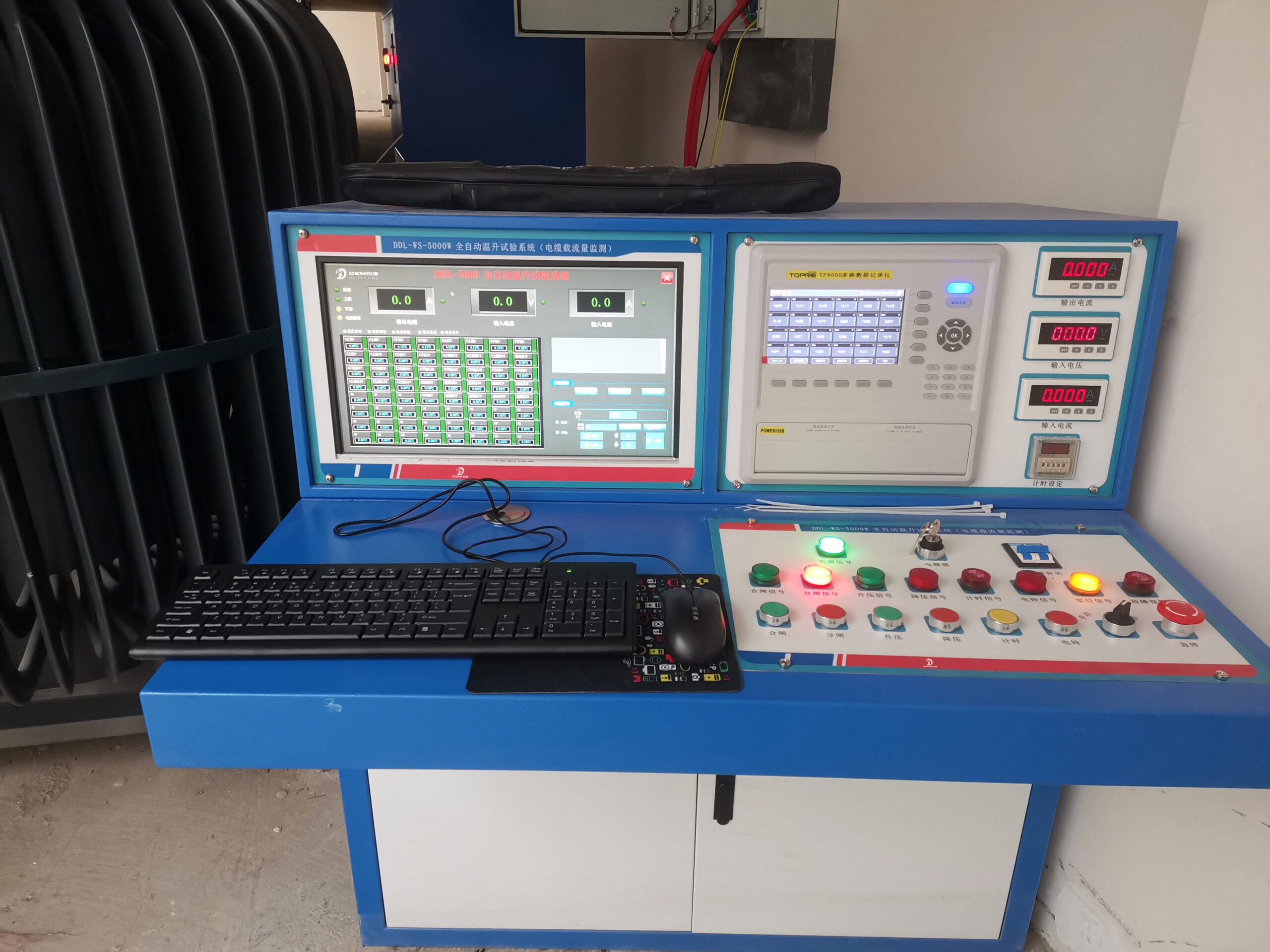
Modern HV Testers like HV Tester 25kV are equipped with digital displays, fine controls, and instruments ensuring safety in testing operations that are accurate and user-friendly. These devices find widespread applications in offices like manufacturing plants and power utilities in preventing equipment failures caused by insulation breakdown, which could otherwise nearly stall site operations. They are of utmost importance in safety compliances, avoiding downtime, managing exposures, and sustaining higher operational excellence.
Key Specifications of 25kV Tester
It is an efficient high-voltage testing instrument, constructed to ensure reliable performance and compliance with industry-wide standards. It consists of the following key specifications on which its functionality depends:
These specifications make this 25kV tester highly worthy for any professional seeking accuracy, safety, and efficiency for high-voltage insulation testing.
How HV Testers Work: AC vs. DC
High-voltage (HV) testers work by applying either AC or DC to check the insulation of electrical equipment. AC or DC testing is dependent upon the need, type of equipment, and the standard tests.
AC Testing
Being alternating in nature, the tester reverses polarity of voltage during operation. This serves, among other things, the purpose of testing insulation for the stresses that are imposed under actual working conditions of AC loads such as are experienced in power transmission systems. Since these tests are carried out at power frequency, it dismisses the worries of charge bunching in capacitive materials; thus, it would be the best test for diagnosing and testing insulation on high-capacitance systems such as cables, transformers, and switchgear.
DC Testing
Conversely, a DC HV tester applies a steady voltage to the equipment under test. This becomes particularly important for finding insulation resistance and flaws that may not be apparent under an AC load. Additionally, it is ideal for long-term deterioration and leakage currents in systems with low capacitance. Usually, it requires less power supply in AC, thereby making it suitable for carrying to the field.
Due to the nature of these inspections, technicians can accurately test the functioning of any electrical equipment in relation to the need for immediate effect, whether for short-term or long-term application, ensuring precise diagnosis in accordance with current safety production standards, combined with an industry-standard testing method.
Importance of Insulation Testing

Why Insulation Quality Matters in Industrial Settings
Safety, efficiency, and reliability in industrial equipment largely depend upon quality insulation. A poor one brings in energy loss, system failures, and life threats in instances of high voltage or temperature. Insulation inefficiencies account for most down time, increased operational costs, and improper absorption. In addition, insulating materials guard the equipment from moisture, contaminants, and heat and thereby alleviate the slow deterioration process.
In industrial environments, electrical systems are often intricate in nature, with seconds of insulation being required to prevent short circuits and electrocution of workers. The insulation of the first class also increases the equipment’s capacity to withstand wear due to thermal and electrical stresses. Rigorous insulation tests are conducted to raise awareness about applicable safety laws and to establish industry standards, thereby reducing liabilities and enhancing operational excellence. This pursuit of insulation standards is imperative for meeting the imperatives of modern energy efficiency without compromising performance and safety.
How HV Tester 25kV Ensures Safety
The HV Tester 25kV is engineered to satisfy the pressing demands of contemporary electrical testing measures with safety embedded into every associated step. This high-class instrument, built on state-of-the-art technology, serves to conduct high insulation resistance testing and to be vigilant for any potential hazards in the electrical system, lest they become significant hazards. Incorporating accurate voltage regulation, the HV Tester 25kV ensures a reduced likelihood of over-voltage occurrences that could otherwise harm operators or equipment.
From a user’s perspective, one operation, an unfortunate step where human errors can occur, involves the manual handling of equipment, where some hands may become entangled in the structure of the tester or its safety interface. Alternatively, an operator could have simply hooked up the equipment incorrectly with inadequate overload protection, and excess current would have roasted the circuits. HV Tester 25kV is in strict accordance with all currently existing industry standards, IEC guidelines, ISO guidelines, and so forth, assuring performance and safety standard maintenance.
Its all-out testing regime identifies latent insulation weaknesses, as it is of paramount importance to prevent failures of high-voltage equipment and achieve future energy-saving objectives.
Common Causes for Insulation Failures in 25kV Testing
High-voltage insulation systems are our guarantee for the long life and reliability of electrical equipment. Some of the 25kV tests are capable of tracing out insulation faults, which include:
Surface Discharge Damage
Caused by contamination or moisture accumulation on insulation surfaces, partial discharges cause erosion in the quality of the material over time. This process usually marks the onset of tracking or flashover.
Dielectric Breakdown
Failure occurs when the insulation is unable to withstand a specific applied voltage, resulting in a catastrophic failure. This is typically seen in aged insulation or improperly designed insulation systems.
Void or Cavity Formation
Since the voids or cavities inside the insulation layers act as air pockets, their dielectric strength is accordingly reduced; hence, they become points where partial discharges are likely to occur if not detected.
Treeing Phenomena
Progressive electrical breakdowns called ‘treeing’ occur in polymeric insulation whenever there is continuous stress from an electrical source that creates branching degradation pathways, thereby compromising the integrity of the insulation.
Thermal Aging Indicators
Prolonged exposure to elevated temperatures leads to deterioration of insulation due to loss of elasticity, breakdown of the chemical composition, or both, often detected through increased leakage currents during testing.
Moisture Penetration
High-voltage testing detects the presence of moisture in insulation systems, particularly with outdoor or underground equipment. Moisture reduces dielectric strength and accelerates failure rates.
In identifying such faults, 25kV testing acts as a deterrent against expensive downtime while enhancing operational efficiency in the high-voltage system. Initiating such testing aligns with industrial safety standards and enhances the reliability of electric infrastructure.
Benefits of Using a 25kV Tester in Electrical Applications

Top 5 Key Benefits
1. Improved Equipment Life
2. Enhanced Worker Safety
3. Cost-Effective Maintenance
4. Precision Testing
5. Standards Compliance
1. Improved Equipment Life
A 25 kV tester safeguards longer life for electrical systems and equipment. These tests found insulation failures and subsequent one-time breakdowns requiring major repairs or replacements. One study suggests regular high-voltage testing decreases maintenance costs by 30% due to early fault detection, which allows fixing of minor issues on time.
Systematic testing, therefore, leads to consistent system performance, reduced unforeseen downtime, and sustained operational efficiency of the infrastructure. Additionally, a reduction in unfavorable factors leads to less wear and tear, which in turn safeguards better equipment utilization and guarantees longer-term reliability in demanding setups.
2. Improved Worker Safety
Any compulsorily high-force industrial or operational setup must have worker safety on priority list, but with changes and upscaling of technologies, safety has become a major concern. Predictive analytics, along with real-time monitoring systems, aids companies in predicting situations that may endanger employees. This might be due to equipment failures or environmental hazards, and thereby accidents are averted. They gather data from IoT-enabled devices that continuously measure the parameters in question-let it be temperature, pressure, or structural integrity-so as to give corrective measures on time, thus preventing an accident from ever occurring. This way of data utilization not only helps in ensuring safety for all within the company but also cultivates a culture of accountability and readiness.
If a more powerful form of tool is envisaged, it would be in the installation of working safety equipment activated by smart sensors. These instruments can, for instance, range from helmets with impact detection to monitoring the wearer’s vital signs: protection is given to the worker at a personalized level. Smart vests can also warn workers and supervisors that workers are being exposed to hazardous substances or are exposed to unsafe levels of heat so that immediate corrective actions can be put into place. Likewise, these technologies reduce emergency response times by tracking workers’ locations and reporting their status in real time during emergencies. These protective measures not only help reduce risk but also act to ensure that the workers are protected; on that basis, they inspire motivation and productivity from the safety measures backed by technology.
The final one: Coming to the final observation, the implementation of a wide range of safety training programs enhanced by immersive technologies like virtual reality (VR) and augmented reality (AR) brings about a revolution in worker preparedness. The simulated emergencies in real-time allow the workers to train against procedures in varying scenarios, set within closed environments and free of danger. Interactive training methods store memory, allowing workers to develop their ability to react appropriately to the challenges facing them. These extraordinary measures combine for better workplace safety-a strong system that concentrates on the well-being of every individual in the team.
3. Cost-Effectiveness in Maintenance
I consider cost-effectiveness in maintenance involving proactive maintenance planning and process improvements. The emphasis should be on careful planning of maintenance in line with predictive maintenance. Should one go for reactive maintenance, one loses a lot in production time due to unscheduled downtimes and rush repairs. With both data-analysis and monitoring systems, one can track equipment performance in real time so that one can actually foresee the happening of an incident before it goes off. As a corollary, repairs cost less as fewer incidents occur, and this definitely helps prolong the life of machines and assets.
In addition to that, I give the priority to upskilling and training my maintenance team along modern technologies and methodologies. This up-gradation of skills imparts the team with the knowledge and tools to operate efficiently so as to reduce its reliance on outside consultants, thereby cutting down on operational costs over time. Besides the digital solutions, a computer-aided asset management system helps in scheduling and inventory management so resources are allocated in the most productive way with minimum waste.
Ultimately, I strive to develop a sustainable maintenance strategy that involves trade-offs among cost, reliability, and operational excellence. By being forward-thinking and working with contemporary solutions, we can build something highly resilient, maximizing performance while staying within a tight budget.
Comparing HV Testers: 25kV vs Other Models

Advantages of 25kV Over Lower Voltage Testers
Some crucial advantages of 25kV testers over their lower-voltage counterparts make them the finest choice when the industry demands a higher standard of performance. The key advantage is in the range of applications; primarily, power utilities and industrial manufacturing operate at high voltages. They accurately perform insulation testing and fault detection in bigger systems where the lower-voltage testers cannot.
There is an added advantage of having 25kV testers, and that is more precision for diagnosis, with a consequent decrease in the chances of an insulation defect going unnoticed, resulting in downtime and expensive repairs. They are capable of applying much greater stresses to make evaluations under strict safety and reliability criteria even better. Generally speaking, these testers help to ensure an efficient and secure working of systems while effecting, in the best way possible, testing of medium- and high-voltage cables, switchgears, and transformers.
Another critical advantage is that they are rugged and robustly designed to withstand heavy-duty use. Thus, this reliability ensures less maintenance and a longer operational life compared to lower-voltage models. Furthermore, many 25kV testers offer digital features, such as automated test reporting and data logging, to enhance the efficiency of this type of test while reducing manual errors.
Overall, the greater range of application, increased accuracy, and advanced configuration set the 25kV model as having the stature of being indispensable by any professional aiming to obtain performance and safety in high-voltage systems.
When to Opt for a 25kV Tester
One should opt for insulation resistance testing using a 25kV tester for high-voltage equipment. This kind of tester is best suited for industries such as power generation, utilities, and heavy manufacturing, where equipment operates under extreme voltage and environmental conditions. The use of a 25kV tester also enables compliance with the stringent regulatory standards applied to critical infrastructure.
The high-voltage tester is designed to detect early insulation deterioration in high-voltage cables, transformers, and rotating machines. This is to diminish any sudden failures and downtime. Advanced models usually boast a good capacity for storing data and connectivity features so they can smoothly integrate with asset management systems for trend-based analysis and long-term evaluation.
Testing scenarios that demand greater range and accuracy, such as when testing equipment used in renewable energy systems, can leverage the advantages offered by the higher voltage capacity and detailed diagnostics of 25kV testing units. Through the assurance of well-grounded knowledge of insulation performance, these testers enable operators to determine maintenance priorities, reduce operational hazards, and prolong the useful life of critical assets.
Industry Standards for High Voltage Testing
High-voltage tests are generally accepted by several standards for accuracy, repeatability, and safety in application. Among them is the International Electrotechnical Commission (IEC) Standards, including IEC 60060, which deals with the requirements for high-voltage test techniques. The standards define the testing methods for either AC or DC so that measurement, and method of operation are rightly accepted.
Key Standards Include:
- IEC 60060: High-voltage test techniques requirements
- IEEE 95: Guidelines for insulation testing on electrical apparatus
- ASTM D2275: Specialized techniques for cable testing
- IEEE 400 series: Insulation testing methodologies
Another significant standard is IEEE 95, which provides guidelines for insulation testing on electrical apparatus and equipment. It has prescribed tests best fitted for performance verification of electrical equipment under normal operating conditions, as well as simulations of stress. Additionally, ASTM D2275 and the IEEE 400 series employ specialized techniques for cable and insulation testing, focusing on the longevity and safety of electrical infrastructure.
New-age high-voltage testers are developed with advanced diagnostics and controls to either meet or exceed these standards. For example, the levels of partial discharge, insulation resistance, and dielectric response can be precisely assessed, all of which are vital for confirming compliance. Thus, it is upon this basis that operators can perform high-voltage tests with confidence.
Choosing the Right HV Tester for Your Needs

Factors to Consider When Selecting a Tester
A myriad of technical and operational considerations must be evaluated to select the right HV (High Voltage) tester, thereby maximizing performance and efficiency. Below are those considerations that should guide your thought process:
Testing Requirements
Depending on the standard, what testing should your equipment be able to do, relating to voltage and current, and output waveforms for your applications? For example, dielectric withstand tests and insulation resistance tests may require the testers to be more stable and precise.
Measurement Accuracy
Accuracy is paramount in high-voltage testing; even a slight deviation can lead to errors in diagnosis and treatment. Make sure the tester offers high measurement resolution, advanced signal processing, and calibration options to maintain the achievable performance and compliance.
Safety Features
High-voltage testing is hazardous; therefore, pugmarks with built-in safety measures should be prioritized. Such safety features include automatic discharge circuits, overload protection, emergency shutdown features, and secure insulation.
Ease of Use
The tester must have a user-friendly interface that presents clear instructions on operating the equipment, conducting specific tests, and interpreting the related results. Most modern-day testers have access to basic digital displays, real-time data visualization, and automated reporting functions, which reduce the need for extensive training.
Portability and Durability
Depending on your requirements, there exists a category of portable testers that may be needed for use in the field, or a tougher, stationary unit that is better suited for use in your own laboratory. Additionally, a premium design will withstand harsher environments and intense usage, thereby prolonging the equipment’s lifetime.
Integration & Compatibility
Higher-grade testers nowadays will typically possess a data connection facility using USB, Ethernet, or wireless connections to interface with monitoring systems. Compatibility with data analysis software will allow for trend analysis and predictive maintenance.
Cost Effectiveness
Focus not only on the purchase price but also on the costs of ownership, including maintenance frequency, calibration expenses, and serviceability. Select the ones offering a balance between lower initial cost and the highest state-of-the-art features for the best investment.
Industry Reputation
Always consider the manufacturer’s field expertise and after-sales support. Those reticent about building a reputation could offer extensive warranty periods, training, and effective after-sales service.
With this list of essential factors, users can select the high-voltage tester that best suits their operational needs, thereby enhancing testing accuracy and promoting safety and efficiency. Modern advanced tools combine these features to allow operators to carry out an in-depth diagnosis with no compromise on either speed or quality.
Top Brands for 25kV HV Testers
In my experience, several top brands stand out strongly when it comes to 25kV high-voltage testers, particularly in terms of performance, reliability, and technological innovations.
Megger
Known by many as a supplier of very rugged and accurate HV testers. Their specialty lies in designing user-friendly instruments that hold advanced sets of diagnostic features for safety and efficiency in high-voltage testing. Their consistency in quality and firm customer support maintain Megger’s position as a preferred brand among field professionals.
HV Diagnostics
Stands tall in the industry, being among the top manufacturers of innovative equipment, with powerful testing capabilities that are easy to use. The testers were made for sectors that require results proving conformity to stringent safety standards. With modern software features integrated into their products, users enjoy easy data analysis and reporting.
Seaward
Exemplifies innovation in electrical testing. Seaward high-voltage testers provide almost perfect accuracy while striking a balance between portability and usability, making them a good choice among field technicians. Their after-sales services and training resources demonstrate that customer satisfaction is their top priority.
Therefore, depending on your specific needs and priorities, you may opt for either of those three, all of which stand tall on proven reliability and quality.
Best Practices for Handling and Maintaining HV Testers
While in use, the steps are taken that are essential for maximizing the accuracy and life of the HV testers. Foremost, I will read the user manual thoroughly to at least know the procedure of operation and safety precautions. Training follows the initial step in operating HV testers since it involves safety aspects in using high-voltage equipment. Cables and connectors must be checked for signs of wear or damage before tests, for these are vital to obtaining correct readings and safe operation.
Essential Maintenance Guidelines:
- Regular Cleaning: Clean all units and accessories before use to remove dust or debris that can interfere with performance
- Proper Storage: Keep the tester in a dry, temperature-controlled space, ensuring that moisture or extremes do not compromise the internal electronics
- Calibration Schedule: Follow manufacturer-recommended calibration periods to maintain measurement accuracy over time
- Documentation: Keep records of all maintenance activities and tests to track device condition and verify compliance
- Professional Servicing: Schedule periodic inspections from manufacturers or providers for recommended repairs
Lastly, I would keep all maintenance activities and tests so that I can record the device’s condition and verify compliance with industry standards should the need arise. The periodic inspection from the manufacturers or providers, and any repairs recommended, brings peace of mind that my HV tester is in perfect condition. After these steps, I may confidently rely on my HV tester to perform safely and accurately in the field.
Reference Sources
-
HV Tester 25 kV and 25 kV Digital – High Voltage Generator – This source provides details on testing paper-insulated cables and electrical equipment, adhering to IEEE and IEC standards.
-
High-voltage generator – HV Tester 25 kV – MEGGER – Highlights the use of HV Tester 25kV for DC and insulation testing of cables, joints, and electrical fixtures in industrial applications.
-
Seba HV Tester 25 kV DC – Discusses the Seba HV Tester 25kV DC for commissioning tests, post-repair testing, and electrical plant and switchgear evaluations.
- Find more info now.
Frequently Asked Questions (FAQs)
Conclusion
The HV Tester 25kV stands as an essential tool for modern industrial applications, offering unmatched precision, safety, and reliability in high-voltage testing. By implementing proper testing protocols and following industry best practices, organizations can significantly improve equipment longevity, ensure worker safety, and maintain cost-effective operations while meeting stringent industry standards.