Transformers are essential to power distribution systems for ensuring efficient energy supply to homes, businesses, and industries. However, the cooling arrangement of the transformer plays a decisive role in terms of transformer performance and longevity. This is where one may think of cooling classifications—ONAN (Oil Natural Air Natural) and ONAF (Oil Natural Air Forced). These concepts may look daunting for discussion but are key to managing the amount of heat that the transformer generates in service. In this writing, we shall try to study ONAN and ONAF principles from all respective angles, differences and applications. This material is such that you will have the broader sight necessary for both the practitioner of electrical engineering and also for anybody looking to harness knowledge concerning how transformers work.
Introduction to Transformer Cooling
⚡ Importance of Cooling in Transformers
Cooling is a fundamental requirement when it comes to transformers. Transformers are very important when it comes to the efficiency of an electrical system. Therefore, it is the performance of cooling that makes possible the efficiency and age of transformers. This crucial function prevents overheating that could lead to the failure of insulation, the lowering of performance, and total loss of the transformer. Excessive heat production as a result of activities within the transformer, such as electrical losses that include copper and iron losses in the winding and core, is the unavoidable consequence. Effective cooling assists in the certain temperatures inside the transformer, and that’s how it affects the reliability of the transformer.
🔑 Key Cooling Types
- ONAN (Oil Natural Air Natural): Based on insulating oil and surrounding air, which are naturally convected to transfer and dissipate heat
- ONAF (Oil Natural Air Forced): Uses fans and blowers to accelerate heat dissipation by forcing air over the coolers’ surfaces
Correct cooling of the transformers is more general than safeguarding the equipment—It fully concerns the safety of the entire electrical network. The danger that an overheating transformer will catch fire and threaten the system is real. By employing the best cooling method to maintain its operational conditions, engineers could increase insulation efficiency and service life. Meanwhile, the cooling system plays a role in holding the worldwide power system operation clean and secure.
🌡️ Overview of Transformer Cooling Methods
Transformers need efficient methods of cooling so as to dissipate the heat created during their operation. Hence, cooling methods have been classified as wind cooling and oil-cooled systems. Wind cooling utilizes natural convection air cooling and forced wind cooling with convection heat transfer by the ambient air. Forced wind cooling has heat radiation taking place from the surface of the winding before dissipating the heat. Forced wind cooling is generally used in smaller transformers tend to be simpler to some extent, and any maintenance it may require is also simple.
Bigger transformers are mostly built with fluid-based cooling technology, which employs oil natural air (ONAN) or forced oil air (OFAF) cooling processes. Transformer oil is heated by the electronic component and removed by a cooling liquid in the form of a radiator and subsequently dissipates the heat into the atmosphere or an alternate cooling system. Liquid cooling is thus best for the extreme heat deliveries of large-capacity transformers due to its increased efficiency.
💡 Selection Factors
Air and liquid-based systems are designed to ensure transformer safety and enhance performance. This choice depends on several factors: the size of the transformer, the working load, and the ambient conditions. Proper maintenance of cooling systems prevents overheating and also maximizes the transformer lifecycle; this is indispensable for the steady operation of electrical networks.
Understanding Cooling Classes in Transformers
Transformer cooling classes refer to a classification system that defines the cooling medium or method used to keep the transformer at operational temperatures. Good cooling is imperative for ensuring reliability and a long life to transformers, as thermal damage may prematurely compromise that insulation and performance. Cooling class depends on the circulation method used and the cooling medium.
| Cooling Method | Oil Circulation | Heat Rejection Medium | Application |
|---|---|---|---|
| ONAN | Natural | Air (Natural) | Distribution transformers |
| ONAF | Natural | Air (Forced) | Medium to high voltage systems |
| OFAF | Forced | Air (Forced) | High-capacity transformers |
| OFWF | Forced | Water (Forced) | Large power transformers |
When identifying the specific cooling category associated with a transformer, various characteristics such as transformer size, site of installation, ratings, and target operational efficiency might be considered. In small power transformers, like the most common distribution transformers, we use ONAN cooling for outside and for transformers that are usually not critical, except for the simplicity and easy maintenance features. For higher ratings beyond the distribution level, we usually see water-cooled transformers (OFWF), forced air-cooled transformers (ONAF), or a combination of both methods to help meet the very high levels of heat produced by such enormous ratings.
ONAN Transformer Cooling Method

📖 Definition and Operation of ONAN
Oil Natural Air Natural (ONAN) cooling method is one of the most common transformer cooling methods, particularly for low-rated transformers, where it basically operates on natural convection to help adequate circulation of oil in the transformer tank and dissipate heat. Hot oil rises up and is cooled at the radiator while in operation. Heat is also naturally radiated from the radiators to the environment without the need for any forced cooling measures.
✨ ONAN Key Features
- ✓ Simplicity: No pumps or fans required, reducing mechanical complexity
- ✓ Reliability: Fewer components mean less risk of system failure
- ✓ Energy Efficiency: No auxiliary cooling equipment needed
- ✓ Low Maintenance: Ideal for locations where regular maintenance is difficult
- ✓ Cost-Effective: Lower operational and maintenance costs
Indeed, the ONAN cooling is best suited for transformers up to a moderate power level. In practice, in the case of higher power transformers, the heat loss increases, and this may create difficulties with the cooling mechanism. Therefore, forced cooling methods (such as ONAF or OFWF) are appreciated where heating gets more significant.
🔧 Components of an ONAN Cooling System
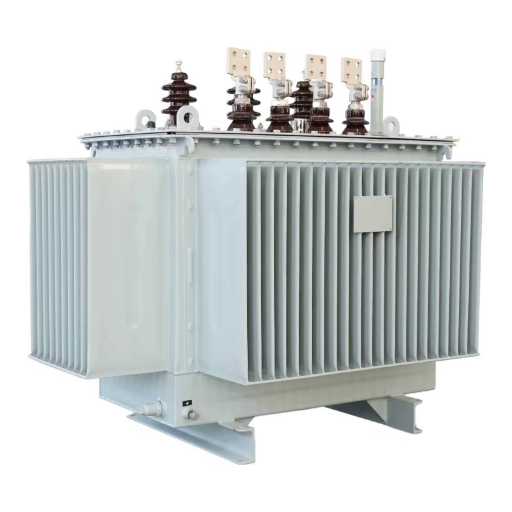
🏗️ Transformer Tank
Holds the core and windings immersed in insulating oil. The oil serves dual purposes: electrical insulation and heat transfer facilitation.
🌡️ Radiator/Cooling Fins
Increases surface area for heat dissipation. Heated oil naturally circulates through radiators and cools before returning to the core.
📊 Temperature Monitors
Thermometers monitor oil and winding temperatures, enabling emergency actions if temperatures exceed safe levels.
🏭 Typical Applications for ONAN Transformers
- Power Distribution Systems: Extensively installed in city and town distribution networks for residential, commercial, and industrial power supply. These transformers efficiently handle varying load profiles with minimal temperature changes.
- Renewable Energy Projects: Widely used in solar and wind power plants for voltage transformation, making energy sources compatible with the electric grid. They’re robust enough to handle intermittent loads typical in renewable systems.
- Industrial Plants: Power machinery and equipment in factories and manufacturing facilities, ensuring voltage stability and reducing energy wastage. Their reliable cooling allows uninterrupted operations even in harsh conditions.
ONAF Transformer Cooling Method

📖 Definition and Working of ONAF
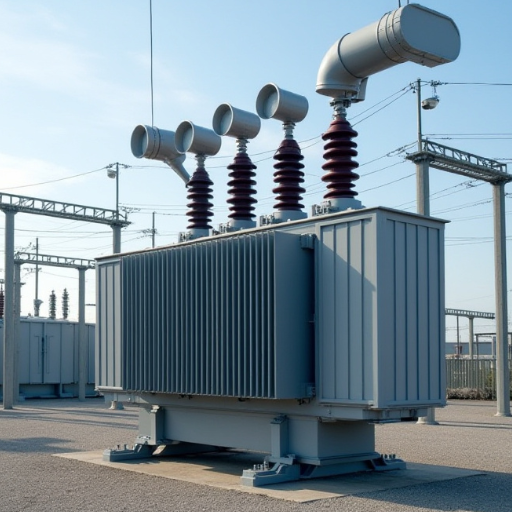
ONAF is an abbreviation for Oil Natural Air Forced, which represents a means of cooling applied to transformers for improved performance upon a variety of operational loads. It is an integration of natural oil convection inside the transformer with air cooling through forced circulations past the radiator fins. Oil serves to take heat from the core and windings to which it is in direct contact, with the air then sweeping this rejection of heat into the immediate environment.
⚙️ How ONAF Works
Step 1: Natural oil circulation begins as heat from the core and windings causes oil to rise
Step 2: Cool oil sinks to replace the heated oil, creating natural convection
Step 3: When the transformer operates at higher loads, fans automatically activate
Step 4: Fans force air across radiators at greater rates, significantly improving heat dissipation
The method of cooling a transformer that imparts an ONAF preference is one that can provide increased cooling capacity to transformers without the need for sophisticated coil designs. With a balanced mix of output and energy efficiency, the ONAF air-flow design becomes a popular choice for widespread industrial and utility applications. Boasting a capacity to regulate operating temperatures with remarkable stability, ONAF enhances the service life of the transformer by eliminating risks from overheating or failure instances.
🔧 Components of an ONAF Cooling System
🔄 Radiators/Heat Exchangers
Release extra heat from transformer oil through natural oil circulation to the outer air, enhanced by forced-air blowing from fans to increase heat transfer rate.
💨 Cooling Fans
Blow ambient air over radiator surfaces to cool hot oil. Automatically activate when temperature rises beyond required limits for optimal cooling performance.
🌡️ Temperature Monitors
Continuously monitor transformer conditions, triggering automated responses under technically competent supervision for optimal cleanliness and performance levels.
🏭 Typical Applications of ONAF Transformers
- 🏢 Utility Grids & Substations: Primarily placed where increased cooling is required for handling higher loads in medium to high voltage power systems
- 🏭 Industrial Complexes: Manufacturing plants and refineries with significant and fluctuating electrical requirements, ensuring heavy machinery operates without catastrophic ramifications
- 🌱 Renewable Energy Systems: Wind and solar farms requiring transformers capable of withstanding fluctuating loads and harsh environmental conditions
- ⚡ High-Demand Facilities: Sites requiring continuous power generation with improved operating efficiency and reliability
Comparison of ONAN and ONAF Cooling Methods
⚖️ Operational Differences Between ONAN and ONAF
| Feature | ONAN | ONAF |
|---|---|---|
| Heat Dissipation | Natural convection and air circulation | Forced air blown through cooling fins by fans |
| Load Capacity | Lighter-than-full-load conditions | Higher than full loads safely |
| Energy Efficiency | Highly energy-saving, no auxiliary equipment | More effective under heavy loads, higher energy costs |
| Maintenance | Minimal maintenance required | More maintenance for mechanical components |
| Complexity | Simple design, fewer components | More complex with fans and controls |
| Operating Costs | Lower operational expenses | Higher costs for fan operation |
| Best For | Distribution transformers, moderate loads | Heavy loads, harsh environments |
✅ Benefits of Each Cooling Method
🟦 ONAN Cooling Benefits
- ✓ Reliability: Minimal maintenance choice
- ✓ Simplicity: No mechanical parts or moving components
- ✓ Energy Efficiency: No external energy for fans/pumps
- ✓ Cost-Effective: Low operational expenses
- ✓ Stability: Perfect for normal-to-moderate loads
🟥 ONAF Cooling Benefits
- ✓ Enhanced Cooling: Additional fan distribution
- ✓ High Capacity: Handles heavy loads without overheating
- ✓ Performance: Effective in severe environments
- ✓ Reliability: Consistent under high demand
- ✓ Scalability: Better system performance measurements
🎯 Choosing the Right Cooling Method
The choice between ONAN and ONAF cooling depends on the application needs and operating conditions. Low operational costs, minimal maintenance, and median performance are favored by ONAN cooling systems. In contrast, ONAF coolers are the ultimate choice in scenarios where transformers run with heavy loads and require increased cooling capacity. One should make a decision balancing the actual rating of the transformer and climatic conditions to ensure safe and efficient operation.
⚠️ Challenges and Limitations of ONAN and ONAF
ONAN Challenges
- Limited cooling capacity may lead to overheating in high-load scenarios
- Not efficient for large-capacity transformers with extreme heat deliveries
- Weak airflow can alter system effectiveness
- May require derating for higher loads, speeding up aging of transformer parts
ONAF Challenges
- Increased complexity and operational costs due to fans
- Components require regular maintenance for proper functioning
- Higher energy consumption translates to considerable operating costs
- Susceptible to dirt, debris, and severe weather affecting fan operation
- Component failure could cause complete cooling system failure
Significance of Transformer Cooling Methods

📊 Impact on Transformer Efficiency and Reliability
Essential energy-efficient transformers are critical for transformer reliability. Thus, it is necessary to cool them properly to prevent overheating. Overheating is an aggressive enemy, essentially enabling an afflicted transformer to heat up beyond its permissible limits, thus shortening its operating life.
⚡ Efficiency Enhancement
Optimal cooling systems widen operational tolerance, improve overall efficiency, and reduce energy losses including core and winding losses.
🛡️ Reliability Boost
Efficient cooling reduces likelihood of overheating-induced failures, insulation breakdowns, and mechanical device problems, ensuring sustained power delivery.
💰 Cost Reduction
Proper cooling systems guarantee long-term reliability, lower maintenance costs, and allow transformers to operate nearer to full capacity.
🎯 Role in Maintaining Optimal Performance Under Load
✓ Performance Maintenance Checklist
- Temperature Management: Monitor and control temperature conditions with high-efficiency cooling systems and strict watch for obstructions in cooling passages
- Oil Quality Consistency: Conduct periodic oil testing and regeneration to remove moisture, particles, and dissolved gases that degrade transformer functionality
- Load Limit Compliance: Operate within specified load limits to prevent excessive heat and stress on mechanical and electrical components
- Regular Inspections: Perform mechanical preventative measures to ensure equitable load utilization and avoid failure from overloading
Transformers need to be monitored and serviced regularly to keep providing optimum operation under load. High-efficiency cooling systems and a stringent watch for any obstruction in the cooling passages will help in controlling temperature conditions, which prevents overheating when the transformer is in its peak load condition. Well-kept oil contributes to the overall trustworthiness of the transformer during full-load stress, ensuring functional operation prone to continuous load fluctuations.
Future Trends in Transformer Cooling Solutions
The development of transformer cooling solutions is increasingly driven by efficiency, sustainability, and the integration of advanced technologies. Here are the key trends shaping the future:
🌿 Enhanced Cooling Fluids
Biodegradable and environmentally friendly alternatives that improve cooling efficiency while reducing environmental footprint. These fluids are advantageous in applications requiring low environmental impact.
🤖 Intelligent Cooling Systems
Sensors and data analytics for real-time performance monitoring and dynamic cooling adjustments. Automatic intervention manages reliability, increases life expectancy, and minimizes energy consumption.
📦 Compact Modular Systems
Designed to handle higher heat loads without increasing footprint. Address requirements for highly efficient solutions while supporting flexibility and scalability of modern power grids.
Key Driver: The energy sector’s rising demand for renewable energy integration and the advent of higher standards have urged cooling design to adapt toward innovation, aligning with technological advancements and sustainability goals.
Frequently Asked Questions (FAQ)
❓ What is the difference between ONAN and ONAF in transformer cooling?
ONAN and ONAF are two common modes of cooling for big power transformers and electrical transformers. ONAN means that oil is circulating through a natural process and is then circulated back (internal cooling medium) by natural convection, meaning that heat is removed from the transformer via the cooler and natural convection of the surrounding air. Conversely, ONAF is a form of cooling where air is blown by adjoining fans across the transformer (external cooling medium).
❓ When would transformer designers choose ONAF over ONAN?
ONAF tends to be preferred by transformer designers when a transformer must be rated on high load or if natural cooling just is not cooling properly. Forced cooling fans help to take away the heat from the windings and core of the transformer, thus enabling higher continuous ratings and faster response to load variations in comparison to passive ONAN cooling systems.
❓ Can mineral oil be substituted with other liquid cooling media or water cooling?
For electrical transformers, mineral oil serves as one of the more common liquid media with great insulating and heat transfer properties. However, there exist other possible options such as synthetic fluids or even water-cooling systems. Although water cooling does provide relatively high cooling efficiency, it tends to be more complicated, needing different design alternatives and water seals or external cooling, and is used less frequently in high-power transformers.
❓ What are the commonly used components in modern ONAN and ONAF cooling systems?
Typically, they consist of transformers having windings immersed in oil, cooling radiators or cooling fins providing the cooling surface, natural air convection paths for ONAN, and fans or forced-air assemblies for ONAF. Pumps or anything related to oil circulation might come into play for some designs, though ONAN depends specifically upon natural oil circulation.
❓ How do cooling methods affect transformer rating and reliability?
Cooling plays a role in how much heat can be handled and the energy consumption of a transformer. A higher degree of cooling using forced air tends to increase the rating of the transformer and in the long run enhances the thermal life of insulation, while undercooling requires derating and speeds up aging of transformer parts.
❓ Are there hybrid or alternative cooling methods to ONAN or ONAF?
Indeed, cooling methods do vary based on their application. Some common alternatives include OFAF (Oil Forced Air Forced), where oil circulation is made possible using pumps in combination with forced air; OFWF (Oil Forced Water Forced) for water cooling; and alternate systems that incorporate internal cooling media pumping with external cooling media pumping, including forced oil cooling or special heat exchangers for complete radiator-type cooling.
📚 References
- Study on Thermal Model for Calculating Transformer Hot Spot Temperature
This paper discusses the thermal behavior of transformers under ONAN and ONAF cooling modes, including hot spot temperature predictions.
Read the document here - Transformer Thermal Model of the Disk Coils with Non-Directed Oil Flow
This study provides insights into the thermal modeling of transformers, including diagrams for ONAN and ONAF cooling methods.
Access the document here - Intelligent Controller for a Cooling System for a Three-Phase Power Transformer
This research explores cooling systems for transformers, focusing on natural oil circulation and the ONAN and ONAF cooling methods.
View the document here - Top Oil-immersed Transformer Manufacturers and Suppliers in China