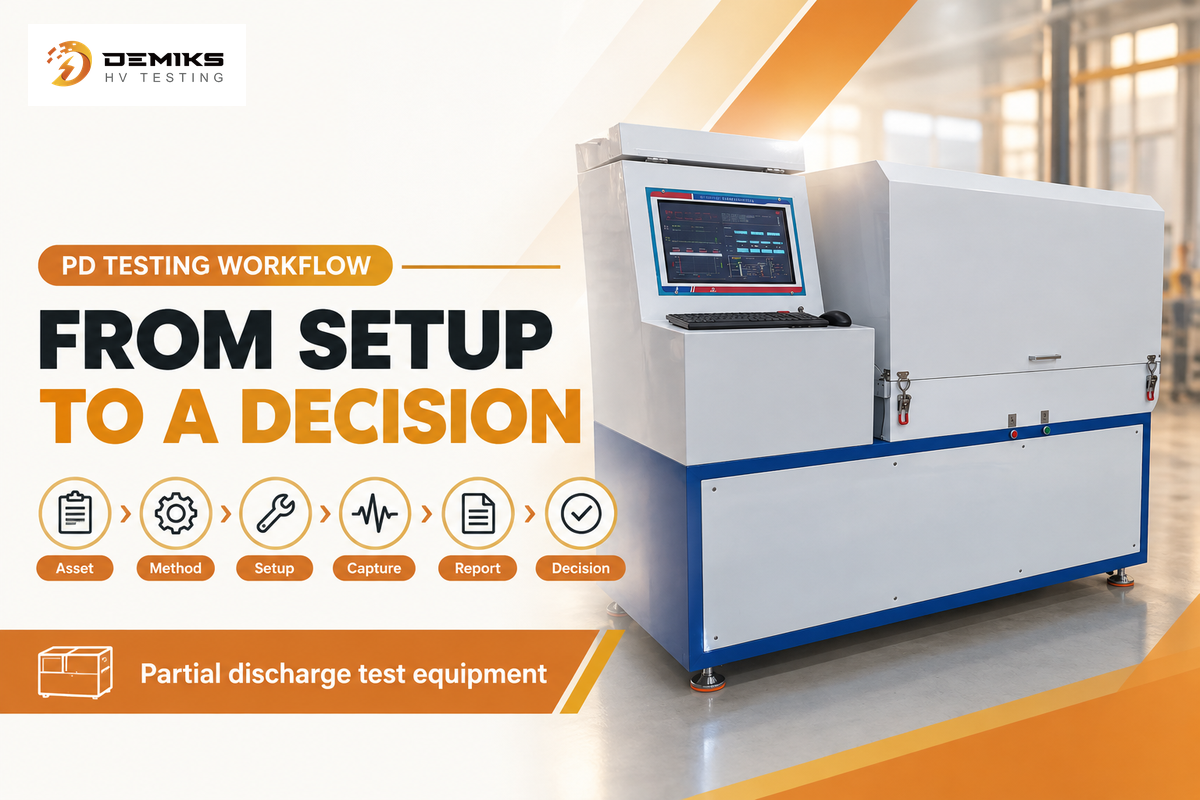
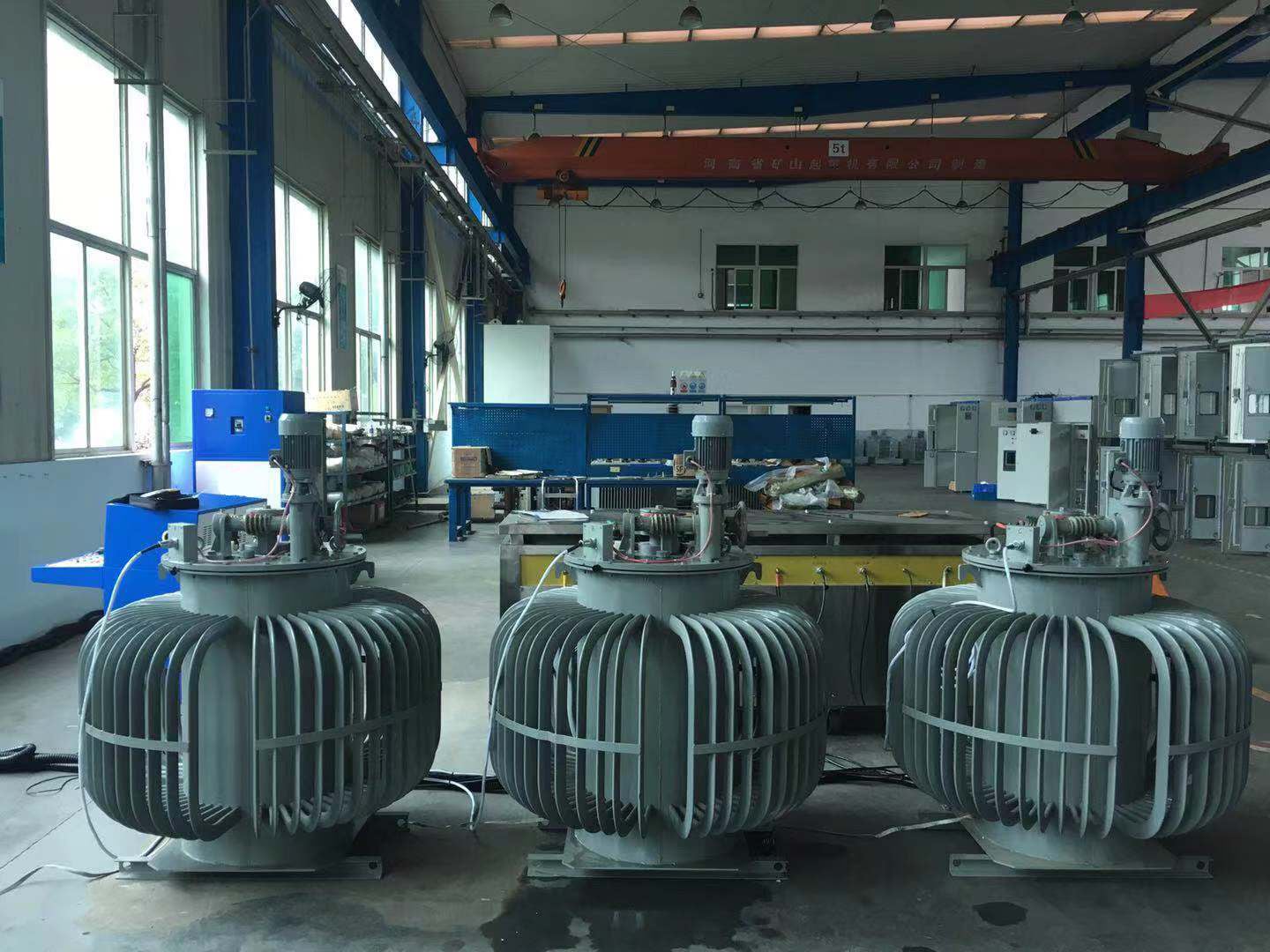
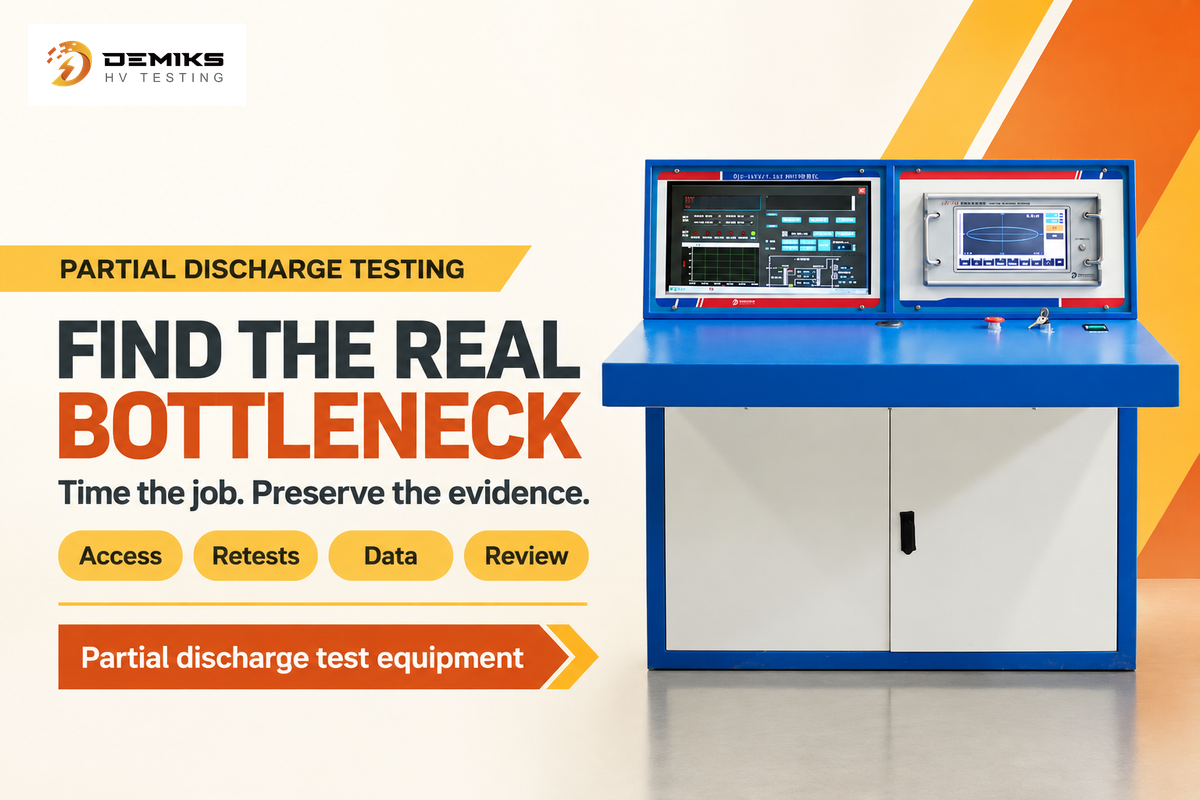
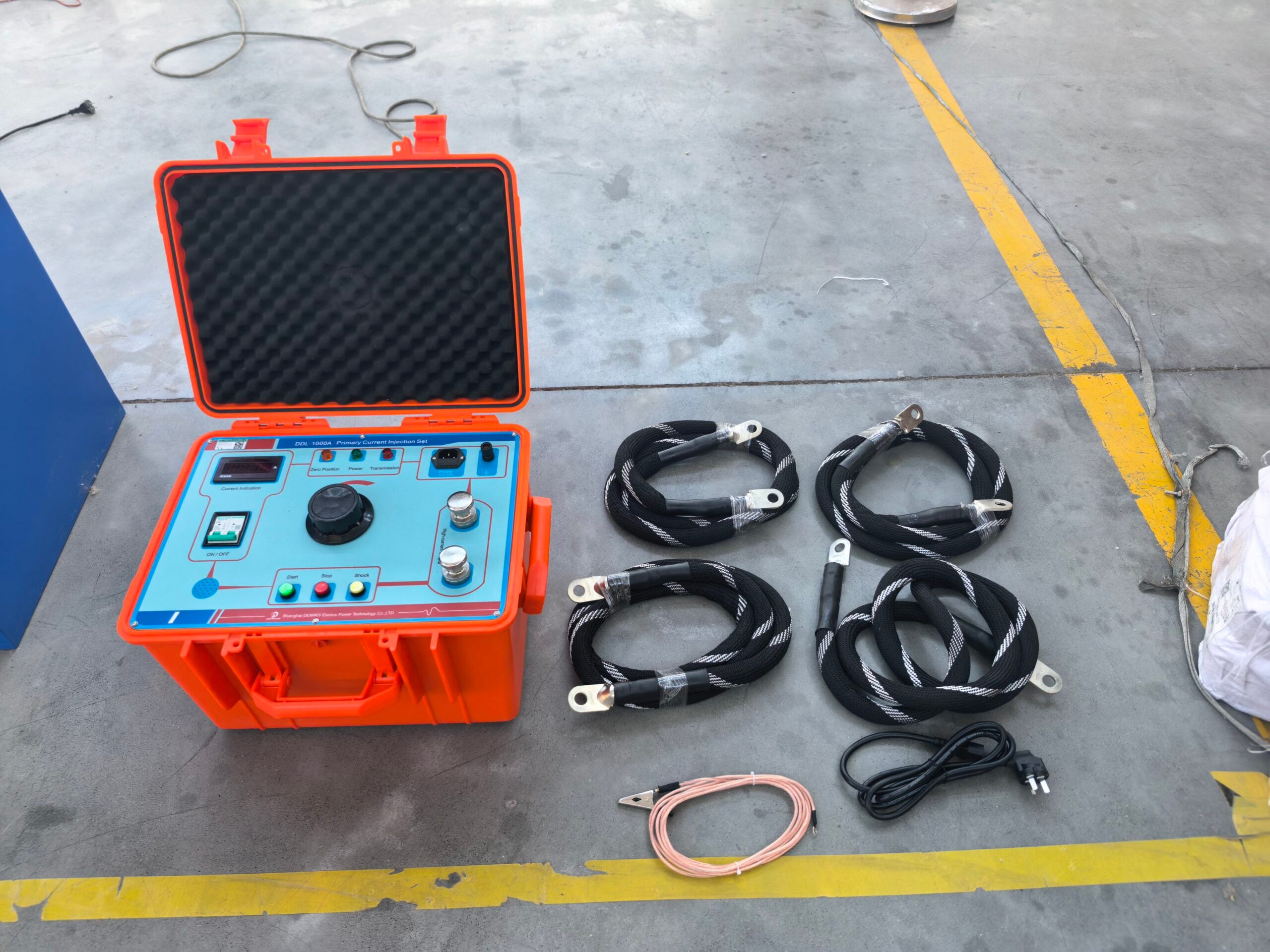
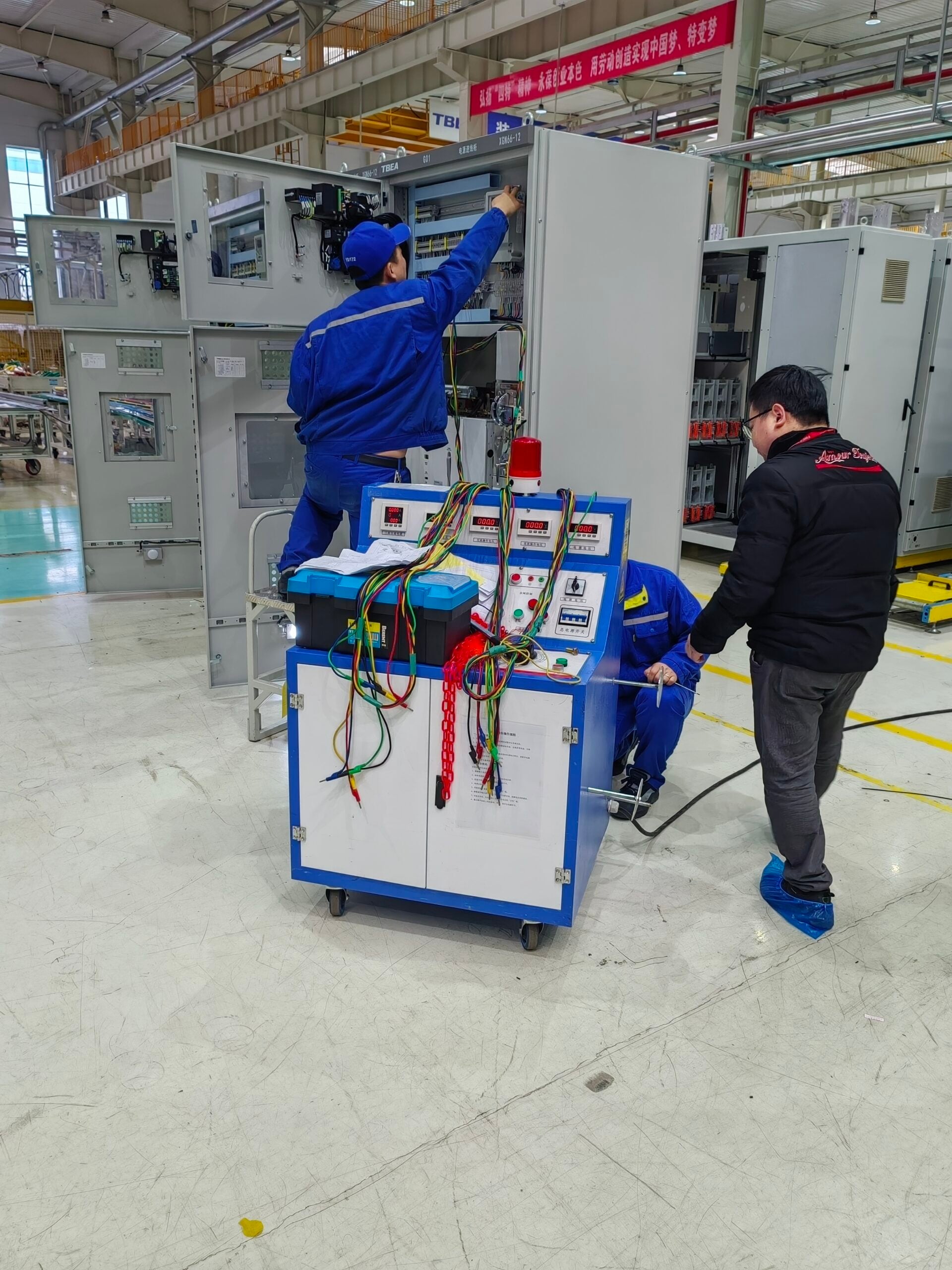
Essential Knowledge: Maintaining operational precision, reliability, and proactive measures in industries and commercial settings is essential to ensure smooth operation. At the heart of the professional toolkit, you’ll find an indispensable high-voltage insulation resistance tester that checks the integrity of electrical insulation systems and prevents costly equipment failure while maximizing workplace safety.
Introduction to High-Voltage Insulation Resistance Testers
What is a High-Voltage Insulation Resistance Tester?
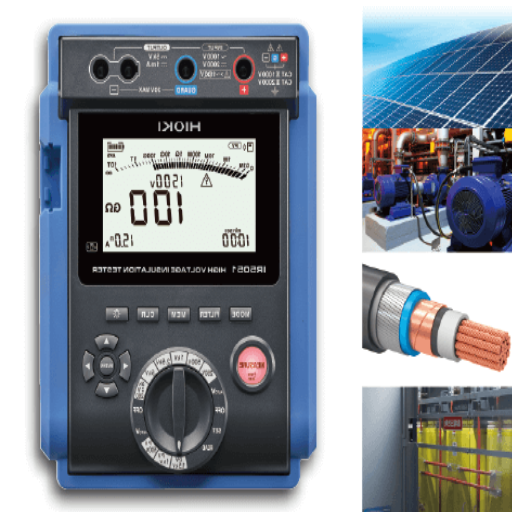
High-voltage insulation resistance testing equipment measures the insulation resistance of equipment and electrical apparatus operated at high voltages. These sophisticated instruments test insulating material properties by applying a known voltage and verifying their resistive capabilities to prevent leakage and potential failure.
Modern Digital Features
- Digitalized interface for higher accuracy
- Wider range of tests for industrial machinery
- Power transformers and electrical installations testing
- Automated reporting capabilities
Predictive Maintenance Benefits
- Detects weakness or degradation in insulation
- Early warning signs of insulation failure
- Environmental influence detection (moisture, contamination, aging)
- Prevents costly operational hazards
Significance of Insulation Resistance Testing
Insulation resistance testing is crucial for maintaining the effectiveness and safety of electrical systems. This testing detects hidden issues such as deteriorated insulation or contamination that can cause sudden equipment failure.
Key Benefits of Regular Testing:
- Energy Efficiency: Prevents leakage currents that cause energy losses
- Compliance: Ensures adherence to local and international safety guidelines
- Predictive Maintenance: Enables trend monitoring for strategic maintenance planning
- Cost Savings: Reduces unplanned downtime and extends equipment life
Common Applications in Maintenance
Transformers, circuit breakers, cables
Motors, drives, control systems
Wind turbines, photovoltaic systems
Routine inspections, compliance monitoring
Types of Insulation Resistance Testers
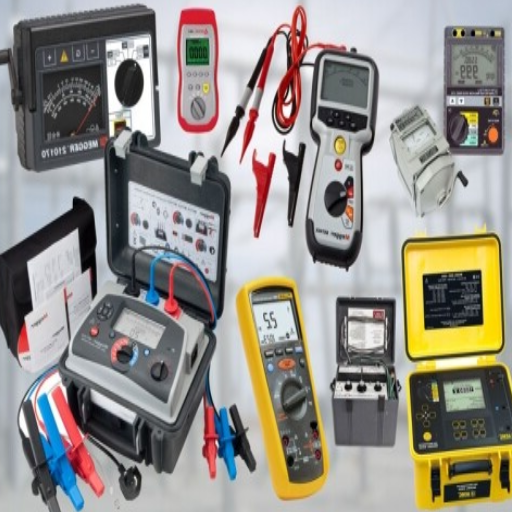
Digital vs Analog Insulation Testers
| Feature | Digital Testers | Analog Testers |
|---|---|---|
| Display | High-resolution digital displays | Analog needle readout |
| Accuracy | Higher precision, eliminates interpretation errors | Basic accuracy, subject to reading errors |
| Data Management | Automated data storage, software integration | Manual recording required |
| Power Requirements | Requires batteries or power source | Often self-powered, no batteries needed |
| Connectivity | Bluetooth, real-time data transmission | No connectivity features |
| Cost | Higher initial investment | Lower cost, simpler design |
| Durability | Advanced but potentially more fragile | Rugged, industrial durability |
Megohmmeter Overview
Megohmmeters, also known as insulation resistance testers, determine electrical insulation presence by detecting high resistance values in megohms. They apply specific voltages to check for insulation breakdown or weaknesses.
Modern Megohmmeter Features
- Digital displays with automatic testing
- Data-logging capabilities
- Variable voltage ranges up to 10 kV
- Remote testing capabilities
- Environmental resistance (waterproof/dustproof)
Safety Enhancements
- Long battery life with fast charging
- Voltage warnings for high-voltage operations
- Discharge circuits for safe voltage discharge
- Operator protection during testing
Choosing Among 1kV, 2.5kV, or 5kV Models
| Voltage Rating | Applications | Typical Equipment | User Profile |
|---|---|---|---|
| 1kV Models | Low-voltage equipment testing | Control systems, residential wiring, general-purpose testing | Electricians, small installations |
| 2.5kV Models | Medium-voltage equipment | Transformers, cables, motor windings | Professional environments, industrial maintenance |
| 5kV Models | High-voltage systems | Distribution systems, substations, heavy generating sources | Critical installations, utility companies |
Key Specifications to Consider
Voltage Range and Accuracy
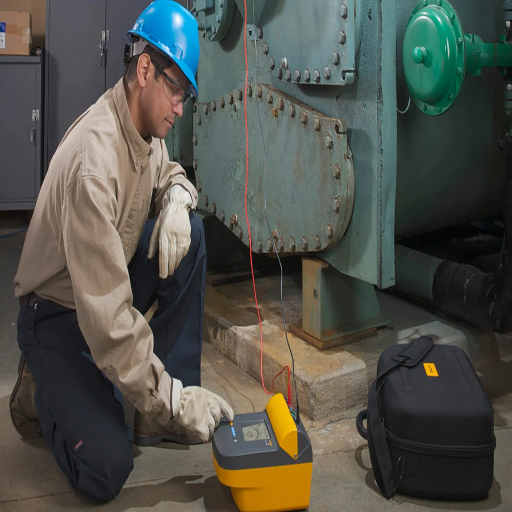
When selecting a megohmmeter, voltage range and precision are crucial factors. Most instruments offer voltage ranges between 50V and 10,000V, depending on application requirements.
Critical Accuracy Factors:
- High Display Resolution: Ensures precise resistance measurements
- Stable Voltage Output: Maintains consistent testing conditions
- Temperature Compensation: Accurate readings across environmental conditions
- Multi-Range Capability: Adaptable to various testing scenarios
Digital Features and Display Options
Display Technologies
- LCD/LED screens with backlighting
- Touch-screen interfaces
- Bar graph and numerical indicators
- Real-time visual cues
Data Management
- On-device data storage and logging
- Bluetooth connectivity for data transfer
- Specialized software integration
- Automated diagnostic reporting
Smart Features
- Programmable threshold values
- Automatic alarms and alerts
- Compliance monitoring
- Error reduction capabilities
Durability and Safety Ratings
- Rugged Construction: Drop-resistant, impact-proof casing
- CAT IV Ratings: Safe operation in high-voltage environments
- IP Protection: Dust and water ingress protection
- Automatic Safety Features: Voltage detection and isolation
Popular Brands and Models
Fluke Digital Insulation Testers
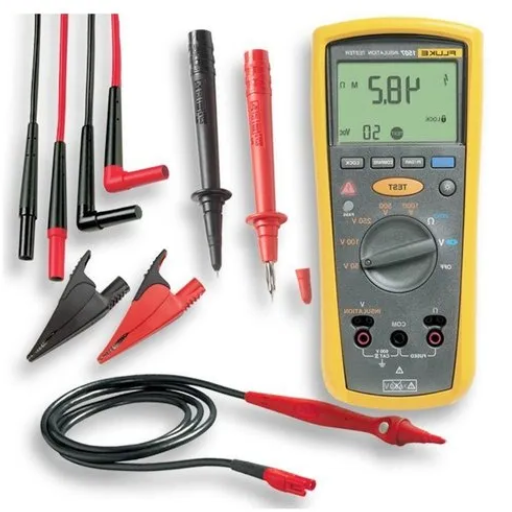
Fluke digital insulation testers offer industry-leading precision, reliability, and ruggedness, maintaining their status as favorites among technicians across various industries.
Fluke Key Features
- Intelligent Analysis: Automatic PI and DAR calculations
- Wide Range: Measurements up to 10kV
- Data Logging: Trend analysis over time (Fluke 1555)
- Connectivity: Fluke Connect software integration
- Safety: CAT IV ratings and IEC 61557 compliance
Extech Insulation Resistance Testers
Extech insulation resistance testers are trusted for fault-finding and ensuring electrical system viability, designed for versatility and ease of use across industries.
| Model | Test Voltage | Resistance Range | Key Features | Best For |
|---|---|---|---|---|
| Extech MG310 | Up to 1000V | 2000MΩ | Compact design, intuitive interface | General-purpose testing, entry-level |
| Extech MG500 | Up to 5000V | 60 GΩ | Industrial model, extended diagnostics | Industrial applications, heavy-duty testing |
| Extech 380260 Series | Up to 5000V | High range | PI and DAR measurements, rugged construction | Predictive maintenance, critical systems |
| Extech 380820 | Up to 1000V | Standard range | Dual function, backlit display | Professional use, transformers, cables |
Best Practices for Using Insulation Resistance Testers
Preparation and Safety Measures
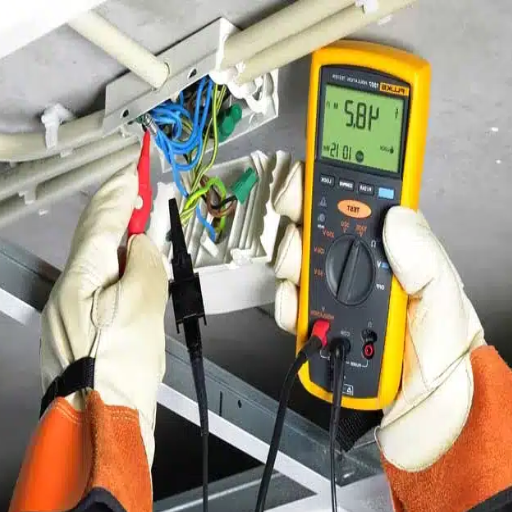
- Manual Review: Study tester functions, specifications, and safety instructions
- Equipment Inspection: Check lead wires and accessories for damage
- Environmental Assessment: Ensure dry, hazard-free testing area
- Communication: Coordinate with team members in work area
- Verification: Confirm proper grounding and connections
Step-by-Step Testing Procedures
Inspect the EquipmentLook for visible damage, dirt, or moisture that could affect test accuracy. Ensure everything is clean and in proper condition.
Isolate the CircuitDisconnect equipment from all power sources. Use a voltage meter to confirm complete de-energization and isolation.
Select Appropriate Test VoltageRefer to equipment specifications and standards to determine proper test voltage. Avoid using too high or too low voltage.
Connect the TesterConnect leads to the circuit: one to the conductor under test, the other to equipment frame or ground. Verify all connections.
Conduct the TestSwitch on tester, allow stabilization, observe resistance values, and note readings against time while maintaining stable conditions.
Analyze ResultsEvaluate resistance readings against acceptable standards. Low resistance values indicate weak insulation requiring attention.
Document FindingsCreate comprehensive reports including measurements, environmental conditions, and observations for maintenance records.
Restore the SystemCarefully disconnect tester, reconnect equipment to power supply, and conduct final inspection to ensure proper reassembly.
Analyzing Test Results
Proper interpretation of test results is crucial for effective maintenance decisions. Follow these analysis guidelines:
Result Analysis Process:
- Data Verification: Ensure all measurements were recorded correctly
- Benchmark Comparison: Compare against established standards or manufacturer specifications
- Anomaly Investigation: Examine irregularities for testing errors or actual system faults
- Trend Analysis: Identify patterns indicating recurring problems
- Priority Assessment: Categorize issues requiring immediate vs. scheduled action
- Documentation: Create transparent reports with actionable recommendations
Reference Sources
-
What is a High Voltage Digital Insulation Tester?
Discusses the benefits of using digital insulation testers, including early detection of insulation issues. -
The Basics of Insulation Resistance Testing and Why It’s Important
Explains the diagnostic procedure for evaluating insulation effectiveness in electrical systems. -
4 Things You Need to Know About Insulation Resistance Testing
Highlights the importance of high voltage insulation testers for early detection of equipment degradation. -
505 High Voltage Insulation Tester Instruction Manual
Provides detailed instructions on using insulation resistance testers for voltage-free conditions. -
Guide to Insulation Resistance Testing
Focuses on using insulation resistance testing for preventative maintenance and avoiding unexpected downtime.
Frequently Asked Questions (FAQs)
What is the specification of a high-voltage insulation resistance tester?
High-voltage insulation resistance testers typically feature test voltage ranges from 250V to 5kV, suitable for various electrical installations. They measure insulation resistance in megohms (MΩ), providing accurate readings to identify system insulation problems. Many models include built-in memory modules for saving measurements and supporting preventive maintenance programs.
How does an insulation tester perform its job?
An insulation tester applies a test voltage (250V to 5kV range) to insulation materials on cables or equipment, then measures the resulting resistance in ohms. As voltage is applied, any electrical current attempts to flow through insulation leakage paths, and the instrument measures this resistance to determine insulation condition. This process helps detect deterioration and enables prompt remedial action.
What are the benefits of digital insulation resistance testers?
Digital insulation resistance testers offer several advantages including high-precision measurements, user-friendly interfaces with clear displays, built-in memory for storing test results, and variable test voltages for different applications. They often feature advanced capabilities like data logging, wireless connectivity, and automated reporting, making them essential tools for electrical engineers and maintenance personnel.
How are insulation tests carried out on electrical equipment?
Start by ensuring equipment is de-energized and disconnected from power sources. Select appropriate test voltage (250V to 5kV) based on equipment insulation rating. Connect tester leads to the insulation under test and to the earthed conductor. Press the measurement button to apply test voltage and measure resistance (typically 1-10 MΩ range). Compare results with manufacturer specifications to determine insulation condition.
What is the importance of insulation resistance measurement?
Insulation resistance measurement is critical for electrical system safety and reliability. It identifies insulation deterioration that leads to leakage current and equipment failure. Regular testing enables preventive maintenance by detecting potential problems early, preventing costly downtime. High-voltage insulation resistance testers provide accurate measurements needed to evaluate cable insulation and electrical equipment integrity, enabling informed maintenance decisions.
What are the usual applications for a high-voltage insulation resistance tester?
High-voltage insulation resistance testers are used across multiple fields including electrical installations, motor/generator/transformer maintenance, cable insulation testing, and equipment calibration. Industries such as utilities, manufacturing, and construction rely on these instruments to assess insulation quality and prevent equipment failures. They’re fundamental tools in electrical engineering and maintenance, ensuring installations meet safety standards.