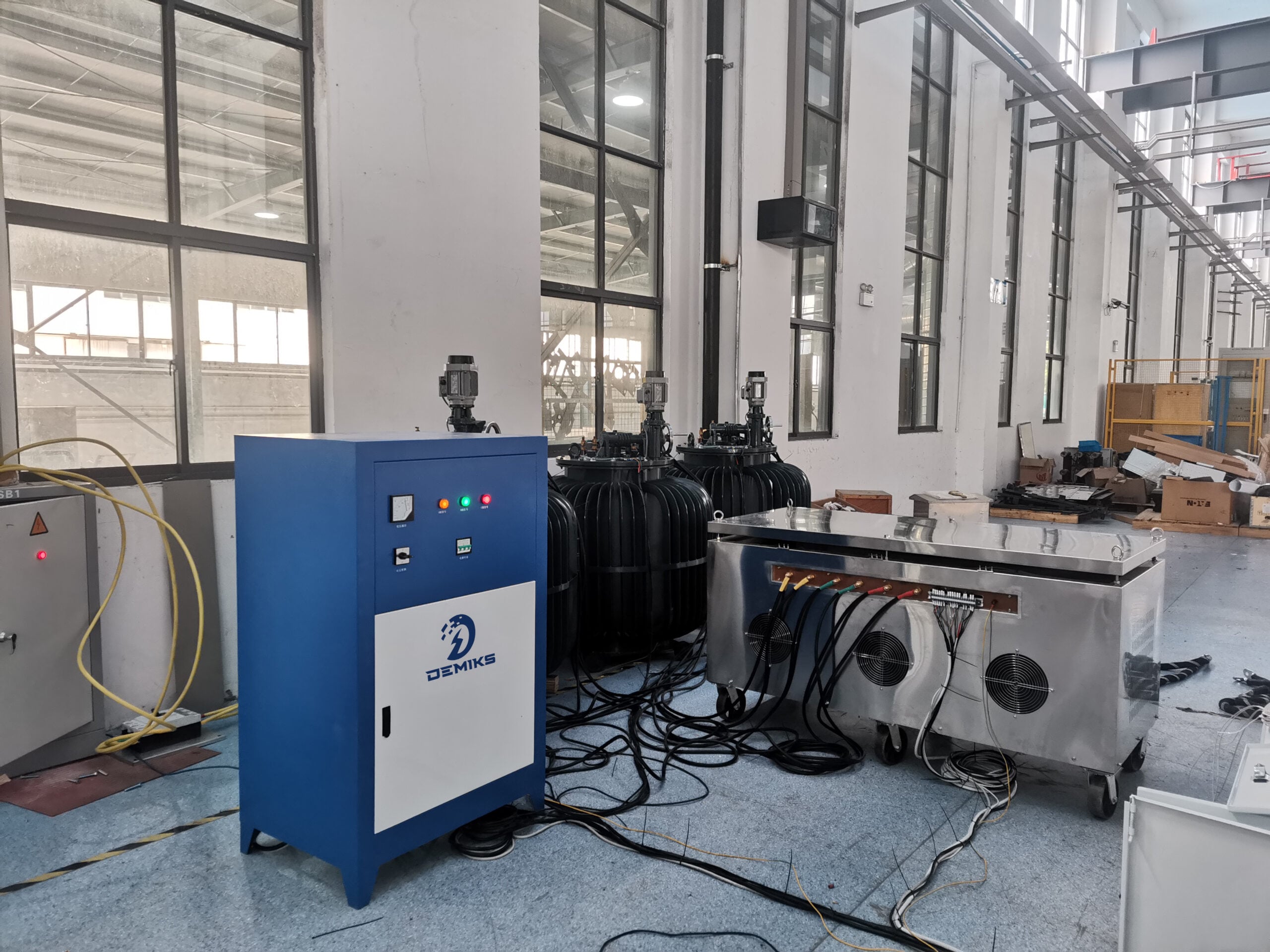
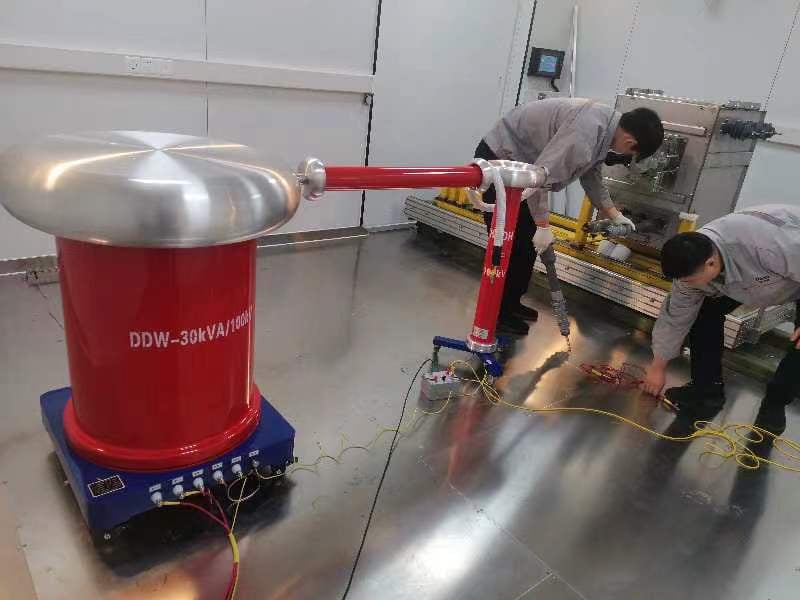
Organizations that are planning reliable power distribution projects need to understand the landscape of substation manufacturers. This article presents the top 15 suppliers of box-type substations and outlines how their electrical equipment is a support to present-day electrical systems. The innovators of the industry develop prefabricated box-type substation solutions with compact design, modular configurations, and integration of transformer, switchgear, and enclosure technologies to make safe, efficient electric power available to the power grid and end users.
Introduction to Box-Type Substations
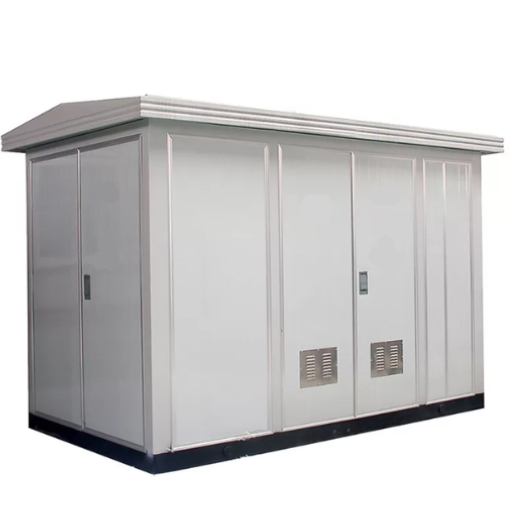
A box-type substation is a solution that integrates a transformer, low-voltage and medium-voltage switchgear, and auxiliary electrical components into a sturdy enclosure. This electrical substation format, often called prefabricated substation, compact substation, or modular box unit, allows quick installation, standard configuration, and dependable operation in various surroundings. The compact design reduces footprint and at the same time enhances safety, serviceability, and lifecycle performance of the electrical power network in general, whether the application is in a power substation upgrade, industrial plant, or renewable energy project.
What is a Box-Type Substation?
A box-type substation is a prefabricated and factory-assembled transformer substation that, not only integrates a power transformer or a distribution transformer but also has the medium voltage incoming panel, the low-voltage outgoing sections, and the protection all inside a weatherproof enclosure. The modular design allows different voltage ratings to be supported ranging from low-voltage to high-voltage interfaces and this leads to standardized kv classes and IEC-compliant electrical equipment being used. The combination of the box transformer and switchgear assemblies makes this compact transformer solution to simplify site work, shorten installation schedules, and ensure quality identical to power interconnections and localized power supply needs.
Importance of Box-Type Substations in Power Distribution
In modern power distribution box-type substations give more reliability, safety, and availability. Utility companies and industries use these modular units to hook up loads to the power grid, assist in renewable energy integration, and upgrade electrical systems’ reliability. Their prefabricated structure minimizes on-site risks and commissioning time, while the enhanced heat management protects transformer assets like dry type and oil-immersed. Protection and control in a combined substation have been standardized, thus operators are able to carry out efficient electric power delivery even in urban, industrial, and remote applications.
🔑 Key Features of Box-Type Substations
- Compact Design: Modular configuration with durable environmental protection enclosure
- Integrated Switchgear: Combined medium-voltage and low-voltage switchgear systems
- Transformer Options: Power transformer and distribution transformer ratings, including dry-type transformers for indoor or sensitive sites
- Voltage Range: Supports high-voltage interface, standardized kv levels, and IEC-aligned protection schemes
- Quick Deployment: Prefabricated assemblies allow for fast deployment and scalable modular sections
- Future-Ready: Accommodates future load growth, renewable energy interconnections, and evolving electrical components
Detailed Profiles of Top Manufacturers
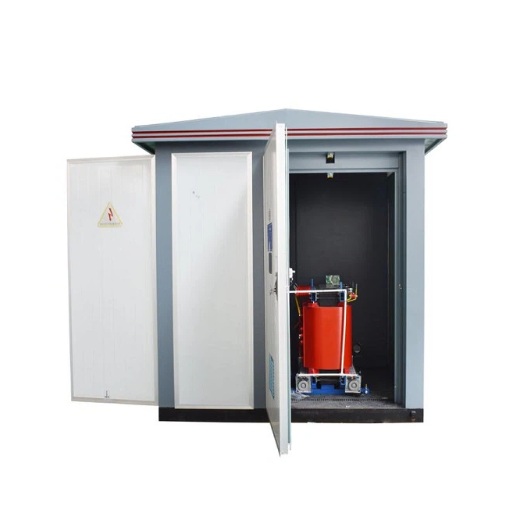
The subsequent part discusses the most prominent substation producers who have gained recognition for their invention of substation-type solutions with engineered box. Each manufacturer’s description stresses the use of modular design strategies, the provision of the voltage from low to high and IEC-standard testing. Through these profiles, readers will uncover the variety of box-type transformers, the availability of dry-type transformers, and the configurations of prefabricated substations fitting for the deployment of compact substations throughout the power grid.
1
DEMIKS
Year Founded: 22+ years of experience
Introduction: DEMIKS is a high-tech enterprise specializing in the design, manufacturing, and sales of power testing equipment. With a strong focus on safety, efficiency, sustainability, and innovation, the company provides customized power testing solutions that meet ISO 9001 standards. DEMIKS collaborates with renowned research institutions and exports its innovative and reliable products to more than ten countries and regions.
Main Products: High and low voltage prefabricated substations, photovoltaic substations, underground box-type substations, and power testing equipment.
✓ Advantages: Advanced safety features, quick installation, intelligent automation, adherence to international standards, and a strong focus on innovation and sustainability.
✗ Disadvantages: Higher initial costs for advanced models.
Website: DEMIKS
2
ABB Ltd
Year Founded: 1988
Introduction: ABB is a global leader in power and automation technologies, offering innovative prefabricated substation solutions.
Main Products: Compact substations, modular substations, and digital substations.
✓ Advantages: Cutting-edge technology, global presence, and extensive product range.
✗ Disadvantages: Higher costs compared to regional manufacturers.
Website: ABB
3
Siemens Energy AG
Year Founded: 1847
Introduction: Siemens is a multinational conglomerate known for its advanced engineering and energy solutions.
Main Products: Prefabricated substations, gas-insulated substations, and digital substations.
✓ Advantages: High-quality products, global reach, and innovative designs.
✗ Disadvantages: Premium pricing.
Website: Siemens
4
Schneider Electric SE
Year Founded: 1836
Introduction: Schneider Electric specializes in energy management and automation solutions, including prefabricated substations.
Main Products: Compact substations, modular substations, and smart grid solutions.
✓ Advantages: Energy-efficient designs, smart technology integration, and global support.
✗ Disadvantages: Higher costs for advanced features.
Website: Schneider Electric
5
General Electric (GE)
Year Founded: 1892
Introduction: GE Grid Solutions offers advanced power grid technologies, including prefabricated substations.
Main Products: Modular substations, gas-insulated substations, and digital substations.
✓ Advantages: Innovative technology, global presence, and extensive product range.
✗ Disadvantages: Higher costs for advanced models.
Website: GE Grid Solutions
6
Hitachi Energy
Year Founded: 2020 (merger of Hitachi and ABB Power Grids)
Introduction: Hitachi Energy focuses on sustainable energy solutions, including prefabricated substations.
Main Products: Prefabricated substations, modular substations, and digital substations.
✓ Advantages: Sustainable designs, advanced technology, and global support.
✗ Disadvantages: Premium pricing.
Website: Hitachi Energy
7
Toshiba Energy Systems & Solutions
Year Founded: 1875
Introduction: Toshiba provides robust prefabricated substation solutions with a focus on renewable integration.
Main Products: Compact substations, modular substations, and power transformers.
✓ Advantages: High-quality products and innovative designs.
✗ Disadvantages: Limited customization options.
Website: Toshiba
8
Mitsubishi Electric
Year Founded: 1921
Introduction: Mitsubishi Electric delivers reliable prefabricated substations for utility and industrial applications.
Main Products: Compact substations, modular substations, and power transformers.
✓ Advantages: Durable designs and advanced technology.
✗ Disadvantages: Higher costs for advanced features.
Website: Mitsubishi Electric
9
Eaton Corporation
Year Founded: 1911
Introduction: Eaton provides energy-efficient solutions for electrical power management, including prefabricated substations.
Main Products: Compact substations, modular substations, and power distribution units.
✓ Advantages: Reliable performance, energy efficiency, and robust designs.
✗ Disadvantages: Limited customization options.
Website: Eaton
10
Hyosung Heavy Industries
Year Founded: 1962
Introduction: Hyosung specializes in advanced gas and air-insulated prefabricated substations.
Main Products: Compact substations, modular substations, and power transformers.
✓ Advantages: Reliable performance and cost-effective solutions.
✗ Disadvantages: Limited global presence.
Website: Hyosung Heavy Industries
11
CG Power and Industrial Solutions
Year Founded: 1937
Introduction: CG Power provides innovative power solutions, including prefabricated substations.
Main Products: Compact substations, modular substations, and power transformers.
✓ Advantages: Cost-effective solutions and reliable performance.
✗ Disadvantages: Limited global presence.
Website: CG Power
12
Vepica
Introduction: Vepica offers innovative prefabricated substation designs with a focus on safety and efficiency.
Main Products: Modular substations and compact substations.
✓ Advantages: Customizable designs and strong safety features.
✗ Disadvantages: Limited market presence.
Website: Vepica
13
TBEA
Introduction: TBEA is a Chinese vendor offering competitive pricing and extensive regional presence for prefabricated substations.
Main Products: Compact substations and modular substations.
✓ Advantages: Affordable solutions and reliable performance.
✗ Disadvantages: Limited global reach.
Website: TBEA
14
Efacec
Introduction: Efacec is a Portuguese company with a strong presence in automation and prefabrication.
Main Products: Prefabricated substations and automation solutions.
✓ Advantages: Advanced automation and strong regional presence.
✗ Disadvantages: Limited global expansion.
Website: Efacec
15
Ampcontrol
Introduction: Ampcontrol focuses on cost-effective, easy-to-install prefabricated substations for emerging markets.
Main Products: Modular substations and compact substations.
✓ Advantages: Affordable pricing and quick installation.
✗ Disadvantages: Limited product range.
Website: Ampcontrol
Comparison of Key Features and Offerings
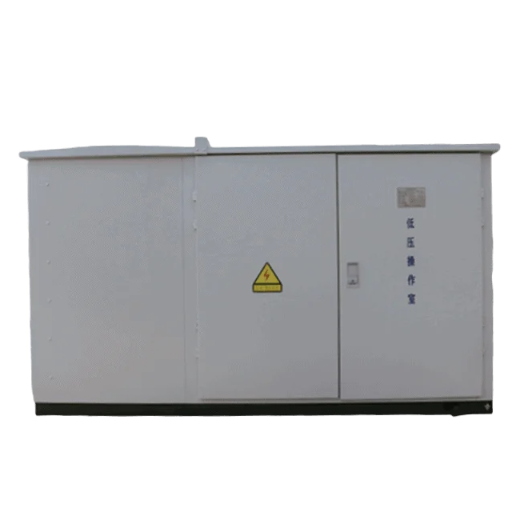
In this part, an evaluation of the substation manufacturers is done based on the following criteria: configuration breadth, transformer options, and enclosure performance. The evaluation covers low-voltage and medium-voltage ranges, high-voltage interfaces, and IEC compliance. The effectiveness of compact design, the scalability of modular box, and digitalization of switchgear and protection are all taken into consideration. The build quality of prefabricated substation, electrical components’ maintenance, and grid integration are among the factors ensuring resilient electric power in different power distribution scenarios that are given priority.
| Category | Key Points |
|---|---|
| Transformers | Distribution to power transformer selections, dry type availability, kV coverage |
| Design & Protection | Enclosure ingress ratings, thermal management, compact substation footprints |
| Systems & Standards | Switchgear options, protection schemes, and communication protocols aligned to IEC |
| Delivery & Service | Modular configuration depth, prefabricated substation lead times, lifecycle service support |
Key Features Analysis
The aforementioned leaders combine modular design with a well-engineered enclosure, so they turn the deployment of box substations into a scalable and simple maintenance process. In addition, the integration of digital diagnostics and superior switchgear makes the electrical equipment more reliable and safe. The variety of box transformers, such as compact transformer and high-voltage interfaces, provides the flexibility to meet different load and site-based risk requirements. The prefabricated process minimizes civil works and energization time, while the IEC-compliant testing guarantees the electrical power quality throughout the combined substation implementations and renewable energy grid interconnections.
Market Positioning of Manufacturers
Manufacturers that provide extensive voltage range and quick delivery of prefabricated substations had the best position in utility tenders and industrial projects. Vendors that promote modular box expansion and cutting-edge protection systems are targeted at mission-critical facilities. Those who give first priority to dry-type transformer and compact design for their products are likely to win over urban and indoor sites, while rugged enclosure leaders are likely to succeed in extreme climates and remote renewable energy plants. Consistent IEC compliance and service networks are important factors in the long-term power distribution partnership.
Industry Trends in Box-Type Substations
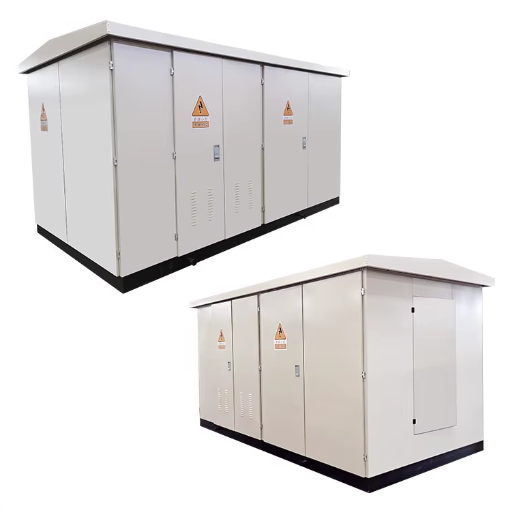
Developments in the box-type substation solutions market show that the trend is toward faster grid modernization, denser urban areas, and more renewable energy integration. Power companies and industries are looking for smaller-sized designs, modular box architectures, and prefabricated substation processes in their projects in order to power up quickly and keep the lights on steadily. The shift toward digital switchgear, remote diagnostics, and condition monitoring is becoming the standard in power distribution reliability for low-, medium-, and high-voltage interfaces.
📊 Power Distribution Industry Trends Today
The ongoing trends in power distribution are pointing towards using modular designs, which, alongside the deployment of prefabricated type box substations, will also reduce the civil works and the risk associated with the commissioning process. The already existing box substation platforms have merged the transformer, the switchgear, and controls into compact substation units that are suitable for locations with limited space.
On the other hand, the Utilities are also augmenting the digital grid visibility via the installation of digital protection, metering, and communication gateways which are being integrated into the transformer substation assemblies. The demand for dry-type transformers that can be installed indoors or in sensitive locations is on the rise while the oil-immersed power transformer is still the most favored choice for outdoor duty.
💡 Innovations in Box-Type Substations
- Intelligent Equipment: Arc-resistant switchgear, automatic protection, and asset analytics for box-type transformer substation fleets
- Factory Testing: Prefabricated processes include factory acceptance testing, ensuring IEC alignment across low and medium-voltage panels before shipment
- Scalable Design: Modular box sections allow for scalable kv expansion and compact transformers lead to a more efficient footprint
- Thermal Management: Advanced thermal modeling improves enclosure ventilation for dry-type and power transformers.
- Cybersecurity: Cybersecure gateways consolidate electrical system data and increase grid interoperability
🔮 Industry’s Future Perspective
The industry’s future perspective suggests that the prefabricated box-type substation solutions will be more widely accepted and this will in turn speed up the process of new renewable energy connections and microgrid projects. The platforms that combine the high voltage and medium voltage feeders will be the norm with the standardized IEC-compliant configuration as the supporting factor behind. The trend of the modular box upgrades, the plug-in switchgear, and the sensor-rich transformers taking over as the main tools for extending the lifespan of the asset and optimizing the power quality is expected to become more pronounced. The substation manufacturers will be focusing on compact design, resilient enclosure materials, and lifecycle digital twins, among other things, to ensure the transformer substation performance under power supply demand growing over time.
Choosing the Right Manufacturer
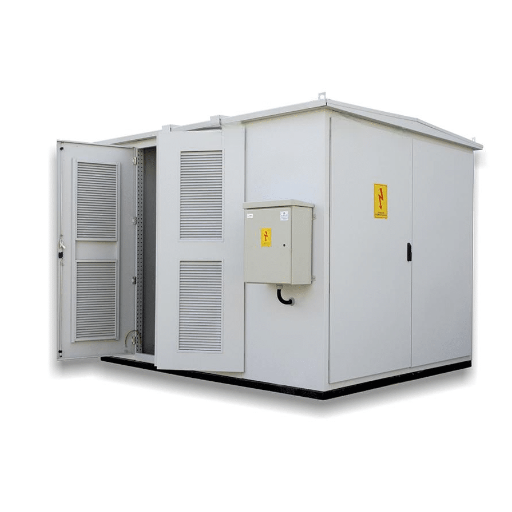
When choosing a substation manufacturer, it is necessary to match technical specifications, service capabilities, and cost of ownership with the project objectives. The buyer should take transformer options over the power transformer and distribution transformer ranges, confirm IEC compliance, and check the interoperability of the switchgear with the existing electrical system assets. Assess the quality of prefabricated substations, the durability of enclosures, and the flexibility of modular designs for future kv upgrades. Having proven experience in grid interconnections, renewable energy ties, and compact substation deployments helps to ensure the stability of electric power and smooth configuration management throughout the lifecycle.
✅ Key Factors to Consider – Checklist
- Voltage Coverage: Evaluate low-voltage, medium-voltage, and high-voltage interface capabilities
- Transformer Options: Check availability of dry-type transformer and oil-immersed power transformer
- Enclosure Design: Assess the strength and durability of housing design
- Modular Architecture: Consider options for phased expansion and future scalability
- Delivery Timeframes: Review prefabricated box-type substation delivery schedules
- IEC Certification: Verify IEC-certified testing and compliance
- Digital Capabilities: Investigate switchgear, protection, and monitoring systems
- Service Support: Check service networks, spare components, and electrical parts lifecycle support
🎯 Recommendations for Selecting a Manufacturer
Vendors with an all-inclusive box-type substation offering should be given priority. This should include transformer options that take up less space and up to standard modular box segments. The performance data for the kv classes, factory test records, and reference sites for similar electrical substation projects should be requested.
The technical audits should include issues like transformer substation thermal design, switchgear arc flash mitigation, and cybersecure communications. Opt for suppliers who have an established prefabricated workflow, delivery that can be counted on, and support for field commissioning.
Compact design, dry-type transformer option, adaptable configuration, and all those techniques should be applied for renewable power and city sites, so that reliable electric power can be integrated into the power grid.
Conclusion and Final Thoughts
The innovation of box-type substations is the prevention of power distribution problems through modular design, advanced switchgear, and digitized asset management. The top substation manufacturers set themselves apart with IEC compliance, resilient enclosure engineering, and flexibility ranging from distribution transformer to power transformer. By synchronizing voltage requirements, configuration standards, and lifecycle services, purchasers can install prefabricated substation solutions that not only improve electrical power reliability but also increase renewable energy usage and protect the electrical system against obsolescence. The meticulous selection of the vendor guarantees a continuous power supply performance across different grid applications.