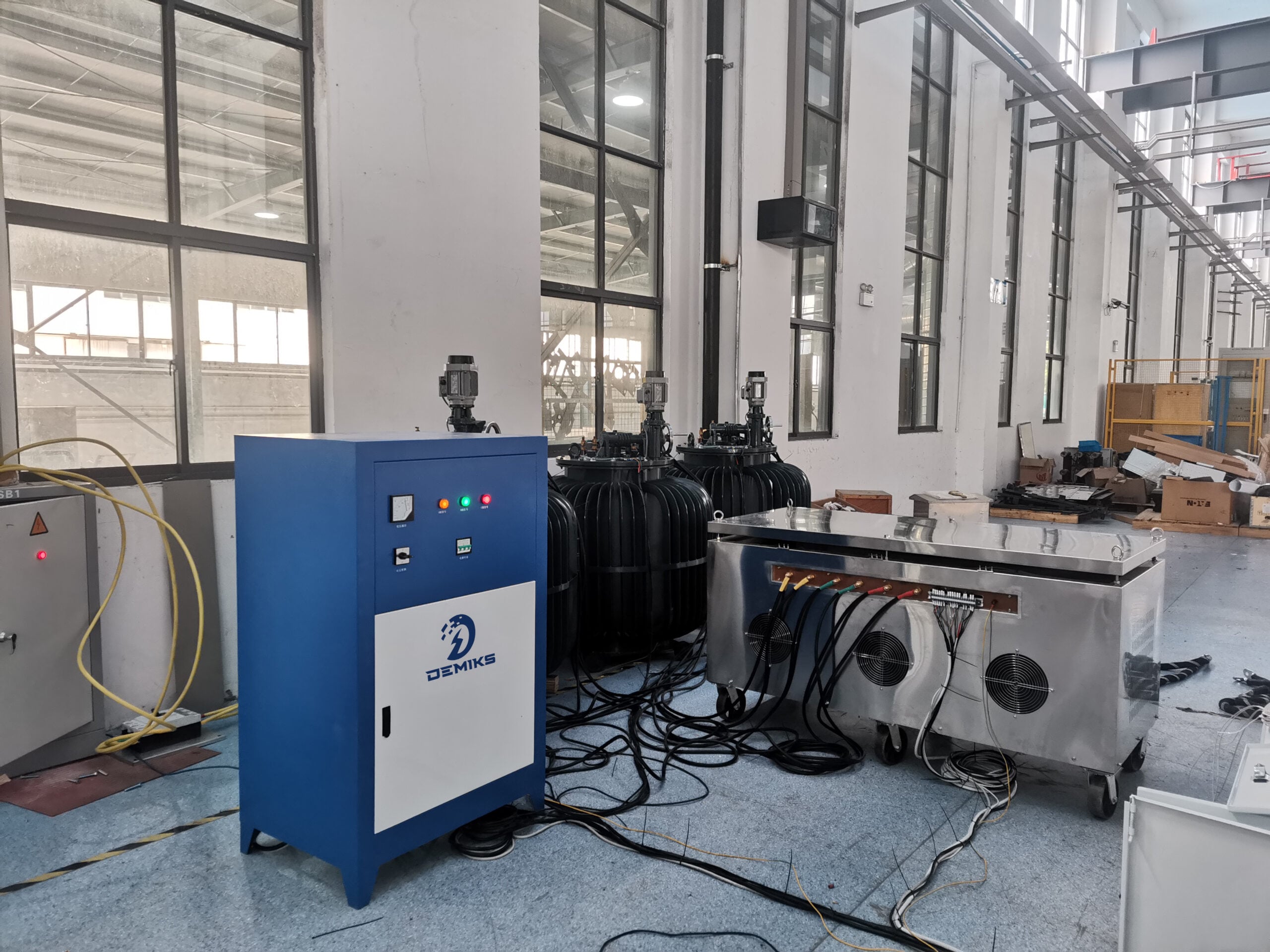
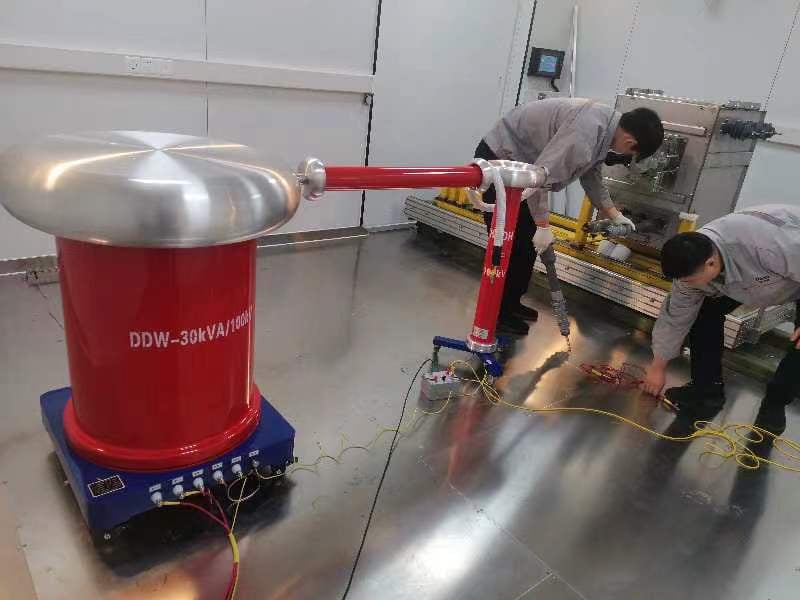
Industrial plants are always concerned about safety and efficiency. This lone instrument among a hundred tries to give electrical inspection; truly and performing well. It is one heavy-duty tool used to identify suspected faults, to inspect insulation, and to ascertain its operational reliability of high-voltage equipment. What then differentiates the HV Tester 5kV from others in the electrical test sequence and makes it a must for industrial activities? The article speaks about the advantages of the tool and how it helps to optimize the electrical inspection, gives safety from harm, less downtime, and better operational applications. This guide tries to sharpen the choice of the equipment you go for, should you be an expert technician or a novice in electrical testing.
⚡Understanding HV Testers and Their Importance
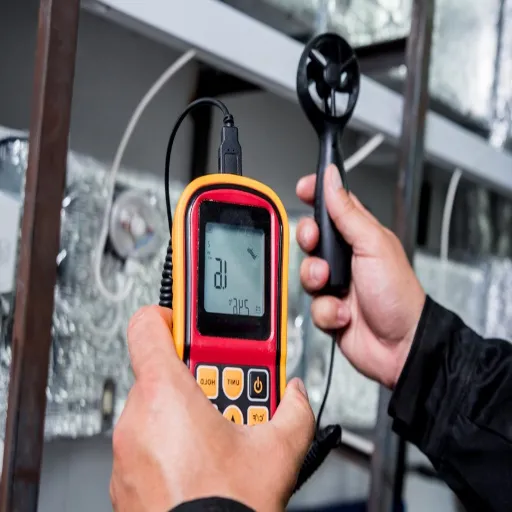
What Is a 5kV Insulation Tester?
The 5kV insulation tester is able to see the insulation resistance of electric equipment and systems. In order to check the integrity of the insulation of materials, a high DC voltage of maximum 5kV is applied so the insulating material prevents earthing leakage and can bear working voltages. Insulation resistance testers find possible faults due to improper or old insulation, or due to the degradation of insulation by environmental conditions such as moisture, heat, and dirt.
🔧 Modern Features
Insulation testers at modern 5kV installations come equipped with advanced features, including multi-range resistance measurements, test sequence automation, and digital displays, to ensure high accuracy. Many devices feature real-time data logging, which not only allows users to analyze trending data but also identifies possible issues before they result in costly shutdowns or safety hazards.
For example, these testers are used by industries such as power utilities, manufacturing, and aerospace to help in predictive maintenance and confirm compliance with safety standards. Thanks to their wide test range and strong data capabilities, 5kV insulation testers will continue to remain relevant in ensuring electrical systems are reliable and safe.
How High Voltage Testers Work
A high-voltage tester works by applying a suitable test voltage to an insulation system and measuring the current that flows as a result of this voltage. It thereby indicates any weakness or flaw in the insulation that could lead to its failure over time. Using advanced internal circuitry, the instrument produces the test voltage internally, regulating it to be consistent and generating accurate results by design, while also considering the safety of the operator by providing overcurrent protection.
📊 Advanced Features
Modern testers utilize advanced features, including digital displays and automated test sequences, to simplify and standardize operations, thereby minimizing human errors.
🔗 Connectivity
Most of them also provide connectivity avenues to link to predictive maintenance systems, allowing engineers to remotely analyze the status of a given system.
High-voltage testers have been classified as essential equipment in the industry because of their use across a variety of equipment, including knives, transformers, motors, and circuit breakers. After ensuring the correctness of the electrical system, testers prevent failures that lead to productivity loss and compromised safety standards.
Is Insulation Resistance a Factor for Electrical Safety?
Insulation resistance stands as such a great electrical safety factor that the higher it is, the more efficiently the insulating material prevents the leakage of current from the conductors. The lesser the leakage of current, the more highly would be considered the insulation resistance, making it low for any shock to be experienced, damages to the equipment or a fire hazard. If a system is life-threatening in working industrial complexes, where the highly sophisticated electrical systems are working, any insulation failure would mean even an interruption and so failure is far much more disposing life-threatening.
⚠️ Critical Safety Factors
Advancements in testing equipment have, in fact, created a more efficient process for ascertaining insulation resistance, allowing technicians to analyze potential weaknesses or insulation degradation as promptly as possible. For example, contemporary insulation testers are manufactured to provide readings that are genuinely indicative of the insulation’s status under adverse environmental conditions, warranting that the insulation’s condition may be addressed proactively.
Evidence suggests that insulation resistance typically decreases at the onset of aging or moisture ingress in electrical systems. Therefore, testing brings about an improvement in reliability and extends the life of equipment.
As a result, installations need to be maintained regularly, with high attention to insulation resistance to meet electrical safety standards. The industry at large will need to comprehensively address these issues to prevent risks and illegal practices from compromising equipment and creating hazards for personnel.
🔧Key Features of 5kV Insulation Resistance Testers
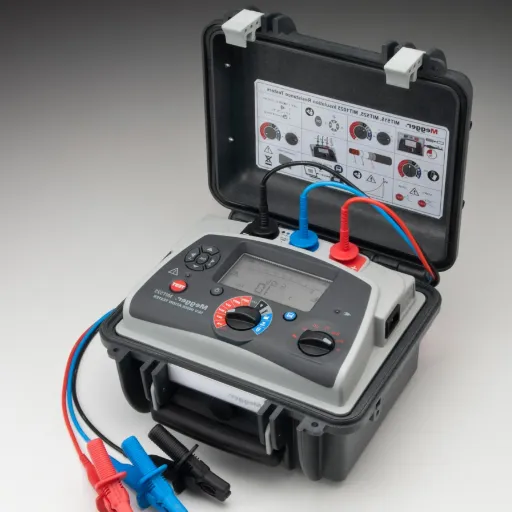
Comparison: Digital Versus Analog Insulation Testers
Opting for a digital or analog type insulation resistance tester rests upon a number of factors like precision, ease of use, and application requirements.Digital instruments will yield precision measurements and calculate results automatically; the incorporation of data logging and interfacing with other systems presents streamlined results for easy reporting. A typical tester will feature an LCD screen that would portray the results rather clearly and may also display other parameters to be measured or information useful during the testing operation, which contributes much to the smooth conduct of test operation.
📝 Key Considerations
Digital machines, however, score minus points for simplicity and are resistant to unfriendly conditions, whereas analog testers stand out for their simplicity and ruggedness. Digital ones require complicated electronics, while analog ones don’t. So in unsympathetic environments with high shock levels, they might fail, or at least battery failure could present issues. Analog-style test instruments offer a continuous resistance value through an analog pointer on the dial, which some users find helpful in tracking fluctuations and the trend of resistance over time.
Choosing between digital and analog testing can make or break an application for the given purpose. Digital is best for higher accuracy with a data-driven approach, while analog tests are best suited for field tests–ruggedness and simplicity are their highest considerations. Each comes with its own gamut of pros, meaning one’s choice among tools depends on the requirements of the testing field and the person’s technical knowledge executing it.
Key Functions of a High Voltage Insulation Tester
Insulation testers for high voltage play a major role in preventing insulation discharge and free of improper conditions to ensure systems remain reliable and safe. Simply put, the device measures electrical resistance of insulation of the cables or motors or transformers or any electrical apparatus to recognize potential faults or deterioration with time. The modern HV insulation testers supply sets of high voltages in an accurate, reproducible, and controlled manner, aided by real-time diagnostics measuring the leakage currents. Hence the user may judge failures against quality and durability of the insulating material while avoiding unexpected failure of jobs.
🔋 Voltage Ranges
Generated voltage ranges often enable an advanced tester to adapt to diverse testing applications, whether in low-voltage household systems or high-voltage industrial machinery.
💻 Digital Features
Several models feature digital displays for precise readings, automatic discharge for safety, and data recording for monitoring insulation performance over time.
🏗️ Portability
For removing any failures, both the field and laboratory must be sturdy and portable.
With greater sensitivity to current leakage and software integration for trend analysis, high-voltage insulation testers have almost become the backbone of predictive maintenance. Testing high-voltage insulation will enable engineers and technicians to improve overall system performance with reduced downtime, while strictly adhering to safety regulations.
Comparison of Measurement Ranges: 1kV, 2.5kV, and 5kV
The different test voltage levels of 1kV, 2.5kV, 5kV, etc., were provided on an insulation testing instrument to meet different operating requirements. A lower end of 1kV is suitable for smaller apparatus, of low-voltage systems and cables, as insulation resistance is to be held to certain values for performance and safety. The 2.5kV would be used for industrial work of medium size, representing a compromise between very high values of insulation resistance and tests appropriate to small normal components. The 5kV range would be for high-voltage-class equipment, for such devices that transformer and switchgear, against extreme levels of electric stress.”
These ranges permit various testing approaches to be used, provided pertinent data are obtained for the equipment under test. For instance, a system prone to higher voltage surges will benefit from 5kV tester capabilities, providing engineers with reliable insights into actual points of failure. Combining the superior diagnostic capabilities of insulation tests with these ranges helps in ensuring maximum system reliability while conforming to the latest industrial standards of safety and performance.
🏭Applications of HV Insulation Testers in Industry
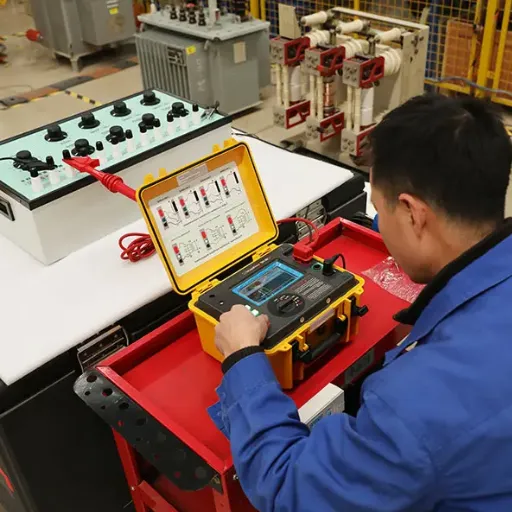
Routine Maintenance and Compliance Testing
High voltage insulation testers are used widely for routine maintenance and compliance testing by various industrial institutes. Periodical insulation monitoring of the system continuously ensures that potential issues do not get in the way of downtime and the increase in repair cost. For example, industries such as heavy industry and those with big machines conduct periodic insulation tests. The tests guarantee that everything is safe and is working properly.
📋 Compliance Standards
Modern HV testers facilitate the contemporary acceptance testing of electrical apparatus by verifying international standards, such as IEEE 43 or IEC 60034-27, through features like accurate resistance measurements and advanced diagnostic insights.
Accurate insulation resistance measurements over time provide actionable data for predicting life expectancy and scheduling maintenance activities. At the very least, the business meets regulatory requirements and optimizes system-level performance and safety parameters, thereby enhancing efficiency and reducing operational risks.
Testing of High-Voltage Cables and Equipment
Certainly changing the most used high voltage cable equipment testing service shall be the starting block of the power system maintenance in order to enhance operations further reliability. Potential failures are kept at bay by an inspection of the state of insulation, dielectric strength, or other existing high voltage components at high potential. Partial discharge testing, tangent delta, or time-domain reflectometry (TDR) analysis stands as the advanced and ultramodern methods in testing the respective cables and equipment. The weakest ionization, moisture ingress, or any deterioration by aging is being fathomed using such method.
🔍 Advanced Methods
- Partial discharge testing
- Tangent delta analysis
- Time-domain reflectometry (TDR)
💡 Benefits
- Prevents expensive failures
- Tracks insulation weakness
- Identifies moisture ingress
With the advent of modern technology, the current testing machines provide immediate diagnosis and automated analysis for fast and accurate evaluations. Any industry professional will use these tools to plan maintenance activities based on data, to enhance operational efficiency, and to minimize downtime. Frequent testing will constitute a measure for observance of safety regulations and for better knowledge of hazards in consequence of an electric system failure. A high-quality testing installation protects the long life of the company’s HV system and provides it with good performance to achieve operational objectives while still complying with safety prescriptions.
Data Transmission and Insulation Monitoring
Should you find the reliable operation and maintenance of an electrical system at the highest level of importance, the need for two factors-a data transmission system and an insulation monitoring system-would necessarily arise. Modern methods in data transmission allow communication among devices, thereby enabling the transfer of relevant information to high voltage systems. On the other hand, insulation monitoring is performed to detect faults occurring in the insulation space before such faults are capable of causing a power outage or damage to the equipment.
📡 Real-Time Monitoring
Using real-time monitoring systems and sensor-based analytics for insulation resistance measurements, companies can track the insulation resistance level, detect abnormal situations, and address issues before major problems arise. Such integrated measures provide higher system reliability and a better operational flow with less downtime, albeit at a higher price. High-tech data transmission, combined with effective insulation monitoring, would therefore ensure that the system protectorate is taken up holistically for both safety and efficiency goals.
🎯Choosing the Right HV Tester for Your Needs

Points to Consider When Choosing a Tester
Choosing the right kind of HV tester secures the safety, efficiency, and reliability of electrical systems. This decision must be based on several essential aspects:
⚡ Voltage Range and Testing Capacity
Verify that the tester can withstand the voltage levels required for your specific applications. For high-voltage systems, it should be able to efficiently tackle the highest peak outputs while maintaining accuracy and compliance with safety regulations.
🎯 Accuracy and Measurement Capabilities
Pick the tester that can accurately measure and record any minor insulation breach. High accuracy is necessary to track the trend of degradation and prevent failures.
🛡️ Safety Standards Compliance
Make sure that the tester complies with the applicable safety standards, such as the IEC or ASTM. Advanced testers come equipped with safety features such as automatic discharge circuits and over-voltage protection to prevent hazardous situations.
👤 Ease of Use and Portability
Opt for a device with a user-friendly interface, intuitive controls, and a clear output display. For fieldwork, critical factors include portability and durable design to ensure smooth ops in different environments.
📊 Recording and Analyzing Test Data
Modern-day HV testers can record and transfer data for a detailed analysis of test results. Some of them also offer software support to evaluate trends and create detailed reports.
⚡ Test Speed
If high-volume applications are considered, the fastest yet efficient and reliable tester must be selected to ensure timely achievement of deadlines.
🔨 Durability and Build Quality
They must be manufactured using high-standard quality materials and design so that they can withstand rigorous use over time. Water resistance, shock-proofed housing, and temperature tolerance are other aspects that increase longevity.
By studying these factors carefully, businesses can ensure the selection of an HV tester that suits their operational scale, enhances safety standards, and supports predictive maintenance.
Comparing Popular 5kV Insulation Resistance Testers
When selecting a 5kV insulation resistance tester, it is essential to compare popular models based on their performance, features, and suitability for various applications. Below are some highlights of a few leading testers in the market:
Fluke 1555
Range: Up to 10 TΩ
Safety Rating: CAT IV 600V
Data Storage: 99 results
Special Features: Automatic report generation
The Fluke 1555 offers a reliable solution for testing high-voltage insulation with easy-to-use interfaces and the highest credibility among industrial users.
MEGGER MIT515
Range: Up to 5 TΩ
Features: Quick charge times
Control: Thumbwheel control
Battery: Long battery life
Regarded for its simplicity, strength, and accuracy, best suited for power utilities and manufacturing industries.
Kyoritsu KEW 3125A
Range: Up to 1 TΩ
Display: Backlit LCD
Design: Compact & lightweight
Price: Competitively priced
This tester is compact yet powerful, boasting high performance in various test environments for general-purpose testing.
HV Diagnostics PTS-5
Accuracy: Absolute precision
Interface: Digital calibration
Testing: Automated sequences
Software: High-end diagnostics
Tested for premium applications offering absolute accuracy and flexibility, prized in industries requiring in-depth high-voltage investigations.
Comparatively, by analyzing the specifications and capabilities of these testers, industries can select the most appropriate model for their organization’s needs. Considerations to keep in mind when deciding include: safety requirements, facilitation of use, and special needs applicable at the site.
Manufacturers’ Specifications and Compliance Standards
The Manufacturer’s specifications and compliance standards are vital for assessing individual performance and other aspects of reliability that define a particular electrical testing equipment. The specifications shall include all technical data concerning the device’s operational parameters, safety ratings, and suitable use definition. For example, a rating such as CAT IV may imply that the device can be used safely in high-energy environments. At the same time, integration with precision software can infer that it is suited for interfacing with advanced digital instrumentation, along with software for data measurement and analysis.
📋 Compliance Assurance
Compliance standards assure that the equipment satisfies regional and international safety, quality, and other applicable norms while having undergone serious tests under pre-established protocols like the IEC or ANSI standards to certify the product’s resilience, efficacy, and safety under different applications. Again, it mitigates the risk of their use and ensures compatibility with an industry’s specific use cases, such as utility testing or plant maintenance.
In the process of choosing the correct electrical testers, analyzing the manufacturer’s information and technical specifications helps distinguish between models, allowing for the selection of the appropriate ones for this particular project. When examining such information, embryo factors must be taken into account, along with awareness of the latest industry trends regarding software automation or environmental adaptability, so that companies can make informed decisions while ensuring the realization of safer and more efficient activities.
⚠️Best Practices for Using HV Testers
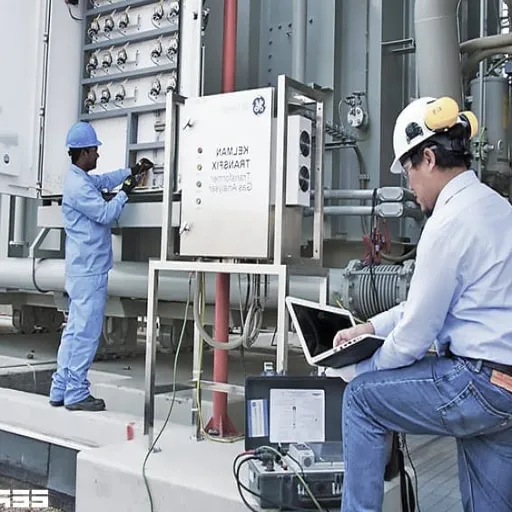
Safety Precautions During High-Voltage Testing
While high-voltage testing is being undertaken, I ensure that safety is paramount to protect persons and equipment. A thorough inspection is then conducted for all equipment to assess whether there is any wear, damage, or malfunction that may compromise safety. Grounding is of the utmost importance; all test equipment and the unit under test should be adequately grounded to prevent electrical shock and minimize the possibility of unintended discharge. Setting up a safe testing area with cautionary signs and restricting it to authorized and trained personnel is questionable if not followed to the letter.
🦺 Personal Protective Equipment (PPE)
- Insulated gloves
- Insulated boots
- Face shields
- Properly calibrated instruments
The instrument calibration and the necessary ratings compatible with the specific voltages being tested should be double-checked by me. Maintaining safe distances from all energized components is another thing I always remember. To mitigate any potential threats, I ensure that reliable emergency protocols, including shut-offs, are readily available.
Finally, I stress communication and training. Before performing any high-voltage tests, I advise my fellow workers about every aspect of the process so that they are aware of how the hazards, procedures, and precautions identify them. Refresher training coupled with a review of safety standards is a healthy practice since it keeps everyone knowledgeable about recent issues. In making certain that precautions have been taken, I go about pursuing high-voltage tests while minimizing dangers to the environment in which we work, in keeping with safety and productivity.
Interpreting Test Results Correctly
Testing involves carefully measuring all parameters and comparing them against specific criteria. The values obtained in tests at high voltages are constantly compared against three benchmarks: an expected value, an industry standard, and the manufacturer’s specification. The presence or absence of a discrepancy will either confirm or reject an existing fault in the equipment under test, causing any irregularity to surface. The utmost precision is maintained with respect to readings and technical specifications, ensuring they are accurately entered into reports and leaving no room for errors or incorrect interpretations.
📊 Analysis Tools
Along with the instruments and software I use to provide further analysis and identify trends within the test results, this software and these technologies help me detect patterns that are often invisible to the naked eye.
🤝 Collaboration
Collaboration is essential: an engaging discussion of the results with colleagues or experts can always bring in different perspectives to avoid any oversight.
To wrap it up, all these considerations are geared toward providing an accurate interpretation of test data in conjunction with technical knowledge, detailed analysis, and communication. I ensure that stakeholders are provided with the test results in a clear, concise presentation and concrete action steps for corrective or improvement measures. Through increased awareness and consideration of all our options, the test results should be placed into remedial use to enhance the safety and reliability of the equipment.
Maintaining Your Insulation Tester for Longevity
I try to take good care of the insulation tester through regular maintenance and upkeep. Cleaning differs from other maintenance schedules as it is always done with a soft lint-free cloth so as not to cause scratching. The dust particles and dirt stay away from the surface because if someone tried to use a solvent or a cleaning agent, it would eat away at the surface or, worse, the internal components of the instrument. Storage comes as another vital aspect: always keeping the tester in dry and temperature-controlled environs will go long way to keeping it unmarred in its function.
🔍 Regular Inspection Checklist
- Check for damaged leads
- Inspect for loose connections
- Examine insulation deterioration
- Verify calibration accuracy
I would always examine an insulation tester for any signs of wear and tear possibly present on the leads, or maybe loose connections, or perhaps even worn insulation. Should any of these cases be observed, then the faulty part should be straight away replaced, or one should seek advice from the manufacturer’s instructions. Another guarantee of accuracy and reliability is the periodic calibration of the device, either with reference to the manufacturer’s instructions or by a competent person. This helps me to keep my insulation tester in good conditions with retained performance. In good working order, the system is especially checked and preserved in its development during servicing, thereby allowing ample improvement in safety and accuracy of my applications, leading to the instilling of confidence in me concerning performance and results.
Reference Sources
-
The Ultimate Guide to High Voltage Tester 5kV – FIVESTAR HV – Highlights the benefits of the HV Tester 5kV, including safety, reduced downtime, and improved reliability.
-
The Importance of High Voltage Testing Equipment in Modern Industries – Discusses how high voltage testing prevents electrical failures and ensures compliance with industry standards.
-
Understanding High Voltage Tester 5kV: Essential Insights for Professionals – Explores the impact of periodic 5kV testing, including a significant reduction in system failures.
- Find more info now.
❓Frequently Asked Questions (FAQs)
Q1What Is A High Voltage Insulation Resistance Tester?
High-voltage insulation resistance testers are the installation measuring instruments for insulation resistance. These pieces of equipment usually test at 5kV and thus may be used in testing high-voltage equipment. They check electrical installations for possible hazards from insulation failure. The majority of these instruments today include an easy-to-read digital display for displaying the results. To ensure proper insulation resistance test results, the correct procedure must be followed so as to produce a certain value of data. It is of paramount importance for both electrical engineers and technicians to have the high-voltage insulation resistance tester.
Q2How Does a 5kV Insulation Resistance Test Work?
5kV insulation resistance testing, in a given case, applies a high-voltage DC output to the insulation of the electrical circuits. Thus, the voltage by stressing the insulation allows the resistance tester to measure its value. The digital insulation resistance tester typically measures resistance in megohms; a megohm signifies a significant value of data obtained during the test of the insulation condition. During the test, the tester ensures that the voltage used is safe for the equipment under test. This method of testing can also aid in the polarization index test, which collects data on insulation quality over time—generally, an insulation resistance test works toward ensuring electrical security and insulation efficiency.
Q3Why is the Use of a High Voltage Meter Important?
Insulation ratings for electrical systems vary widely; hence high voltage meters are used to measure these ratings accurately. Electrical failures or hazards are caused due to the breakdown of insulation. Ideally, a high-voltage insulation resistance tester would generate readings at volts like 5kV, which is a practical voltage for testing. They also uphold safety standards in industries involving high-voltage operations. These instruments have a digital readout that tells a technician exactly what readings to take and interpret in the field. Therefore, a high-voltage meter yields good value for money because of safety and the longevity of the installation.
Q4What Features Should I Look for in a Digital Insulation Resistance Tester?
A digital insulation resistance tester is selected by considering factors such as range, accuracy, and display quality. The tester should measure insulation resistance at various voltages, including the crucial 5kV. Microprocessor-controlled operational units provide better measurement accuracy and data processing facility. The insulation tester should have an LCD display so that reading test results becomes an easy task. Additional features like polarization index.test function could also assist testing the performance of insulation over time. Thus, once you have the appropriate product, it will serve you well and produce trustworthy results.
Q5How Often Should You Perform Insulation Resistance Tests?
Insulation resistance tests have always been maintained to uphold system and safety integrity. Their periodicity is largely dependent upon the kind of working environment, the legal requirements, and the type of equipment to be inspected. High-voltage installations are generally tested every 1 to 3 years, while critical systems require testing every year. Regular testing can assist in the early identification of problems before they actually become major failures, hence imparting increased durability to equipment. At a minimum, a standard insulation resistance tester rated for at least 5kV is absolutely necessary for correct tests. By regular testing, industries maintain legal compliance to provide a safer working environment.
Q6What is the Polarization Index Test and Its Importance?
Since it assesses insulation quality, the polarization index test is done by observing insulation resistance by two separate time intervals, usually for 10 minutes. This test is conducted to give information on the behavior of insulation at high voltage for a given time interval. The test would generally use a high-voltage insulation resistance tester to accurately measure insulation resistance values. The results of such measurement might reveal the presence of moisture ingress or degradation of insulation. The knowledge of polarization index would really help electrical professionals decide on maintenance or repairs for operational safety and efficiency.