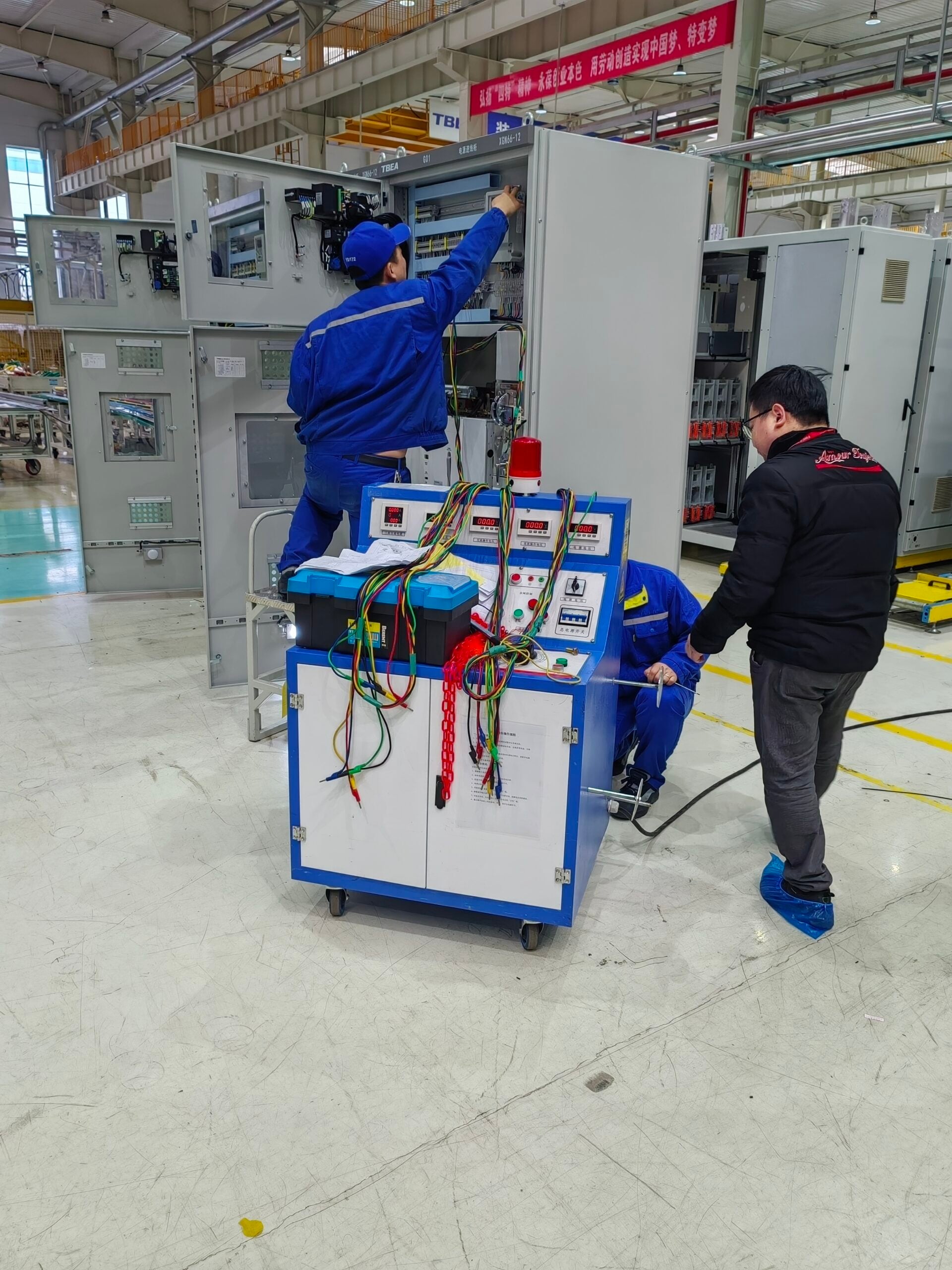
With the evolution of technology, there is a great need for better and dependable energy storage solutions that has been satisfied by the industry’s advancement. Batteries have become the backbone of the tech world, powering up most of the everyday tech we use. In the digital era, battery producers are challenged to deliver products that are not only powerful but also safe and long-lasting.
Introduction to Battery Testing
⚡Importance of Battery Testing in Modern Technology
The importance of battery testing is crucial in the present technologically driven world where industries are relying more on battery-powered devices. Battery testing is to ensure the efficiency and reliability of the battery packs that get through, which is a critical issue. Apart from determining battery capacity and performance, battery testing is also a means to enhance the safety and longevity of battery packs. The rise in the adoption of electric vehicles will increase the demand for battery testing that is strict enough and thus, every battery of an electric vehicle will have to meet the strictest standard possible.
🔬Overview of Battery Test Equipment
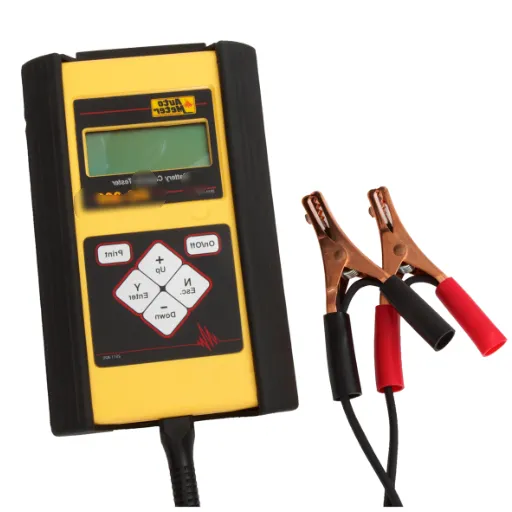
The battery test equipment is developed to mimic the conditions of the actual world where the battery works and thus revealing the battery performance under the different scenarios. Very fine testers and cyclers are employed for capacity testing as well as to assess the discharge rates, and through the chambers, temperature and environmental Simulations are carried out. The equipment manufacturers, for instance, Neware and Chroma, are the first ones to come up with the modern solutions for the battery testing of laboratory battery industry and even for home use. It is without any doubt that these tools play a crucial role in the R&D process of battery ensuring the safety and efficiency of the same.
📖Key Terminology in Battery Testing
The field of battery testing involves various terms that are essential for understanding the nuances of this technology. Familiarity with these terminologies aids in better comprehension of battery health and reliability assessments. Some commonly used terms include:
- DCIR (Direct Current Internal Resistance)
- CV (Constant Voltage)
- Battery management system (BMS)
Knowledge of battery modules, cell tests, and the differences between lithium-ion and other battery materials is also crucial for anyone involved in battery materials research or the equipment industry.
Top Manufacturers in Battery Test Equipment

Battery testing equipment is such a competitive field that only a few manufacturers can stand out with their innovation. They are those who provide the industry with top-quality, high performance, and safe batteries which are applied in various sectors like electric vehicles, renewable energy, consumer electronics, and so on. In the following, you can find the 10 most promising industry players, the market is to be ignited by and for whom.
DEMIKS
Year Founded: 1986
Introduction: DEMIKS is a frontrunner in the design and production of advanced battery testing equipment. Known for their groundbreaking innovations, DEMIKS offers solutions that meet the highest standards across industries such as automotive, renewable energy, and consumer electronics.
Main Products: Battery analyzers, charge/discharge testers, environmental test chambers, and impedance meters.
✓ Key Advantages: DEMIKS is celebrated for its precision, reliability, and user-friendly interfaces. They consistently integrate cutting-edge technology, ensuring compatibility with next-generation batteries.
✗ Key Disadvantages: Premium pricing can be a barrier for smaller firms.
Website: Visit DEMIKS here
Arbin Instruments
Year Founded: 1991
Introduction: Arbin Instruments provides high-quality testing equipment, specializing in scalable battery testing systems for research and industrial applications.
Main Products: Battery cycling testers, multichannel potentiostats, and energy storage systems.
✓ Key Advantages: Flexible designs and high scalability make Arbin’s products attractive for both startups and large enterprises.
✗ Key Disadvantages: Lead times for custom systems can be lengthy.
Website: Visit Arbin Instruments here
Keysight Technologies
Year Founded: 2014 (spin-off of Agilent Technologies)
Introduction: With decades of experience transferred from Agilent, Keysight Technologies develops state-of-the-art test and measurement tools.
Main Products: Battery emulators, cyclers, and advanced diagnostic tools.
✓ Key Advantages: Renowned for their robust and versatile solutions with excellent technical support.
✗ Key Disadvantages: Complexity of products may introduce a learning curve for first-time users.
Website: Visit Keysight Technologies here
Chroma ATE Inc.
Year Founded: 1984
Introduction: Chroma ATE is a major player in the development of testing and measurement systems for electronics, including battery technologies.
Main Products: Battery cyclers, cell testers, and EV battery testing systems.
✓ Key Advantages: High precision and wide-ranging applications make their products indispensable for advanced R&D projects.
✗ Key Disadvantages: Costly maintenance for highly complex equipment.
Website: Visit Chroma ATE here
Neware Technology Limited
Year Founded: 1998
Introduction: Neware is a global leader in battery testing, offering an extensive range of high-quality, cost-effective equipment.
Main Products: Battery testers, charge/discharge systems, and simulation systems.
✓ Key Advantages: Affordable pricing combined with solid performance makes their tools ideal for small to medium-sized enterprises.
✗ Key Disadvantages: International support and service could be enhanced.
Website: Visit Neware here
MACCOR Inc.
Year Founded: 1986
Introduction: MACCOR is widely recognized for their long history of supplying battery testers for both R&D and production purposes.
Main Products: Cell formation systems, battery test systems, and environmental chambers.
✓ Key Advantages: Exceptional build quality and accuracy stand out.
✗ Key Disadvantages: Limited product diversity compared to larger manufacturers.
Website: Visit MACCOR here
Bitrode Corporation
Year Founded: 1957
Introduction: Bitrode boasts decades of experience in delivering reliable test solutions for batteries in industrial applications.
Main Products: Battery cyclers, cell testers, and formation systems.
✓ Key Advantages: Their longevity in the industry assures customers of their reliability and expertise.
✗ Key Disadvantages: Equipment focuses primarily on traditional battery systems and may lag in innovation.
Website: Visit Bitrode here
ATS Automation Tooling Systems
Year Founded: 1978
Introduction: Specializing in automation and test equipment, ATS provides battery testing solutions optimized for production speed and accuracy.
Main Products: Battery module testers and automated test workstations.
✓ Key Advantages: Exceptional integration capabilities for production lines.
✗ Key Disadvantages: Higher equipment cost due to specialization in automation.
Website: Visit ATS here
Gamry Instruments
Year Founded: 1989
Introduction: Gamry Instruments is renowned for affordable, powerful electrochemical test equipment ideal for battery research.
Main Products: Potentiostats/galvanostats, battery cell evaluation systems, and energy solutions.
✓ Key Advantages: Cost-effective devices with high accuracy in the research domain.
✗ Key Disadvantages: Less suitable for large-scale industrial applications.
Website: Visit Gamry Instruments here
Henan Beacon Testing Equipment Co., Ltd.
Year Founded: 2010
Introduction: A newer entrant to the market, Beacon Testing has quickly risen as a reliable provider of battery test products.
Main Products: Battery testers, charge/discharge instruments, and safety analyzers.
✓ Key Advantages: Competitive pricing and modern designs appeal to smaller firms and researchers.
✗ Key Disadvantages: Limited global presence affects accessibility and support.
Website: Visit Henan Beacon here
These top 10 manufacturers represent the pinnacle of innovation and reliability in the battery test equipment industry. By leveraging advanced technology and addressing critical market needs, they enable businesses to succeed in an increasingly battery-powered world.
Types of Battery Test Systems

All-in-One Battery Test Systems
All-in-one battery test systems give a full solution to assess several battery performance aspects within one tool. Different testing features are merged in these systems like charge and discharge cycling, continuous voltage measurement, and capacity analysis that’s why they became inevitable for battery materials research people to have such tools. With the provision of a single solution, these systems increase the level of efficiency and standardize the testing routine so that the results are correct and trustworthy.
Discharge Cyclers and Their Applications
To evaluate the capacity of the battery to deliver energy over long periods, discharge cyclers are essential, at the same time they give an idea about the performance and life of a battery in the real world. The set-ups duplicate the discharge cycle of a battery in the laboratory environment, thereby, enabling the measurement of health and capacity of the battery with very high accuracy. However, for the energy content of the EV batteries, the discharge behavior is one of the key factors to consider for the facility of safety and reliability in electric vehicles.
Cyclic Voltammetry in Battery Testing
Cyclic voltammetry is a powerful technique widely employed in battery testing and it sees the usage of the electrochemical properties of battery materials. The course of this method is to cycle the voltage of the battery module and to measure the current that comes as a result, which will alleviate the battery’s chemical reactions and effectiveness information. It is both a necessity in the field of battery materials research and technology development as cyclic voltammetry plays an indispensable role in scaling up the production of the new materials and technologies that contribute to better battery performance and reliability.
Key Features of Battery Test Equipment
1Battery Capacity Measurement Techniques
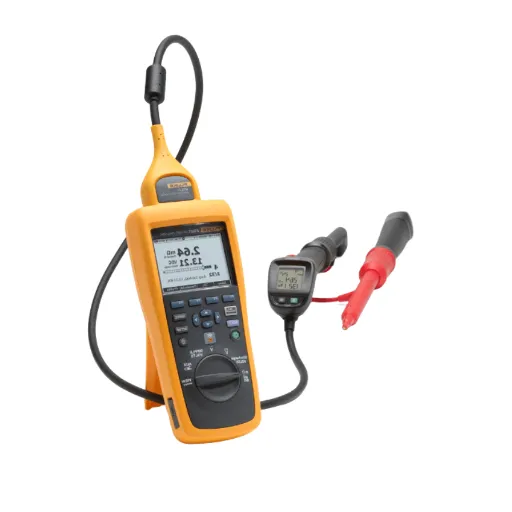
Battery capacity measurement methods are necessary to determine the efficiency and life of battery packs. These very methods being to use higher-end battery test equipment in order to go trough charging and discharging cycles in a way that is equivalent or close to actual situations thus be able to determine the battery’s energy storage capacity precisely. Precision-level testers have the capability to be always feeding the researchers with valuable data, so they can determine the battery behavior and get the best out of the systems that add to the life of the battery and the energy efficiency.
2Understanding Battery Discharge Processes
The said process of unravelling the battery is very important in the battery testing process because it reveals how the battery will perform when the energy is used up under different circumstances. Battery manufacturers are able to redo and analyze the discharge cycle very precisely by using advanced cyclers and discharge testers. This way, they may also estimate how good the battery health is and take a good call on the reliability of the battery modules. This knowledge is of great importance in electric vehicles where frequent discharge performance is very critical.
3Integration of Automation in Testing Equipment
The automation has been introduced in the battery testing equipment, which has drastically changed the industry, and has provided an efficient and precise way of battery test for the company. Automated testing equipment and systems have made the assessment process quicker, at the same time eliminating human error and testing in large quantities. The progression makes a huge contribution to the equipment industry because it provides the correct and uniform results that are indispensable for both laboratory battery analysis and industrial applications. Additionally, automation plays a very important role in the incorporation of testing equipment handling the complexities of modern battery technologies, such as lithium-ion and other new battery materials.
Future Trends in Battery Testing Technology
Conclusion
The testing of batteries is that sector of the industry that is most highly prioritized and benefited by technology, as it is the pursuit of ever safer, more efficient energy storage facilities that lies behind it. The major manufacturers outlined in the present article are those leading the development of these facilities and thus provide the means to satisfy the increasing requirements of electric vehicles, renewable energy storage, and portable electronic devices. The battery technology will not only continue to be but in all likelihood will also be more and more linked to these industry leaders who are the very ones to ensure that every battery pack is made according to the most strigent standards in terms of both performance, reliability and safety. The future of energy storage will depend on how the battery testing equipment has been advancing and the companies producing the equipment are the ones to go ahead with a very sustainable, entirely electric future.